The Overlooked Kentucky Leftover Turning Ordinary Soil Into Something Else Entirely
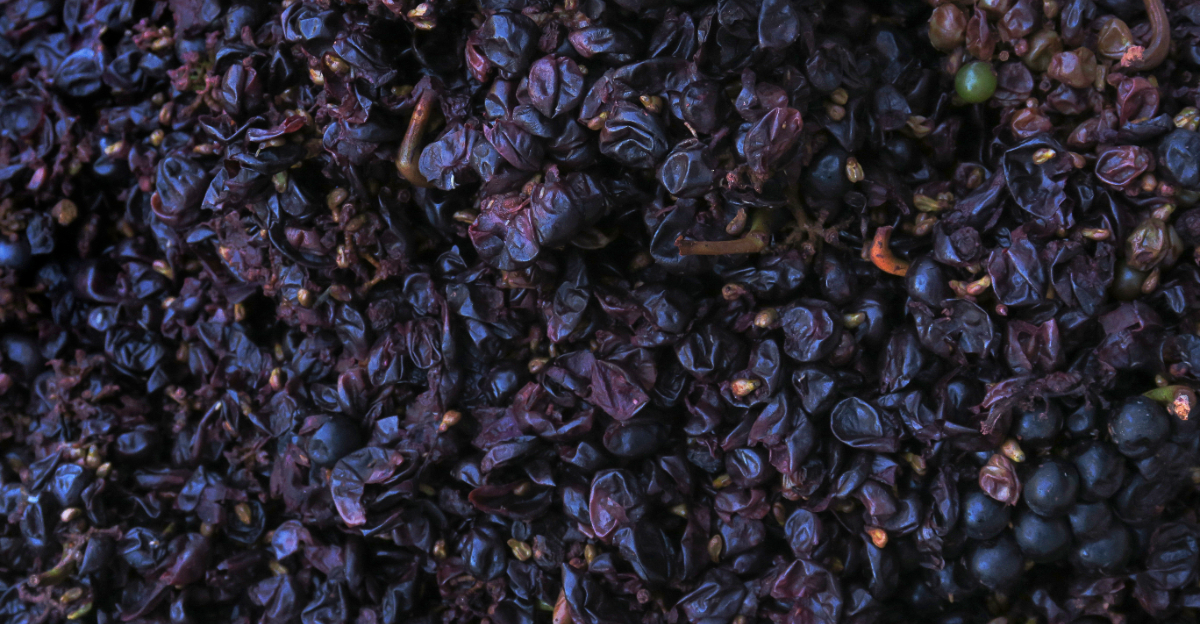
Kentucky distillers quietly produce much more spent grain mash than you might ever realize. Bourbon country never truly wastes a single ingredient you could use.
Gentle chemistry inside that mash still holds rich nutrients you and your garden truly need. Farmers near several Kentucky distilleries happily collect it before you even think to ask.
You haven’t truly seen rich soil like this until you’ve actually tried it yourself. Prices on synthetic fertilizer keep rising steadily while you pay for absolutely nothing new.
Gardeners quietly share tips on exact ratios and timing so you get it just right. Momentum keeps building calmly as you watch backyards and community plots slowly and gently transform.
Curiosity alone will eventually guide you toward why this actually works so well. Word travels quickly once your neighbors notice healthier blooms growing right nearby. Answers are quietly waiting, and they will gently change how you garden forever.
Why Distillery Byproducts Are Gaining Attention As A Garden Fertilizer

Whiskey byproducts are gaining new uses. Distilleries across the Bluegrass State produce large volumes of spent grain on a regular basis.
For years, most of that material went to cattle feed or landfills. Now, a growing number of gardeners and small farmers are scooping it up instead.
The shift started quietly, almost by accident. A few backyard growers noticed that soil near old distillery sites was unusually dark and rich.
Word spread fast through farming communities and online gardening groups. People began asking distilleries directly if they could haul away the leftovers.
Kentucky distillery leftovers are packed with organic matter that breaks down beautifully in garden beds. The grain residue adds bulk, improves drainage, and feeds the microbes that make soil healthy.
Distilleries love the arrangement too. Getting rid of spent grain costs money when you pay for disposal.
Giving it away or selling it cheaply solves a logistical headache for production teams. Some craft distilleries have even started advertising grain pickup programs on social media.
Home gardeners are responding enthusiastically because the material is often free or very low cost. That kind of deal is hard to pass up when commercial fertilizer prices keep climbing.
Farmers markets and community gardens are also jumping in on the trend. This reflects a broader trend of industrial byproducts finding new value elsewhere.
What Types Of Distillery Residue Are Used In Gardening
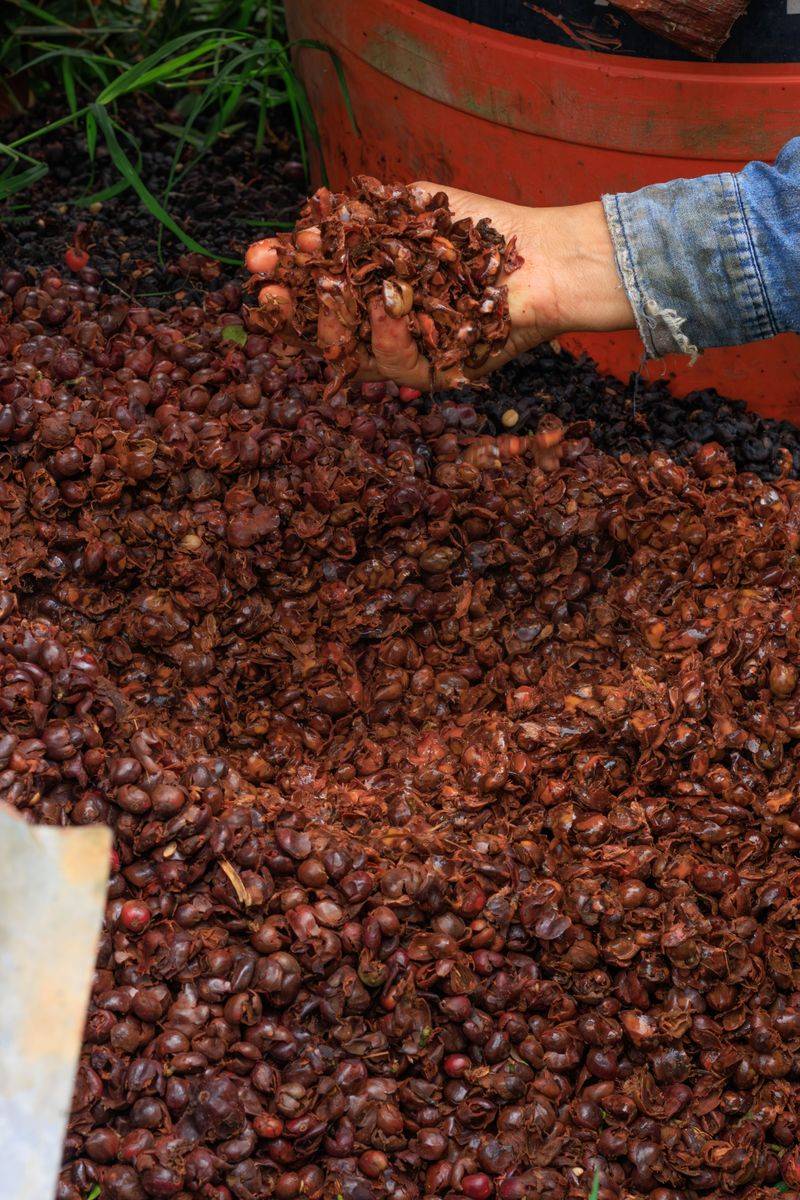
Not all distillery leftovers look the same, and knowing the difference matters. The most common material gardeners use is spent grain, which is the soggy mash left after fermentation.
Corn, rye, barley, and wheat are the typical grains found in bourbon and rye whiskey recipes. Each one breaks down slightly differently once it hits your soil.
Corn-heavy mash tends to be coarser and may take longer to decompose, while barley-rich residue is generally believed to break down faster and release nitrogen sooner, though results can vary by growing conditions.
Beyond grain mash, some distilleries also produce a liquid byproduct called stillage. Stillage is the watery, nutrient-dense liquid left after distillation is complete.
Your Kentucky Garden Changes Every Week. Your Plan Should Too.
Gardening in Kentucky changes quickly throughout the season. Every Friday you’ll receive a simple weekly plan showing exactly what to plant, prune, fertilize, harvest, and protect so you never miss the right timing.
Diluted properly, stillage can be used as a liquid soil drench around plants. Undiluted stillage tends to be highly acidic and may harm plant roots, so dilution is recommended.
Pot ale is another liquid residue that shows up in some production processes. It carries a different nutrient profile than stillage and works well when composted with dry materials.
Some distilleries also generate barrel char, the charred wood fragments from used aging barrels. Barrel char may act similarly to biochar in the garden, potentially improving moisture retention in sandy soils, though more specific research on this use is limited.
Knowing which type of residue you are working with helps you apply it correctly. Ask your local distillery what their specific byproducts contain before hauling anything home.
A quick conversation with production staff can save you from making a costly mistake in your garden beds.
Nutritional Benefits Of Distillery Grain Leftovers For Soil And Plants
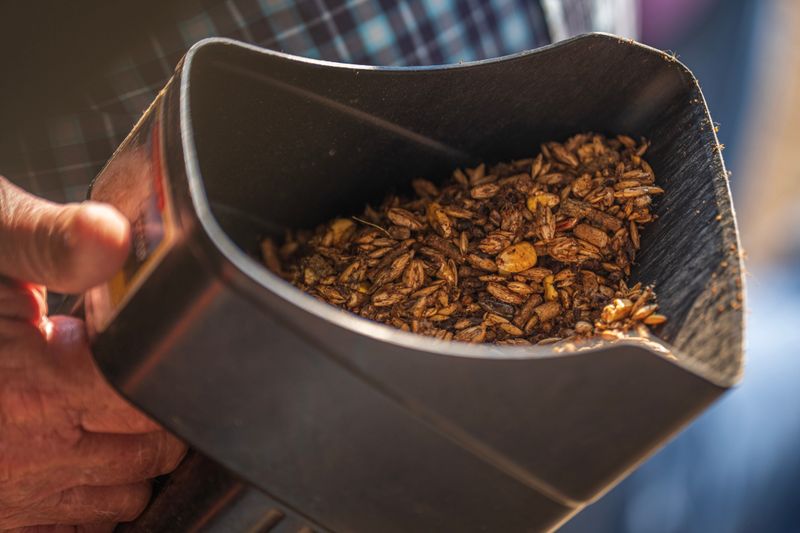
Think of spent grain as a slow-release multivitamin for your yard. The fermentation process strips some simple sugars but leaves behind a concentrated source of protein and fiber.
That protein breaks down into nitrogen, which is the nutrient plants crave most for leafy green growth. Gardeners who apply spent grain often notice darker, thicker leaves within a few weeks.
Phosphorus is also present in distillery grain residue. Phosphorus supports strong root development and helps plants absorb other nutrients from the soil more efficiently.
Potassium rounds out the trio of major plant nutrients found in spent grain. Strong stems, disease resistance, and healthy fruit production all benefit from steady potassium availability.
Beyond the big three, spent grain contains trace minerals like magnesium, calcium, and zinc. These micronutrients support enzyme activity and overall plant health in ways that are easy to overlook.
The fiber content in spent grain is equally valuable. It improves soil structure by creating tiny air pockets that roots can navigate more freely.
Heavy clay soils loosen up noticeably after a season of grain amendment. Sandy soils gain the water-holding capacity they desperately need during dry summer stretches.
Microbial life in the soil absolutely thrives on this material. Bacteria and fungi that break down spent grain also release additional nutrients locked inside organic matter.
Healthy microbial communities mean healthier plants season after season. That underground ecosystem is a major driver of your garden’s success.
Preparing And Applying Distillery Residue Safely
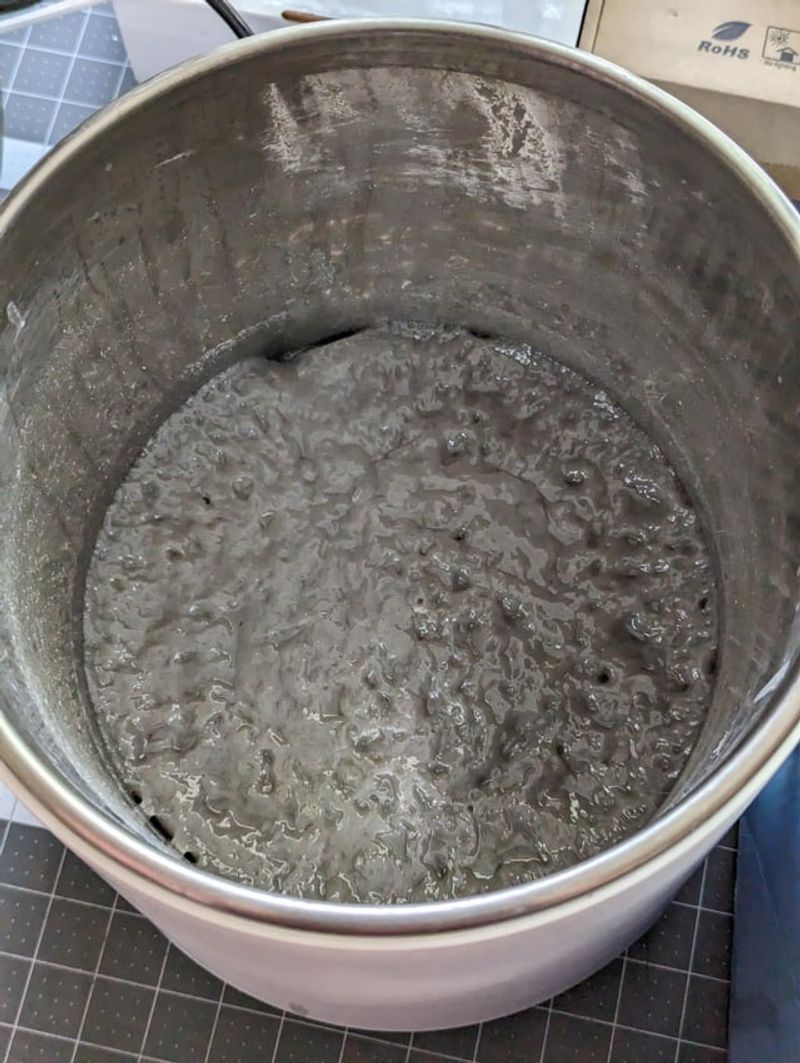
Fresh spent grain smells strong, and your neighbors will notice if you skip the prep steps. Raw grain mash can ferment further once it hits warm air, creating odors that travel surprisingly far.
Composting the material first is the smartest move for most backyard gardeners. Mixing spent grain with dry carbon materials like straw, shredded leaves, or cardboard balances the moisture and speeds decomposition.
A commonly recommended starting ratio is roughly one part grain to two parts dry material, though this can be adjusted based on moisture content. That balance keeps the pile from getting slimy or attracting pests.
Turn the compost pile every few days to introduce oxygen and keep things moving. A well-managed pile can often be ready to use within a matter of weeks, depending on temperature, moisture, and pile size.
If you want to apply spent grain directly to garden beds, use a thin layer no deeper than one inch. Thick applications can mat together, blocking water and air from reaching plant roots.
Work the grain lightly into the top few inches of soil using a garden fork. This speeds breakdown and prevents surface crusting that can repel rainfall.
Liquid stillage should always be diluted before application. A diluted ratio, such as one part stillage to ten parts water, is often suggested as a starting point, though local agricultural guidance should be consulted.
Apply liquid amendments in the early morning so plants have the full day to absorb moisture.
Avoid applying right before heavy rain, which can wash nutrients away before they soak in. Safe preparation turns a messy byproduct into an effective soil amendment.
Best Plants And Crops That Respond Well To This Fertilizer
Not every plant reacts the same way to distillery grain amendments. Heavy feeders are the biggest winners when spent grain enters the picture.
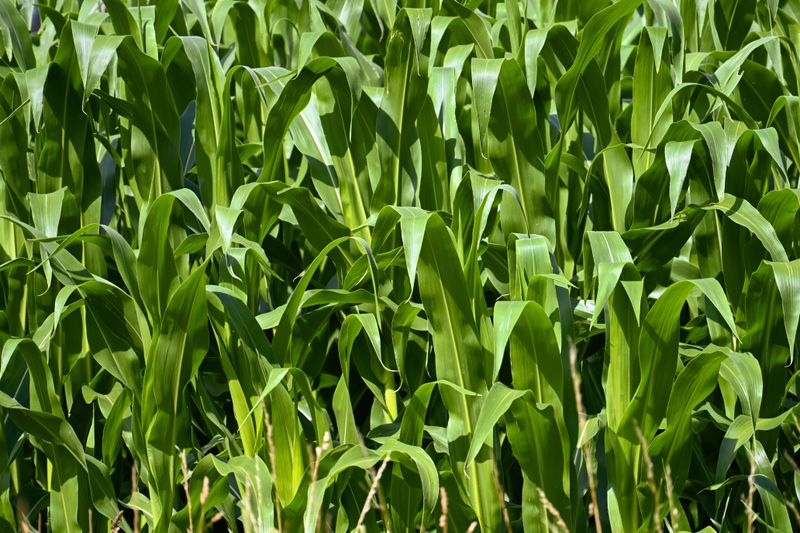
Corn is practically tailor-made for this treatment, which makes sense given that corn is the main ingredient in most bourbon mash. Gardeners growing sweet corn report taller stalks and plumper ears after incorporating grain residue into their beds.
Tomatoes are another enthusiastic beneficiary of this amendment. The nitrogen boost from breaking-down grain supports rapid vine growth and generous fruit set throughout the season.
Squash and pumpkins also respond beautifully to spent grain-enriched soil. Their large root systems spread wide and pull in nutrients aggressively, making them ideal candidates for this type of organic amendment.
Leafy greens like kale, spinach, and lettuce thrive on the steady nitrogen release that composted grain provides. Expect bigger, darker leaves and a longer harvest window before plants bolt to seed.
Fruit trees benefit from grain amendments applied around the drip line each spring. Improved soil structure encourages deeper root growth, which makes trees more drought-tolerant over time.
Herbs like basil and parsley enjoy the nutrient boost but prefer lighter applications than heavy feeders do. Too much nitrogen pushes herbs toward leaf production at the expense of flavor and aroma.
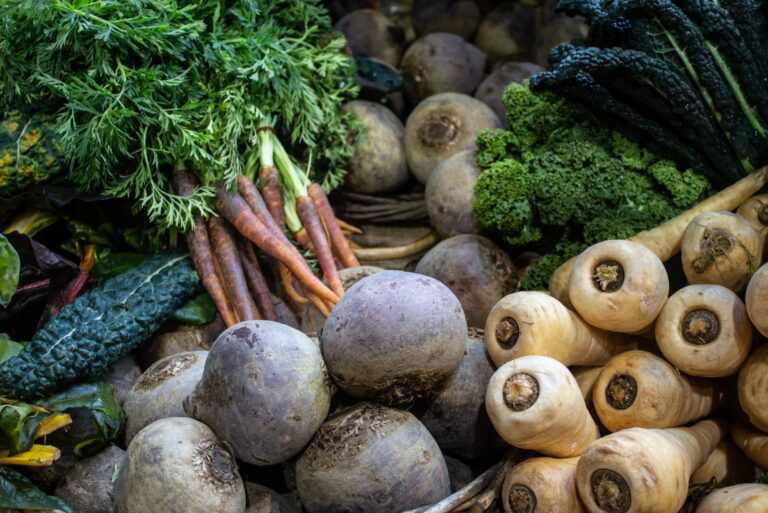
Root vegetables like carrots and beets do best when grain is fully composted before application. Fresh grain can cause forking and misshapen roots if applied too close to planting time. Matching the right amendment to the right crop makes all the difference.
Environmental Impact And Sustainability For Kentucky Distilleries
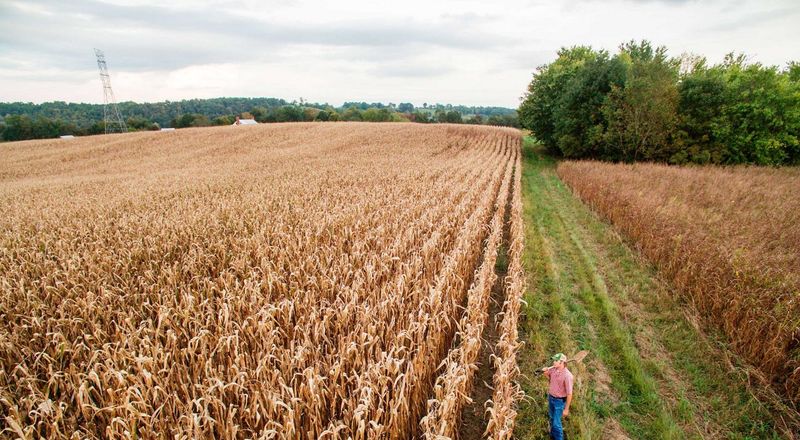
The bourbon industry generates a large volume of organic waste every year. Finding productive uses for that material is increasingly viewed as both an economic and environmental consideration.
When spent grain goes to a landfill, it decomposes without oxygen and releases methane, a greenhouse gas with high warming potential. Redirecting that material to gardens and farms reduces a significant source of emissions from the production chain.
Kentucky distillery leftovers entering the soil also reduce the need for synthetic fertilizers. Manufacturing those products requires large amounts of fossil fuel energy, so every pound of grain used in gardens offsets that demand.
Water quality is another major benefit of this shift. Synthetic fertilizer runoff is a leading cause of algae blooms in rivers and streams across the country.
Organic amendments like spent grain release nutrients slowly and are far less likely to wash into waterways. Healthier local water systems benefit communities far beyond the garden fence.
Distilleries that partner with farms and gardeners also strengthen local supply chains. Shorter transport distances for waste materials mean fewer truck trips and lower carbon output overall.
Some larger operations are exploring formal programs that connect distillery production schedules with seasonal gardening needs. Matching supply to demand at a community level creates a genuinely circular economy.
Craft distilleries in particular are building reputations as sustainability leaders through these partnerships. Some consumers consider sustainability practices when choosing brands.
Turning byproducts into a useful soil amendment is a practical example of circular thinking in action.