8 Things To Do For Your Crape Myrtles Before Kentucky Summer Kicks In

Kentucky summers do not ease in gradually. They arrive like an uninvited guest who cranks up the thermostat and refuses to leave.
Your crape myrtles can handle the heat, but they handle it a lot better with a little prep work on your end.
A few smart moves before the temperatures climb mean the difference between trees that put on a real show and trees that limp through July looking sorry for themselves.
This is not about complicated gardening routines. It is not about spending an entire weekend in the yard either.
It is about knowing what your crape myrtles actually need before summer makes the decisions for you. Get ahead of it now, and your trees will reward you with better blooms, stronger color, and a lot less babysitting once the real heat arrives.
Watering Schedule Adjustment
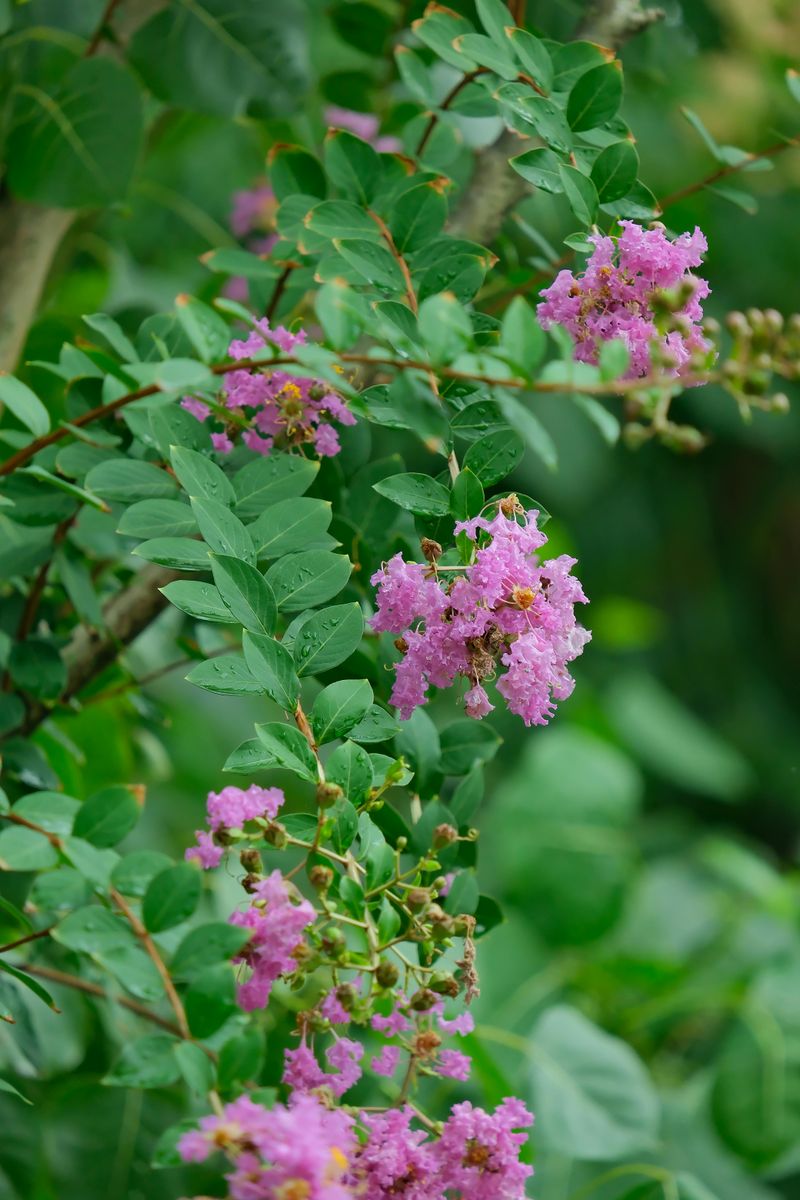
Your crape myrtles are thirsty, and summer is not waiting around. Shifting your watering routine now, before the heat locks in, sets these trees up for a genuinely strong season.
Young crape myrtles need about one inch of water per week during the growing season. Established trees handle drought better, but they still appreciate deep, consistent watering before peak heat arrives.
Shallow watering keeps roots near the surface, which is exactly where you do not want them in July. Water deeply and less often to push roots downward where soil stays cooler and moisture actually lasts.
Early morning is the right time to water. Leaves dry out before evening, which cuts down on fungal issues that crape myrtles are prone to in humid Kentucky summers.
A soaker hose or drip system will serve you a lot better than overhead sprinklers. It delivers water where the roots are, without wasting it on foliage that does not need it.
Keep an eye on rainfall totals through May and June and adjust your schedule as you go. Overwatering is just as damaging as underwatering, so check soil moisture a few inches down before you add more.
Get this habit in place now. Your trees will enter summer hydrated, rooted deep, and ready to bloom through even the hottest weeks Kentucky throws at them.
Mulching Around The Base
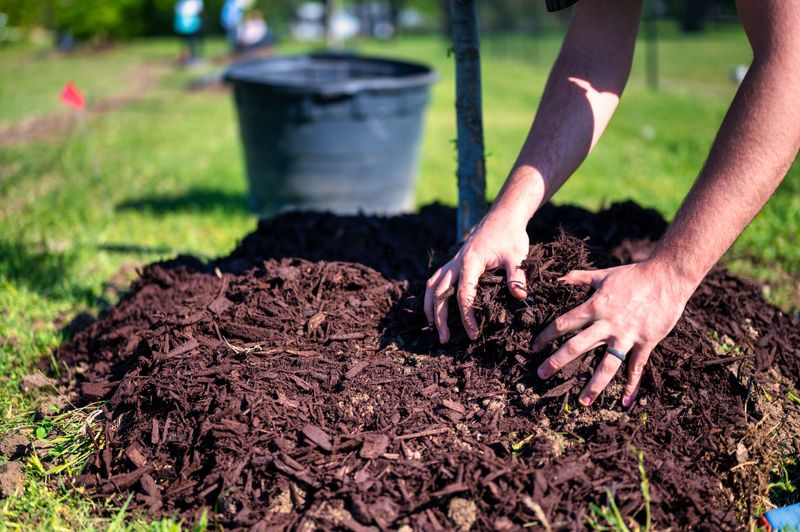
Few things protect a tree’s roots better than a solid layer of mulch. Laid down before summer arrives, it acts like insulation, keeping moisture in and temperature spikes out.
Aim for a two-to-three inch layer spread in a wide circle around the base of each tree. Pull it a few inches back from the trunk itself to prevent rot and keep pests from settling in.
Wood chips, shredded bark, and pine straw all work well for crape myrtles. They break down gradually over the season, feeding the soil naturally as they go.
Mulch also suppresses weeds, which compete aggressively with your trees for water and nutrients when the heat is at its worst. Fewer weeds means more resources going exactly where they belong.
Fresh mulch applied in late April or May gives it time to settle before temperatures climb into the nineties. Waiting until summer is already here means your soil has already been working against you.
Your Kentucky Garden Changes Every Week. Your Plan Should Too.
Gardening in Kentucky changes quickly throughout the season. Every Friday you’ll receive a simple weekly plan showing exactly what to plant, prune, fertilize, harvest, and protect so you never miss the right timing.
A well-mulched crape myrtle holds onto soil moisture significantly longer than bare ground. That difference becomes very obvious come August when everything else in the yard is struggling.
Reapply and refresh as needed since mulch breaks down and loses its insulating power over a single growing season. It is a small annual effort that pays off every time the forecast hits triple digits.
Light Pruning And Shaping

Spring is when crape myrtles wake up hungry for light and ready to grow. A little shaping now encourages better airflow, stronger branches, and a lot more blooms once summer hits.
Start by removing any crossing branches that rub against each other. Friction creates wounds, and wounds invite disease, especially in the heat and humidity of a Kentucky summer.
Trim away suckers growing from the base of the trunk. They pull energy away from the main canopy and never contribute anything worth keeping.
Cut out any dry or damaged wood left over from winter before new growth fills in around it. Withered wood left in place becomes a problem later in the season.
Resist the urge to cut heavily. Crape myrtles bloom on new growth, and aggressive pruning pushes that bloom window back further than most people realize.
Avoid heavy topping, cutting trunks back to thick stubs. While widely practiced, this weakens the tree over time and destroys its natural form.
Aim instead for selective cuts that preserve the tree’s graceful, natural silhouette. The goal is refinement, not a reset.
Sharp, clean tools make cuts that heal faster, so sharpen your pruners before you start. A well-shaped crape myrtle heading into summer is primed to put on exactly the kind of show you planted it for.
Fertilizing Before Peak Heat
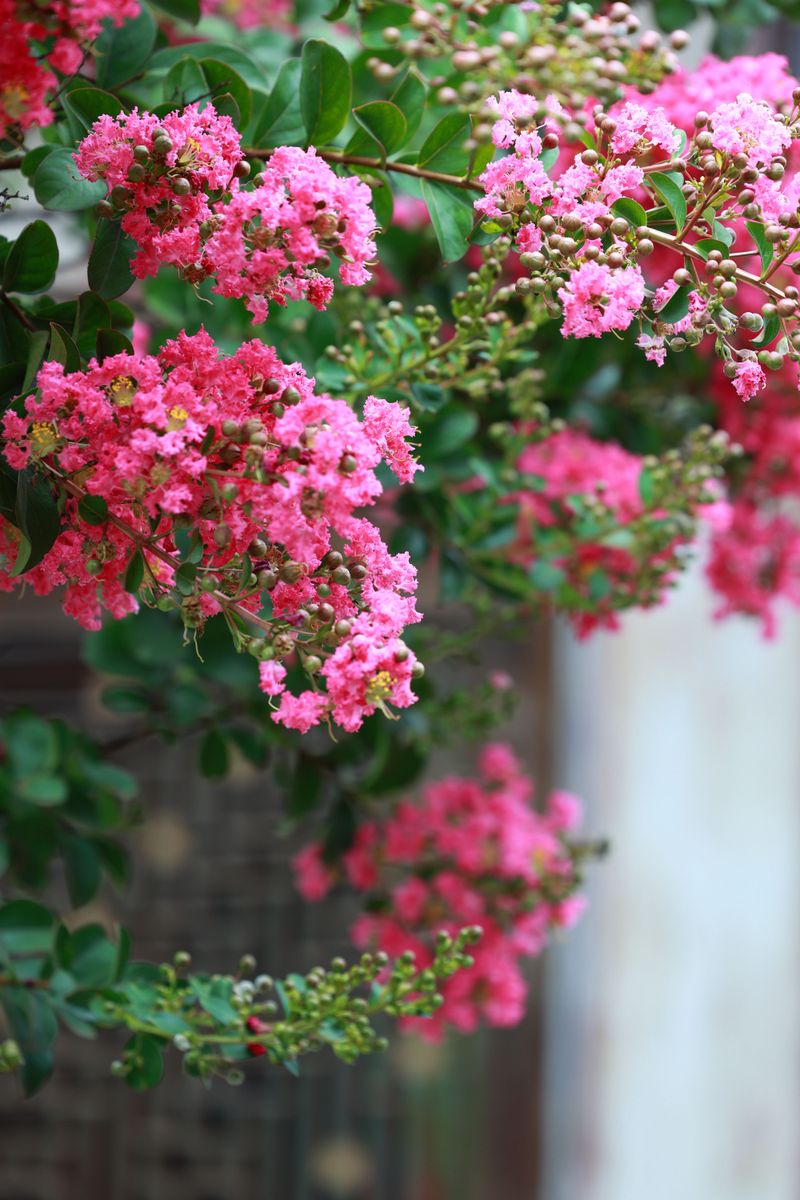
Crape myrtles are not heavy feeders, but a well-timed boost before summer makes a noticeable difference in how well they bloom. Get the timing wrong, and you end up doing more harm than good.
Feeding too late in the season pushes tender new growth that cannot harden off before the heat arrives. Early spring, right around the time you see the first buds swelling, is the window you are looking for.
A balanced slow-release fertilizer works well here. A ratio like 10-10-10, or a blend designed specifically for flowering trees, gives crape myrtles what they need without overloading them.
Scatter granules evenly across the root zone, which extends out to the drip line of the canopy. Water the area thoroughly afterward so nutrients move down into the soil where roots can actually reach them.
Avoid high-nitrogen products. Too much nitrogen pushes leafy growth at the expense of the flowers, which is the opposite of what you planted these trees for.
One application in spring is usually enough. Crape myrtles growing in fertile soil rarely need a second feeding mid-season, and chasing extra growth often backfires once temperatures climb.
Container-grown crape myrtles are the exception. Nutrients wash out of pots faster, so a light liquid feed every few weeks through the growing season keeps them performing at their best.
Pest And Disease Check
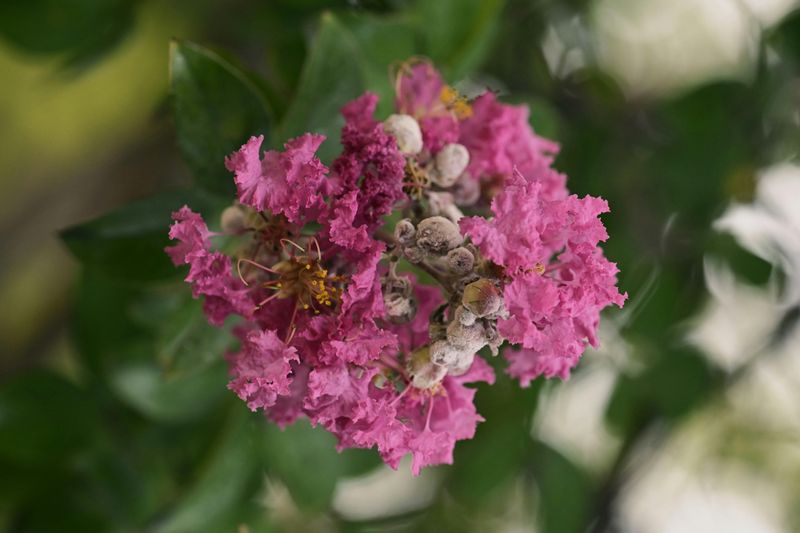
Something might already be eating your crape myrtle. The tricky part is that most pest damage starts small and stays hidden until it becomes a real problem.
Aphids are among the most common culprits. They cluster on new growth and leave behind a sticky residue called honeydew, which then invites sooty mold, a black fungal layer that blocks sunlight and slowly weakens the leaves beneath it.
Check the undersides of leaves carefully before you decide everything looks fine. Most pests hide there, away from direct sunlight and casual glances from ground level.
Scale insects are easy to miss entirely. They look like small brown bumps on branches and can build up to damaging population levels before most gardeners notice anything is wrong.
Powdery mildew is another issue to watch for, especially during humid spring weather. It shows up as a white coating on leaves and spreads quickly when airflow around the canopy is poor.
Good pruning habits, the kind covered in the previous step, help reduce mildew risk before Kentucky’s humid summer makes conditions worse. Structure and airflow matter more than most people realize.
Treat minor infestations with insecticidal soap or neem oil. Both are effective against common crape myrtle pests and gentler on the beneficial insects you actually want around your yard.
Catching these issues now means your trees head into summer clean, healthy, and completely focused on blooming.
Soil Prep And Drainage Check
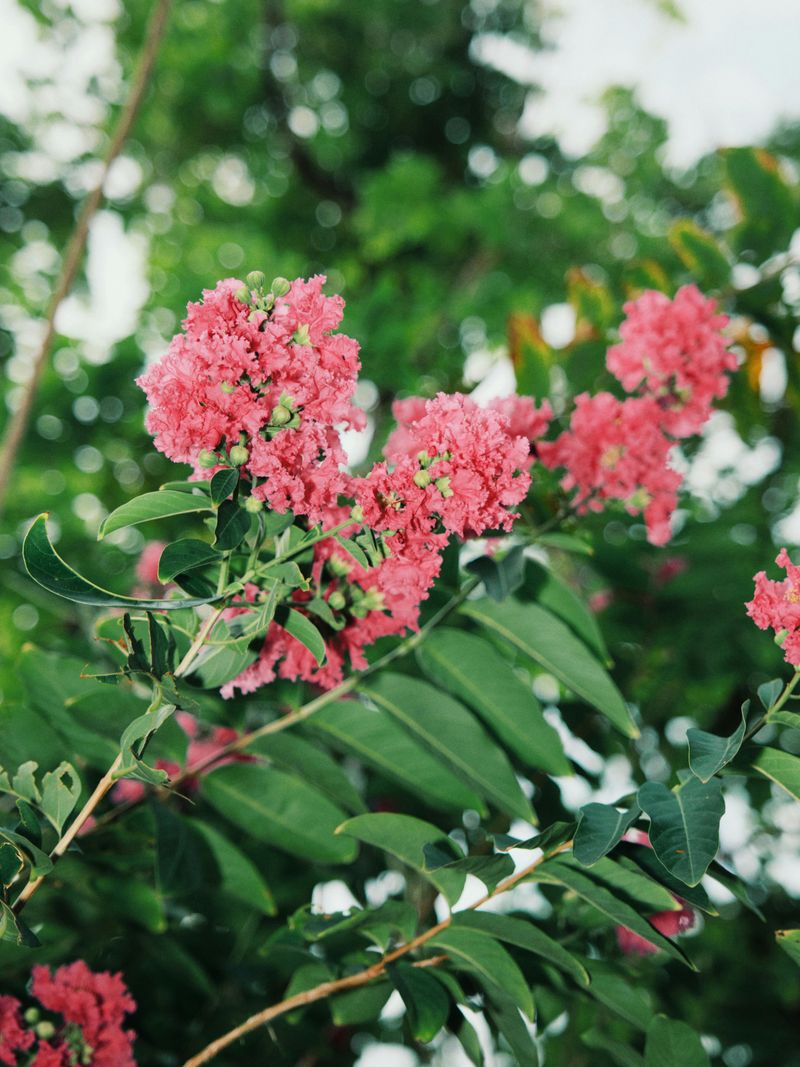
Soggy roots are a quiet threat that crape myrtles simply cannot handle through a long, hot summer. The problem is that poor drainage often goes unnoticed until the damage is already done.
Crape myrtles prefer well-drained, slightly acidic soil, often around pH 5.0 to 6.5. Outside that range, nutrient uptake suffers even when everything else looks fine on the surface.
Test your drainage before the season shifts. Dig a hole about twelve inches deep near the root zone, fill it with water, and watch what happens.
If it drains steadily and doesn’t sit for house, your soil is in good shape. Slow drainage points to compacted soil or heavy clay, both of which trap moisture around roots and set the stage for rot.
Work in compost or coarse sand to loosen compacted areas and improve how water moves through the ground. It does not take much to make a meaningful difference in problem spots.
Raised planting beds are worth considering for areas with persistent drainage issues that amendments alone cannot fix. They give roots the environment they need without fighting the existing soil structure.
A quick soil test from your local cooperative extension office can reveal pH imbalances and nutrient gaps worth addressing now. It is inexpensive, accurate, and gives you something concrete to act on.
Healthy soil is the foundation everything else builds on. Get it right before summer, and your crape myrtles will have exactly what they need to perform at their best.
Choosing The Right Location For Young Plants
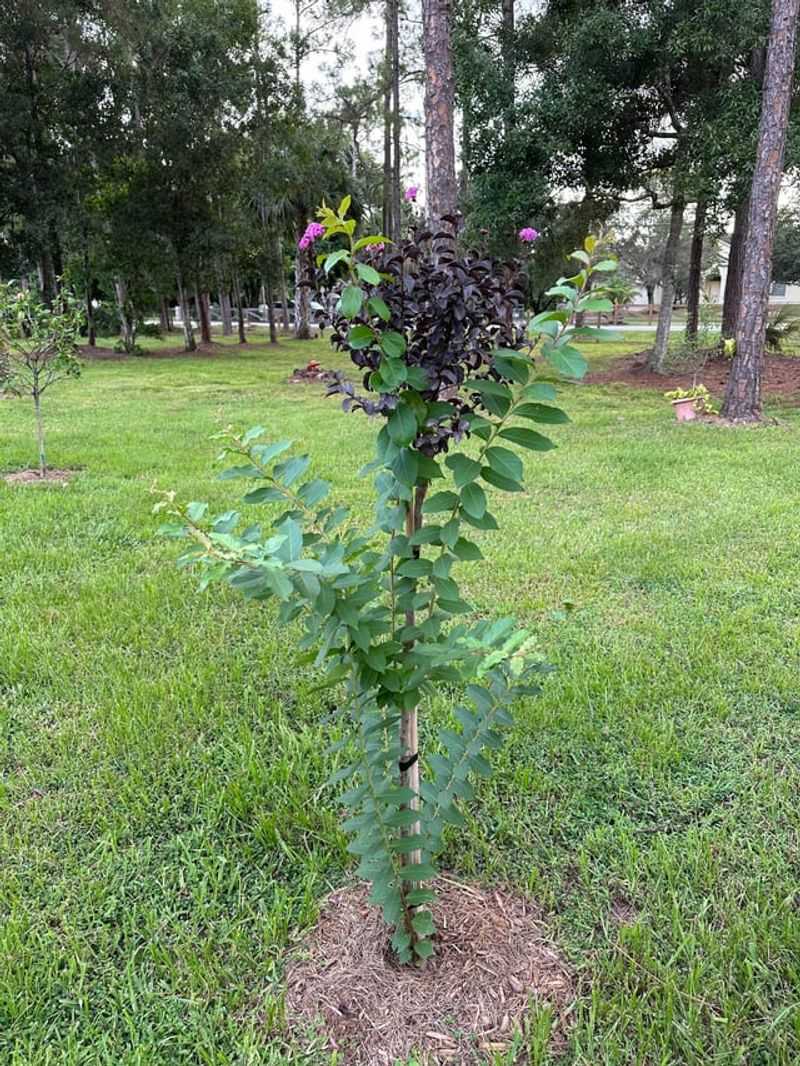
Planting a crape myrtle in the wrong spot is a mistake that takes years to undo. If you are adding new trees this spring, location is the decision that everything else depends on.
Crape myrtles need full sun, at least six to eight hours of direct sunlight each day. Shady spots produce weak, leggy growth with far fewer flowers and a much higher risk of powdery mildew through the season.
Give each tree enough room to reach its mature size without crowding buildings, fences, or neighbouring plants. Some dwarf varieties can stay as compact as four feet, though many reach eight to ten feet depending on the variety.
Check overhead for utility lines before you dig. Large crape myrtles growing into wires create hazards that are expensive and frustrating to deal with later.
Think about the view from inside your home as well. These trees are genuinely stunning in bloom, and a well-placed crape myrtle framed by a window is worth planning for intentionally.
Avoid low-lying spots where water pools after rain. Standing water around young roots causes stress almost immediately and gives root rot exactly the conditions it needs to take hold.
Soil quality matters at planting time too. Mixing in compost before backfilling gives new roots a much better start than planting straight into whatever the existing ground happens to offer.
Choose the right spot now, and your crape myrtle will reward you with decades of colour that peaks every single summer.
Applying Preventative Fungicide
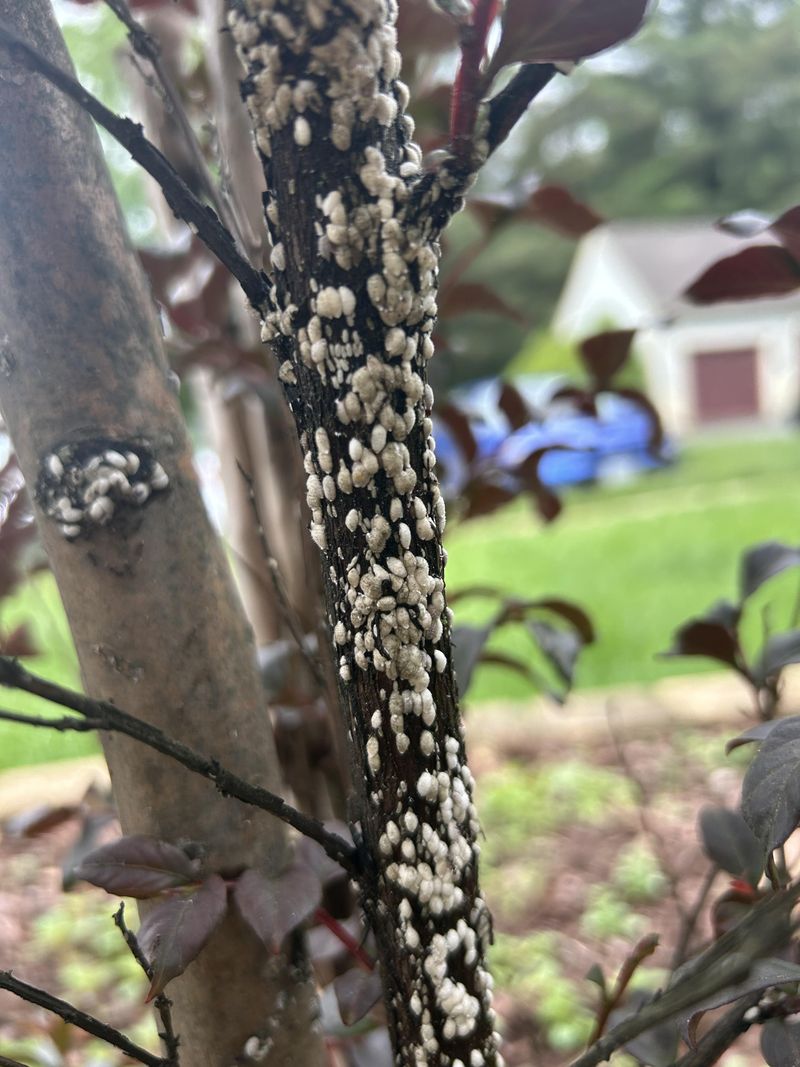
Kentucky humidity and crape myrtles have a complicated relationship. The same warm, muggy air that makes summers here so lush also creates ideal conditions for fungal problems that can quietly ruin a season’s worth of growth.
If your trees struggled with fungal issues last season, this step is especially worth prioritizing.
Applying a preventative fungicide in spring, before symptoms appear, is a smarter move than treating an outbreak after the fact. By the time powdery mildew or cercospora leaf spot shows up visibly, the fungus has already been at work for a while.
Look for a fungicide labeled for ornamental trees that covers common fungal issues like powdery mildew, leaf spot, and blight. Copper-based fungicides and those containing myclobutanil or propiconazole are reliable options widely available at garden centers.
Follow label instructions carefully. More product does not mean better protection, and overapplication can stress the tree or leave residue that harms beneficial insects visiting the blooms later in the season.
Apply in late April or early May, before heat and humidity climb together. Repeat only if conditions warrant or the label recommends it.
Spray in the early morning so the product dries before temperatures peak. Evening applications stay wet longer on foliage, which can actually encourage the exact conditions you are trying to prevent.
Trees that were treated for fungal issues last season should be considered a priority this spring. Some fungal spores overwinter in soil and debris, and the same trees tend to struggle in the same spots year after year.