Can Your California HOA Force You To Remove A Fire-Prone Tree?
A mature tree can feel like part of the property itself, especially after years of shade, privacy, and carefully planned landscaping.
Then an HOA notice arrives questioning that tree, and suddenly the backyard has a legal subplot nobody asked for.
In California communities where wildfire risk shapes landscaping decisions, trees can become more than a matter of personal taste.
HOA rules, neighborhood safety standards, property rights, and local requirements may all enter the conversation at once.
That can leave residents wondering how much authority an association really has over something growing inside a privately owned yard.
The situation gets even more complicated when a tree is healthy, attractive, or expensive to remove.
Nobody enjoys being told that a favorite landscape feature may need to go, especially when the reason involves rules that are not always easy to interpret.
So where does an HOA’s power end and a homeowner’s control begin? The answer can depend on several details, and the fine print may matter just as much as the tree itself.
1. HOA Rules Can Require Hazardous Trees To Be Removed

Most join an HOA knowing there will be rules, but not everyone expects those rules to reach into their own backyard.
The truth is, HOA governing documents often give the association real power over landscaping choices, including trees that could be considered dangerous.
Many CC&Rs, which stands for Covenants, Conditions, and Restrictions, include language about maintaining property in a safe and clean condition.
If a tree is considered a fire hazard, the HOA may have the legal right to require its removal.
This is especially true when the tree threatens shared spaces or neighboring properties.
HOAs can send formal notices asking California homeowners to act within a certain timeframe.
If the homeowner does not comply, the HOA may have the authority to hire someone to remove the tree and charge the homeowner for the cost. Some HOAs even have the right to place a lien on the property if the bill goes unpaid.
Before agreeing to remove any tree, read your CC&Rs carefully. Look for sections that mention landscaping, nuisances, or fire safety.
If the language is vague, ask the HOA board to show you exactly which rule applies. You have the right to understand the specific basis for any removal demand before taking action.
2. Fire-Safety Rules May Override Landscaping Preferences
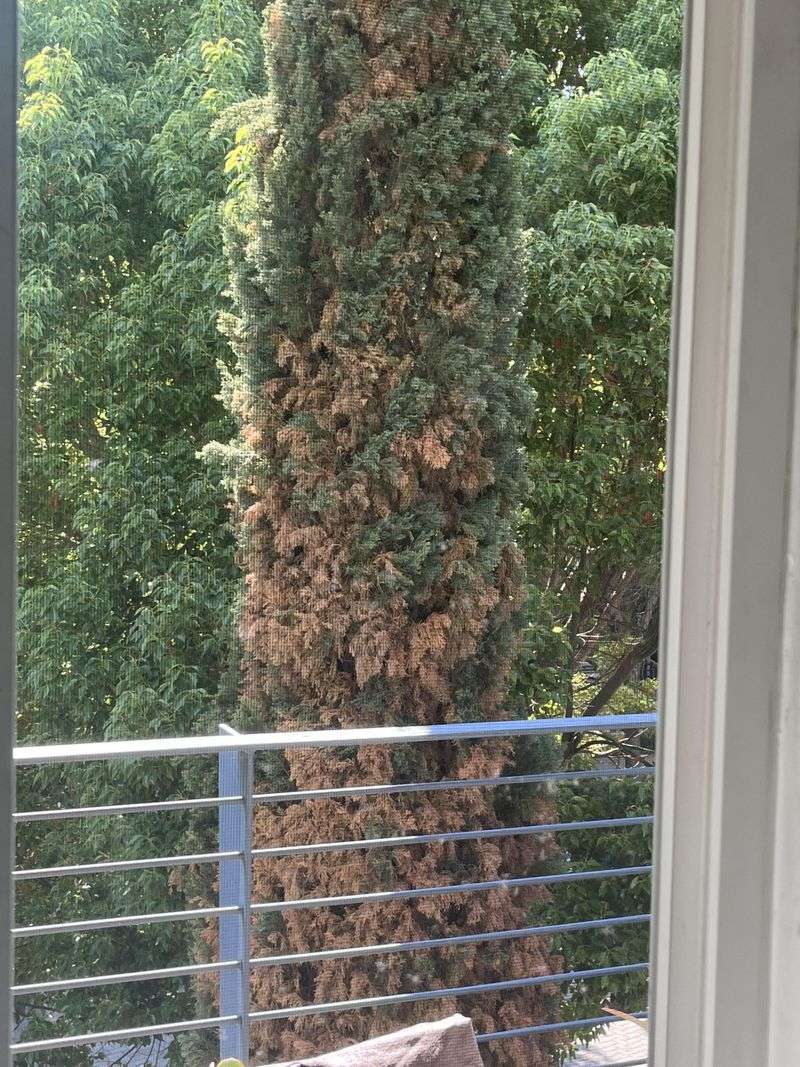
Plenty of California homeowners choose trees for their beauty, shade, or privacy. A tall eucalyptus or a row of Italian cypress trees might look stunning, but these species are known to burn fast and hot.
When fire safety is at stake, personal preference often takes a back seat to community protection.
HOA boards are allowed to prioritize safety over aesthetics. If a tree species is widely known to be fire-prone, the board may cite that fact when asking for removal.
They do not always need to wait for a fire inspector to weigh in. The board can act based on general knowledge and community risk.
Your California Garden Changes Every Week. Your Plan Should Too.
Gardening in California changes quickly throughout the season. Every Friday you’ll receive a simple weekly plan showing exactly what to plant, prune, fertilize, harvest, and protect so you never miss the right timing.
Some HOAs have updated their landscaping guidelines to include lists of fire-resistant plants that homeowners are encouraged or even required to use.
If your tree is not on an approved list, that alone might give the HOA grounds to ask for its removal. These lists are usually based on guidance from fire safety agencies.
Even if you love the tree, fighting a removal request based purely on personal taste is unlikely to succeed. A stronger approach is to ask the HOA whether fire-resistant alternatives would satisfy the concern.
Proposing a replacement tree that meets safety standards shows good faith and may lead to a workable solution.
3. Trees Near The Home Usually Get The Most Scrutiny
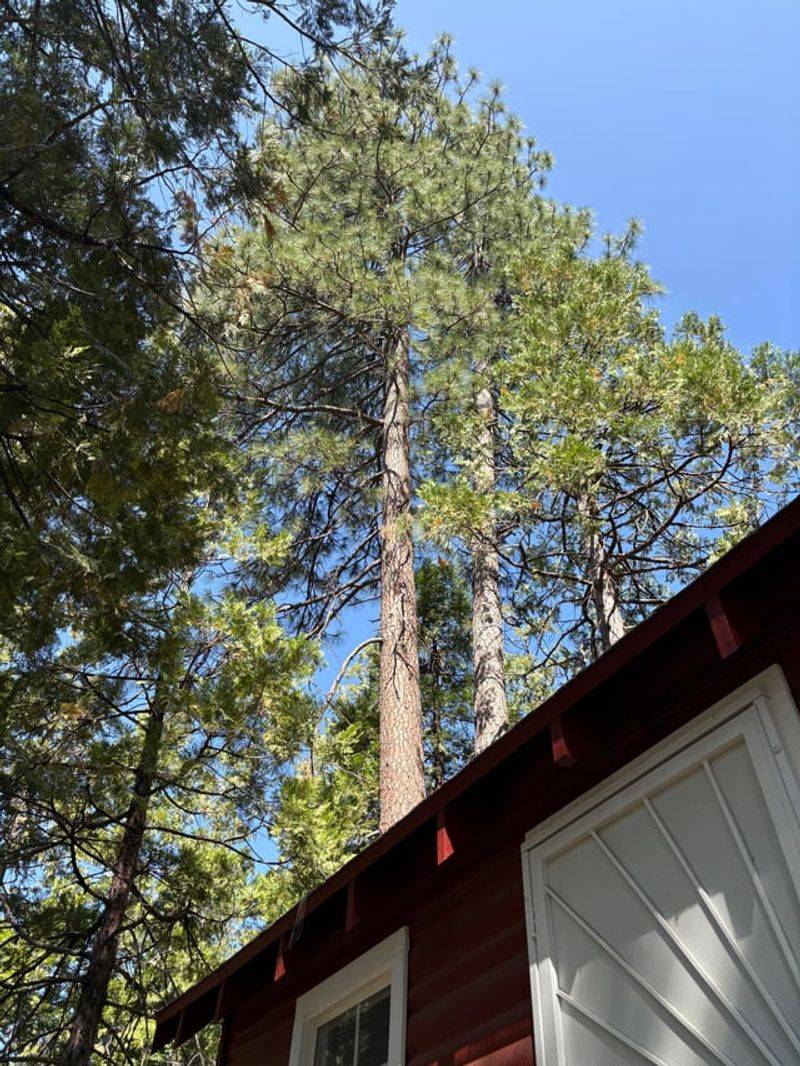
Not every tree on your property carries the same level of risk. A tree planted far from any structure is much less likely to draw HOA attention than one that hangs directly over your roof or leans against a fence shared with a neighbor.
Proximity matters a great deal in fire safety assessments. Trees that grow within a few feet of a home can allow flames to jump from the branches directly onto the structure.
This is why fire safety experts often focus on what is called the “home ignition zone,” which covers the area within about 30 feet of the house.
HOAs tend to follow similar logic. If a tree is close to the home, close to a gas meter, or hanging over a shared fence or wall, it is far more likely to receive a formal complaint or removal request.
Homeowners in these situations have less room to argue against removal based on safety grounds.
Trimming back branches and keeping the area around a tree clear of dry leaves or debris can sometimes reduce the HOA’s concern. Regular maintenance shows that you are taking the risk seriously.
However, if the tree’s location is the core issue, pruning alone may not be enough to satisfy the board’s safety requirements.
4. Damaged Trees Are Easier For An HOA To Challenge
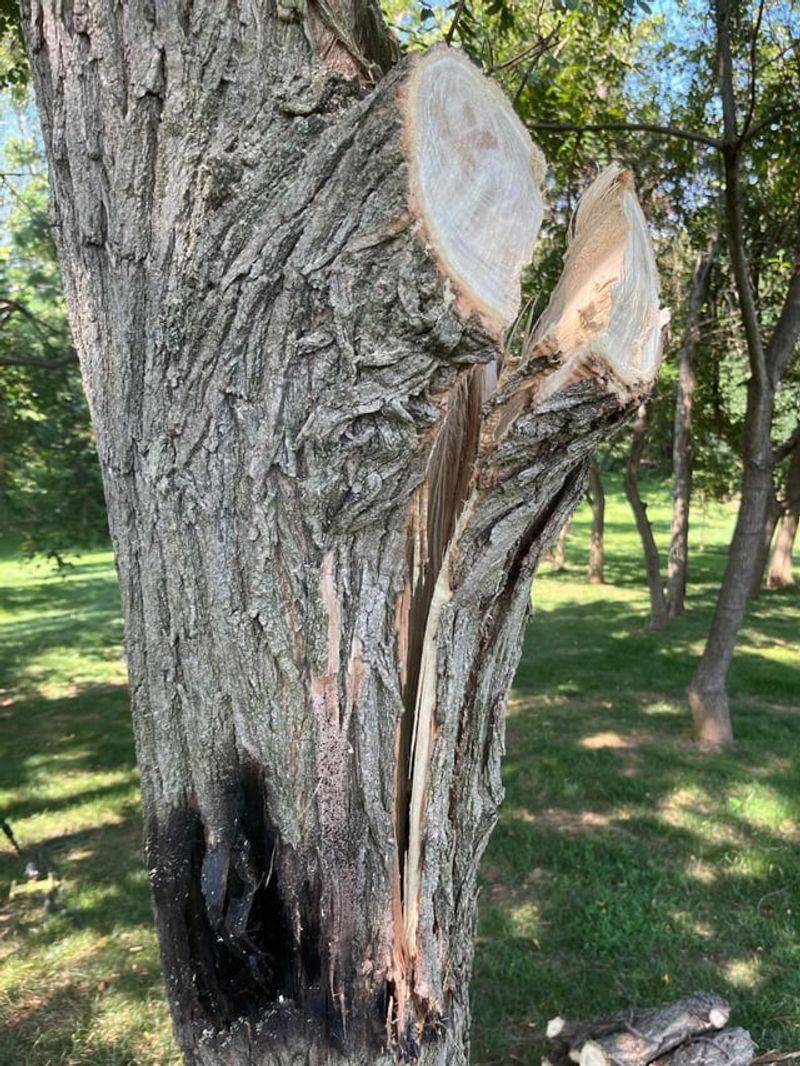
When a tree still has green leaves and looks healthy, arguing for its removal becomes more complicated.
But a tree that is clearly dry, brittle, or losing bark is a much easier target for an HOA looking to address fire risk.
Dry and deteriorating trees can ignite quickly. They also tend to drop branches, which creates an additional safety risk for people and property nearby.
HOAs can usually point to general safety provisions in their governing documents to justify requesting the removal of a tree in poor condition.
Homeowners sometimes hold onto struggling trees out of hope that they will recover. That instinct is understandable, but it can also lead to conflict with the HOA.
If the board sends a notice about a tree that is clearly not thriving, it may be worth getting an arborist’s opinion before pushing back.
A certified California arborist can assess whether the tree is salvageable or beyond help. Their written report carries real weight in disputes with the HOA.
If the arborist says the tree can be saved with proper care, that report can serve as evidence in your favor.
If the arborist agrees with the HOA’s concern, you will have clear guidance on the right next step, which is usually removal before the situation gets worse.
5. Local Defensible-Space Rules Can Strengthen The HOA’s Case
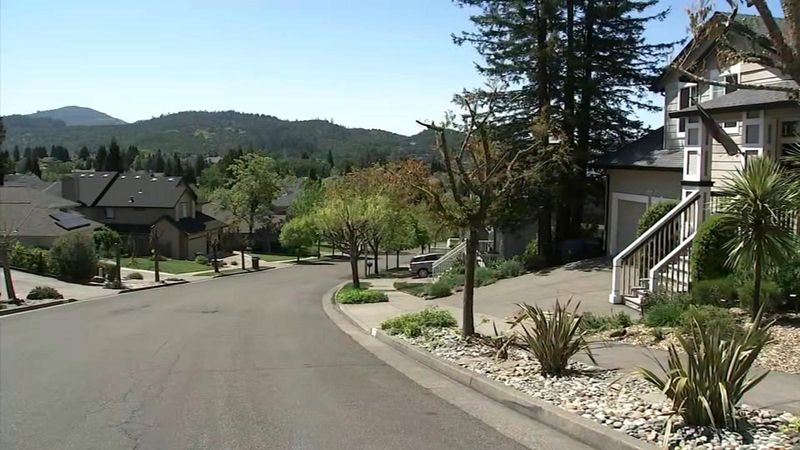
HOA rules do not exist in a vacuum. Local, state, and county fire codes can also apply to residential properties, and when those rules align with what the HOA is asking, the homeowner has much less room to resist.
Defensible space is a term used by fire agencies to describe the buffer zone around a home that is kept clear of flammable plants and materials.
In many parts of the state, homeowners are legally required to maintain a certain amount of defensible space around their structures. This is not just an HOA preference. It is the law.
When a fire-prone tree falls within the required defensible space zone, the HOA can point to local fire code as additional support for its removal request.
This makes the HOA’s case much stronger and gives the homeowner far less legal ground to stand on when contesting the notice.
Checking your local California fire department’s website is a smart first step if you receive a tree removal notice. Look up the defensible space requirements for your specific area.
If your tree is within a zone that must be kept clear, you are likely required to remove or significantly trim it regardless of what the HOA says. Knowing this early can help you avoid a longer and more costly dispute.
6. The HOA Still Has To Follow Its Own Governing Documents
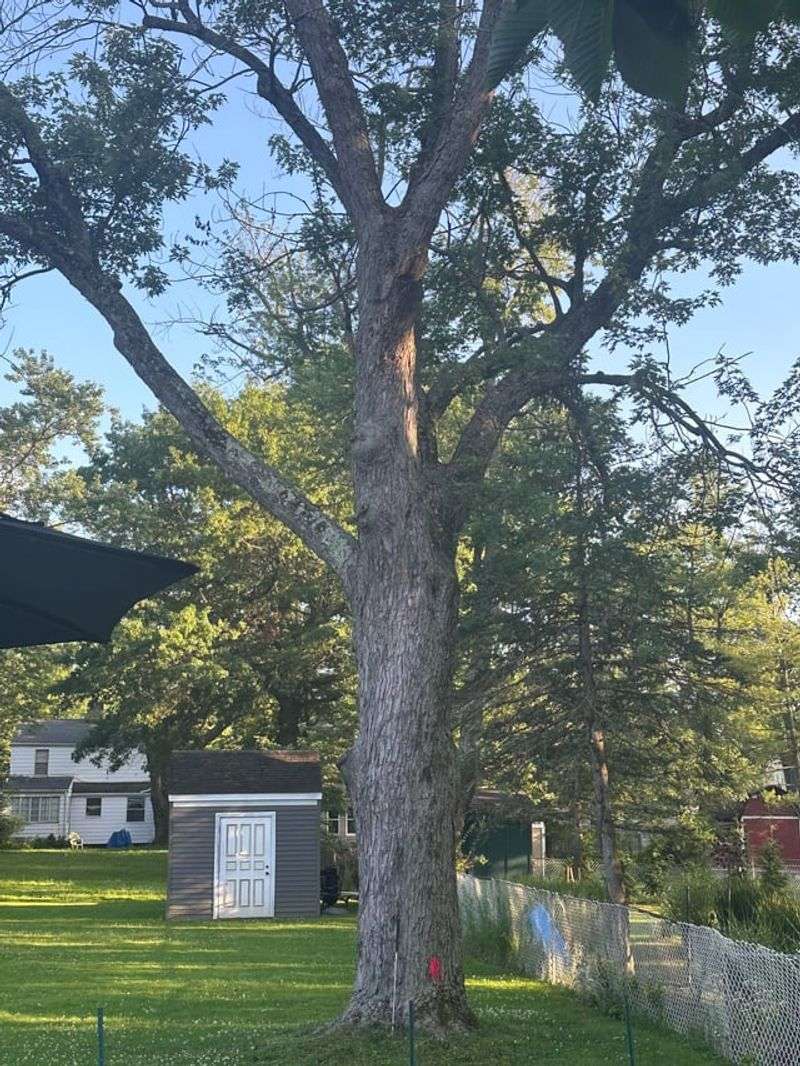
Even when an HOA has good intentions, it still has to play by its own rules. An HOA cannot simply demand that you remove a tree without following the proper process outlined in its governing documents.
Skipping steps can actually weaken its legal position. Most HOAs are required to give written notice before taking any enforcement action.
That notice typically must include the specific rule being violated, a reasonable timeframe to correct the issue, and information about how to appeal the decision.
If the HOA skips any of these steps, the homeowner may have grounds to push back. HOA boards are also usually required to hold a hearing if the homeowner requests one.
This is your chance to present your side of the story, share any expert opinions, or propose alternatives. Many disputes get resolved at this stage without ever going further.
Homeowners who feel the HOA acted improperly have options. You can consult with a real estate attorney who handles HOA disputes, or you can contact your state’s Department of Consumer Affairs, which oversees HOA activity.
Keeping records of all communication with the HOA is essential. Save every letter, email, and notice you receive.
A paper trail can be very helpful if the situation escalates into a formal dispute or legal proceeding.
7. Tree Removal Notices Should Explain The Rule Being Enforced
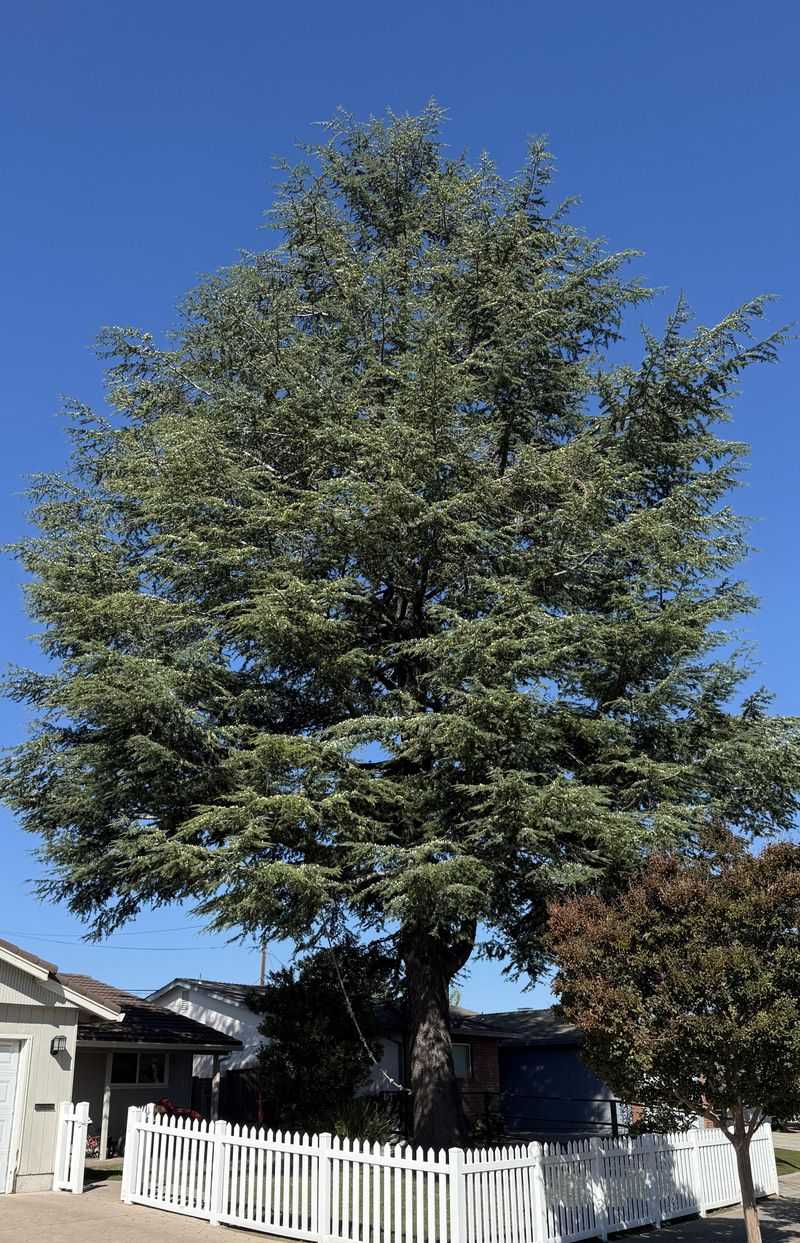
Receiving a notice about your tree can feel alarming, especially if the letter is vague or does not explain why the HOA believes the tree needs to go.
A well-written notice from the HOA should always reference the specific rule or section of the governing documents that applies to the situation.
If the notice you receive does not explain which rule is being enforced, you have every right to ask.
Send a written request to the HOA board asking them to identify the exact provision they are relying on. This is not being difficult. It is a reasonable and legally supported request.
Vague notices that simply say the tree is a “problem” or looks “unsafe” without citing a specific rule are harder for the HOA to enforce.
Courts and dispute resolution panels often side with homeowners when the HOA cannot point to a clear and specific rule that was violated.
Always respond to HOA notices in writing, even if you plan to comply. Responding shows that you are taking the matter seriously and creates a record of your communication.
If you disagree with the notice, say so politely and clearly in your written response. Ask for a hearing if one is available.
Being organized, calm, and informed gives you the best chance of reaching a fair outcome without the situation turning into a drawn-out conflict.