7 Gardening Tricks For Faster Fuller Plants In North Carolina
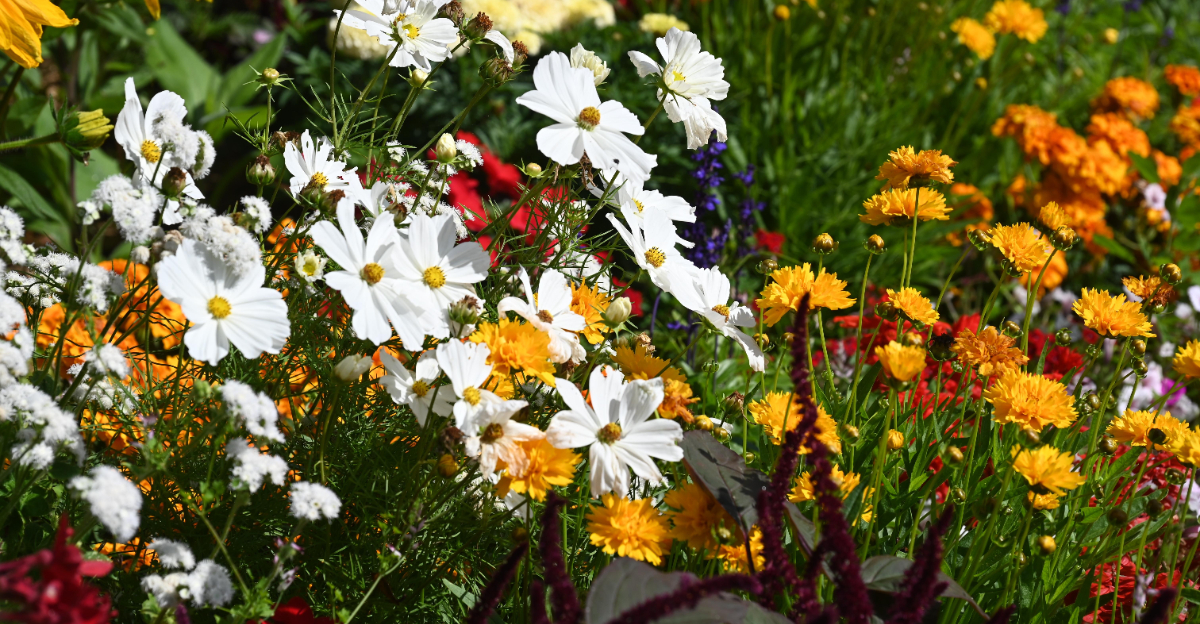
Every North Carolina gardener wants bigger, fuller plants without waiting an extra month or more to see real results.
Most people assume the solution involves more fertilizer or more frequent watering, throwing extra effort at the problem with little to show for it.
But several simple, often overlooked tricks can genuinely speed up growth and improve fullness without demanding much additional work at all.
Some of these methods take only a few minutes, yet the difference becomes noticeable within just a couple weeks. Many gardeners are surprised by how much impact small adjustments have compared to simply doing more of the same routine.
Once you start applying even a few of these tricks, the results speak for themselves fairly quickly. This list could genuinely change how you approach the rest of your growing season.
1. Build Better Soil First
Everything great in your garden starts underground, and North Carolina is famous for its heavy red clay.
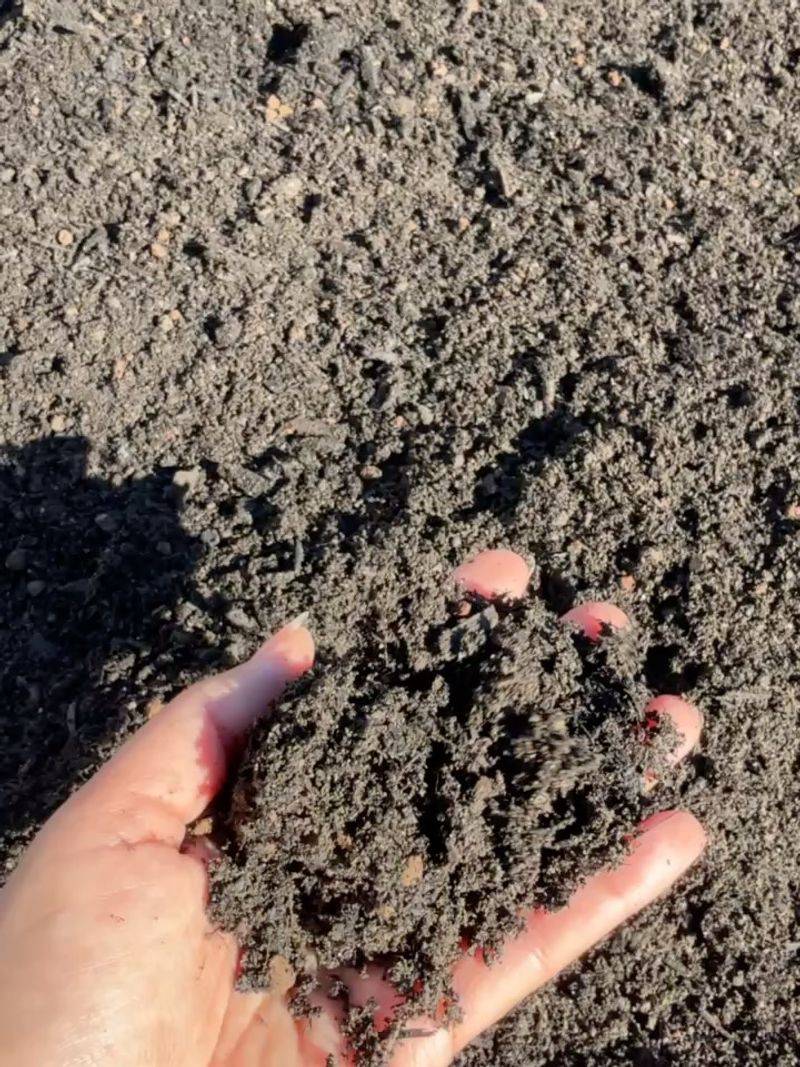
That clay holds nutrients well, but it can pack down so tightly that roots struggle to spread. Mixing in finished compost loosens the soil and lets air and water move freely.
When you add rich compost, you feed the tiny living creatures that make soil healthy. Earthworms, fungi, and helpful microbes break down organic matter and release food that plants can actually use.
Over time, this creates soft, crumbly ground that roots love to explore. Stronger roots mean stronger plants. When roots stretch out easily, they pull in more water and nutrients, which leads to bushier tops and brighter blooms.
A plant with a big root system also handles stress far better during dry or stormy weeks. Start by spreading two or three inches of compost over your bed each spring.
Gently work it into the top layer of soil instead of digging too deep, since deep digging can disturb helpful organisms. Raised beds also help if drainage is a big problem in your yard.
You can make compost at home using kitchen scraps, fallen leaves, and grass clippings. It costs almost nothing and keeps waste out of the trash bin. Within a season, your dull dirt can become dark, rich earth.
Good soil truly is the secret weapon behind every full, healthy garden you admire. Get this part right, and the rest becomes so much easier.
2. Water Deep Instead Of Often
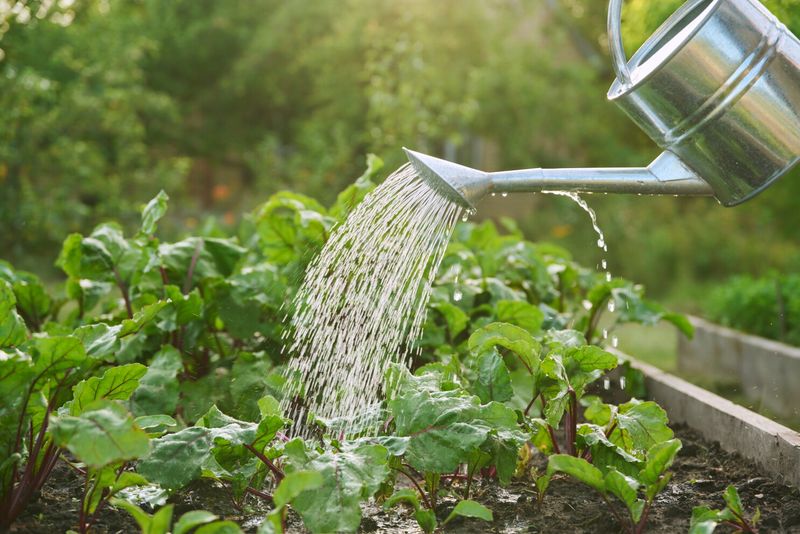
Splashing a little water on your plants every day feels caring, but it can actually hold them back. Shallow sprinkles only wet the top layer of soil, so roots stay near the surface where the sun bakes them.
Deep watering flips this habit around and helps your garden thrive. When you soak the ground slowly and deeply, water sinks far below the surface.
Roots then chase that moisture downward, growing longer and stronger as they go. Those deep roots become a lifeline during hot North Carolina summers.
Plants with deep roots can reach water even when the top inch of soil feels dry and crusty. That means less wilting on scorching July afternoons and fewer worried trips outside with the hose. Your garden becomes tougher and more independent.
Your North Carolina Garden Changes Every Week. Your Plan Should Too.
Gardening in North Carolina changes quickly throughout the season. Every Friday you’ll receive a simple weekly plan showing exactly what to plant, prune, fertilize, harvest, and protect so you never miss the right timing.
Aim to water two or three times a week rather than a quick daily splash. Give each plant a long, slow drink so the moisture reaches six to eight inches down. Early morning is the best time, since less water floats away in the heat.
A soaker hose or drip line makes this easy and saves water too. Poke your finger into the soil to check moisture before watering again. If it feels damp a couple inches down, you can wait another day.
Deep watering builds plants that stand tall through heat waves and dry spells. Once you switch to this rhythm, you will notice fuller leaves and happier roots. Your plants will thank you with steady, healthy growth all season long.
3. Mulch Around Plant Roots
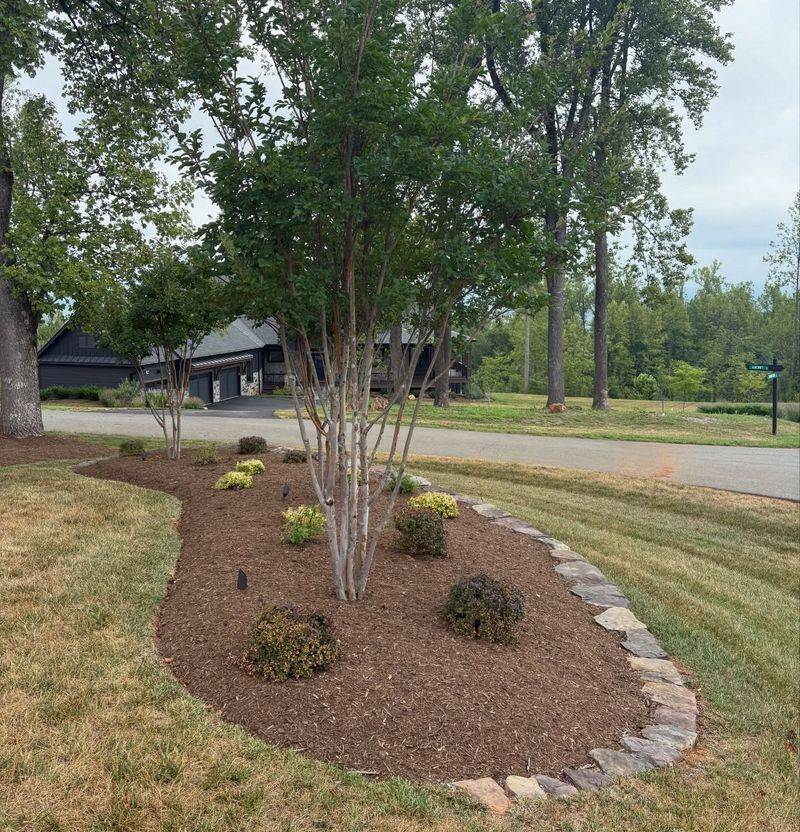
Think of mulch as a cozy blanket for your garden floor. A simple layer of shredded bark, straw, or leaves does an amazing amount of work while you relax. It is one of the easiest tricks for fuller plants in North Carolina.
Mulch holds moisture in the soil by slowing down how fast water floats away in the heat. That means you water less often and your plants stay hydrated longer. During dry August stretches, this can make a huge difference.
Soil temperature also stays steadier under a good mulch layer. Roots stay cooler on blazing afternoons and warmer on chilly spring nights. Since roots dislike wild temperature swings, this steady comfort helps them grow strong.
Another big win is weed control. Mulch blocks sunlight from reaching weed seeds, so far fewer of them sprout. That means less competition for the water and nutrients your favorite plants need.
Spread two to three inches of mulch around your plants, but keep it a couple inches away from the stems. Piling it against stems can trap moisture and cause rot. Leaving a little space keeps everything healthy.
Organic mulches also break down over time and feed your soil as they go. So you get double value, protecting plants now and enriching the ground later. Refresh the layer once or twice a year to keep it working.
With mulch doing so much quiet work, your garden stays greener with far less effort from you. It truly is a small step with big rewards.
4. Give Plants The Right Sun
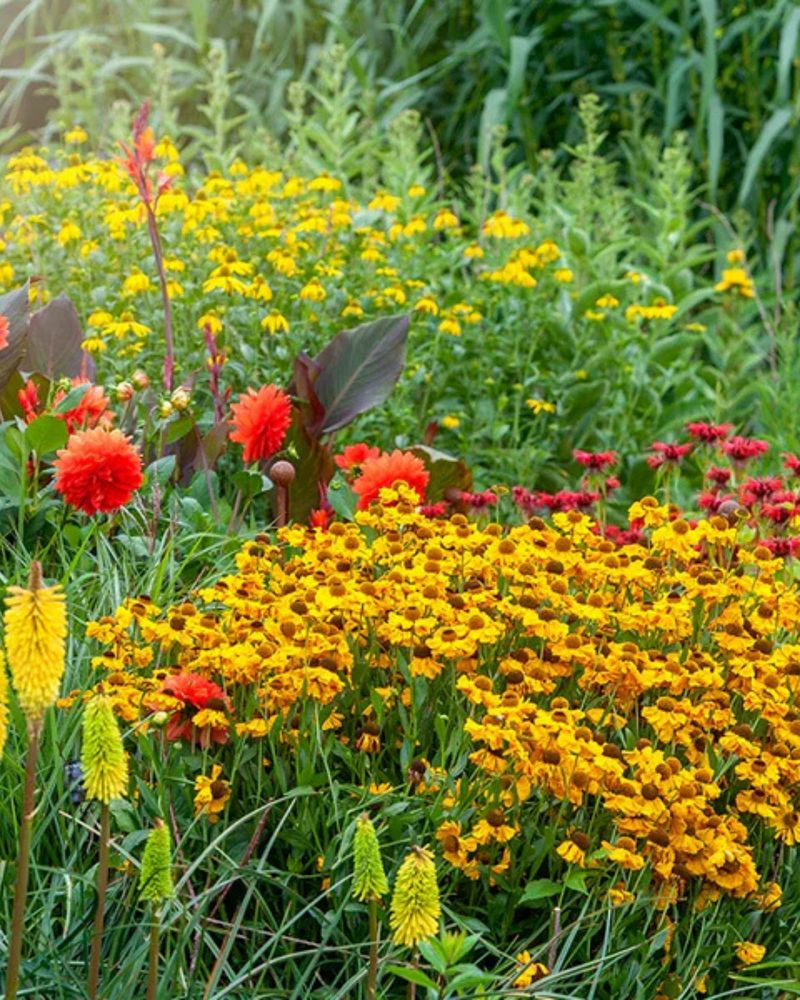
Sunlight is food for plants, but not every plant wants the same amount. Putting the right plant in the right spot is like matching a puzzle piece, and it changes everything about growth. Get this correct and your garden fills out fast.
Sun-loving plants like tomatoes, peppers, and zinnias crave six or more hours of direct light each day. Without enough sun, they grow tall and skinny while producing few flowers or fruit. Too little light leaves them weak and leggy.
Shade-lovers such as hostas and ferns tell a different story. Blast them with harsh afternoon sun and their leaves scorch and turn crispy. They shine brightest in dappled or gentle morning light instead.
Before planting anything, spend a day watching how sunlight moves across your yard. Notice which spots stay bright all afternoon and which ones sit in shadow. This little bit of detective work saves you from frustration later.
North Carolina summers bring intense afternoon rays, so many plants appreciate a break from the harshest heat. Morning sun with light afternoon shade often works wonderfully for tender veggies and flowers.
Match each plant to the light it truly loves. Reading the plant tag helps a lot, since it usually lists sun needs right there. Group plants with similar light needs together to make care simple. That way, everyone in the bed gets exactly what it wants.
When plants soak up the correct amount of sunlight, they reward you with thick foliage and loads of blooms. Right sun equals fuller, happier growth every single time.
5. Feed Only When Needed
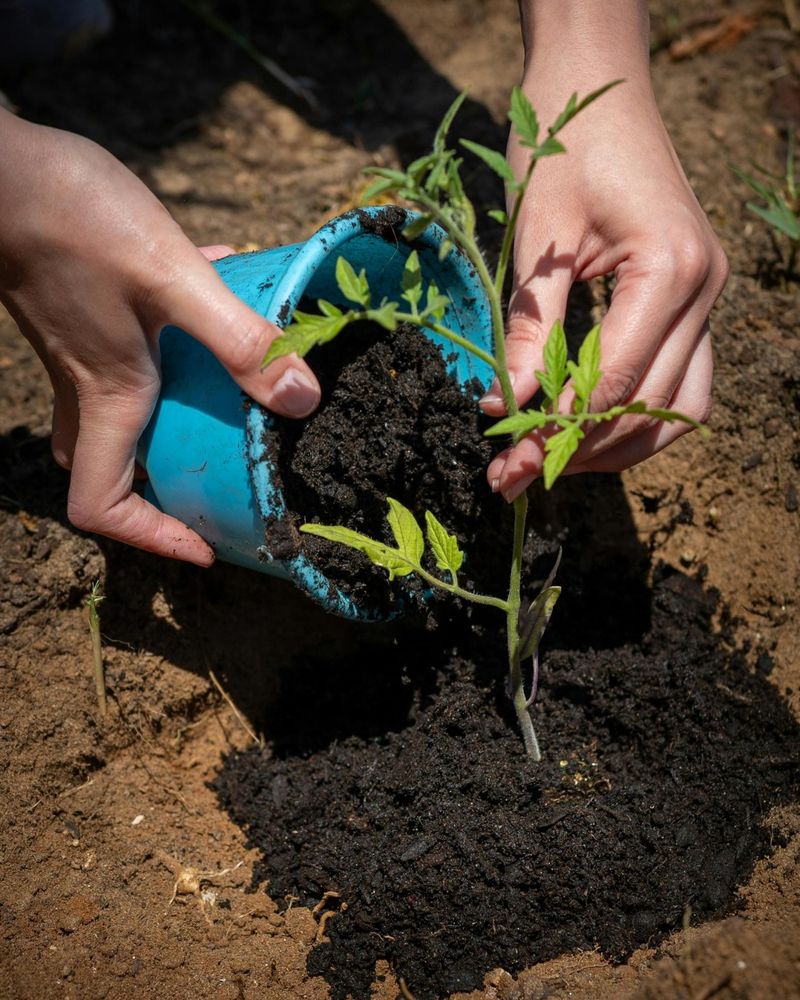
More fertilizer does not mean bigger plants, even though it feels that way. Dumping too much food on your garden can actually harm it. The real secret is feeding your plants only when they truly need it.
Plants use nutrients like people use meals, in balanced amounts spread out over time. When you overdo fertilizer, roots can get burned and leaves may turn yellow or brown. Extra chemicals also wash into nearby streams, which nobody wants.
A soil test takes the guesswork out of feeding. North Carolina offers affordable soil testing through the state, and the results show exactly what your ground is missing. That way you add only what your plants really lack.
Balanced fertilizer with steady nutrients beats a giant dose any day. Slow-release options feed plants gradually, giving them a smooth supply instead of one big overwhelming rush. Steady feeding leads to steady, healthy growth.
Watch your plants for clues too. Pale leaves might mean they are hungry, while lush green growth usually means they are content. Learning to read these signals keeps you from feeding out of habit.
Compost is a gentle, natural way to add nutrients without risk. It releases food slowly and improves the soil at the same time. Many gardens do beautifully with compost and just a light feeding now and then.
Feeding smart instead of heavy protects your plants and your wallet. When nutrients match what your garden actually needs, you get stronger roots, richer color, and fuller growth without the waste.
6. Prune At The Right Time
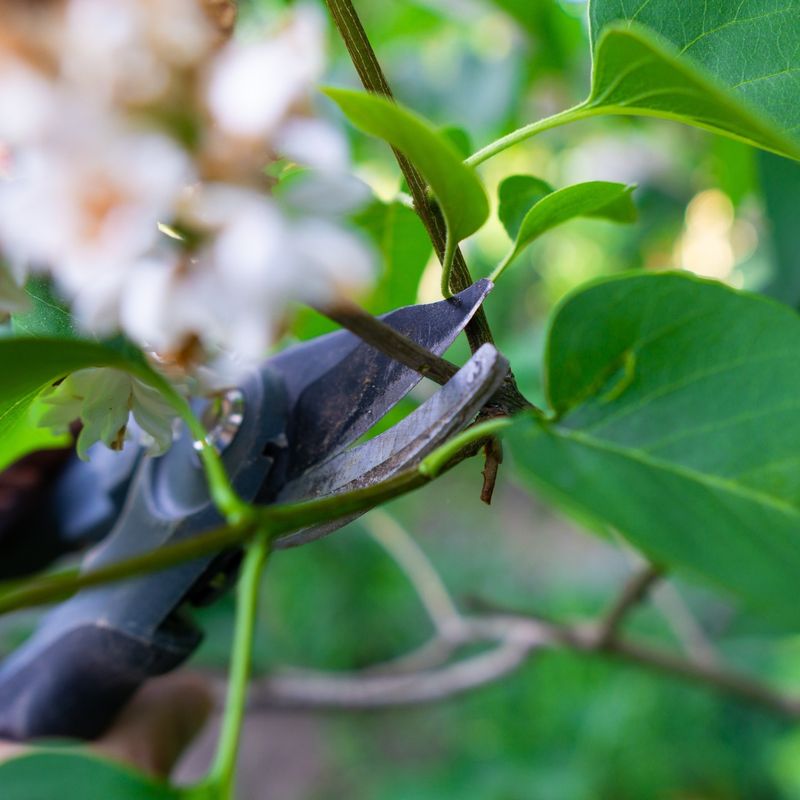
Snipping your plants might feel scary, but the right trim actually makes them fuller. Pruning tells a plant to branch out and grow thicker instead of stretching thin. Timing, though, is what makes all the difference.
Cutting a plant at the wrong moment can accidentally remove next season’s flowers. Some shrubs form their buds many months before they bloom, so an ill-timed trim leaves you with fewer flowers. Knowing when to cut saves those buds.
A simple rule helps here. Plants that bloom in spring, like azaleas and forsythia, should be pruned right after their flowers fade. Plants that bloom in summer usually do best with a trim in late winter or early spring.
When you pinch back the tips of leafy plants, they push out new side shoots. This creates a bushier, rounder shape packed with leaves and blooms. Herbs like basil love this kind of gentle pinching.
Always use clean, sharp tools to make smooth cuts. Ragged tears heal slowly and can invite disease into the plant. Wiping your blades between plants keeps problems from spreading.
Remove any weak, crossing, or damaged branches first, since those drain energy the plant could use elsewhere.
Clearing them opens up airflow and sunlight to the center. Better airflow also means fewer fungus problems in humid North Carolina weather.
Prune with a little knowledge and your plants respond with thicker, healthier growth. A few thoughtful snips at the right time bring bigger blooms and fuller shapes all season.
7. Remove Competition Early
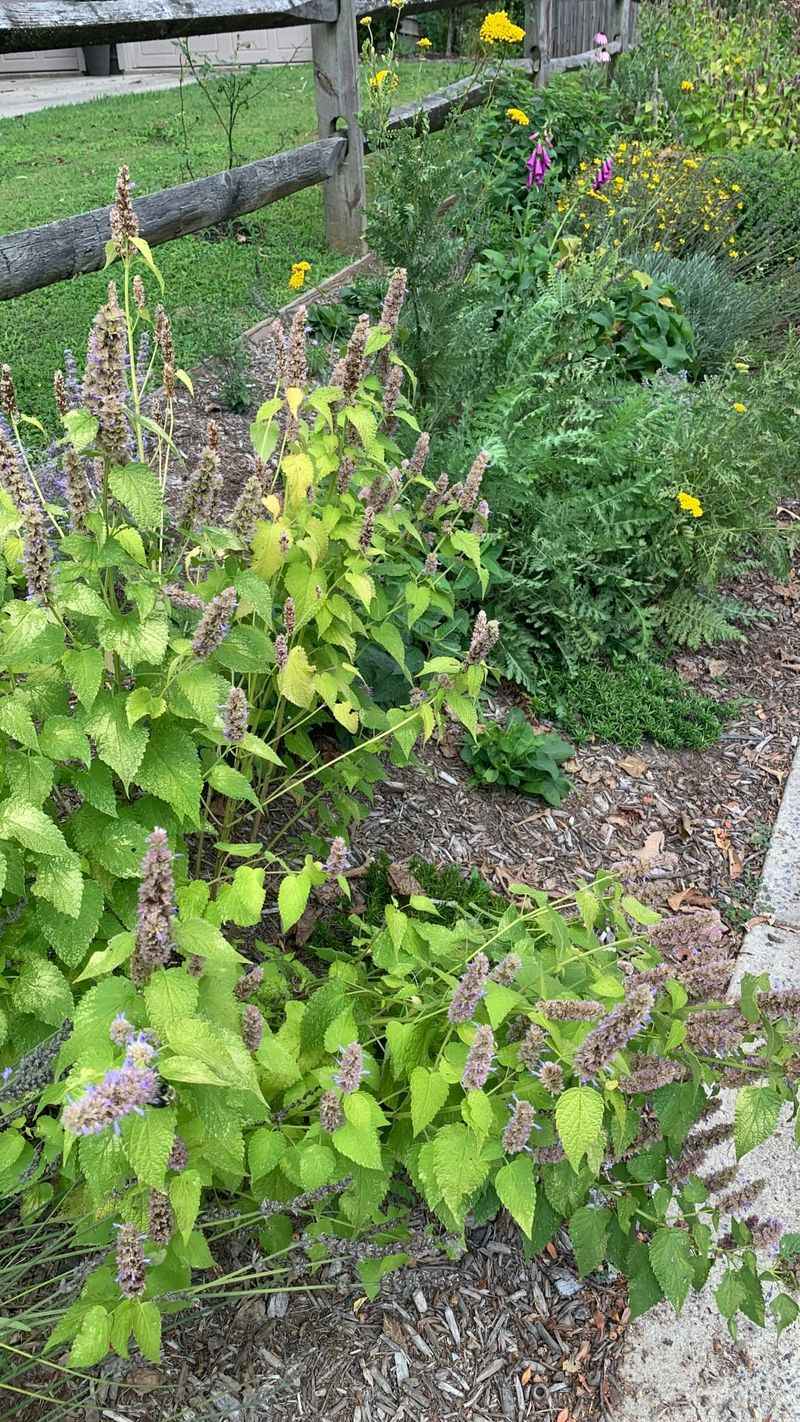
Weeds are sneaky thieves in the garden. They quietly grab water, nutrients, and sunlight that your favorite plants need to grow full. Catching them early keeps your garden strong and thriving.
Small weeds are far easier to handle than big ones. When you pull them while they are tiny, their roots slip out cleanly and they cannot spread seeds. Waiting too long lets them dig in deep and multiply fast.
Crowding is another hidden problem. When plants sit too close together, they fight each other for the same resources and grow thin and stunted. Giving each plant enough space lets it stretch out and fill in nicely.
Check the spacing suggestions on plant tags and seed packets before planting. Those numbers exist because plants need room for both roots and leaves. Proper spacing also improves airflow, which cuts down on disease in humid weather.
Walk through your garden once or twice a week to spot new sprouts and crowding. A quick tour helps you catch trouble before it grows serious. Pulling a few weeds each visit beats fighting a jungle later.
Mulch pairs perfectly with this trick by blocking many weeds before they ever appear. Between mulching and quick weeding, you keep the ground clear for the plants you love. Less competition means more food and light for them.
Stay ahead of weeds and crowding, and your plants get the full share of everything they need. The result is a lush, thriving garden that keeps rewarding your effort.