What Sudden Wilting In North Carolina Peppers Means After A Rainy Week
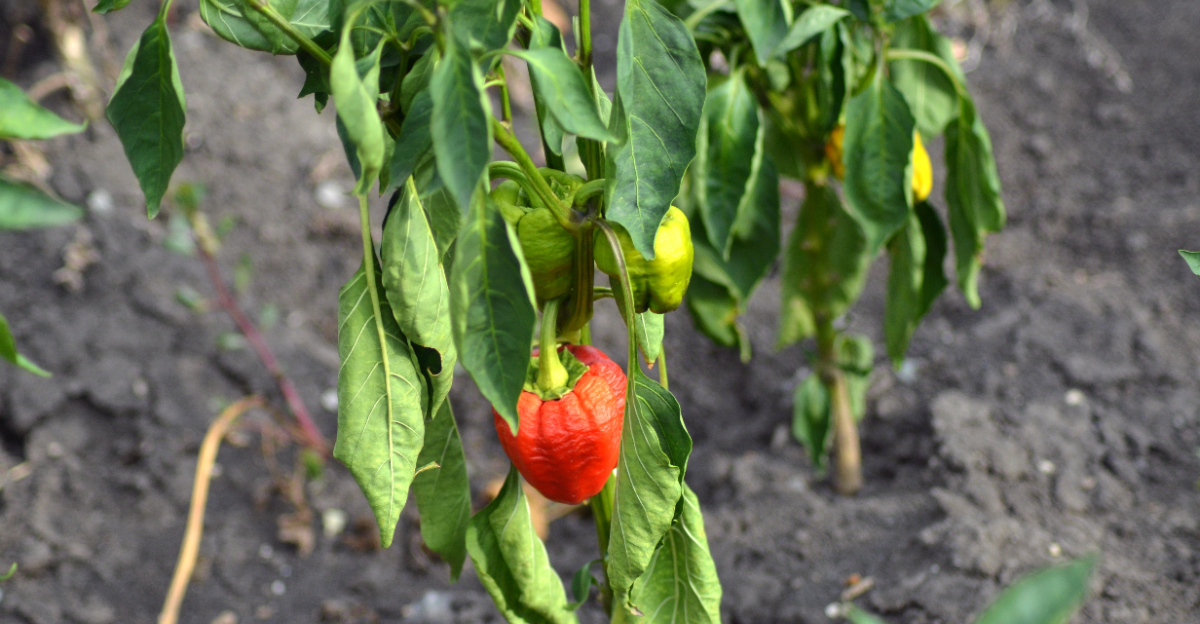
Pepper plants that suddenly wilt after a solid week of rain leave plenty of North Carolina gardeners confused, especially when soil clearly isn’t lacking moisture.
It’s easy to assume the plant simply needs more water, reaching for the hose without considering what’s actually happening beneath the surface.
But this specific kind of wilting often points to a cause that has little to do with a lack of moisture at all. Understanding what’s really going on changes how you should respond, rather than making the situation worse with more watering.
Many gardeners spend days troubleshooting the wrong potential fix, missing the actual explanation entirely. Once you know what’s truly behind this sudden wilting, the whole situation starts to make a lot more sense.
This knowledge could be the difference between saving your pepper plants and losing them to a problem you misunderstood from the start.
1. The Roots May Be Waterlogged
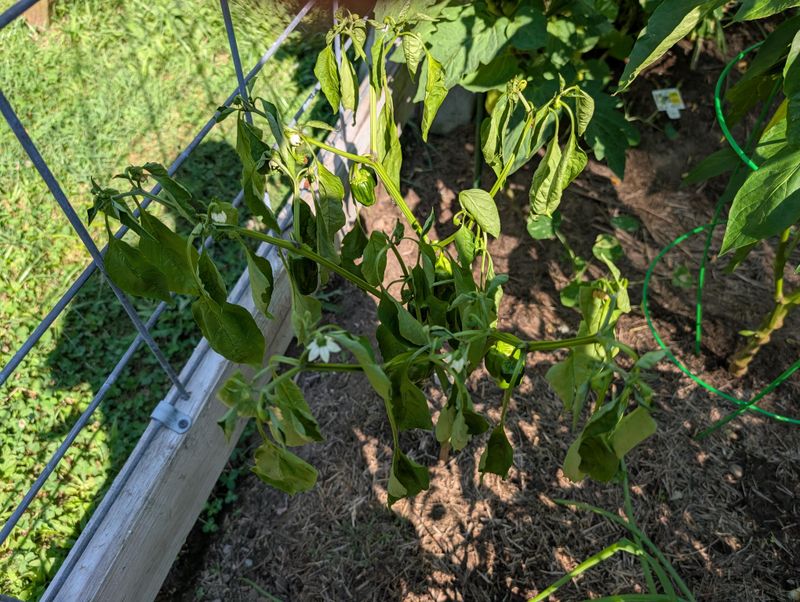
Plants breathe through their roots, and that surprises a lot of gardeners. Roots need oxygen from tiny air pockets in the soil, and heavy rain fills those pockets with water instead.
When soil stays soaked for days, the roots basically suffocate. They stop pulling in water and nutrients the way they should, and the plant reacts by wilting even though the ground feels wet.
It looks backwards, but too much water can cause the same droopy look as a dry spell.
North Carolina clay makes this worse. Heavy clay holds moisture tightly and drains slowly, so puddles linger long after the storm passes.
Sandy patches drain faster, but low, packed areas trap water for a long time.
You can check by pushing a finger into the soil near the base. If it feels soggy and mud clings to your skin, the roots are likely struggling for air.
Give the soil time to dry before you water again, and resist the urge to add more. Loosening the top layer gently with a hand tool helps air move back in.
For the long run, mix compost into your beds to improve drainage, or build raised rows so water flows away. Peppers love loose, crumbly soil that never stays swampy.
Many plants bounce back once the ground dries out. Watch them over a few days, keep foot traffic off the wet soil, and let nature reset the balance.
Patience here often works better than any quick fix you might try.
2. Phytophthora Blight May Be Starting
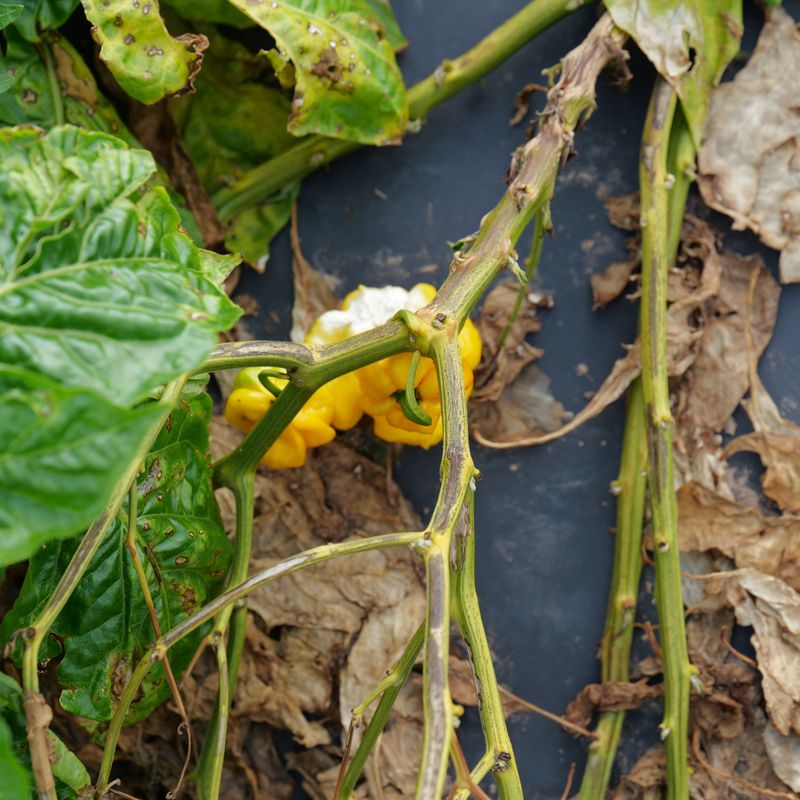
Some troubles hide in the soil, waiting for the perfect moment to strike. Phytophthora blight is one of those, and a rainy week gives it exactly what it wants.
This water mold thrives in warm, soaked soil, which describes a North Carolina summer after storms almost perfectly. The tiny spores swim through wet ground and attack pepper roots and stems fast.
Once they take hold, a healthy looking plant can collapse in just a day or two.
What makes it tricky is how sudden it feels. One morning the peppers stand tall, and by afternoon they slump like they lost all their strength.
Your North Carolina Garden Changes Every Week. Your Plan Should Too.
Gardening in North Carolina changes quickly throughout the season. Every Friday you’ll receive a simple weekly plan showing exactly what to plant, prune, fertilize, harvest, and protect so you never miss the right timing.
Warmth speeds everything up, so hot, muggy days after rain create the ideal setup.
You might spot dark, water-soaked spots on the stems or fruit as a clue. The wilting usually does not improve overnight the way simple water stress might.
Prevention beats treatment here, since this problem spreads easily once it arrives. Plant peppers in well-draining beds or raised rows, and never let water pool around the stems.
Rotating where you plant each year keeps spores from building up in one spot.
Avoid working in the garden while everything is wet, because your shoes and tools can carry spores to clean plants. Space your peppers so air moves freely and leaves dry quickly.
If blight shows up, remove affected plants right away and toss them in the trash, not the compost pile. Acting quickly protects the peppers that still look strong.
3. Check The Crown For Brown Tissue
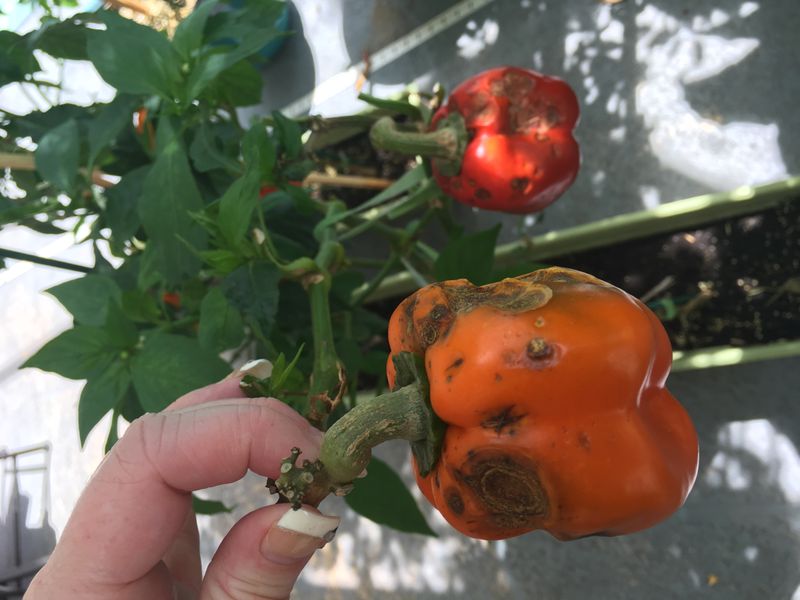
The spot where the stem meets the soil tells you a lot. Gardeners call this the crown, and it is often the first place trouble shows up.
Grab your wilted pepper and look closely right at the soil line. Healthy tissue there looks firm and greenish or tan, but a dark brown, mushy band signals crown rot.
That color change usually points to Phytophthora working its way through the plant.
Here is why it matters so much. The crown is like a busy highway carrying water from the roots up to the leaves.
When brown, rotted tissue blocks that highway, water cannot reach the top, and the whole plant droops even though the roots sit in wet soil.
You can gently scrape the outer layer with a fingernail to check underneath. Brown or slimy tissue under the surface confirms the problem, while firm green tissue means the crown is still fine.
Sadly, a rotted crown rarely heals. Once that ring goes brown all the way around, the plant cannot move water anymore. Pulling it out protects nearby peppers from catching the same trouble.
To keep crowns healthy, plant peppers a little high so the base stays above puddles. Mulch helps, but keep it pulled back a couple inches from the stem so moisture does not sit against it.
Checking the crown takes only a few seconds, yet it gives you one of the clearest answers about what your peppers are facing after a soggy stretch.
4. Green Leaves Can Point To Bacterial Wilt
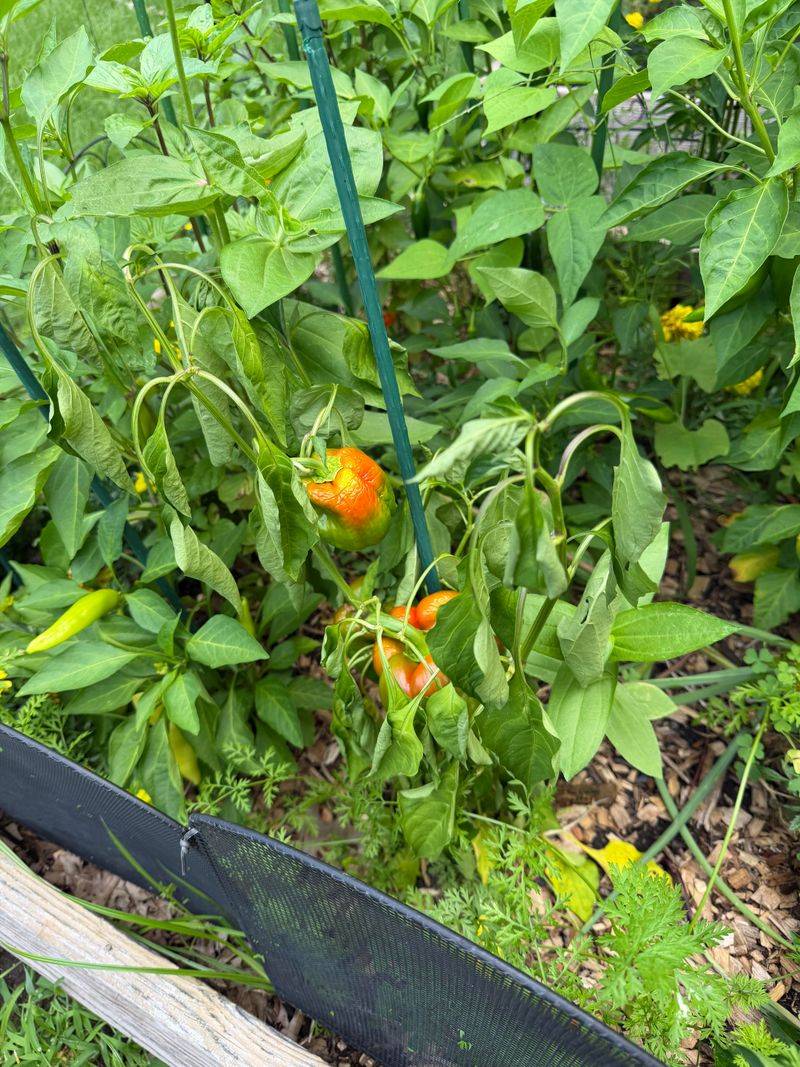
Here is a strange clue that throws people off. When a pepper flops over but the leaves stay bright green, something unusual is going on.
Most gardeners expect wilting to come with yellow, crispy leaves. Bacterial wilt breaks that rule.
The plant droops fast while the foliage keeps its healthy green color, which is a big hint that this is not just thirst or dry soil.
Tiny bacteria cause the problem, and they multiply quickly in warm, wet conditions. They clog the plant’s water pipes from the inside, so water cannot travel upward no matter how much sits in the ground.
The plant wilts even while looking green and alive. You can run a simple test at home. Cut a wilted stem near the base and place the cut end in a clear glass of water.
If cloudy, milky threads ooze out and swirl into the water, bacteria are likely the culprit. This kind of wilt does not bounce back with watering or shade. There is no spray that fixes it once it settles into a plant.
Removing affected peppers quickly keeps the bacteria from spreading to healthy ones nearby.
Cleaning your tools between plants helps a lot, since dirty blades can carry bacteria around the garden. Rotating your pepper spot each year and choosing resistant varieties also lowers your risk.
Noticing that odd green wilt gives you a head start. Instead of pouring on more water, you can respond in a way that actually protects your remaining crop.
5. White Growth Can Reveal Southern Blight
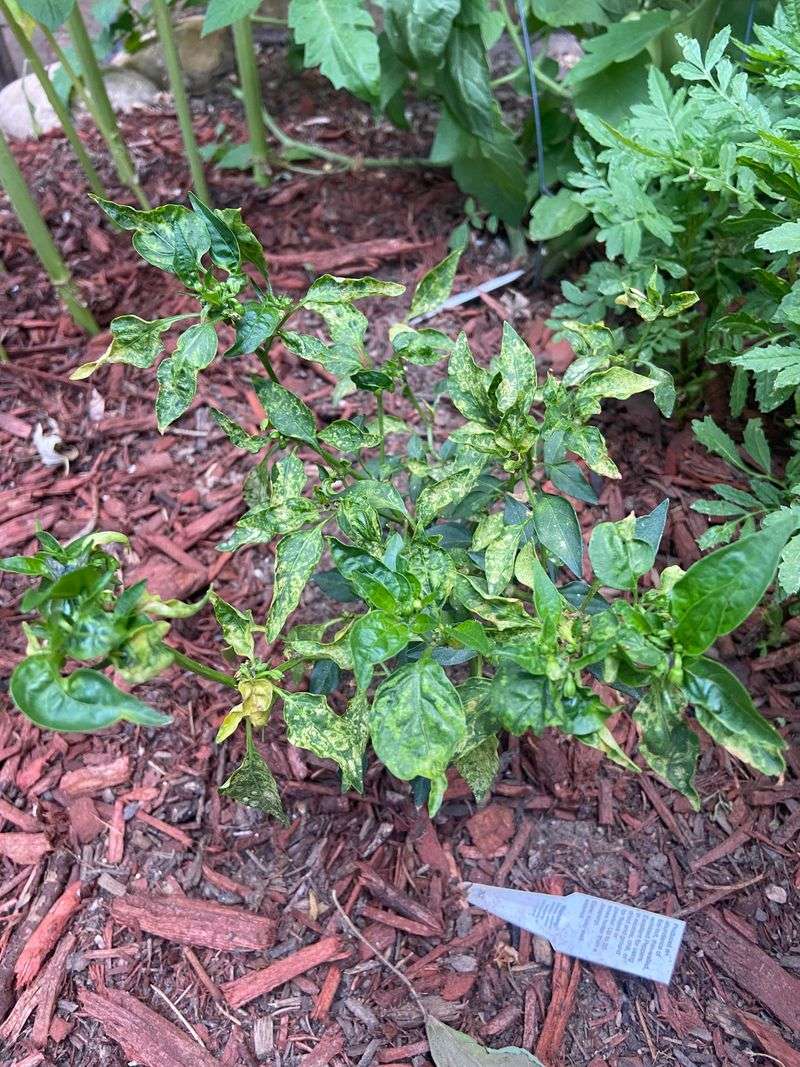
Sometimes the answer sits right at your feet, wearing a fuzzy white coat. Southern blight loves the hot, humid weather that follows a rainy week in North Carolina.
Look at the base of a wilted pepper, right where the stem enters the ground. A cottony white mat of fungus wrapping around the stem is a true giveaway.
It almost looks like someone spilled cotton candy across the soil surface.
Even more telling are the tiny round balls scattered nearby. These little structures start creamy white and turn tan or brown, about the size of mustard seeds.
They are how the fungus survives and spreads, and spotting them confirms southern blight quickly.
This fungus attacks the stem base and rots it, cutting off the flow of water and food. That is why the plant wilts so suddenly, often within a single warm day.
Warm soil plus leftover moisture creates the perfect party for this fungus. Thick mulch pressed against the stem can make things worse by trapping humidity right where the trouble starts.
To fight back, remove affected plants along with the soil clinging to their roots. Those tiny survival balls can linger in the ground for a long time, so getting them out matters.
Going forward, keep mulch a few inches away from stems and let the soil surface breathe. Rotating crops and adding fresh compost helps too.
Catching that white growth early gives you a real chance to stop it before it sweeps through your whole pepper patch.
6. Low Spots Can Reveal The Problem
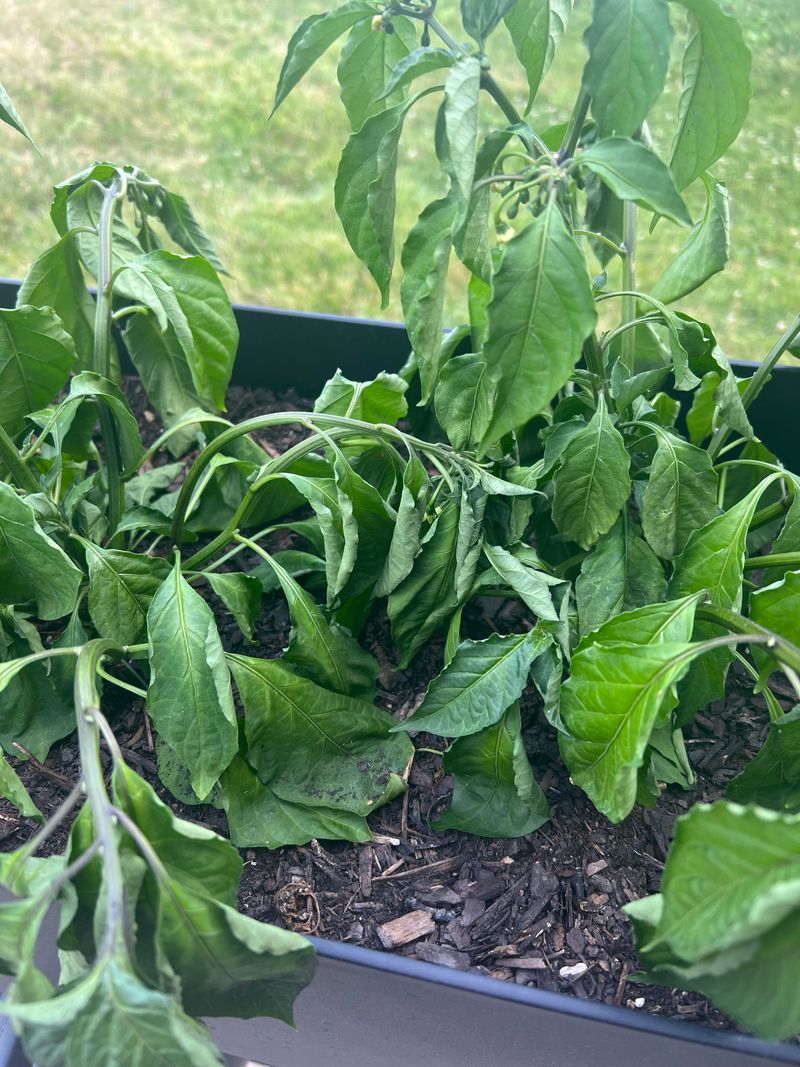
Take a slow walk around your garden and notice where the puddles hang around longest. Those low spots often hold the secret behind wilting peppers.
Water always rolls downhill and collects in dips and valleys. After a rainy week, these low areas turn into shallow ponds that stay wet long after higher ground dries out. Peppers planted there sit with soggy feet for days.
Constant wetness stresses the roots and steals their oxygen, which alone can cause drooping. Worse, standing water is a playground for Phytophthora spores that swim toward pepper roots and attack them.
You will often see it clearly in your rows. The peppers on higher, drier ground look fine, while the ones down in the dip wilt and struggle. That pattern points straight at drainage as the root of the issue.
Fixing this takes a little planning, but it pays off. Building raised beds or mounded rows lifts roots above the waterline and lets extra rain drain away. Even raising a bed six inches makes a huge difference.
Adding organic matter like compost helps heavy clay soak up less and drain more. Some gardeners dig small channels to guide water away from planting areas during big storms.
Before your next season, watch where water gathers during a downpour and plan around it. Move your peppers to higher ground or improve those trouble spots ahead of time.
Reading your garden’s shape this way turns a soggy disappointment into a smart lesson for future planting.
7. The Wilt Pattern Helps Identify The Cause
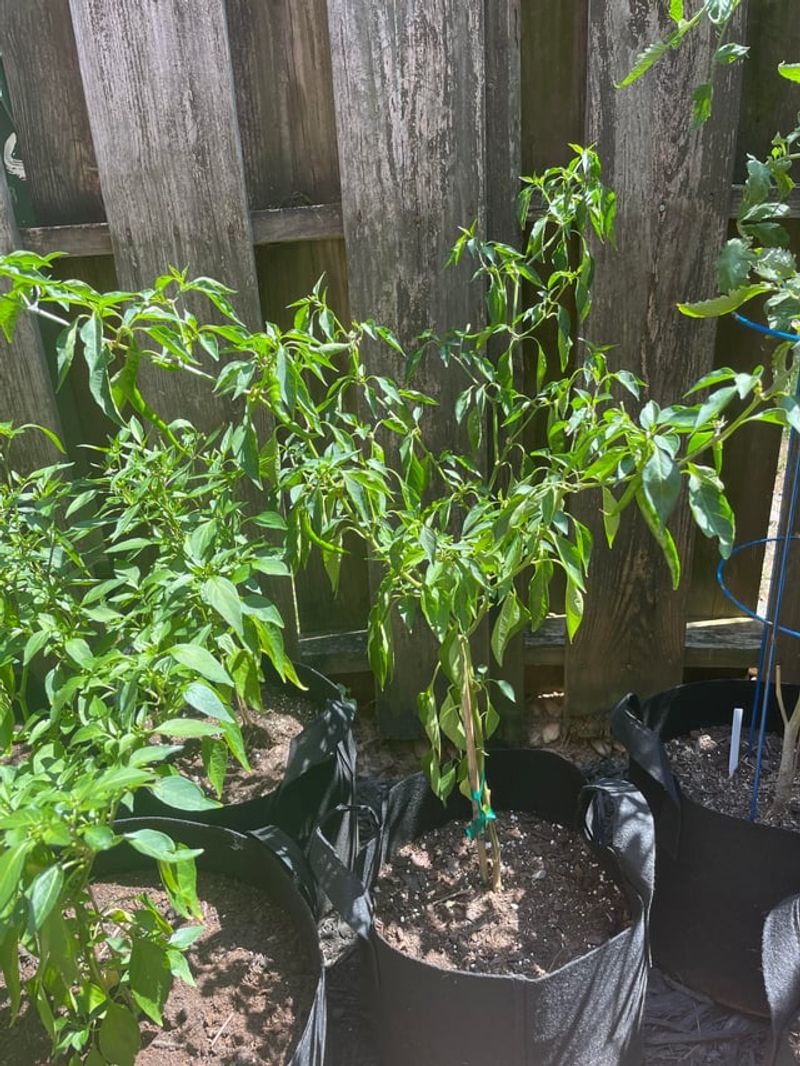
Before you reach for any treatment, become a detective for a day. The way your peppers wilt tells a story, and reading it correctly saves time and plants.
Start by watching how they behave overnight. If plants droop in the hot afternoon but perk right back up by morning, they are probably just stressed by heat and will recover on their own. That kind of wilt is usually nothing to panic about.
Plants that stay slumped morning, noon, and night are sending a different message. Steady wilting that never improves points toward root or stem trouble like rot or one of the wilts we covered.
Pay attention to the pattern across your rows too. When peppers fade in scattered patches while others nearby stay strong, a soil-borne problem is likely spreading from plant to plant.
Keep a simple notebook or snap photos on your phone each day. Tracking which plants wilt, how fast, and whether they recover gives you real clues instead of guesses.
Also check the small stuff. Look at the crown color, peek at the stem base, and test a cut stem in water if leaves stay green. Each check narrows down the cause.
Jumping straight to a spray or a heavy watering often makes things worse when you have not figured out the real problem. Matching your action to the actual cause always works better.
Take your time, observe closely, and let the wilt pattern guide you. That patient approach protects your harvest far more than any rushed reaction ever could.