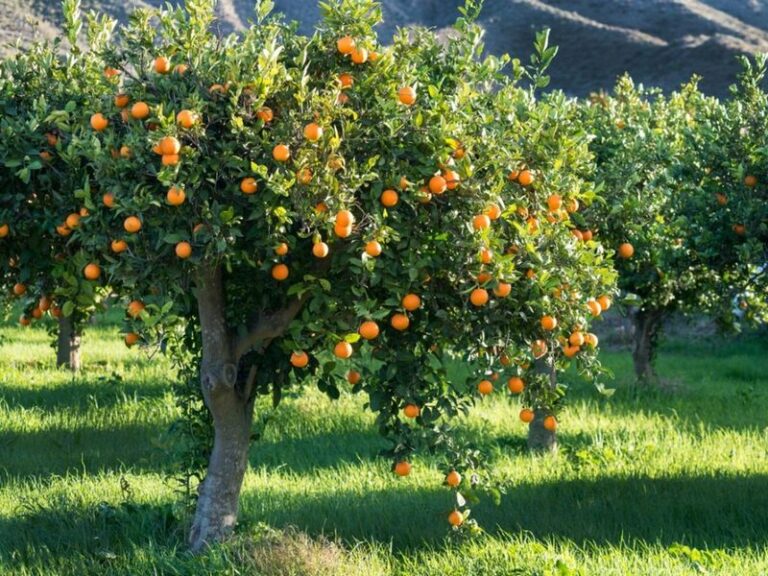
Stop Pruning Your Arizona Citrus Trees In August Unless You Want Sunburn
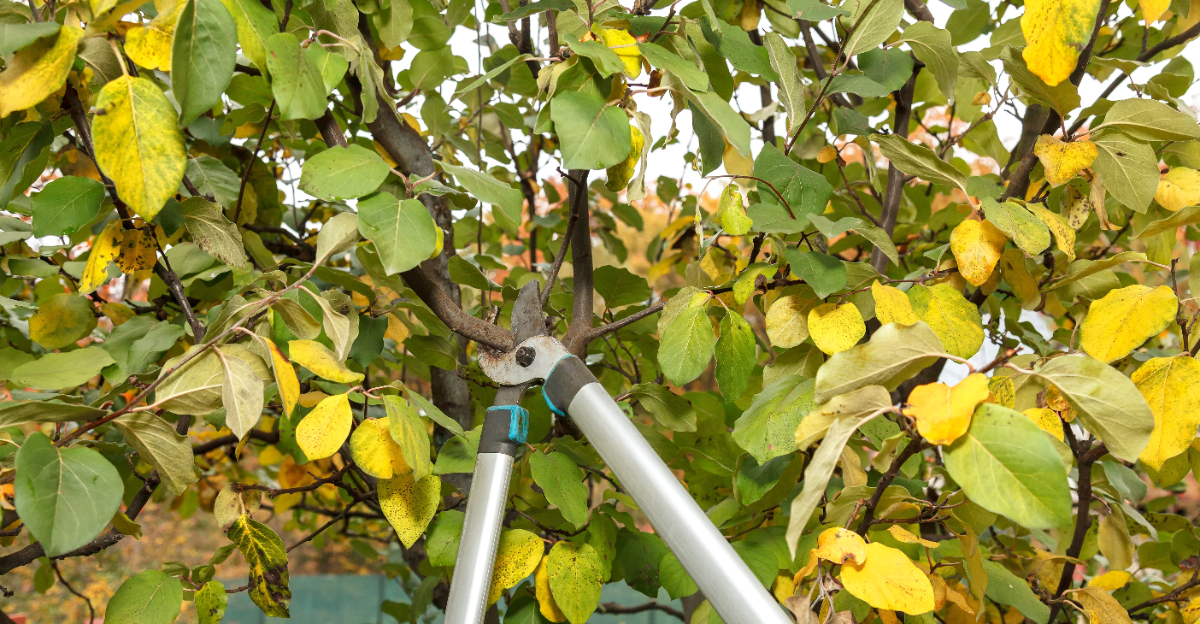
Put the pruning shears away if your citrus tree is still facing the full force of August heat. Removing too much leafy growth now can expose branches and bark that depended on that canopy for shade.
Strong desert sunlight can be especially rough on newly exposed wood. Once that protective cover disappears, sunburn can damage areas that were never meant to handle hours of direct summer sun.
This matters across Arizona, where intense heat can continue long after your citrus starts looking messy. Tidying the tree now may create a bigger problem than those extra branches ever did.
Give that leafy canopy more credit before deciding it needs trimming.
Your citrus does not need to look perfectly shaped during the hottest stretch of summer.
Sometimes the smartest August pruning decision is simply waiting.
1. That Leafy Cover Is Protecting More Than You Think
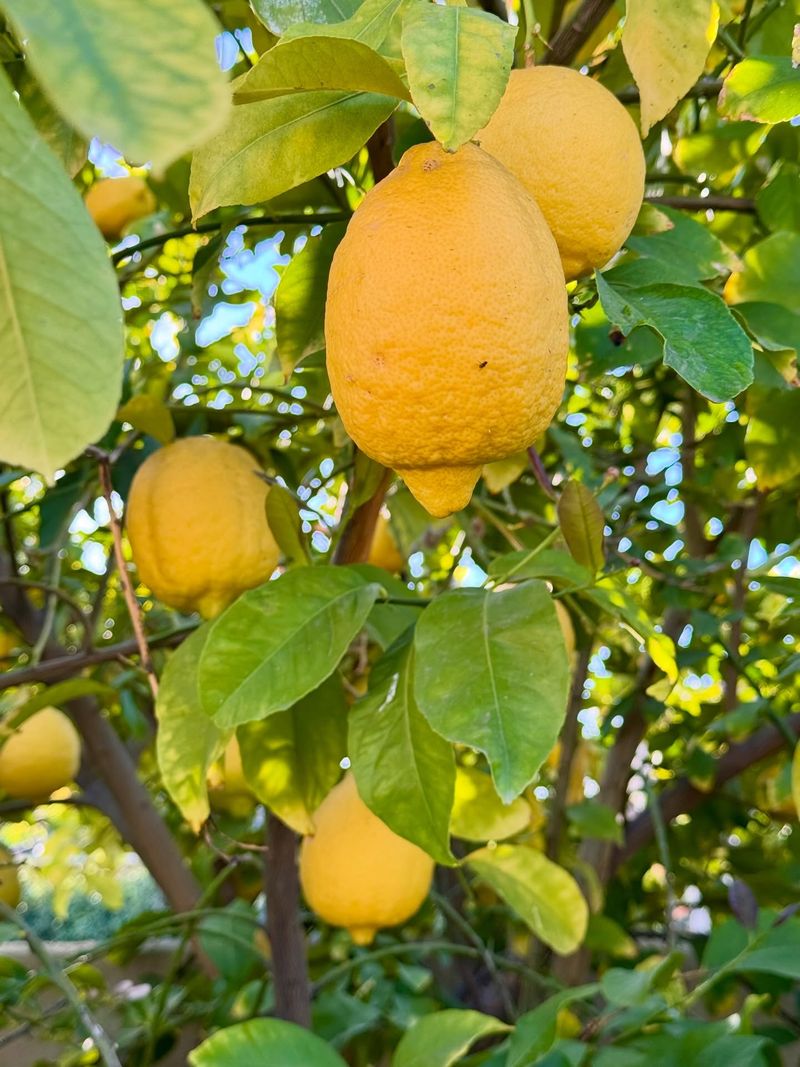
Leaves are doing a lot more work than most people realize. Yes, they capture sunlight for energy, but they also act like a built-in sunscreen for the bark underneath.
Citrus trees grow dense canopies partly as a survival strategy. In hot, dry climates, that thick leafy cover keeps inner branches and bark shaded throughout the day.
Bark that stays shaded tends to stay cooler.
Bark that suddenly gets exposed to direct summer sun can overheat fast, especially when temps climb past 100 degrees.
Most gardeners focus on fruit production when they think about leaves. Shade protection often gets overlooked entirely, and that is a costly mistake in hot desert climates.
Citrus canopies also trap a small amount of humidity close to the tree. In dry desert air, that tiny bit of moisture matters more than you might expect.
Before reaching for the pruning shears in August, think about what the foliage is quietly protecting. Removing it means removing a natural shield the tree has built up all season long.
2. Citrus Bark Is Sensitive To Strong Summer Sun
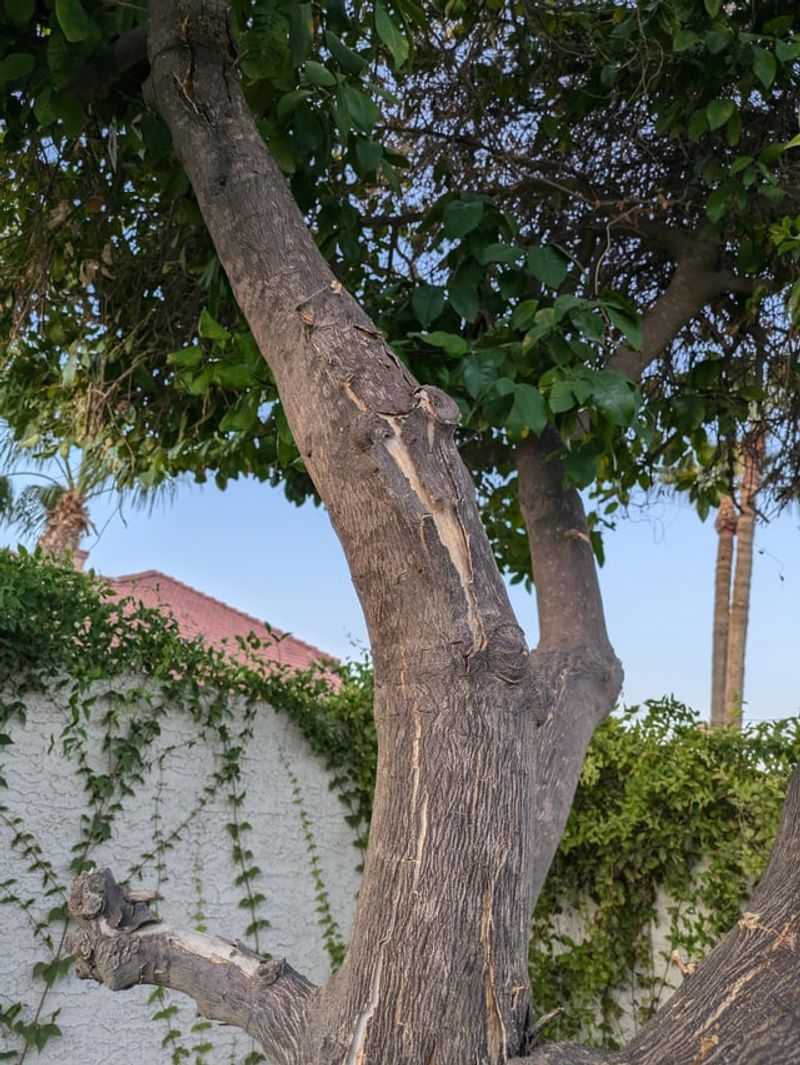
Citrus bark is surprisingly thin and sensitive compared to many other fruit trees. That smooth outer layer does not handle intense direct sun as well as it might look.
When bark gets hit with strong afternoon sun after being shaded for months, the temperature change can be a shock.
Tissue beneath the bark can be damaged before you even notice a problem on the surface.
In Arizona summers, the sun does not just warm things up. It bakes them.
Bark temperatures on exposed branches can reach levels far above the surrounding air temperature.
Healthy bark regulates moisture and protects the living tissue underneath. Once that barrier is compromised by sun exposure, the tree has a harder time recovering during peak heat season.
Citrus varieties like navel oranges, lemons, and grapefruits all share this sensitivity. No variety is completely immune to bark damage when exposed suddenly in extreme summer heat.
Even partial shade loss from a smaller pruning cut can put nearby bark at risk.
The sun angle in August is aggressive, and shaded spots disappear faster than you would expect after a branch is removed.
Your Arizona Garden Changes Every Week. Your Plan Should Too.
Gardening in Arizona changes quickly throughout the season. Every Friday you’ll receive a simple weekly plan showing exactly what to plant, prune, fertilize, harvest, and protect so you never miss the right timing.
3. Heavy Pruning Suddenly Removes Needed Shade
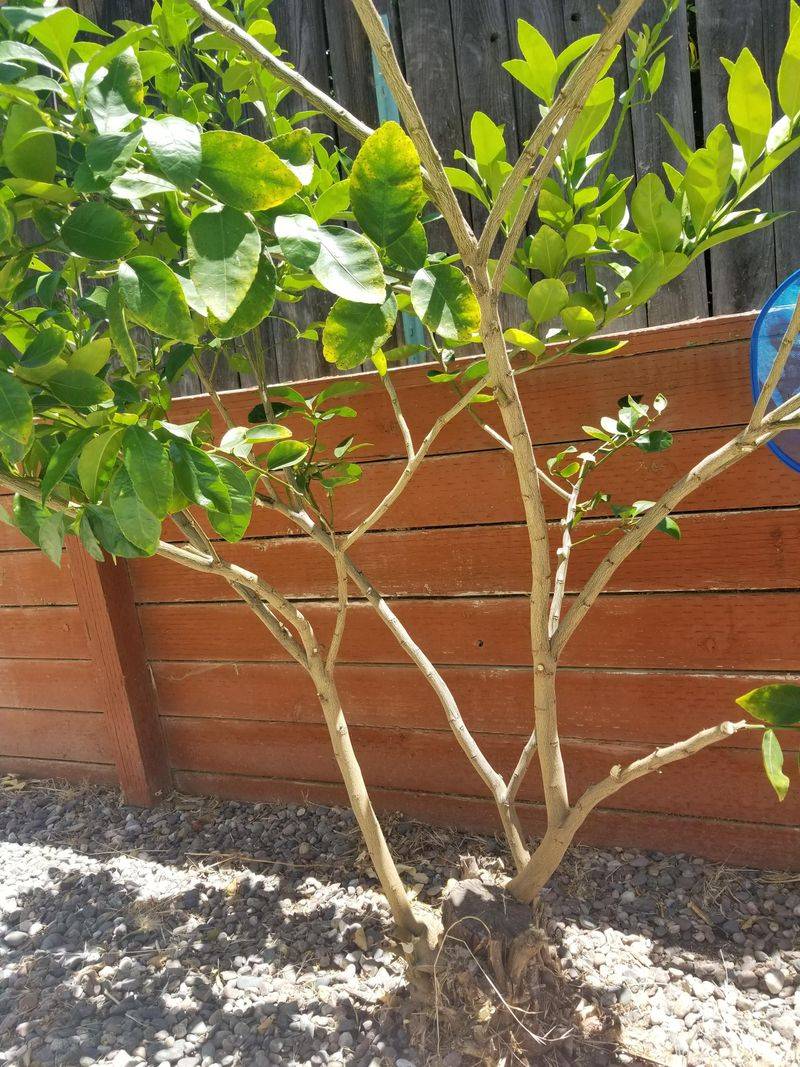
Cutting a lot of branches at once is where things can go wrong fast. Light trimming is one thing, but heavy pruning in August removes shade cover that the tree has relied on all summer.
Inner branches and the trunk itself get used to a certain amount of protection.
Pull away a big section of canopy, and those previously shaded areas are suddenly in full sun for hours each day.
Bark does not adapt quickly. It cannot build up resistance overnight after being exposed.
The damage can start within just a few days of a major pruning session.
Heavy pruning also stresses the tree at a time when it is already under heat stress.
Pushing a citrus tree to heal large pruning wounds while managing extreme temperatures is a tough combination.
Many gardeners prune aggressively thinking it will improve next season’s fruit. But timing matters just as much as technique, and August is one of the riskier months to take off significant growth.
A good rule of thumb is to avoid removing more than a small amount of canopy during peak summer heat. Save the bigger shaping and structural cuts for late fall or early winter when temperatures drop.
4. Afternoon Sun Puts Exposed Bark At Greater Risk
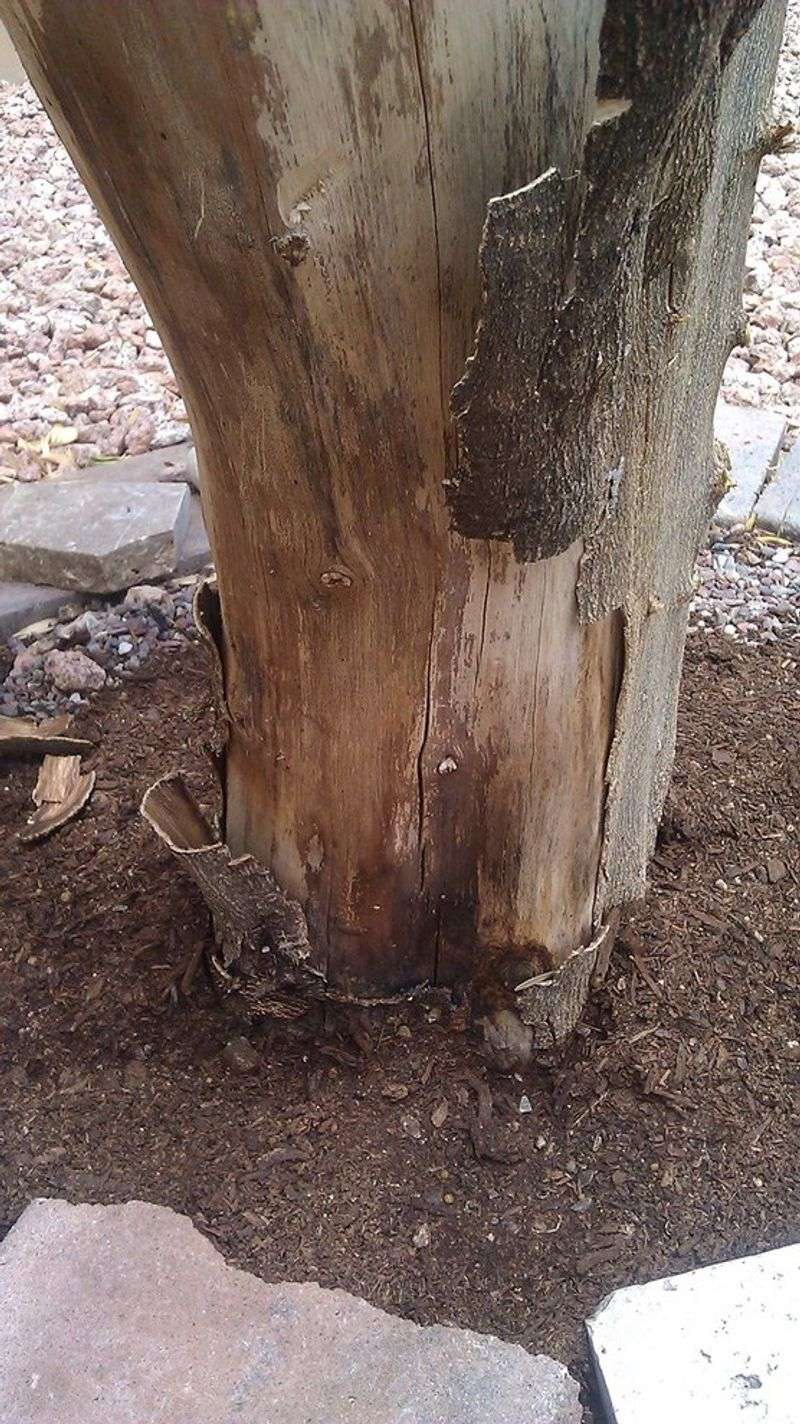
Not all sun exposure is equal. Morning sun is relatively gentle, but afternoon sun in the desert Southwest is a different story entirely.
West-facing and southwest-facing sides of a tree take the hardest hit each afternoon. Those angles receive the most intense heat of the day, right when temperatures are already at their peak.
When pruning removes branches from those sides, the bark underneath goes from fully shaded to fully exposed. That shift can happen in minutes, but the stress on the tree builds over days and weeks.
Bark on the south and west sides of a citrus tree is often the first to show damage after an ill-timed pruning session.
Cracking, discoloration, and peeling can show up fairly quickly on those exposed surfaces.
Gardeners sometimes focus on the top of the canopy without thinking about side exposure. But lateral branches do a lot of the shade work on the trunk and lower limbs.
Timing your pruning to avoid the hottest stretch of the year is a practical way to protect bark. If you must trim something in summer, lean toward the cooler morning hours and keep cuts minimal on the south and west sides of the tree.
5. Sunburn Can Leave Bark Cracked And Damaged
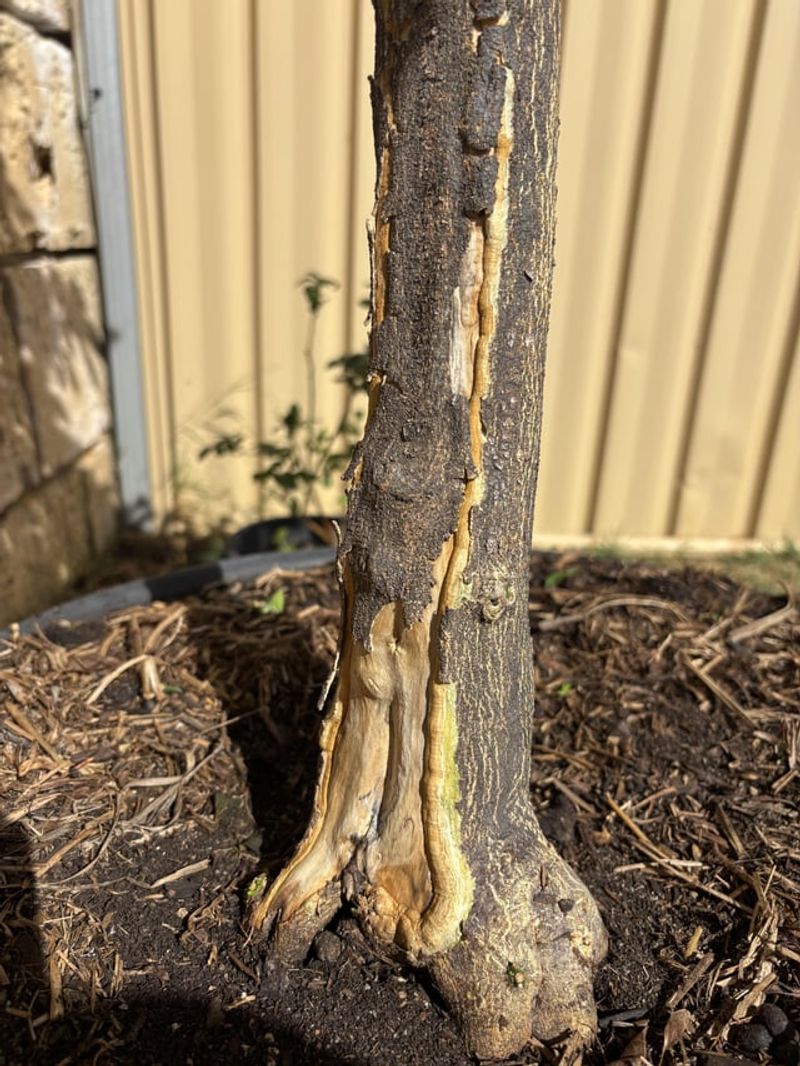
Sunburn on citrus bark looks a lot like what you might expect. The outer layer starts to discolor, often turning yellow, brown, or grayish in patches where the sun hits hardest.
Over time, the bark can crack and peel away. Once that protective outer layer breaks down, the inner tissue is exposed to both heat and potential pests.
Cracked bark takes a long time to recover, especially when the heat keeps coming. A tree dealing with bark damage in August still has weeks of intense heat ahead before any real relief arrives.
Sunburned areas can also become entry points for fungal issues and insects.
Weakened bark is less able to defend itself, which can create additional problems on top of the original heat damage.
The frustrating part is that sunburn damage often looks minor at first. By the time the full extent shows up, the tree has already been struggling for a while.
Catching the problem early matters. If you spot discoloration or soft spots on bark after a pruning session, shade that area quickly with cloth or a temporary cover.
Getting some protection back on the bark fast can limit how far the damage spreads during the remaining summer weeks.
6. White Paint Helps Protect Newly Exposed Areas
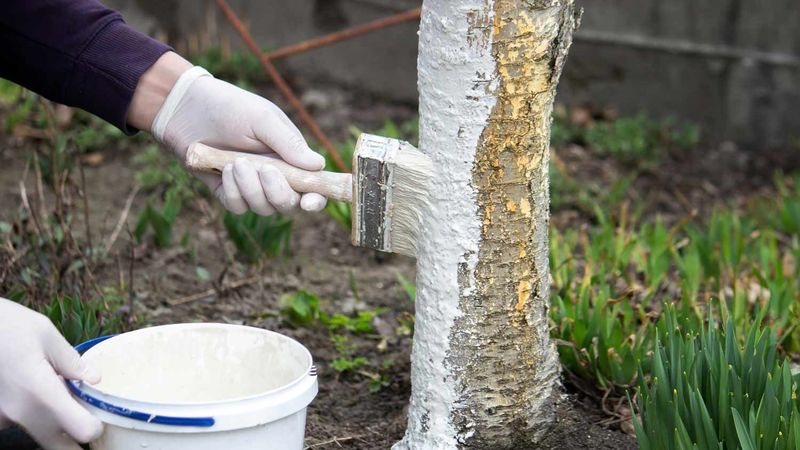
White latex paint is a practical, low-cost option for protecting bark that has been exposed by pruning. It reflects sunlight and helps keep bark temperatures lower during peak heat hours.
Diluting the paint is standard practice. A common mix is roughly half water and half interior white latex paint, though ratios can vary depending on who you ask.
Apply it directly to the exposed bark and any areas that were previously shaded but are now in open sun. Focus on the south and west sides where afternoon sun intensity is highest.
This is not a permanent fix, and it does not replace the shade that pruning removed. But it buys the tree some time while it adjusts to the new exposure and while temperatures remain extreme.
Reapply if rain washes it off, though heavy rain in August is not a given in most parts of the desert Southwest. Check the painted areas after any monsoon activity to see if coverage is still solid.
Some gardeners skip this step and hope for the best.
In mild climates that might work out fine, but in areas where summer heat is as intense as it gets in southern Arizona, giving exposed bark some added protection is a reasonable precaution worth taking.
7. Major Pruning Should Wait For Cooler Weather
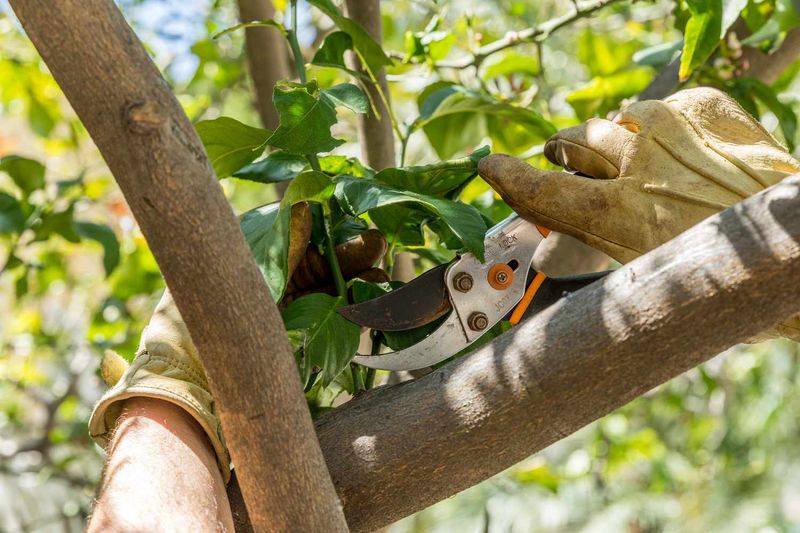
Late fall and winter are far better windows for pruning citrus in hot desert climates. Cooler temperatures mean exposed bark is not immediately hit with extreme heat after cuts are made.
In Arizona, late November through February is generally considered a safer period for more significant pruning work. The tree is not under the same heat stress, and healing can begin under more forgiving conditions.
Waiting also gives you a chance to see the full results of the current season’s growth. You can make smarter cuts when you can see exactly how the canopy developed over summer.
Structural pruning, removing crossing branches, or shaping the canopy for better airflow are all tasks that are better handled when the tree is not fighting heat at the same time.
Light maintenance, like removing damaged or broken branches, can be done year-round as needed. But anything beyond minor touch-ups is worth holding off on until temperatures drop.
Patience pays off with citrus. A tree that gets thoughtful, well-timed pruning tends to respond better than one that gets cut heavily at the wrong time of year.
Giving the tree the right conditions to recover makes a real difference in long-term health and fruit production.