Summer Heat Left Your Lawn Brown? Skip This Common Mistake
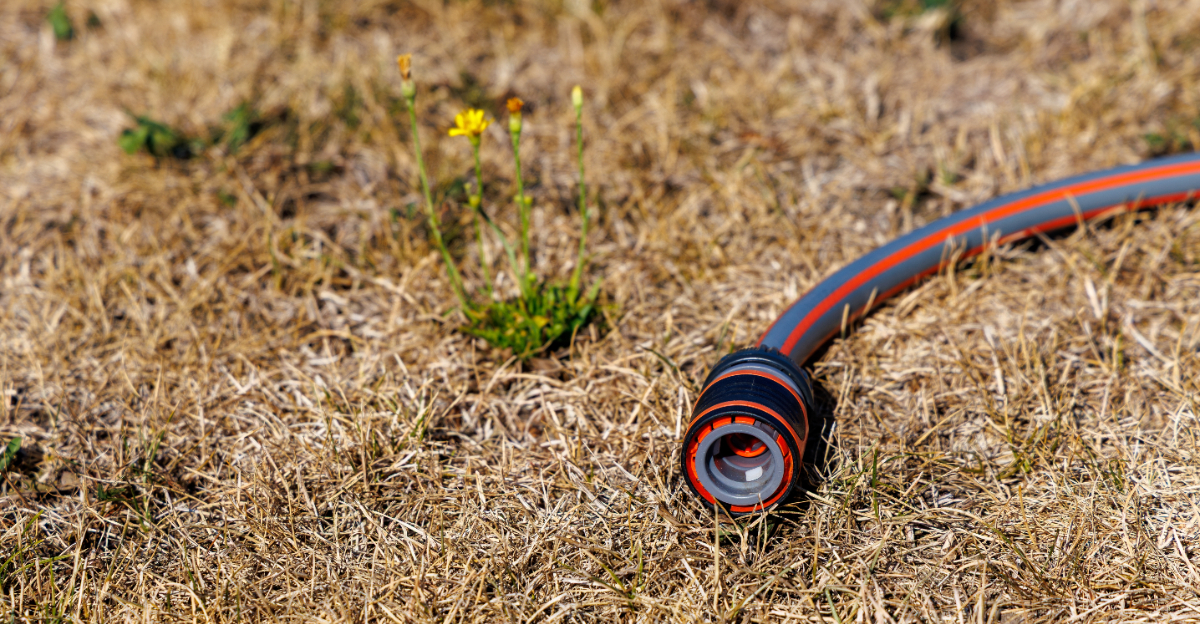
Your lawn was thriving just weeks ago, full and deep green under the summer sun. Now every blade looks scorched, brittle, and ready to snap. Something about reaching for the hose the second it turns brown feels instinctive.
That instinct is exactly where most lawn owners go wrong every single year. Homeowners everywhere assume more water fixes stressed grass faster. Few stop to ask if that assumption actually holds up.
Brown does not automatically mean gone. Grass has built-in defenses that kick in the moment heat becomes extreme, and yours may already be using them. Recovery depends far less on how much water you use and far more on when you use it.
You hold more control over this outcome than it feels like right now. Small decisions made in the next few days shape everything that follows. What you choose to do next will determine if your lawn bounces back strong or struggles all season long.
Overwatering Doesn’t Fix Brown Grass Faster
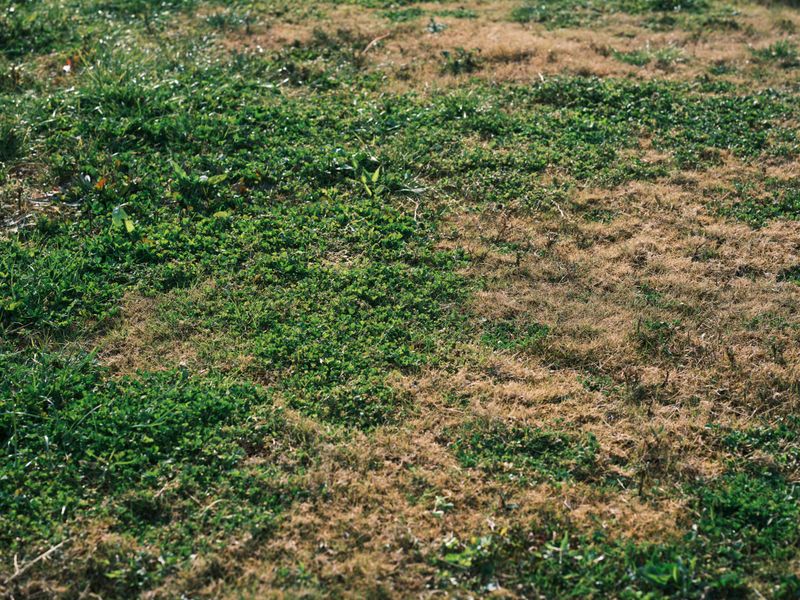
Brown grass makes people panic. That panic usually leads straight to the garden hose, turned up full blast.
Here is the hard truth: overwatering a heat-stressed lawn does not speed up recovery. It actually slows things down in ways most homeowners never expect.
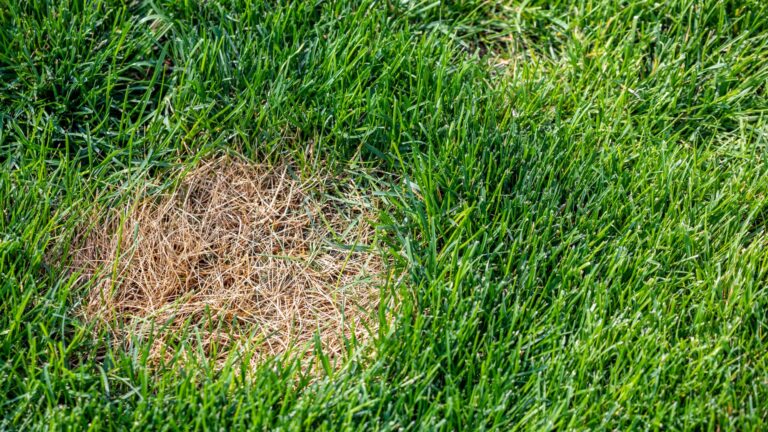
When grass goes brown in summer heat, it often enters dormancy. Dormancy is a survival strategy, not a sign of permanent damage.
During dormancy, grass roots slow down their activity. They do not need a flood of water to wake up.
Pouring on excess water can choke off the roots hiding beneath the surface. Roots need air pockets in the soil just as much as they need moisture.
Soggy soil rarely qualifies as one of those conditions. Fungal problems can spread fast across a stressed lawn.
Skipping the hose is not the setback it feels like. Overwatering adds a second layer of damage on top of the heat stress. Now your lawn is dealing with both drought stress and root rot at the same time.
Many homeowners see puddles forming and assume the water will soak in eventually. Instead, that standing water is a red flag your soil cannot absorb more right now.
Clay-heavy soils are especially prone to this problem. Water sits on top instead of reaching the roots where it matters most.
Backing off the hose is not giving up on your lawn. It is giving your grass the breathing room it needs to actually recover.
Stressed Roots Struggle Under Too Much Water
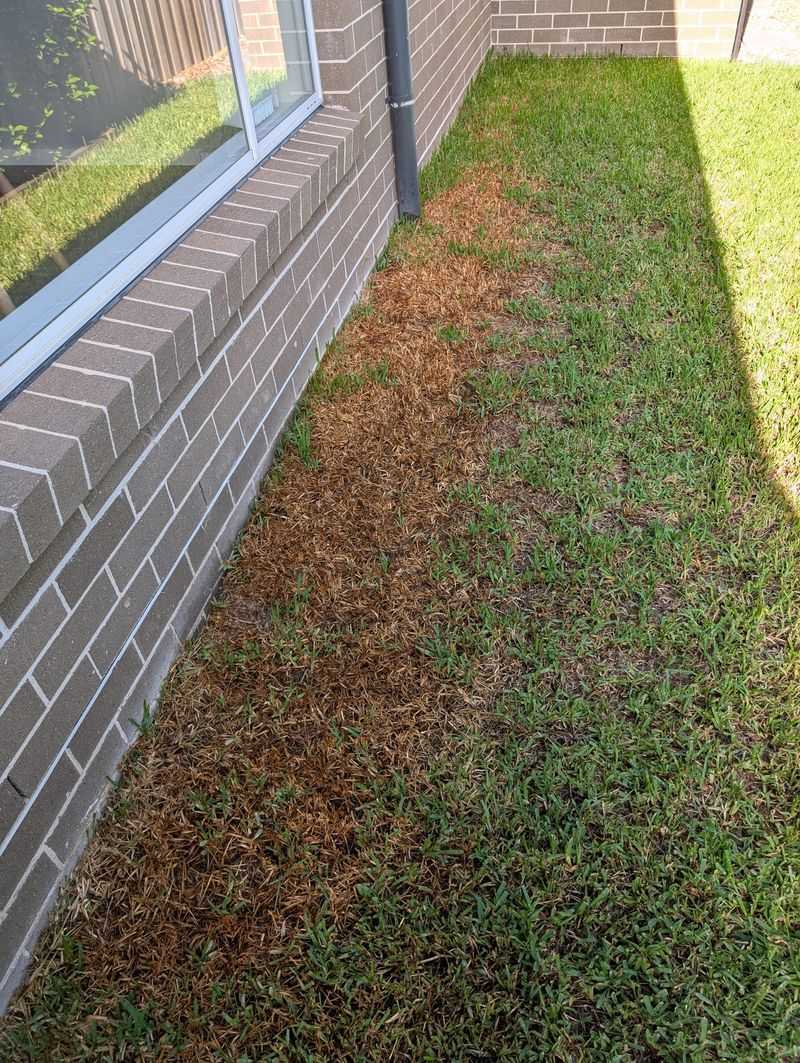
Roots are the real story happening underground. What you see on the surface is just a symptom of what is going on below.
Grass roots need three things to survive: water, nutrients, and oxygen. Most people focus only on the water part.
When soil stays soggy for too long, oxygen gets squeezed out of the tiny air pockets between soil particles. Without oxygen, roots begin to break down.
This process is called root oxygen loss, and it happens faster in summer than any other season. Warm soil speeds up bacterial activity, which burns through oxygen even quicker.
A lawn dealing with summer heat stress already has weakened roots. Adding too much water to that situation only makes the underlying problem worse.
The roots cannot process the excess moisture fast enough. Instead of absorbing it, they sit in it, and that is where real trouble starts.
Fungal pathogens love wet, warm conditions near the soil surface. They move in quickly when roots are already compromised.
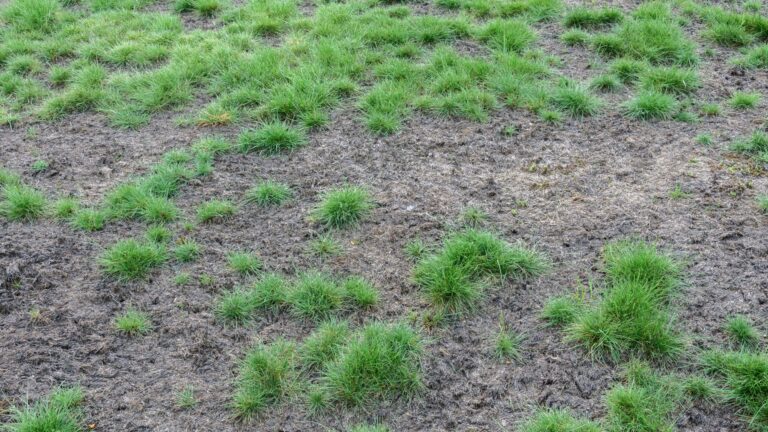
Brown patches that seem to spread after heavy watering are often a sign of root damage, not drought. Many homeowners misread this signal and water even more.
Checking your soil moisture before watering is a simple habit that saves your lawn. Stick a screwdriver six inches into the ground. If it slides in easily, skip the watering session.
Healthy roots bounce back from heat stress when given the right conditions. Soggy soil is never one of those conditions.
Signs You’re Giving Your Lawn Too Much Water
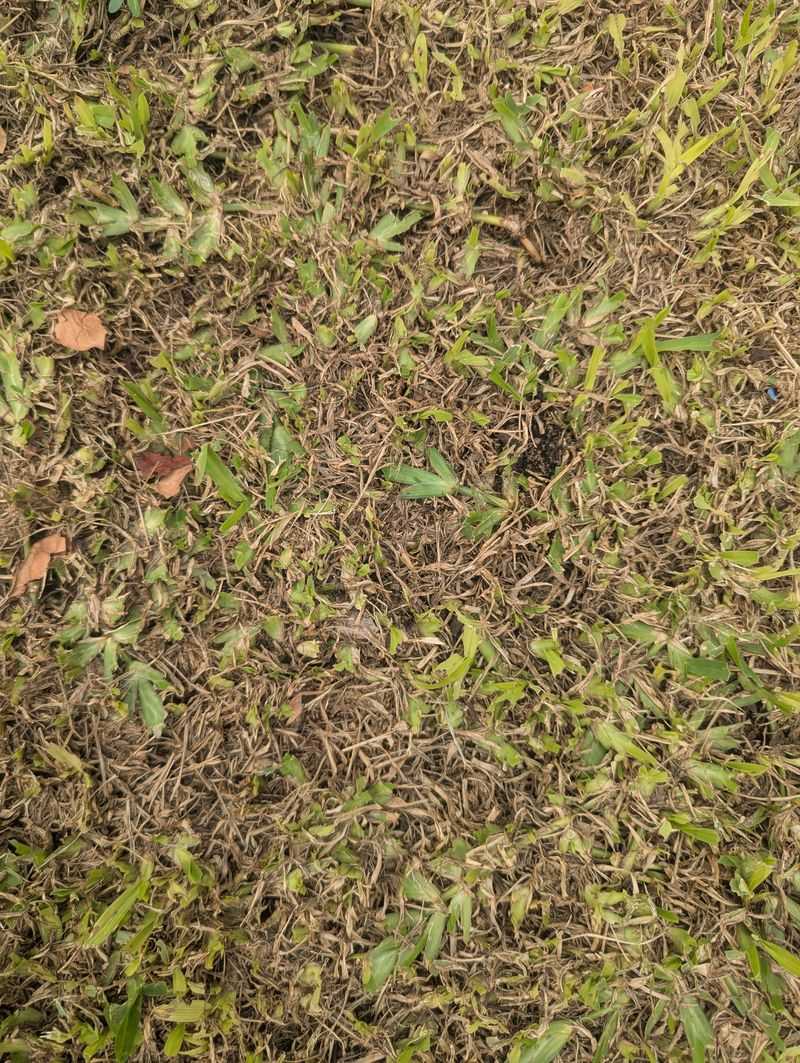
Your lawn gives you clues when something is off. Learning to read those clues saves you from making a costly mistake.
One of the clearest signs of overwatering is mushrooms popping up across your yard. Fungi thrive in consistently moist, warm environments.
Yellow patches that spread outward from a central point are another red flag. This pattern often signals a fungal infection fueled by excess moisture.
If your lawn feels spongy or bouncy underfoot, the soil is holding too much water. Healthy grass should feel firm but slightly giving when you walk on it.
Thatch buildup can accelerate when you overwater. Thatch is that layer of dry grass and organic matter between the soil and the green blades above.
Excessive watering encourages shallow root growth. Shallow roots make grass weaker and less able to handle future stress.
Runoff is a big visual signal that your irrigation schedule needs adjusting. Water running off the lawn and into the street means the soil is already saturated.
Algae growing along the edges of your lawn or on sidewalk cracks nearby is a sign of chronic overwatering. That green slime is not decoration.
Pests like mosquitoes and gnats are drawn to standing water. A yard that stays wet becomes a magnet for insects you definitely do not want around.
These signs make one thing clear: the solution is not more water. Trust what your grass is showing you and adjust accordingly.
The Right Watering Schedule After Extreme Heat
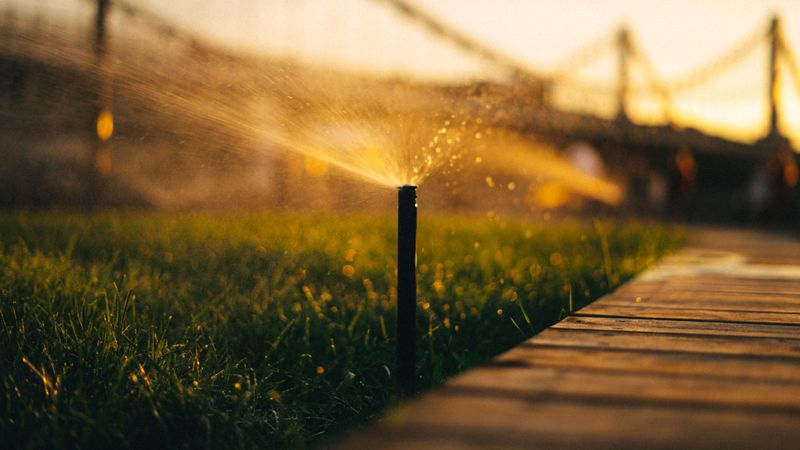
Timing is everything when it comes to watering a heat-stressed lawn. Water at the wrong time and you waste most of it before it ever reaches the roots.
Early morning is the best window for watering, ideally between 5 a.m. and 9 a.m. The sun is low, temperatures are cooler, and evaporation rates are minimal.
Watering in the afternoon means losing a significant portion of moisture to evaporation. The midday sun pulls water off the surface before roots can absorb it.
Evening watering might seem smart because it is cooler outside. But water sitting on grass blades overnight creates ideal conditions for fungal growth.
After extreme heat, your lawn does not need daily watering to recover. Most established grass types only need about one inch of water per week total.
Breaking that inch into two or three sessions is more effective than one long soak. It allows the soil to absorb moisture without becoming waterlogged.
A rain gauge or a simple tuna can placed on your lawn measures how much water your sprinklers actually deliver. This small trick removes all the guesswork.
Adjust your schedule based on recent rainfall. If it rained two inches this week, your lawn does not need supplemental irrigation.
Sandy soils drain faster and may need slightly more frequent watering. Clay soils hold moisture longer and need fewer sessions to avoid saturation.
A smart watering schedule after summer heat gives your lawn exactly what it needs, nothing more and nothing less.
Cutting Back On Water Speeds Up Recovery
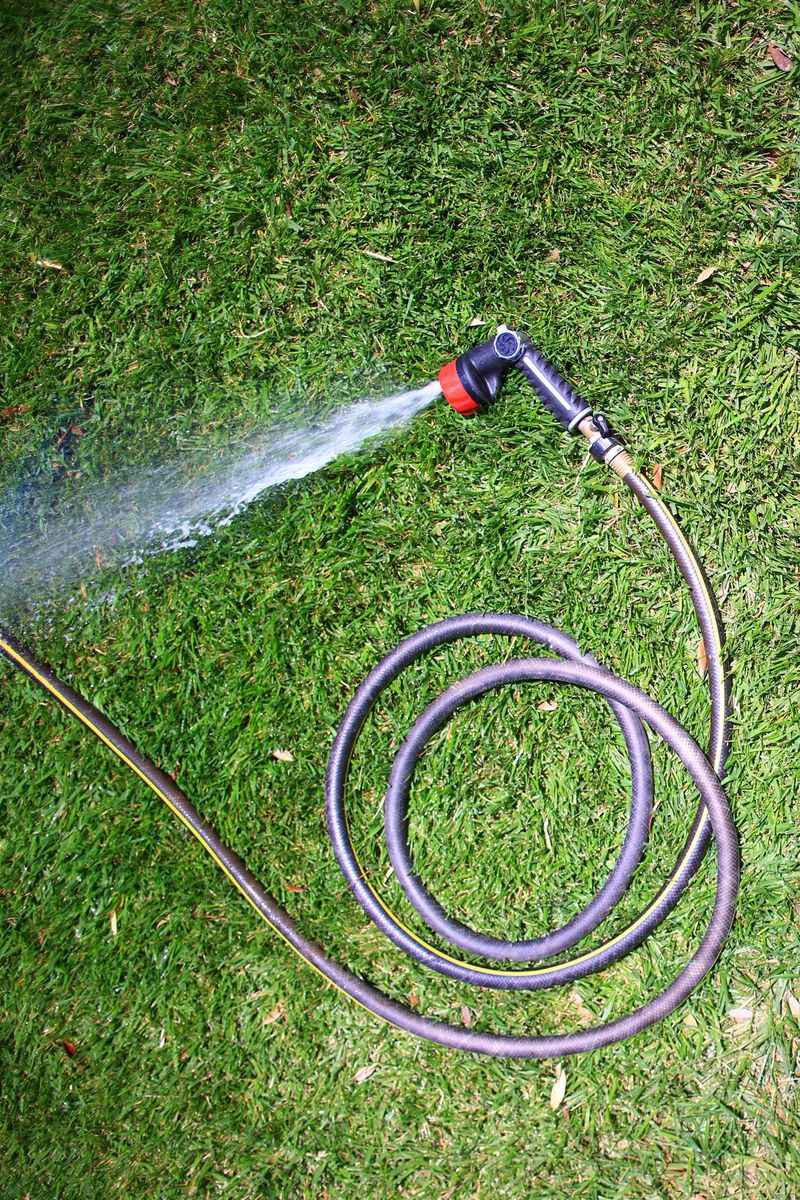
Pulling back on the hose feels counterintuitive when your lawn looks rough. But cutting back on water is often the move that actually triggers recovery.
When you reduce watering slightly, grass roots are forced to search deeper into the soil. Deeper roots mean a stronger, more resilient lawn long-term.
Dormant grass is not asking for a flood. It is waiting for temperatures to drop and conditions to stabilize before it puts energy into new growth.
Forcing growth during peak summer heat by overwatering actually stresses the plant further. New growth in extreme heat burns quickly and wastes the lawn’s stored energy.
A light, consistent watering approach keeps dormant grass alive without pushing it to grow prematurely. Think of it as maintenance mode, not recovery mode.
Cutting back on water also reduces the risk of disease, which can spread fast across a weakened lawn. Fewer wet conditions mean fewer opportunities for fungal spores to take hold.
Some turf experts recommend allowing dormant grass to stay dormant through the hottest weeks. Letting nature take its course is sometimes the best lawn care strategy.
Once temperatures start dropping in late summer or early fall, your lawn will naturally begin greening up again. That is when slightly increasing water helps the most.
Patience combined with smart water reduction is the recovery formula that actually works. Your lawn is not broken, it is just waiting for the right moment.
Patience Brings Your Lawn Back Faster Than Water
Nobody wants to hear the word patience when their yard looks like a desert. But patience is genuinely the most powerful lawn care tool you have right now.
Grass is remarkably resilient. Most cool-season and warm-season varieties can stay dormant for four to six weeks without permanent damage.
The moment temperatures cool down, even slightly, dormant grass begins preparing for a comeback. You will notice faint hints of green at the tips of blades first.
Resisting the urge to overseed, fertilize, or drench the lawn during peak heat gives the existing grass its best shot. Adding inputs during stress often backfires badly.
Fertilizing a dormant lawn in summer heat can burn already-fragile roots. Nitrogen pushes growth, and growth during extreme heat is a recipe for more brown patches.
Mowing less frequently during dormancy also helps. Longer grass blades provide shade to the soil surface, reducing moisture loss between watering sessions.
Keep foot traffic off dormant areas as much as possible. Compacted soil from heavy foot traffic makes it harder for roots to expand when recovery begins.
Aerating in early fall, once the heat breaks, dramatically speeds up the green-up process. It opens the soil and lets water and nutrients reach deeper root zones.
That brown is temporary when you give the grass space to do what it naturally knows how to do. Step back, trust the process, and watch your lawn surprise you.