This Tiny Winged Insect Is Now A Bigger Threat To Missouri Corn Than Drought
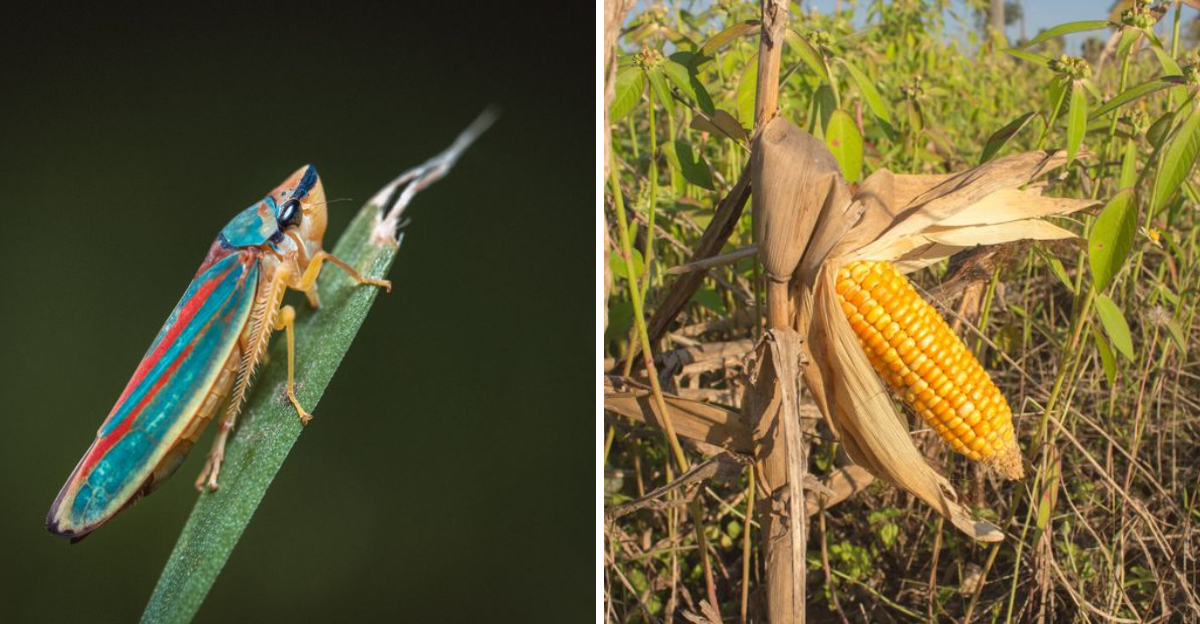
Picture a challenge you cannot see coming. Farmers across Missouri watched it climb past drought.
Tiny, yellow, and winged, this insect carries a hidden secret. A disease travels along with every visit it makes.
You could lose an entire field before symptoms show. Nobody notices until the trouble is already spreading.
Missouri growers now face a challenge ranked above weather itself. Prices at your grocery store depend on what happens next.
Your fields, your income, your food chain are all connected. Every acre you planted this season carries new concern now.
Overlooking this pest could cost you more than yield. Scientists warn this issue spreads faster than most realize.
Even experienced growers are finding it hard to spot early. Nothing about this season looks like the last one.
This is not a distant problem for someone else. It is happening now, in fields near you. Stopping now isn’t an option
What The Corn Leafhopper Actually Is
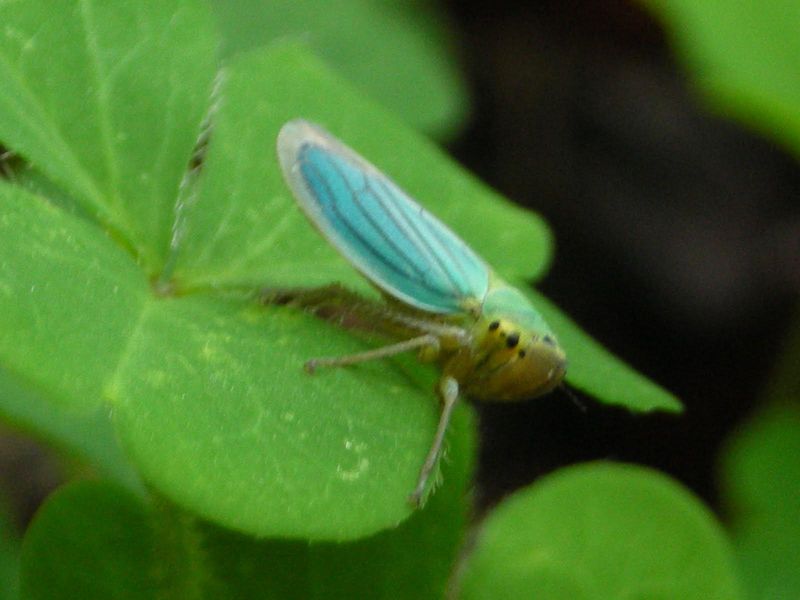
Picture a grain of rice with wings, and you are close to imagining a corn leafhopper. This insect is only about one eighth of an inch long, roughly the size of a grain of rice, pale yellow in color, and shaped like a tiny wedge.
It blends into corn foliage so well that even experienced farmers walk right past them. Scientifically known as Dalbulus maidis, this leafhopper is not new to agriculture. It has been a serious pest in Central America and Mexico for decades.
What is new is how aggressively it has pushed northward into states like Missouri. The insect feeds by piercing corn leaves and sucking out plant fluids.
That feeding alone causes some damage, but the real danger is what the leafhopper carries inside its body. It transmits corn stunt disease, a condition that can lead to total yield loss in heavily infested fields.
One leafhopper can infect multiple plants in a single day. A swarm of them can spread through a field quickly.
Farmers who have dealt with drought know how to plan for dry weather, but this pest operates differently and hits without much warning.
Understanding what this insect is forms the foundation of fighting it. Knowing its size, color, and behavior helps you spot it early.
Early detection is the single biggest advantage any grower can have when facing this threat to Missouri corn crops.
How This Pest Reached Missouri Corn Fields
Corn leafhoppers did not just wander into Missouri by accident. Their northward spread followed a combination of warming winters and shifting wind patterns.
Milder temperatures allowed populations to survive further north than they ever had before.
Researchers believe the pest hitched rides on storm systems moving up from the Gulf region. Strong southerly winds can carry small insects hundreds of miles in a single weather event.
That is how a creature once confined to tropical zones ended up in Missouri cornfields. The expansion was gradual at first, with scattered reports in southern states during the early 2010s.
By the late 2010s, populations had become established across parts of the mid South. Then came back to back warm winters, and the population expanded rapidly northward.
Your Missouri Garden Changes Every Week. Your Plan Should Too.
Gardening in Missouri changes quickly throughout the season. Every Friday you’ll receive a simple weekly plan showing exactly what to plant, prune, fertilize, harvest, and protect so you never miss the right timing.
Missouri sits at a geographic crossroads where warm southern air meets cooler northern fronts. That climate mix has made it a landing zone for insects expanding their range.
The state’s vast acreage of continuous corn planting gave the leafhopper an ideal habitat to settle into.
Corn leafhoppers cannot survive Missouri winters, so populations migrate back into the state each year from warmer southern regions, arriving fresh each spring ready to feed.
Farmers in Missouri are now dealing with a pest that returns to the state as part of its expanding range every year, making this a long term challenge for Missouri corn production going forward.
Why Corn Stunt Disease Is So Damaging
Corn stunt disease sounds like something that just slows plants down a little. The reality is far more alarming than the name suggests.
Infected plants can stop growing entirely, produce no harvestable ears, and significantly reduce a field’s profitability.
The disease is caused by a pathogen called Spiroplasma kunkelii, which the leafhopper injects directly into the plant’s vascular system.
Once inside, it disrupts the plant’s ability to move water and nutrients efficiently. The corn loses its ability to absorb water and nutrients efficiently as the infection spreads.
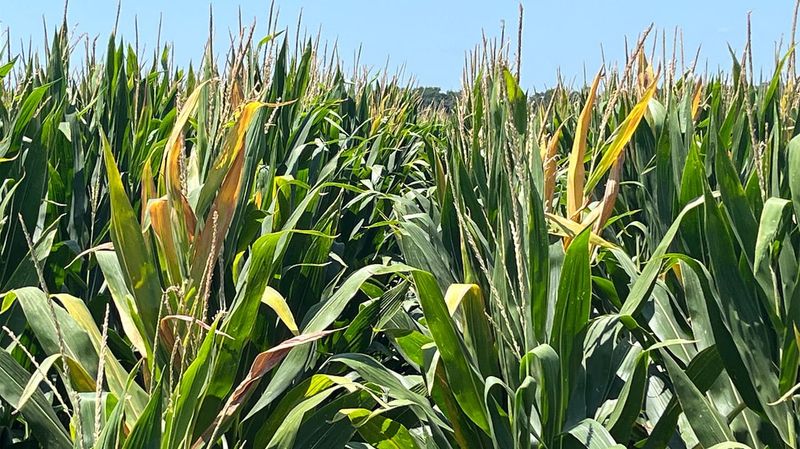
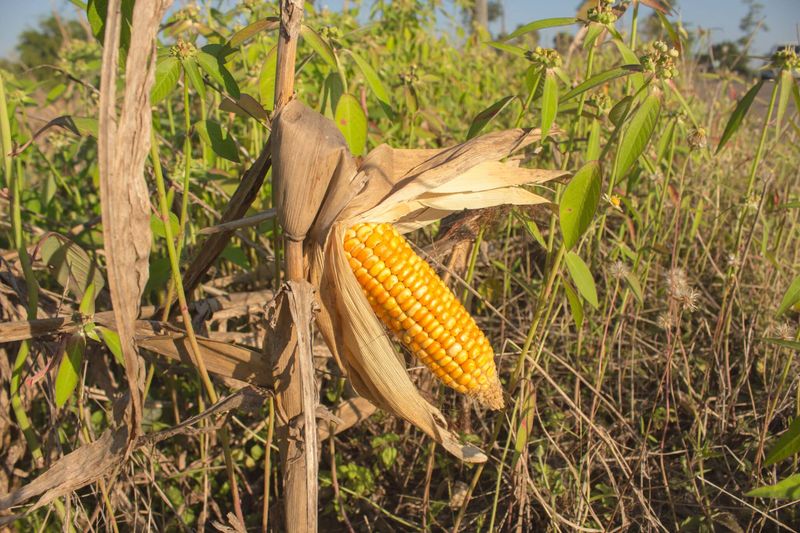
Symptoms include yellowing leaves, shortened internodes, and the appearance of multiple small, malformed ears that never develop properly. The affected plants often show this kind of unusual, stunted growth pattern when severely infected.
By the time those symptoms appear, the damage is already done. There is no cure once a plant is infected. You cannot spray something on it and fix the problem.
The only management options involve preventing the leafhopper from feeding in the first place, which requires vigilance and fast action.
Yield losses from corn stunt disease range from mild to severe depending on when infection occurs. Plants infected early in the season are affected the most.
A field hit during the first four to six weeks of growth can lose nearly all of its productive potential, making corn stunt disease one of the most economically damaging conditions threatening Missouri corn right now.
Counties Already Confirmed With Infestations
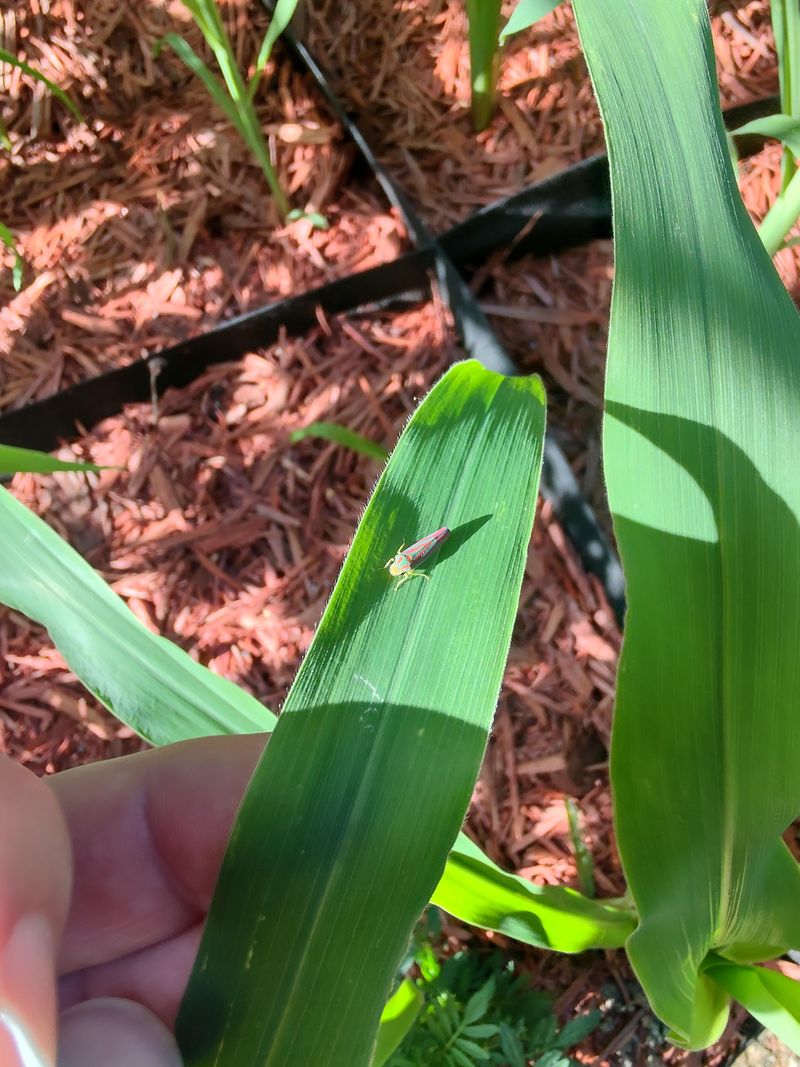
Corn leafhopper activity in Missouri is no longer a distant warning. Confirmed infestations have been documented in multiple counties, and extension entomologists are tracking new reports each season.
The pest has moved faster than many experts initially predicted. Central and southwestern Missouri counties have reported the most consistent activity so far. Areas with dense corn acreage in these regions have shown steady leafhopper pressure.
Farmers in those zones have already seen firsthand what this insect can do to a standing crop.
Additional central Missouri counties have also begun reporting populations, which signals that the spread is not slowing down. University of Missouri Extension offices have been fielding calls from growers across a wider geographic area each year.
That expanding call map is a real time picture of how quickly the range is growing. County level data matters because it helps neighboring farmers know when to start scouting.
If your county borders a confirmed zone, your fields are at risk in the current or next growing season. Waiting for official confirmation in your specific county could cost you a significant portion of your harvest.
The Missouri Department of Agriculture has been coordinating with federal agencies to track the spread. Growers are encouraged to report any unusual leafhopper activity to their local extension office.
Shared data helps researchers build a clearer map of where Missouri corn is most vulnerable to this expanding threat right now.
Outpacing Drought As The Bigger Threat
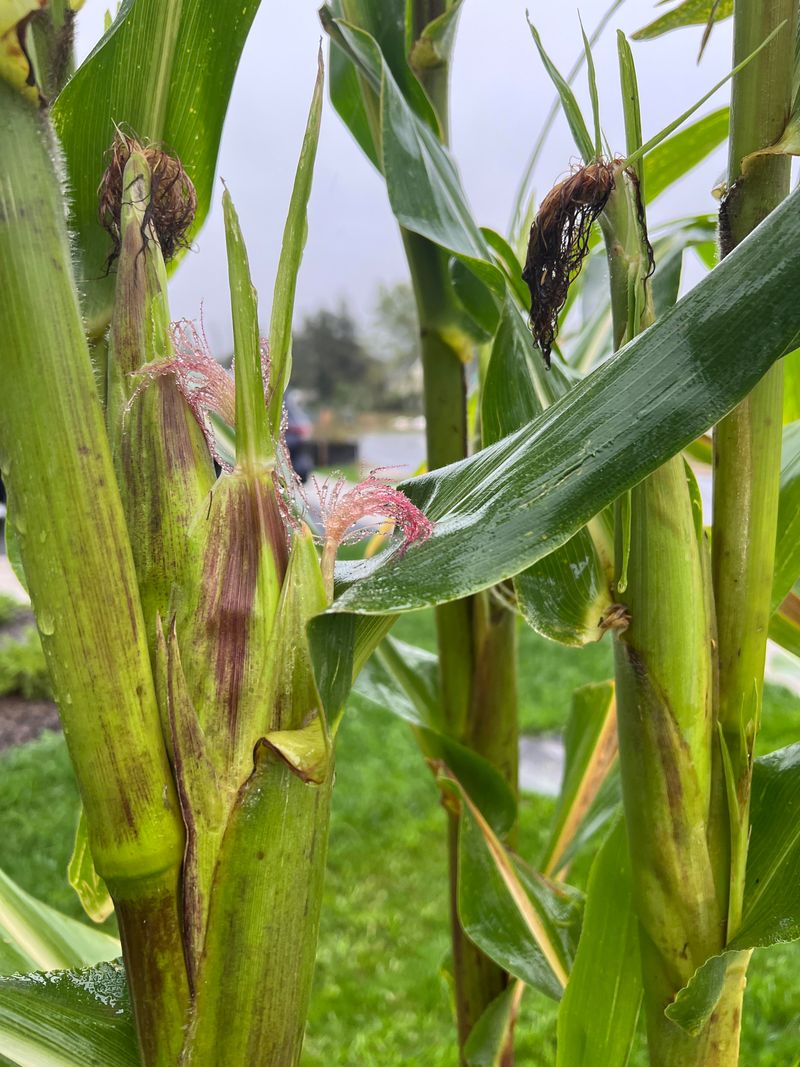
Drought has long been the primary concern in Missouri farming stories. Dry summers, cracked soil, and wilting stalks are images every Missouri grower knows well.
But a new contender has stepped forward, and it does not need dry weather to cause serious harm.
Some agricultural researchers and extension specialists have noted that in certain recent seasons, leafhopper related losses have rivaled or exceeded losses typically attributed to drought. That comparison drew significant attention in the agricultural community.
Drought at least gives you warning signs you can prepare for months in advance. The leafhopper threat operates on a faster, less predictable timeline.
A field can look healthy on Monday and show disease symptoms by the following week. That speed of destruction leaves little room for farmers to respond once the insects arrive in force.
Drought also has well established management tools, including irrigation, drought tolerant hybrids, and crop insurance programs built around water stress.
The leafhopper problem is newer, and the management playbook is still being written. Farmers are adapting in real time without the safety nets that drought planning provides.
In high pressure years, some growers and extension specialists now view leafhopper related losses as comparable to, or more severe than, losses typically caused by drought. That shift in perception is not just anecdotal.
It represents a fundamental change in how Missouri farmers need to think about risk management, crop protection, and what threatens their bottom line most going into each new growing season.
Scouting Methods And Early Response Strategies
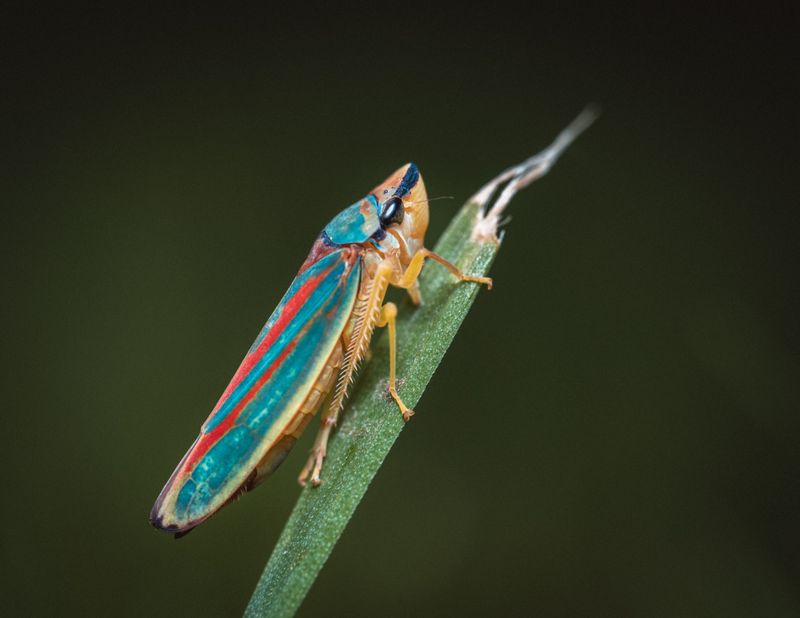
Catching this pest early is the difference between a manageable problem and a lost crop. Scouting needs to start at plant emergence and continue through the first eight weeks of the growing season.
That window is when the corn is most vulnerable to infection. Walk your fields in a zigzag pattern and check the undersides of lower leaves first. Leafhoppers prefer to hide near the base of the plant where it is shadier and more humid.
A sweep net can help you collect samples and count populations more accurately than visual inspection alone.
Extension specialists recommend treatment once corn leafhoppers are confirmed present on young plants, particularly before the V8 growth stage.
Some extension guidelines suggest acting even sooner if corn stunt has already been confirmed in your county. Knowing your local threshold matters as much as knowing how to scout.
Insecticide seed treatments offer some early season protection, but their effectiveness fades as the plant grows. Foliar insecticide applications timed to peak leafhopper activity can reduce populations significantly.
Coordination with neighboring farms improves results because leafhoppers move freely across property lines.
Biological controls, including natural predators like lady beetles and lacewings, provide some help but rarely enough on their own.
The most effective response combines scouting, timely insecticide use, and selecting corn hybrids with some tolerance to leafhopper feeding.
Staying proactive is the strongest defense Missouri corn growers have against this developing threat right now.