Never Apply This Fertilizer To Michigan Soil Right Before Heavy Rain
Rain doesn’t wait for your fertilizer to soak in. Michigan weather can flip from clear skies to a downpour within minutes, catching your plans off guard.
Your grass roots barely get a taste before water carries everything toward the nearest drain. Certain fertilizer blends bond loosely with soil, and any storm can strip them off your lawn.
Money spent on nitrogen and phosphorus ends up feeding roadside ditches instead of your yard. Waterways near your home absorb that runoff long after your grass has dried.
Timing your application wrong costs you more than the price on the bag ever suggests. Homeowners across Michigan lose real money every spring, chasing green grass that never gets the chance to grow.
Storm timing separates a green lawn from a wasted bag of granules. Skip the check before you spread, and Michigan’s next downpour decides where your money actually ends up.
Why Fast-Release Nitrogen Fertilizer Washes Away So Easily
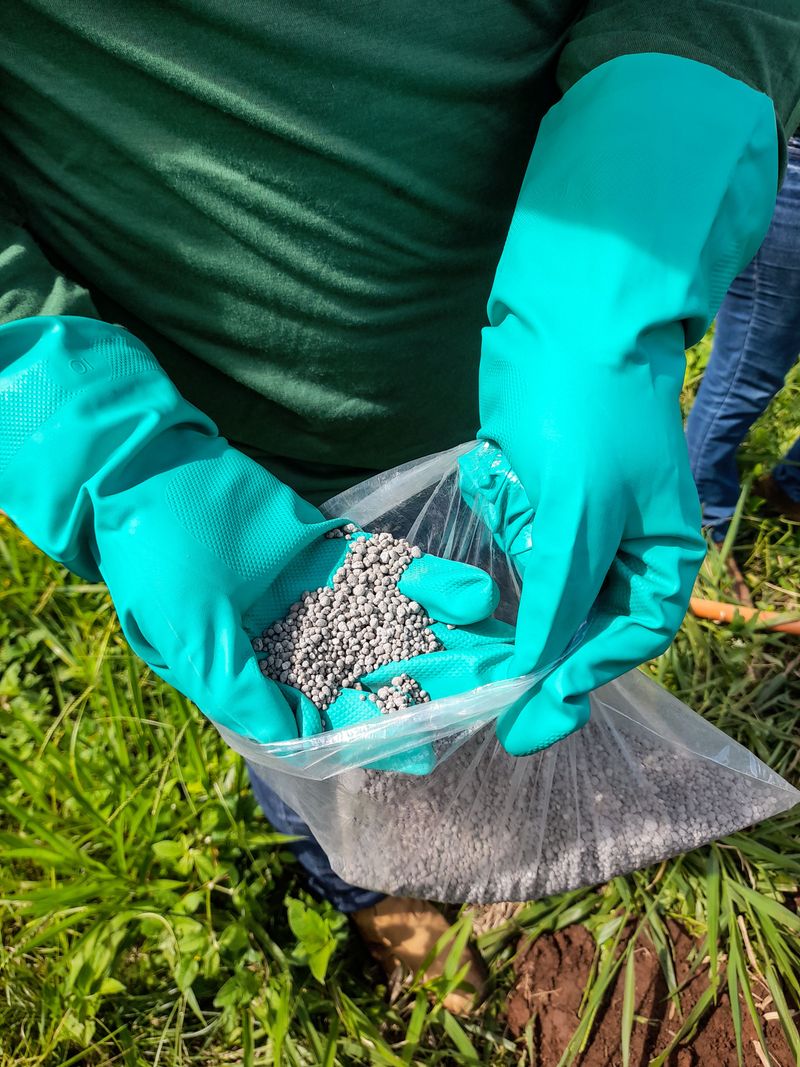
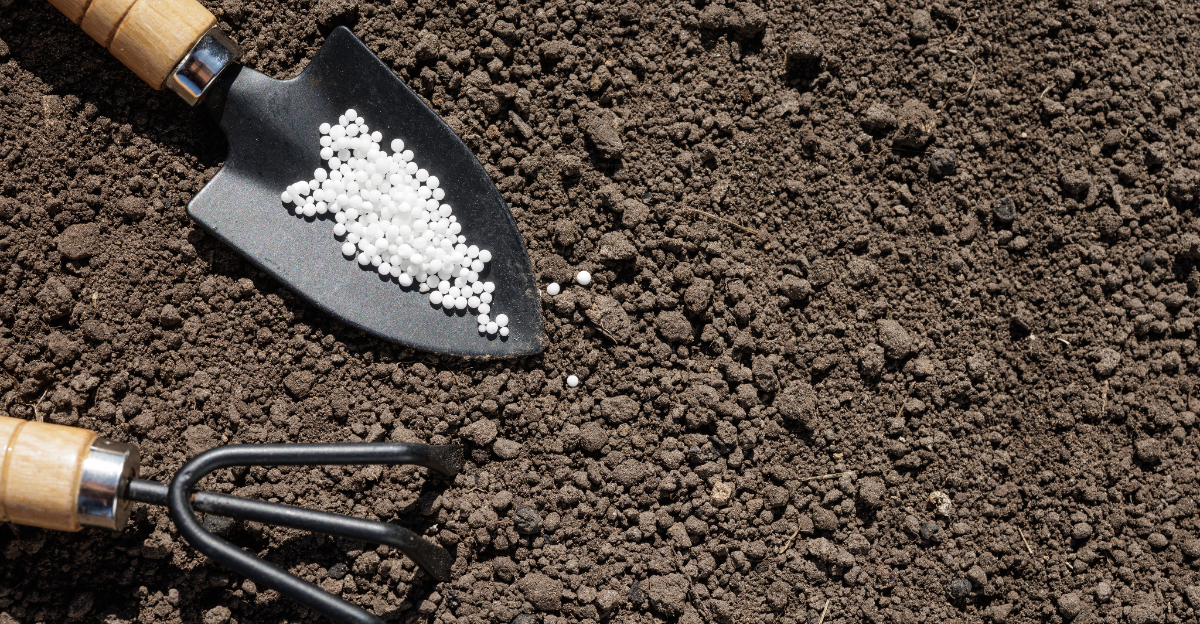
Fast-release nitrogen fertilizer is basically a sugar rush for your lawn. It floods the soil with nutrients instantly, but that speed is also its biggest flaw.
When rain hits, these granules dissolve almost immediately. The nitrogen turns into a liquid that water carries straight off your lawn.
Most fast-release products are made with urea or ammonium nitrate. Both compounds break down rapidly when wet, which sounds great until a storm rolls in.
Fast-release nitrogen and an incoming storm simply don’t mix in Michigan. The timing gap you need is at least 24 to 48 hours of dry weather before rain moves in.
Your grass roots simply cannot absorb nutrients that fast. The fertilizer moves through the topsoil before any plant uptake happens.
Sandy soils, which are common across lower Michigan, make the problem worse. Water moves through sandy ground quickly, pulling dissolved nitrogen deep below the root zone.
Clay-heavy soils in other parts of the state create surface runoff instead. Either way, the fertilizer ends up somewhere other than your grass blades.
Manufacturers design fast-release products for quick green-up results. That goal only works when the weather cooperates with your schedule.
Checking a short-term weather forecast before spreading any nitrogen product is a smart habit. A sunny 48-hour window makes all the difference between a thriving lawn and wasted product.
Heavy Rain Turns Lawn Fertilizer Into Runoff Fast
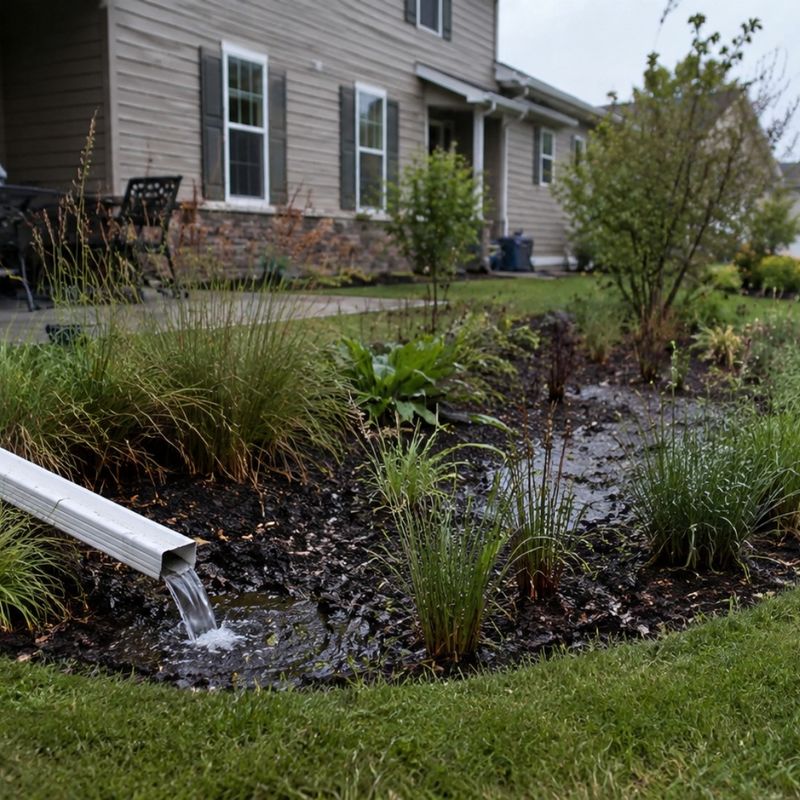
Rain transforms your lawn into a moving river of dissolved chemicals. What looks like ordinary water carries a surprising amount of nitrogen and phosphorus along for the ride.
A single heavy rainfall event can wash away a significant share of applied fast-release fertilizer before your grass ever absorbs it.
Michigan sees some serious storm systems, especially in spring and early summer. Those months also happen to be peak lawn-care season, which creates a dangerous overlap.
Spreading fast-release nitrogen right before a storm rarely works out in your favor. You pay full price for a product that delivers maybe half the benefit.
Runoff happens fastest on sloped yards with compacted soil. Water cannot soak in, so it races downhill and takes every dissolved nutrient with it.
Your Michigan Garden Changes Every Week. Your Plan Should Too.
Gardening in Michigan changes quickly throughout the season. Every Friday you’ll receive a simple weekly plan showing exactly what to plant, prune, fertilize, harvest, and protect so you never miss the right timing.
Even flat lawns experience surface runoff when rain falls faster than soil can absorb it. An inch of rain in 30 minutes overwhelms almost any ground.
Thatch buildup also blocks absorption, letting fertilizer pool on top before washing away. Dethatching your lawn each spring helps rain penetrate more effectively.
Soil compaction is another hidden enemy of fertilizer efficiency. Aerating before you apply any product dramatically improves how much actually stays where you put it.
The goal is keeping nutrients in the root zone, not sending them downstream. Smart prep work before application saves both product and money.
Where That Runoff Ends Up In Michigan Waterways
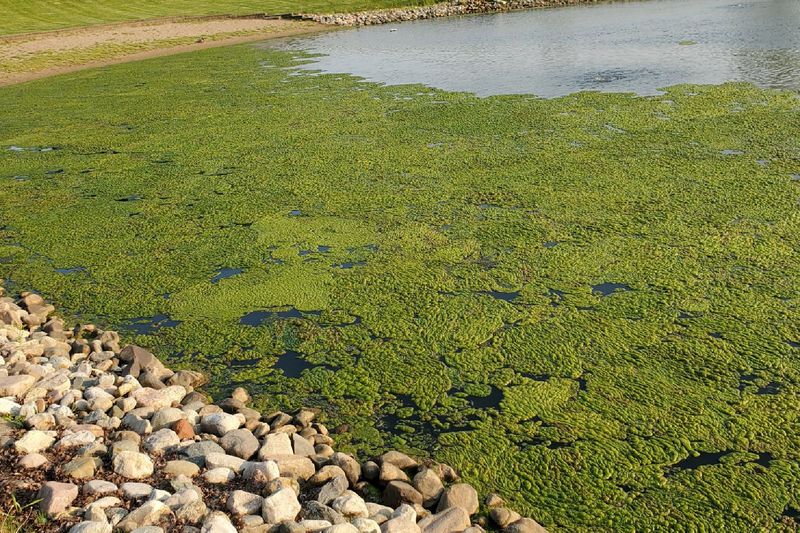
That bright green tint spreading across a nearby lake usually traces back to nutrient runoff, not anything natural. When excess nutrients hit the water, algae populations grow rapidly.
Phosphorus and nitrogen from lawns travel through storm drains directly into rivers and lakes. Michigan has over 11,000 inland lakes, and many sit close to residential areas.
When excess nutrients hit a body of water, algae explodes in population. The blooms block sunlight and eventually strip oxygen from the water below.
Fish and aquatic plants suffer when oxygen levels crash. Multiply one poorly timed bag across thousands of lawns, and the cumulative effect on local water quality adds up fast.
Harmful algal blooms, often called HABs, can produce toxins dangerous to pets and people. Beaches close, fishing spots become off-limits, and property values near affected lakes can drop.
The Great Lakes are not immune either. Nutrient pollution has contributed to recurring algae problems in Lake Erie and parts of Lake Huron.
State environmental agencies track runoff closely, and regulations around phosphorus use on lawns have tightened over the years. Michigan state law restricts phosphorus lawn fertilizer use statewide unless a soil test proves a deficiency.
Knowing where your runoff flows is a powerful motivator. Most suburban storm drains connect directly to natural waterways with no filtration in between.
Protecting those waterways starts in your own backyard. Choosing the right product at the right time is one of the easiest environmental actions you can take.
Reading The Forecast Before You Spread Anything
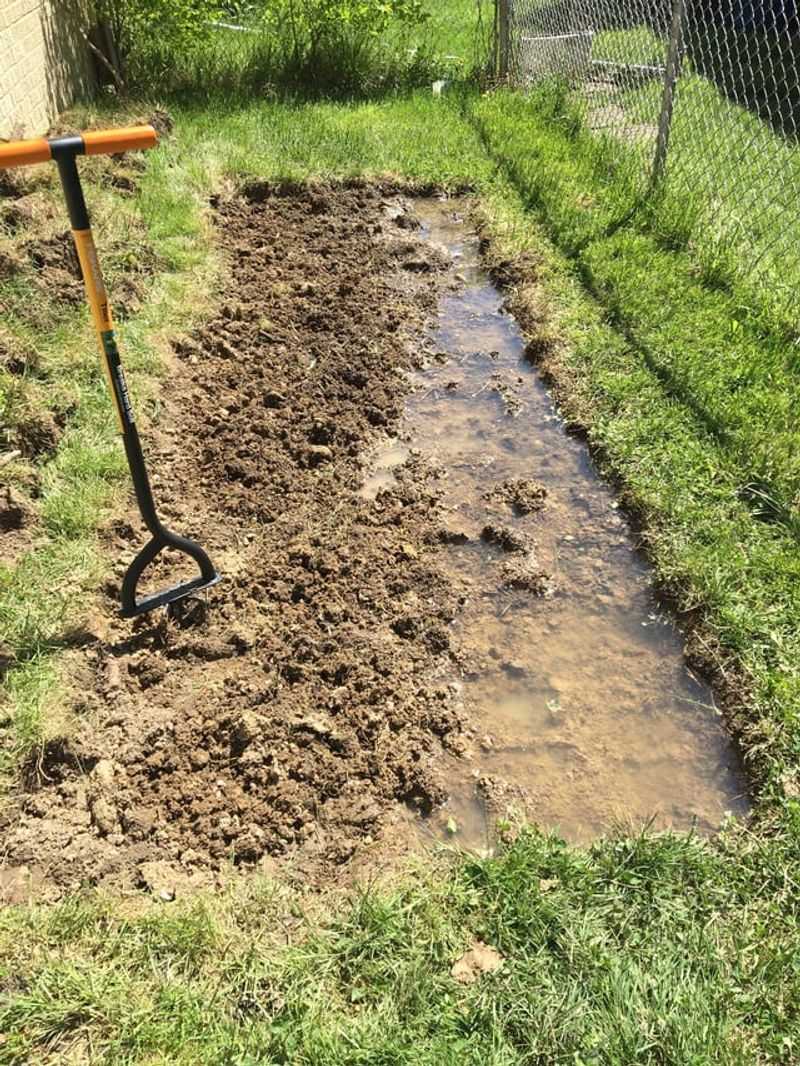
Your weather app deserves a spot right next to your spreader in the shed. Skipping the forecast before fertilizing is like leaving the house without checking if it will rain.
The general rule is to avoid applying fast-release nitrogen if rain is expected within 24 to 48 hours. For heavier storm forecasts, extending that window to 72 hours gives fertilizer even more time to settle.
Michigan weather is notoriously unpredictable, especially in spring. A clear morning can turn into a thunderstorm by afternoon without much warning.
Radar apps with hourly breakdowns give you the clearest picture. Look for at least two to three consecutive dry days in the forecast before committing to an application.
Wind speed also matters more than most people realize. High winds carry fertilizer granules off your lawn and onto driveways, sidewalks, and storm drains before rain even arrives.
Blow fertilizer off hard surfaces immediately if it lands there. Granules sitting on concrete wash straight into storm drains with the next rainfall.
Morning applications on calm, dry days tend to work best. The soil has overnight coolness, which slows evaporation and gives granules time to settle before any afternoon heat builds.
Soil temperature is another forecast factor worth tracking. Grass roots absorb nitrogen most efficiently when soil temps sit between 55 and 85 degrees Fahrenheit.
Applying fertilizer to cold or waterlogged soil wastes product and increases runoff risk. Patience and good timing are the cheapest tools in your lawn-care kit.
Better Timing Windows Around Michigan Storm Patterns

Timing your fertilizer applications around Michigan storm cycles is a skill that pays off all season. Knowing the state’s weather patterns gives you a real edge over guesswork.
Late spring in Michigan often brings frequent, fast-moving rain systems that are hard to plan around. That stretch from mid-April through May is a tricky window for any fast-release product.
Early June usually offers more stable, drier stretches across most of the Lower Peninsula. That brief window is one of the best opportunities for a well-timed nitrogen application.
Late summer stretches, particularly in August, often bring more predictable dry spells in many parts of the state. Soil moisture drops, and sunny multi-day windows become easier to count on.
Fall applications, typically in September and October, are actually among the most effective for Michigan lawns. Cooler temps slow evaporation, and rain events are less intense than spring storms.
A fall feeding helps grass store energy for winter and green up faster the following spring. Timing it at least a month before the ground freezes gives roots time to absorb nutrients.
Avoid fertilizing right before or after any named storm system. Even a remnant of a tropical system can dump several inches of rain across the Great Lakes region.
Regional weather services offer seasonal outlooks that help you plan weeks ahead. Bookmarking the National Weather Service office for your area is a genuinely useful habit.
Matching your schedule to the calendar and the clouds protects your investment every time. Good timing turns an average lawn into a standout one.
What To Use Instead When Rain Is Close Behind
Slow-release fertilizers are the smarter swap when storms are on the way. They hold nutrients in a coated shell that breaks down gradually over weeks, not hours.
Polymer-coated urea is one of the most popular slow-release options on the market. The coating controls how fast nitrogen escapes, so a rain event does not wash everything away at once.
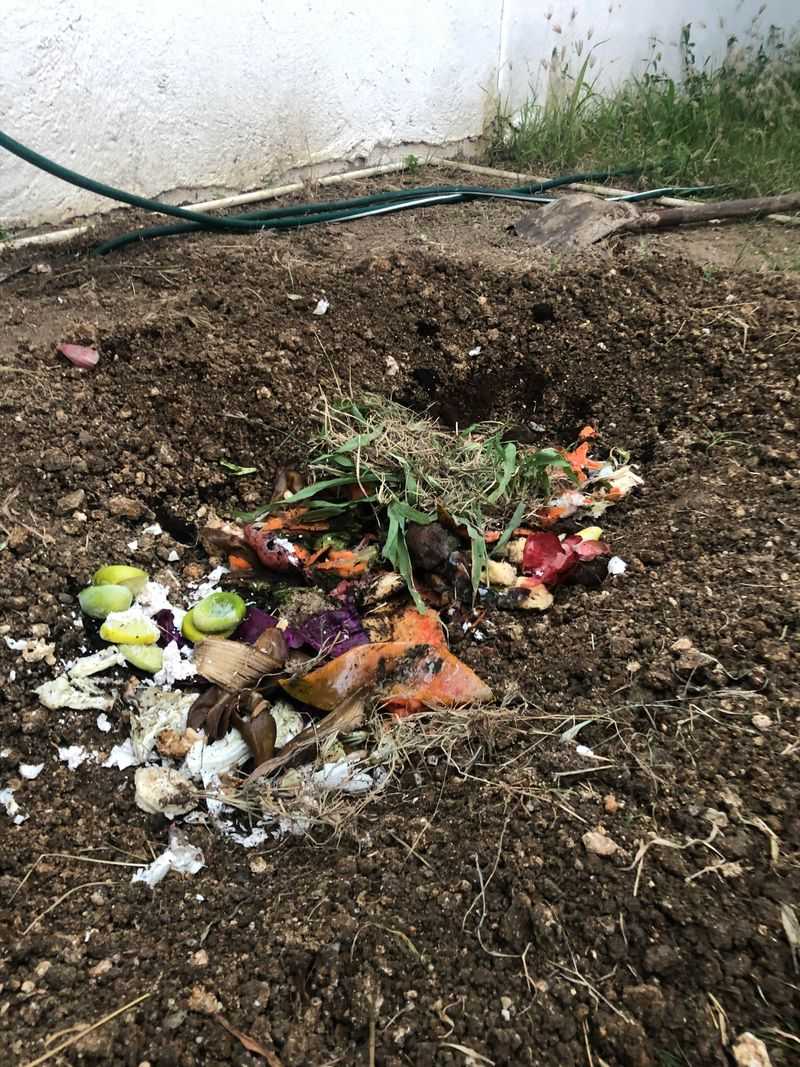
Organic fertilizers, like composted manure or feather meal, behave similarly. Soil microbes release nutrients slowly as they break down organic matter, rain or shine.
Fast-release synthetic products are exactly the ones that need a dry-weather window before you spread them. Swapping to a slow-release option removes most of the timing pressure.
Milorganite is a widely available organic option that Michigan gardeners trust for exactly this reason. It barely moves even after a heavy downpour because it binds tightly to soil particles.
Compost top-dressing is another rain-friendly alternative worth trying. Spreading a thin layer of finished compost feeds soil biology and holds in place even during moderate storms.
Liquid fertilizers applied as foliar sprays absorb through leaves within hours. If the forecast shows rain 12 or more hours away, a foliar application can still deliver results.
Soil amendments like biochar can improve nutrient retention for many fertilizer types. Adding biochar to your lawn prep routine helps any product stick around longer after wet weather.
Choosing the right product for the right conditions is the whole game. Smarter inputs mean a greener lawn and cleaner waterways for everyone in the neighborhood.