What It Means When North Carolina Basil Starts Dropping Leaves In September
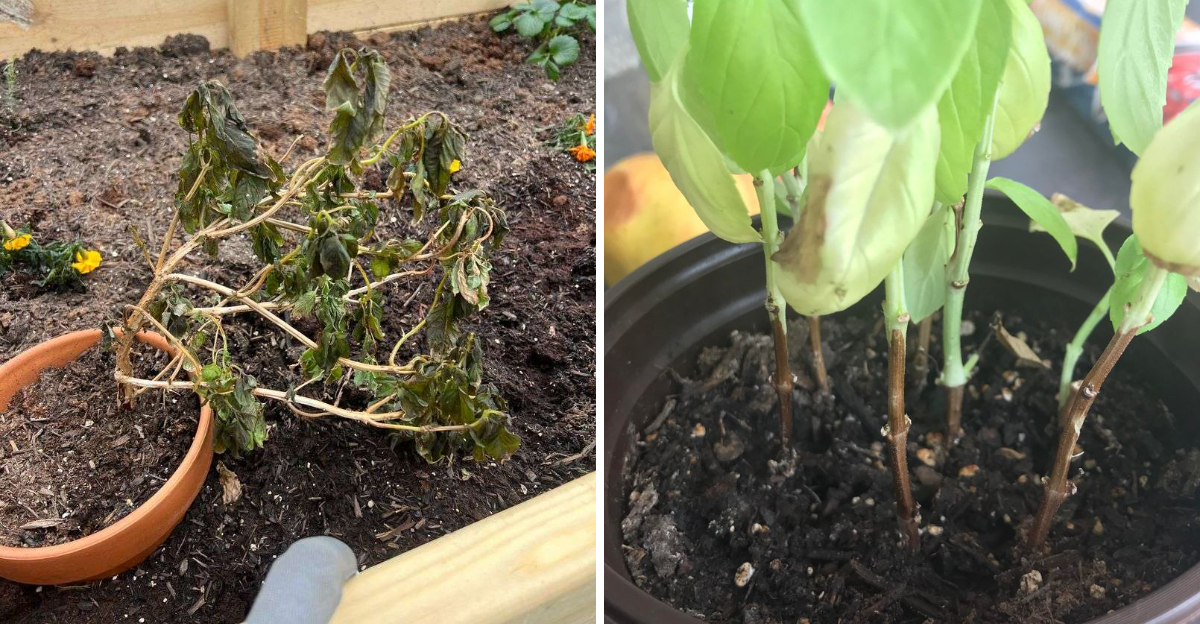
Basil dropping leaves in September often worries gardeners who assume the plant still has plenty of growing season left ahead of it. It’s tempting to think something has gone wrong, especially when the plant otherwise looks fairly healthy overall.
But this specific pattern of leaf drop usually points to an explanation that makes complete sense once you understand what’s happening this time of year.
Understanding the real cause changes whether this calls for concern or simply reflects basil doing exactly what it’s supposed to do.
Many gardeners jump to the wrong conclusion, missing what the plant is actually communicating through this behavior. Once you know what’s truly going on, those dropping leaves stop feeling like a mystery.
This knowledge could help you decide whether to keep caring for the plant or let it wind down naturally.
1. Downy Mildew May Be Spreading
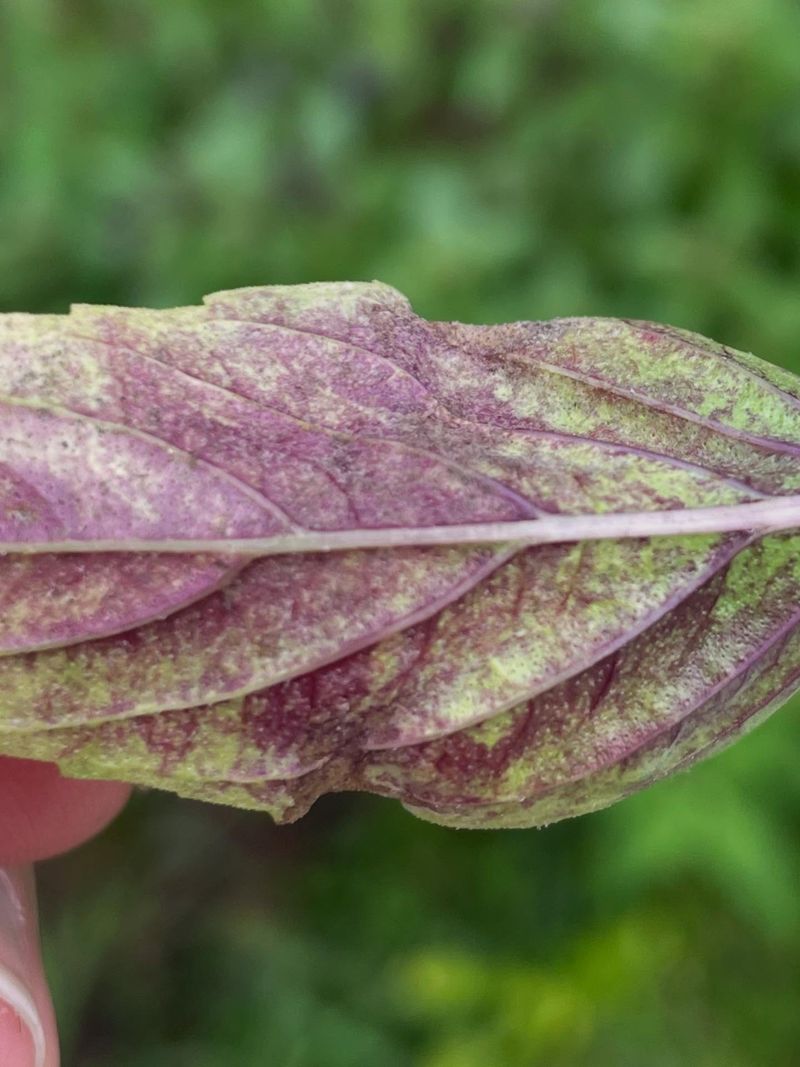
September in North Carolina brings sticky, humid air, and that steamy weather is exactly what downy mildew loves. If your basil leaves turn yellow on top while hiding a fuzzy gray or purple growth underneath, this common problem is likely the culprit.
The yellowing usually shows up between the leaf veins first, which gives leaves a patchy, blotchy look. When you flip a leaf over and spot that dusty coating, you have found your answer.
Warm nights and damp foliage let the spores spread quickly from plant to plant. Moisture is the main trigger, so watering the base of your basil instead of the leaves makes a big difference.
Try to water early in the day so the plant dries out before evening arrives. Airflow matters too. Space your plants a little farther apart and trim crowded stems so breezes can move through easily.
Good circulation keeps leaves dry and slows the spread. Remove any affected leaves right away and toss them in the trash rather than your compost pile. Leaving them nearby only invites more trouble for healthy growth.
Some gardeners plant mildew-resistant basil varieties, which handle humid Southern summers much better. These types stay leafy longer and shrug off the damp conditions.
If you catch the problem early, you can still harvest plenty of good leaves. Snip the healthy portions, wash them well, and enjoy your basil before the mildew takes over the whole plant.
2. The Roots May Be Too Wet
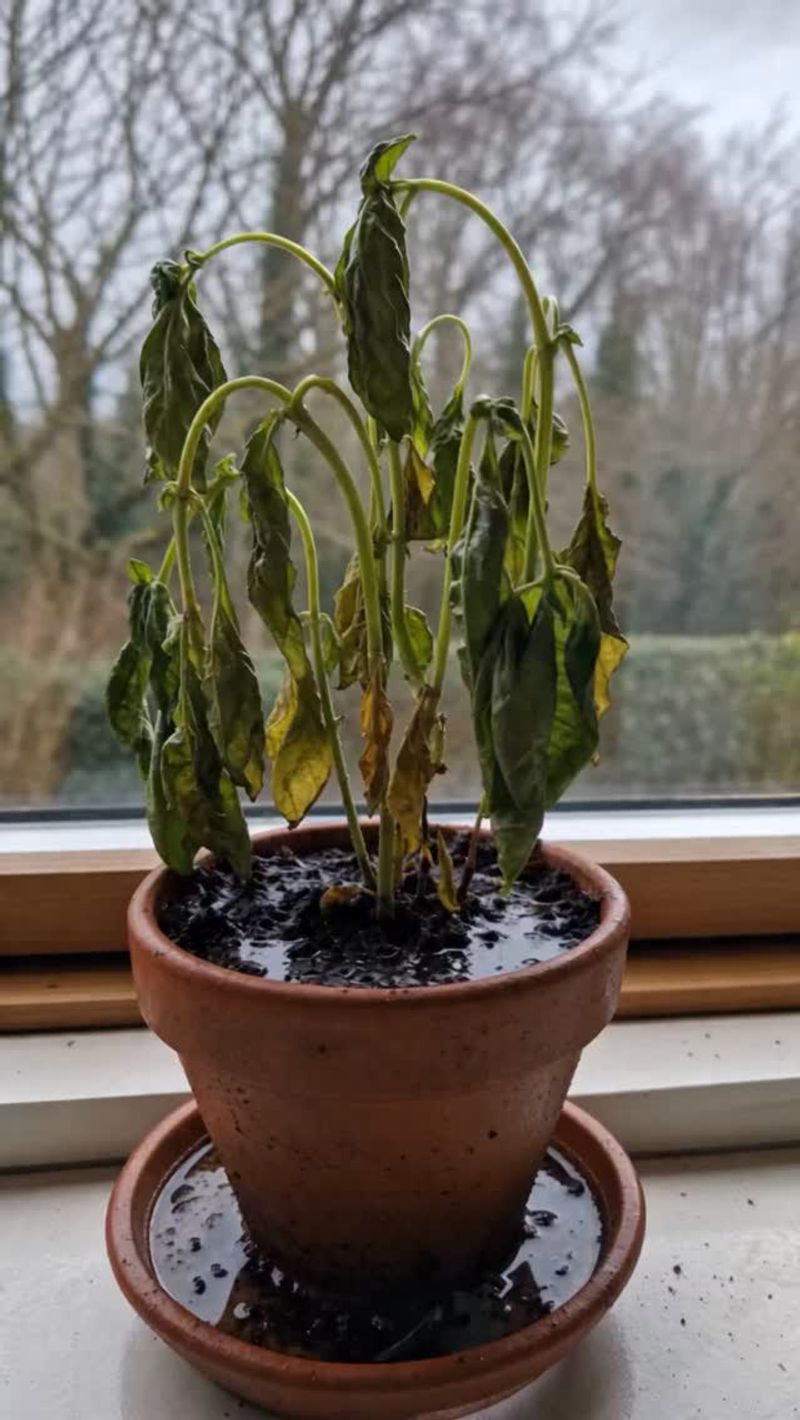
Rainy September stretches in North Carolina can leave the ground soaked for days, and basil roots really do not enjoy sitting in water. When soil stays soggy, the roots cannot breathe, and the plant starts to struggle.
The first sign is often yellowing on the lower leaves, followed by wilting even when the soil feels plenty wet. It seems backward, but a thirsty-looking plant with damp soil usually means too much water, not too little.
Poor drainage is the biggest reason roots stay flooded. If your basil grows in a pot, check that the drainage holes are open and not clogged with packed dirt.
Garden beds can suffer too, especially in heavy clay soil that holds moisture like a sponge. Mixing in compost or planting on a small raised mound helps water flow away from the roots.
Your North Carolina Garden Changes Every Week. Your Plan Should Too.
Gardening in North Carolina changes quickly throughout the season. Every Friday you’ll receive a simple weekly plan showing exactly what to plant, prune, fertilize, harvest, and protect so you never miss the right timing.
Wait until the top inch of soil feels dry before watering again. Poking your finger into the dirt is the easiest test, and it saves your plant from drowning.
Container gardeners should never let pots sit in saucers full of standing water. Empty those trays after heavy rain so the roots are not soaking constantly.
Once you improve drainage and cut back on watering, basil often bounces back nicely. New green growth at the top is a happy sign that the roots are recovering and getting the air they need again.
3. The Plant May Be Too Dry
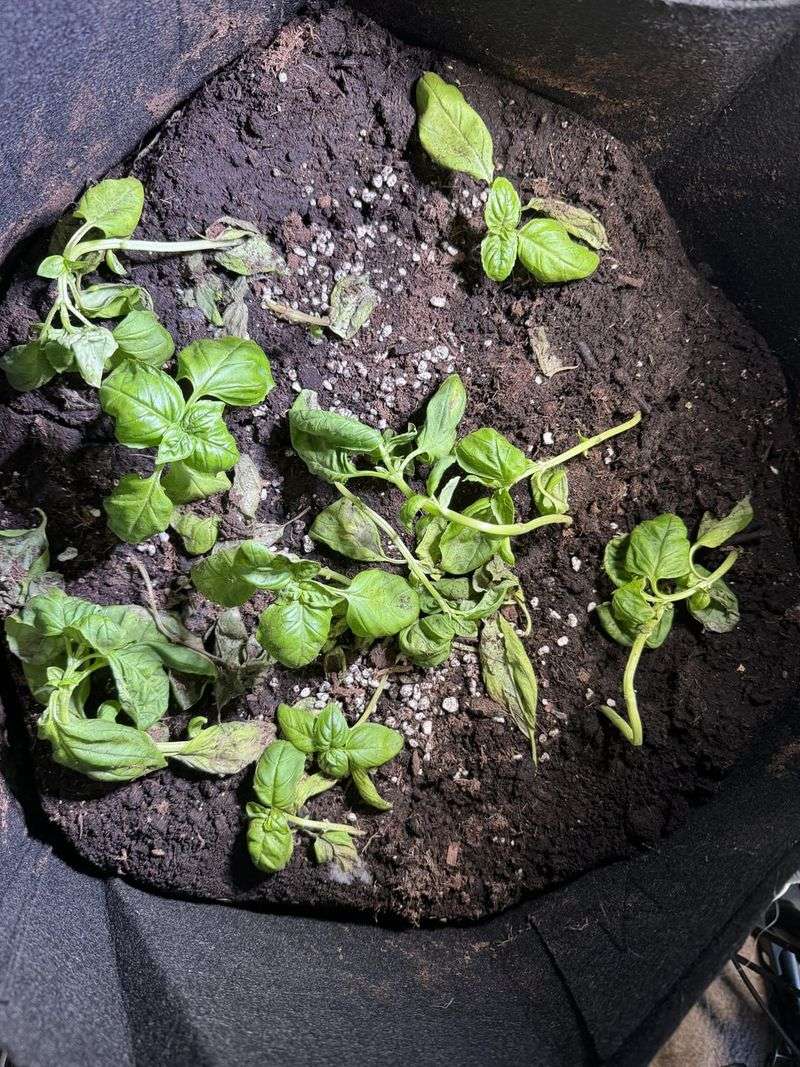
Even in fall, North Carolina can serve up warm afternoons that bake the soil quickly. When basil goes without enough water during these hot spells, it starts shedding leaves to save itself.
A thirsty plant usually wilts first, with leaves that look limp and sad in the heat of the day. If the soil feels dry and crumbly a couple inches down, your basil is asking for a drink.
Basil has fairly shallow roots, so it dries out faster than many other garden plants. Container basil is especially quick to thirst because pots lose moisture through their sides and drain fast.
Deep, steady watering works better than a quick splash. Give the soil a thorough soak so moisture reaches the roots, then let the top dry slightly before the next round.
A layer of mulch around the base of the plant locks in moisture and keeps the ground cooler. Straw, shredded leaves, or bark chips all do the job well.
Morning watering gives basil the fuel it needs before the sun climbs high. Skipping days during a warm stretch often leads to more leaf loss than you would expect.
Pay attention during that tricky transition when summer heat lingers but rainfall slows down. A consistent watering routine keeps your basil leafy and green, ready for one more round of fresh harvests before the season winds down.
4. Fusarium Wilt May Be Starting
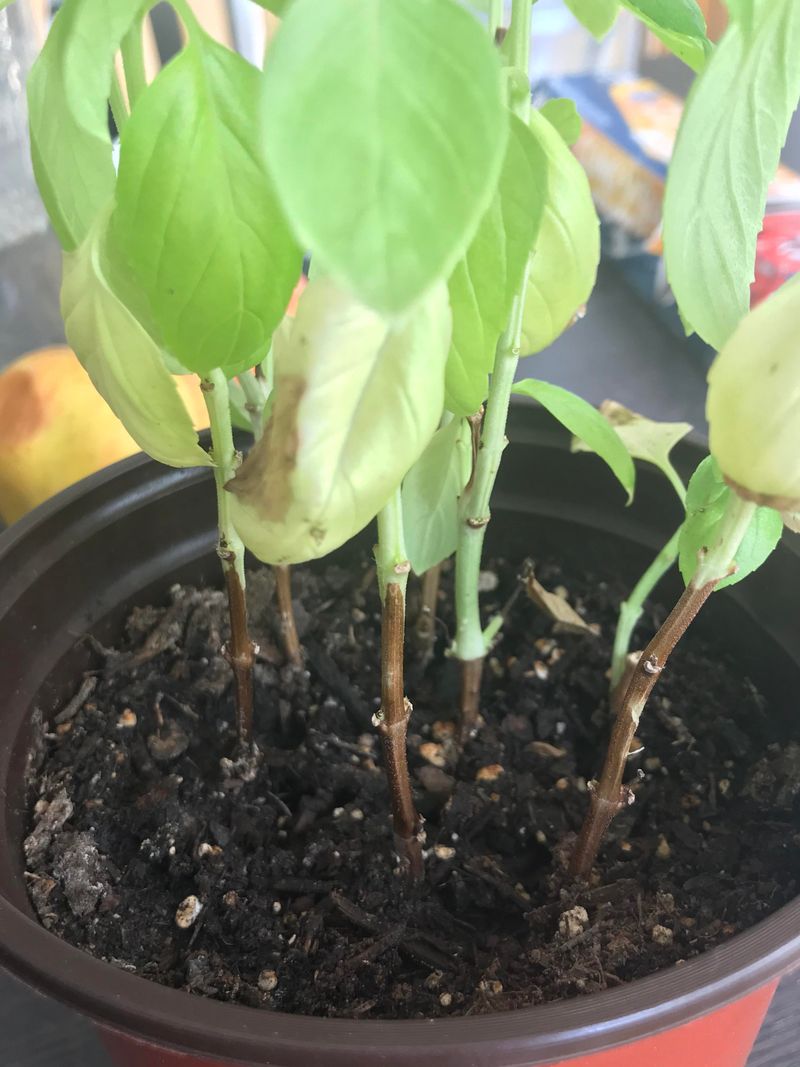
Some basil troubles come from tiny organisms hiding right in the soil, and Fusarium wilt is one of the sneakiest. This fungal problem creeps in through the roots and slowly blocks the plant from moving water properly.
Yellow leaves and sudden wilting are early warning signs, but the real giveaway shows up on the stem. Look for brown or dark streaks near the base and lower parts of the plant.
Sometimes only one side of the basil wilts while the other looks fine, which is a strong clue. The plant may also grow twisted or stunted before leaves begin falling off.
Fusarium lives in the soil for a long time, so once it appears, that spot becomes risky for future basil. Moving your plants to a fresh area or clean containers helps break the cycle.
Sadly, there is no cure once a plant is infected, so removing it protects the rest of your garden. Bag it up and throw it away instead of composting it.
Prevention truly is your best tool here. Choosing certified disease-free seeds and resistant varieties gives your basil a much stronger start.
Rotating where you plant basil each year keeps the soil healthier over time. Avoid planting it in the same bed season after season.
Clean tools also matter, since blades can carry spores from plant to plant. A quick wipe with soapy water between uses keeps trouble from spreading and keeps your remaining basil thriving.
5. Cooler Nights May Be Stressing It
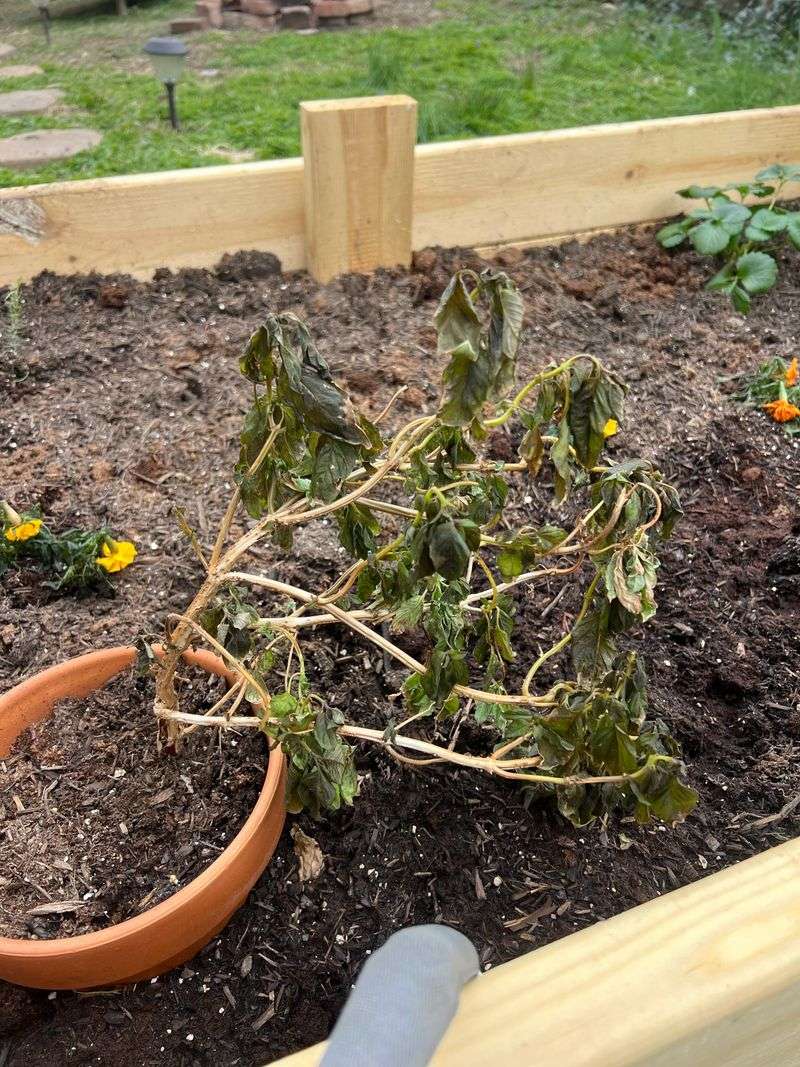
Basil is a true warm-season plant, so it feels the shift the moment September nights turn crisp. When temperatures dip into the fifties, this heat-loving herb starts to complain.
Cool air can make leaves darken, curl, or drop, especially if the chill arrives suddenly. North Carolina evenings often cool off faster than the daytime hints they will.
Basil really prefers nights above sixty degrees, and anything colder slows its growth. Even without frost, the plant may look tired and pale as the weather changes.
Covering your basil on chilly nights offers real protection. A light cloth or garden fabric draped over the plant traps warmth and keeps the cold air away.
Container gardeners have an easy advantage here. Simply move the pots indoors or into a garage when a cold snap is coming, then bring them back into the sun during the day.
Planting basil near a warm wall or fence also helps, since these surfaces hold heat and release it slowly overnight. That little bit of extra warmth can stretch your season longer.
Keep an eye on the weather forecast as fall settles in. Knowing when the first cold nights are coming lets you act before your basil takes the hit.
If cold has already stressed your plant, harvest the best leaves right away. Fresh pesto or dried basil lets you enjoy the flavor even as the season shifts toward the cooler months ahead.
6. Flowering May Be Changing The Plant
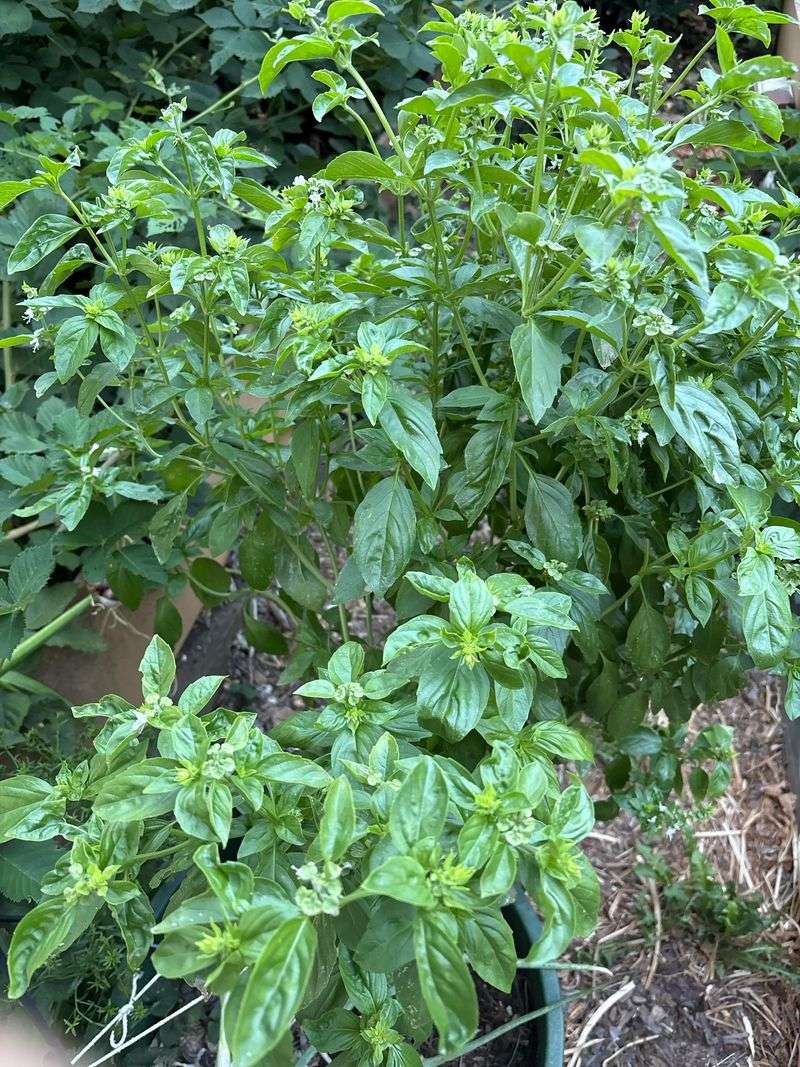
By September, a mature basil plant often decides it is time to bloom, and that choice changes everything. Those pretty flower spikes signal that the plant is shifting its focus.
Once basil starts flowering, it pours energy into making seeds instead of growing fresh leaves. The lower leaves may yellow and drop as the plant redirects its resources upward.
The flavor changes too, turning slightly bitter as the plant matures. That is why gardeners try to keep basil in its leafy stage as long as possible.
Pinching is your secret weapon here. Simply snip off the flower buds as soon as you spot them, and the plant goes right back to making leaves.
Regular pinching also encourages bushier growth. When you remove the top set of leaves, the plant branches out and becomes fuller and more productive.
Harvesting often works the same way as pinching. Every time you snip a few leaves for cooking, you gently push the plant to grow more.
If flowers keep appearing no matter what, the plant is simply reaching the end of its natural cycle. That is completely normal for basil late in the season.
You can let a few flowers stay if you want to collect seeds for next year. Just know the leafy harvest will slow down once you do.
Staying ahead of the blooms keeps your basil tasty and green much longer, giving you more delicious leaves through the last warm weeks.
7. The Leaf Pattern Reveals The Cause
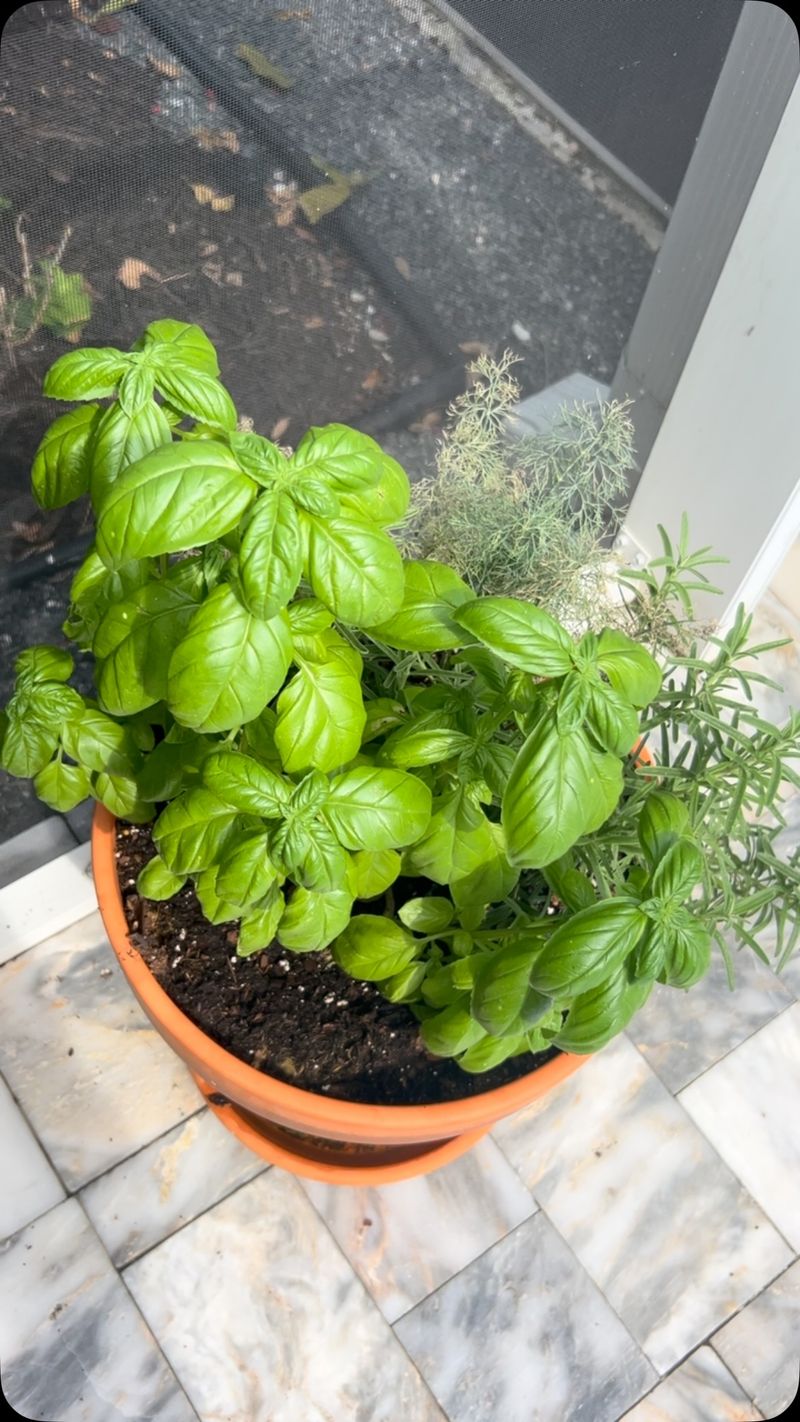
Before you grab tools or change your routine, take a slow look at how the leaves are actually falling. The pattern of leaf drop tells you an amazing amount about what is going on.
Start by checking where the trouble begins. If the lowest leaves yellow and drop first, the cause often points to watering issues or the plant maturing naturally.
Yellow patches between the veins with fuzzy growth underneath usually mean mildew. Spotting that clue early lets you treat the problem before it spreads across the whole plant.
Wilting is another important signal to notice. When leaves droop and you also see brown streaks near the base, a soil-borne problem like wilt may be at work.
Feeling the soil helps you rule things out fast. Dry and crumbly means thirst, while soggy and wet points toward drowning roots.
Look at the timing and weather too. Sudden leaf loss right after a cold night suggests the chilly air is the true reason.
Taking a photo each day can help you track changes over time. Comparing pictures makes it easier to see whether the problem is spreading or slowing down.
Once you match the pattern to the cause, the right fix becomes obvious. Careful watching saves you from guessing and treating the wrong thing.
A few minutes of detective work often rescues a struggling plant. With the clues in hand, you can act with confidence and keep your basil producing fresh leaves for as long as the season allows.