Your Lawn Keeps Growing Weeds For A Reason And The Soil Is Usually Behind It
Your lawn is fighting a battle you cannot see, and the losing side keeps being the grass. Something structural is missing beneath the surface, some balance so basic that most people overlook it completely.
Every weed that returns is not random, it is a symptom of ground that keeps rewarding the wrong growth. Nothing you spray or pull on top changes what continues underneath it.
Roots reveal a story your eyes will never catch from above, told through density, starvation, and imbalance. Few homeowners ever stop to ask what their soil is actually telling them.
Answers exist, and they are far simpler than you have been led to believe. Fixing what lies beneath starts with a single overlooked shift most people never make.
A single decision you make below the surface determines everything that grows above it.
What Compacted Ground Does To Grass Roots
Hard ground makes life difficult for grass roots. When soil gets packed too tight, roots cannot push through or breathe properly.
Grass needs loose, airy soil to grow deep and strong. Compacted ground blocks water, oxygen, and nutrients from reaching the root zone.
Without those essentials, grass stays shallow and weak. Shallow roots cannot anchor the plant or pull in enough food to compete with aggressive invaders.
Weeds, on the other hand, are built for tough conditions. Many of them have thick taproots that punch right through packed earth without any trouble.
Compaction levels the playing field in favor of plants you never wanted, and your grass simply cannot keep up. A simple screwdriver test tells you a lot.
Push a screwdriver into moist soil and see how far it goes with light pressure. If it stops after two or three inches, your ground is too compact.
Healthy soil lets a screwdriver slide in six inches or more without much effort. Compaction also causes water to run off instead of soaking in.
That runoff carries topsoil away and leaves behind an even harder surface over time. Fixing compaction is not complicated, but it takes the right approach.
Ignoring it means watching weeds return season after season regardless of how much you spray.
Weeds That Show Up Most Often In Hard Soil
Certain weeds practically celebrate when they find compacted ground. They have evolved specifically to thrive where other plants struggle to survive.
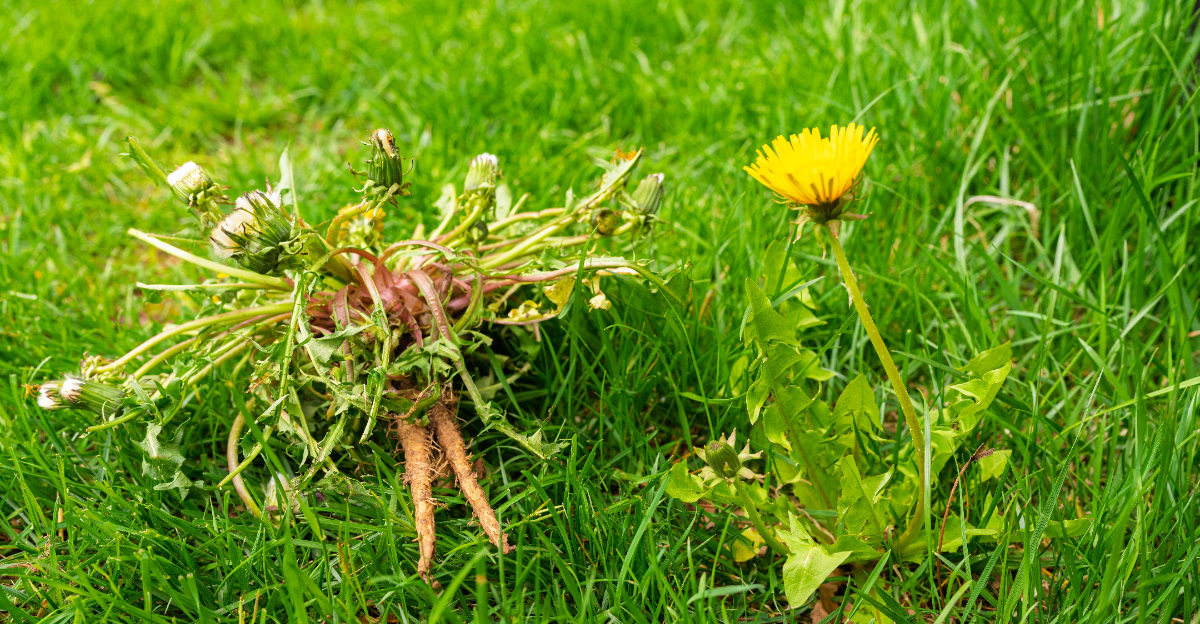
Dandelions are the most recognizable offender. Their deep taproots drill through packed clay and hard dirt with impressive ease.
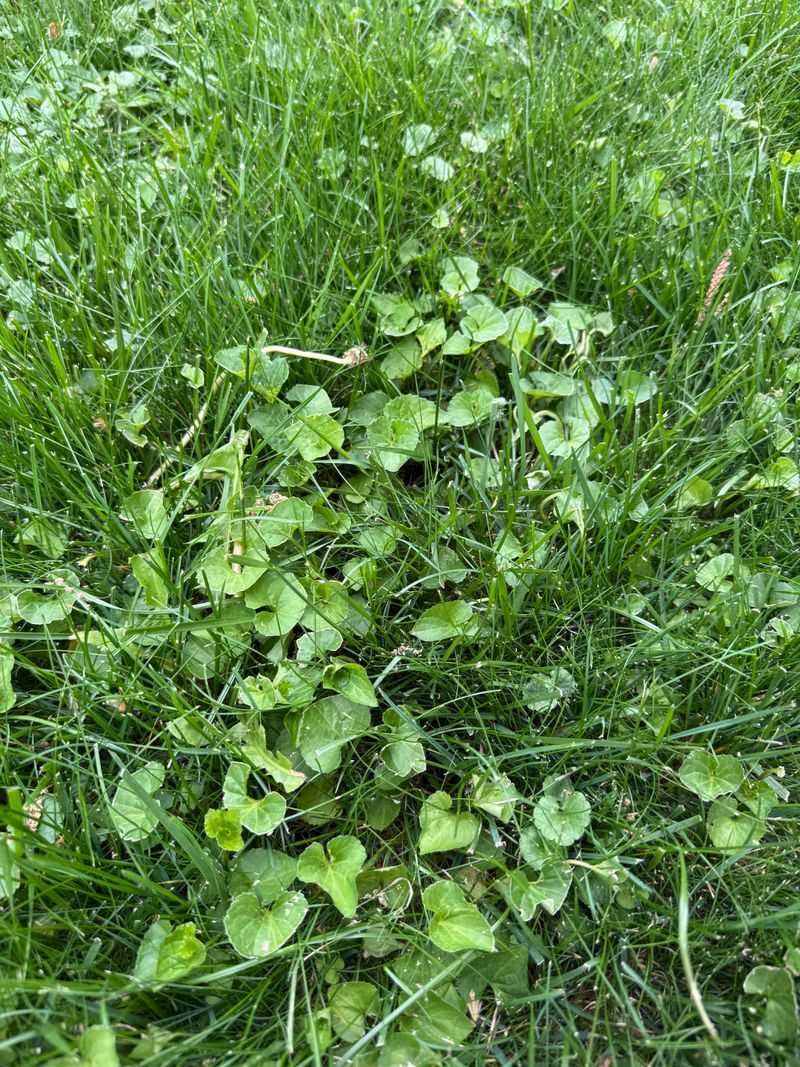
Plantain weed, the broad-leafed kind, is another top colonizer of hard soil. It flattens itself low to the ground and spreads fast in areas where grass has given up.
Crabgrass loves compacted, dry patches near driveways and sidewalks. It fills in bare spots faster than most homeowners notice what is happening.
Knotweed is one of the toughest culprits of all. It actually thrives in heavily trafficked paths and along driveways where soil is nearly cement-hard.
Each species growing in your yard is a clue about what condition your soil is currently in. Spotting which weeds dominate your yard helps you diagnose the problem accurately.
A yard full of dandelions points to compaction and possibly low calcium levels in the ground. Clover showing up everywhere often signals low nitrogen.
Moss creeping in usually means poor drainage combined with shade and acidic conditions. Learning to read your weeds saves you money and frustration.
Instead of guessing, you can treat the actual soil problem causing them to appear.
How Foot Traffic And Mowers Press The Ground Down
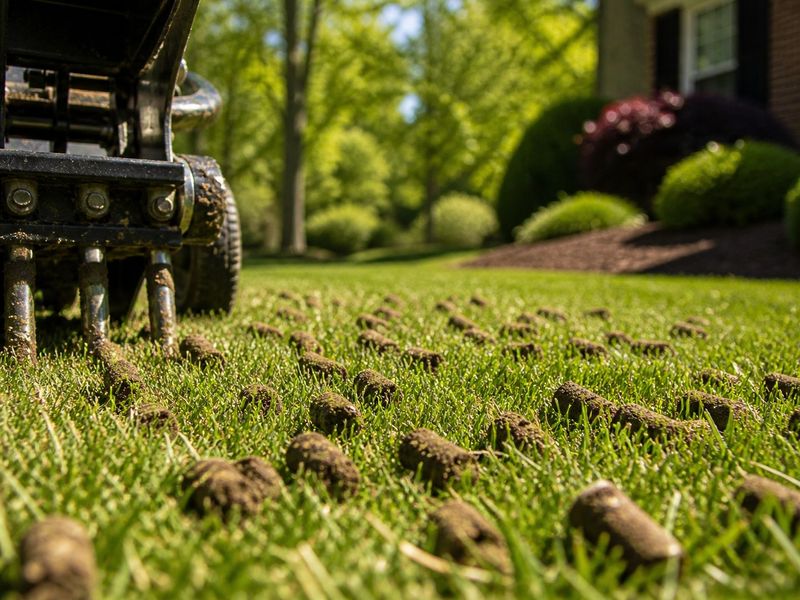
Every step you take on your lawn pushes soil particles closer together. Over months and years, that pressure adds up to serious compaction problems.
Kids playing in the same spots, dogs running laps, and adults cutting across the yard all contribute. Even the most casual use of a lawn creates compression over time.
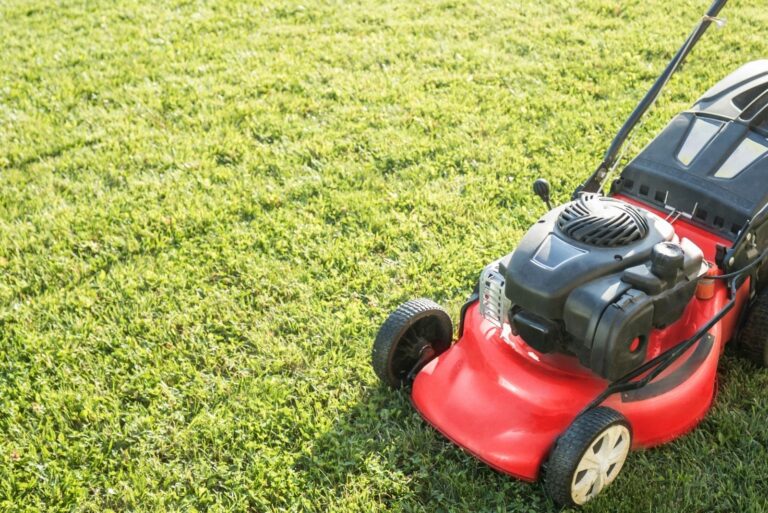
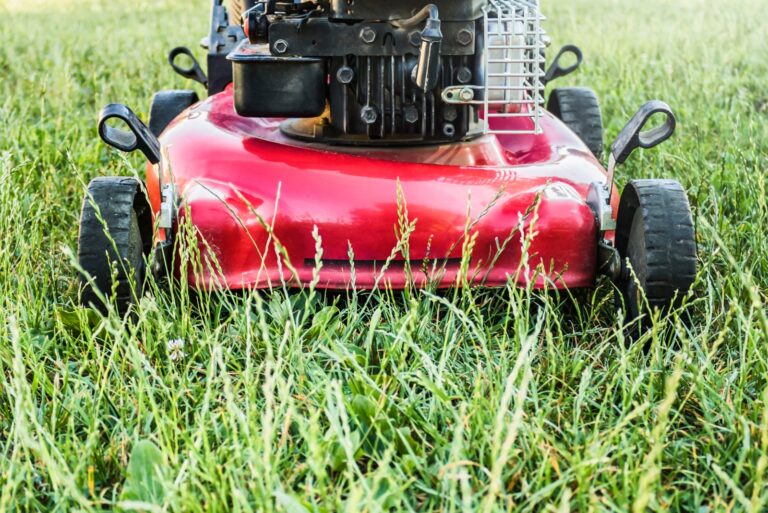
Mowers are a major factor that often gets overlooked. A riding mower can weigh over 500 pounds, and it rolls across the same paths every single week.
Push mowers are lighter but still heavy enough to compact moist soil after rain. Mowing wet grass is one of the fastest ways to damage your ground structure.
Soil has tiny air pockets that hold water and let roots breathe. Repeated pressure collapses those pockets, turning loose earth into something closer to packed clay.
Changing your mowing pattern helps more than most people expect. Alternating directions distributes pressure across different areas instead of hammering the same lines repeatedly.
Creating designated pathways in high-traffic areas also protects the rest of your lawn. Stepping stones or mulched paths redirect foot pressure away from growing zones.
Timing matters too. Staying off the lawn right after rain reduces compaction significantly because wet soil compresses far more easily than dry ground.
Small changes in habits can protect your soil structure for years. Healthy structure means grass roots go deep, and deep roots crowd out unwanted plants naturally.
Signs Your Turf Is Struggling Below The Surface
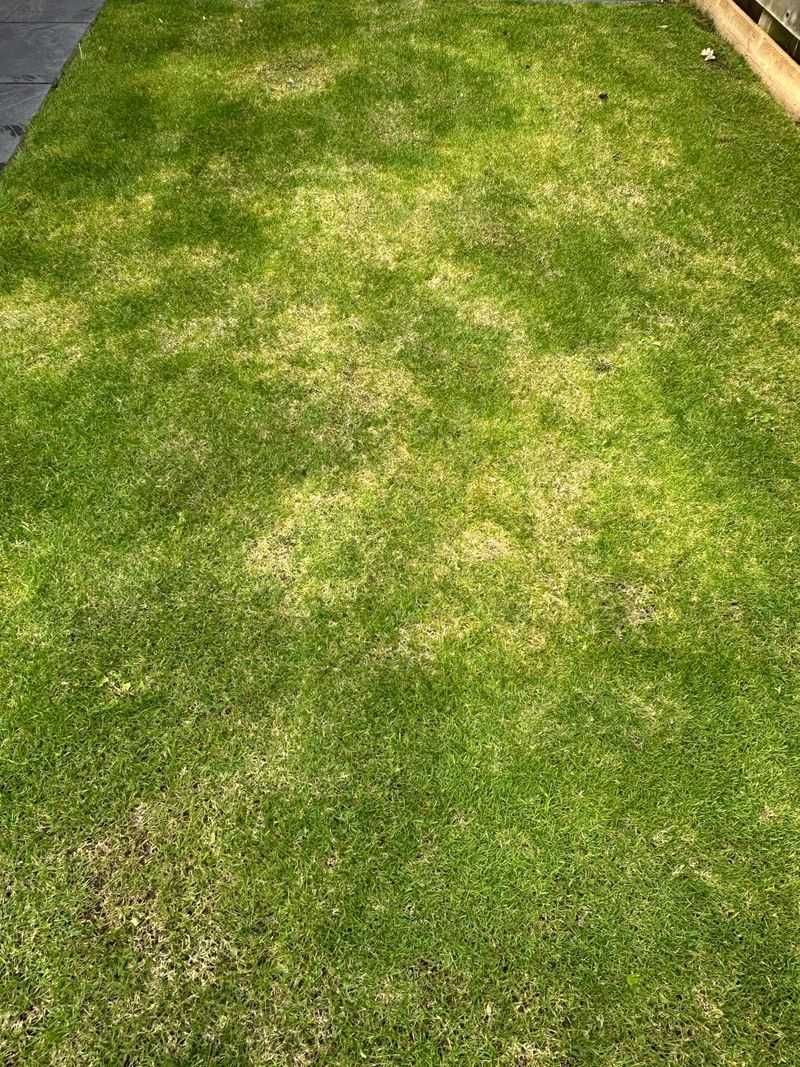
Your grass tells you what is happening underground if you know what to watch for. Brown patches, thin growth, and standing water after rain are all red flags.
Bare spots that keep returning even after reseeding are a classic sign. If seed sprouts but fades fast, the ground below is not supporting root development.
Puddles that linger hours after rain point to drainage issues caused by compaction. Water typically absorbs within 30 minutes on healthy, well-structured ground.
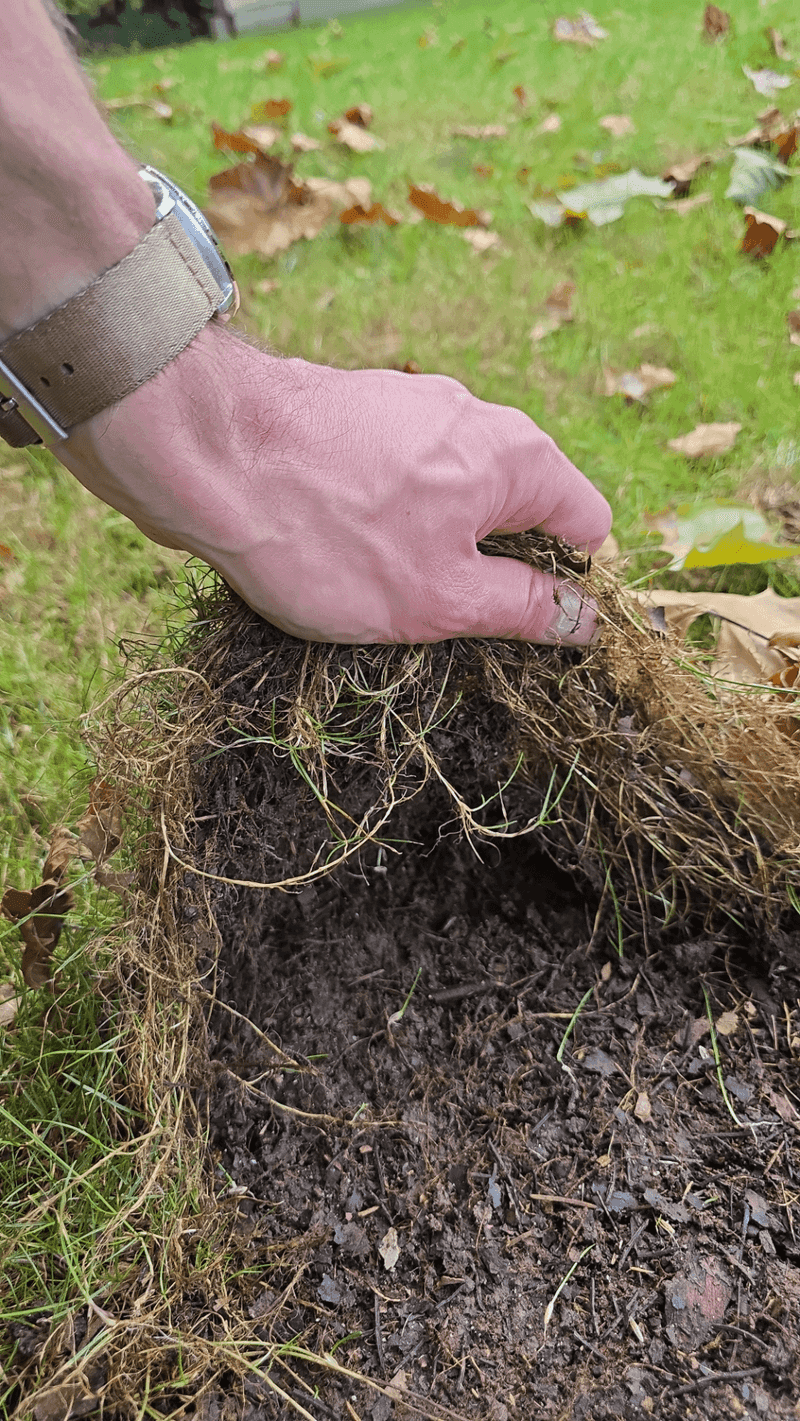
Grass that feels spongy and bouncy underfoot might seem fine, but it is not. That bounciness often means a thick thatch layer has built up above compacted soil.
Thatch blocks water and fertilizer from reaching roots. It also creates a cozy home for insects and fungal problems that weaken turf over time.
Thin, pale, or patchy turf almost always has a soil story behind it. Check the color of your grass in summer heat.
Healthy turf stays green longer because deep roots access water that shallow roots cannot reach. If your lawn turns brown quickly after a dry week, roots are sitting too close to the surface.
That is a direct result of soil that cannot support deeper growth. Catching these signs early gives you a real advantage.
Addressing soil health before fall means your grass enters the next growing season with a much stronger foundation.
Aeration And What It Changes Underground
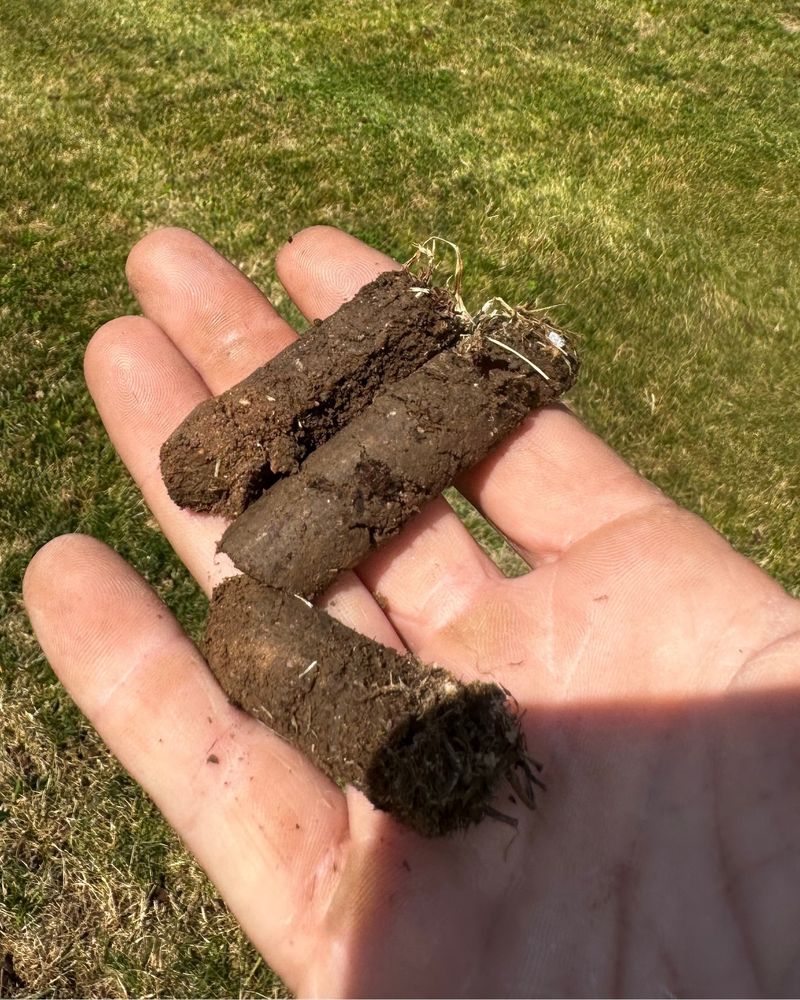
Aeration sounds technical, but the concept is refreshingly simple. You punch small holes into the soil so air, water, and nutrients can get back in.
Core aeration removes actual plugs of soil from the ground. Those plugs break down on the surface and return organic matter back to the lawn.
The holes left behind give roots room to expand and grow deeper. Deeper roots mean stronger grass that can hold its ground against weeds.
Most lawns benefit from aeration at least once a year. Heavy clay soils or high-traffic areas may need it twice annually to stay healthy and open.
Fall is the best time for cool-season grasses like fescue or bluegrass. Late spring works better for warm-season varieties such as Bermuda or zoysia.
Right after aerating, your lawn looks a little rough with all those small plugs scattered around. Within two weeks, the difference in how water absorbs becomes obvious and encouraging.
Overseeding right after aeration dramatically improves germination rates. Seeds fall into the open holes and make direct contact with soil instead of sitting on top of thatch.
Aeration breaks the cycle of sealed, starved soil by restoring the underground conditions grass actually needs to flourish. Renting an aerator for a weekend costs far less than repeated weed treatments.
One good session underground can noticeably shift your lawn’s health above ground over the following weeks.
Building Soil That Lets Grass Crowd Weeds Out
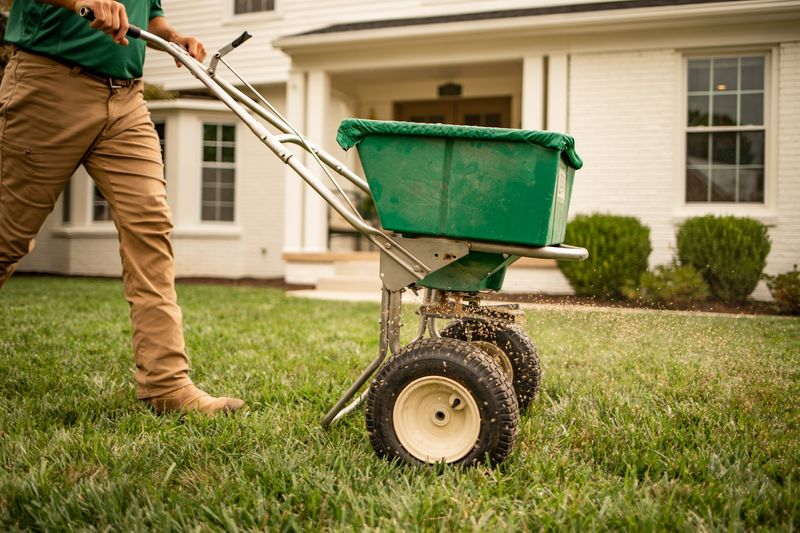
Healthy soil is not just dirt, it is a living system full of organisms working in your favor. Building that system takes time, but the payoff is a lawn that largely manages itself.
Compost is the single best thing you can add to struggling turf. A thin layer of quality compost spread after aeration feeds soil microbes and improves structure fast.
Topdressing with compost also helps balance pH over time. Grass prefers a pH between 6.0 and 7.0, and most weeds prefer more acidic or alkaline conditions.
Getting a soil test costs very little at most garden centers. The results tell you exactly what your ground is missing so you stop guessing and start fixing.
Adding lime raises pH in acidic soil and helps grass absorb nutrients more efficiently. Sulfur lowers pH when soil runs too alkaline for healthy turf growth.
Organic matter improves drainage in clay and water retention in sandy ground. Both problems lead to weak turf, and both respond well to consistent compost applications.
Choosing the right grass seed for your region matters just as much as soil work. A well-matched variety grows thicker and more aggressively, leaving little room for invaders.
When the grass is outnumbered and outcompeted, weeds move in fast. Build the soil up, and grass takes back the territory on its own terms.
Strong soil is the foundation of a weed-resistant lawn. Give the ground what it needs, and the grass above will handle the rest.