Alabama Homeowners Are Turning 8 Once-Unwanted Vines Into Front-Door Showstoppers
Vines once pulled from Alabama fence rows now frame your front door. You used to remove them from every roadside ditch without pause. Now you train them up porch arches on purpose.
Trumpet creeper bursts into fiery blooms right outside your mailbox post. Coral honeysuckle claims your entire fence line and refuses to apologize. Wisteria, once feared for its grip, now climbs into a striking arbor.
Landscapers across Alabama are reimagining these climbers for your entryway. Your porch could quickly become the next talking point on the entire block. Bees show up, colors deepen, and cars slow near you.
Momentum keeps building steadily as you embrace the shift. Every vine reveals a story once given structure. This isn’t a trend fading out anytime soon.
What once felt like a stubborn weed now feels like your signature. Once you see what these vines can do, you won’t look away.
1. Coral Honeysuckle Draping An Entryway Arch
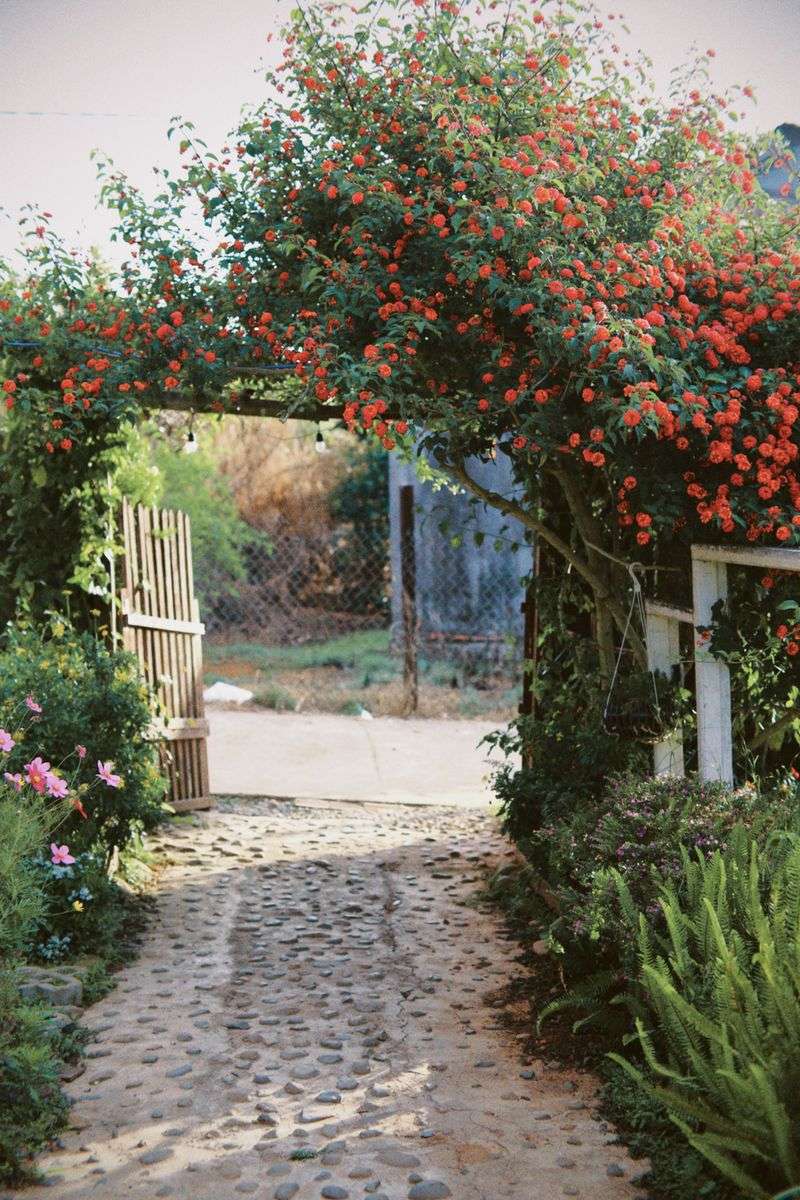
Few plants catch a neighbor’s eye like a blazing red arch of coral honeysuckle. This native vine, Lonicera sempervirens, produces clusters of tubular flowers from spring through fall.
Unlike its invasive Japanese cousin, coral honeysuckle plays nice with local ecosystems. Ruby-throated hummingbirds are frequent visitors to the blooms throughout the day.
Training it over an entryway arch takes patience but pays off fast. The vine grabs onto support structures with twining stems and can cover an arch within a couple of growing seasons.
Plant it in a sunny spot near your front door and give it a sturdy trellis or arch to climb. Water it regularly during the first summer, and after that it handles dry spells without much fuss.
Coral honeysuckle stays semi-evergreen in the state’s milder regions, meaning your arch looks dressed up even in January. The glossy leaves hold their color through mild winters, keeping things tidy between bloom cycles.
Pair it with a simple wrought iron arch for a classic Southern look. Or let it spill over a wooden pergola for something more relaxed and cottage-style.
Red berries appear in late summer, giving birds another reason to hang around your front door. Your entryway becomes a little wildlife sanctuary without any extra effort on your part.
Few vines offer this much beauty with this little drama. Coral honeysuckle earns its spot above the door every single season.
2. Crossvine Covering A Mailbox Post
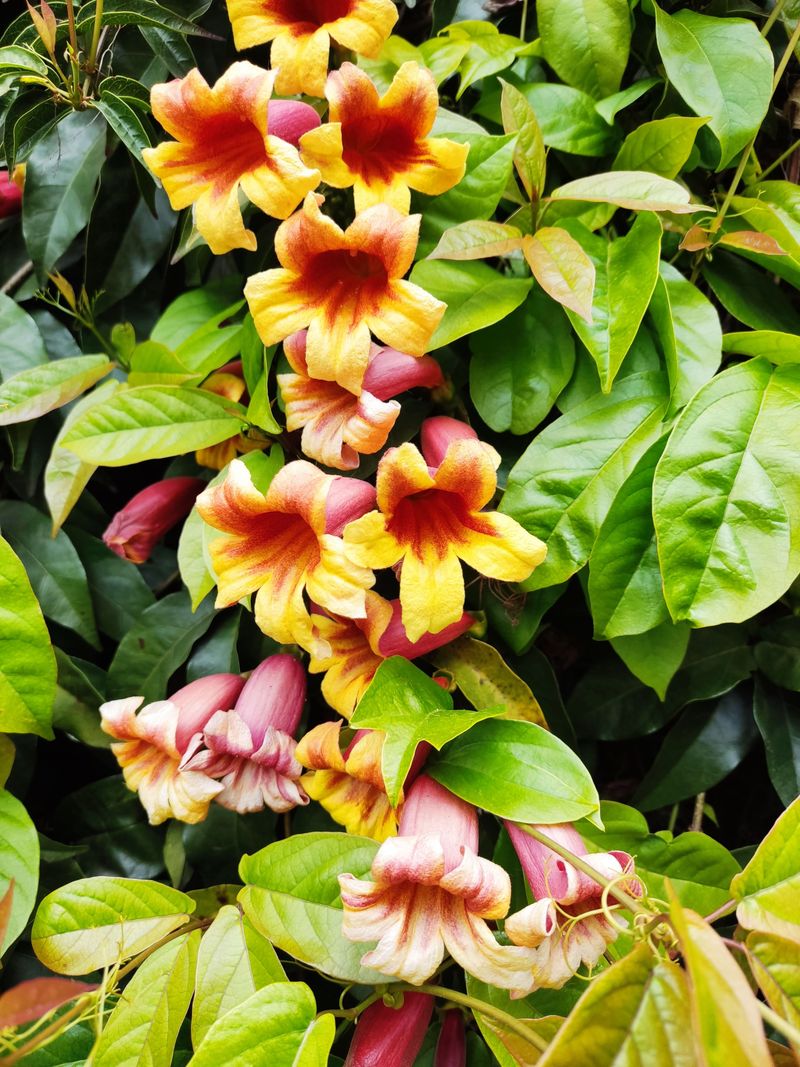
Crossvine grows assertively once established. Bignonia capreolata latches onto surfaces with sticky tendrils and climbs fast, turning a plain mailbox post into something worth photographing.
The flowers are trumpet-shaped and bicolored, orange on the outside and yellow inside. They burst open in early spring, often before most other garden plants even wake up.
That early bloom time makes crossvine a hero in the front yard when color is scarce. Hummingbirds and bumblebees show up immediately, drawn in by the vivid contrast of the blooms.
Wrapping a mailbox post is one of the easiest projects for this vine. Plant it at the base, add a few guide wires, and let the plant do the rest.
Your Alabama Garden Changes Every Week. Your Plan Should Too.
Gardening in Alabama changes quickly throughout the season. Every Friday you’ll receive a simple weekly plan showing exactly what to plant, prune, fertilize, harvest, and protect so you never miss the right timing.
Over a couple of seasons, the post disappears beneath a curtain of glossy green leaves and seasonal flowers. The effect looks intentional and polished without much maintenance work.
Crossvine holds its leaves through mild winters, giving the mailbox post year-round coverage. In colder snaps, the foliage turns a deep burgundy-purple, which is honestly just as pretty as the blooms.
This vine handles full sun to partial shade, making it flexible for different yard layouts. It grows in average soil and does not need extra fertilizer to thrive.
Cut it back hard every few years to keep it from getting too thick and woody. A little pruning keeps crossvine looking sharp and the post looking intentional.
3. Purple Passionflower Framing A Front Window
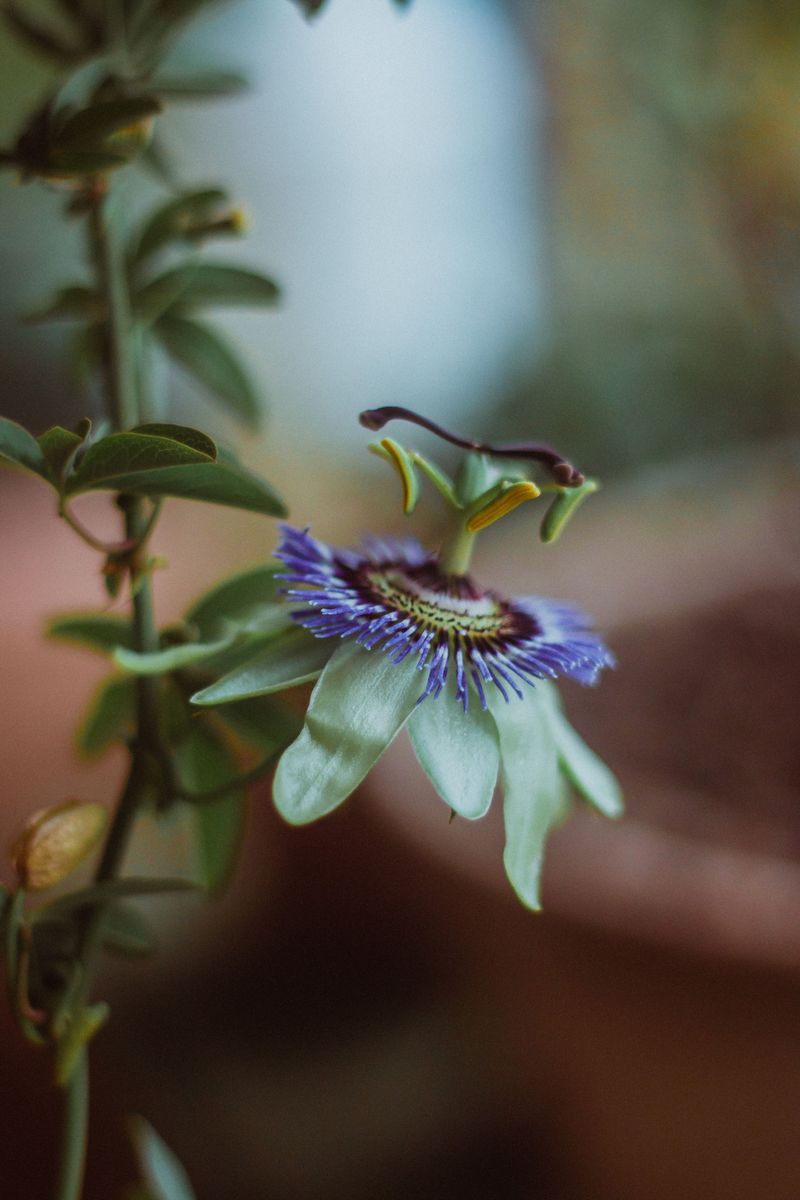
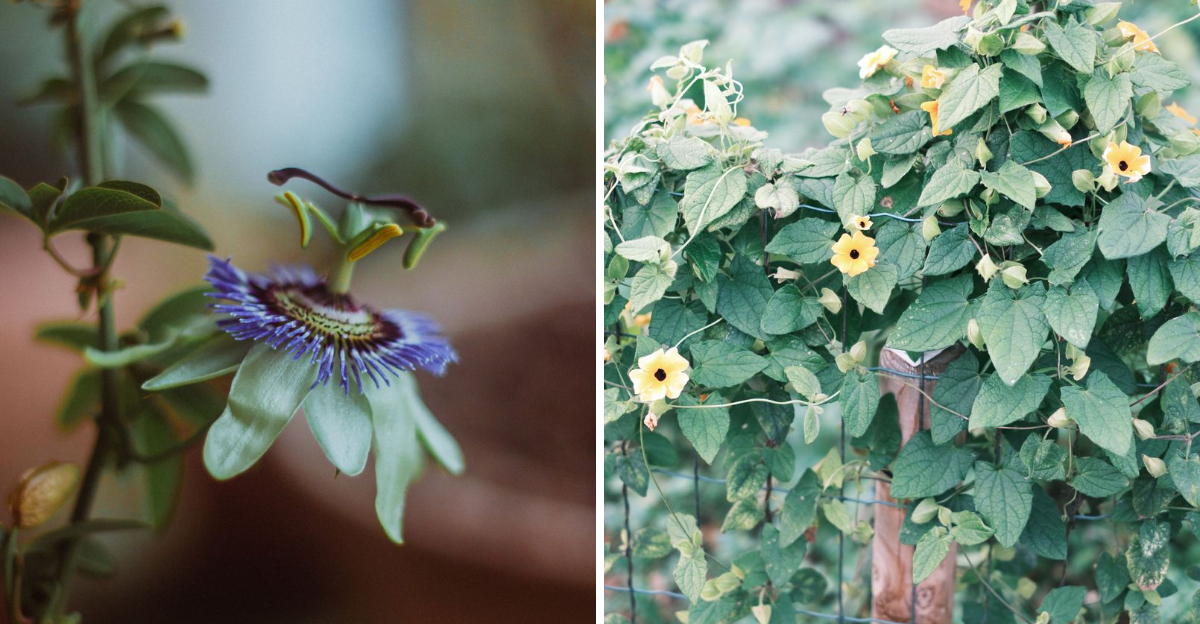
Purple passionflower might be one of the most striking wildflowers growing in the South right now. Passiflora incarnata produces blooms so intricate they look hand-crafted, with fringed purple and white petals surrounding a sculptural center.
Framing a front window with this vine creates an instant focal point. Visitors stop mid-step to stare at the flowers, which bloom from late spring through early fall.
The vine climbs using curling tendrils that latch onto window frames, screen edges, or wire guides. A few small hooks and a length of wire is all you need to direct it where you want it to go.
Beyond the flowers, passionflower is a primary host plant for gulf fritillary butterflies in many parts of the state. Planting it near a window means you get to watch caterpillars and butterflies up close from inside your own home.
The fruit, called maypops, are edible and taste like a mild tropical blend. Kids love finding and popping the green pods, which is where the folk name comes from.
Passionflower spreads by underground runners, so you may need to pull sprouts that wander too far. Keep it focused on the window frame and it rewards you with nonstop seasonal interest.
It handles heat and humidity without complaint, making it well-suited to long Southern summers. Pair it with a dark window trim for maximum color contrast and curb appeal impact.
No other vine turns a plain window into a gallery piece this effortlessly. Purple passionflower earns every bit of the attention it gets.
4. Climbing Rose Trained Along A Porch Railing

A porch railing wrapped in climbing roses is one of the most romantic sights in any front yard. The combination of blooms, fragrance, and green foliage transforms an ordinary railing into a living work of art.
Choose a repeat-blooming variety suited to the Southern climate, like New Dawn or Zephirine Drouhin. These selections handle humidity better than old hybrid teas and reward you with multiple flushes of flowers each season.
Training the canes along the railing takes a little work in the beginning. Use soft garden ties or strips of old pantyhose to secure horizontal canes, which encourages more blooms along the full length of the railing.
Horizontal training is the key trick most beginners skip. When canes run sideways instead of straight up, the plant produces flower buds all along the stem rather than just at the tip.
Feed climbing roses in early spring and again after the first bloom flush. A balanced slow-release fertilizer keeps the foliage dark green and the blooms coming steadily through summer.
Watch for black spot and treat it early with a neem oil spray. Keeping leaves dry by watering at the base helps prevent the fungal issues that trip up so many rose growers.
Prune lightly after each bloom cycle to encourage fresh growth and new buds. A hard cutback in late winter sets up the whole season for success.
Nuisance vines get all the headlines, but a well-trained climbing rose on a porch railing is a classic Southern look.
5. Muscadine Grape Vine Shading A Trellis
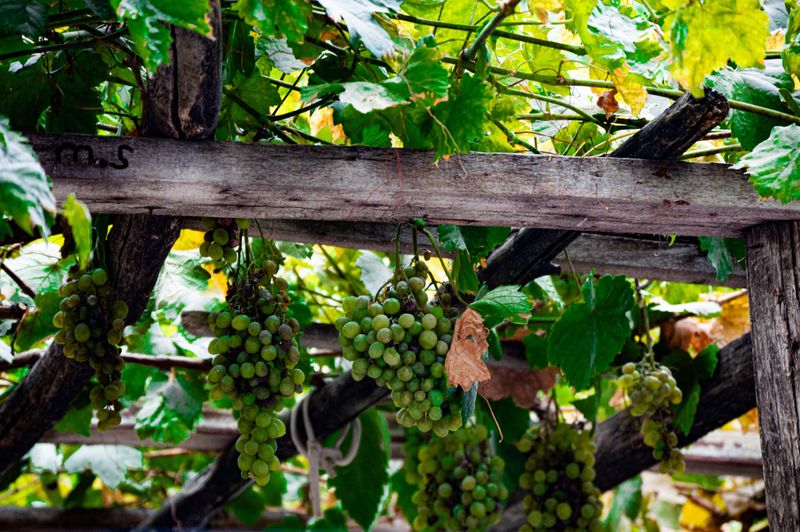
Muscadine grapes are a well-known Southern favorite. Vitis rotundifolia grows with vigor, covering a trellis in dense leafy shade that noticeably cools the area beneath it.
That natural shade is a genuine bonus during long Alabama summers. A shaded front sitting area feels like a different world compared to an exposed, sun-baked porch.
Muscadine vines produce clusters of thick-skinned grapes in late summer, usually in shades of bronze or deep purple. The fruit is sweet, musky, and perfect for fresh eating, jelly, or juice.
Plant a self-fertile variety like Carlos or Triumph if you only have space for one vine. These selections do not need a separate pollinator plant to produce a full crop of fruit.
The trellis itself becomes a design feature once the vine fills in. Use cedar posts and wire cable for a rustic look, or go with a painted metal frame for something more modern and clean.
Muscadine is remarkably resistant to pests and diseases that plague bunch grapes in humid climates. It evolved in this region, so it handles the heat, the rain, and the bugs without much help from you.
Prune the vine back hard every winter to keep it productive and manageable. New growth comes on fast in spring, and fruit develops on current-season wood.
Few plants give you shade, beauty, and a harvest all at once. A muscadine trellis is a front-yard feature that actually feeds you back.
6. Butterfly Pea Vine Climbing A Lamppost
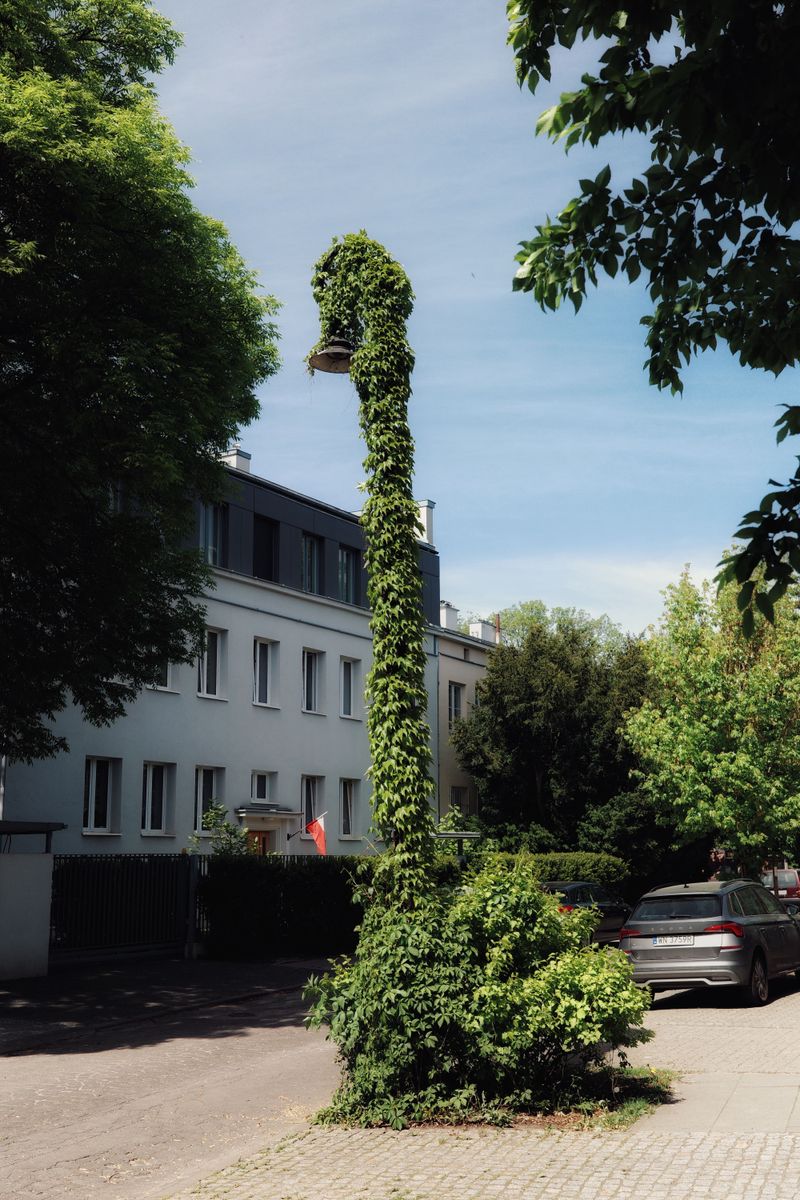
Butterfly pea vine is one of the most eye-catching plants in the garden world. Clitoria ternatea produces vivid blue flowers with a purple center that stand out against green foliage.
Wrapping a lamppost with this vine creates a vertical color burst that draws the eye from the street. The contrast of deep blue blooms against a black iron post is genuinely striking.
This tropical vine grows fast in warm weather and climbs by twining its stems around any support it can find. A lamppost gives it a natural structure to spiral up without any extra hardware.
The flowers are edible and have a long history in Southeast Asian cooking and herbal traditions. Steeped in hot water, they produce a brilliant blue tea that turns purple when you add lemon juice.
Butterfly pea vine is grown as an annual in most parts of the state, since it does not survive hard freezes. Start seeds indoors in late winter and transplant after the last frost date for a full season of blooms.
The vine blooms heavily from midsummer through fall, which fills in the gap when spring flowers start to fade. Removing spent blooms keeps the plant tidy and encourages continuous flowering.
Seed pods form after pollination and dry on the vine, making seed saving easy and satisfying. Save a handful of pods in fall and you have next year’s lamppost display already covered.
Nuisance vines taught us to think creatively, and butterfly pea vine is the creative payoff at its most colorful.
7. Black-Eyed Susan Vine Wrapping A Garden Fence
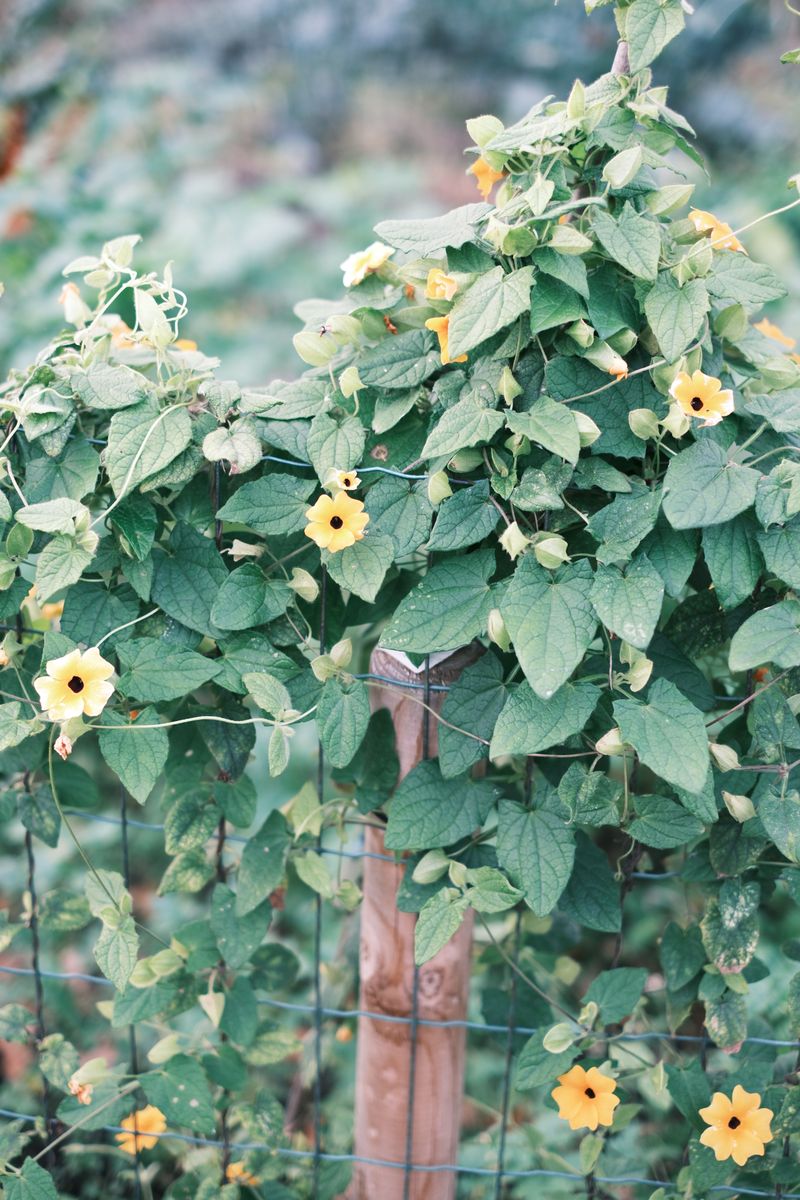
Black-eyed Susan vine brings a cheerful energy to any fence it touches. Thunbergia alata produces small, bright blooms in shades of orange, yellow, and cream, each with a distinctive dark center that gives the plant its name.
Wrapping a garden fence with this vine turns a plain boundary into a flower wall. The blooms are small but plentiful, covering the fence in a patchwork of warm color from early summer through fall.
Unlike some aggressive climbers, Thunbergia alata stays manageable and easy to direct. It twines lightly around fence slats and wire, and you can redirect it with a gentle tug without damaging the stems.
Grow it as an annual in cooler parts of the state or as a short-lived perennial in frost-free zones. Either way, it blooms heavily enough in a single season to make the effort completely worthwhile.
Direct sow seeds along the fence base after the last frost date, pressing them just below the soil surface. Germination happens within one to two weeks in warm soil, and the vine takes off quickly once it gets going.
Pair it with a white picket fence for a classic cottage garden look. The orange blooms against white paint create a color combination that photographs beautifully and impresses in person.
Water consistently during hot spells to keep the blooms coming strong. A layer of mulch at the base holds moisture and keeps the roots cool during peak summer heat.
This vine proves that the best front-yard features are sometimes the simplest ones, just a fence, some seeds, and a little patience.
8. American Groundnut Vine Softening A Brick Facade

Most people walk past American groundnut without recognizing it, and that is a shame. Apios americana is a native climbing vine that produces clusters of small, rosy-purple flowers with a fragrance reminiscent of violets.
Against a brick facade, this vine does something special. The soft curves of the foliage and the delicate flower clusters break up the hard, rigid lines of brick in a way that feels organic and intentional.
American groundnut was a staple food for Indigenous peoples long before European settlers arrived. The underground tubers are edible and taste similar to potatoes, which makes this front-yard plant genuinely functional as well as decorative.
The vine climbs by twining and can grow several feet in a single season given the right conditions. Train it up a wire or wooden lattice mounted to the brick surface for a polished, structured look.
It thrives in moist, partly shaded spots, which makes it ideal for north-facing facades that other sun-loving vines would struggle with. The shade-tolerance opens up planting options that most climbing plants simply cannot fill.
Flowers appear in mid to late summer, giving the facade a seasonal focal point when many other plants are fading. The blooms attract native bees and small pollinators that are easy to observe from a front porch.
Cut it back in late fall after the foliage yellows and the vine goes dormant. New growth emerges reliably each spring from the tuber system underground.
Nuisance vines are rewriting curb appeal rules, and American groundnut is proof that native plants belong at the front door.