What To Do When Oregon Tomatoes Are Still Green In September
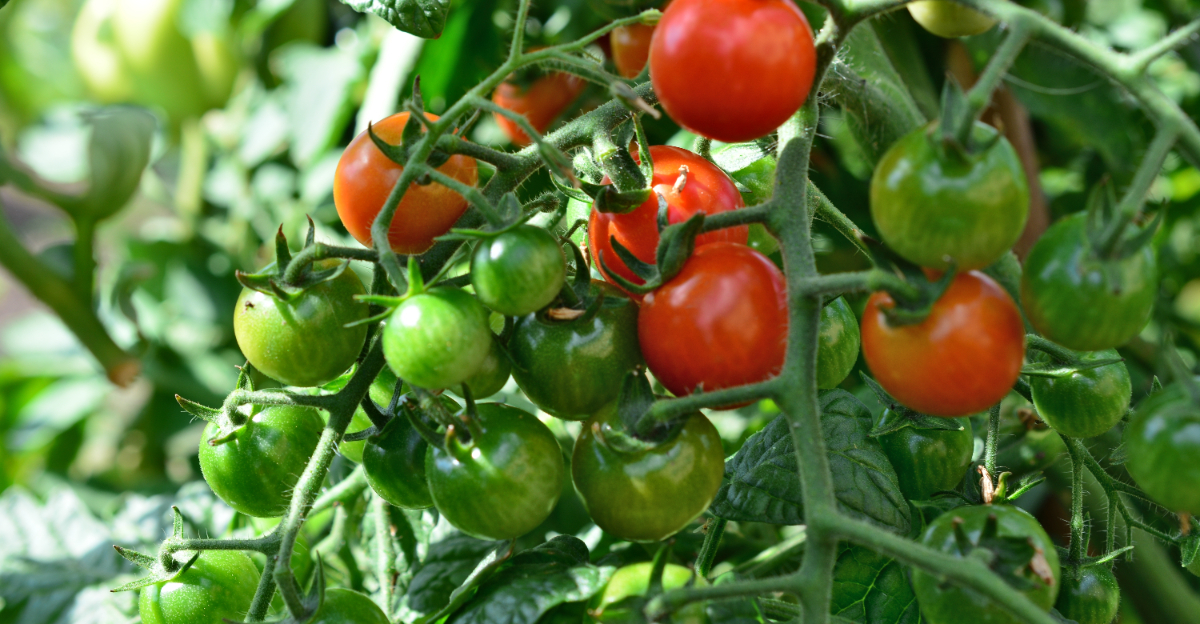
Nothing tests a gardener’s patience quite like a tomato plant loaded with green fruit when the calendar is already moving toward fall.
You have watered, staked, fussed, and waited, yet those tomatoes seem perfectly happy staying stubbornly unripe.
In Oregon, that can make the final stretch of the growing season feel like a race against time.
Warm afternoons may still show up, but cooler nights and shorter days start changing the pace of the garden. Suddenly, every green tomato feels like it has a due date.
The good news is that a slow crop does not automatically mean the season is a loss. There are still decisions to make, and timing becomes especially important when plants are carrying plenty of fruit but not much color.
This is the point when patience and strategy need to work together. Instead of staring at the vines and hoping for a miracle, it helps to know which moves can still make a difference and which ones may simply waste precious time.
1. Give The Fruit As Much Sun As Possible
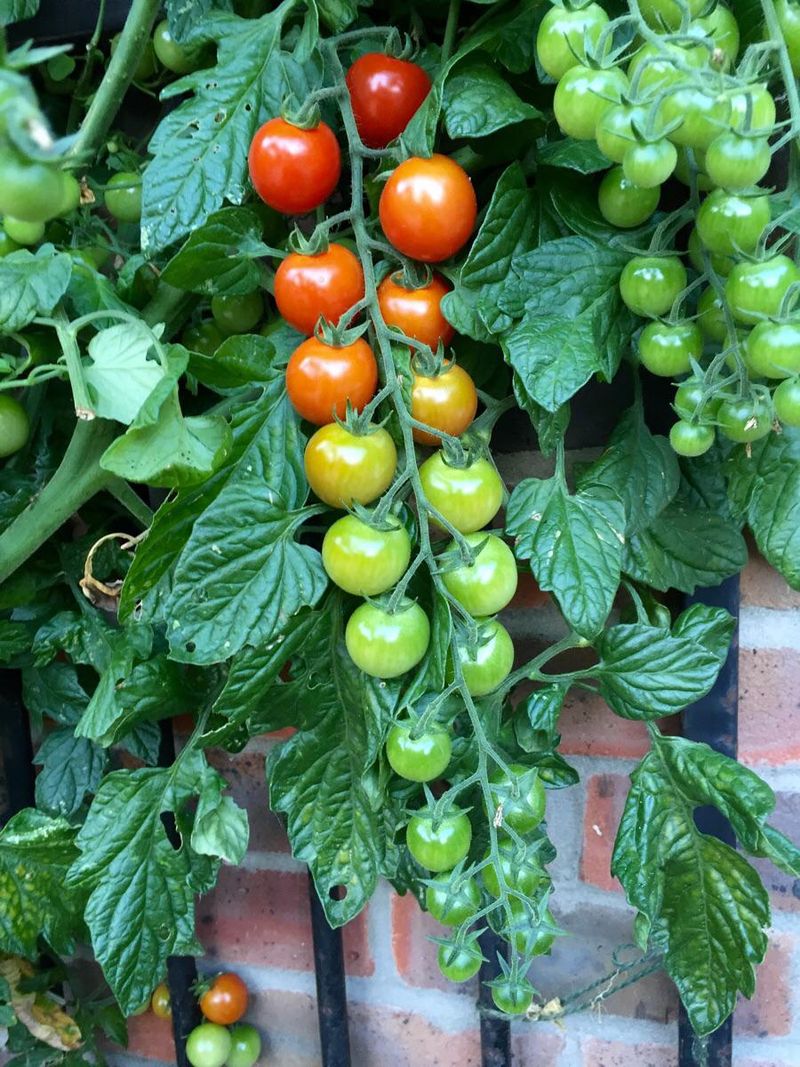
Sunlight is one of the most powerful tools you have when tomatoes are still green in September. The more direct light those fruits get, the better chance they have of ripening before temperatures drop for good.
If your plants have grown bushy and dense, the fruit hiding inside the canopy is not getting nearly enough sun to ripen properly.
Start by gently moving branches aside or tying them back to open up the plant. You want sunlight hitting the actual fruit as much as possible throughout the day.
Even a few extra hours of direct sun each day can speed up the ripening process noticeably.
Reflective mulch is another trick worth trying. Laying silver or white reflective material around the base of the plant can bounce extra sunlight up toward the fruit. Some gardeners even use aluminum foil for this purpose with good results.
If your tomatoes are in pots, now is the time to move them to the sunniest spot in your yard. A south-facing wall or fence can also radiate stored heat back onto the plants in the evening.
That extra warmth helps trigger the ripening process even after the sun goes down.
Do not underestimate how much difference repositioning your plants or trimming back a few leaves can make. September sun in the Pacific Northwest is limited, so every ray counts.
Work with what you have and give those tomatoes the best shot at catching enough light before the season ends.
2. Stop Heavy Fertilizing This Late In The Season
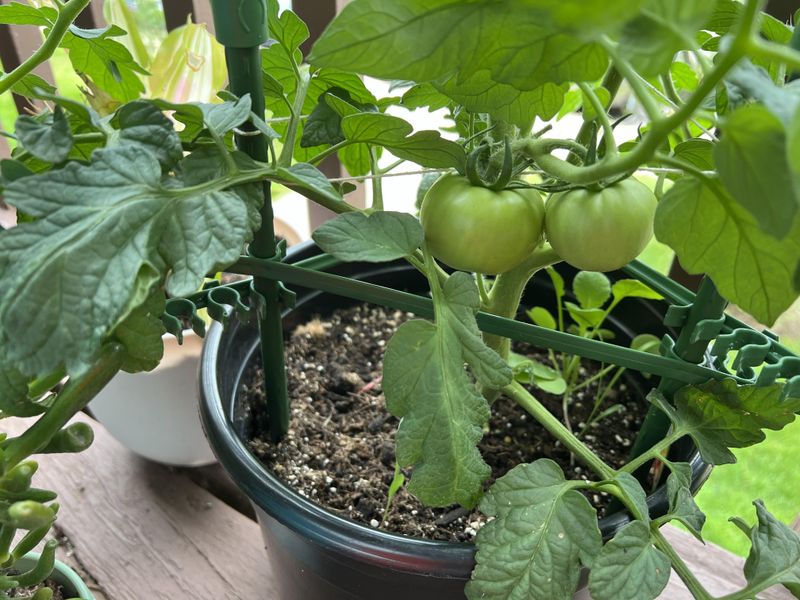
Fertilizing feels productive, but in September it can actually work against you. Heavy doses of nitrogen-rich fertilizer encourage the plant to push out new leafy growth.
That is great in June, but in the final weeks of the season, you want the plant focused on ripening the fruit it already has, not growing new leaves.
When a tomato plant gets a big nitrogen boost late in the season, it puts energy into stems and foliage instead of the tomatoes hanging on the vine. The fruit ends up competing for resources it needs to finish ripening.
Your Oregon Garden Changes Every Week. Your Plan Should Too.
Gardening in Oregon changes quickly throughout the season. Every Friday you’ll receive a simple weekly plan showing exactly what to plant, prune, fertilize, harvest, and protect so you never miss the right timing.
Cutting back on fertilizer helps redirect that energy where it actually matters.
If you have been feeding your plants on a regular schedule all summer, it is time to stop or scale back significantly.
A light application of a low-nitrogen, phosphorus-heavy fertilizer can support fruit development without triggering excessive leafy growth. But even that should be used sparingly this late in the game.
Healthy soil that was amended at the start of the season should still have enough nutrients to support the plants through September.
Trust the groundwork you laid earlier in the year. The plants do not need much more fuel at this point.
Letting the plant naturally wind down its growth cycle is actually a good thing. A plant that stops pushing new growth will put more effort into finishing what it started.
Those green tomatoes will have a better chance of ripening when the plant is not distracted by unnecessary new development.
3. Cut Back On Excess Watering
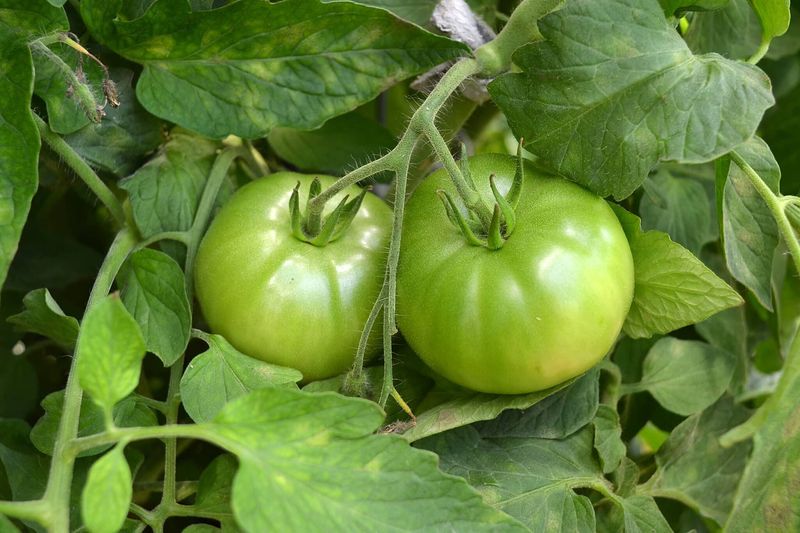
Watering habits that worked well in July may not be the right approach in September. As temperatures cool and days get shorter, tomato plants need less water overall.
Overwatering at this stage can actually slow down the ripening process and make the fruit more likely to crack or develop bland flavor.
When a tomato plant gets too much water late in the season, it keeps growing and producing new tissue instead of concentrating sugars and flavor into the existing fruit.
Slightly drier conditions signal to the plant that the season is ending, which naturally encourages the tomatoes to ripen faster.
Check the soil moisture before you water. Stick your finger about two inches into the soil near the base of the plant.
If it still feels damp, hold off for another day or two. Tomatoes at this stage can handle a bit more stress than you might think.
Reducing water also helps prevent diseases like blight and rot that tend to spread quickly in cool, wet fall conditions.
Wet foliage and soggy soil create the perfect environment for fungal problems that can ruin your remaining fruit before it even gets a chance to ripen.
A good rule of thumb is to water deeply but less often. This encourages the roots to pull moisture from deeper in the soil and helps the plant stay stable without being waterlogged.
Pulling back on watering is one of the simplest adjustments you can make right now to help your green tomatoes finish strong.
4. Remove New Flowers That Will Not Have Time To Fruit
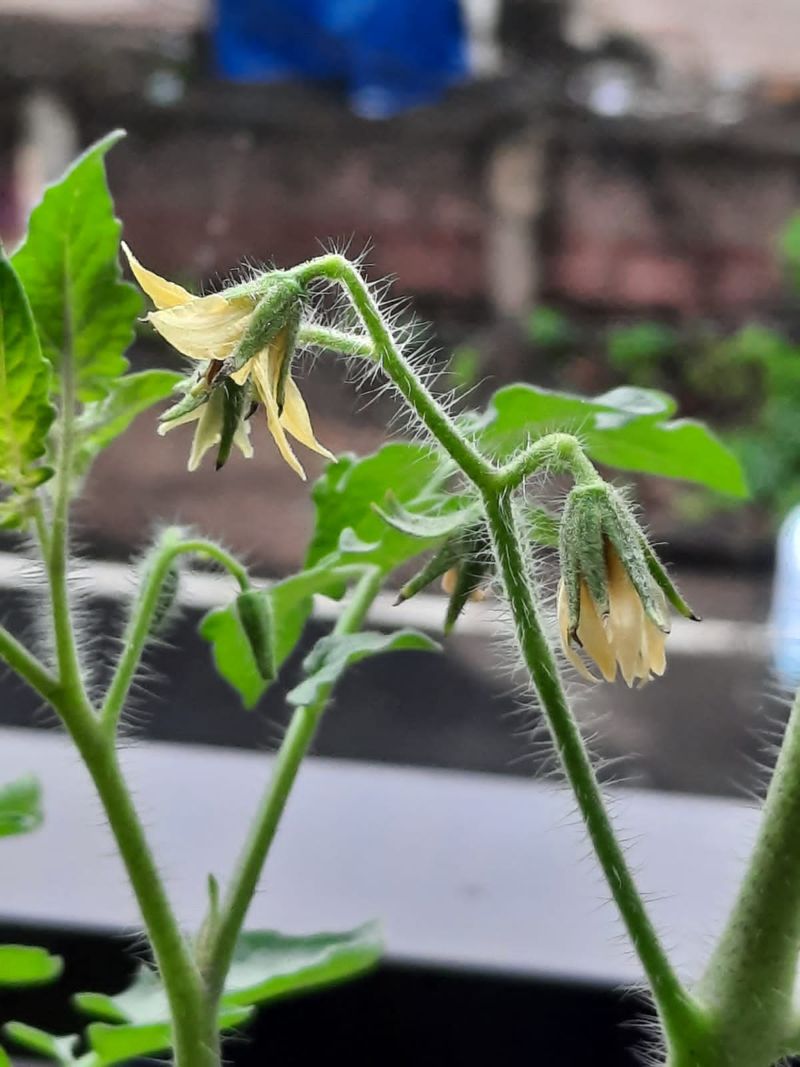
Seeing new yellow flowers on your tomato plants in September might feel exciting, but those blooms are unlikely to produce ripe tomatoes before frost arrives.
In most parts of the Pacific Northwest, a tomato needs at least 50 to 80 days from flower to ripe fruit. That kind of time simply does not exist anymore this late in the season.
Leaving those flowers on the plant means the plant is spending energy trying to set new fruit instead of ripening what is already there.
Removing them redirects that energy toward the tomatoes that actually have a chance of reaching full color before cold weather hits.
Pinching off flowers is easy. Just use your fingers or a small pair of clean scissors to remove the blooms as soon as you spot them.
It takes only a few minutes and can make a meaningful difference in how your existing fruit develops over the next few weeks.
Some gardeners feel reluctant to remove flowers because it feels like giving up on potential tomatoes. But think of it as making a smart trade.
You are sacrificing fruit that would never ripen anyway in exchange for better results on the tomatoes already growing on the vine.
Check your plants every few days and keep removing new blooms as they appear. Tomato plants are persistent and will keep trying to flower even as temperatures drop.
Staying on top of this task through the rest of September gives your existing tomatoes the energy boost they need to cross the finish line before the season ends.
5. Pinch Off Tiny Late-Season Tomatoes
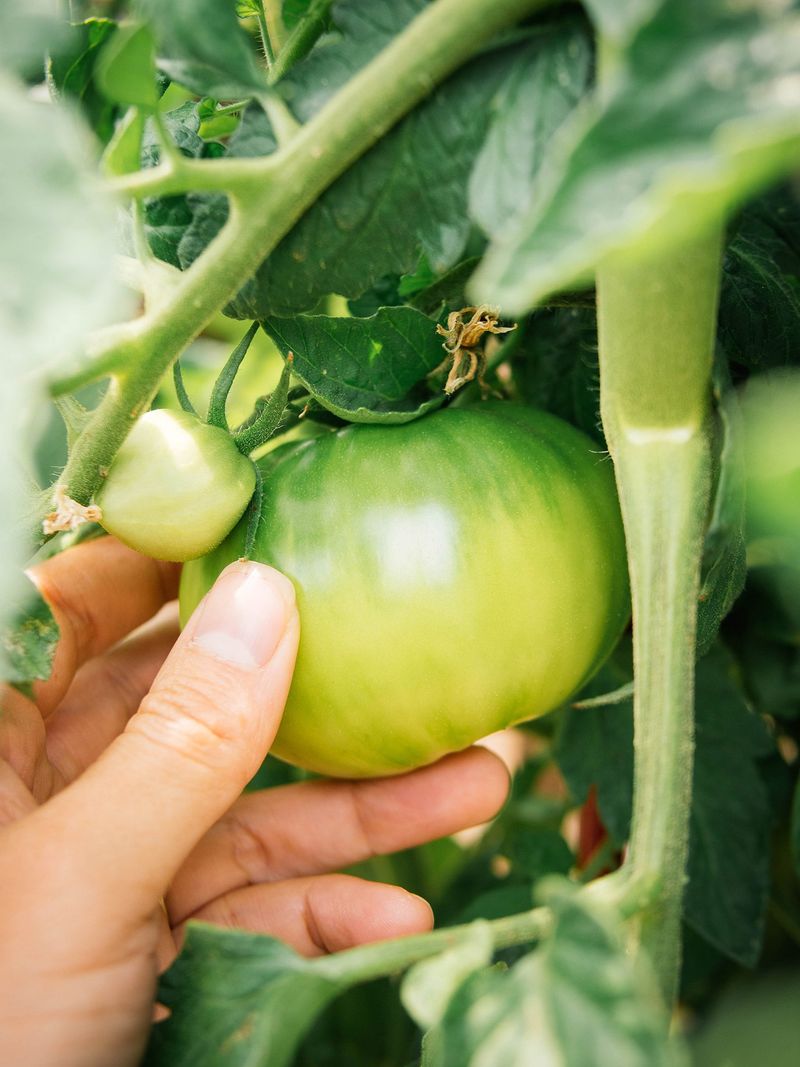
Along with removing new flowers, it is worth taking a close look at any very small tomatoes that have recently set on the vine. If a tomato is smaller than a marble and it is already September, the chances of it reaching a usable size before frost are slim.
Removing these tiny fruits is one of the kindest things you can do for the rest of your harvest.
Small, newly set tomatoes pull nutrients and water away from the larger fruit that has a real chance of ripening. The plant does not know which tomatoes are worth saving.
It just distributes resources across everything it has. By removing the smallest ones, you help the plant focus on the fruit that is already well along in development.
This process is called plant triage, and it is a common practice among experienced Oregon vegetable gardeners. You are not giving up on your garden.
You are making strategic choices that lead to a better overall result. The bigger tomatoes left on the vine will benefit directly from the resources freed up by removing the tiny ones.
Go through your plants carefully and remove any tomato that looks too small to realistically ripen in time.
Aim to keep the fruit that is already showing signs of size and development. Those are the ones worth protecting and nurturing through the rest of the season.
Do this job on a dry day so you can clearly see what you are working with. A little time spent now can mean the difference between a handful of ripe tomatoes and a bucket full of them by the end of September.
6. Leave Healthy Leaves Around Ripening Fruit
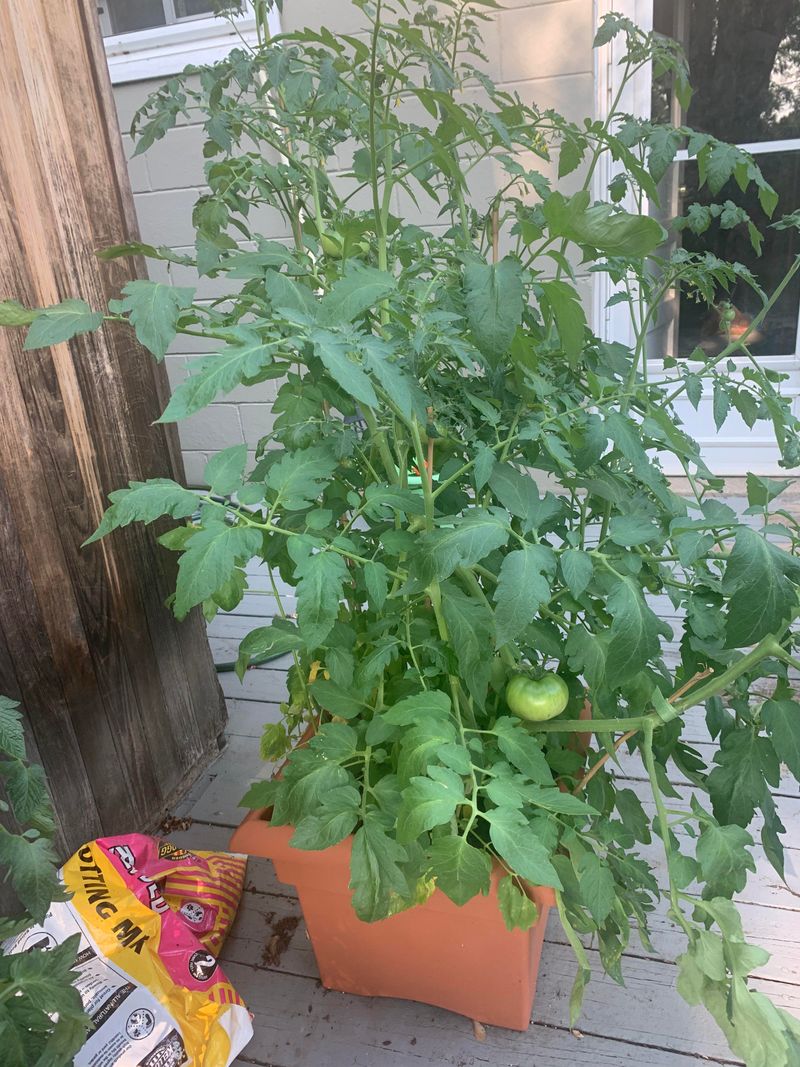
While it makes sense to remove some leaves to let sunlight reach the fruit, do not go overboard with leaf removal. The leaves on a tomato plant are its food factories.
They capture sunlight and convert it into the sugars and nutrients the plant needs to ripen its fruit. Stripping too many leaves can actually slow down ripening instead of speeding it up.
Healthy green leaves near clusters of ripening tomatoes serve an important purpose. They shade the fruit just enough to prevent sunscald, which can cause white or yellowish patches on the skin.
A little protection from the harshest afternoon sun is actually a good thing, especially if temperatures are still warm enough to cause heat stress.
The goal is balance. Remove leaves that are yellowing, diseased, or blocking sunlight from reaching the fruit entirely.
But leave the healthy green leaves in place, especially those that are growing close to tomato clusters. Those leaves are still working hard to feed the fruit they surround.
Late-season diseases like early blight can spread quickly through a plant in cool, damp conditions that can occur this time around in Oregon. Removing affected leaves promptly helps slow the spread and keeps the plant healthier overall.
Just be careful not to remove so many leaves that the plant loses its ability to photosynthesize effectively.
A good rule is to remove no more than one-third of the plant’s leaves at any one time. Give the plant a few days to adjust before removing more.
Keeping the plant healthy and functional through September is the best way to support a strong final harvest.
7. Pick Fully Sized Green Tomatoes Before Cold Nights
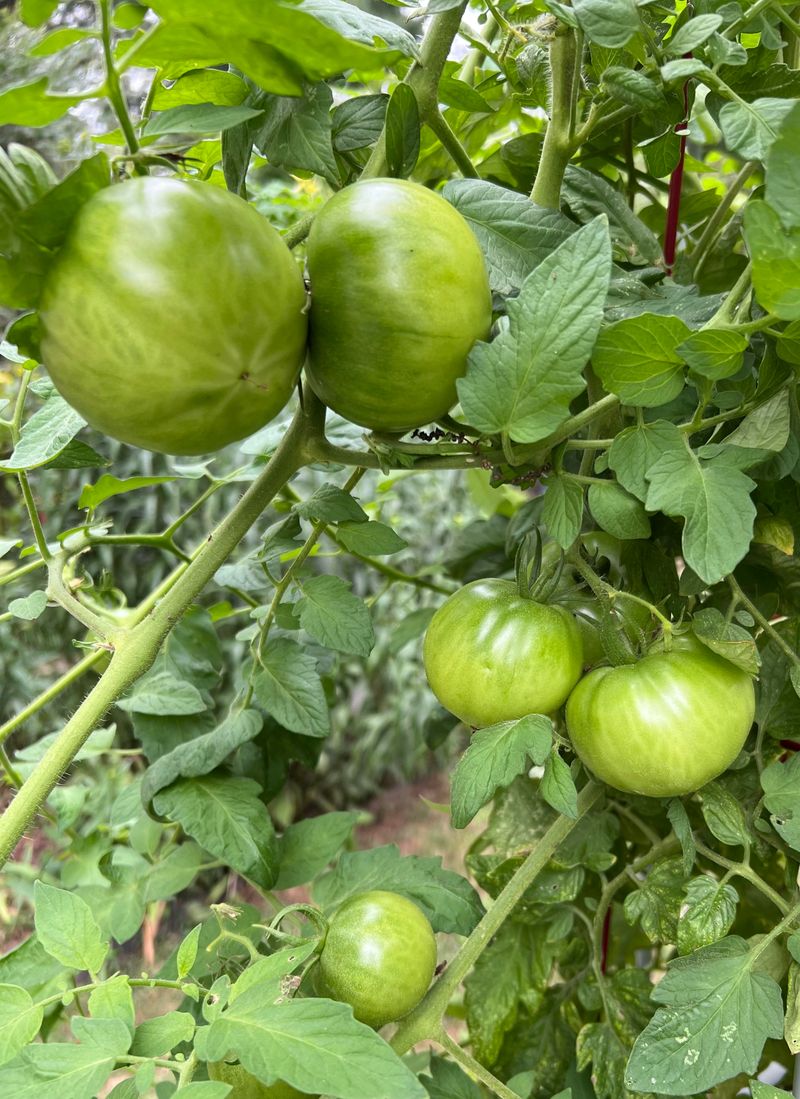
When nighttime temperatures start dropping into the low 50s or below in Oregon, it is time to start harvesting any tomato that has reached its full size, even if it is still completely green. A fully sized green tomato has already completed most of its development.
It just needs warmth to trigger the final ripening process, and that warmth can come from inside your home just as well as from the sun.
Cold nights below 50 degrees Fahrenheit can cause chilling injury in tomatoes still on the vine.
This damage is not always visible right away, but it can prevent the fruit from ripening properly and affect the texture and flavor of the finished tomato. Getting them off the vine before those cold nights is the smart move.
Check the size of your green tomatoes carefully. A tomato that has reached its mature size but has not yet changed color is called a mature green.
These ripen beautifully indoors when kept at room temperature. They are not the same as immature green tomatoes, which are smaller and firmer and have not yet developed their full seed structure.
Gently squeeze the tomato to get a sense of its maturity. A mature green tomato will feel slightly less firm than an immature one.
The skin may also show the faintest hint of a color change starting at the blossom end. Those are your best candidates for indoor ripening.
Harvest them carefully to avoid bruising. Handle each tomato like it matters, because it does.
A bruised tomato will rot before it ripens, so take your time and use two hands when picking.
8. Bring Nearly Ripe Fruit Indoors To Finish
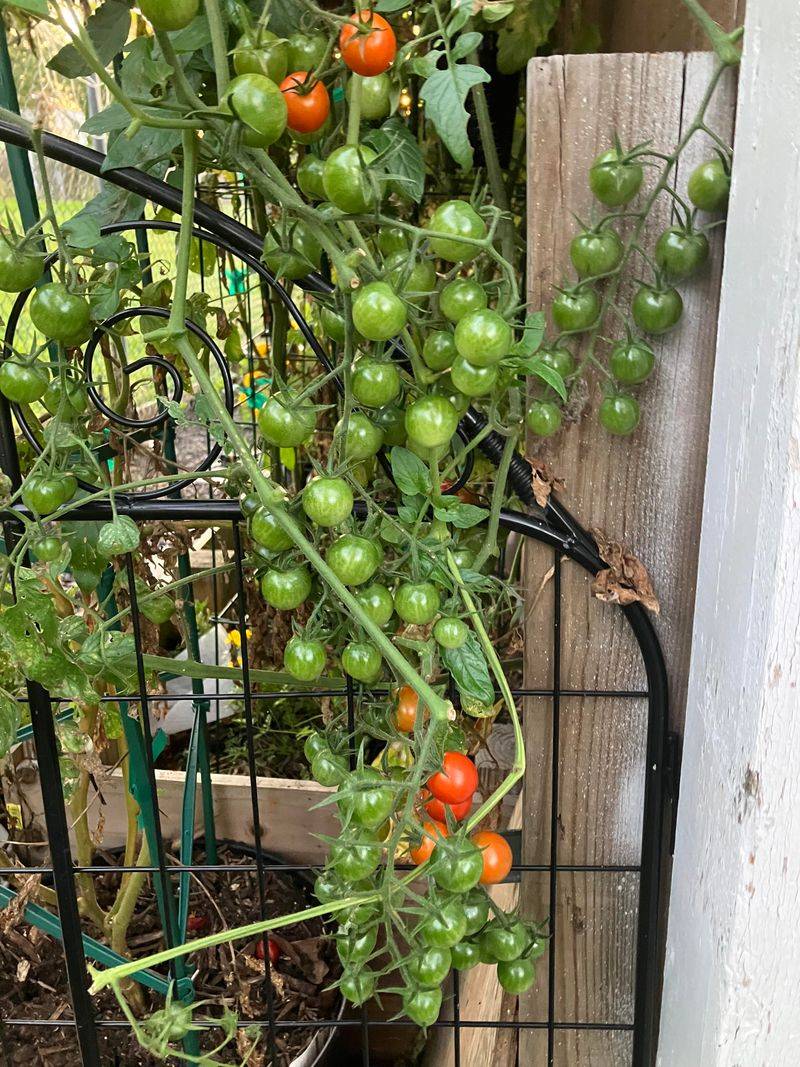
Bringing tomatoes indoors to finish ripening is one of the most effective strategies for getting a good harvest out of a slow season.
Many Oregon gardeners are surprised to find that tomatoes ripen just as well, and sometimes even better, when allowed to finish at room temperature away from the vine.
The key is knowing how to store them properly once they are inside. Keep your harvested green tomatoes at room temperature, ideally between 65 and 70 degrees Fahrenheit. Do not put them in the refrigerator.
Cold temperatures below 55 degrees will stop the ripening process completely and can ruin the texture and flavor of the fruit. A kitchen counter, pantry shelf, or spare room works perfectly.
Spread the tomatoes out in a single layer so they are not touching each other. This prevents one rotting tomato from spoiling its neighbors.
Check them every day or two and remove any that show signs of soft spots or mold before the problem spreads.
Some gardeners place nearly ripe tomatoes near a banana or apple. These fruits release ethylene gas, a natural compound that encourages ripening in tomatoes.
It is a simple, low-effort trick that can shave a day or two off the ripening time. Do not place tomatoes in direct sunlight indoors. Contrary to what many people think, sunlight is not what causes a tomato to ripen once it is off the vine.
Warmth and ethylene gas do the work at that point. A warm, shaded spot is the perfect place for your late-season tomatoes to finish up and reward you with a delicious final harvest.