Why Oregon Lilacs Bloom For One Week And Then Disappear (And How To Change That)
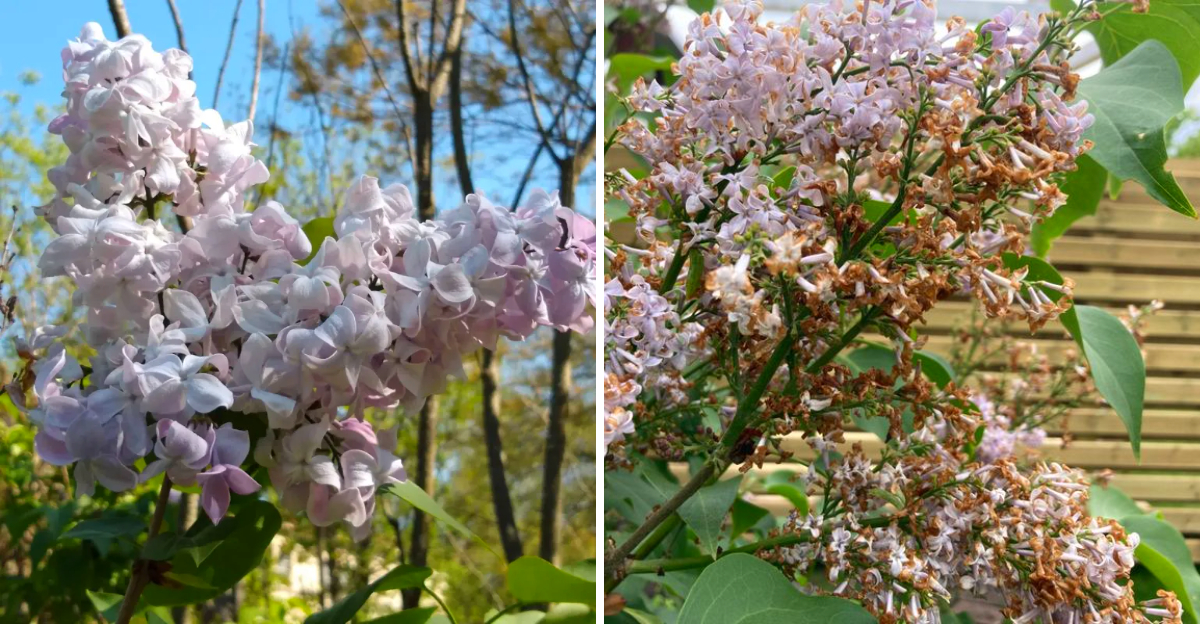
Lilac season in Oregon is genuinely one of the best things about spring gardening, and also one of the most frustrating. You wait months for those blooms, and then one warm week rolls through and suddenly it is over.
The flowers are gone, the neighbors stopped slowing down to look, and you are left standing next to a very large green shrub wondering what just happened.
Oregon’s spring weather has a particular talent for rushing lilac season along faster than anyone wants.
A warm spell hits at the wrong moment, a late pruning cut removes next year’s buds, or an older shrub just runs out of enthusiasm.
The good news is that most of these problems are very fixable once you understand what is actually going on behind the scenes.
1. Lilacs Naturally Bloom For A Short Time
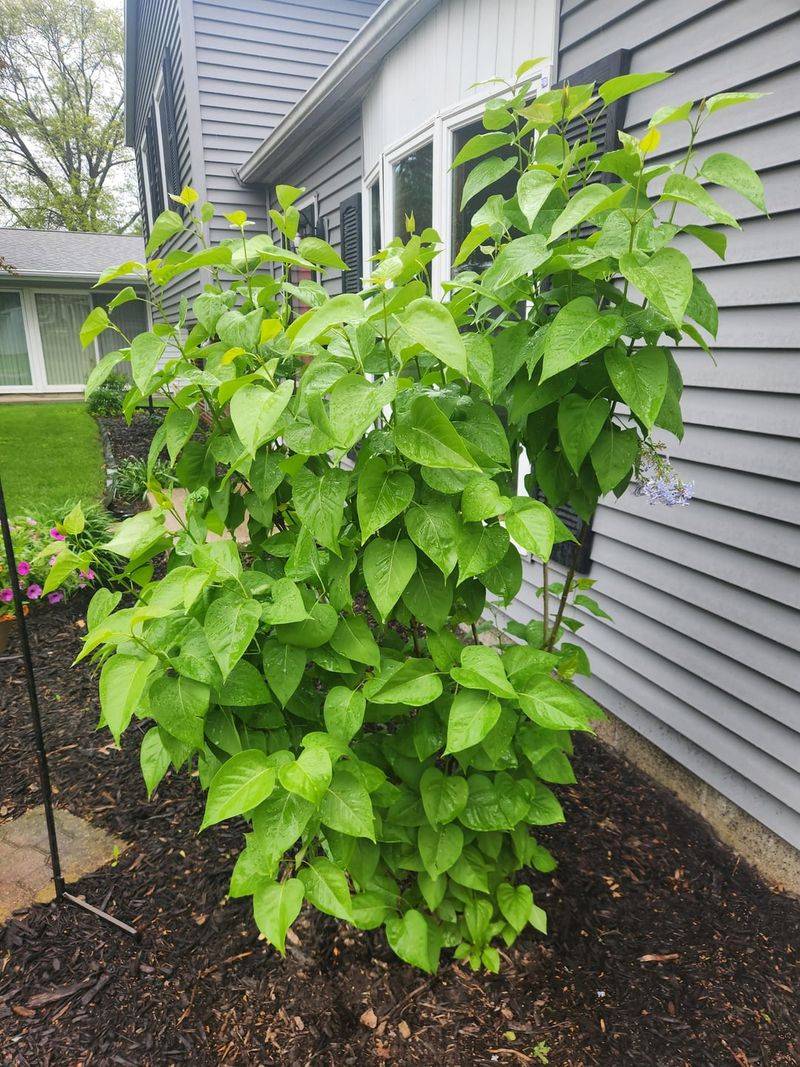
Most lilac shrubs bloom for roughly one to two weeks under normal conditions, and that timeline is simply part of how the plant works. Lilacs are not slow bloomers by nature.
They put a lot of energy into producing dense flower clusters, and once those flowers open fully, the display moves along at its own pace regardless of what a gardener does.
In Oregon, that window can feel especially brief because spring weather shifts quickly. A stretch of warm sunny days can push flowers from bud to peak to past peak in what feels like no time at all.
Cooler, overcast weather tends to slow things down a little, which is why some Oregon springs feel more generous with lilac color than others.
Homeowners who are used to longer-blooming shrubs like roses or hydrangeas sometimes find lilac season surprising in how short it runs. Understanding that the bloom period is naturally limited helps set realistic expectations.
Rather than hoping one shrub will flower for three or four weeks, gardeners often get better results by planting a mix of early, midseason, and late-blooming lilac types.
That way the overall season feels longer even though each individual plant still follows its own natural schedule.
2. Warm Oregon Springs Can Speed Up The Show
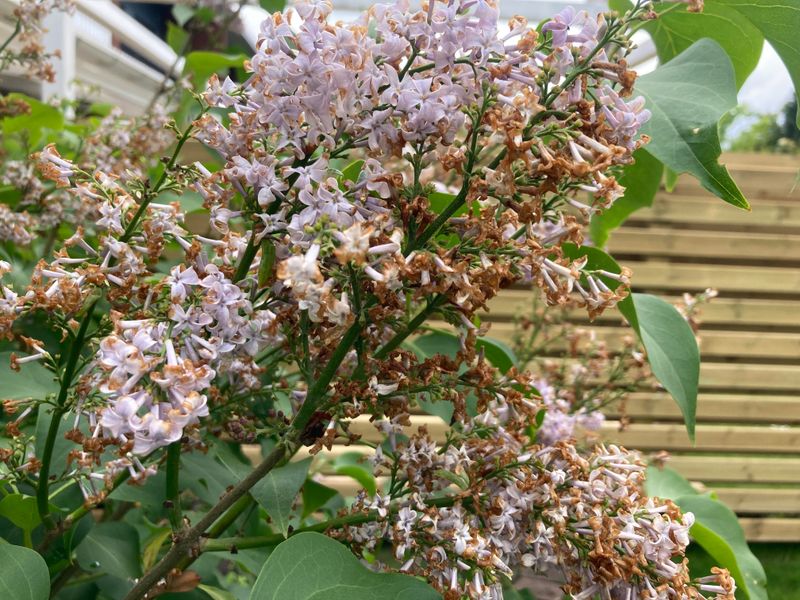
A string of warm sunny days in April or May can move lilac flowers along faster than most gardeners expect.
When temperatures climb well above average during bloom time, the flowers open quickly, age faster, and drop their color sooner than they would during a cooler stretch of weather.
Oregon springs are famously unpredictable. Some years bring cool, cloudy conditions that seem to hold lilac blooms in place for an extended stretch.
Other years, an early warm spell arrives right as buds are opening and the whole display races through in just a few days. Gardeners who have grown lilacs for years often notice this variability from one spring to the next.
There is not much a gardener can do to slow down warm weather, but knowing the pattern helps with planning.
Checking lilac buds closely as spring progresses and catching the bloom at its earliest stage means more time to enjoy the flowers before they fade.
Your Oregon Garden Changes Every Week. Your Plan Should Too.
Gardening in Oregon changes quickly throughout the season. Every Friday you’ll receive a simple weekly plan showing exactly what to plant, prune, fertilize, harvest, and protect so you never miss the right timing.
Cutting a few stems to bring indoors when the buds are just beginning to open is a good way to extend personal enjoyment even when outdoor temperatures are moving things along quickly.
Cooler microclimates in the yard, such as spots with morning sun and afternoon shade, may also hold blooms a little longer during a warm spring in Oregon.
3. Late Pruning Can Remove Next Year’s Buds

Pruning a lilac at the wrong time of year is one of the most common reasons Oregon gardeners end up with fewer flowers the following spring. Lilacs set their buds for next year’s bloom during the summer months, not in fall or winter.
If a shrub gets pruned in late summer, fall, or early spring, those developing buds often get removed along with the stems being cut.
The general recommendation is to prune lilacs soon after flowering ends, typically within a few weeks of bloom time. Doing so gives the shrub the rest of the growing season to set new buds on the remaining stems.
Waiting too long, even by just a month or two, can mean cutting off the buds that were forming for next year’s display.
Many homeowners prune shrubs as part of a general fall cleanup or early spring tidy-up routine, which feels logical but can work against lilac flower production.
Switching the pruning schedule to right after bloom, even if it feels a little early in the season, tends to make a noticeable difference over time.
Removing spent flower clusters promptly also helps redirect the plant’s energy toward bud development rather than seed production, which can contribute to a better bloom in the following spring across Oregon gardens.
4. Old Stems Can Mean Fewer Flowers

Over many years, lilac shrubs develop thick, woody stems that gradually become less productive.
Older canes tend to produce fewer flowers than younger growth, and a shrub that has not been thinned or renewed in a long time may start looking more like a small tree with a few scattered blooms than the lush flowering shrub it once was.
Many Oregon gardens have older lilacs planted decades ago as foundation shrubs or along fence lines. These plants can still be beautiful, but they sometimes need some structural attention to bring their flowering back to a more satisfying level.
Renewal pruning, which involves gradually removing the oldest and thickest stems over several years to encourage fresh new growth from the base, can help restore vigor without stressing the plant too heavily all at once.
Removing one or two of the oldest stems each year after flowering gives younger replacement shoots room to develop and eventually become productive flowering canes.
Heavy renovation that removes most of the plant at once can work in some cases, but it may mean waiting a few seasons before strong blooming resumes.
Taking a gradual approach tends to keep the shrub looking reasonable during the transition and reduces the strain on the plant.
Oregon gardeners with mature lilacs often find that consistent, patient renewal work pays off with noticeably better flowering over time.
5. Too Much Shade Can Limit Lilac Blooms
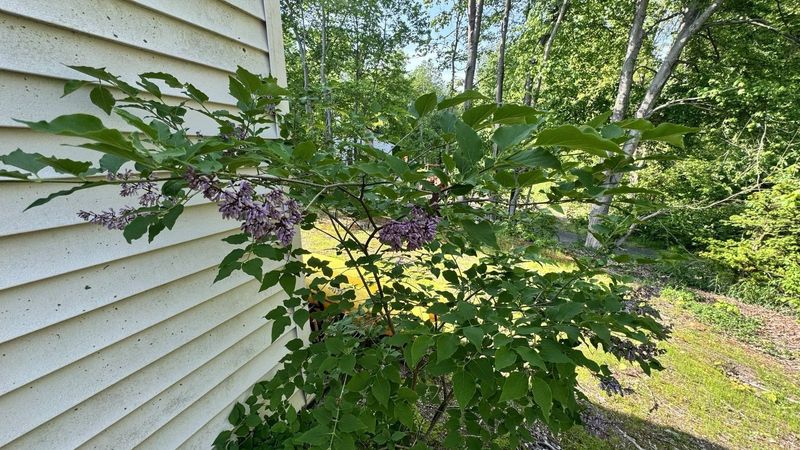
Sunlight is one of the most important factors in getting a good lilac bloom, and shrubs that do not receive enough direct sun tend to flower poorly or sometimes skip blooming almost entirely.
Lilacs generally perform best with at least six hours of direct sunlight each day during the growing season.
In Oregon yards, shade can creep up gradually as nearby trees grow taller, fences get built, or neighboring shrubs fill in over the years.
A lilac that bloomed reliably when it was first planted may start producing fewer flowers as its surroundings change and more shade falls across the planting site.
Homeowners sometimes assume the shrub is simply getting old or unhealthy when the real issue is reduced sun exposure.
Evaluating how much direct light a lilac receives throughout the day is a useful first step when bloom production seems disappointing.
Trimming back overhanging branches from nearby trees can sometimes improve the situation without requiring major landscape changes.
In cases where a lilac has become deeply shaded and cannot be easily remedied, transplanting the shrub to a sunnier location in the yard may be worth considering.
Established lilacs can take a season or two to settle in and resume strong flowering after being moved.
Choosing a sunny spot from the start saves a lot of adjustment later in Oregon gardens.
6. Lilac Blight Can Spoil Spring Color
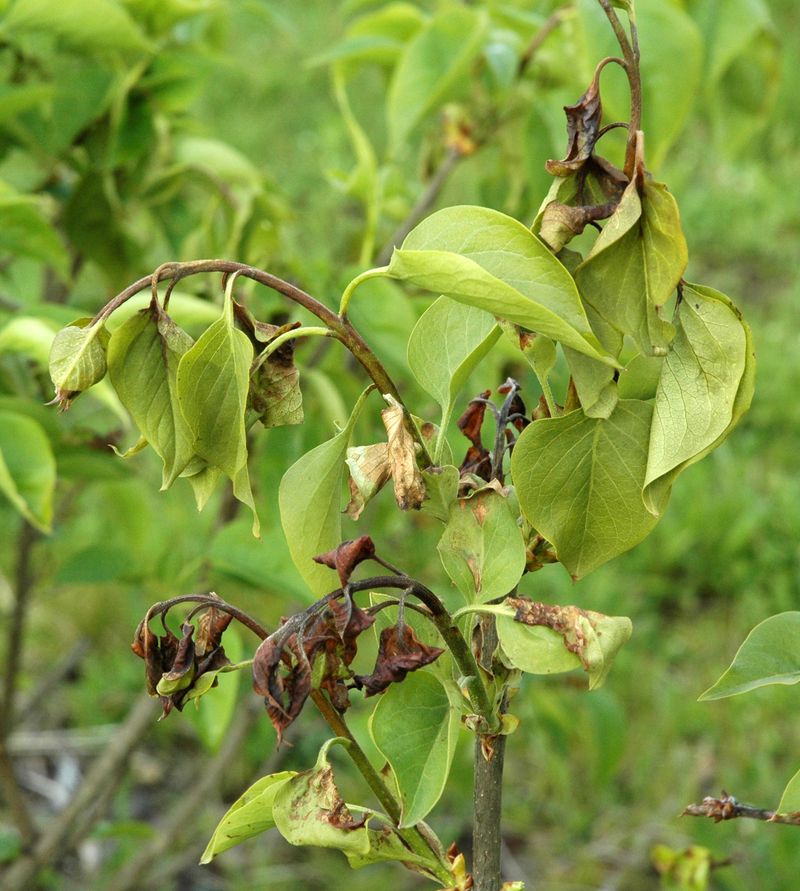
Cool, wet spring weather creates favorable conditions for a bacterial disease called lilac blight, which can turn flower buds and young shoots brown and mushy before they get a chance to open fully.
Oregon’s often damp spring season makes this disease a recurring concern for gardeners who have not taken steps to reduce its impact.
Blight tends to show up as dark, water-soaked spots on leaves and stems that quickly turn brown. Infected flower clusters may look scorched or wilted even before they open, which can make a promising bloom season feel like a disappointment almost overnight.
The disease spreads easily in wet conditions and can move from plant to plant through water splash and contaminated pruning tools.
Several practices can help reduce blight problems over time. Pruning to open up the center of the shrub improves air circulation, which helps foliage and stems dry out more quickly after rain.
Removing and disposing of infected material promptly, rather than leaving it on the ground around the plant, reduces the amount of disease present from one season to the next. Cleaning pruning tools between cuts also helps limit spread.
Some lilac varieties show better tolerance to blight than others, so choosing resistant cultivars when adding new plants to an Oregon garden can make a meaningful difference in how often the disease becomes a problem during wet springs.
7. Different Lilacs Can Stretch The Season
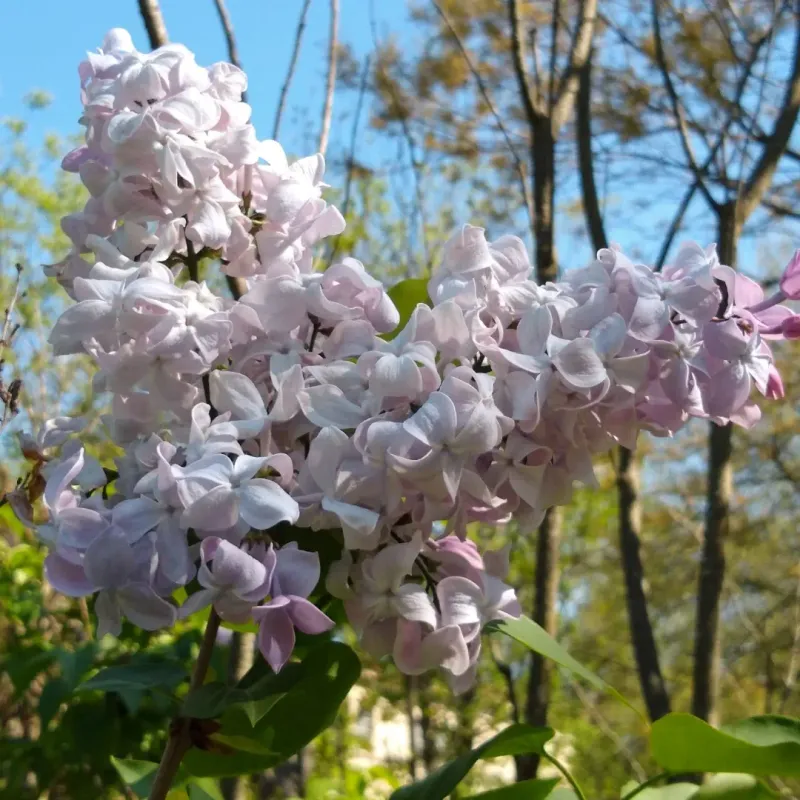
Planting a mix of lilac varieties with different bloom times is one of the most reliable ways to enjoy a longer lilac season.
Early-blooming types may open in late March or early April in many parts of Oregon, while midseason varieties follow a few weeks later, and some later-blooming types can extend the display into May or even early June depending on the year and location.
Species lilacs and their close relatives offer a range of bloom times that can be combined thoughtfully in a mixed shrub border or along a fence line.
Early-blooming species like Syringa oblata tend to flower before the common lilac, while later-blooming types such as Japanese tree lilacs can add color well after the traditional lilac season has wound down.
Pairing these with standard common lilac cultivars in between creates a layered sequence of bloom that feels much more generous than relying on a single plant.
Choosing varieties intentionally based on their expected bloom period, rather than simply selecting by flower color, helps Oregon gardeners build a more satisfying spring display.
Visiting a local nursery that specializes in woody ornamentals or checking regional trial garden information can be a helpful way to compare bloom timing before making a selection.
A well-planned lilac collection can realistically provide color across several weeks rather than just a few days.
8. Reblooming Lilacs Can Add A Later Flush
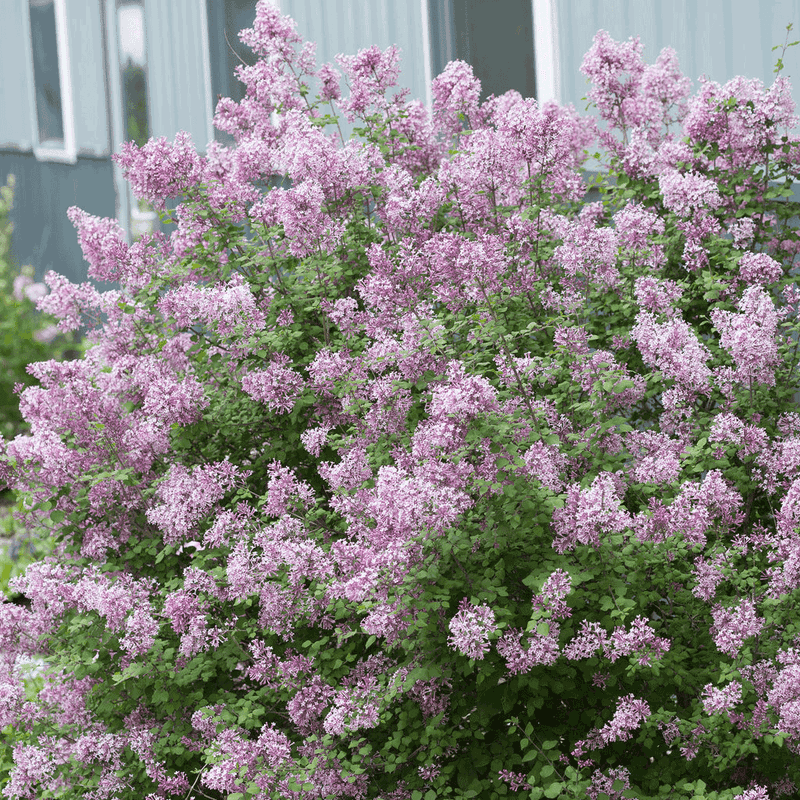
Reblooming lilac varieties have become more widely available in recent years and offer something that traditional lilacs do not: the potential for a second round of flowers later in the growing season.
Varieties in the Bloomerang series are among the most well-known examples, and they have shown up in many Oregon nurseries and garden centers as interest in extended-season shrubs has grown.
The way reblooming lilacs work is that after their main spring bloom, they may produce a second, lighter flush of flowers in late summer or early fall if conditions are favorable.
The secondary bloom is typically smaller and less dramatic than the spring display, but it adds color and fragrance at a time of year when most lilacs have long since finished flowering.
Results can vary depending on the plant’s overall health, the amount of sunlight it receives, summer moisture levels, and how the season unfolds in a given Oregon location.
Keeping a reblooming lilac well-watered during dry summers and making sure it receives strong sun can improve the chances of a meaningful fall flush.
Deadheading spent spring flowers promptly may also encourage the plant to redirect energy toward later growth and bloom.
These varieties tend to stay more compact than traditional lilacs, which makes them a practical option for smaller yards or mixed borders where space is limited but seasonal interest is a priority.