The Arizona Vegetables That Grow Best When September Nights Start Cooling
Your vegetable garden does not have to sit quiet while September slowly pushes the strongest summer heat aside. Cooler nights can open a useful growing window, even when afternoons still feel surprisingly hot.
For Arizona gardeners, this shift brings new planting choices that were much harder to manage during peak summer. Timing matters because not every vegetable responds to changing temperatures in the same way.
Watch those nighttime temperatures closely before filling every open garden space. Some crops handle this seasonal change far better than others.
September planting also rewards gardeners who think beyond the weather they feel during the afternoon.
Your next productive growing season may begin sooner than you expect.
Choose vegetables suited to this changing weather, and your garden can move into fall with plenty of fresh growth ahead.
1. Carrots Get Their Fall Growing Season Underway
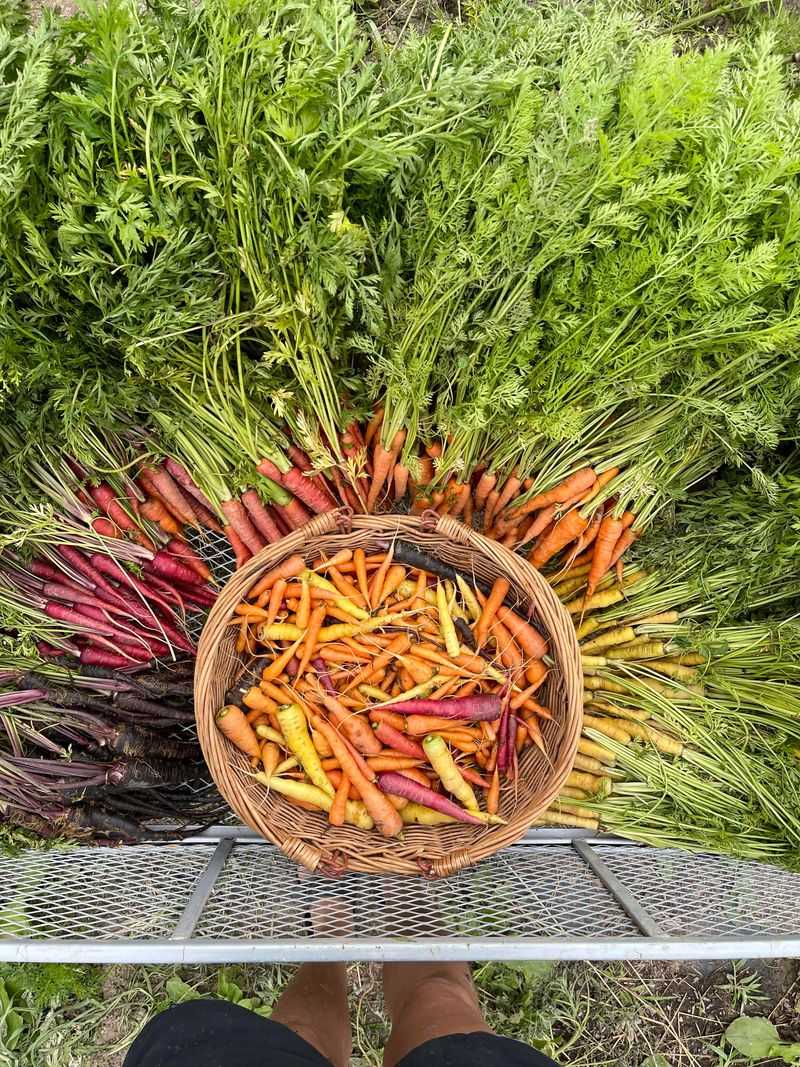
Carrots planted in September have a real shot at becoming one of your best fall harvests. Cooler soil temperatures help seeds germinate more reliably, and steady mild nights push root development in the right direction.
Aim to get seeds in the ground by mid-September if you can.
Loose, well-draining soil is non-negotiable for good carrot growth. Rocky or compacted ground causes roots to fork or stunt, so amend your bed with compost before planting.
Raised beds work especially well here because you control the soil quality from the start.
Sow seeds about a quarter-inch deep and keep the top inch of soil consistently moist until germination, which usually takes one to three weeks depending on conditions. Thin seedlings to about two inches apart once they reach a few inches tall.
Carrots typically need 70 to 80 days to reach full size, so a September planting can put harvest right around late November or December. Shorter varieties like Danvers or Chantenay tend to perform better in heavier desert soils than longer types.
Check your seed packet for days-to-maturity guidance specific to your chosen variety.
2. Radishes Make The Most Of Cooler September Weather
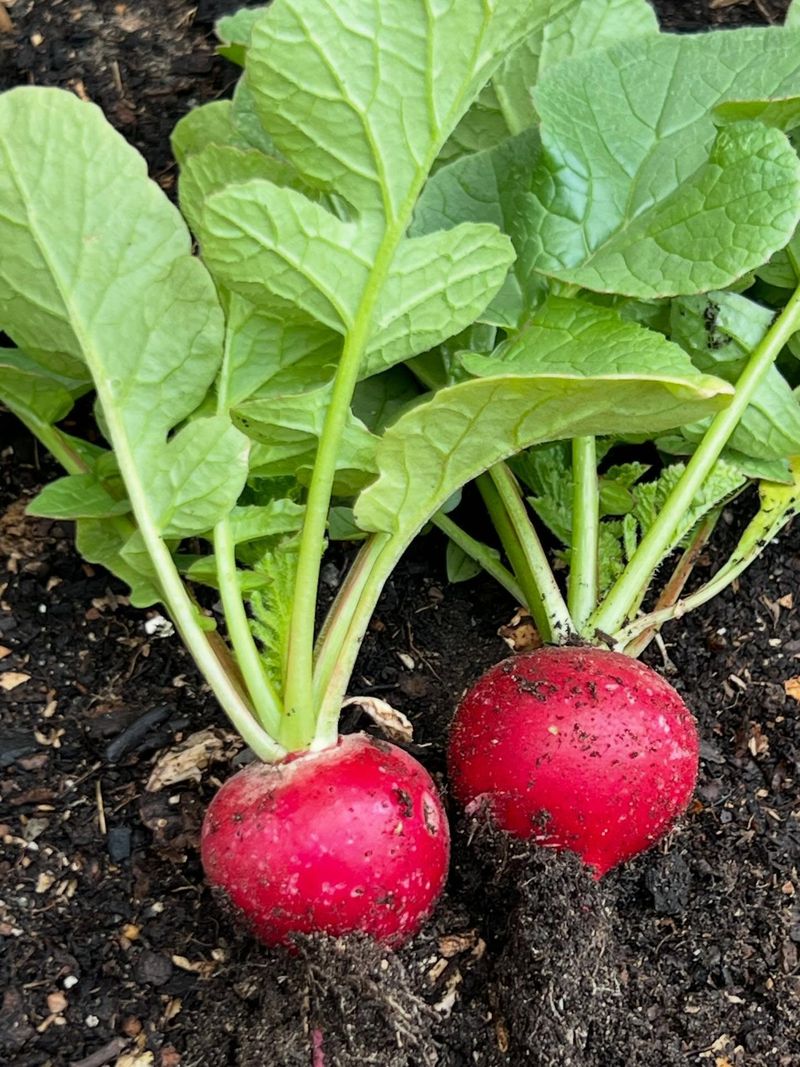
Few vegetables reward impatient gardeners faster than radishes. Some varieties go from seed to table in as little as 25 days, making them one of the quickest wins in the fall garden.
Planting in September lets you enjoy multiple rounds before winter arrives.
Radishes prefer loose, well-worked soil with decent drainage. Compacted ground causes them to develop tough, misshapen roots, so a quick turn of the bed before planting pays off.
Work in a little compost if your soil tends to be heavy or sandy without structure.
Sow seeds about half an inch deep and one inch apart in rows. Thin them to about two inches once sprouts appear, giving each root enough room to round out properly.
Overcrowding is the most common reason radishes stay small or go woody.
Water consistently but avoid soaking the soil. Uneven moisture can cause radishes to crack or develop a pithy texture.
Once they reach the size of a large marble, pull one and taste it. Waiting too long past maturity makes them sharp and unpleasant.
Your Arizona Garden Changes Every Week. Your Plan Should Too.
Gardening in Arizona changes quickly throughout the season. Every Friday you’ll receive a simple weekly plan showing exactly what to plant, prune, fertilize, harvest, and protect so you never miss the right timing.
Cherry Belle and French Breakfast are two varieties that tend to do well in fall desert gardens. Both mature quickly and hold their quality reasonably well in the ground for a short window.
3. Beets Settle Into The Fall Garden With Ease
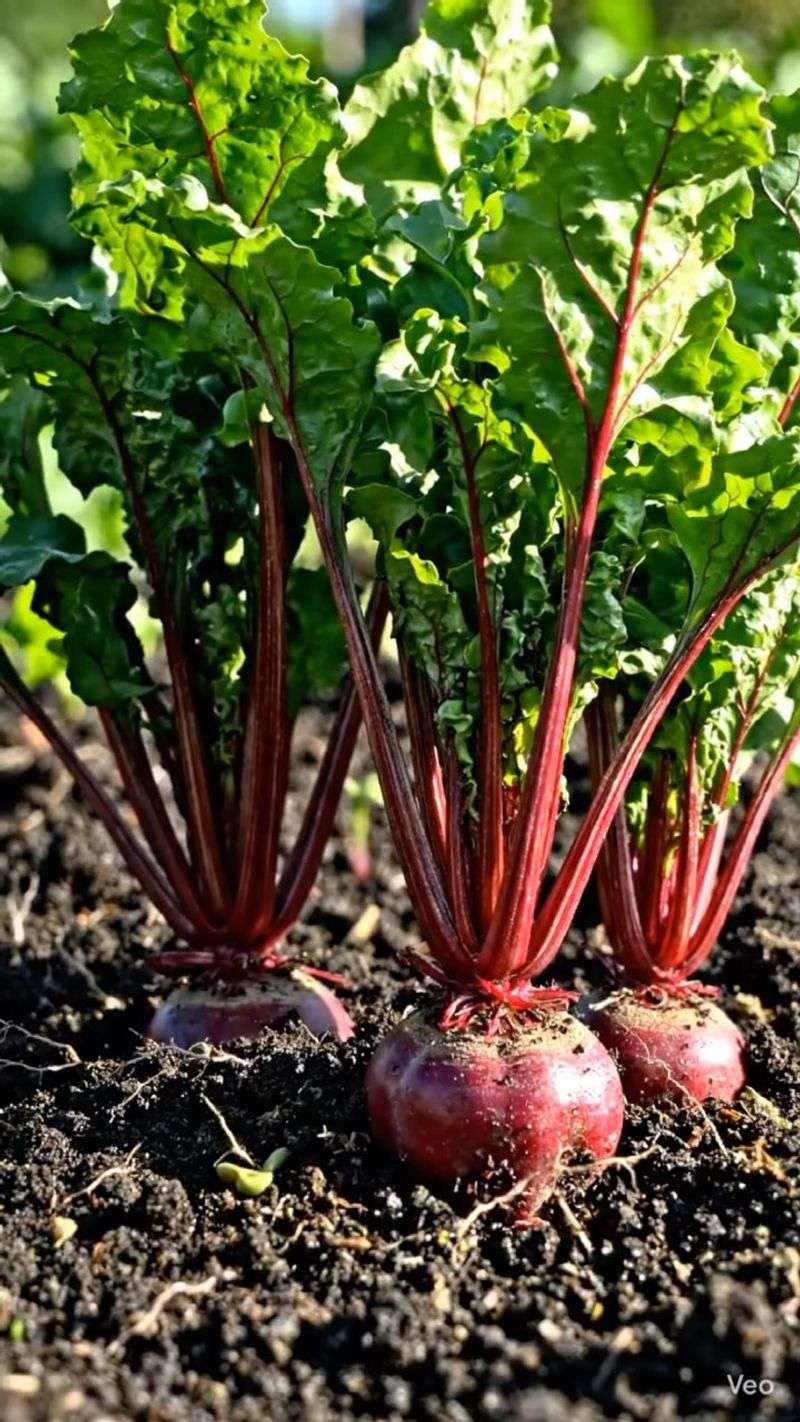
Beets are a genuinely flexible crop, and September is a great time to get them started. Both the roots and the greens are edible, which means you get two crops from one planting.
Greens can be harvested early while roots continue to develop below.
Seeds need consistent moisture to germinate well. Beet seeds are actually clusters of multiple seeds, so even a single spot can produce more than one sprout.
Thin early to avoid crowding, keeping plants about three to four inches apart in the row.
Soil that drains well but holds some moisture is ideal. Sandy desert soil often needs compost added to improve water retention without waterlogging.
A two-inch layer of mulch over the bed helps keep soil temperature stable during warm September days.
Beets generally mature in 50 to 70 days depending on the variety. Smaller beets around two inches in diameter tend to be the most tender.
Larger roots can become fibrous if left in the ground too long past peak size.
Detroit Dark Red is a reliable variety with a long track record in home gardens. Golden beets are another option worth trying.
They have a milder flavor and do not bleed like red varieties when cut, which some cooks prefer.
4. Kohlrabi Gets Its Growing Window As Temperatures Drop
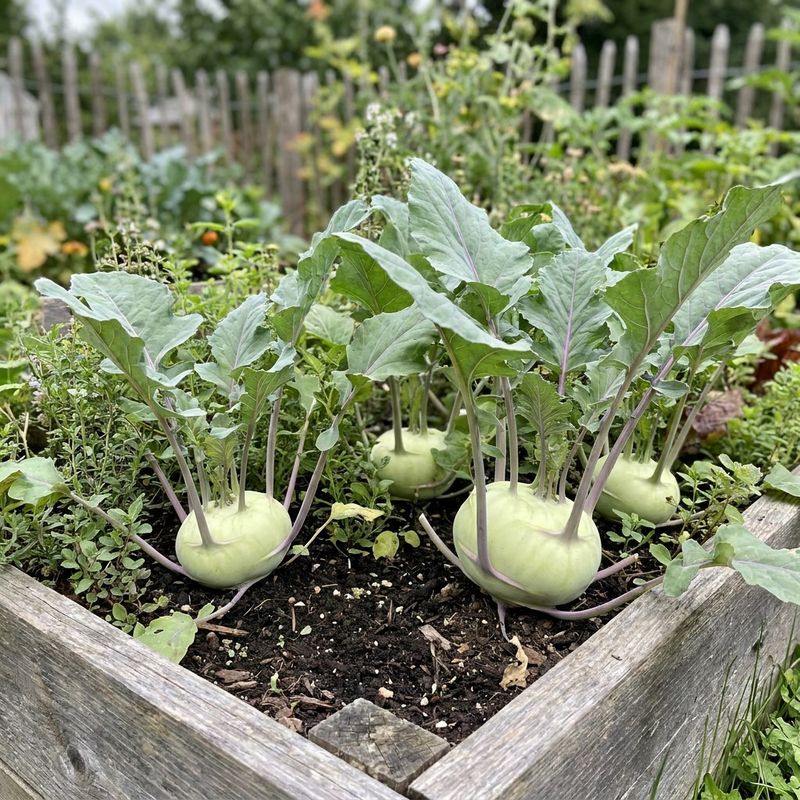
Kohlrabi is one of those vegetables that surprises people. It looks unusual in the garden, with a round swollen stem sitting just above the soil and leafy shoots growing outward like antennae.
The flavor is mild, slightly sweet, and crisp when harvested young.
September is a good month to direct sow kohlrabi seeds in lower desert gardens. Seeds germinate in soil temperatures between 45 and 85 degrees Fahrenheit, so the early fall window works well.
Sow about a quarter-inch deep and thin seedlings to six inches apart once established.
Kohlrabi grows best in well-amended soil with steady moisture. Let the soil dry slightly between waterings, but do not let it go bone dry.
Stress from inconsistent watering can make the stems tough and less pleasant to eat.
Most varieties mature in 45 to 60 days. Harvest when the stem bulb reaches about two to three inches in diameter.
Larger bulbs can become woody and lose the tender crunch that makes kohlrabi worth growing.
Early White Vienna and Purple Vienna are two common varieties that perform reasonably well in fall desert conditions. Both are compact plants that fit easily into raised beds or smaller garden spaces without crowding out neighboring crops.
5. Cabbage Seeds Get Their Fall Start In Trays
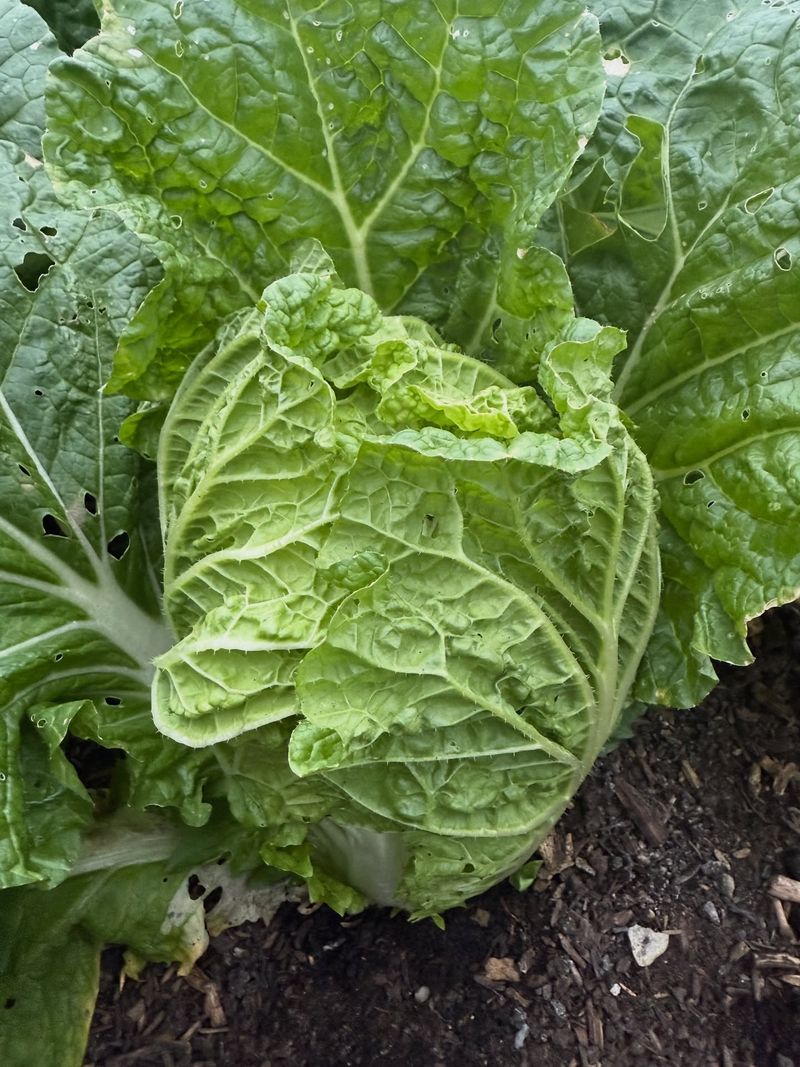
Starting cabbage from seed in September requires a little patience, but it pays off. Seeds are best started in trays or small containers first, then transplanted into the garden once seedlings have a few true leaves.
Direct sowing in the heat of early September is usually less reliable.
Use a quality seed-starting mix and keep trays in a shaded or partially shaded spot. Full sun in early September can overheat small seedlings quickly.
Aim for consistent moisture without letting trays sit in standing water.
Cabbage seedlings typically need three to four weeks before they are ready to move into the garden. Transplant when nighttime temperatures are reliably cooler, usually by late September or early October in lower desert areas.
Space plants about 12 to 18 inches apart.
Cabbage is a heavy feeder, so amending your garden bed with compost before transplanting is a smart step. A balanced fertilizer applied after transplanting can support steady growth through the cooler months ahead.
Varieties like Golden Acre or Stonehead tend to do well in fall desert gardens because they are compact and mature relatively quickly. Larger varieties need more space and a longer season, which can be harder to manage depending on your local frost timing.
6. Cauliflower Seeds Can Get Started In Trays This Month
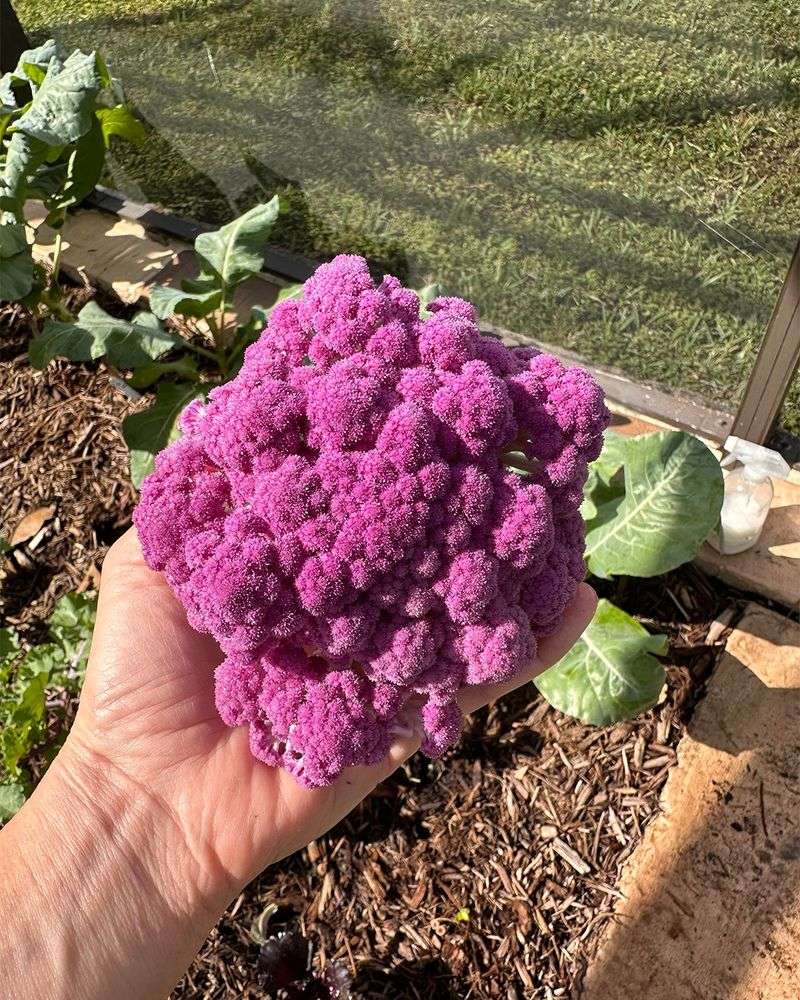
Cauliflower has a reputation for being fussy, and honestly, that reputation is partly earned. Temperature swings stress the plant easily, and inconsistent watering can cause heads to form poorly.
Starting seeds in trays this month gives you better control over early conditions.
Fill trays with seed-starting mix and sow seeds about a quarter-inch deep. Keep them moist and in a spot with bright but indirect light.
Germination usually happens within a week under decent conditions. Avoid letting the mix dry out completely between waterings.
Seedlings should be ready to transplant in about four to five weeks. By then, nights should be noticeably cooler in most lower desert areas, which is exactly what cauliflower prefers.
Space transplants 18 to 24 inches apart to give each plant enough room to develop a full head.
Once heads begin to form, some gardeners tie the outer leaves loosely over the developing head to protect it from sun exposure. This helps keep heads white and prevents discoloration from direct light.
Not every variety needs this, so check your seed packet for guidance.
Snowball and Amazing are two varieties worth trying. Both are known for producing solid heads under fall growing conditions and mature in roughly 70 to 80 days from transplant.
7. Brussels Sprouts Get An Early Start Before Transplanting
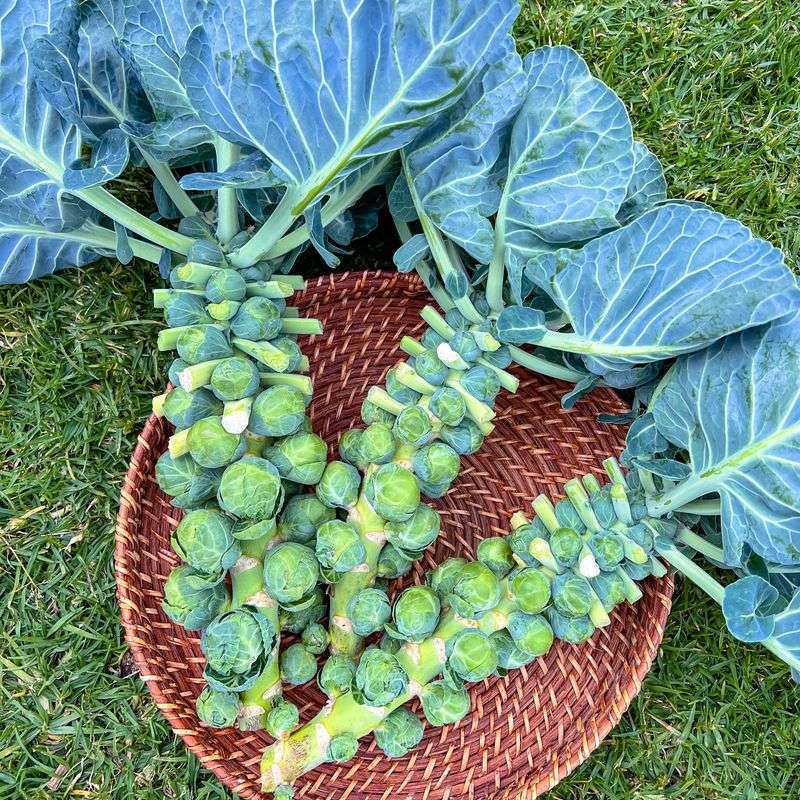
Brussels sprouts take longer to mature than most fall vegetables, often needing 80 to 100 days or more from transplant. Starting seeds in trays during September is the right move if you want any chance at a decent harvest before spring heat returns.
Sow seeds in individual cells or small containers using a good seed-starting mix. Keep the mix evenly moist and place trays in a spot that stays between 65 and 75 degrees Fahrenheit for best germination.
Seedlings usually emerge within a week.
Plan to keep seedlings in trays for four to five weeks before transplanting. Harden them off gradually by setting them outside in a shaded spot for a few hours each day before moving them to the garden full time.
Transplant into well-amended garden soil once nighttime temperatures have dropped consistently. Space plants 18 to 24 inches apart.
Brussels sprouts need room to develop a tall central stalk with multiple sprout nodes along it.
Water regularly but avoid soaking the soil. Consistent moisture supports steady stalk growth.
Jade Cross and Long Island Improved are two varieties with reasonable track records in home gardens where fall and winter conditions stay mild. Expect to harvest sprouts from the bottom of the stalk upward as they mature.
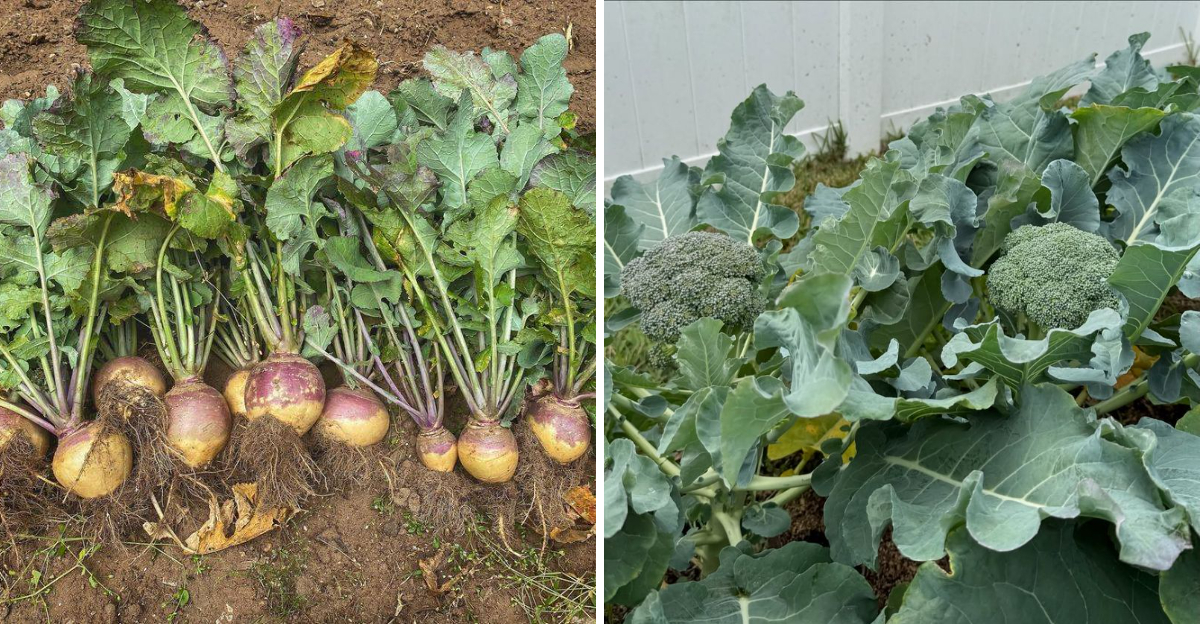
8. Rutabagas Get Their Chance As September Moves Along
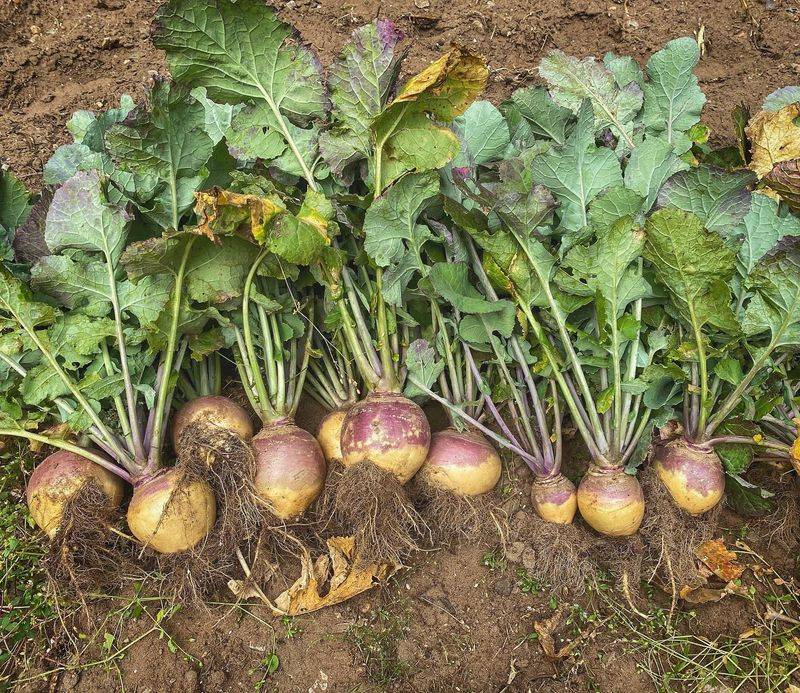
Rutabagas are not the most glamorous vegetable in the garden, but they are underrated. Sweet, earthy, and satisfying when roasted or mashed, they are worth the space they take up.
September is a reasonable window to direct sow them in lower desert gardens.
Seeds go in about half an inch deep with about one inch between them in the row. Once seedlings are a few inches tall, thin them to about six inches apart.
Crowded plants produce small, misshapen roots that are harder to cook and less enjoyable to eat.
Rutabagas need consistent watering to develop properly. Dry spells followed by heavy irrigation can cause roots to crack or develop a tough texture.
Aim for steady, even moisture throughout the growing season rather than irregular soaks.
Most rutabaga varieties take 80 to 100 days to reach full size. A root around three to four inches in diameter is typically ready to harvest.
Leaving them in the ground a bit longer after a light frost can actually improve the flavor, as cold exposure converts some starches to sugar.
American Purple Top is the most widely available variety and performs reasonably well in fall home gardens. It is a reliable choice for gardeners who have not grown rutabagas before and want a straightforward starting point.
9. Broccoli Seeds Start Now For Planting Out Next Month
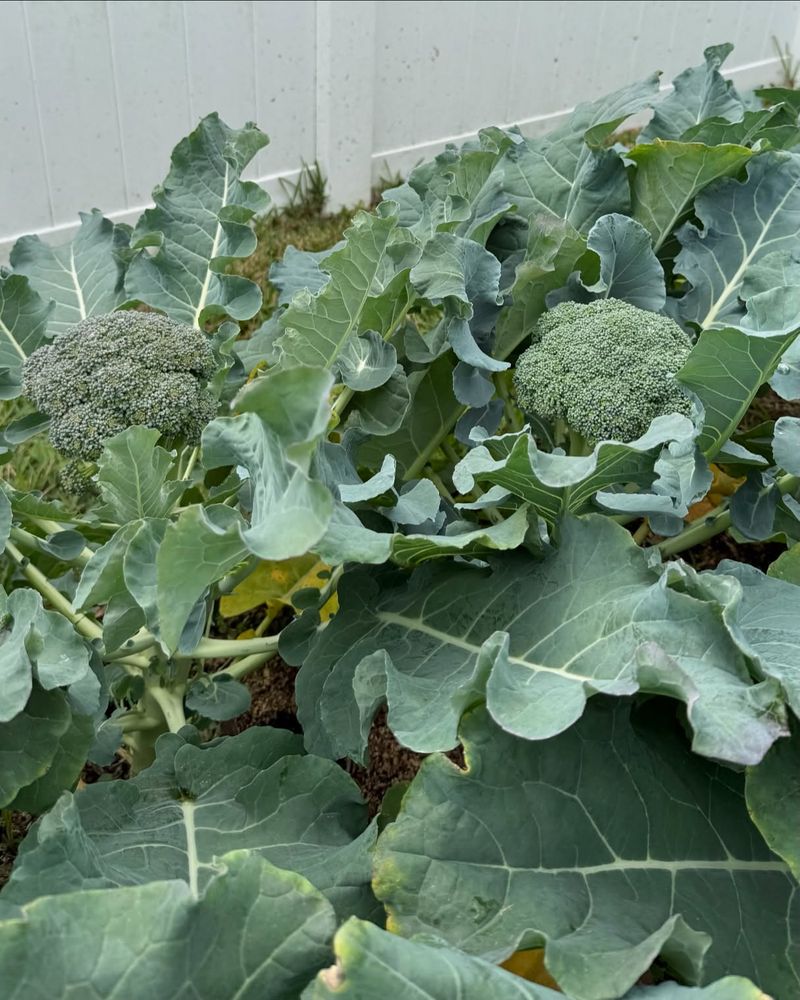
Broccoli is one of the most rewarding vegetables to grow through fall and into winter in desert gardens. Starting seeds in trays now means transplants will be ready to go into the ground in October, right when soil conditions are much more favorable.
Sow seeds about a quarter-inch deep in seed-starting mix. Keep the mix moist and place trays where temperatures stay around 65 to 75 degrees.
Germination usually takes five to ten days. Once seedlings develop their first true leaves, thin to one plant per cell.
Seedlings need about four to five weeks in trays before transplanting. Use that time to prepare your garden bed.
Work compost into the soil and make sure drainage is adequate. Broccoli does not like sitting in wet soil for extended periods.
Transplant in early to mid-October and space plants 18 inches apart. Broccoli is a heavy feeder, so side-dressing with a nitrogen-rich fertilizer a few weeks after transplanting supports strong leaf and head development.
Calabrese and Waltham 29 are two varieties with solid reputations in home gardens. Both produce central heads followed by smaller side shoots, which extends your harvest window considerably.
Expect heads to be ready roughly 60 to 80 days after transplanting, depending on conditions and variety.