10 Fall Vegetables to Plant in Phoenix and Tucson Right Now
When the desert finally cools off, Arizona gardeners get their best growing season of the whole year. Fall in Phoenix and Tucson brings warm soil, gentle sun, and nights that crops love.
Many tasty vegetables that would burn up in July grow strong and sweet from October through spring. Here are ten easy picks you can plant right now for fresh harvests all winter long.
1. Kale
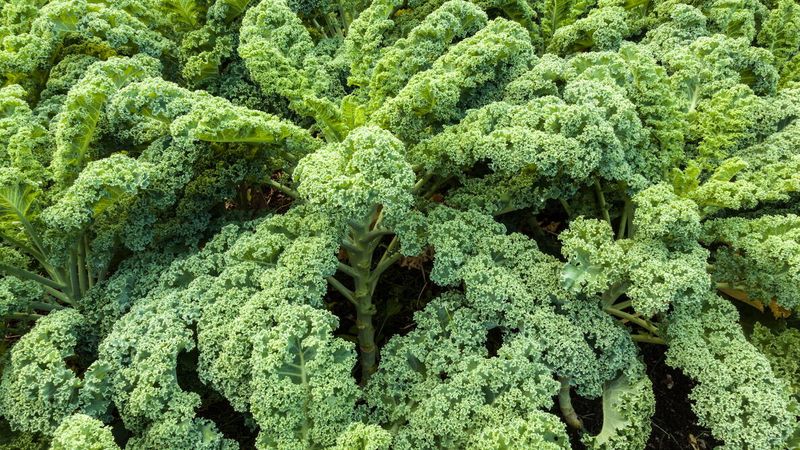
Ask any longtime desert gardener for a crop that never quits, and kale usually comes up first. One sturdy plant can feed a family from November until the heat returns in May.
You simply snap off the lower leaves and let the center keep growing.
Fall timing is perfect here because kale enjoys cool nights and handles the occasional light frost that sneaks into Tucson valleys. In fact, a touch of chill can make the leaves taste sweeter and less bitter.
Plant seeds or transplants from October through early November in a spot with full morning sun.
Desert soils tend to be alkaline and full of caliche, so mix in plenty of compost before planting. Raised beds or large containers work well if your yard is rocky.
Water deeply a few times a week while plants settle in, then ease back as temperatures drop.
Try varieties like Lacinato, also called dinosaur kale, or Red Russian for tender, colorful leaves. Watch for cabbage worms and aphids, which may show up during warm spells.
A quick spray of water or hand picking can help keep them in check without harsh products. Your salads and smoothies will thank you.
2. Swiss Chard
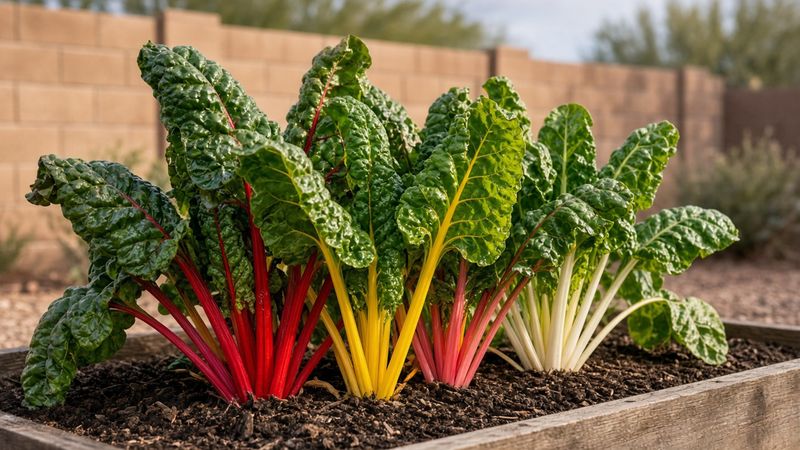
Picture a winter garden glowing with ruby, gold, and hot pink stems. Rainbow Swiss chard turns an ordinary vegetable bed into something that looks almost like a flower border.
Neighbors often stop to ask what that colorful plant is.
Beyond its good looks, chard may be the toughest leafy green you can grow in the low desert. It shrugs off temperature swings that can stress lettuce and spinach.
Even when a warm February afternoon hits the 80s, the leaves usually keep their mild, earthy flavor.
Sow seeds about half an inch deep from September through November. Each wrinkled seed is actually a cluster, so you may get several sprouts in one spot.
Thin them to about 10 inches apart once they reach a few inches tall.
Harvest the outer leaves when they are hand sized, and the plant will push out fresh growth from the middle. Many Phoenix gardeners keep the same chard plants going well into late spring.
Steam the leaves like spinach and saute the crunchy stems with garlic for two dishes from one plant.
Fun fact: chard is a close cousin of the beet, just bred for leaves instead of roots.
3. Carrots
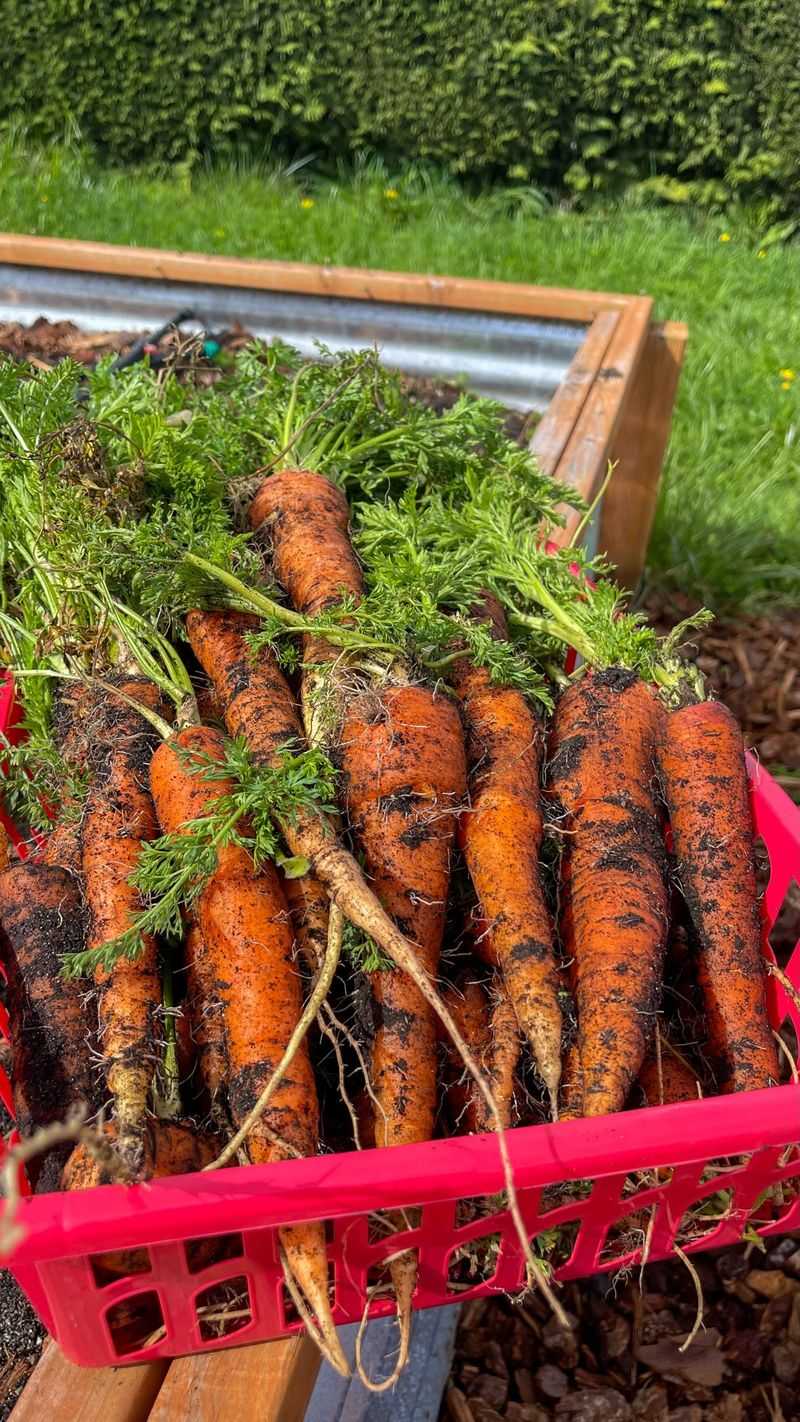
Pulling a carrot from the ground is one of those small joys that never gets old, especially for kids. In Arizona, fall is the ideal time to make that moment happen.
Cooler soil helps carrots build up natural sugars, giving them a crisp, candy like crunch.
Your Arizona Garden Changes Every Week. Your Plan Should Too.
Gardening in Arizona changes quickly throughout the season. Every Friday you’ll receive a simple weekly plan showing exactly what to plant, prune, fertilize, harvest, and protect so you never miss the right timing.
The biggest challenge in the desert is the ground itself. Hard caliche and clay can leave you with stubby, forked roots.
Loosen the soil at least 12 inches deep, remove rocks, and blend in compost or sand to create a soft, fluffy bed.
Carrot seeds are tiny and slow to sprout, sometimes taking two weeks. Keep the top layer of soil damp during that time, which can be tricky in dry desert air.
Many gardeners lay a board or burlap over the row and lift it as soon as the first green threads appear.
Shorter varieties like Danvers, Chantenay, or round Paris Market handle tougher soils better than long, slender types. Sow from October through January for a staggered harvest.
Expect your first carrots in about 70 to 80 days. Purple and yellow varieties add a fun twist to your dinner plate and are just as easy to grow.
4. Radishes
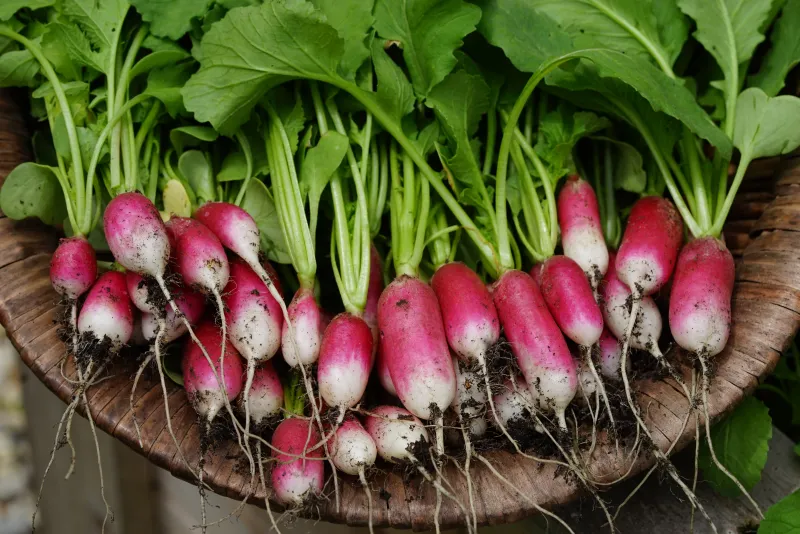
Impatient gardeners, this one is for you. Radishes can go from seed to salad in as little as 25 days, which makes them the speed champions of the fall garden.
If you want a quick win to build confidence, start here.
The secret to great radishes is succession planting. Instead of sowing a whole row at once, plant a short section every two weeks from October through February.
That way you get a steady supply instead of a huge pile that turns pithy before you can eat it.
Radishes also make great helpers in the garden. Some gardeners sprinkle the seeds alongside slow carrots to mark the row and loosen the soil.
By the time the carrots need room, the radishes are already harvested and gone.
Keep the soil evenly moist, since dry spells can make roots split or taste extra spicy. Pick them promptly when they reach about an inch wide.
Try classic Cherry Belle, the long French Breakfast, or a winter daikon for something different.
If a few plants bolt and flower, leave them. Bees and other pollinators may visit the blooms, and the young seed pods taste like peppery little snacks.
5. Beets
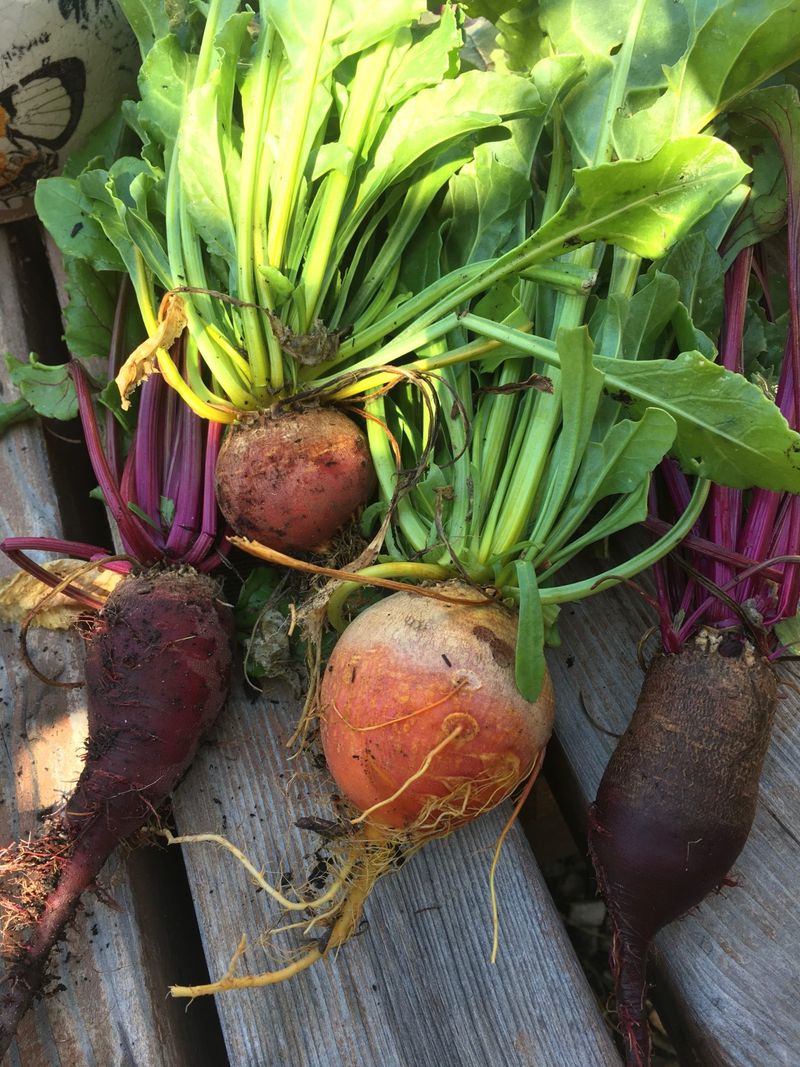
Some folks say they do not like beets until they taste one fresh from their own garden. Homegrown beets roasted with a little olive oil can win over even the pickiest eaters.
The cool desert winter helps develop that deep, sweet flavor.
Beets are a two for one crop. While the roots swell underground, the leafy tops can be harvested and cooked just like chard or spinach.
Take only a couple of leaves per plant at a time so the roots keep growing strong.
Plant seeds from October through December, about half an inch deep and two to three inches apart. Like chard, each beet seed is a cluster, so thinning is a must.
Overcrowded beets end up small and tangled.
Arizona soils lean alkaline, which beets handle better than many crops. Still, mixing in compost improves texture and helps the soil hold water longer, a real plus when every gallon counts.
Mulch lightly to keep moisture steady.
Detroit Dark Red is a reliable classic, while Chioggia shows off pink and white stripes when sliced. Golden beets are another fun choice because they will not stain your hands or cutting board.
Most varieties are ready in 55 to 70 days.
6. Lettuce
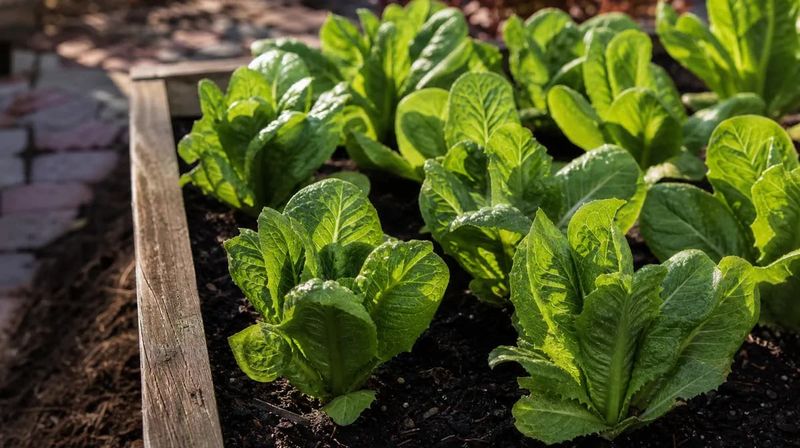
Nothing beats a salad picked just minutes before dinner. Fall and winter give desert gardeners a rare chance to grow crisp, tender lettuce that would wilt instantly in summer.
Leaf lettuce, butterhead, and romaine all flourish when days stay mild.
For an Arizona edge, look for Jericho romaine. Bred in the hot, dry Middle East, it tends to resist bolting and bitterness better than many varieties.
Other good options include Black Seeded Simpson, Buttercrunch, and colorful red oak leaf.
Sow lettuce from late September through February, planting small batches every few weeks. Seeds need light to sprout, so just press them onto the soil surface or cover very lightly.
Early plantings may appreciate a bit of afternoon shade or shade cloth while October still runs warm.
Leaf types are perfect for the cut and come again method. Snip leaves an inch above the base, and the plant regrows for several more harvests.
Head types take longer but reward you with full, crunchy heads.
Water shallow roots often, since lettuce dries out fast in desert air. As spring heat returns in April, plants will start to stretch tall and turn bitter, a signal that the season is wrapping up.
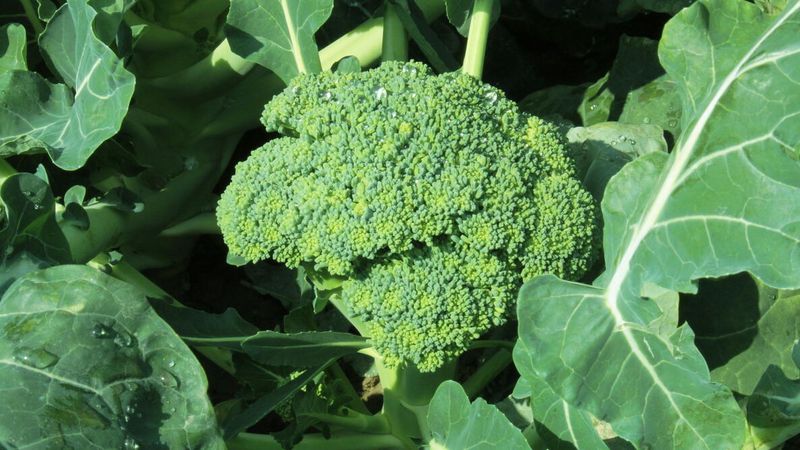
7. Broccoli
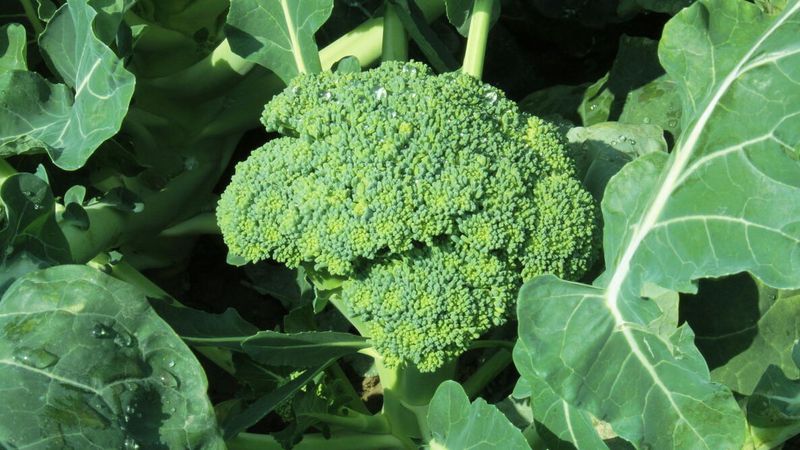
Patience pays off with broccoli. It takes longer than most fall crops, often 60 to 90 days after transplanting, but cutting that first big green head feels like a real gardening victory.
Plus, the plant keeps giving long after that.
Timing matters in the low desert. Start transplants in September or early October so heads form during the coolest stretch of winter.
Planted too late, broccoli may rush to flower when warm spring days arrive, leaving loose, yellow buds instead of tight heads.
Give each plant plenty of space, about 18 inches apart, along with rich, compost filled soil. Broccoli is a heavy feeder, so a balanced organic fertilizer a few weeks after planting can help.
Deep watering encourages roots to reach down instead of staying near the hot surface.
Once you harvest the main head, leave the plant in place. Smaller side shoots will sprout from the leaf joints for weeks, giving you bonus mini florets for stir fries.
Watch for aphids hiding under leaves. Ladybugs and lacewings that visit desert gardens may help keep these pests in check naturally.
Any florets that slip into bloom attract bees with their cheerful yellow flowers.
8. Cilantro
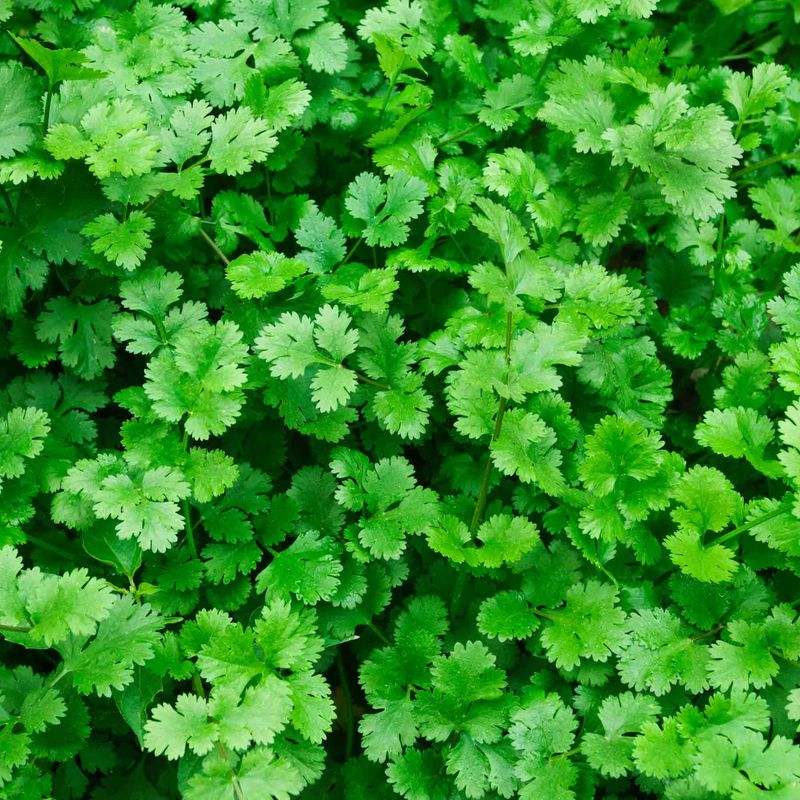
Salsa lovers, listen up. If you have ever tried growing cilantro in spring only to watch it shoot up and go to seed within weeks, fall is your fix.
Cool weather keeps this herb leafy and fragrant for much longer.
Cilantro hates heat, and the desert has plenty. That is why October through February is the sweet spot in Phoenix and Tucson.
Sow seeds directly where you want them, since cilantro does not like being moved. Lightly crush the round seed husks first to speed up sprouting.
Plant a new pinch of seeds every three weeks for a nonstop supply all season. It grows happily in garden beds or patio pots near the kitchen door.
Snip leaves often to encourage bushier growth.
Here is a fun twist: when cilantro finally does flower in spring, those dainty white blooms attract hoverflies and tiny beneficial wasps. These helpful insects may reduce aphids on nearby vegetables.
Let the flowers set seed, and you get coriander, a whole new spice for your pantry.
Varieties labeled slow bolt, such as Santo or Calypso, can stretch your harvest even further. Fresh tacos with homegrown cilantro might become a weekly tradition.
9. I’itoi Onions
Long before supermarkets, the Tohono O’odham people grew a small, hardy onion in the Sonoran Desert. Named after I’itoi, an important figure in their tradition, this onion is believed to have arrived with Spanish missionaries centuries ago.
Today it remains one of the most desert ready vegetables you can plant.
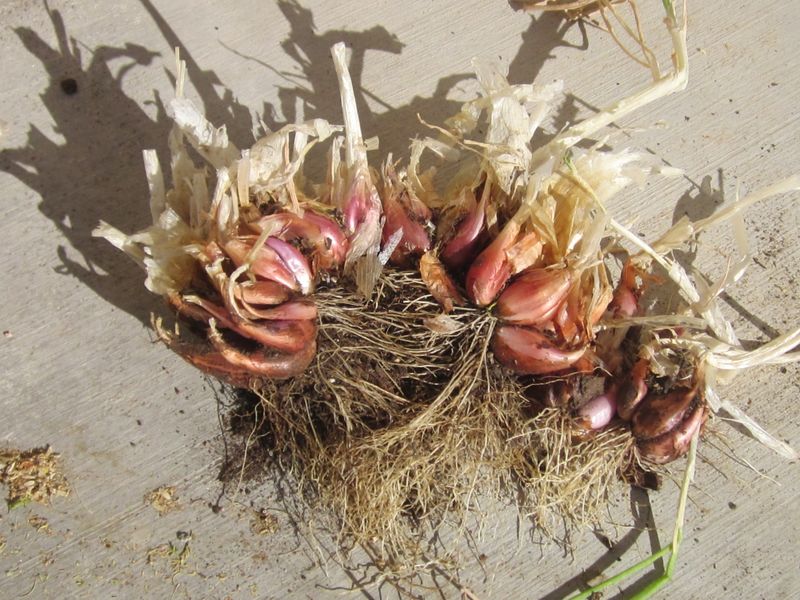
I’itoi onions are multipliers, meaning one bulb splits into a clump of many over time. You rarely need to buy them again.
Just divide the clumps each fall and replant a few bulbs to keep the cycle going.
The flavor is a delightful mix of shallot and green onion, a bit spicy and very fresh. Use the green tops like chives all winter, or dig up the small bulbs for cooking.
They rarely flower, so energy goes straight into making more bulbs.
Plant them from September through November in well drained soil about an inch deep. They tolerate heat, alkaline ground, and lean watering better than most onions.
Some gardeners even leave them in the ground through summer, where they rest quietly until cooler weather wakes them.
Look for bulbs at local nurseries and seed libraries in Tucson and Phoenix each fall.
10. Peas
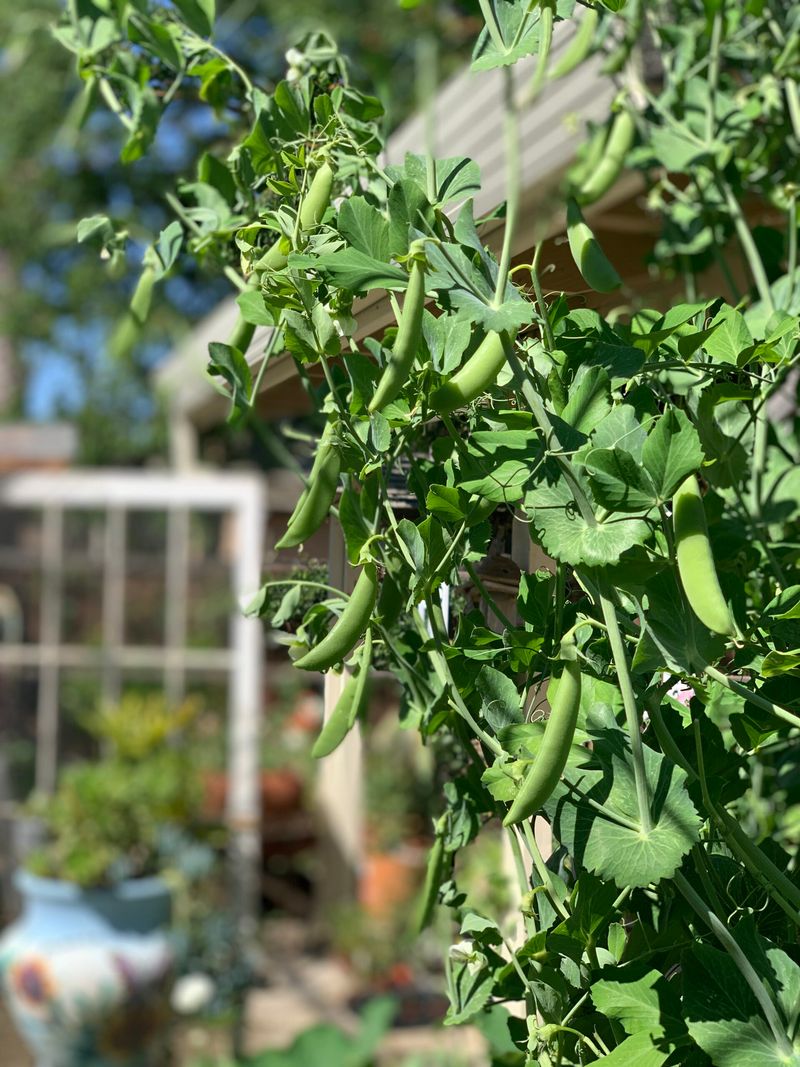
Few things taste as sweet as a sugar snap pea eaten right off the vine. Many desert gardeners admit that half their pea harvest never makes it inside.
Plant enough for snacking and cooking.
In Phoenix and Tucson, peas go in from October through early December. They grow slowly through the chilly weeks, then burst into bloom and pods in late winter and early spring.
Plant too late, and warming temperatures in March can cut the harvest short.
Most varieties need something to climb. A simple trellis, cattle panel, or chain link fence works great.
Climbing vines also use vertical space, perfect for smaller desert yards and side gardens.
Peas carry a hidden bonus. Their roots partner with soil bacteria to capture nitrogen from the air, which may improve tired desert soil for the next crop.
After harvest, cut the vines at ground level and leave the roots behind to break down.
Try Sugar Snap, Oregon Sugar Pod, or Wando, a shelling pea known for handling warmer weather. Soak seeds overnight before planting to help them sprout faster.
The delicate white and purple flowers may also bring early bees buzzing into your winter garden.