The Oregon Shrubs That Still Need Deep Watering Through September
A cool morning can make it feel like the garden has finally escaped summer watering duty. The hose gets used less, sprinklers run shorter, and shrubs that survived the hottest weeks may seem ready to handle things on their own.
That shift can be misleading. Oregon may be edging toward wetter weather, but the soil around established shrubs does not instantly refill just because the calendar changes.
Some plants can still be drawing on moisture reserves while their leaves look perfectly calm above ground.
This is where end-of-season watering gets a little sneaky. Too much can be wasteful, but cutting back too soon may leave certain shrubs heading toward fall with less moisture than expected.
Plants love making simple chores complicated. A quick splash at the surface is not always the same as a thorough drink, either.
Root depth, soil type, recent weather, and the shrub itself can all change what counts as enough.
The key is knowing which plants still benefit from deeper watering while dry conditions linger. A few extra drinks now can matter more than the cooler mornings suggest.
1. Rhododendrons Still Need Moisture Around Their Shallow Roots
Few shrubs are as beloved in Pacific Northwest gardens as rhododendrons, and for good reason. Their big, bold blooms make spring unforgettable.
But what many gardeners do not realize is that these plants have some of the shallowest root systems of any common garden shrub.
Rhododendron roots sit just a few inches below the soil surface. That means they dry out faster than almost any other shrub in your yard.
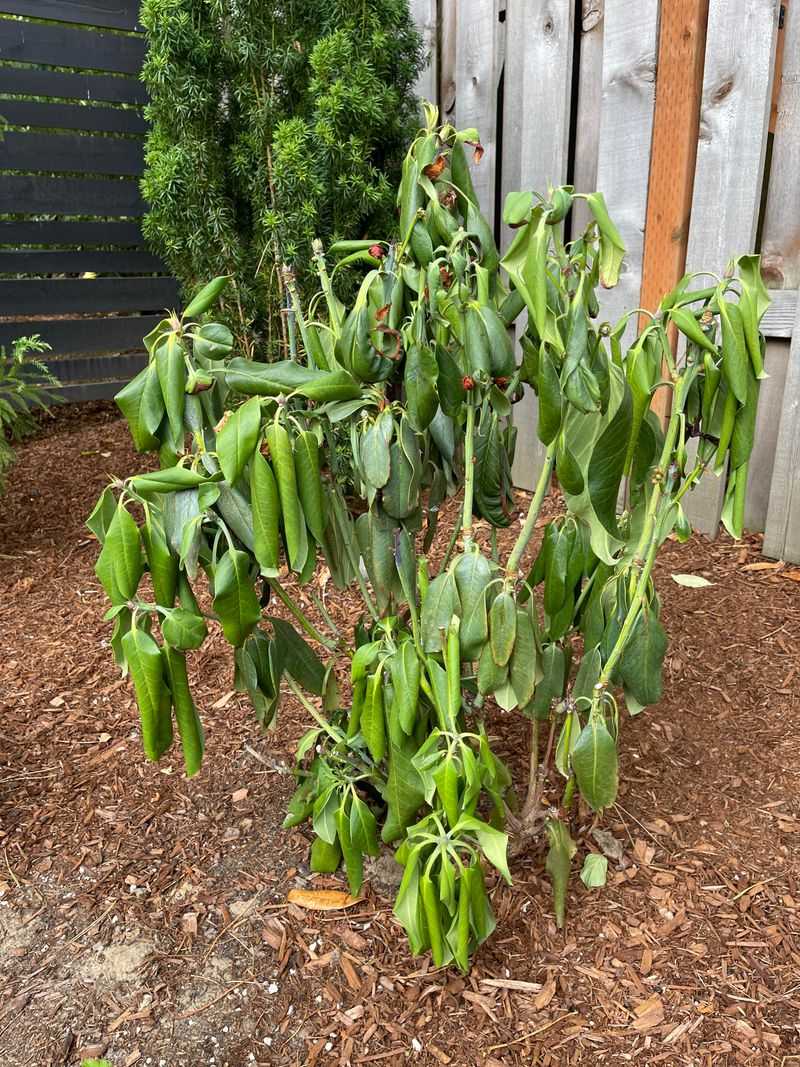
When the top layer of soil dries out in late summer, these roots are the first to feel it. Leaves may start to look dull, curl slightly at the edges, or droop a little, which are all signs the plant needs water right away.
Deep watering is still important even with shallow-rooted plants. The goal is to wet the soil evenly across the entire root zone, which can spread out several feet from the base of the plant.
Use a soaker hose or drip system and let it run slowly for at least 30 to 45 minutes. This gives the water time to soak in without running off.
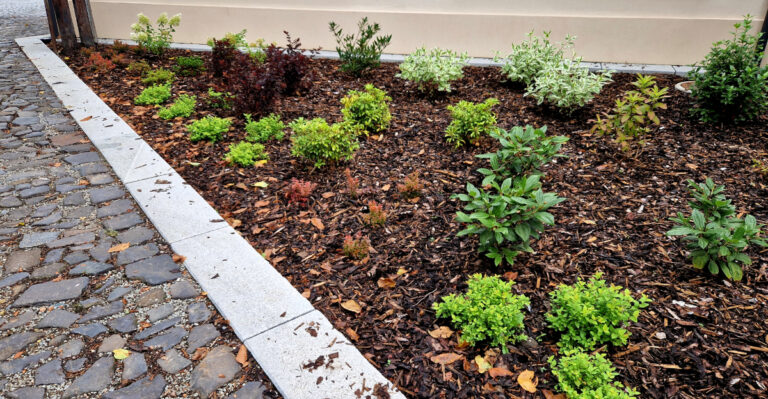
Adding a two to three inch layer of mulch around the base helps hold moisture in the soil longer. Wood chips or bark mulch work great.
Just keep the mulch a few inches away from the main stem to avoid rot. Water your rhododendrons at least once a week through September, more often if temperatures stay high.
2. Hydrangeas Can Dry Out Before Fall Rain Really Starts
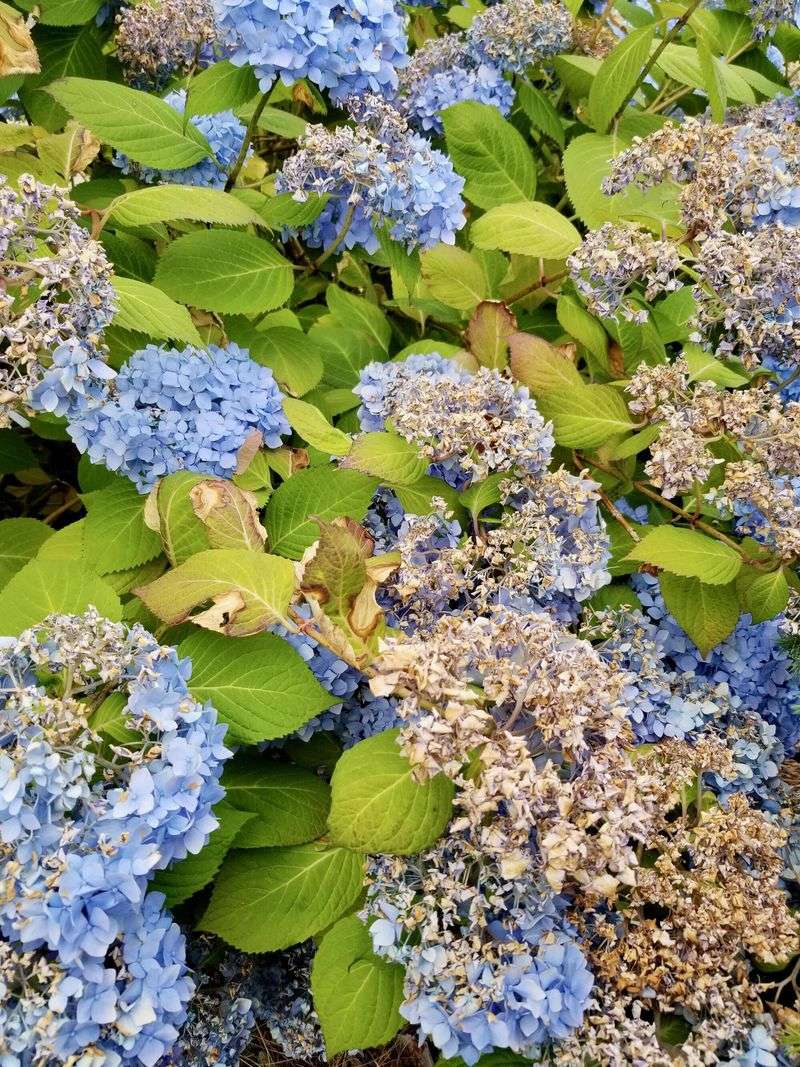
Hydrangeas are dramatic plants. When they are happy and well-watered, their blooms are full, colorful, and stunning.
When they are thirsty, they let you know fast. Leaves droop, flowers fade, and the whole plant can look sad within just a day or two of dry conditions.
Late summer is one of the trickiest times for hydrangeas. The soil dries out quickly in warm weather, and September can bring several more weeks of heat before rain returns.
Your Oregon Garden Changes Every Week. Your Plan Should Too.
Gardening in Oregon changes quickly throughout the season. Every Friday you’ll receive a simple weekly plan showing exactly what to plant, prune, fertilize, harvest, and protect so you never miss the right timing.
Many gardeners assume the worst is over after August, but hydrangeas can still struggle well into fall if watering stops too soon.
These shrubs need deep, consistent moisture to keep their roots healthy. Watering lightly and often is actually less helpful than watering deeply a few times each week.
Light watering only wets the surface and encourages roots to stay shallow. Deep watering pushes moisture further into the soil, which helps roots grow stronger and reach more water on their own.
Water at the base of the plant rather than overhead. Wetting the leaves can lead to mildew or fungal spots, especially when nights start cooling down in September.
Early morning is the best time to water so the soil can absorb moisture before the heat of the day.
Keep an eye on soil moisture by pressing your finger about an inch into the dirt. If it feels dry, it is time to water again.
3. Camellias Benefit From Steady Water While Buds Are Developing
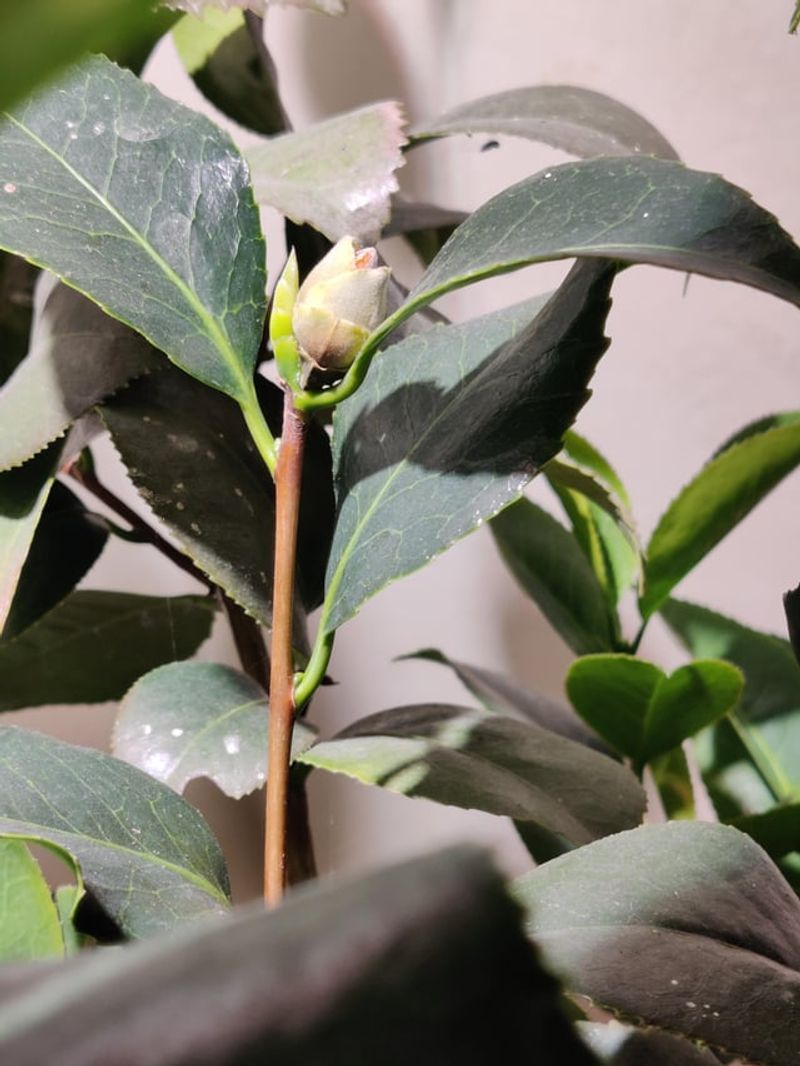
Here is something that surprises a lot of Oregon gardeners: camellias are quietly setting their flower buds right now.
While the rest of your yard is winding down for summer, camellias are doing important internal work that will determine how beautiful they look next spring or winter.
Bud development takes a lot of energy and moisture. If a camellia does not get enough water during this stage, buds can drop off before they ever open.
This is called bud drop, and it is one of the most frustrating things that can happen after waiting all year for those gorgeous blooms. The good news is that consistent watering through September can prevent it entirely.
Camellias prefer steady, even moisture rather than big gaps between watering. Letting the soil dry out completely and then flooding it with water causes stress.
Aim to keep the soil consistently moist but never soggy. A slow trickle from a soaker hose for 30 to 60 minutes works well.
These shrubs also appreciate a little shade during the hottest part of the day, which helps slow down how fast the soil dries out. If your camellia is in a sunny spot, check the soil more often during warm September days.
Mulching around the base is one of the easiest ways to keep moisture in the ground longer. Aim for two to four inches of organic mulch and refresh it if it has thinned out over summer.
4. Azaleas Still Need Attention During Warm September Days
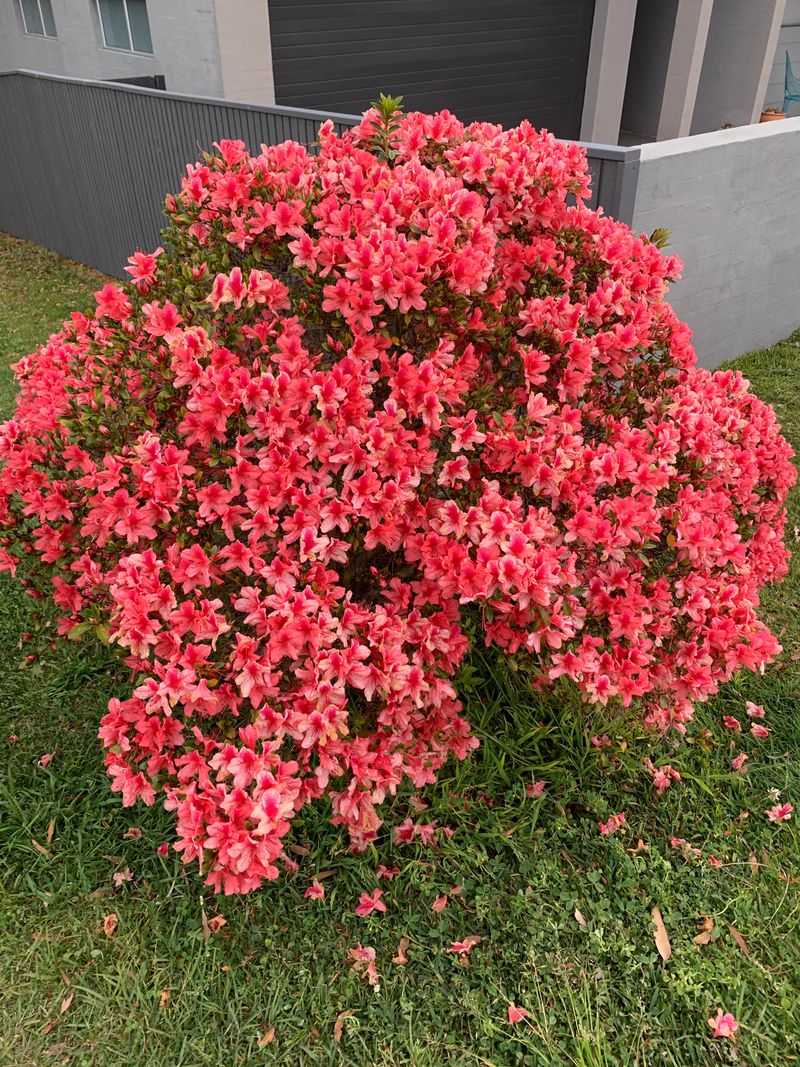
Azaleas and rhododendrons are close relatives, and they share a lot of the same needs. Both have shallow roots, both love consistent moisture, and both can suffer quickly when late summer heat dries out the top layer of soil.
September is not the time to ease up on watering these popular shrubs. One thing that makes azaleas a little tricky is that they do not always show stress right away.
By the time leaves start to look dry or curled, the roots may have already been struggling for days.
Getting ahead of the problem by watering on a regular schedule is smarter than waiting for visible signs of stress.
Most azaleas do best with about an inch of water per week during dry weather. In warm September conditions, you may need to water twice a week to keep the soil from drying out.
Always water slowly and deeply so moisture reaches the full root zone rather than just the surface.
Azaleas also love slightly acidic soil, and the right mulch can help with that. Pine needles or bark mulch from conifers work well around these plants. Mulch helps hold moisture in the soil and slowly adds a little acidity as it breaks down.
Keep the mulch layer about two to three inches thick and pulled a few inches away from the main stem. A well-mulched azalea needs less frequent watering and handles dry spells much better.
5. Blueberries Need Moisture Even After Harvest Ends
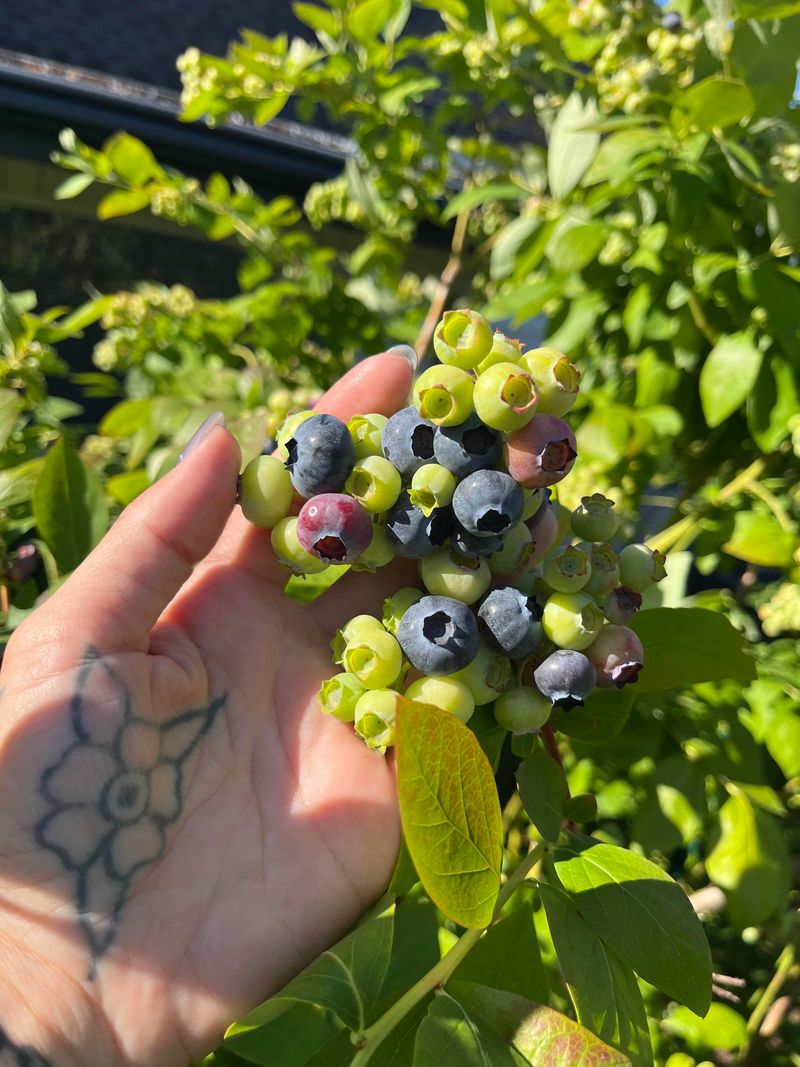
Most people stop thinking about their blueberry bushes once the last berry has been picked. Out of sight, out of mind.
But blueberries are still very much alive and active after harvest, and they need water to stay healthy going into fall.
Right after fruiting ends, blueberry bushes shift their energy toward root development and storing nutrients for next year. Without enough moisture, this process slows down.
Weak root growth now means fewer berries and less vigor next growing season. Keeping the soil moist through September gives the plant what it needs to recover and prepare for winter.
Blueberries have very fine, fibrous roots that are especially sensitive to dry soil. They do not have the thick, deep roots that help some plants handle drought.
A few days of dry soil can set them back more than you might expect. Check the soil around your blueberry bushes every two to three days during warm stretches in September.
Water slowly and evenly across the root zone, which can extend several feet out from the base of the plant. Drip irrigation works especially well for blueberries because it delivers water right where it is needed without wasting it.
Keep a two to four inch layer of acidic mulch like pine bark or sawdust around the base. This holds moisture in the soil and helps maintain the slightly acidic conditions blueberries need to stay productive and strong.
6. Newly Planted Shrubs Dry Out Faster Than Established Ones
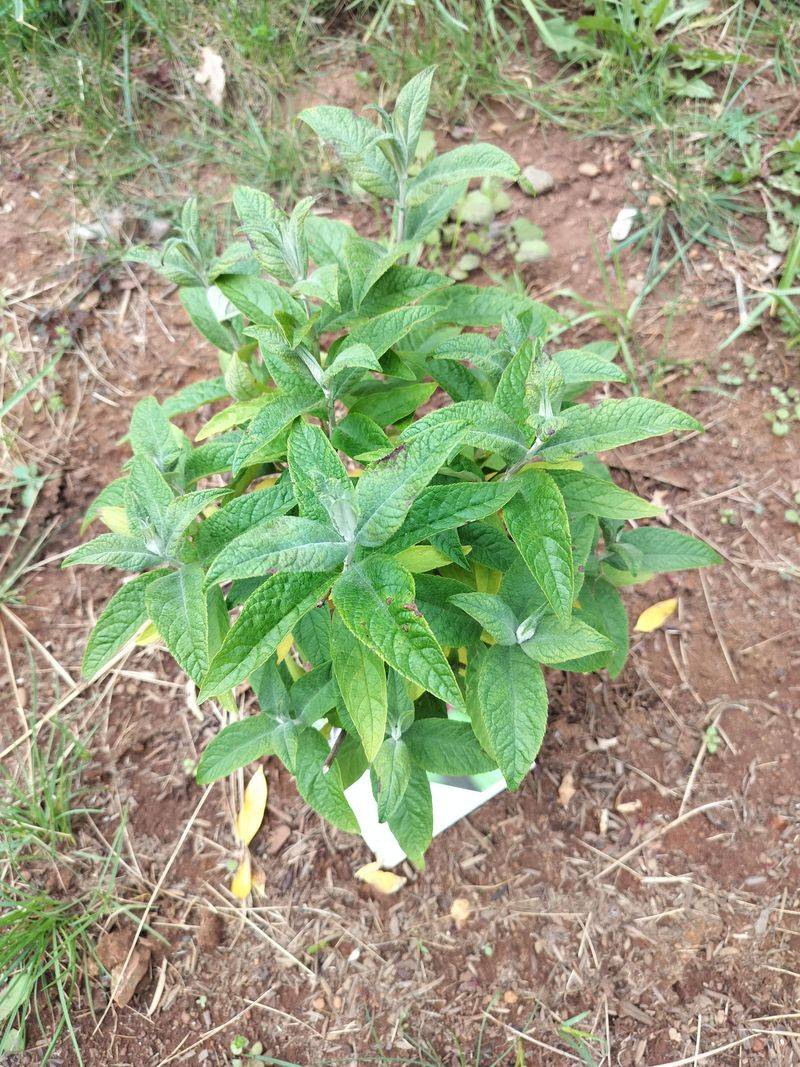
Planting a new shrub in late Oregon summer takes some courage, and it also takes commitment.
Any shrub planted within the last year is still working to establish its root system in the surrounding soil.
Until those roots spread out and anchor in, the plant depends almost entirely on you for water.
New shrubs do not have the deep or wide root systems that older, established plants have built up over years. Their roots are still confined to the original root ball and a small zone around it.
This means they can dry out in just a day or two during warm weather, even if the surrounding soil still feels slightly moist.
Check newly planted shrubs more often than anything else in your yard. Press your finger two inches into the soil right at the base of the plant.
If it feels dry at that depth, water right away. Do not wait for leaves to wilt. By the time wilting happens, the roots have already been stressed.
Water slowly and deeply each time, and do not rush the process. A slow trickle for 20 to 40 minutes is much better than a quick splash from the hose.
Surround the base of the shrub with a ring of mulch to hold moisture in and keep the soil temperature stable.
Newly planted shrubs in warm, sunny spots may need watering every other day through September. Consistent care now leads to strong, healthy growth next spring.
7. Evergreen Shrubs Keep Losing Water After Summer Ends
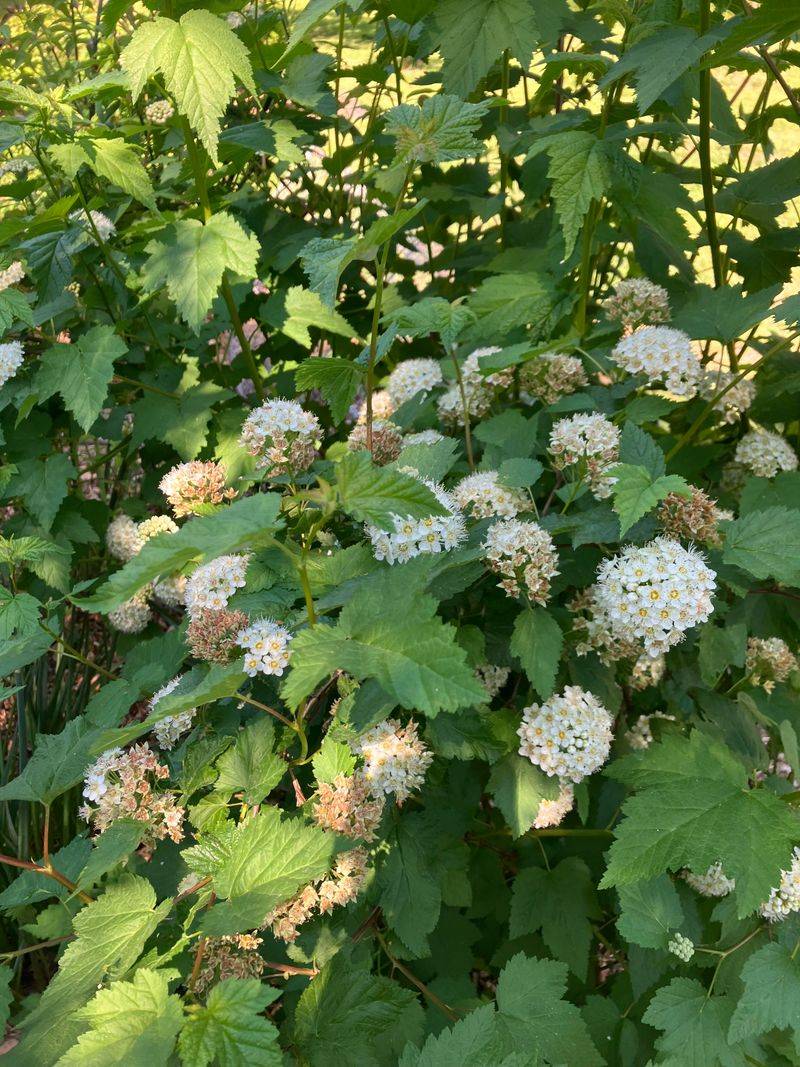
A common myth in gardening is that evergreen shrubs slow down in late summer and need less care. The truth is that evergreens never fully stop working.
Their leaves stay on year-round, which means they keep releasing moisture into the air through a process called transpiration, even when temperatures start to cool.
By the end of summer in Oregon, the soil in many yards is at its driest point of the whole year. Months of heat and low rainfall have pulled moisture deep out of the ground.
Evergreen shrubs are still drawing water up through their roots and releasing it through their leaves every single day. Without regular deep watering, they can become stressed heading into fall and winter.
Stressed evergreens may not show obvious signs right away. But over time, you might notice yellowing leaves, browning at the tips, or a general lack of luster in the foliage.
These are signs the plant has been running low on moisture for a while. September watering helps prevent these issues before they take hold.
Water evergreen shrubs deeply at least once a week through September. In warmer parts of the state, twice a week may be needed.
Use a soaker hose or drip system and let it run long enough to wet the soil six to eight inches deep. Check moisture levels by pushing a garden trowel or stick into the soil near the root zone.
Consistent moisture now sets evergreens up for a healthier, stronger fall and winter season ahead.