The Illinois Lawn Damage That Turns Green To Brown In Under 48 Hours
Your lawn can look flawless at sunrise, yet that calm can vanish by evening without any warning. Illinois yards are proving this all season, as patches shift color almost overnight and catch homeowners like you off guard.
Because the shift happens that fast, you might assume the weather is to blame, though that explanation rarely holds. Something invisible is already moving through your grass, and lawns across Illinois show just how easily that goes unnoticed.
Underneath every blade, that process keeps advancing toward the next patch of your turf without slowing down. Roots weaken quietly while the surface above still looks intact, which is exactly why you might not catch it in time.
You won’t recognize your yard by tomorrow unless you know exactly what’s advancing through it right now.
Fall Armyworms And The Speed Of Their Damage
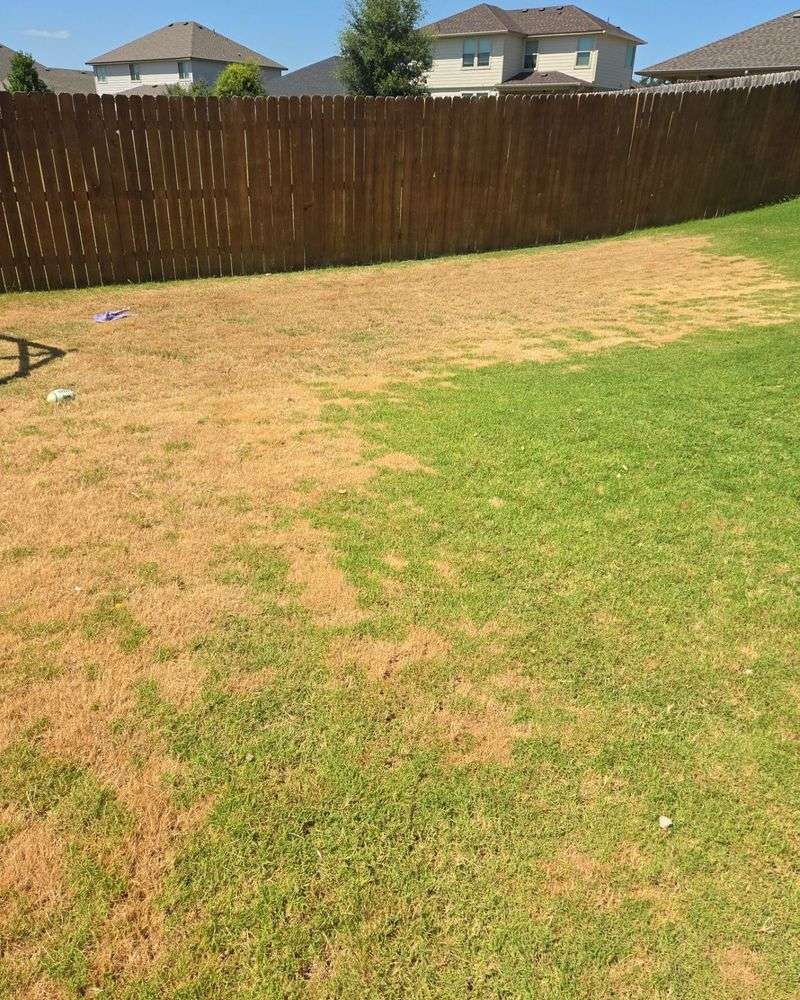
Your lawn can go from lush green to brown in less than two days. That is not an exaggeration when fall armyworms move in as a group.
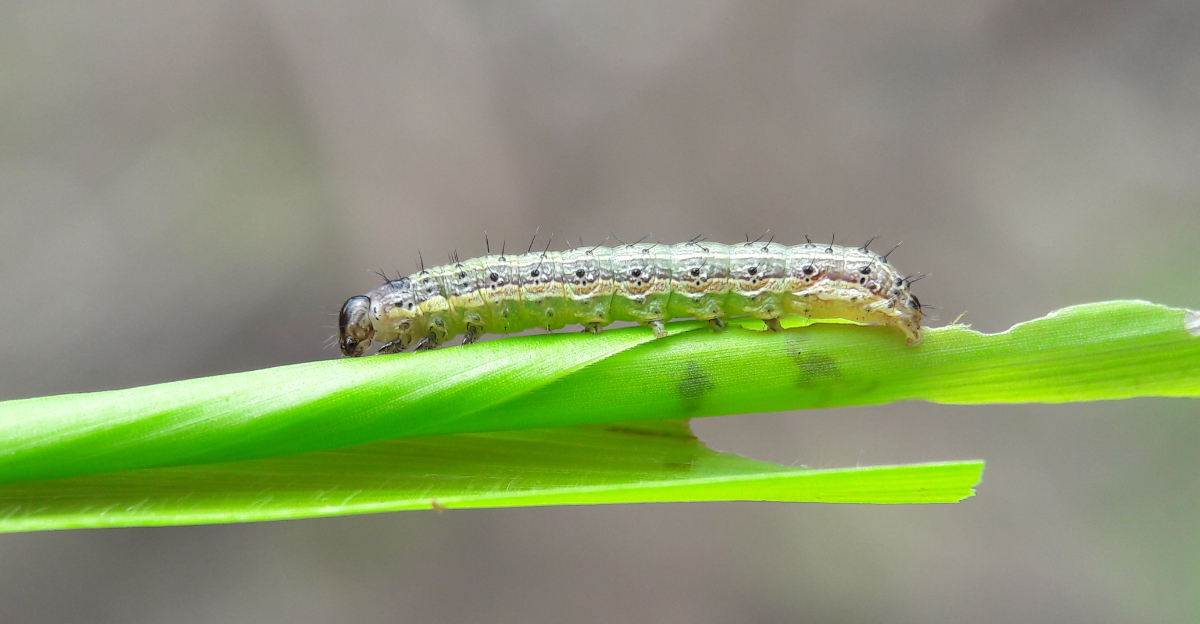
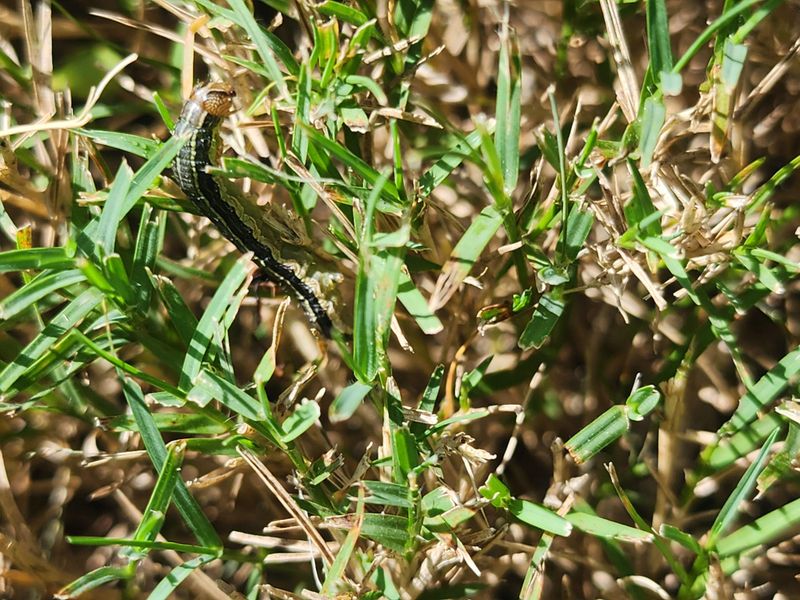
Fall armyworms are caterpillars that hatch by the hundreds in a single patch of turf. They feed aggressively, chewing grass blades right down to the soil surface.
One generation of armyworms can strip a lawn bare before most homeowners even notice anything is wrong. Their feeding happens mostly at night, which makes the damage seem to appear out of nowhere.
This kind of rapid browning in Illinois lawns is almost always tied to a large armyworm population. Warm late-summer temperatures speed up their feeding cycle dramatically.
Armyworms do not just nibble. They consume entire sections of turf in a coordinated wave, moving from one area to the next like a slow-rolling storm.
Cool-season grasses like tall fescue and Kentucky bluegrass can also take damage in late August and September. Those are peak months for armyworm activity across the state.
Younger caterpillars cause light surface feeding at first. By the time they reach their final growth stage, they are eating at full speed and the damage becomes impossible to ignore.
Catching an infestation early is the only way to limit how much turf you lose. Speed matters more than almost anything else when armyworms arrive.
The Soap Test That Confirms Them In Your Turf
You suspect something is eating your lawn, but you cannot see any bugs. The soap flush test fixes that problem fast.
Mix two tablespoons of plain dish soap into one gallon of water. Pour the mixture slowly over a one-square-foot section of damaged turf.
Within a few minutes, armyworm caterpillars will wiggle up to the surface to escape the irritation. Seeing even three or four caterpillars per square foot confirms you have an active infestation.
This simple test costs almost nothing and gives you a clear answer in under ten minutes. No guessing, no second-guessing yourself.
The best time to run the test is in the early morning or late evening. Caterpillars retreat deep into the thatch during the hottest part of the day.
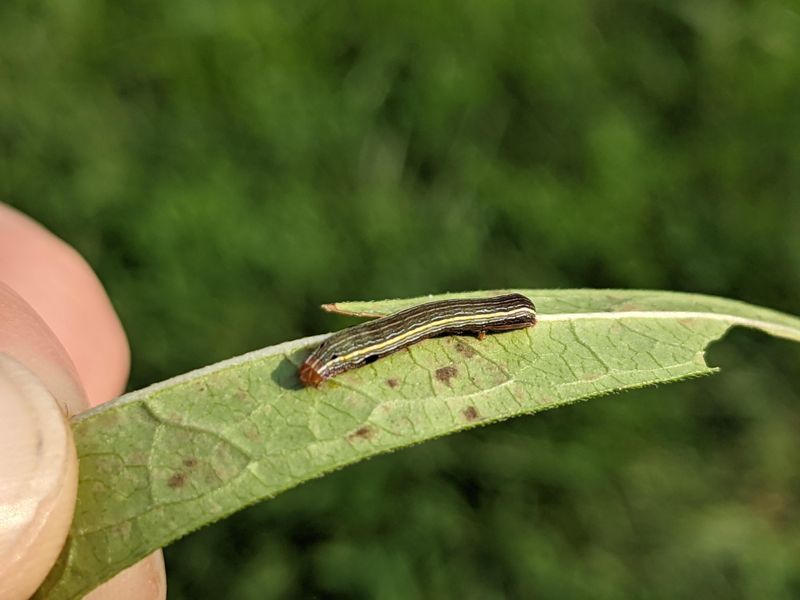
Look for caterpillars that are greenish-brown with a pale stripe running along each side of their body. A faint inverted Y-shape on the head is a classic armyworm identifier.
Your Illinois Garden Changes Every Week. Your Plan Should Too.
Gardening in Illinois changes quickly throughout the season. Every Friday you’ll receive a simple weekly plan showing exactly what to plant, prune, fertilize, harvest, and protect so you never miss the right timing.
If you do the soap flush and nothing surfaces, drought stress or another issue may be causing your brown patches. That distinction matters because the treatment approach changes entirely.
Do the test in at least two or three different spots around your lawn. Armyworm populations are not always evenly spread across a yard.
Confirming the pest before you treat saves you money and protects beneficial insects in your soil. A correct diagnosis leads to a smarter solution.
Damage Patterns That Separate Armyworms From Drought Stress
Brown grass does not always mean the same thing. Knowing the difference between armyworm damage and drought stress saves you from treating the wrong problem.
Drought stress tends to brown out evenly across a lawn. The color change is gradual and follows sun exposure patterns, with shady spots staying greener longer.
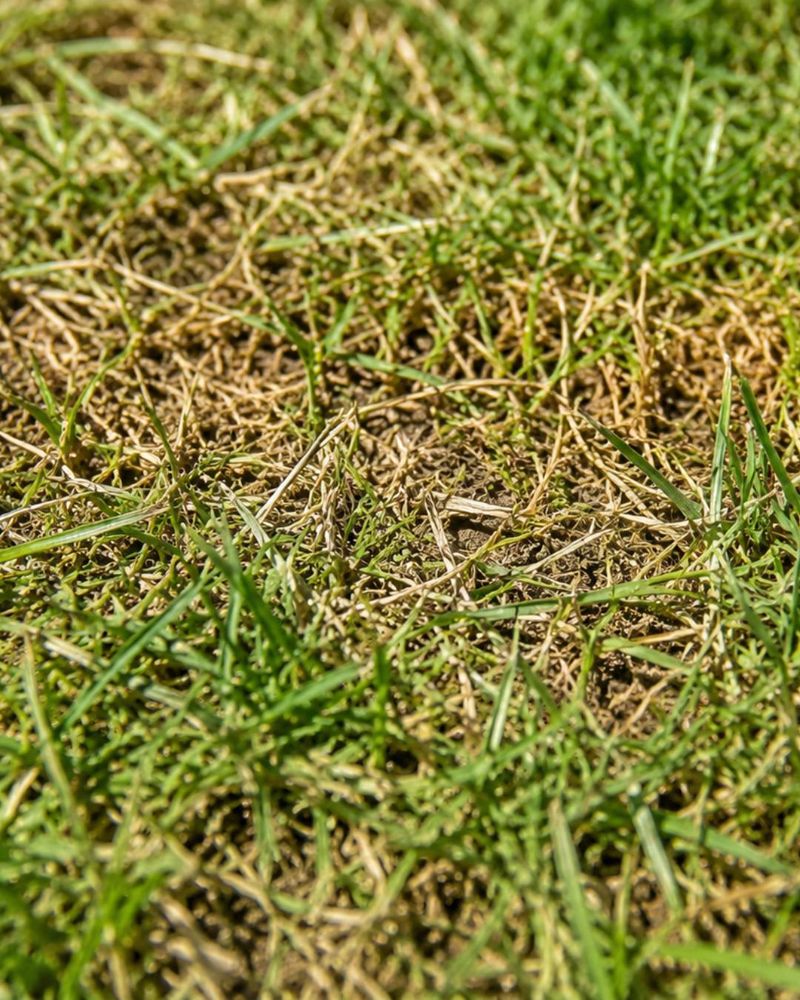
Armyworm damage looks completely different up close. You will see ragged, chewed grass blades rather than dried-out ones, and the edges of damaged patches are often irregular and spreading.
Another key clue is how fast the browning spreads. Drought stress creeps along slowly over days or weeks.
Armyworm damage can double in size overnight. If a brown patch seems to grow by morning, bugs are far more likely than dry weather.
Check the soil moisture under a brown patch. If the soil feels damp but the grass is still fading, drought is not your problem.
Birds are another reliable clue. Flocks of starlings, robins, or grackles pecking aggressively at your lawn signal that something tasty is living just under the surface.
Drought-stressed grass also tends to pull back slightly from the soil but stays rooted, while armyworm-damaged blades look chewed and ragged rather than simply dried out.
Treatment Options For An Active Infestation
Speed is everything once you confirm an active armyworm infestation. Waiting even one extra day can mean losing another large section of turf.
Spinosad-based insecticides are a popular organic option that works well on young caterpillars. Products containing spinosad are widely available at garden centers and are considered lower-risk for beneficial insects.
For faster knockdown on larger caterpillars, pyrethroid-based products like bifenthrin or lambda-cyhalothrin are highly effective. These are synthetic options that work within hours of application.
Apply any treatment in the late afternoon or early evening for best results. Armyworms feed most actively after the sun goes down, so timing your spray gives the product maximum contact.
Mow your lawn before treating if the grass is tall. A shorter canopy allows the insecticide to reach the soil surface where caterpillars hide during daylight hours.
Water the lawn lightly after applying granular insecticide products. Moisture helps activate granules and moves the active ingredient into the thatch layer where armyworms live.
Avoid heavy watering right after a liquid spray application. Runoff reduces effectiveness and can carry the product away from the target area.
Check the treated area again after 48 hours. If caterpillars are still active, a second application may be needed depending on the product label instructions.
Read the full label before applying any pesticide. Following label directions protects your lawn, your family, and the surrounding environment.
Watering And Feeding A Scalped Lawn Back To Green
Once the caterpillars are gone, your lawn is exhausted and stressed. Most turf can bounce back with the right care routine.
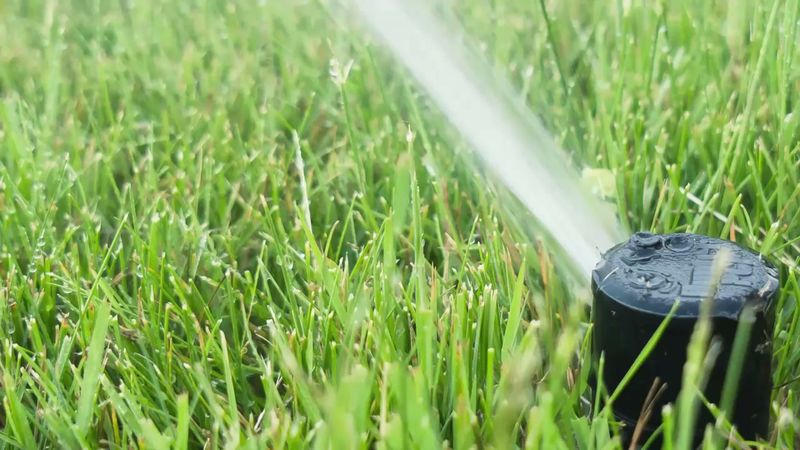
Start by giving your lawn a deep watering session right after treatment. Aim for about one inch of water to help roots begin recovering from the stress of feeding damage.
Avoid letting the surface dry out completely during recovery. Consistent moisture encourages new blade growth from the crown of the grass plant.
Hold off on fertilizing for at least one week after the infestation ends. Pushing growth too fast on stressed grass can actually make recovery slower and weaker.
When you are ready to feed, choose a balanced starter fertilizer with a moderate nitrogen level. High-nitrogen products can burn weakened roots that are already struggling.
Mow lightly during recovery and keep your blade height at the higher end of the recommended range. Taller grass holds moisture better and puts less strain on recovering plants.
Avoid foot traffic on damaged areas as much as possible for the first two weeks. Compaction slows regrowth and makes it harder for new shoots to push through the soil.
Most cool-season grasses in the midwest show visible recovery within ten to fourteen days with proper care. Patience and consistency are your most powerful tools at this stage.
This kind of rapid lawn damage can be reversed. Steady care after treatment makes all the difference in how fast your yard returns.
The Seeding Window Illinois Homeowners Still Have Left
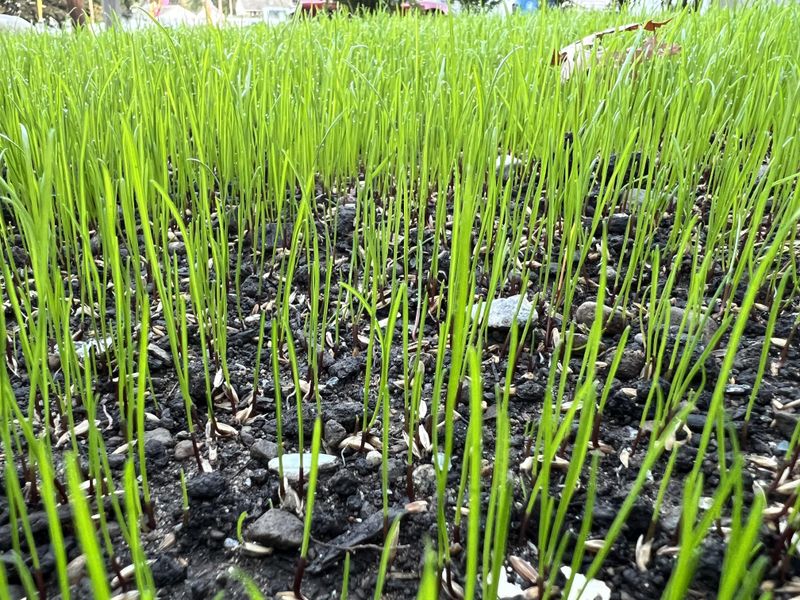
Some lawns take too much damage to recover on their own before winter arrives. That is where overseeding becomes your best friend in early fall.
The ideal seeding window for cool-season grasses in the state runs from late August through mid-October. Soil temperatures during that stretch are warm enough to support fast germination.
After mid-October, nighttime temperatures drop too low for reliable seed establishment. Getting seed down before that cutoff gives new grass the best possible start.
Choose a quality tall fescue or bluegrass blend that matches your existing turf type. Consistent grass varieties look better together and recover more uniformly after stress events.
Prepare damaged areas by raking out dry material and loosening the top quarter-inch of soil. Good seed-to-soil contact is the single most important factor for successful germination.
Spread seed at the recommended overseeding rate listed on the bag. Using too little seed leaves gaps, while too much creates overcrowded seedlings that compete for resources.
Keep the seeded area consistently moist for the first two to three weeks. Light, frequent watering is better than deep infrequent sessions until the seed fully germinates.
Avoid applying pre-emergent herbicides in seeded areas. Those products prevent germination and will stop your new grass seed from sprouting.
Homeowners who act fast can still finish the season with a full, healthy yard. The window is open, but it will not stay that way for long.