Why North Carolina Gardeners Test Soil pH Before Planting Fall Blueberries
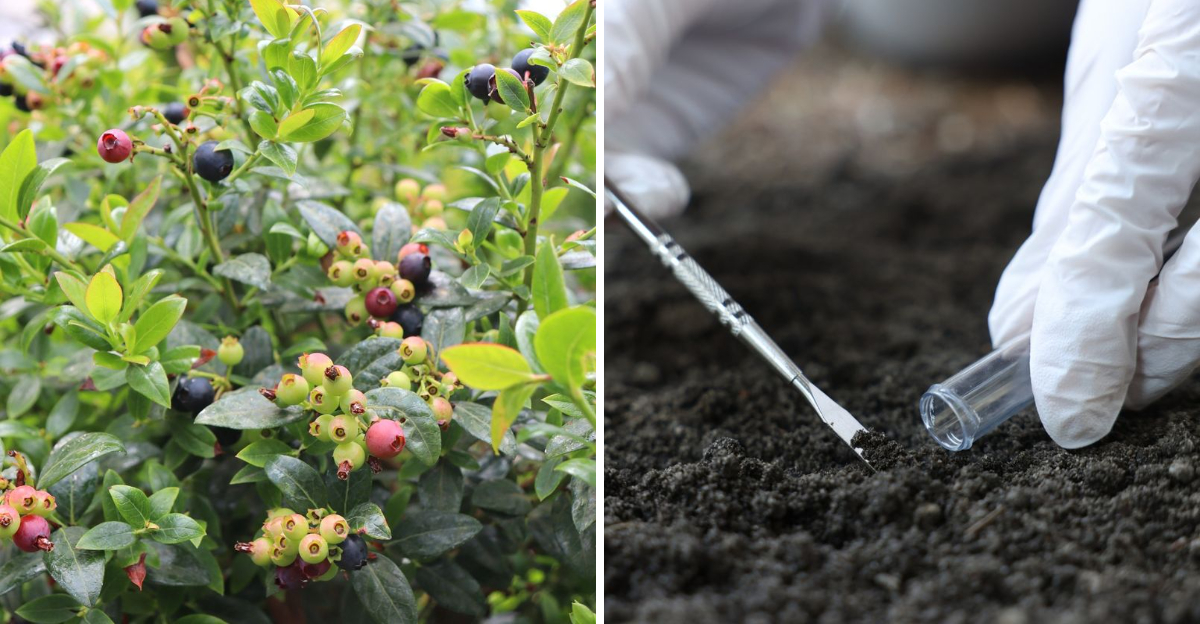
Blueberries have a well earned reputation for being particular about soil, and North Carolina gardeners who skip one specific step before fall planting often end up disappointed by the results.
Most people assume any decent garden soil will work just fine, only adding amendments after problems already show up in the plants themselves.
But testing soil ahead of time reveals something crucial that determines whether blueberries will actually thrive or struggle right from the very start.
Understanding why this specific test matters so much changes how you should approach fall blueberry planting from this point forward.
Many gardeners only discover the importance of this step after already dealing with stunted, unproductive bushes. Once you know what to check before you ever put a single plant in the ground, success becomes far more likely.
This simple step now could be the difference between thriving blueberry bushes and years of frustrating troubleshooting.
1. Blueberries Need Much More Acidic Soil
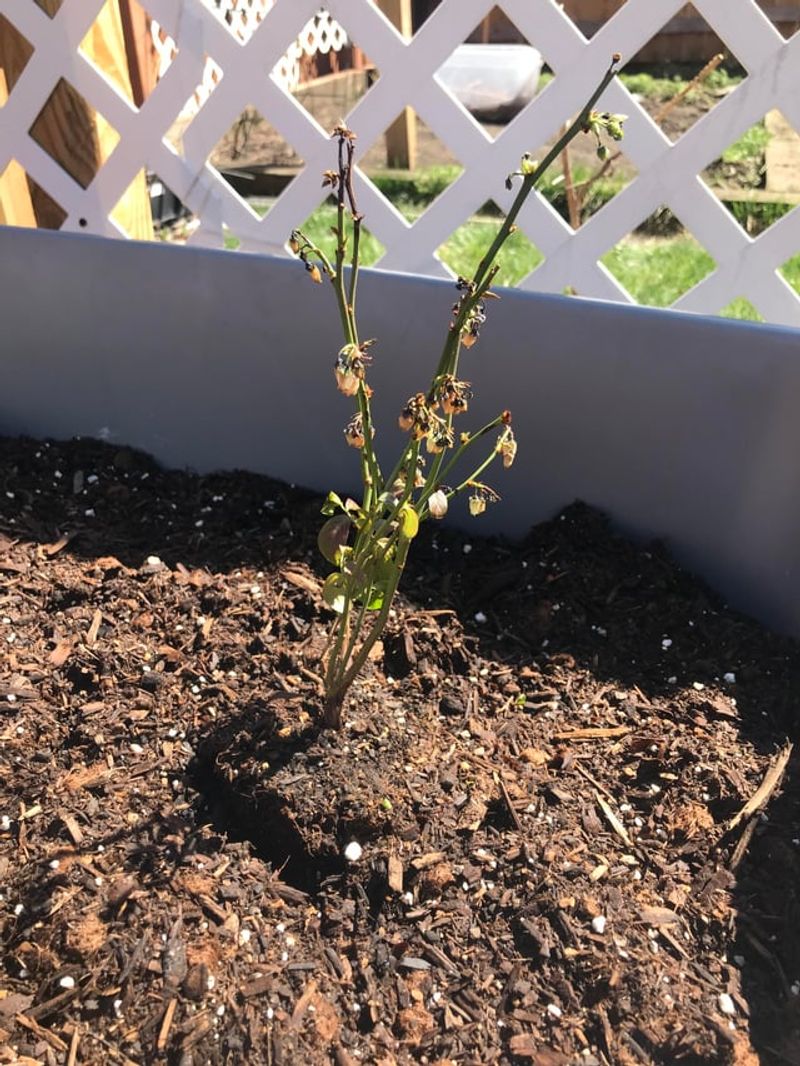
Most plants in a North Carolina garden feel right at home in soil that sits somewhere near neutral, around a pH of 6.0 to 7.0. Blueberries play by a different set of rules. They crave soil that is much more acidic, ideally between 4.5 and 5.0.
That gap might seem small on paper, but to a blueberry root it makes a world of difference. Their roots are shallow and delicate, and they evolved in woodland spots with plenty of natural acid from fallen leaves and pine needles.
When the soil matches what they love, blueberries can pull nutrients out of the ground easily. Iron, manganese, and other minerals stay available and ready to use.
That means stronger stems, greener leaves, and more of those plump berries you are hoping for.
Vegetables like tomatoes or beans would struggle in soil this sour, which is why you cannot just plant blueberries wherever there is open space. They really do want their own special corner.
Testing first tells you exactly where your soil stands. If the number reads too high, you know right away that some work is needed before planting day.
Fall is a popular time to plant in North Carolina, and knowing your starting pH gives you a clear head start. Instead of guessing and hoping, you set your bushes up for a successful season.
A little curiosity about that acid level goes a long way toward a happy blueberry patch.
2. High pH Can Turn The Leaves Yellow
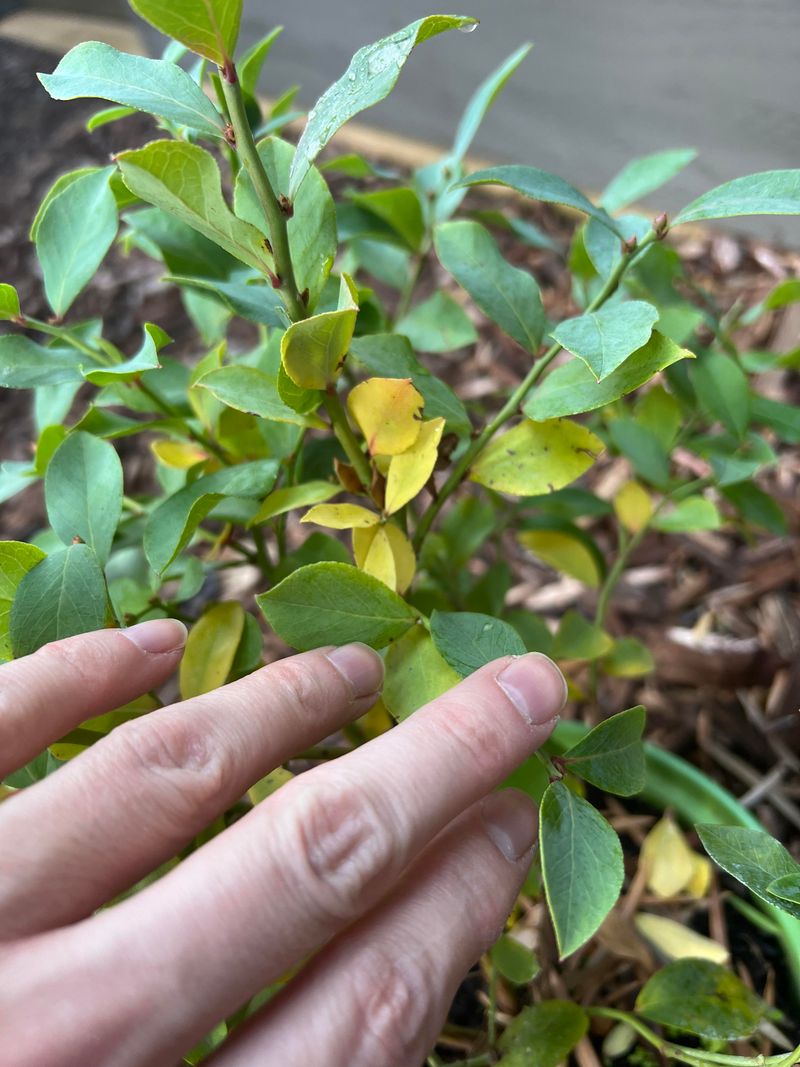
Picture a blueberry bush with leaves fading from bright green to a sickly yellow, while the veins stay dark. That sad look has a name: chlorosis. It usually shows up when the soil is not acidic enough.
When pH climbs too high, certain nutrients get locked away in the ground where roots cannot reach them. Iron is the big one. Even if plenty of iron sits in the soil, a high pH keeps it stuck and unavailable.
Without enough iron, blueberry leaves cannot make the green color they need to soak up sunlight. Growth slows, the plant looks weak, and berry production drops off. It is a frustrating sight for any gardener who worked hard on the planting.
Your North Carolina Garden Changes Every Week. Your Plan Should Too.
Gardening in North Carolina changes quickly throughout the season. Every Friday you’ll receive a simple weekly plan showing exactly what to plant, prune, fertilize, harvest, and protect so you never miss the right timing.
The tricky part is that yellow leaves can fool you. Many people assume the plant needs more fertilizer, so they add nutrients that never fix the real problem. The soil pH was the issue all along.
A soil test clears up the mystery before it ever begins. By checking the number ahead of time, you spot the risk early and adjust the soil so nutrients flow freely.
Healthy blueberries reward you with rich green foliage and steady growth. That green is a sign the roots are drinking up everything they need.
Catching a pH problem before planting saves you from watching a bush struggle later. It is far easier to fix the soil in an empty bed than to rescue a plant that is already fighting to survive.
3. A Soil Test Shows Whether Sulfur Is Needed
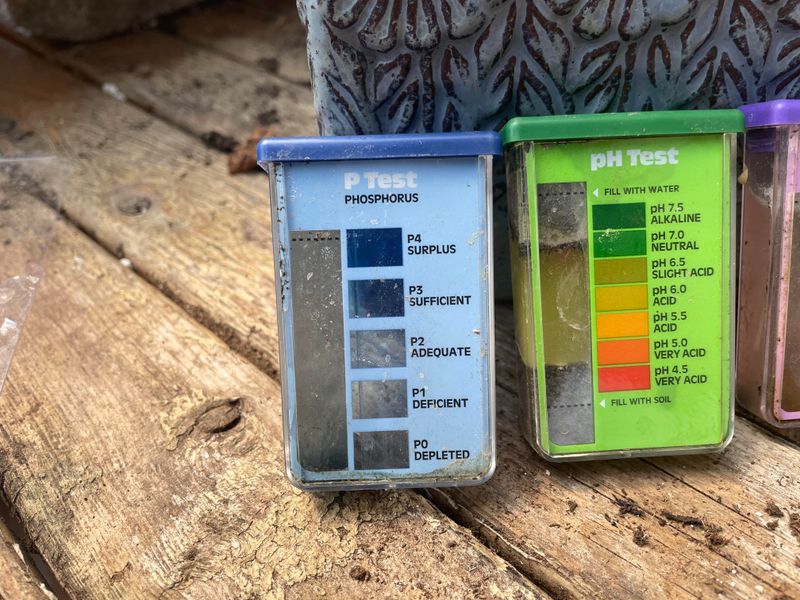
Guessing about soil is a bit like baking without measuring. You might get lucky, but odds are the results will not turn out right. That is exactly why a soil test matters so much before you reach for the sulfur bag.
Sulfur is the most common amendment used to make soil more acidic. It works well, but only in the right amount. Too little does nothing helpful, and too much can push the soil too far in the other direction.
A soil test tells you your starting number and how far you need to go. Armed with that, you can figure out how much sulfur to add instead of tossing in a random scoop and hoping for the best.
Many North Carolina gardeners send samples to the state agriculture lab, which offers testing at little or no cost during much of the year. The report comes back with clear numbers and often simple advice.
Skipping this step is like driving to a new place without checking a map. You may wander around and waste time, money, and effort.
With test results in hand, you become the boss of your own garden. You know precisely what the soil needs and can plan your fall planting with confidence.
That kind of knowledge feels good. Instead of crossing your fingers, you make choices backed by real facts.
Your blueberries get the exact conditions they crave, and you avoid the headache of fixing mistakes down the road.
4. Lowering pH Takes Time
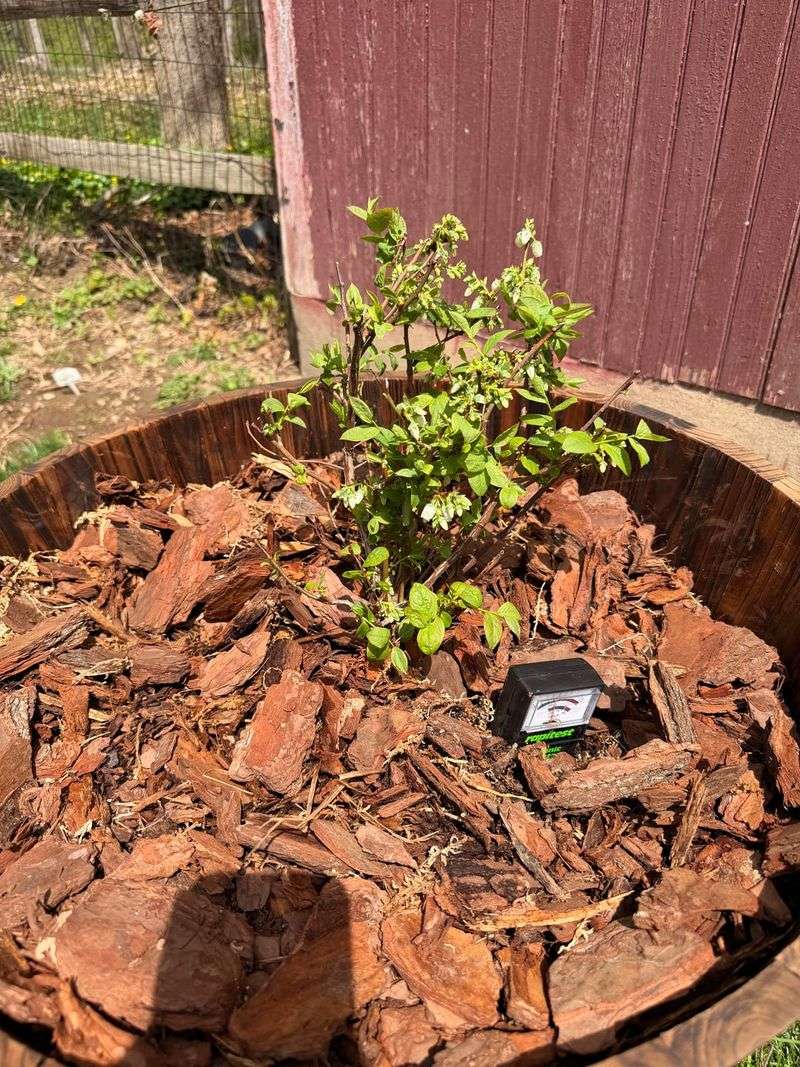
Here is a surprise that catches a lot of new gardeners off guard: sulfur does not change soil overnight. It takes weeks, sometimes months, to do its job. Patience really is part of the plan.
The reason is that sulfur needs tiny soil microbes to break it down. Those helpers turn it into acid that slowly lowers the pH. Warm, moist soil speeds things up, while cold ground slows the whole process to a crawl.
Because of this delay, adding sulfur the same day you plant will not help your bushes right away. The change simply cannot happen that fast.
Testing your soil early gives you the gift of time. If your report shows the pH is too high, you can spread sulfur weeks or even months before planting day. That way the soil is ready when your blueberries arrive.
Many North Carolina gardeners test in late summer so their beds are prepared by fall. Others plan even further ahead, adjusting the soil in spring for a fall planting.
Rushing this step usually leads to disappointment. Freshly added sulfur cannot rescue a plant sitting in soil that is still too sweet.
Think of preparing the bed like letting bread dough rise. You cannot hurry it, but the wait is worth it.
Give the soil enough time to shift, and your blueberries settle into a home that already feels perfect. A little planning now means less worry later, and it sets the stage for a strong start.
5. Clay Soil Needs A Different Amount Of Sulfur
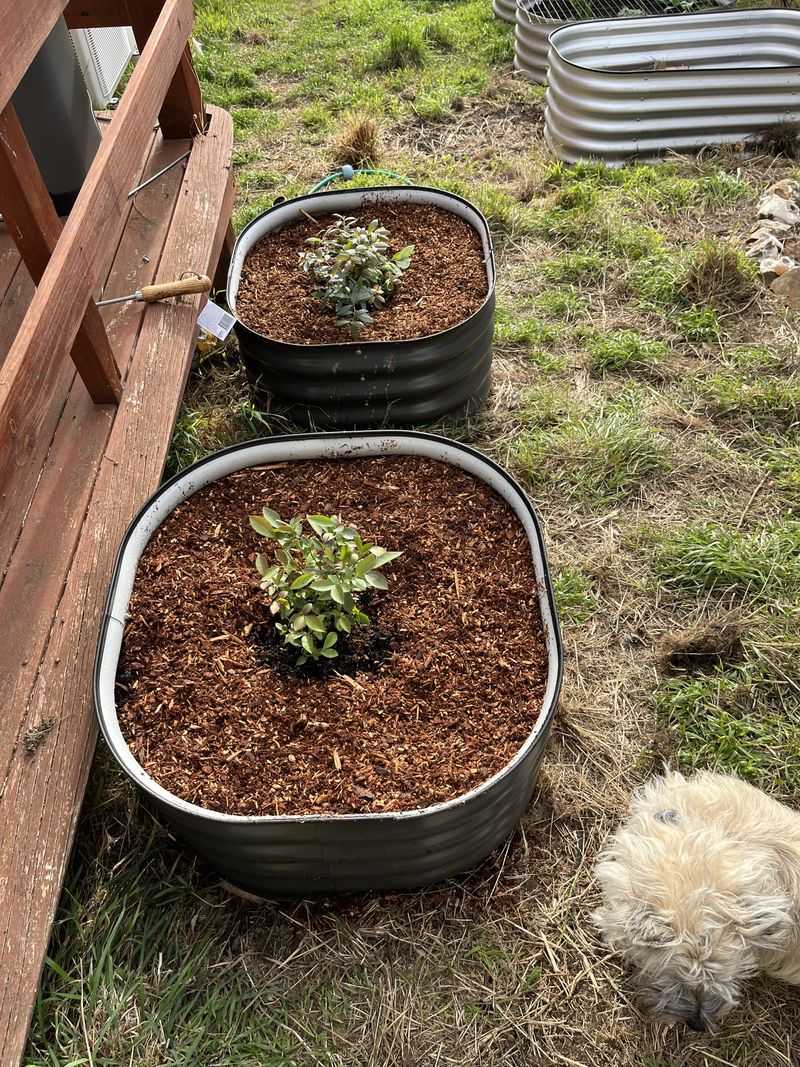
Not all dirt behaves the same way, and that truth matters a lot when you are adjusting pH. Heavy clay soil and light sandy soil react very differently to the same scoop of sulfur.
North Carolina has plenty of thick, reddish clay, especially in the Piedmont region. Clay holds tightly to its chemistry, so it resists changes in pH. To shift it, you need a larger amount of sulfur.
Sandy soil, common closer to the coast, is looser and changes more easily. A smaller amount of sulfur can move its pH quite a bit.
This is why one neighbor’s recipe might flop in your own yard. If you copy their sulfur amount but have heavier soil, the change may fall short. Copy it with sandy soil and you might overdo it.
A soil test often includes clues about your soil texture, or you can do a simple jar test at home to see how much clay, silt, and sand you have. Knowing your soil type helps you use the right amount.
Getting this balance correct saves both money and effort. There is no reason to buy extra sulfur you do not need, and no reason to waste a season with soil that never reached the right level.
When you match your sulfur to your soil, the pH lands where blueberries love it. Your bushes settle in comfortably, roots spreading through soil that finally feels just right for a productive, berry-filled future.
6. Blueberry Types Have Slightly Different Limits
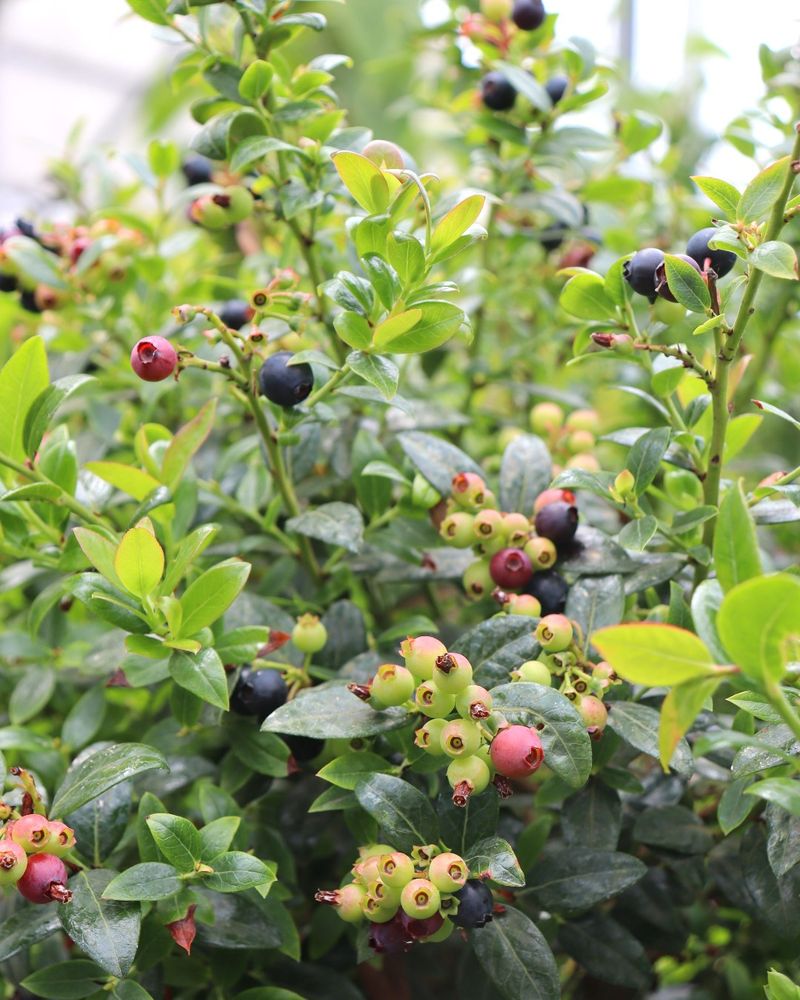
Blueberries come in more than one kind, and each type has its own comfort zone. Knowing which one you are planting makes a real difference for your soil plan.
Highbush blueberries are the classic choice in cooler areas and parts of North Carolina. They prefer a fairly narrow pH range, usually right around 4.5 to 5.0. They can be a bit fussy if the soil drifts outside that sweet spot.
Rabbiteye blueberries, on the other hand, are southern favorites built for warm weather. They handle a slightly wider range and tolerate soil that is a touch less acidic. Many local gardeners love them because they are tough and forgiving.
Because these two types have different limits, testing your soil helps you match the right plant to your ground. If your soil is only mildly acidic, a rabbiteye may settle in more easily than a highbush.
Planting the wrong type for your soil can lead to slow growth and small harvests. But pairing the right variety with the right conditions sets you up for baskets full of berries.
Before buying plants, it helps to know your soil number and your chosen variety. Then you can adjust the bed to fit or pick a type that already suits your yard.
Fun fact: rabbiteye blueberries got their name because the berries turn a soft pink, like a bunny’s eye, before they ripen to blue. Choosing wisely keeps your patch happy for years to come.
7. Testing Can Prevent Overcorrecting The Soil
More is not always better, and blueberry soil is a perfect example. While these bushes love acid, pushing the pH too low can cause just as much trouble as soil that is too sweet.
When soil turns overly acidic, some minerals become too available. Elements like aluminum and manganese can build up to harmful levels and stress the roots. Instead of thriving, the plant starts to struggle.
Gardeners who add acidifiers without testing sometimes overshoot the target. They keep pouring on sulfur or other products, thinking they are helping, when they have actually gone too far.
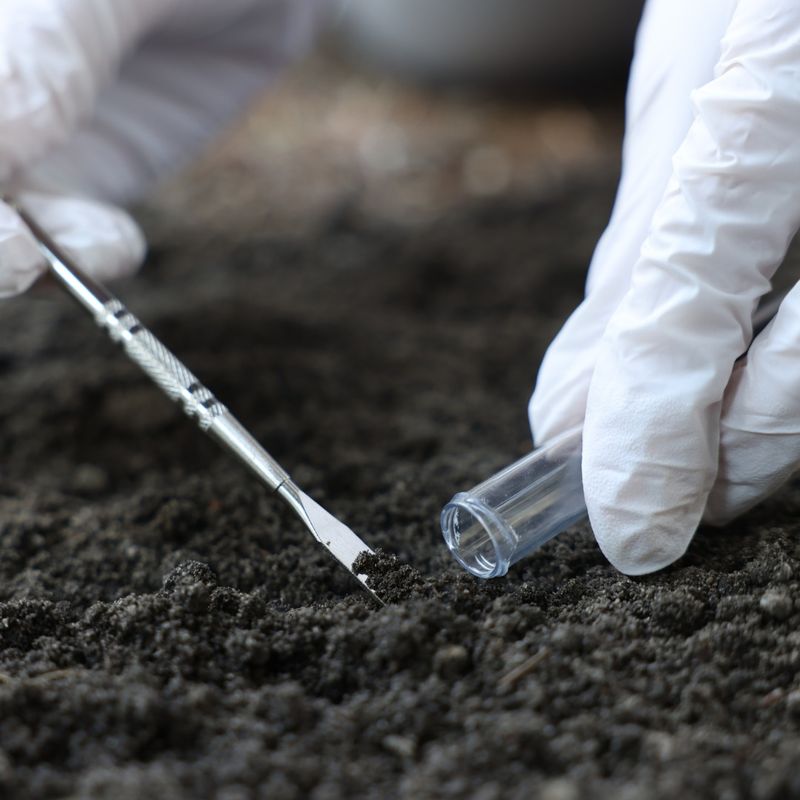
A soil test acts like a safety guardrail. It shows your current level so you can make small, measured changes instead of wild guesses. You add just enough and no more.
Retesting after a few months is also smart. It confirms whether the soil reached the goal or needs a little nudge. That check keeps you from accidentally overdoing it.
Think of it like seasoning a pot of soup. A pinch of salt improves the flavor, but dumping in the whole shaker ruins the whole thing. You can always add more, yet fixing an overcorrection is far harder.
By testing and adjusting carefully, you find that sweet middle zone where blueberries truly flourish. The roots stay healthy, the leaves stay green, and the harvest stays generous.
A measured approach protects your plants and your hard work. In the end, careful testing turns guesswork into a reliable, berry-filled reward every single season.