A Native Treasure Blooms In Louisiana And Almost Nowhere Else In The World
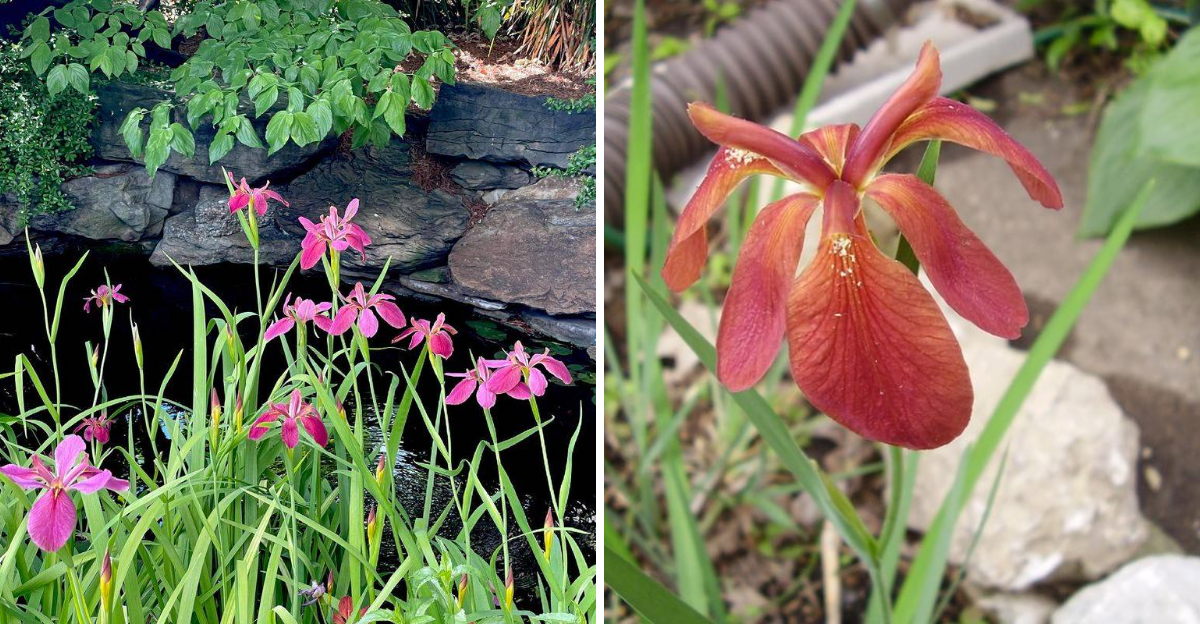
Hidden in Louisiana’s marshes grows a flower almost nobody knows. Few outside the state have ever truly seen it bloom. You could walk right past this wild bloom and never notice it.
This bloom ranks among the rarest wildflowers in North America. Deep red petals rise from flooded prairie soil each spring. Botanists travel long distances just to witness this single bloom.
Louisiana holds nearly the entire wild population within its borders. Development and shifting water levels have already reshaped its habitat. Scientists quietly worry this bloom could disappear within your lifetime.
No other native plant carries this much mystery and meaning. Locals keep its exact hidden location a closely held secret. Every remaining patch feels like a small, quiet triumph.
Something rare and fragile still clings to this ground. Time is quietly running out for this elusive bloom. Turn away now, and you may never understand why this matters.
A Rare Bloom Found Nowhere Else On Earth
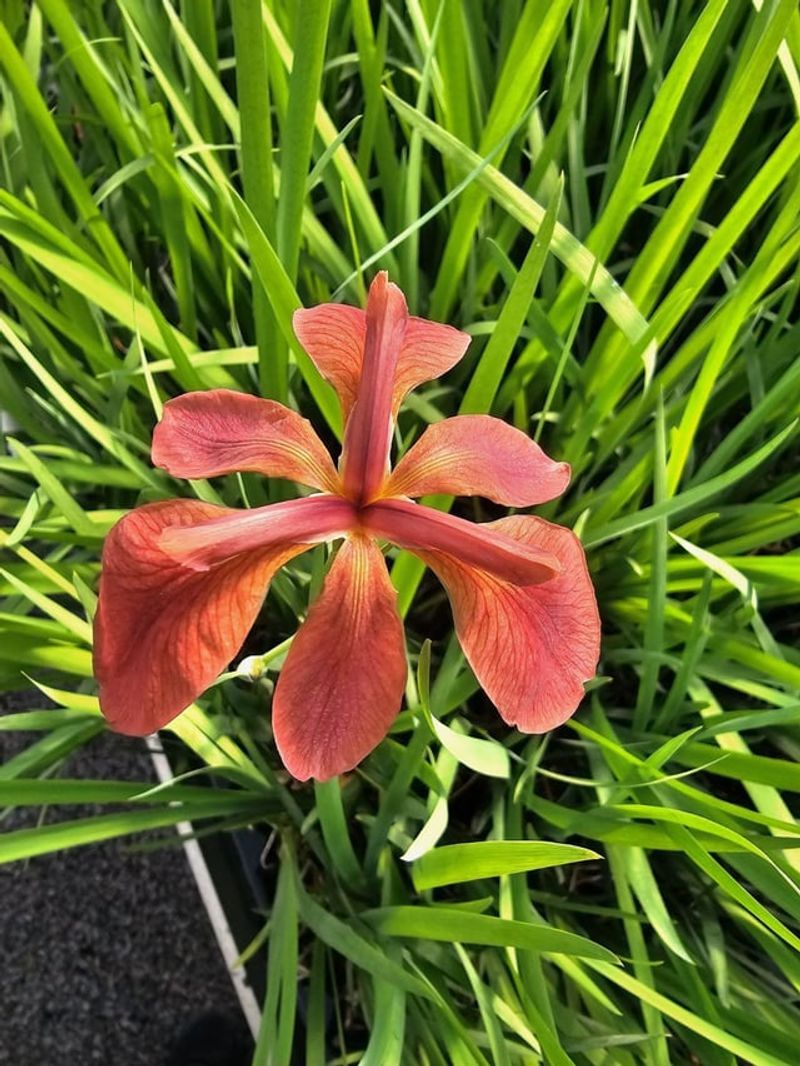
Picture a flower so rare that scientists once feared it was gone for good. The Abbeville Red Iris is that flower, and its comeback story is one of the most surprising in American botany.
Known scientifically as Iris nelsonii, this species grows wild in only one confirmed natural location on Earth. That single spot sits deep in the freshwater marshes near Vermilion Parish, tucked away like a secret the swamp decided to keep.
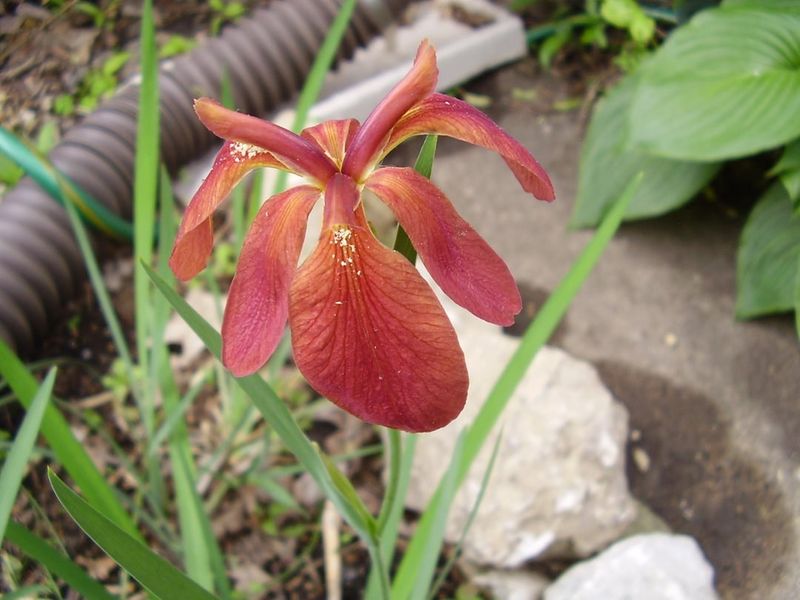
Most irises come in purple or blue. This one burns red, which makes it stand out even among plant lovers who have seen thousands of species.
Cornell botanist Lowell Fitz Randolph formally described the plant in 1966, naming it after his collaborator Ira S. Nelson, a Louisiana horticulture professor.
It was first discovered decades earlier by W. B. MacMillan in a remote Louisiana swamp, and the scientific world took immediate notice.
Genetic studies have long supported what many suspected: this iris is believed to be a natural hybrid, born from a rare crossing of three other Louisiana iris species.
This hybridization is considered scientifically rare, and it happened right here in the American South. The bloom is not just visually striking. Its story connects ecology, genetics, and conservation in ways that highlight the biodiversity found in undisturbed wetlands.
Fewer than 100 individual plants are believed to exist in the wild today. That number sounds small because it is small, and each surviving plant matters enormously to the species’ survival.
The Hidden Swamp Where This Flower Calls Home
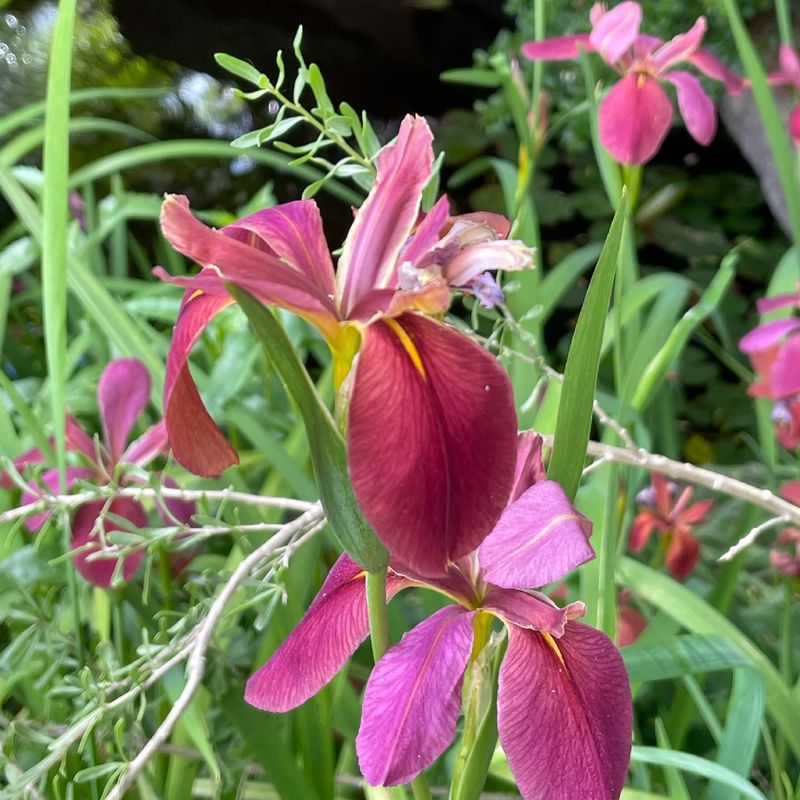
Not many flowers demand you wade through knee-deep water just to see them. The Abbeville Red Iris does exactly that, and somehow, that makes it even more worth the effort.
The plant thrives in freshwater marshes where the ground stays wet for most of the year. Standing water, thick sedge grasses, and subtropical humidity are its comfort zone.
Vermilion Parish in south-central Louisiana holds the only confirmed wild population. The parish sits below sea level in many places, making it a natural cradle for water-loving plants.
Locals have known about this bloom for generations. Fishermen and duck hunters would spot the red flash in early spring and mention it casually, not realizing they were looking at something globally unique.
Your Louisiana Garden Changes Every Week. Your Plan Should Too.
Gardening in Louisiana changes quickly throughout the season. Every Friday you’ll receive a simple weekly plan showing exactly what to plant, prune, fertilize, harvest, and protect so you never miss the right timing.
The marsh ecosystem here is layered and complex. Alligators, herons, crawfish, and countless migratory birds share the same soggy real estate as this extraordinary iris.
Accessing the bloom is not simple. Most of the habitat sits on private land or requires a flat-bottomed boat to reach safely.
That physical barrier has actually helped protect the plant. Areas that are hard to reach tend to stay healthier because foot traffic and casual disturbance stay low.
The swamp itself feels ancient, draped in Spanish moss and buzzing with insects. Spending time in that environment shifts your perspective on what wild and rare actually mean in a modern world.
Why The Abbeville Red Iris Is So Uncommon
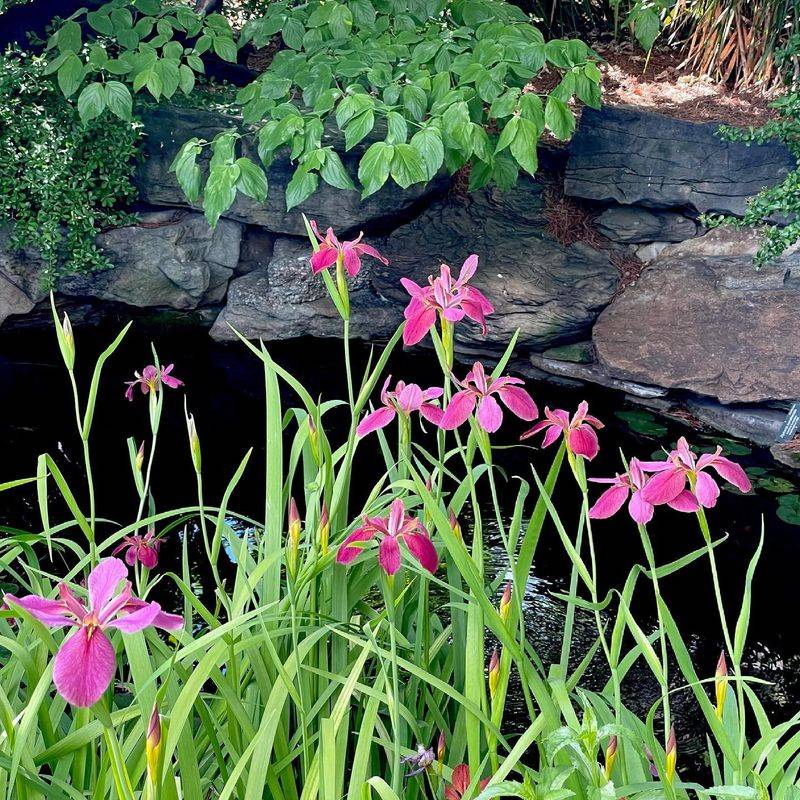
Rarity in nature is never an accident. For the Abbeville Red Iris, several factors combined to make it one of the scarcest flowering plants in North America.
First, its origin is unusual. Scientists believe it formed through a spontaneous cross between Iris fulva, Iris hexagona, and Iris brevicaulis. That triple-hybrid combination is extraordinarily uncommon in the wild.
Second, it reproduces slowly. The plant spreads mainly through underground rhizomes rather than seeds, which means each new plant takes considerable time and energy to establish.
Seed production does occur, but germination rates in the wild are low. Flooding, soil conditions, and competition from other marsh plants all work against successful seedling growth.
Third, its habitat is shrinking. Coastal land loss in Louisiana is among the fastest rates anywhere in the country.
As marshes erode and saltwater intrudes, the freshwater zones this iris needs keep getting smaller.
Pollution from agricultural runoff also stresses the ecosystem. Nutrient overload causes algae blooms that choke out the light and oxygen that marsh plants depend on.
Invasive species add another layer of pressure. Plants like Chinese tallow and common reed outcompete native marsh vegetation, leaving less room for sensitive species like this iris to thrive.
All of these forces together explain why a flower this beautiful exists in only one tiny corner of the world. Its uncommon nature is not a quirk. It is a warning signal worth taking seriously.
Best Time And Place To Witness The Bloom
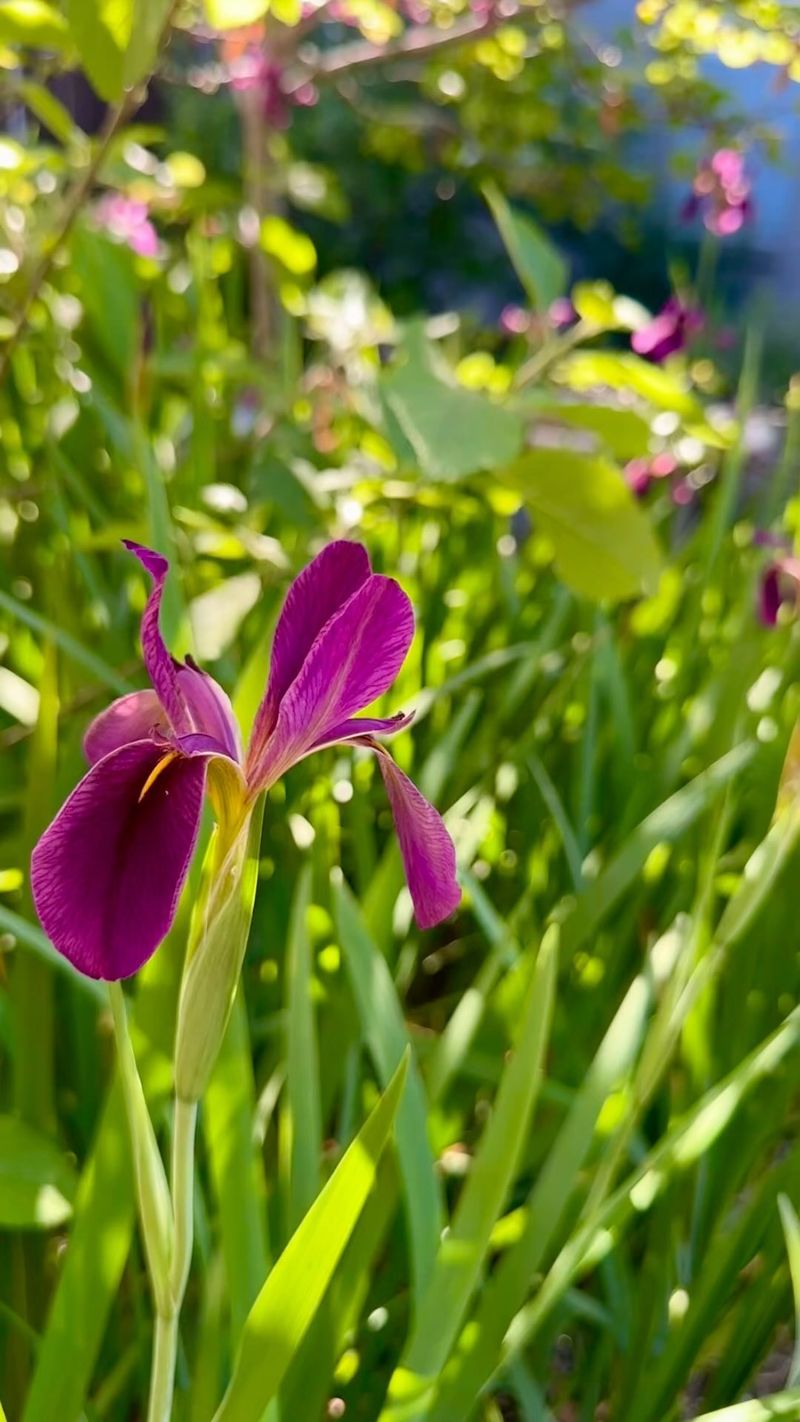
Timing is everything when you want to catch this bloom at its peak. The Abbeville Red Iris typically flowers in April, with the window lasting only two to three weeks.
Early April tends to bring the first buds. By mid-April, a healthy patch can look like someone scattered rubies across the marsh surface.
Morning light is your best friend for viewing or photographing the flowers. The red petals catch the low-angle sun and practically glow against the green grasses behind them.
Vermilion Parish is your destination, though pinning down the exact site takes some research. Palmetto Island State Park, where conservationists have relocated plants for public viewing, offers one of the more accessible ways to see the bloom in the region.
Calling ahead is a smart move before any visit. Staff at the preserve can confirm current bloom conditions and let you know about trail or boat access for that particular season.
Bring waterproof boots or waders. The terrain around the blooms stays wet even in dry spells, and regular sneakers will leave you soaked within minutes.
Binoculars help if you want to observe without trampling the surrounding vegetation. Getting close is tempting, but keeping a respectful distance protects the root systems from compaction damage.
Visiting during a weekday morning gives you the quietest experience. Fewer people, more birdsong, and the soft sounds of the marsh make the whole outing feel quiet and immersive.
Efforts Underway To Protect This Fragile Species
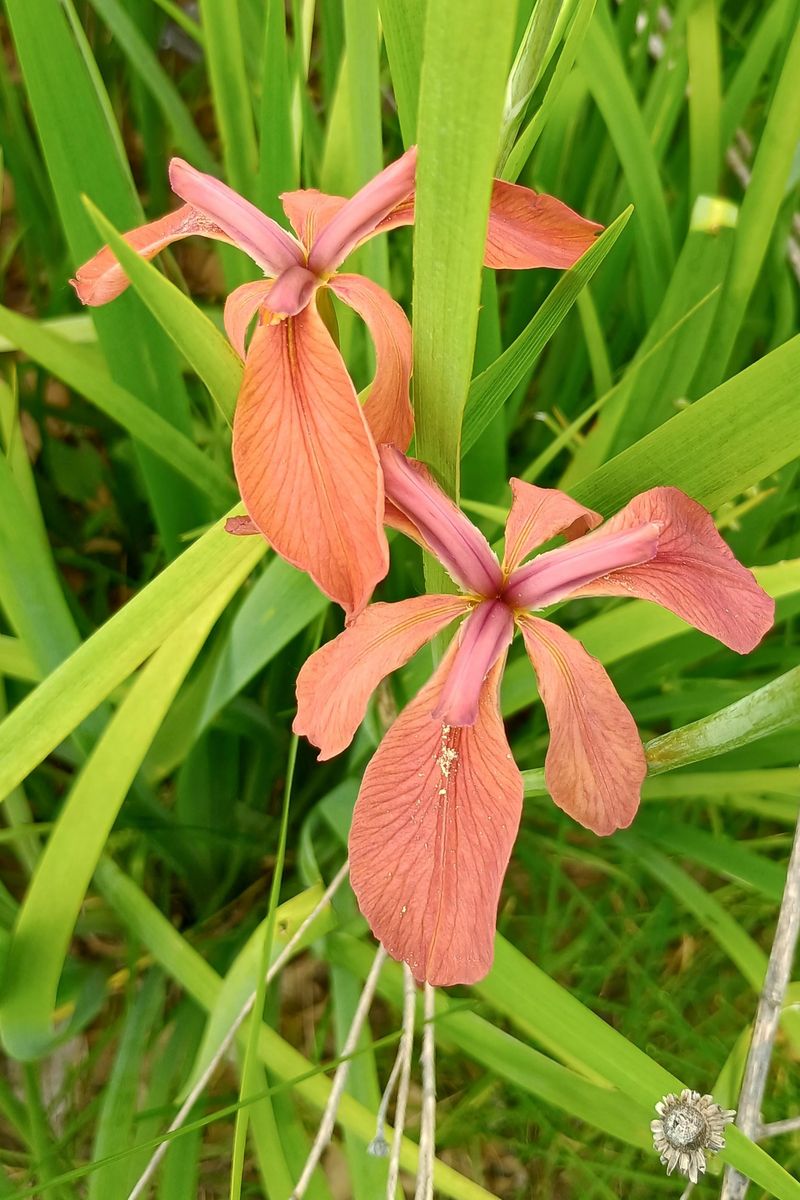
Protecting a species this rare takes more than good intentions. Researchers, conservationists, and plant enthusiasts have been working together for decades to keep the Abbeville Red Iris from slipping away.
The Louisiana Iris Conservation Initiative has been a central player in protection efforts. Their work relocating threatened plants to sites like Palmetto Island State Park gives the species a protected future outside its shrinking native swamp.
Seed banking is one key strategy. Scientists collect seeds and store them in climate-controlled facilities, creating a genetic backup in case the wild population faces a catastrophic event.
Rhizome propagation programs have also helped. Botanical gardens and university horticulture departments grow plants from root cuttings, then return some of those plants to carefully selected restoration sites.
University researchers, including geneticists at Cornell and the University of Georgia, have studied the iris extensively.
Their work on its genetics, reproductive biology, and habitat needs has shaped how conservation teams approach management decisions.
Private landowners play a bigger role than most people realize. Many of the marshes where this iris grows are privately owned, and willing landowners who agree to stewardship practices are essential partners.
Public awareness campaigns have picked up in recent years. Social media posts featuring the bloom have introduced thousands of people to a flower they never knew existed in their own backyard.
Every small action adds up. Whether it is a donation, a volunteer hour, or simply sharing a photo with proper context, ordinary people are contributing to the species’ long-term survival.
What Its Future Means For Louisiana’s Wetlands
One small flower can tell the story of an entire ecosystem. The fate of the Abbeville Red Iris is directly tied to the fate of Louisiana’s coastal wetlands, and that connection matters far beyond state lines.
Louisiana loses roughly a football field of land every 100 minutes to coastal erosion. That pace threatens many creatures, plants, and communities that depend on those wetlands for survival.
Freshwater marshes act as natural sponges during storms. They absorb floodwaters, filter pollutants, and buffer coastal communities from the worst hurricane impacts.
When those marshes shrink, the protection they provide disappears with them. Homes, farms, and fishing industries all become more vulnerable as the land base erodes.
The iris thrives only where the freshwater balance stays intact. If saltwater intrusion pushes further inland, the plant’s already tiny habitat shrinks to almost nothing.
Tracking the iris population gives scientists a living indicator of marsh health. When the bloom spreads, conditions are improving. When it retreats, something is going wrong in the ecosystem.
Restoration projects along the Louisiana coast are creating new hope. Sediment diversions, marsh planting programs, and water management changes are slowly rebuilding some of what has been lost.
The Abbeville Red Iris, this native treasure blooming in Louisiana and almost nowhere else in the world, reminds us that protecting wild places is never just about one species. Saving it means saving everything that grows, swims, and breathes alongside it.