This Simple Trick Extends Arizona Desert Marigold Blooms Into Fall
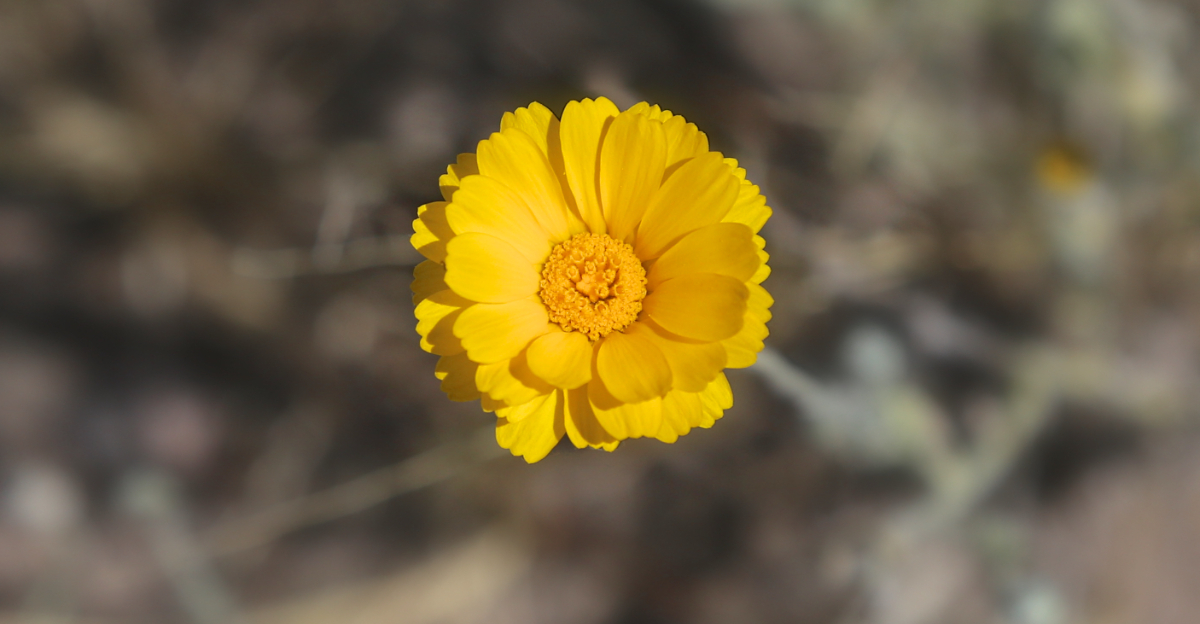
Faded desert marigold flowers do not always mean the colorful show is finished for the season. Give the plant some attention, and you may encourage another flush as fall approaches.
One small task can make a noticeable difference without turning into a major garden project.
Desert marigold naturally handles Arizona heat, but older blooms eventually begin looking tired. Removing spent flowers can redirect the plant’s energy toward continued growth and possible new blooms.
Watch the flower heads closely instead of waiting until the whole plant looks messy.
Timing matters because you want to work with the plant while it is still actively growing. Gentle care now can help keep its cheerful yellow flowers around longer.
This easy habit may be all your desert marigold needs for another colorful fall display.
1. Deadheading Is The Simple Trick Behind This Fall Show
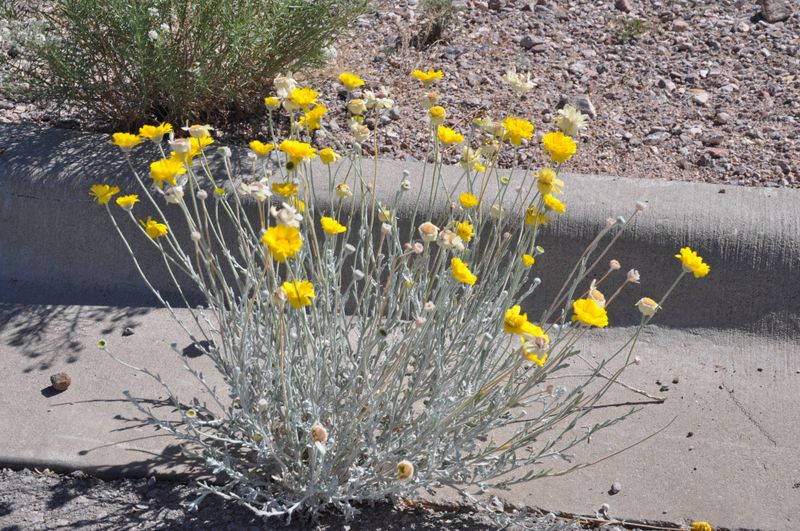
Cutting off spent blooms is the move most gardeners skip, and it is the one that matters most. When a flower fades on a desert marigold, the plant shifts its energy toward forming seeds.
Once seed production starts, new flower buds slow down or stop forming.
Deadheading interrupts that cycle. Snip or pinch off the faded flower head just below the base of the bloom.
Fresh growth follows within days in warm weather. You do not need special tools.
Clean scissors or your fingers work fine for this plant.
Doing this every week or two throughout summer keeps the plant in active blooming mode. Skipping a few weeks lets seed heads form and signals the plant to wind down.
Consistency is what separates a plant that fades in August from one still flowering in October.
Deadheading is not complicated. It takes only a few minutes per plant.
Once you make it a regular habit during your watering rounds, the results become obvious fast. Bright yellow flowers keep returning instead of tapering off, and the plant stays compact and tidy rather than going leggy and sparse.
2. Desert Marigold Naturally Blooms For Months
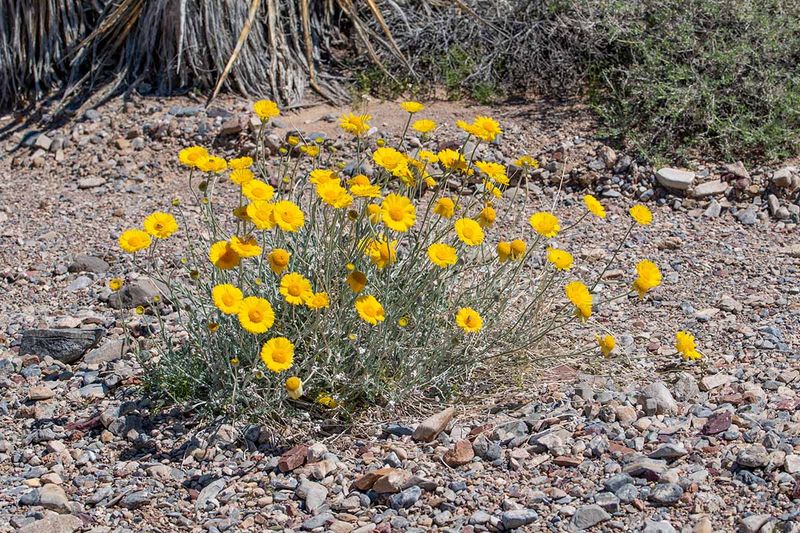
Baileya multiradiata, the botanical name for desert marigold, has an impressive natural bloom window. Under good conditions, it can flower from early spring through late fall.
Few native wildflowers in the Southwest match that kind of staying power.
Most of that bloom potential goes untapped without some basic care. Left completely alone, plants tend to peak in spring and early summer, then slow down as seed heads form.
Gardeners who step in with regular deadheading see a very different result.
What makes this plant special is its heat tolerance. Temperatures that stress most flowering plants barely slow this one down.
It evolved in the Sonoran and Chihuahuan desert regions, so summer heat is familiar territory rather than a hardship.
Bloom cycles also depend on rainfall patterns. After a good summer monsoon rain, plants often push out a fresh flush of flowers even without deadheading.
Pairing natural rainfall response with regular spent-bloom removal gives you the longest possible season. The plant is wired to bloom generously.
Your Arizona Garden Changes Every Week. Your Plan Should Too.
Gardening in Arizona changes quickly throughout the season. Every Friday you’ll receive a simple weekly plan showing exactly what to plant, prune, fertilize, harvest, and protect so you never miss the right timing.
Your job is mostly to stay out of its way while nudging it in the right direction at the right moments.
3. Fresh Flower Stems Can Keep Appearing Into Fall
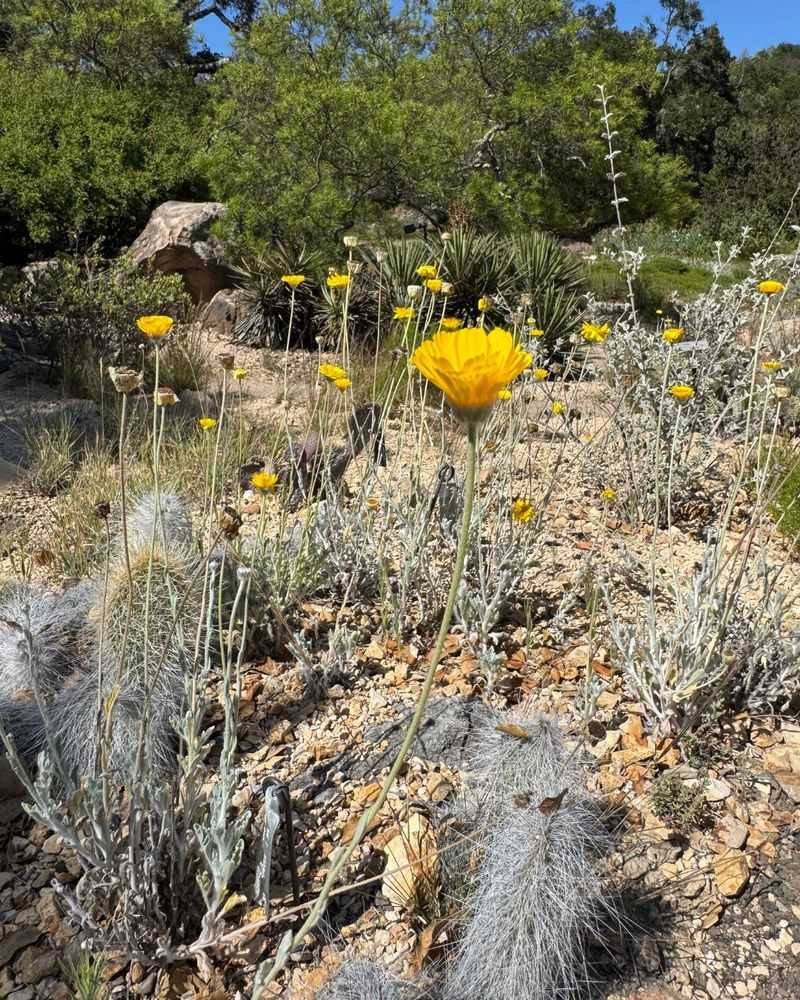
Fall blooms on desert marigold are not a fluke. They are a realistic outcome when the plant has been managed well through summer.
By September, many garden plants are looking tired and faded. A well-tended desert marigold often looks its best right around that time.
New stems emerge from the base and from lateral branches after spent flowers are removed. Each fresh stem carries one flower head at the tip.
That structure means every deadheading session creates multiple opportunities for new blooms to follow.
Cooler fall temperatures actually suit this plant well. Growth slows slightly but flower production can remain steady or even pick up after the intense heat of August fades.
Nights below 90 degrees give the plant a bit of recovery time between hot days.
Gardeners in desert cities often notice a second strong flush of blooms in September and October. Monsoon moisture combined with slightly cooler air seems to trigger it.
If deadheading has been consistent through summer, the plant is already primed to respond. Fresh stems appear quickly, and the garden gets another round of bright yellow color just as most other plants are winding down for the season.
4. Full Sun Gives This Native The Conditions It Prefers
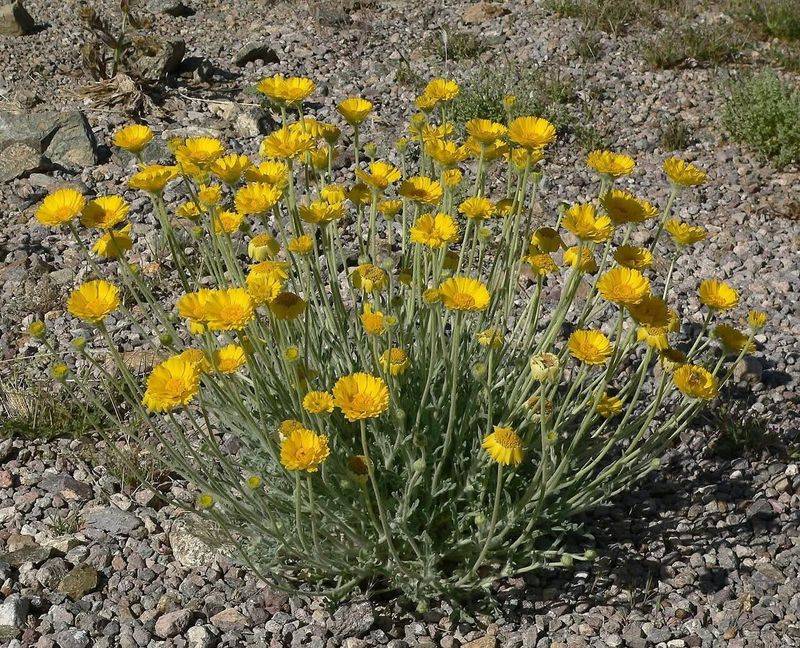
Shade is not this plant’s friend. Desert marigold evolved in open, exposed terrain where sunlight is intense and unfiltered for most of the day.
Planting it in partial shade often results in weak stems, sparse blooms, and a plant that underperforms no matter how carefully you deadhead.
Six or more hours of direct sun per day is the baseline. Eight or more hours is even better for strong bloom production.
South-facing or west-facing spots in a yard tend to work well. Areas blocked by walls, fences, or large shrubs for part of the day may not give enough light.
Sun exposure also affects stem strength. Plants growing in full sun develop firmer, more upright stems.
Those in lower light tend to lean or flop, which makes them look untidy and can reduce airflow around the foliage.
Positioning matters most when planting from seed or transplant. Moving an established plant is possible but stressful, especially during warm months.
Choose the right spot from the start and the plant rewards you with vigorous growth. Full sun paired with good drainage and occasional deadheading creates conditions where desert marigold can genuinely thrive across a long growing season.
5. Too Much Water Can Cause Problems
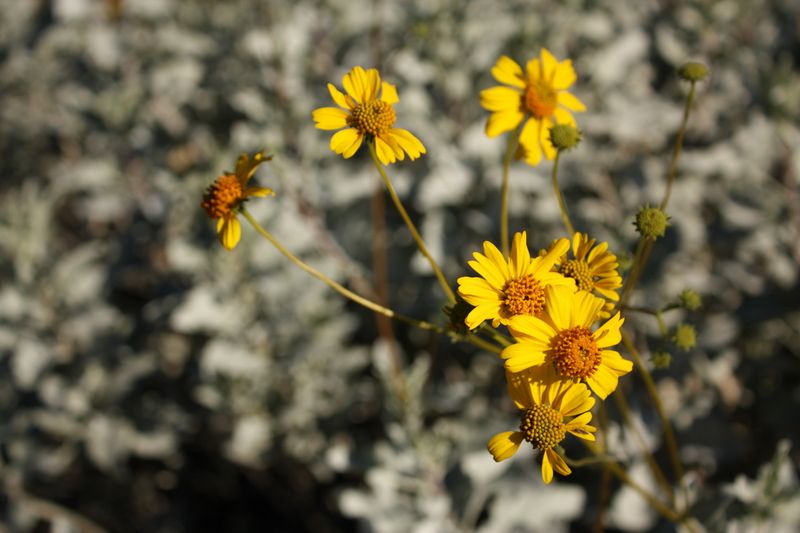
Overwatering is one of the fastest ways to undermine a desert marigold. This plant is built for dry conditions.
Its roots, foliage, and stem structure all reflect adaptations to low moisture. Giving it the same irrigation schedule as a vegetable garden or lawn causes real harm.
Roots sitting in consistently wet soil are prone to rot. Yellowing leaves, wilting despite moist soil, and stunted growth are common signs something is off.
By the time those symptoms appear, damage may already be significant.
Established plants in the ground often need little to no supplemental water during cooler months. Summer monsoon rainfall in the Southwest usually provides enough moisture during that season.
During dry stretches between rains, a deep soak once every two to three weeks is often sufficient, though actual needs vary based on soil type, temperature, and plant size.
Container-grown plants dry out faster and need more frequent attention, but still require excellent drainage. A pot without drainage holes traps moisture and creates problems quickly.
When in doubt, check the soil a few inches down before watering. If it still feels slightly damp, wait.
Letting the soil dry out between waterings is the right approach for this plant in most situations.
6. Fast-Draining Ground Keeps The Roots In Better Shape
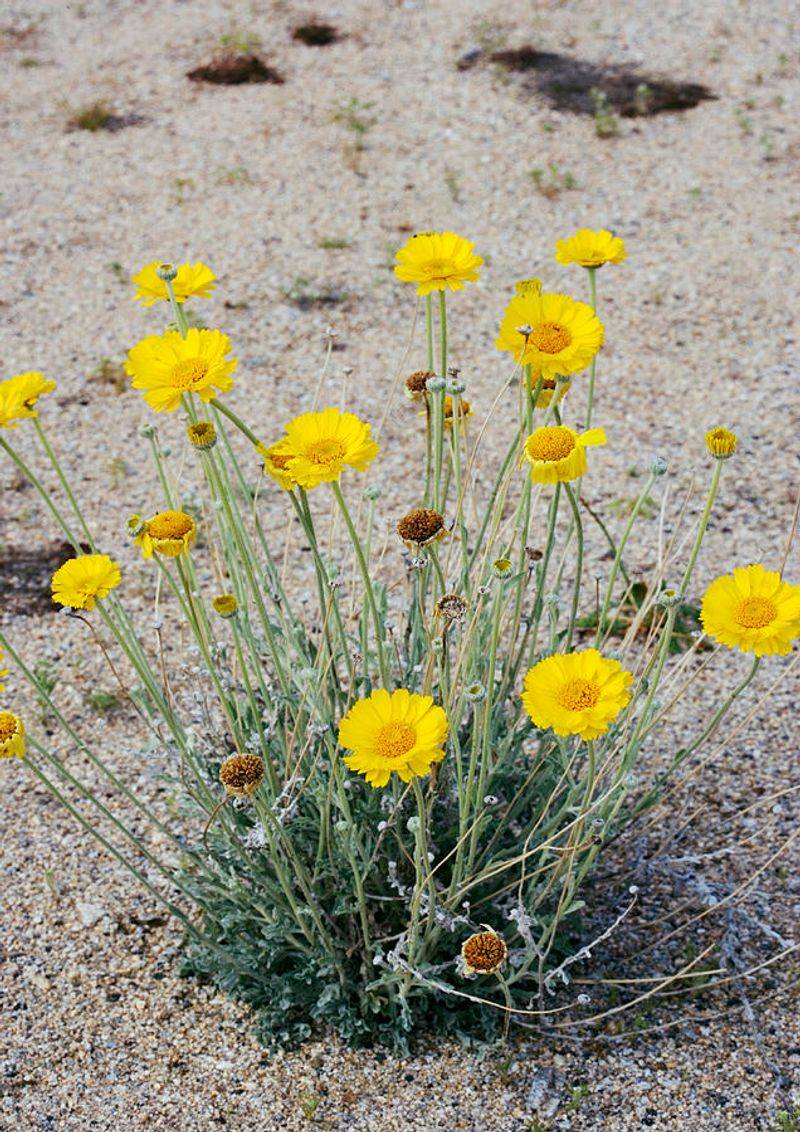
Soil drainage is not a minor detail with this plant. Desert marigold roots need oxygen as much as they need moisture.
Compacted clay soil or ground that holds water after rain creates conditions the plant struggles with over time.
Sandy or gravelly soil similar to what you find in natural desert washes works well. If your yard has heavy clay, amending the planting area with coarse sand or decomposed granite can help improve drainage.
Raised beds also work well for gardeners with problematic soil.
Good drainage supports root health through all seasons but matters most during summer monsoon rains. Repeated heavy rains on poorly drained soil can saturate the root zone for extended periods.
A plant that handles occasional dry spells easily may struggle when roots stay wet for days at a stretch.
Mulching around the base with gravel rather than organic wood chips also helps. Gravel mulch allows water to pass through quickly while reducing soil splash onto the lower stems.
Organic mulch holds more moisture and can raise humidity around the crown of the plant, which increases the chance of crown rot in wet conditions.
Simple adjustments to soil and mulch setup can make a meaningful difference in how well the plant performs season after season.
7. Leave A Few Seedheads If You Want New Plants
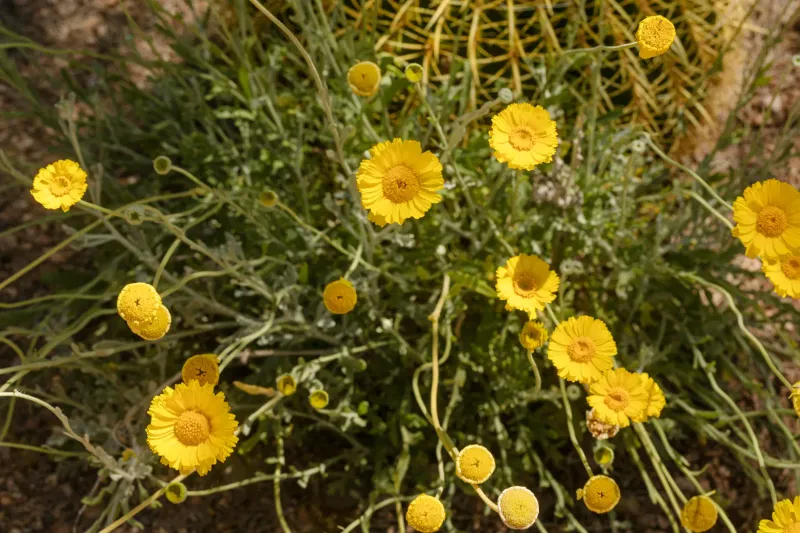
Not every spent bloom needs to go. If you want desert marigold to spread or self-sow in your garden, leaving a portion of the seed heads is a practical strategy.
Seeds mature inside the fluffy white tufts that form after blooms fade, and wind carries them short distances to nearby bare soil.
Timing matters here. Let seed heads mature fully before they are disturbed or removed.
A fully ripe seed head looks dry, papery, and slightly open at the tips. Green or still-firm heads have not finished developing and may not produce viable seeds.
Self-sown seedlings typically appear the following spring. They germinate best in open, disturbed soil with good sun exposure.
Dense groundcover or thick mulch can block germination, so leaving some bare patches near the parent plant helps seeds find a foothold.
Balancing deadheading with selective seed head retention gives you the best of both outcomes. Removing most spent blooms keeps the parent plant flowering longer into fall.
Leaving a handful of mature seed heads at the end of the season sets up next year’s new plants. It is a simple, low-effort way to expand your planting over time without buying new transplants or starting seeds indoors.