What Arizona Dust Storms Really Do To Garden Plants And How To Protect Them
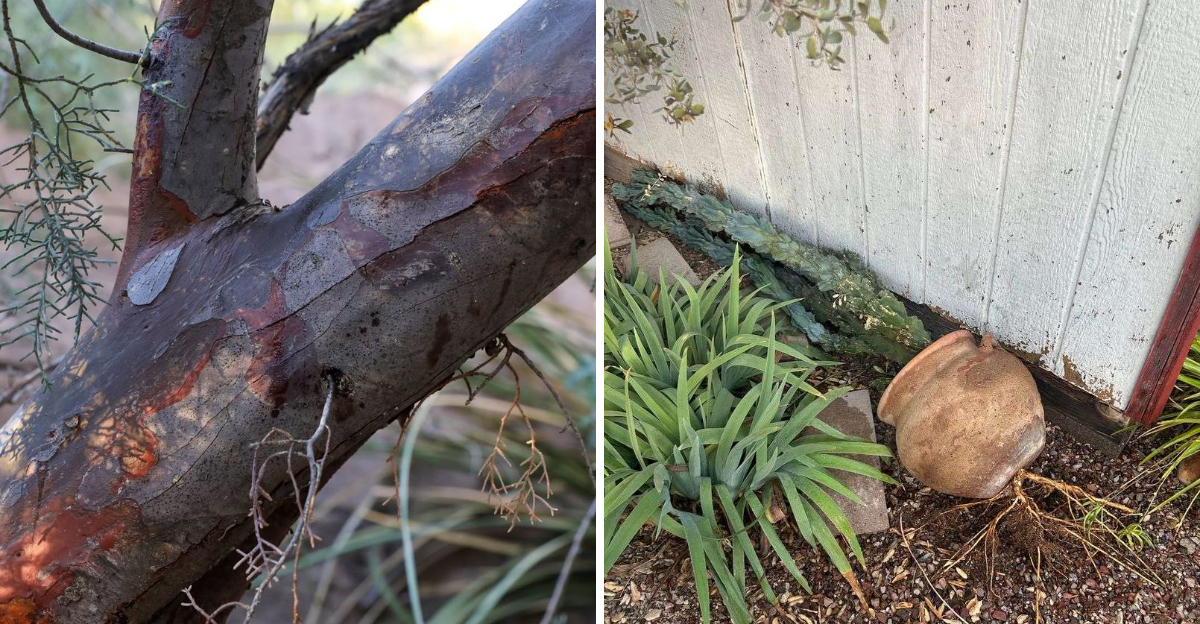
Clean leaves can make a garden look healthy even after weeks of intense summer weather. Then one powerful dust storm moves through, and everything seems different the next day.
Fine dust settles over every surface, and plants that looked full of life suddenly appear dull and tired. It is easy to assume the biggest problem is the mess left behind because that is the first thing you notice.
The real effects are not always so obvious, and they can continue long after the sky clears. Looking a little closer often tells a very different story than dusty leaves alone.
That is exactly what many gardeners discover after dust storms sweep through Arizona.
Strong winds and blowing dust can place extra stress on garden plants in several ways, even when there is no visible breakage.
A few simple steps can help your plants recover more quickly and reduce the impact the next time another storm rolls through.
1. Strong Winds Cause The Most Plant Damage
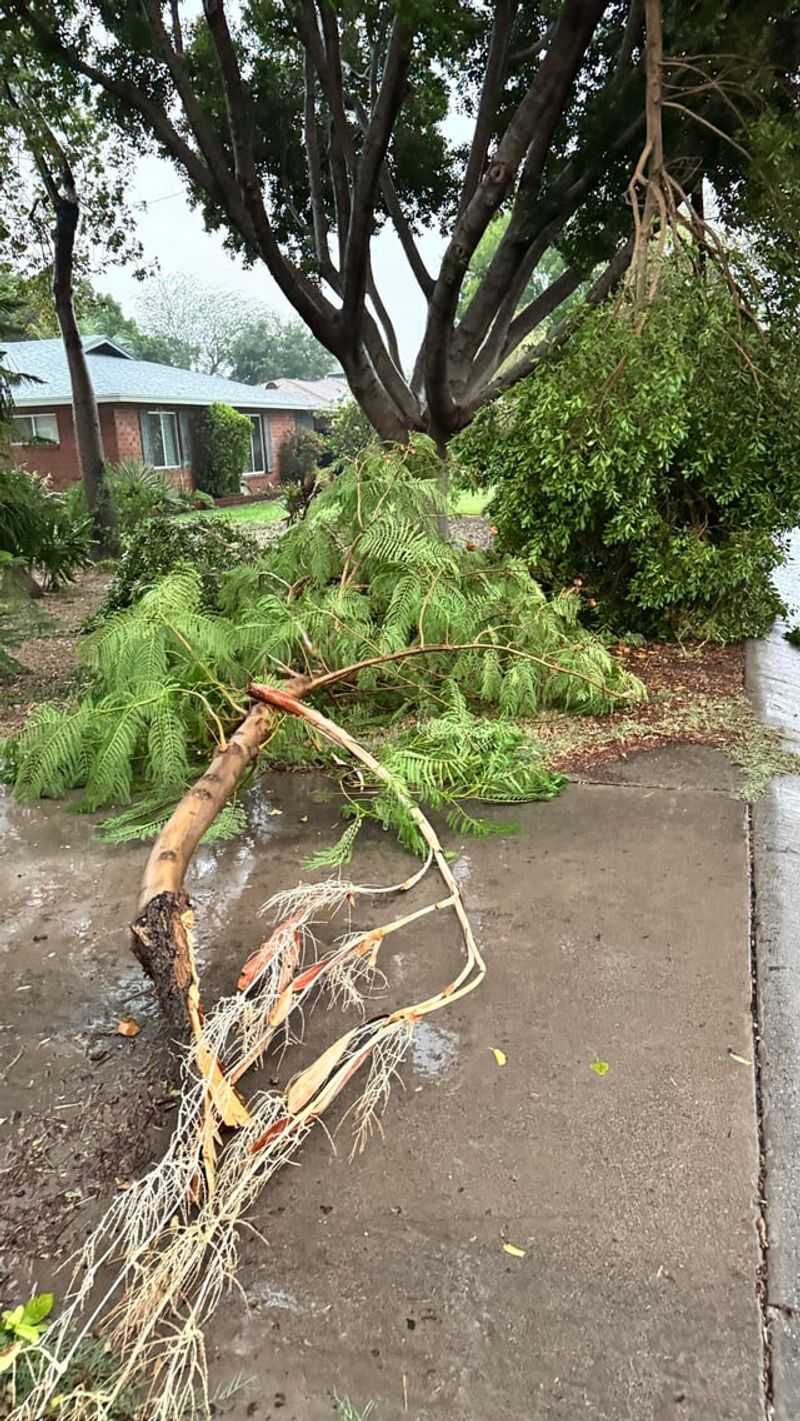
Wind is usually the first thing that hits your garden during an Arizona dust storm, and it can hit hard.
Gusts can reach 60 miles per hour or more, which is strong enough to snap branches, uproot seedlings, and send lightweight pots flying across the yard.
Tall, narrow plants tend to catch the most wind resistance. Sunflowers, corn, and young fruit trees are especially vulnerable because their stems are not yet thick or flexible enough to handle sudden sideways force.
Even mature plants can lose branches when winds become strong enough.
Shrubs with dense canopies act almost like sails. Wind pushes against the leaves, building pressure until branches crack or roots begin to shift.
Plants growing in loose or recently watered soil may be even more likely to lean or become uprooted.
After the storm passes, inspect your garden carefully. Look for split trunks, cracked stems, and roots that have lifted or shifted out of the soil.
Finding this damage early gives plants a better chance to recover.
Staking vulnerable plants before monsoon season is one of the best ways to reduce wind damage. Use soft ties and sturdy stakes to support stems without damaging the bark.
Move containers to a sheltered location whenever a dust storm warning is issued.
2. Dust Blocks Sunlight And Slows Plant Growth
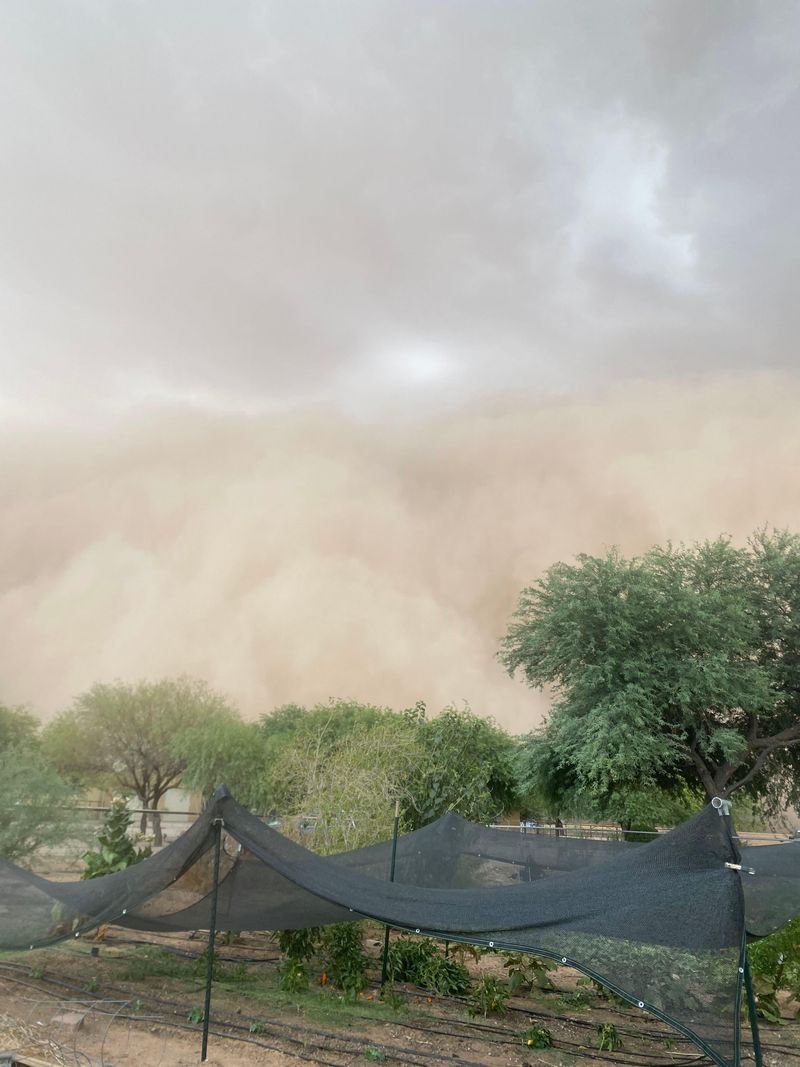
A thick layer of dust covering leaves is more than just an eyesore. It blocks sunlight from reaching the leaf surface, reducing photosynthesis and making it harder for plants to produce the energy they need to grow.
Fine desert dust can also clog tiny pores on leaves called stomata. These pores control gas exchange and water loss.
When they become blocked, plants cannot function as efficiently and may become more stressed, especially during hot weather.
Cacti and many succulents have waxy surfaces that help dust slide off more easily, while broad-leaved plants such as tomatoes, squash, and citrus trees tend to hold onto dust much longer.
Even a few days of heavy dust buildup can slow growth during the hottest part of the growing season.
Your Arizona Garden Changes Every Week. Your Plan Should Too.
Gardening in Arizona changes quickly throughout the season. Every Friday you’ll receive a simple weekly plan showing exactly what to plant, prune, fertilize, harvest, and protect so you never miss the right timing.
Removing dust after the storm helps restore normal leaf function and allows plants to photosynthesize more efficiently.
Avoid scrubbing leaves with cloths or sponges unless the plant is very small and delicate. Rough handling can damage the leaf surface, so let the water wash away the dust instead.
3. Young Plants Face The Highest Risk
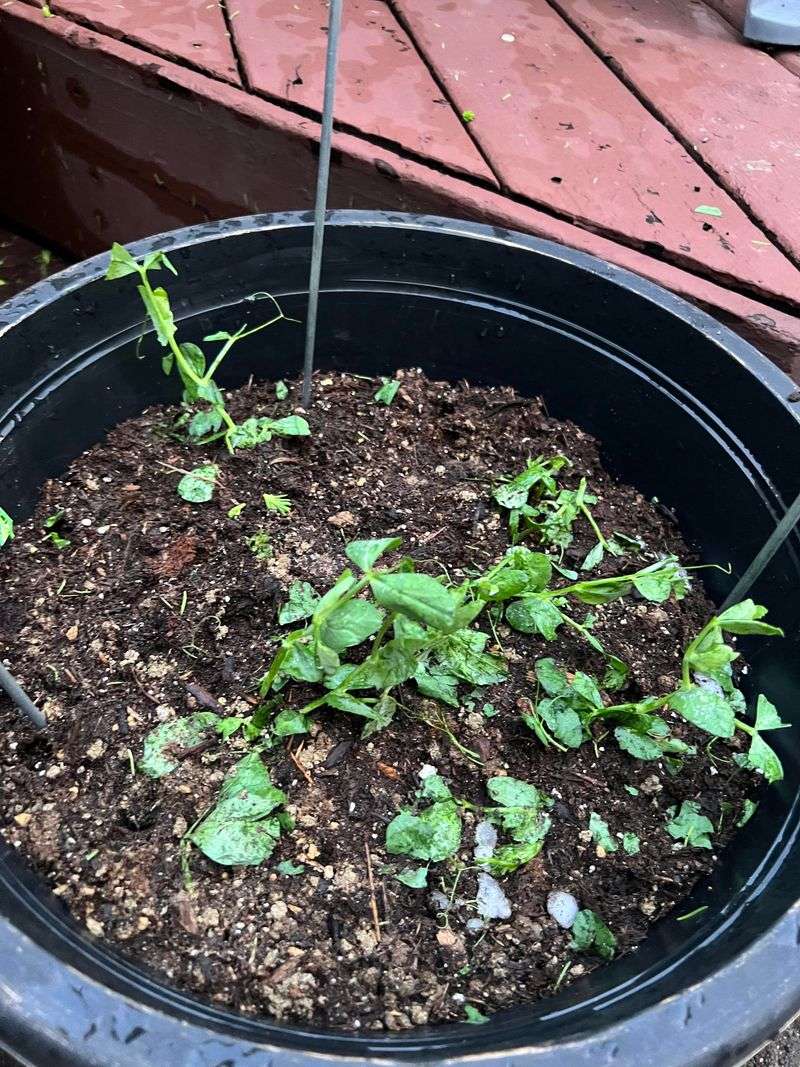
Seedlings do not have the deep roots or sturdy stems needed to withstand a dust storm. Even a moderate storm can flatten them, bury them with drifting soil, or tear away their delicate leaves.
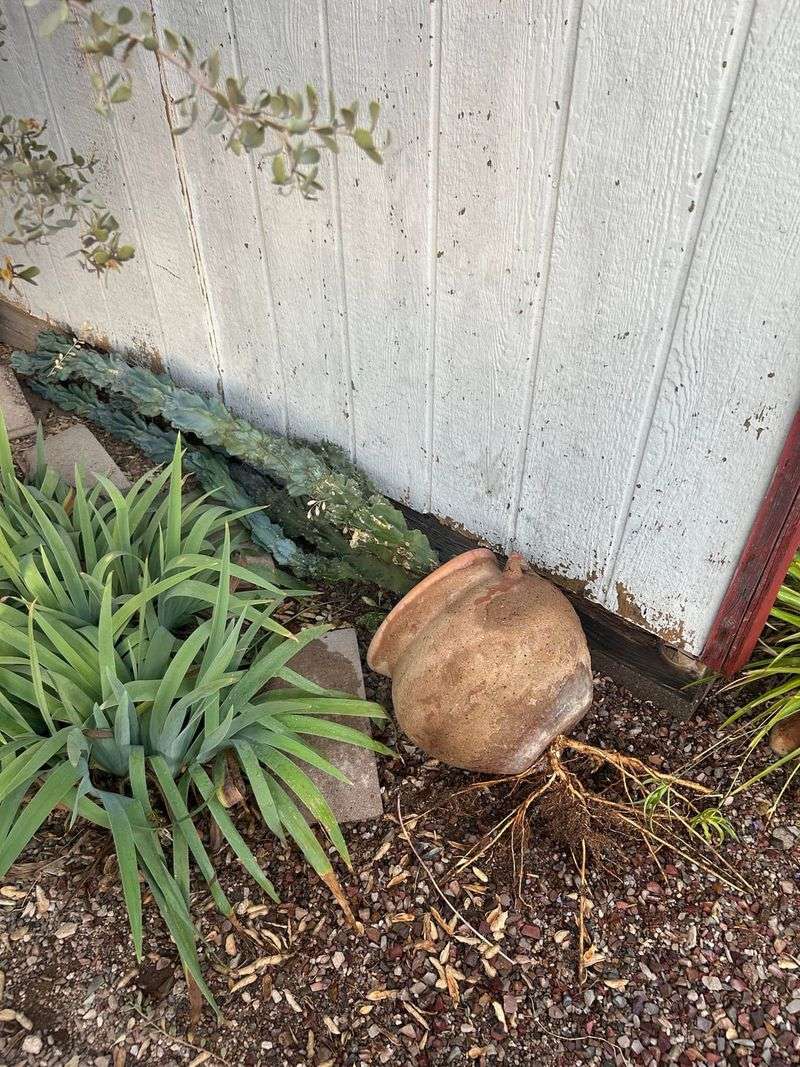
Young transplants put into the ground during monsoon season are especially vulnerable. Their roots have not yet anchored firmly, so strong winds can loosen or even pull them out of the soil.
Once the root zone is exposed to hot, dry air, recovery becomes much more difficult.
Dust buildup is also harder on small plants. A young tomato plant with only a handful of leaves cannot afford to lose much of its ability to photosynthesize.
Even a light coating of dust can slow growth during this important stage.
Row covers and shade cloth can provide valuable protection before a dust storm arrives. These lightweight materials allow air and filtered sunlight through while reducing the force of the wind.
Secure the edges with stakes or rocks so the covers stay in place.
After the storm, inspect seedlings carefully. Gently press any loosened soil back around the base of each stem.
If a plant has tipped over, straighten it carefully and firm the soil around the roots without packing it too tightly.
4. Broken Stems Should Be Pruned Promptly
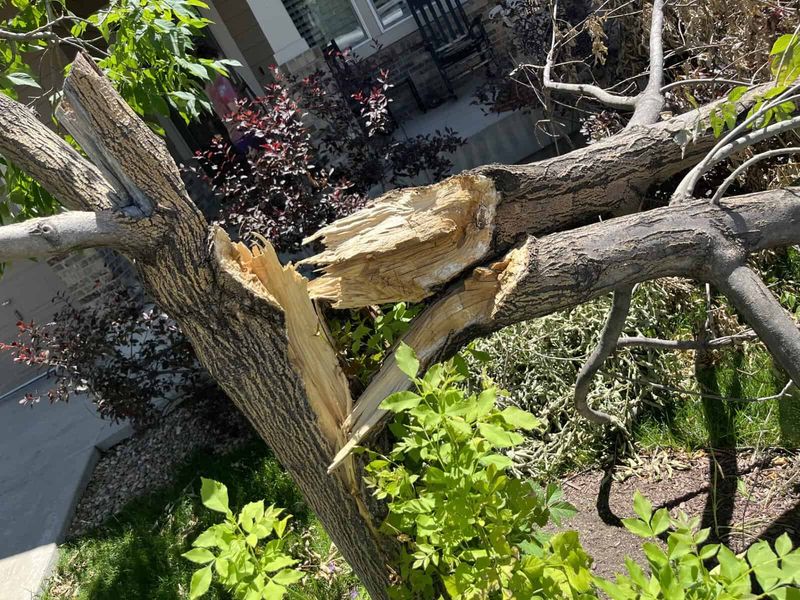
Cracked and hanging stems are more than just cosmetic damage. A partially broken branch creates an opening where bacteria, fungi, and insects can enter more easily.
Leaving it attached rarely helps the plant recover.
Clean cuts are easier for plants to seal than ragged tears. Use sharp pruning shears or a pruning saw, depending on the size of the branch.
Make the cut just above a healthy node or lateral branch to encourage proper healing and new growth.
Prune damaged stems as soon as practical after the dust storm. Warm desert temperatures can place additional stress on damaged plants, making prompt pruning a good idea.
Removing broken branches promptly helps reduce additional stress on the plant.
Some gardeners apply pruning sealants after making large cuts, but most healthy plants do not need them. Plants are usually able to seal pruning wounds naturally without added products.
Collect and dispose of broken branches instead of leaving them in the garden. Damaged plant material can become a hiding place for pests or allow diseases to spread if it remains around healthy plants.
Once damaged stems have been removed, the plant can focus its energy on healing healthy tissue and producing new growth.
5. Deep Watering Helps Plants Recover
Strong winds from an Arizona dust storm can dry out both the soil and your plants more quickly than expected. Even when there is little visible damage, roots and leaves may have lost significant moisture during the storm.
A light sprinkle is rarely enough after a dust storm. Most plant roots grow well below the soil surface, so shallow watering does little to replace the moisture they actually need.
In hot Arizona weather, surface water also evaporates quickly.
Deep watering allows moisture to reach the active root zone, where plants absorb most of their water.
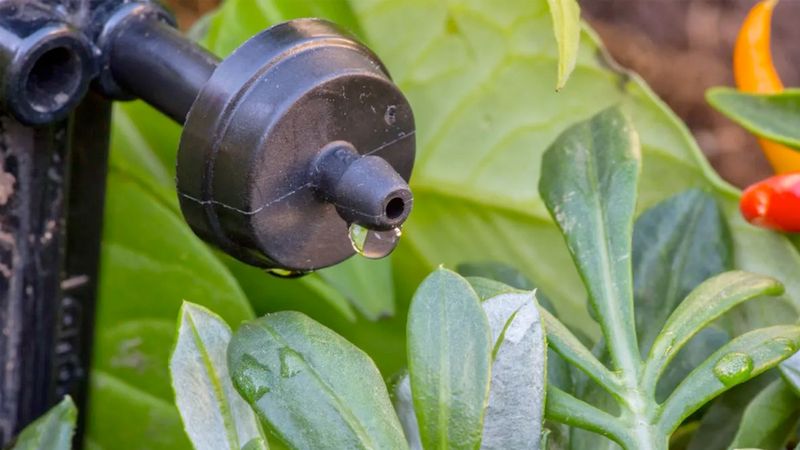
Running a drip irrigation system for a longer cycle or using a soaker hose around trees and shrubs helps soak the soil slowly without wasting water.
Water at the base of the plant instead of spraying the foliage. This directs moisture to the roots, where it provides the greatest benefit during recovery.
Before watering again, check the soil a couple of inches below the surface. If it still feels moist, wait another day.
Giving stressed plants too much water can create root problems, especially in clay or poorly drained soils.
Most established desert plants recover well after one or two deep watering sessions. Seedlings, vegetables, and recently planted shrubs may need closer attention until they begin growing normally again.
6. Check Trees For Leaning After Heavy Rain
Dust storms are often followed by heavy monsoon rain, and that combination can be especially hard on trees.
Saturated soil provides less support for roots, making trees more likely to shift, lean, or partially uproot when strong winds blow through.
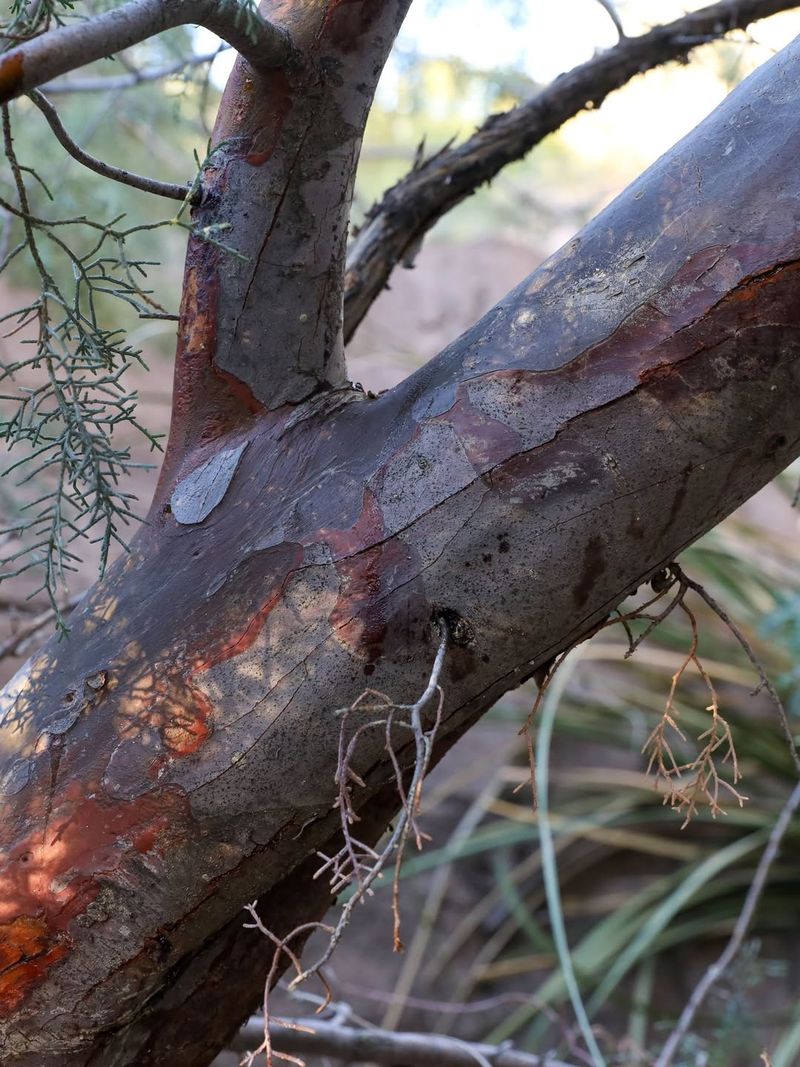
Even trees that appear fine from a distance may have moved at the base. Take a close look around the trunk for cracked soil, lifted roots, or a new lean that was not there before.
These are signs the root system may have shifted.
A leaning tree is not always beyond saving. If the movement is minor and caught early, staking the tree can help keep it stable while the roots begin to recover.
Use two or three sturdy stakes and wide, soft ties that will not damage the bark.
Avoid pulling a leaning tree upright with force. Sudden movement can break the fine roots responsible for absorbing water and nutrients.
Gentle support is usually a better approach.
Large trees that have shifted significantly should be evaluated by a certified arborist.
Root damage is not always visible above ground, and a professional can determine whether the tree is stable or poses a safety risk.
7. Rinse Dust From Leaves After The Storm
Rinsing plants after a dust storm is one of the easiest ways to help them recover. Fine dust can remain on leaves long after the sky clears, reducing the amount of sunlight they receive and interfering with normal plant functions.
Wait until the wind has completely settled before reaching for the hose. Trying to rinse plants while dust is still blowing often spreads more dirt than it removes.
Giving the storm an hour or two to pass usually works best.
Use a gentle stream of water rather than a high-pressure spray. Strong water pressure can tear soft leaves, knock off flowers, or damage tender new growth.
Let the water flow naturally over the leaves to wash away the dust.
Pay close attention to the undersides of leaves, where dust often collects and is easy to miss during a quick rinse.
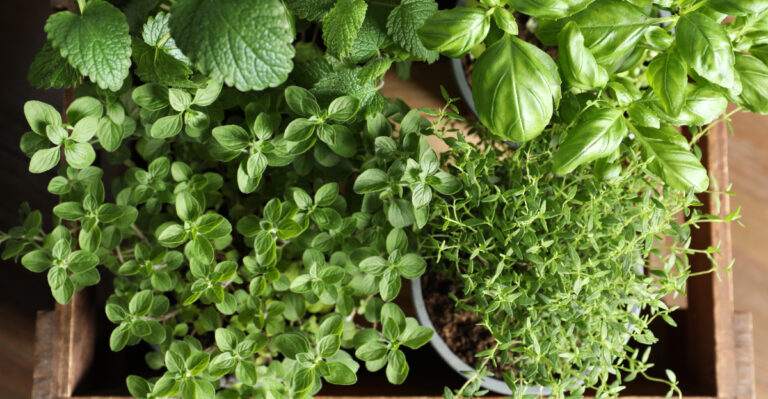
Plants with broad or textured leaves, including citrus, peppers, and many herbs, often hold onto more dust than smooth-leaved plants.
They may benefit from a second gentle rinse if a heavy layer of dust remains after the first wash.
Once the leaves are clean, plants can capture sunlight more efficiently and return to normal growth more quickly.
A few minutes spent rinsing after a dust storm can make a noticeable difference in the days that follow.