Why Nutsedge Gets Worse Every Time California Gardeners Pull It
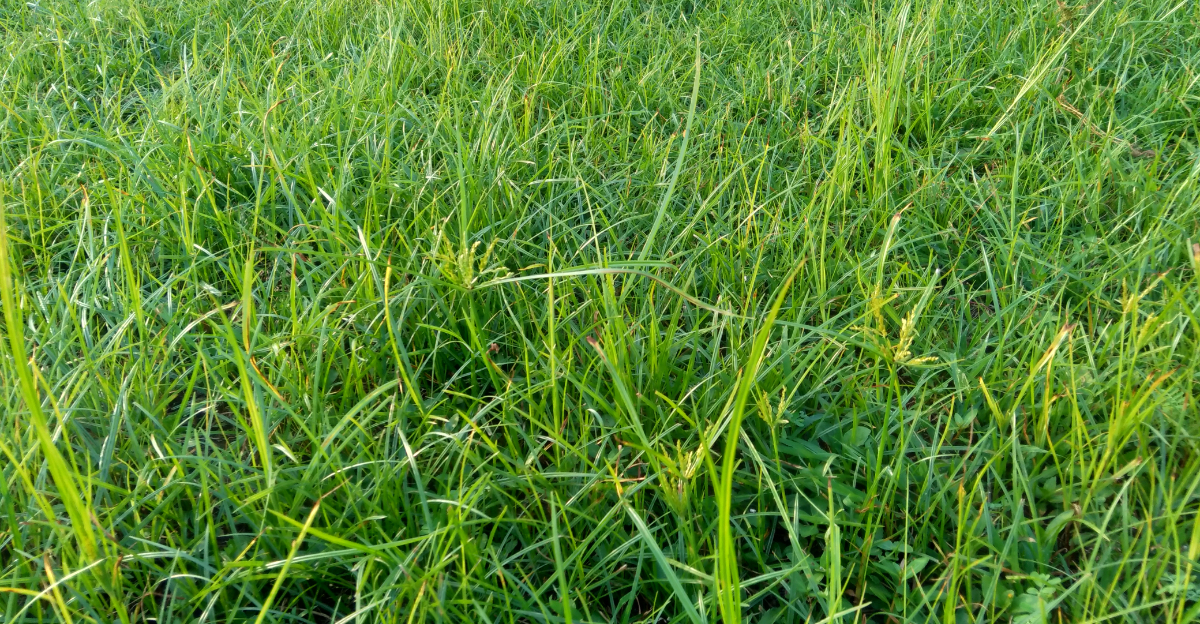
Beneath your soil, a hidden network of tiny tubers keeps splitting apart the moment you disturb it, multiplying far faster than the blade above ground. Pulling that stubborn clump only feeds a problem hiding just beneath your feet.
California soil practically invites this weed to thrive, since warmth rarely gives it a reason to stop. Every tug you give sends a signal telling it to multiply instead of retreat.
Yanking the top growth might feel productive, yet it triggers the exact response working against you. Across California landscapes, you’ll find this same pattern repeating season after season.
Untrained eyes mistake it for ordinary grass until it shoots past everything around it. Few people realize how far those tubers travel, slipping past root barriers and resurfacing in beds you cleared weeks earlier.
What you do right now decides if this weed disappears for good or spreads across everything you’ve planted.
Hand Pulling Snaps The Stem And Leaves Tubers Underground
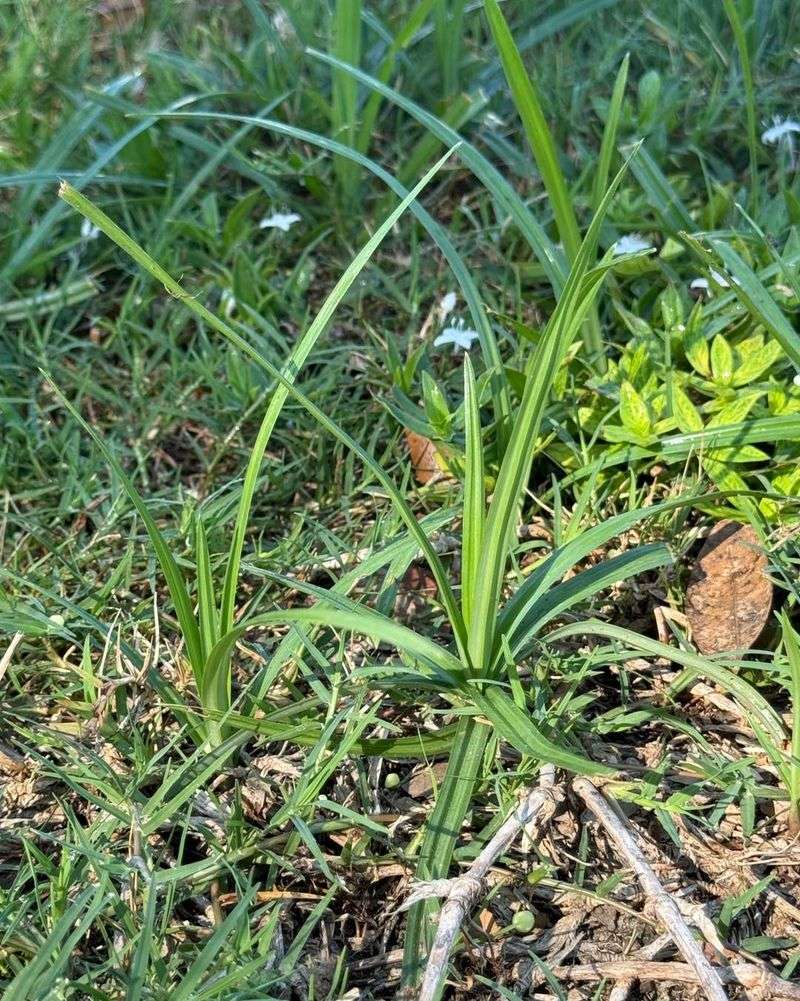
Pulling feels satisfying, but nutsedge does not respond the way you expect. Every time you yank the stem, it snaps just above the soil line, leaving the real problem buried deep below.
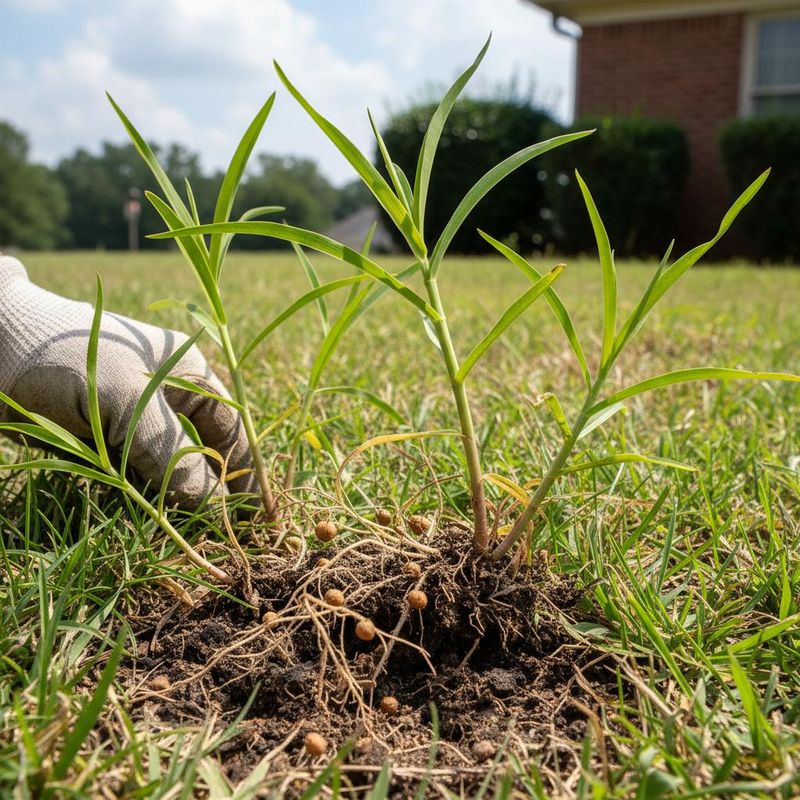
The plant stores its energy in small, hard tubers called nutlets. These nutlets sit several inches underground, safely out of reach when you grab the leafy top.
When the stem breaks, the plant sends a chemical signal downward. That signal tells dormant nutlets nearby to wake up and sprout new shoots.
A single pull can trigger several new shoots instead of removing the plant. You are not removing nutsedge by hand pulling, you are actually multiplying it.
Extension researchers have documented this pattern in turf and garden studies for decades. Mechanical removal without targeting the tuber only accelerates the spread cycle.
Gardeners who hand-pull nutsedge consistently report thicker infestations within weeks. The pattern is well documented, and the biology behind it explains why the weed keeps winning.
Knowing this fact changes everything about how you approach the weed. Stop reaching for it barehanded and start thinking about what is happening underground instead.
This is exactly why patience matters more than force with this particular weed. A slower, tuber-focused approach outperforms a quick yank almost every time.
The Nutlet Network That Sits Below The Root Zone
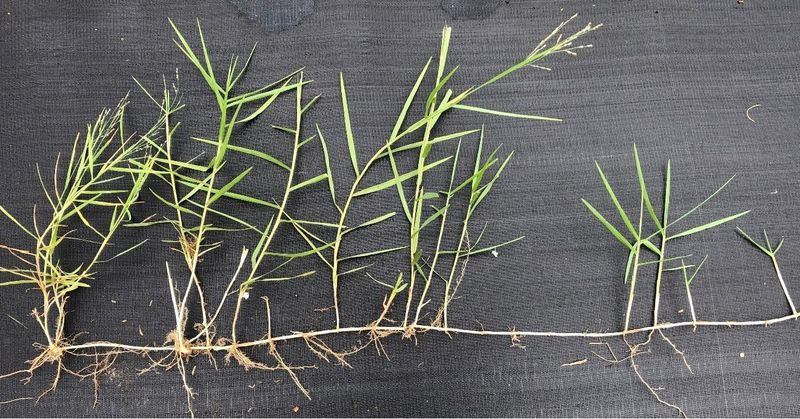
Beneath your garden bed, nutsedge is building a dense underground network. A single plant can produce hundreds of nutlets in just one growing season.
These nutlets connect through thin white threads called rhizomes. The rhizomes branch outward in every direction, creating a web that can reach roughly two feet wide and eight inches deep, sometimes deeper depending on soil conditions.
Each nutlet is its own survival capsule. It holds enough stored starch to sprout a brand new plant, even after the original plant is gone.
Nutlets can stay dormant in soil for years. Some studies show viability lasting up to ten years under the right conditions.
When you pull the visible shoot, the rhizome network stays intact. Disturbing the soil can even break rhizomes into segments, and each segment can generate a fresh plant.
Your California Garden Changes Every Week. Your Plan Should Too.
Gardening in California changes quickly throughout the season. Every Friday you’ll receive a simple weekly plan showing exactly what to plant, prune, fertilize, harvest, and protect so you never miss the right timing.
This is why tilling a nutsedge patch often makes the infestation worse. You are essentially breaking one plant into several potential new ones.
The nutlet network is the true organism here. What you see above ground is only a small part of a much larger underground system.
Targeting this hidden system requires an entirely different strategy than standard weeding. Patience and the right tools matter far more than muscle.
Most gardeners never think to look this far down, which is exactly why the problem keeps resurfacing. Once you understand the scale of the network, every future decision about control becomes clearer.
Sedge Traits That Set It Apart From Grass Weeds
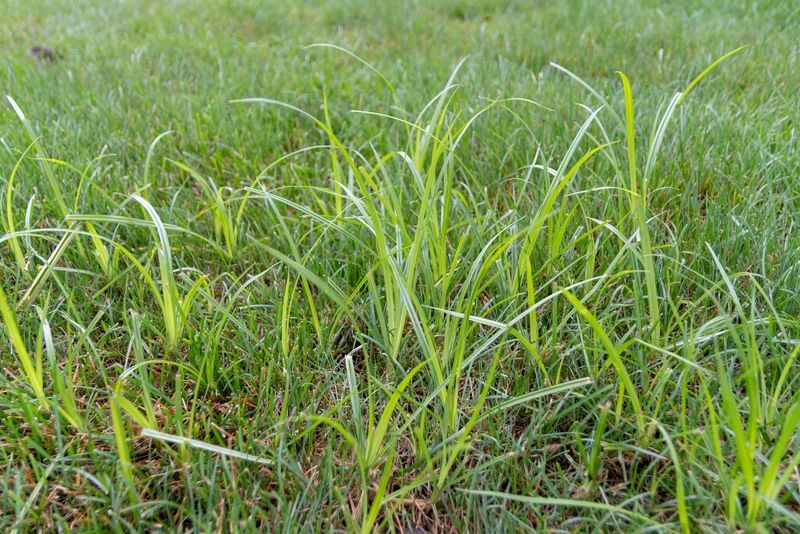
Pick up a nutsedge stem and roll it between your fingers. You will feel three flat sides instead of the round shape of a typical grass stem.
Gardeners often mistake nutsedge for crabgrass or other common lawn weeds. That mistake leads to using the wrong products, which wastes money and time.
Nutsedge belongs to the Cyperaceae family, not the grass family. Herbicides labeled for grassy weeds have almost no effect on true sedges.
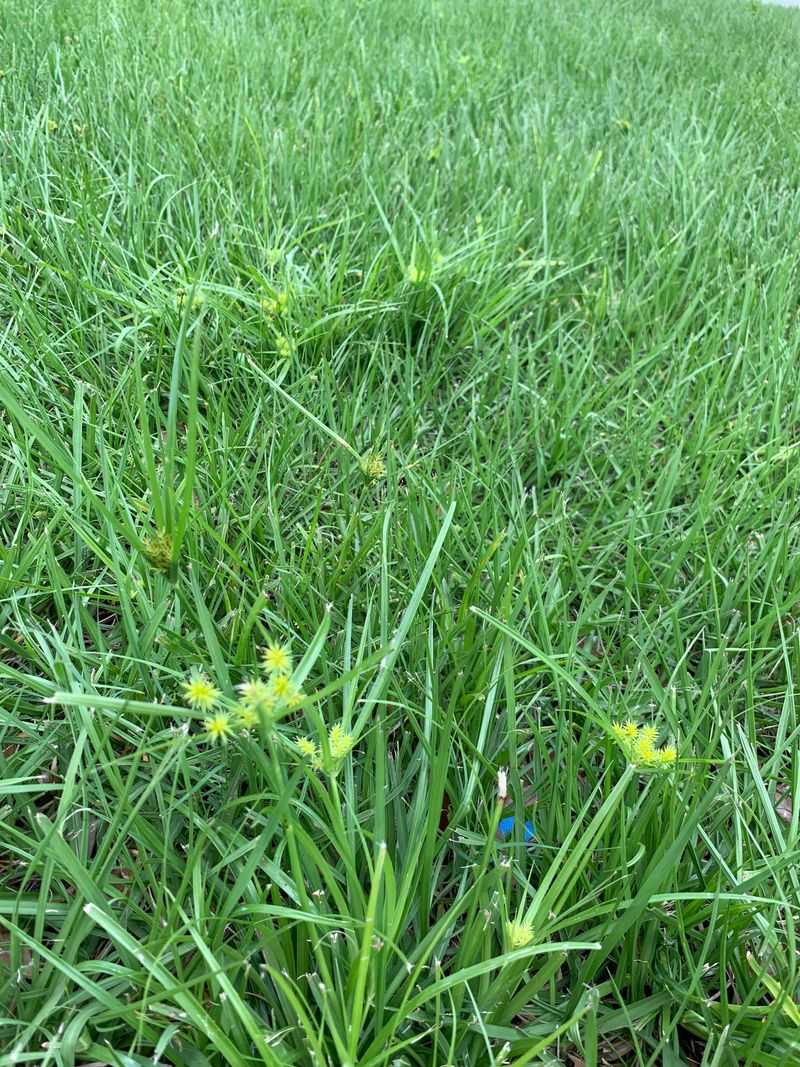
The leaves of yellow nutsedge are bright yellow-green and glossy. Purple nutsedge has slightly darker, stiffer blades with a more upright growth habit.
Both species grow faster than most lawn grasses in warm weather, often outpacing turf noticeably during California summers.
Sedge also has a distinctive seed head that looks like a small spiky umbrella. Spotting that seed head early helps you act before new seeds drop.
Understanding these physical differences helps you choose the right control method. A weed you can correctly identify is a weed you can actually beat.
Misidentifying nutsedge as grass is a common and costly mistake in home weed management. Take a close look before you grab any product off the shelf.
This mix-up happens most often in warm, humid stretches when everything in the yard seems to grow at once. A five-second stem check can save you weeks of using the wrong treatment.
Overwatering And Compacted Soil As Underlying Triggers
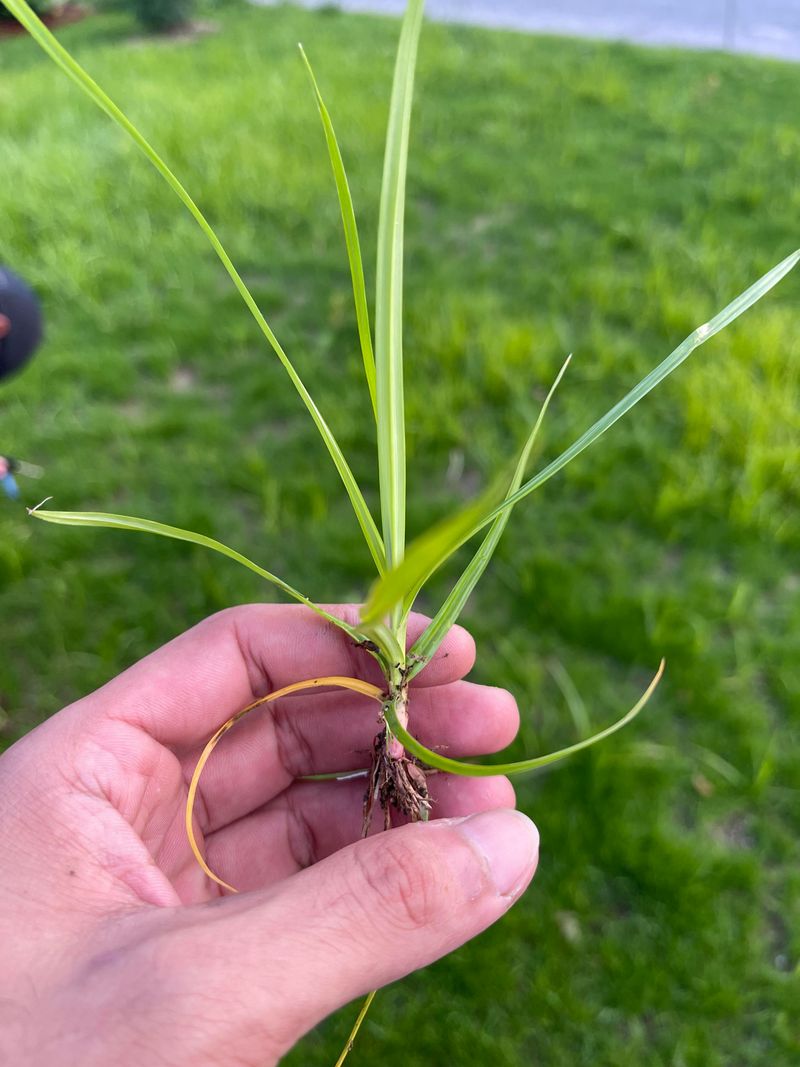
Nutsedge does not show up randomly. It moves in when conditions are just right, and those conditions are often created by the gardener without realizing it.
Wet soil is nutsedge’s favorite environment. Overwatering, poor drainage, and sprinkler overlap create the moist zones where nutlets germinate fastest.
Compacted soil makes the situation even worse. When soil packs down, water sits near the surface instead of draining, and nutsedge roots have an easy path to spread laterally.
Many California lawns receive more water than they actually need, which creates the exact moisture nutsedge depends on to spread. That excess moisture is essentially an invitation for sedge to colonize.
Fixing the underlying moisture problem is not optional if you want lasting control. You can treat the plant all season, but it will return if the soil stays soggy.
Aerating compacted areas helps water move deeper into the soil profile. Adjusting irrigation schedules to water deeply but less frequently also removes nutsedge’s competitive advantage.
Check your sprinkler run times and look for pooling spots after each cycle. Eliminating those wet patches takes away the conditions nutsedge needs to thrive.
Addressing soil health alongside weed control gives you results that last. Treat the environment, not just the symptom, and the weed loses its advantage.
Soil that stays wet for days after a normal watering cycle is usually the clearest warning sign. Fixing that one habit often does more for long term control than any product on the shelf.
Herbicide Options Labeled For Sedge Control In California
Not every weed spray on the shelf will touch nutsedge. You need a product specifically labeled for sedge, not just broadleaf weeds or grasses.
Halosulfuron-methyl is one of the most effective active ingredients for nutsedge. It is sold under brand names like Sedgehammer and is widely available at garden centers.
Sulfentrazone is another active ingredient that targets sedge effectively. Products containing this compound work well in both turf and ornamental bed settings.
Read the label carefully before applying any herbicide in California. State regulations on application rates, buffer zones, and restricted-use products are often stricter than federal guidelines.
Nutsedge absorbs foliar herbicides through its waxy leaves, but absorption takes time. Check the product label for the exact rainfast window, since watering or rain too soon after application can reduce effectiveness.
Repeat applications are almost always necessary because herbicides affect the shoot but may not fully deplete the tuber reserves below. Follow label directions for the recommended retreatment window.
Spot-treating works better than broadcasting when infestations are patchy. Targeted application reduces chemical use and minimizes stress on surrounding turf or garden plants.
Choosing the right herbicide and applying it correctly makes a real difference. With the proper product and timing, you can finally start shrinking the nutsedge population instead of watching it grow.
Timing And Follow Up Treatments That Reduce Tuber Reserves
Timing your treatment of nutsedge matters more than almost anything else. Treat too late in the season and you miss the window when the plant is most vulnerable.
Young nutsedge plants with just a few leaves are the easiest to control. At that early stage, the plant has not yet produced new nutlets, so stopping it now reduces next year’s population.
In California’s warmer zones, nutsedge begins emerging in late spring. Watching for the first flush of growth and treating immediately gives herbicides the best chance to work.
A single treatment rarely eliminates the tuber reserves built up over multiple seasons. Plan for multiple applications spaced several weeks apart, following label guidance for your specific product.
Each treatment stresses the plant and forces it to use stored energy from the nutlets below. Over time, repeated stress depletes those reserves and fewer new shoots emerge.
Fall can also help in regions with a true winter dormancy period, since the plant pulls nutrients back into the tubers and a well-timed herbicide travels down with them, though this effect is weaker in California’s milder winters.
Keeping records of where nutsedge appeared each year helps you anticipate new outbreaks. Mark those spots on a simple garden map and treat proactively before the weed gains momentum.
Consistent follow-up is the strategy that most gardeners skip. Stick with the schedule and the nutsedge population will shrink season by season until it is finally manageable.