The Oregon Apple Storage Mistake That Turns Good Fruit Soft Too Fast
Your apple looked perfect the day you picked it, yet that crunch fades faster than anyone warns you. The reason usually has nothing to do with the apple itself and everything to do with what happens to it afterward. Oregon apples deserve better than a mystery ending in mush.
Willamette Valley’s well-suited soil and cool climate help Honeycrisp, Fuji, and Jonagold develop a bite most fruit never reaches, which makes it even harder to watch that texture disappear at home.
A sealed bag, a warm shelf, or the wrong neighbor in the fridge can undo weeks of careful growing in a matter of days. None of it feels like a mistake in the moment, which is exactly why it keeps happening.
Spot where things actually go wrong, and your Oregon apples stay crisp for weeks instead of days.
A Sealed Container Traps Ethylene Around Every Apple
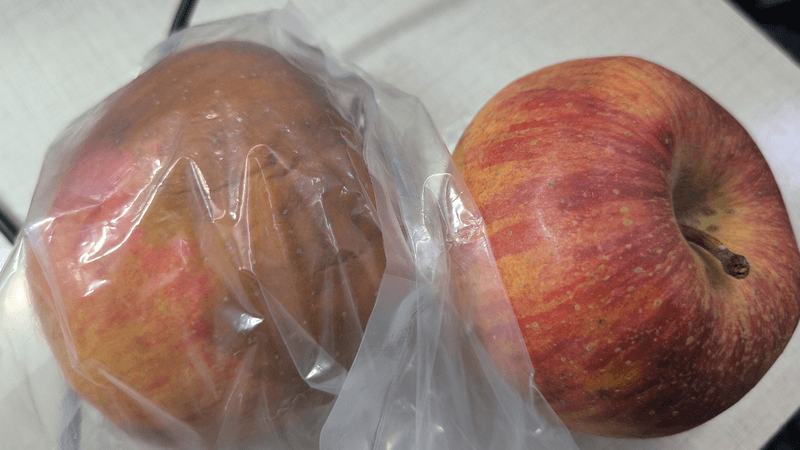
Every apple releases ethylene gas as a natural part of ripening. In an open space, that gas disperses quickly and causes little harm to the fruit around it.
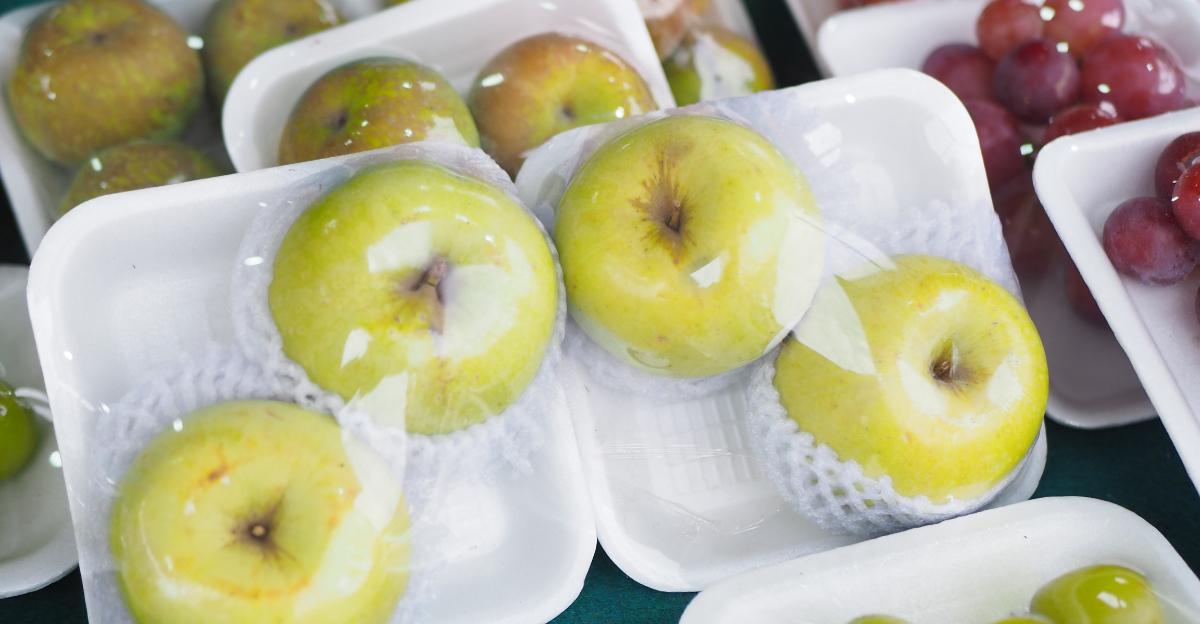
Seal that same apple inside a zip-lock bag or an airtight bin, and the gas has nowhere to escape. It builds up inside that small space and speeds up softening within days instead of weeks.
Grocery store apples almost always arrive in a sealed bag before they reach your kitchen. Transferring them straight into a closed drawer or bin only continues the same mistake at home.
The tighter the seal around the fruit, the faster the ethylene concentration climbs. Even a well-refrigerated apple stored in a closed bag will soften faster than one left loosely wrapped nearby.
A sealed container also traps moisture along with the gas, which softens the skin even more. That combination of trapped gas and trapped moisture is what turns a crisp apple mushy so quickly.
Even brief exposure to a sealed container can undo hours of proper cold storage. A single afternoon spent in a closed bag on a warm counter can noticeably speed up ripening.
Farmers who sell at Oregon markets often warn buyers about this exact habit. Their advice is simple: keep the bag loosely folded instead of sealed shut.
This single habit of sealing fruit away from airflow undoes weeks of careful growing in a matter of days. Fixing it starts with understanding exactly why that trapped gas matters in the first place.
One Soft Apple Speeds Up The Whole Batch
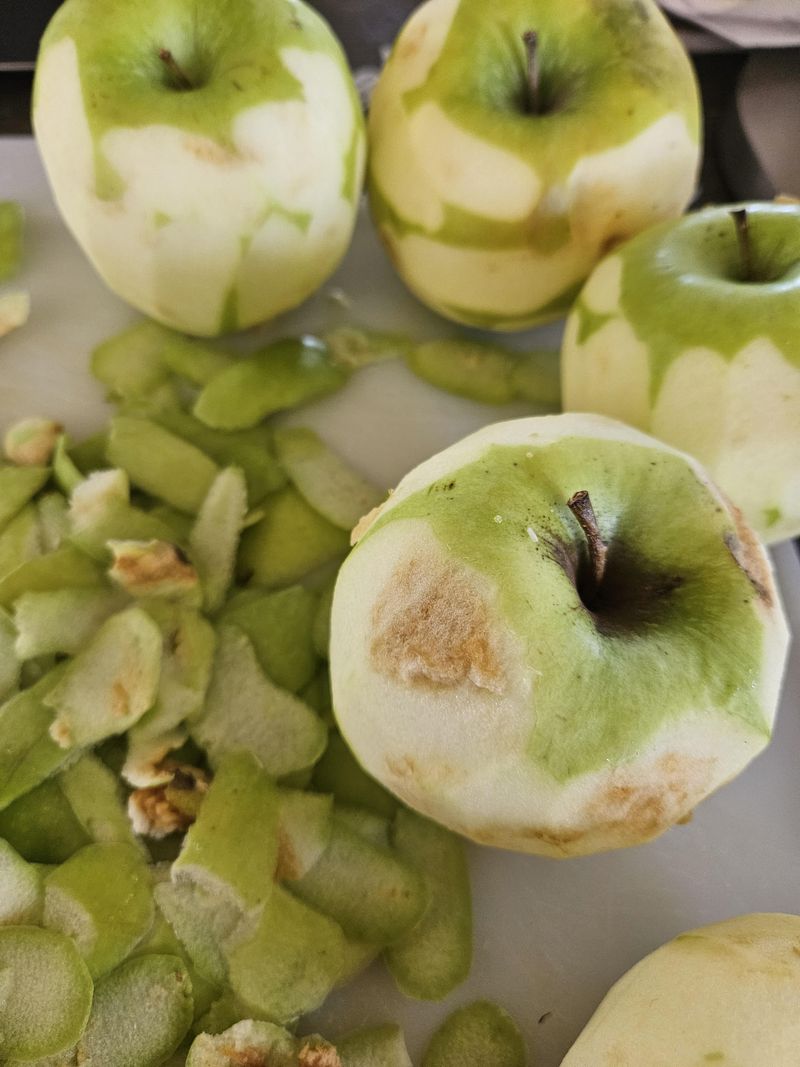
Ethylene buildup isn’t spread evenly once fruit starts to turn. A single softening apple releases more gas than a firm one nearby.
That extra gas concentrates fastest inside a sealed bag or bin. It settles over every other apple in the container and pushes them toward the same fate.
This chain reaction explains why a dozen apples can turn from crisp to mealy in just a few days. It only takes one weak piece to start the whole process.
A single bruised spot is often enough to trigger this effect. Bruised tissue releases ethylene faster than undamaged skin, even before any softening is visible.
Your Oregon Garden Changes Every Week. Your Plan Should Too.
Gardening in Oregon changes quickly throughout the season. Every Friday you’ll receive a simple weekly plan showing exactly what to plant, prune, fertilize, harvest, and protect so you never miss the right timing.
Sorting through apples before storing them catches this early. Removing any apple with a soft spot or bruise keeps its extra gas from spreading to the rest.
Checking the batch every few days during storage catches new soft spots before they spread further. A few seconds of inspection can save an entire container of fruit.
Storing apples in smaller batches instead of one large sealed bag also limits the damage. If one group turns, the rest stay unaffected in their own separate containers.
This ripple effect is what makes the sealed-container mistake so costly. One overlooked apple can quietly cost you the crunch of a dozen more.
Catching the problem at the batch level, rather than waiting for the whole container to soften, keeps most of your harvest intact. A quick sort before storage takes less than a minute and prevents days of wasted fruit later.
Warm Spots Make The Problem Worse Faster
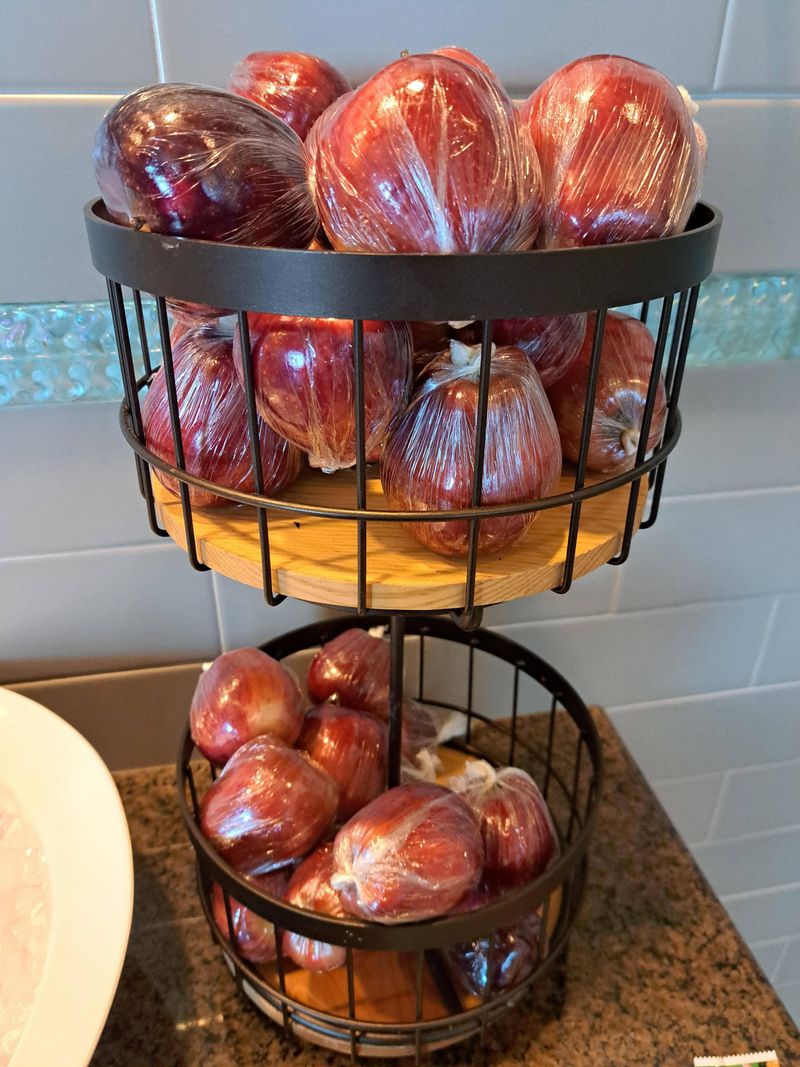
Ethylene buildup moves faster as temperature rises around the fruit. A sealed bag sitting at 60 degrees breaks down apple flesh far quicker than one at 33 degrees.
Countertops and garage shelves often feel cool enough at a glance. In reality, both spots swing well above the 30 to 35 degree range apples need to stay firm.
A sealed container placed in a warm spot compounds the ethylene problem instead of adding a separate one. The gas builds up faster, and the heat speeds up how quickly that gas affects the fruit.
An Oregon garage can swing widely in temperature depending on the season. That kind of swing is far outside what any apple can tolerate for long.
Moving sealed apples to a refrigerator crisper slows this combination down. Cold air alone won’t fix a bad seal, but it buys extra time before real damage sets in.
Basements tend to stay cooler and more stable than garages in most Oregon homes. A shaded basement corner often beats any garage shelf for this reason.
Placing a thermometer near your storage spot shows whether heat is quietly working against you. Most people assume a space feels cold enough without ever checking the actual number.
Combined with proper ventilation, temperature control closes the second half of this mistake. Neither fix works well without the other in place.
A cold, sealed bag still traps gas, and a warm, vented bag still overheats the fruit. Both pieces need to be right at the same time.
Storing Apples Near Other Produce Adds To The Same Mistake
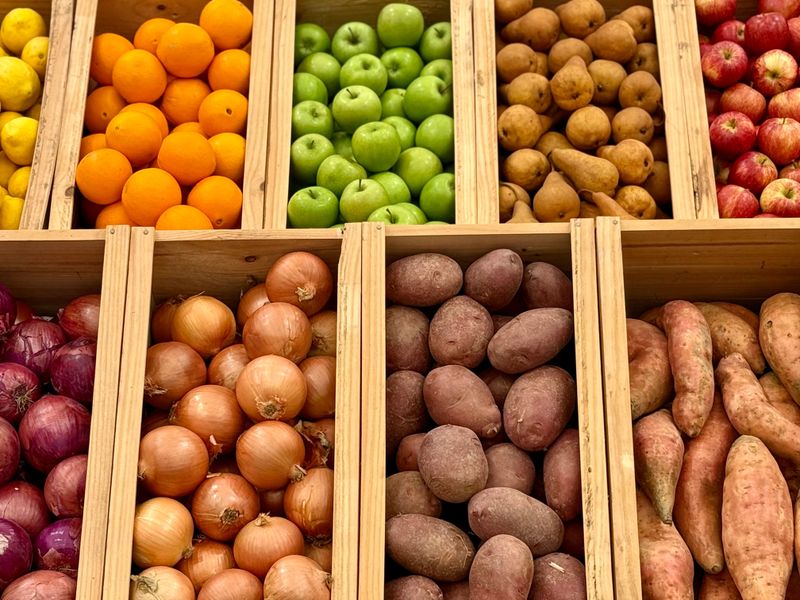
A sealed container doesn’t just trap the ethylene from the apples inside it. It also traps gas released by whatever else shares that same space.
Potatoes stored in the same sealed bin absorb that extra ethylene and sprout faster than they would alone. Their texture also turns grainy sooner than expected.
Onions stored nearby release their own strong odor inside a closed container. Apples sealed in with them pick up a faint savory smell within about a week.
Pears are especially sensitive to ethylene and soften within days when sealed alongside apples. Keeping the two apart, even in the same fridge drawer, prevents this.
Bananas produce more ethylene than almost anything else in a kitchen. A bunch left near a sealed apple bin can soften the entire batch within a couple of days.
The fix isn’t just about the container itself, but also about what shares the space inside it. A vented bag still concentrates gas if it’s packed next to high-ethylene produce.
Dedicating a separate shelf or drawer to apples alone removes most of this variable. Physical separation cuts down on both gas exposure and odor transfer at the same time.
Even in a large refrigerator, placing apples in their own bin away from other produce makes a noticeable difference. The goal is limiting how much apples interact with anything releasing gas nearby.
This is really the same sealed-container mistake showing up in a different form. Trapped gas causes the same damage, no matter if it comes from the apples or from a neighboring vegetable.
Vented Storage Solves The Buildup
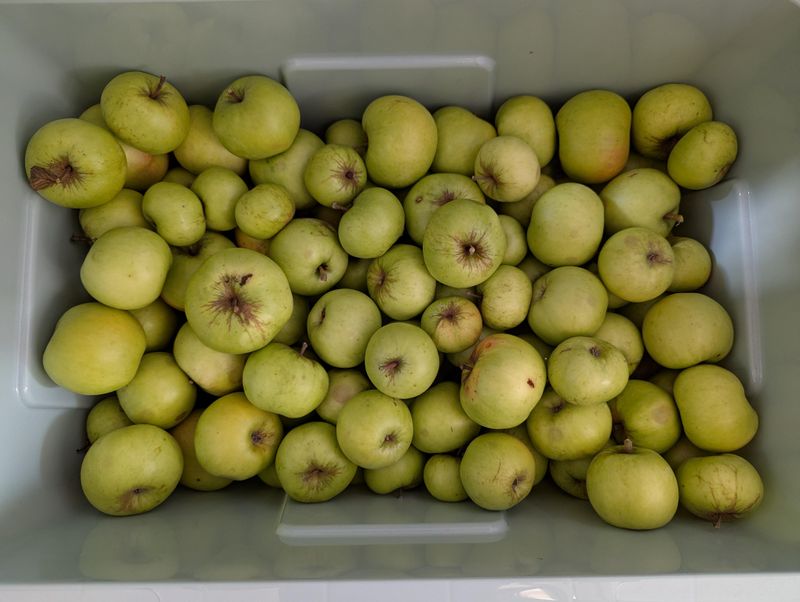
Switching from a sealed bag to a vented one lets ethylene escape before it concentrates. Mesh bags, perforated plastic, or a loosely folded paper bag all work for this.
Refrigerator crisper drawers often include a humidity vent built in for this exact reason. Keeping that vent slightly open lets built-up gas dissipate instead of collecting around the fruit.
Spreading apples in a single layer instead of stacking them in a sealed bin also helps. More space between each piece means less concentrated gas reaching any one apple.
Wrapping individual apples in newspaper adds a small buffer without sealing them off entirely. The paper absorbs some ethylene while still allowing airflow around the fruit underneath it.
Wooden crates with slatted sides work better than solid plastic bins for the same reason. Air moves freely between the slats and carries built-up gas away from the fruit.
Cardboard boxes breathe slightly more than solid plastic, which helps even without added ventilation. Lining the box with newspaper adds another layer of absorption for both gas and moisture.
None of these swaps require new equipment or added cost to set up. They simply replace one closed container with one that allows air to move through it.
A vented setup also makes it easier to spot a turning apple before it affects the rest. Airflow keeps the smell and gas from building up unnoticed inside a sealed corner.
Once the container breathes properly, most of the original mistake disappears on its own. The apples that go in cold and vented tend to come out just as crisp weeks later.
Signs The Damage Has Already Started
A faint sweet smell inside a storage bag is often the first clue that ethylene has built up. That smell means gas has been concentrating for a while before anyone noticed it.
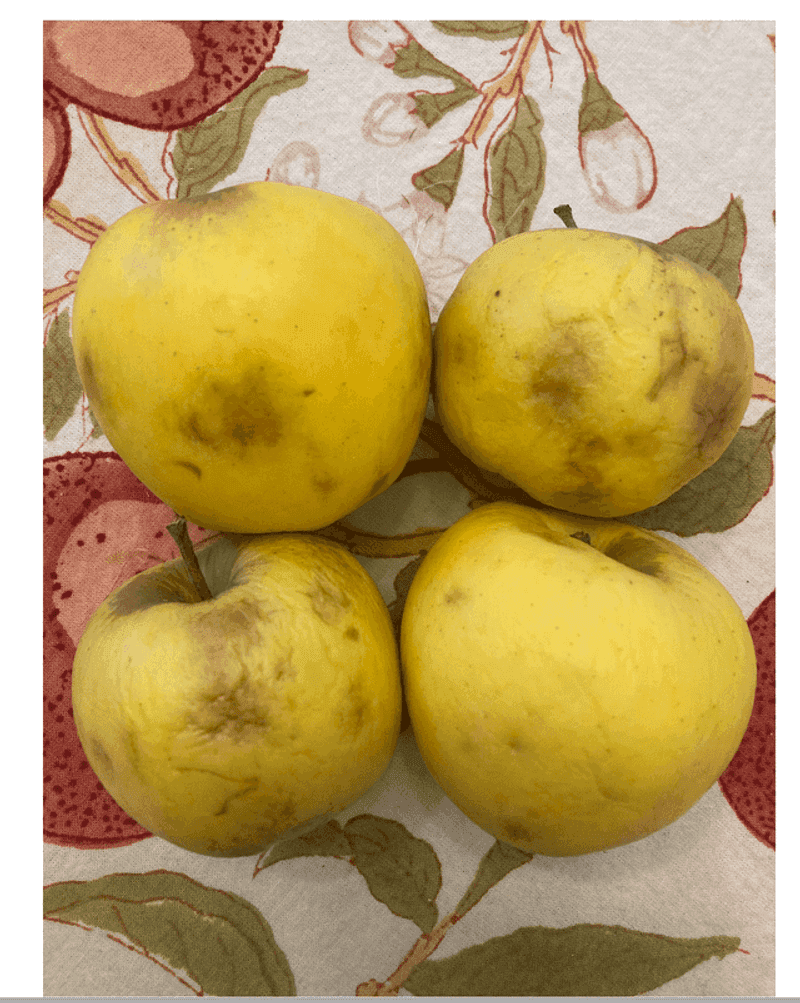
Soft spots near the stem end tend to appear before the rest of the apple loses its bite. Catching this early lets you move the whole batch to a vented container before more fruit turns.
A grainy or mealy texture on the first bite is a sign the buildup already ran its course. At that point, no amount of extra ventilation will restore the lost crunch.
Condensation collecting inside a sealed bag is another early warning sign worth watching for. Moisture pooling on the skin usually means both gas and humidity are trapped together.
Checking apples every few days during storage catches these signs before they spread through the rest of the container. A quick look costs nothing and prevents an entire batch from turning at once.
A slightly wrinkled skin combined with softness near the stem usually means the fruit is past saving. At that stage, the best option is using it right away rather than storing it further.
Comparing a suspect apple to a firmer one from the same batch makes the difference easier to spot. Side by side, the texture and smell gap becomes obvious within seconds.
Recognizing these signs early turns ethylene from a mystery into something you can manage before it spreads further. A little attention at the start saves the whole container down the line.