Mistakes Everyone Makes When Planting Hydrangeas In Oregon
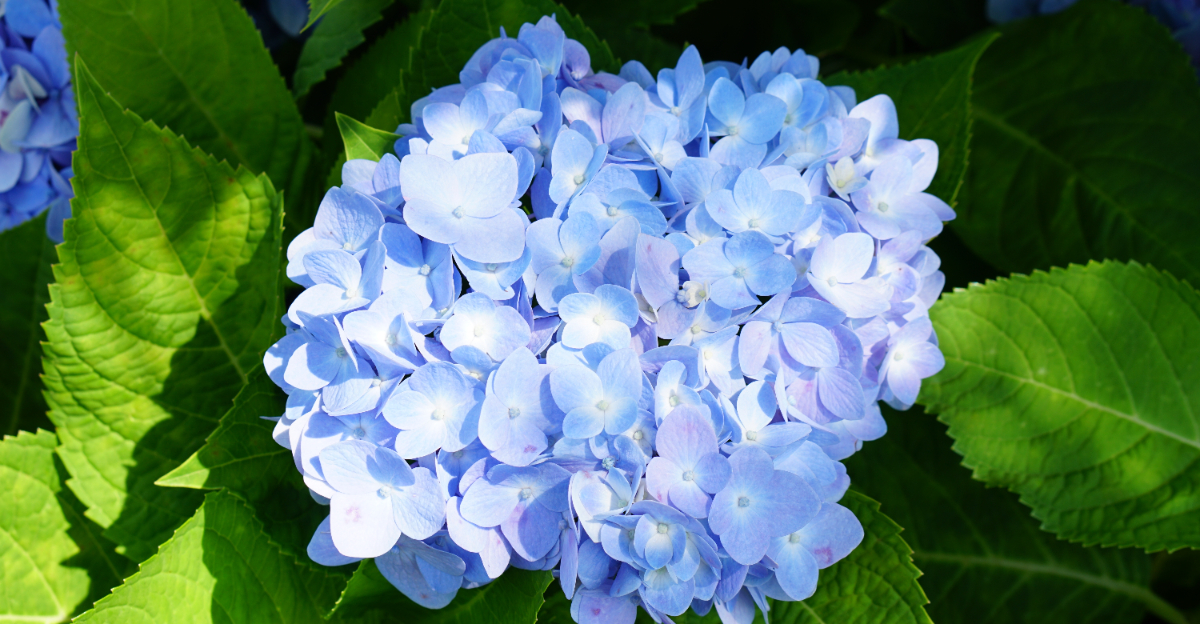
Hydrangeas have a talent for making any Oregon yard look instantly charming. Their oversized blooms feel romantic, colorful, and just a little dramatic.
Naturally, that makes planting them seem easy. Dig a hole, tuck them in, and wait for the floral magic, right? Not exactly.
These garden favorites can be surprisingly particular once they settle into the ground. A choice that seems harmless on planting day may lead to weak growth or disappointing blooms later.
Hydrangeas remember everything. At least, it certainly feels that way. Oregon’s mild climate can be wonderfully welcoming, but local conditions still create a few sneaky challenges.
Soil, sunlight, and moisture all play a role in how well these shrubs get established. That is why a little planning matters.
Getting the basics right early can mean the difference between a thriving showpiece and a plant that spends the season looking deeply unimpressed.
1. Planting In Harsh Afternoon Sun
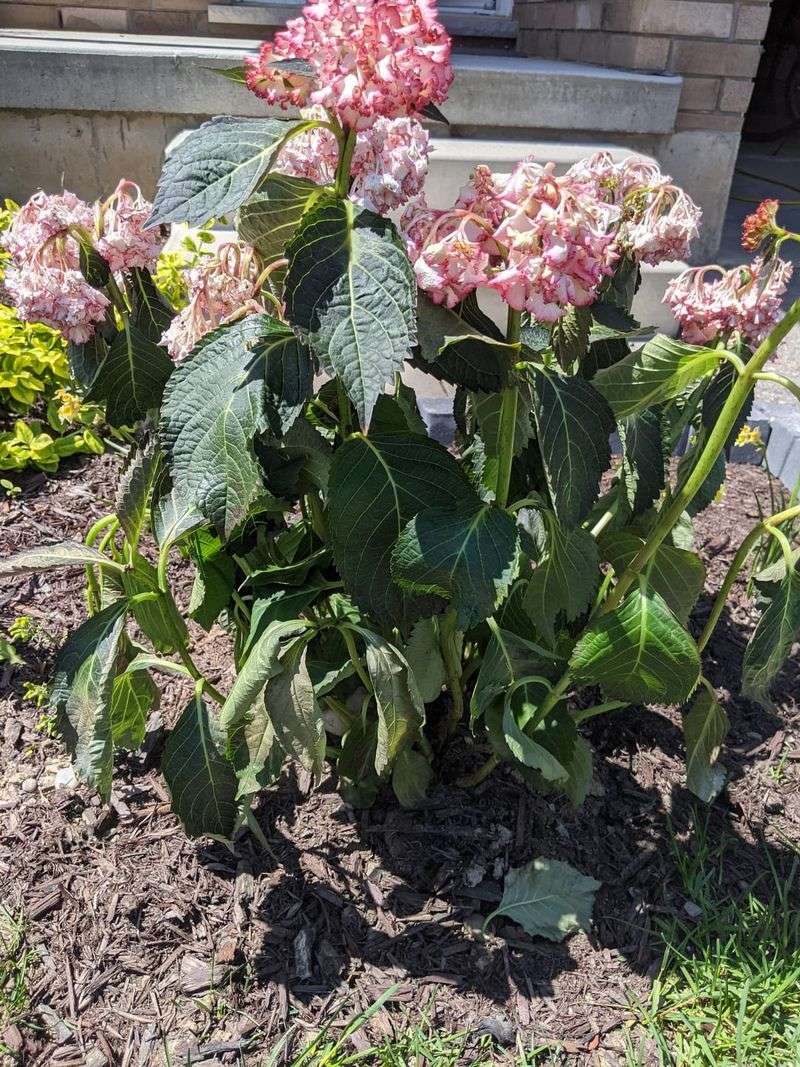
Full afternoon sun is one of the fastest ways to stress out a hydrangea. Many gardeners pick a sunny spot thinking more light means better blooms, but that is not always true.
These plants prefer morning sun with afternoon shade, especially during the warm summer months.
Oregon gets surprisingly intense sun from late spring through early fall. Even on the coast, afternoon rays can scorch large leaves and cause the whole plant to wilt by midday.
Once the leaves burn, they do not recover, and the plant spends energy trying to survive instead of producing flowers.
A north-facing or east-facing planting spot usually works best. You want the plant to soak up gentle morning light and then rest in shade when the heat peaks.
Tall fences, large trees, or the north side of a house can all provide that perfect afternoon shade.
Before you dig a hole, watch your yard throughout the day. Notice where shade falls and when. A spot that looks shady in the morning might be blasted with sun by two in the afternoon.
Moving a hydrangea after it is planted is stressful for the plant, so choosing the right location from the start matters a lot. Take your time and observe before committing to a spot.
2. Choosing The Wrong Hydrangea Type
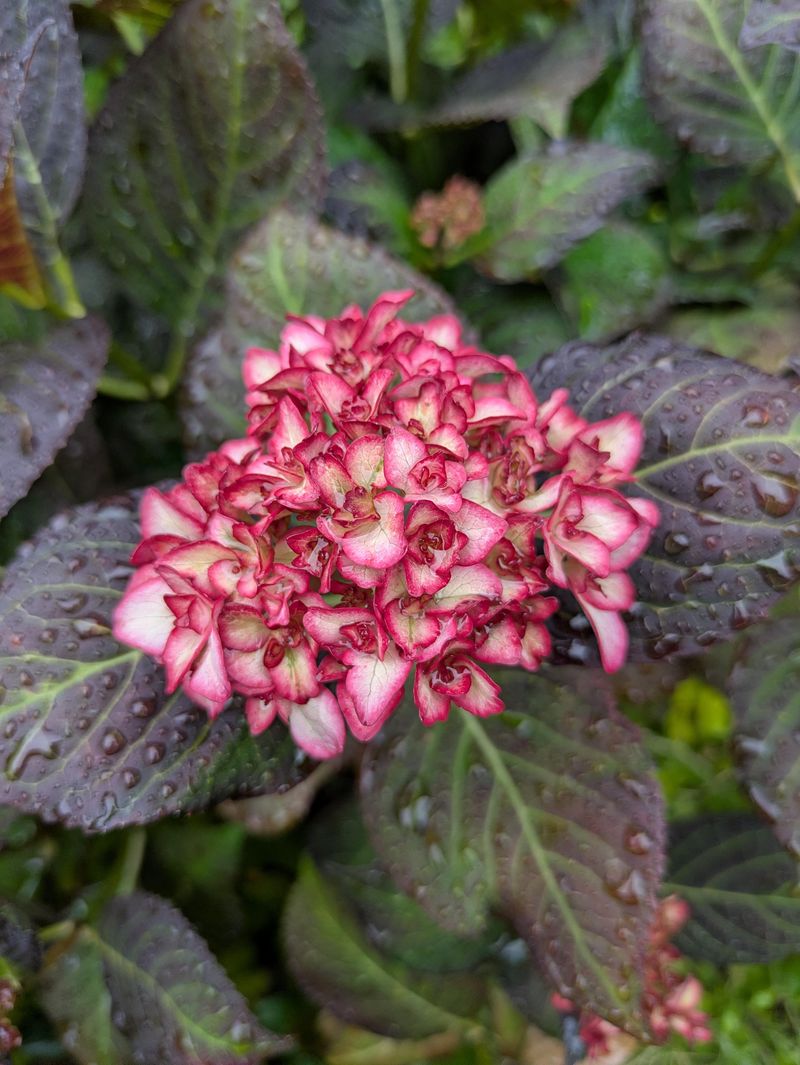
Not all hydrangeas are built the same. There are several types, and each one has different needs when it comes to cold tolerance, sun exposure, and soil preferences.
Picking the wrong one for your yard is a mistake that can set you back an entire growing season.
Bigleaf hydrangeas, also called Hydrangea macrophylla, are the classic mophead and lacecap types that most people picture.
They are gorgeous but can be finicky in areas with late spring frosts, which are common in the mountain valleys and higher elevations of Oregon.
Panicle hydrangeas are much tougher and handle colder temperatures better, making them a smarter pick for gardeners in the northern regions.
Smooth hydrangeas like Annabelle are also reliable performers here. They bloom on new wood, so even if winter damages old stems, fresh growth will still produce flowers.
Your Oregon Garden Changes Every Week. Your Plan Should Too.
Gardening in Oregon changes quickly throughout the season. Every Friday you’ll receive a simple weekly plan showing exactly what to plant, prune, fertilize, harvest, and protect so you never miss the right timing.
Oakleaf hydrangeas offer beautiful fall color and tolerate drier conditions, which is a bonus during our dry summer months.
Doing a little research before buying saves a lot of disappointment. Talk to staff at a local nursery who know your specific area.
They can point you toward varieties that are already proven in your neighborhood. Reading the plant tag carefully also helps, since it usually lists cold hardiness zones and preferred growing conditions.
Matching the right variety to your yard makes everything easier from day one.
3. Ignoring Oregon’s Dry Summer Stretch
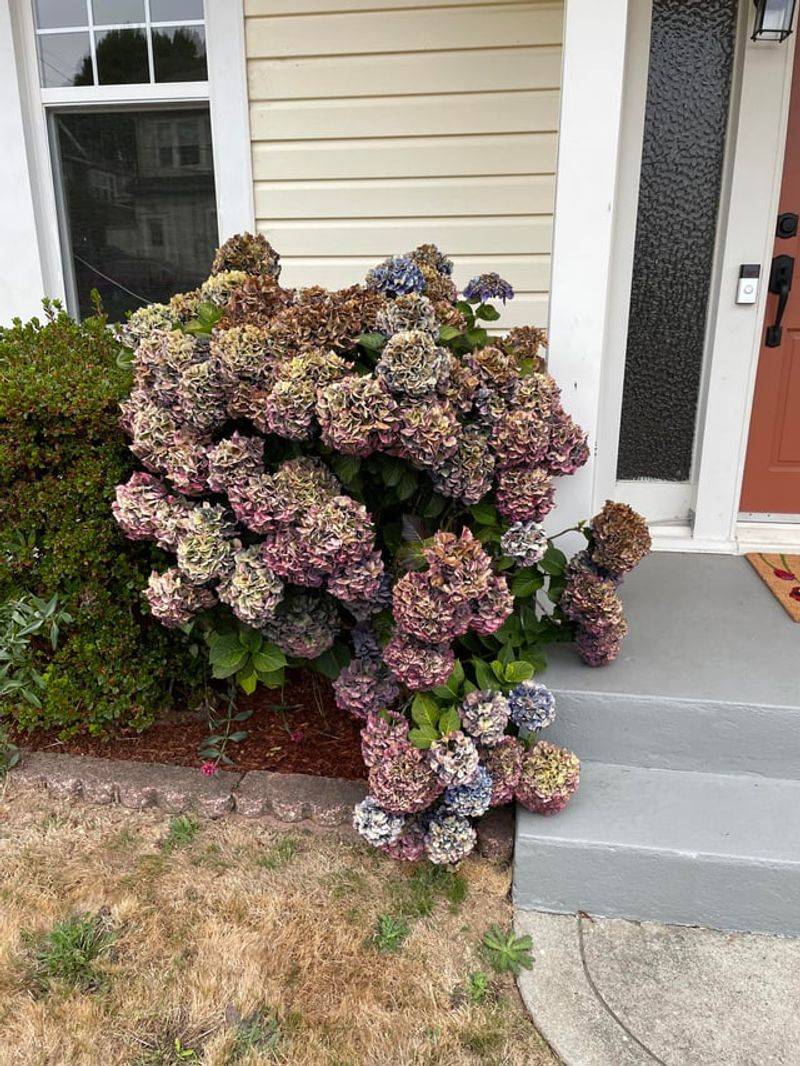
People who move to Oregon are often surprised by how dry summer gets here. After all, the Pacific Northwest has a reputation for rain.
But from roughly late June through September, many parts of the region receive very little rainfall. That dry stretch can seriously stress out hydrangeas that are not getting enough water.
These plants have large leaves that lose moisture quickly in warm, dry air. Without regular watering, leaves will droop, edges will turn brown, and flower clusters will shrivel before they fully open.
Young plants are especially vulnerable because their root systems have not had time to spread deep into the soil where moisture lingers.
Setting up a consistent watering schedule during summer is not optional, it is necessary. Deep watering two to three times per week works better than light daily watering.
Deep watering encourages roots to grow downward, which helps the plant become more resilient over time.
A soaker hose or drip system placed at the base of the plant is ideal because it delivers water directly to the roots without wetting the leaves.
Checking soil moisture before watering is also smart. Stick your finger about two inches into the soil. If it feels dry, it is time to water. If it still feels damp, wait another day.
Paying attention to the soil instead of following a rigid schedule helps you avoid both under-watering and overwatering your plants.
4. Planting Too Close To The House
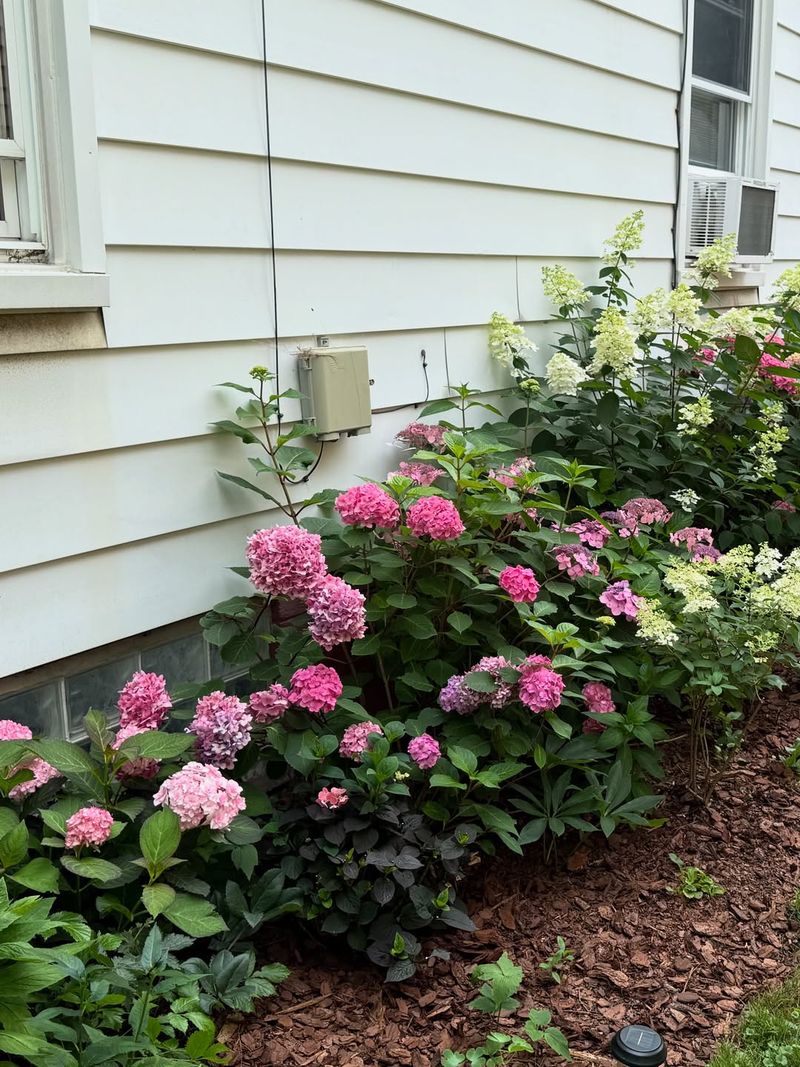
It seems like a great idea at first. Planting a hydrangea right next to the house gives it a backdrop, looks tidy, and feels like a natural fit.
But that cozy spot near the foundation often causes more problems than it solves.
House eaves block rainfall from reaching the soil directly below them. This means plants tucked close to the house can stay dry even when it rains, forcing you to water them manually much more often.
The soil near foundations also tends to be poor quality, sometimes filled with construction debris or heavily compacted from years of foot traffic.
Hydrangeas can grow quite large depending on the variety. Some spread four to six feet wide or even wider.
When planted too close to a wall or window, they quickly run out of room. Crowded stems press against siding, trap moisture, and can lead to mold or rot on the structure itself.
Pruning constantly to keep the plant in bounds is frustrating and can reduce flowering.
A good rule of thumb is to plant at least three to four feet away from any structure, giving the shrub room to grow naturally without crowding. Measure the expected mature width listed on the plant tag and use that as your guide.
Giving hydrangeas enough space from the start means less work for you and healthier growth for the plant over the long run.
5. Burying The Crown Too Deep
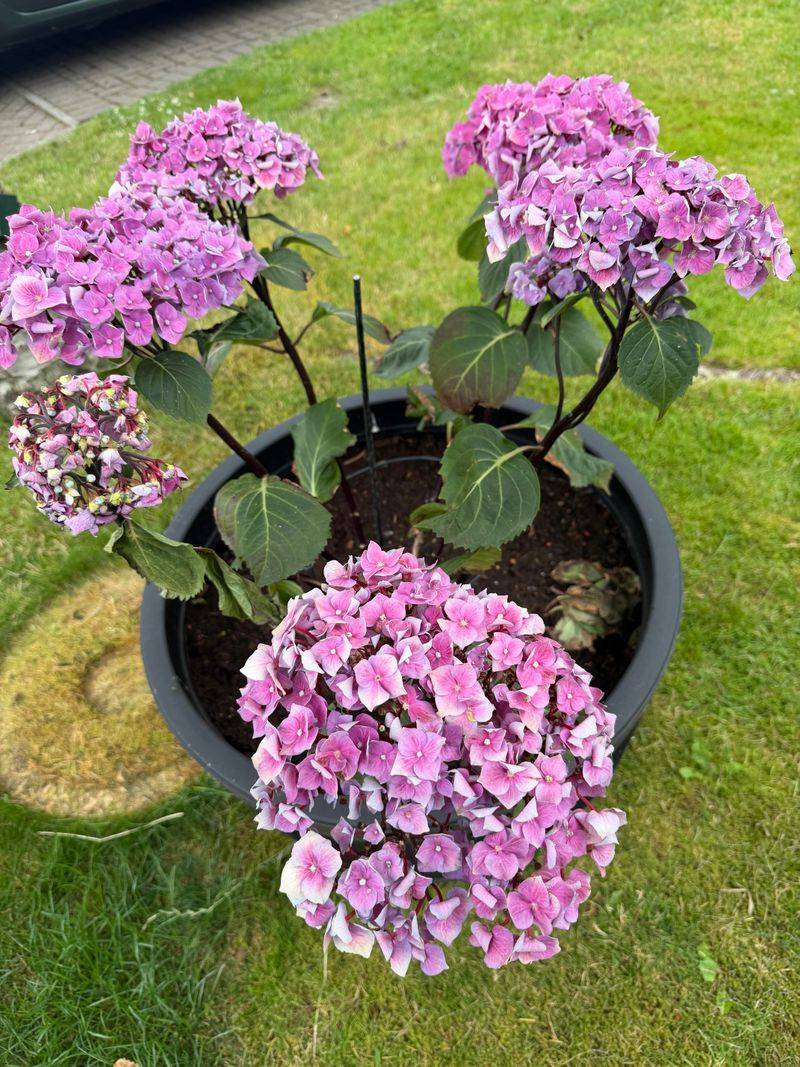
Planting depth matters more than most people realize. One of the most common mistakes gardeners make is burying the crown of the plant too deep in the soil.
The crown is the point where the stems meet the roots, and it needs to sit right at or just slightly above the soil surface.
When the crown is buried too deep, moisture and soil pack around the base of the stems. That constant dampness creates the perfect environment for rot and fungal problems.
The plant may look fine for a few weeks, but eventually it starts to decline in ways that are hard to trace back to the original planting mistake.
Getting the depth right is actually simple. Dig your hole and set the plant inside.
The top of the root ball should sit level with the surrounding ground, or just barely above it. Then backfill with soil and firm it gently around the roots. Avoid mounding soil up against the stems.
After planting, the crown should be clearly visible and not buried under a pile of dirt or mulch. Speaking of mulch, keep it pulled back a few inches from the base of the stems.
Mulch is great for retaining moisture and regulating temperature, but piling it directly against the crown traps moisture and causes the same problems as planting too deep.
A little gap around the base goes a long way toward keeping the plant healthy and thriving.
6. Skipping Mulch Around Shallow Roots
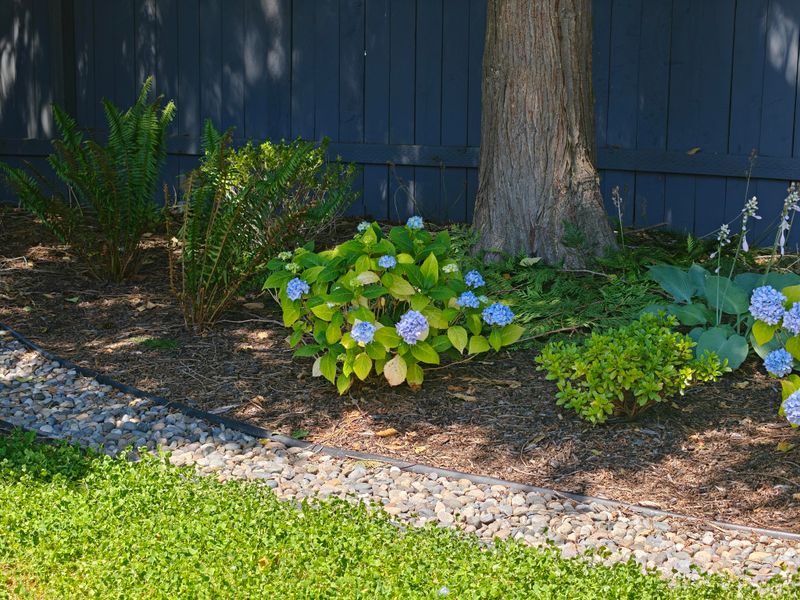
Skipping mulch might seem like no big deal, but for hydrangeas it is a mistake that affects the whole growing season. These shrubs have shallow root systems that sit close to the surface of the soil.
Without protection, those roots get baked by summer heat and frozen by winter cold, neither of which they handle well.
Mulch acts like a blanket for the soil. In summer, it keeps moisture from evaporating too quickly, which means you water less often.
In winter, it insulates the roots from hard freezes that are common in inland valleys and higher elevations of Oregon.
A two to three inch layer of organic mulch like wood chips, bark, or shredded leaves does the job beautifully.
Beyond temperature regulation, mulch also suppresses weeds that compete with hydrangeas for water and nutrients.
Weeds near the base of the plant can rob it of the resources it needs to produce those big, lush flower clusters everyone loves.
Fewer weeds mean less time pulling them and more time enjoying your garden.
As organic mulch breaks down over time, it also improves soil quality by adding nutrients and improving drainage. Reapply mulch each spring before the growing season kicks in.
Pull back what remains from last year, add fresh material on top, and your roots will stay protected all season long.
Just remember to keep the mulch away from the crown to prevent moisture buildup at the base of the stems.
7. Letting New Plants Dry Out
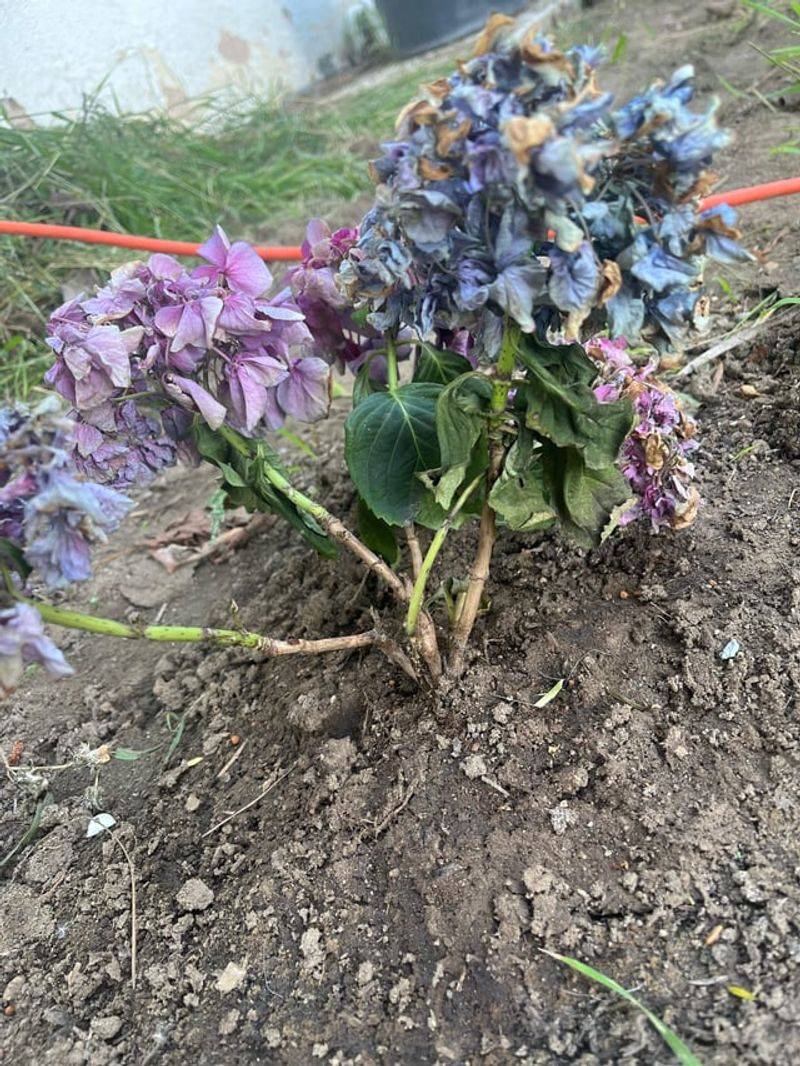
The first Oregon summer after planting is the most critical time in a hydrangea’s life. Roots are still getting established, and the plant is not yet able to pull water from deep in the soil the way a mature shrub can.
Letting a newly planted hydrangea dry out during this period is a mistake that can set the plant back by an entire year.
New plants need consistent moisture, not just occasional watering when you happen to remember. In the weeks right after planting, water deeply every two to three days.
As the plant settles in over the first season, you can gradually reduce frequency. But during heat waves or dry spells, bump watering back up to keep the soil consistently moist.
One helpful trick is to create a small watering basin around the plant. Mound the soil slightly in a ring about twelve inches out from the base.
This creates a bowl shape that holds water and directs it down toward the roots instead of running off to the sides. Fill the basin slowly so water soaks in rather than pooling on top.
Checking in on your new plants daily during the first few weeks builds good habits and helps you catch problems early. Drooping leaves in the morning, when temperatures are still cool, is a sign the plant is thirsty.
Drooping in the afternoon heat is more normal and usually not cause for concern as long as the soil has been watered recently.
8. Planting In Soggy Winter Soil
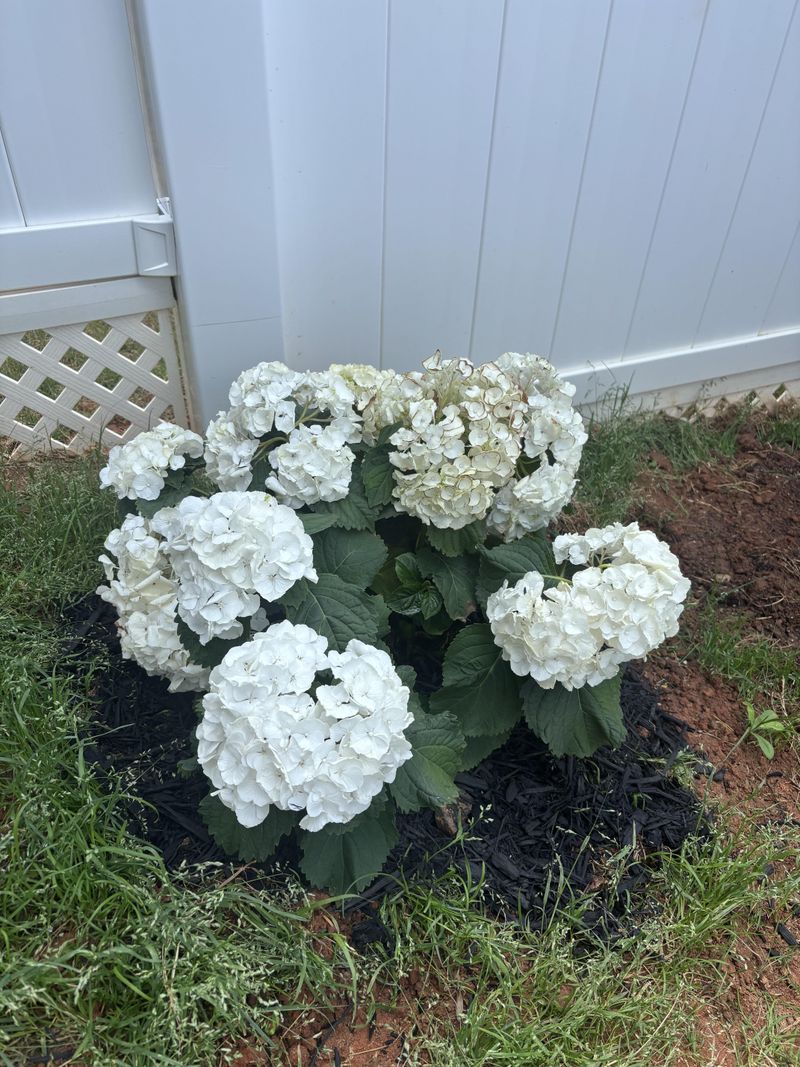
Oregon is famous for its rainy winters, and that rain is wonderful for many plants. But hydrangeas do not love sitting in waterlogged soil for months at a time.
Poorly drained spots that turn into puddles every time it rains are not the right home for these shrubs.
When roots sit in standing water for extended periods, they cannot access oxygen properly.
This leads to root stress that shows up as yellowing leaves, weak stems, and poor flowering the following spring.
The damage often happens slowly and underground, so by the time you notice something is wrong, the problem has already been going on for a while.
Before planting, test your soil drainage by digging a hole about twelve inches deep and filling it with water. If the water drains away within an hour, drainage is good.
If it is still sitting there several hours later, you have a drainage problem that needs to be addressed before planting anything.
There are a few ways to fix poor drainage. Raised beds are one of the easiest solutions.
Building up the planting area with quality soil and compost lifts the root zone above the waterlogged layer below.
Another option is amending the existing soil with compost and grit to improve its ability to drain.
Choosing a naturally elevated spot in the yard is the simplest fix of all. A slight slope or gentle rise in the landscape naturally sheds excess water and keeps roots from sitting in puddles all winter long.
9. Fertilizing Before Roots Settle
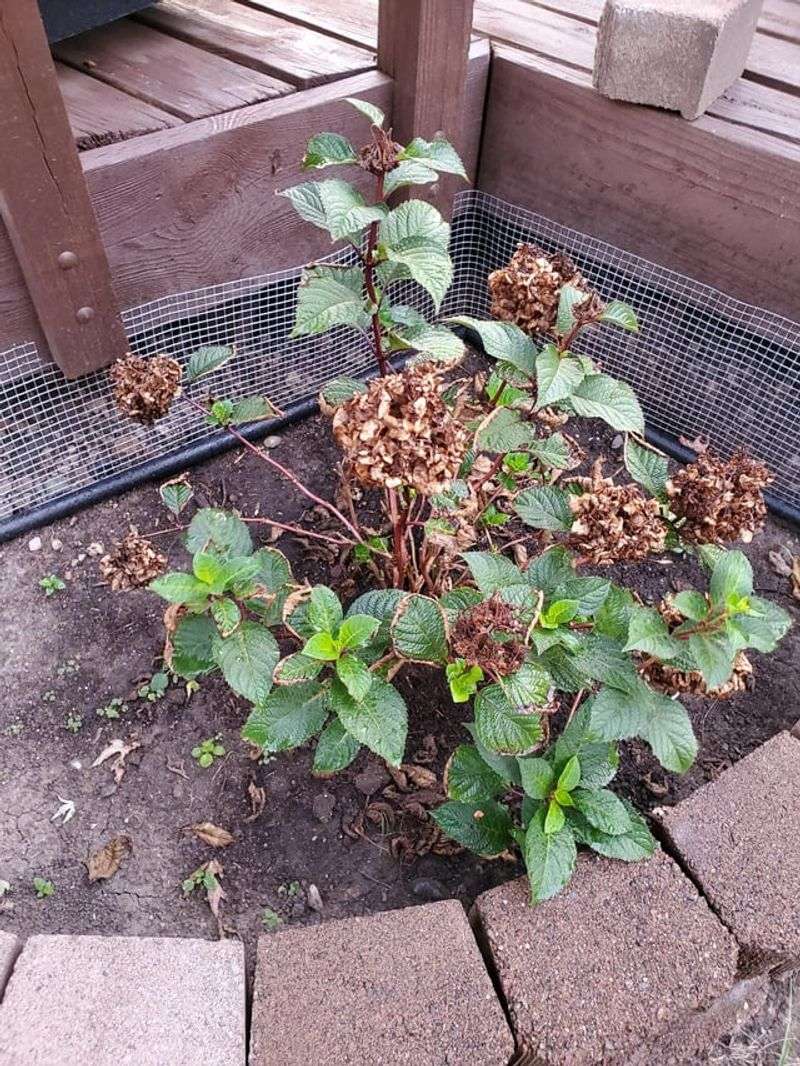
It is tempting to give a brand new plant a boost of fertilizer right after planting. The thinking makes sense on the surface.
More nutrients should mean faster growth, right? But fertilizing too soon after planting is actually one of the more harmful things you can do to a young hydrangea.
Freshly planted roots are tender and not yet established in the soil. Applying fertilizer, especially anything high in nitrogen, can burn those delicate roots before they have had a chance to anchor themselves.
Instead of helping the plant grow, early fertilizing can stress it out and slow its development during the most important phase of its life in your garden.
The better approach is to wait. Give the plant a full growing season to settle into its new spot before introducing any fertilizer.
During that first year, focus on watering consistently and keeping the soil healthy with good mulch.
The plant will put most of its energy into building a strong root system, which is exactly what you want it to do.
Once the plant is established, usually heading into its second spring, a balanced slow-release fertilizer applied in early spring works well. Look for products labeled for flowering shrubs.
Avoid fertilizing in late summer or fall, because that pushes new tender growth that can get damaged by early frosts.
Timing fertilizer applications correctly gives your hydrangeas the nutrients they need without the risk of causing harm at a vulnerable stage of growth.