The Orange Wave Crossing Kansas Skies Over The Next Three Weeks
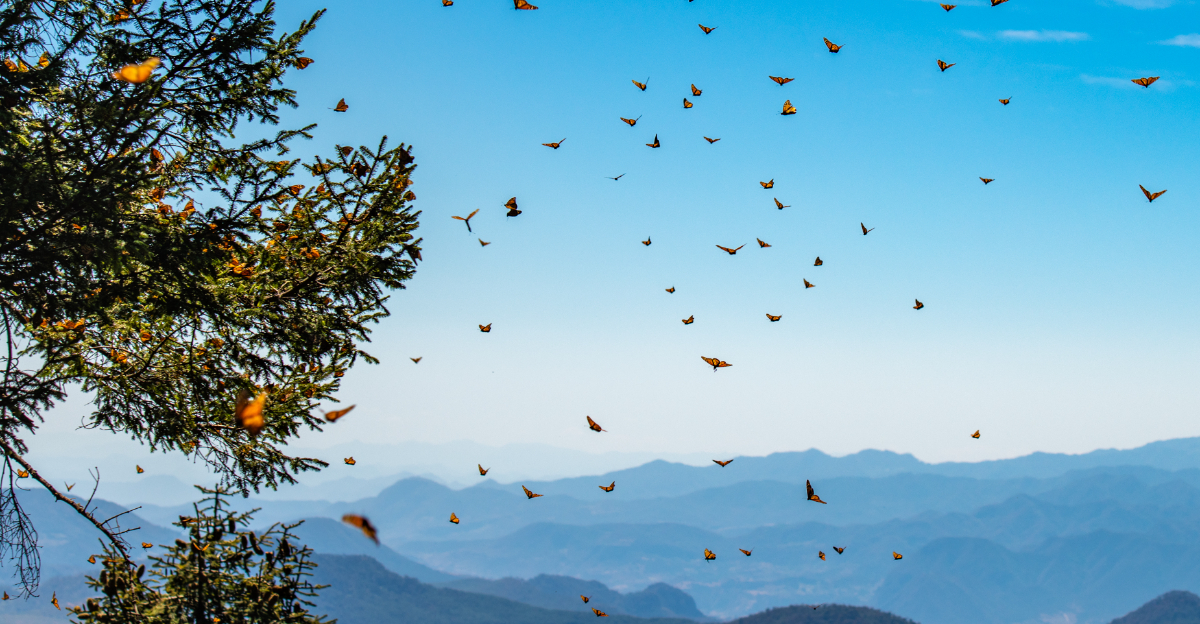
Wind carries a signal you cannot ignore this week across Kansas. Millions of orange travelers are lifting off together, tracing a corridor most people never think to look for.
Wingbeats barely tip the scales, yet you’re about to watch fragile fliers cross open sky without pause. Kansas sits beneath the busiest stretch of that route, funneling nearly the whole swarm straight past your window.
Backyards, roadside ditches, and open fields turn into fuel stops for travelers running against a clock only they can feel. Nectar-starved landscapes push them to feed harder and move faster than they normally would.
Timing controls everything here, because the window stays open for only a short stretch. Few journeys on the planet compress this much distance into so little time.
You won’t need gear or expertise, just a reason to glance upward at the right hour. Learning when and where to look changes what you notice this season.
Monarch Migration Reaches Its Kansas Peak In Mid-September
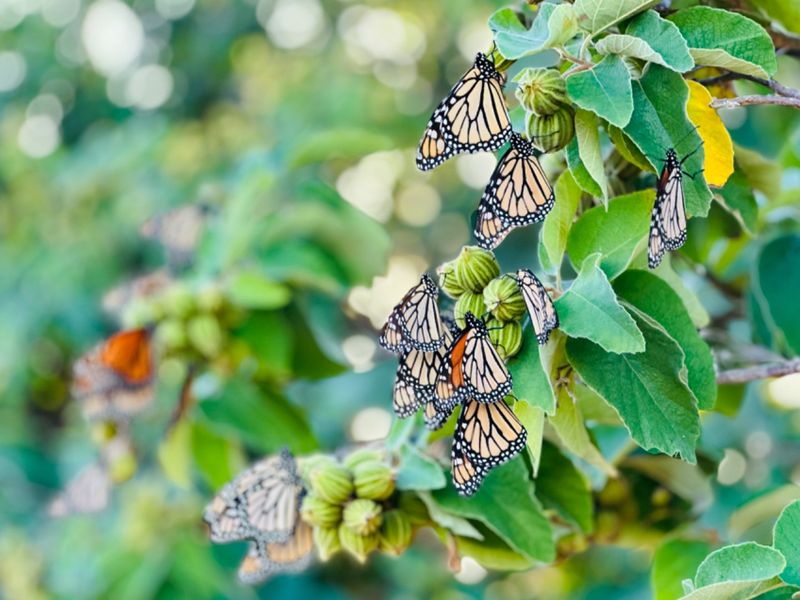
Millions of wings are on the move right now. Every fall, monarch butterflies make one of the longest insect migrations on Earth, traveling from Canada to central Mexico.
Kansas sits right in the middle of their path. Mid-to-late September marks the peak arrival of the orange wave crossing Kansas skies, and the numbers can be staggering.
Some years, observers count thousands of monarchs per hour passing a single spot. The migration is not random; it follows wind patterns, temperature shifts, and the sun’s angle.
Monarchs use a built-in compass inside their antennae. This compass reads the sun’s position and adjusts their flight direction throughout the day.
Cool fronts from the north give them a helpful tailwind. After a cold night, watch for large groups lifting off from trees and roadsides as temperatures climb past 55 degrees.
Large trees along creek lines and windbreaks turn into overnight roosts, with monarchs clustering by the hundreds to conserve warmth. Look for these clusters at dawn, just before the sun climbs high enough to scatter them.
The peak usually lasts about ten days before numbers begin to thin. Catching this window means being outside between 10 a.m. and 2 p.m. on sunny, calm days.
Milkweed won’t pull in migrating adults the way nectar sources do, since egg-laying slows once the southern push begins. Late-blooming asters, goldenrod, and zinnias matter more now, giving monarchs the fuel reserves they need to keep flying.
Patience pays off big during peak week. One good afternoon in a wildflower patch can leave you breathless and eager to keep watching butterflies for seasons to come.
The Central Flyway Concentrates Butterflies Through The State
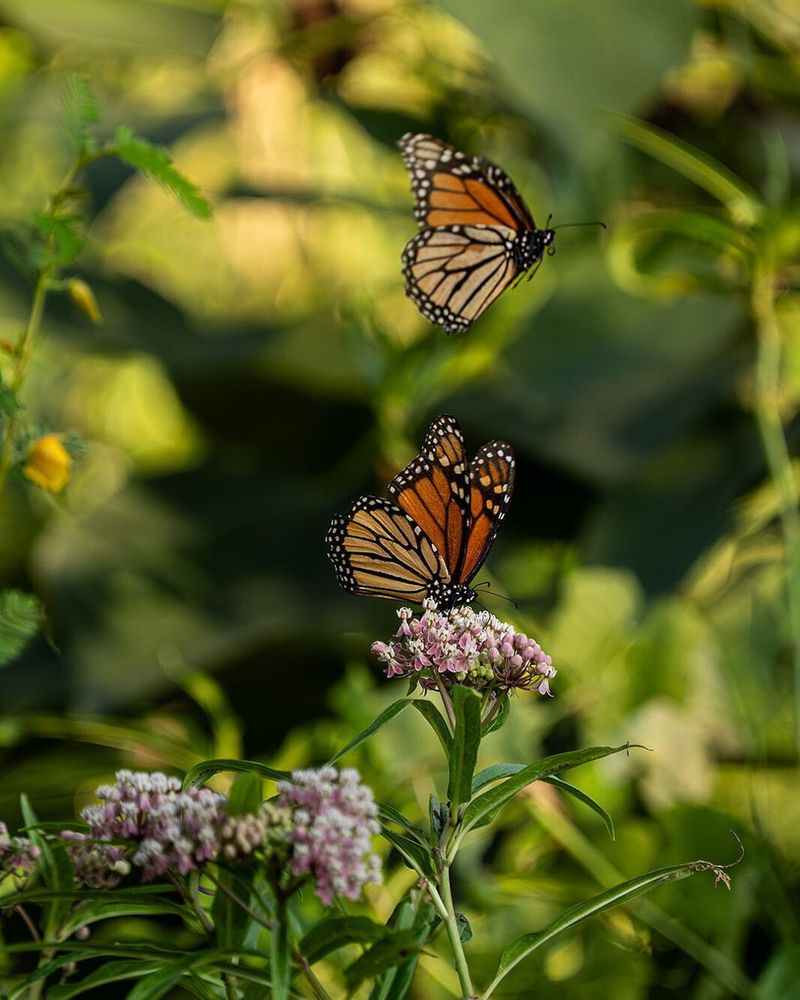
Kansas is not just on the migration route by accident. The state sits squarely inside the Central Flyway, a natural corridor that funnels wildlife from north to south each autumn.
This flyway acts like a highway in the sky. Birds, insects, and even some bats use it because the landscape, wind, and food sources align perfectly for southward travel.
Monarchs love the open terrain of the Great Plains. Flat land means fewer obstacles, and Kansas prairies offer wide-open skies with reliable southwest winds to push them along.
Your Kansas Garden Changes Every Week. Your Plan Should Too.
Gardening in Kansas changes quickly throughout the season. Every Friday you’ll receive a simple weekly plan showing exactly what to plant, prune, fertilize, harvest, and protect so you never miss the right timing.
River corridors within the state play a special role. The Arkansas and Smoky Hill rivers create green ribbons of trees and flowers that monarchs follow like a trail of breadcrumbs.
Towns along these rivers often see spectacular roosts in cottonwood groves. Places like Wichita, Salina, and Great Bend regularly host thousands of overnight guests clinging to branches.
The flyway also concentrates monarchs from multiple northern states into a narrowing band. By the time they reach southern Kansas, the stream of butterflies gets tighter and more intense.
Knowing you live inside this natural funnel should change how you look at your yard. Your garden, no matter how small, is a pit stop on one of the world’s great journeys.
Late Blooming Nectar Sources Fuel The Journey South
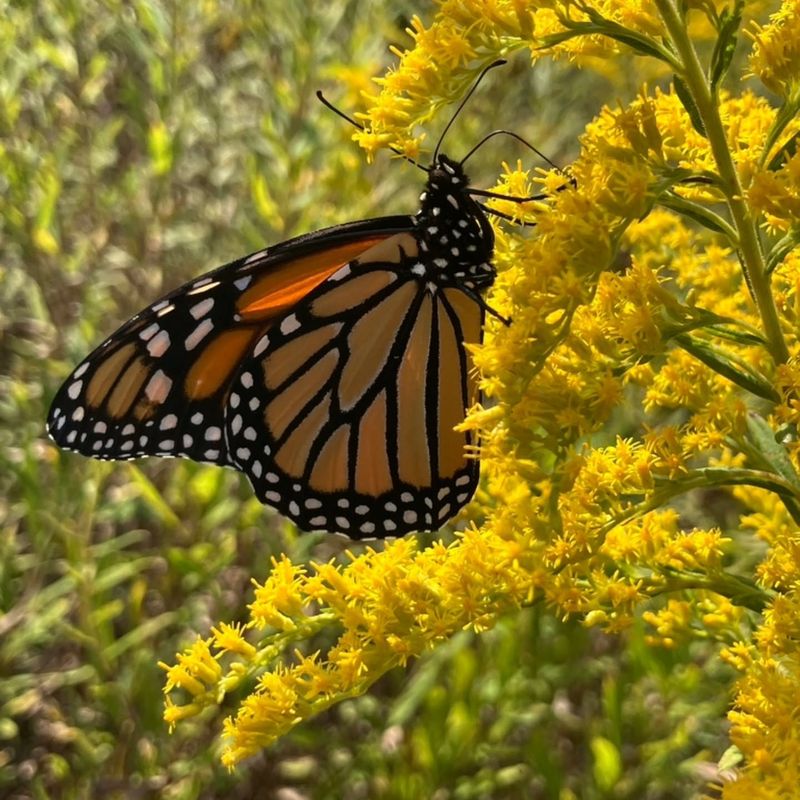
Monarchs are running on nectar, and they need a lot of it. Before reaching Mexico, each butterfly must build fat reserves thick enough to survive winter without eating.
Late-blooming wildflowers are their gas stations. In Kansas, goldenrod, ironweed, wild asters, and native sunflowers bloom right on schedule with the migration’s arrival.
Goldenrod alone can make a real difference for a migrant building up reserves. It’s considered one of the most valuable late-season nectar sources along the entire route.
Ironweed is another powerhouse nectar source. Its deep purple clusters stand tall above the grass and attract monarchs from surprising distances on warm afternoons.
If you have a garden, now is the time to let it go a little wild. Leaving seed heads standing and skipping the fall cleanup keeps nectar flowing longer into the season.
Native asters are especially helpful because they bloom later than most other flowers. Planting smooth blue aster or aromatic aster gives migrants fuel well into October.
Milkweed is less critical during fall migration than in spring. At this stage, monarchs need nectar-rich blooms more than milkweed specifically.
Every flower you leave standing is a meal for a traveler pushing toward Mexico. Small choices in your yard add up to real support for the orange wave.
Yard Practices To Pause While The Wave Passes
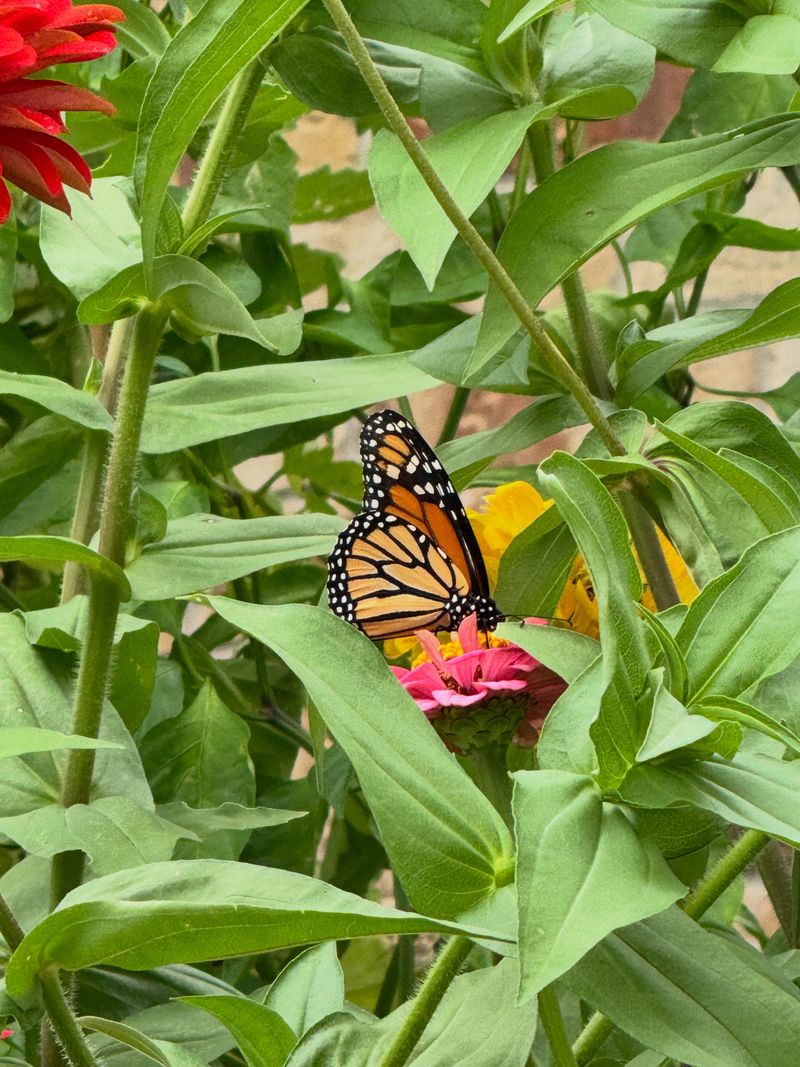
Good intentions can accidentally cause harm during migration season. A few common yard habits, if timed wrong, can reduce the number of monarchs stopping at your property.
Hold off on mowing for the next three weeks if you can. Mowing cuts down late-blooming flowers that migrants desperately need for fuel.
Skip pesticide and herbicide applications during this window. Even products labeled as safe for bees can harm butterflies when applied to flowers being actively visited.
Leaf blowers and heavy raking disturb resting butterflies in the early morning. Monarchs need cool, calm mornings to warm up before flying, so give them space until midday.
Avoid trimming shrubs that monarchs use as overnight shelter. Dense evergreens and thick hedges become sleeping quarters when temperatures drop after sunset.
If you have outdoor lighting, consider turning off bright white lights near gardens at night. Artificial light can confuse migrating insects and disrupt their natural resting patterns.
Watering flower beds in the morning rather than evening helps keep nectar concentration high. Diluted nectar from evening watering is less nutritious for butterflies fueling up for a long flight.
Pausing these habits for just a few weeks costs almost nothing. The reward is a yard buzzing with one of nature’s most iconic travelers, right outside your window.
Roosting Trees Fill At Dusk On Cool Nights
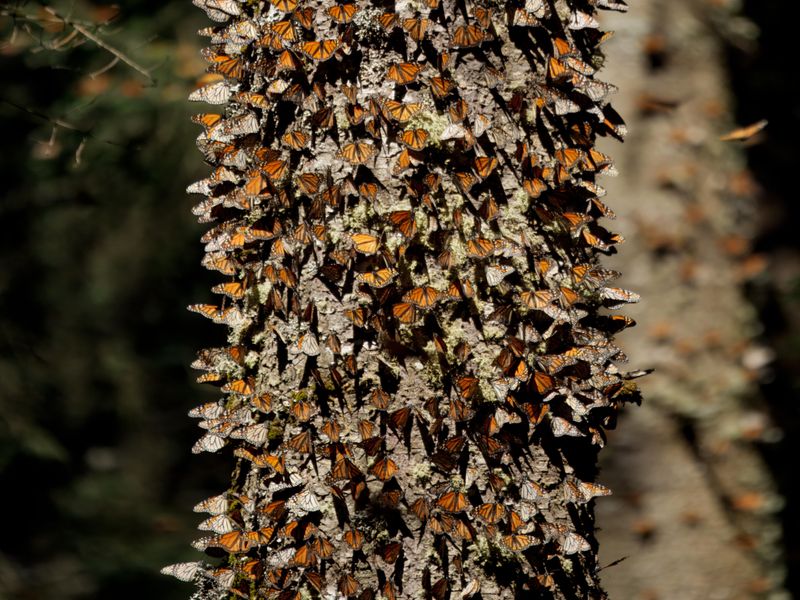
When the sun drops and the air turns sharp, monarchs do something extraordinary. They cluster together by the hundreds on tree branches, forming living blankets of orange and black.
This behavior is called roosting, and it serves a smart survival purpose. Huddling together conserves body heat and protects individual butterflies from wind and cold overnight temperatures.
Cottonwood trees along Kansas river corridors are favorite roost sites. Their broad branches and sheltered canopies create ideal conditions for large overnight gatherings.
Cedar and eastern red cedar trees also attract roosting monarchs. Their dense foliage blocks wind effectively and holds warmth better than bare deciduous branches on cold nights.
Finding a roost is one of the most memorable wildlife experiences available to any Kansas resident. Arriving at a known roost site just before sunset can reveal thousands of butterflies settling in.
Watch for the shimmer of wings catching the last light above a tree line. That flicker is your signal that a roost is forming directly overhead.
Roosts tend to form in the same trees year after year if the habitat remains undisturbed. Protecting roost trees on your property is one of the most powerful things a landowner can do.
Standing under a full roost as the last light fades is a moment that stays with you. The rustle of thousands of wings settling into the branches is unlike anything else you’ll hear outdoors this season.
Tagging Programs Open To Homeowners
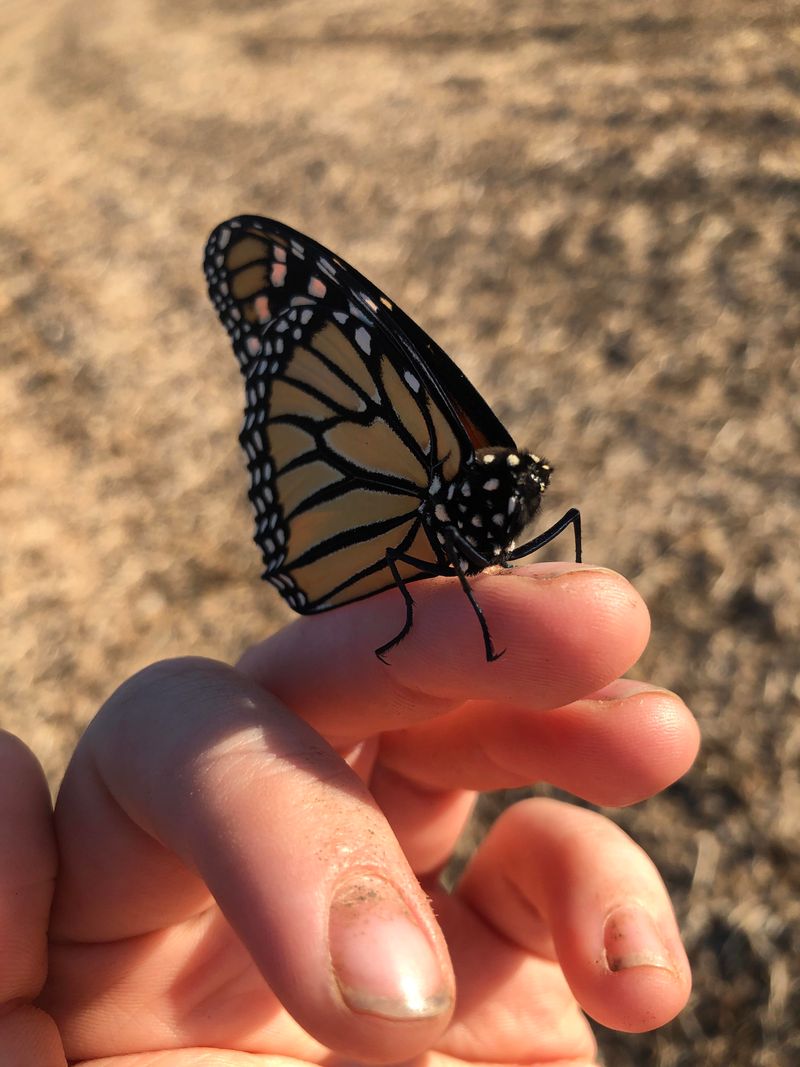
You can be part of a real scientific study without a lab coat or a degree. Monarch tagging programs let everyday people collect data that researchers actually use to track migration patterns.
The most well-known program is run by Monarch Watch, based at the University of Kansas in Lawrence. They supply tiny adhesive tags that volunteers place on the hindwing of live monarchs.
Each tag carries a unique code. If a tagged butterfly is found later, the location and date get reported back, revealing exactly how far and fast that individual traveled.
Getting started is straightforward. Visit the Monarch Watch website, order a tagging kit, and follow their simple instructions for safely catching and releasing butterflies without causing harm.
No special equipment is required beyond the kit and a butterfly net. Many taggers use a simple net from a garden or hobby store, paired with a tagging kit that’s inexpensive to order online.
Children love participating in tagging events. Local nature centers, state parks, and wildlife refuges across Kansas often host public tagging days during peak migration weeks.
The data collected has helped scientists map the entire Central Flyway route over decades. Without volunteers, this level of tracking would be impossible to fund or staff.
Joining a tagging program turns a casual observation into a contribution that matters. Your backyard becomes a research station, and every tagged butterfly carries your tiny piece of the puzzle south.