These Pennsylvania Perennials Give More Color For Less Work
The best garden investments are the ones that pay back more than they require. Plants that return reliably each spring, look great through the season, and don’t demand constant attention to stay performing.
In Pennsylvania, where the growing season swings between late frosts, summer humidity, and fall dry spells, perennials that give more than they take are genuinely worth seeking out.
These Pennsylvania perennials are in a category of their own when it comes to color relative to effort.
They bloom generously, often across multiple seasons, handle the full range of Pennsylvania weather without wilting into mediocrity, and come back year after year with the kind of vigor that makes a garden look intentionally tended even when the gardener hasn’t done much beyond planting them in the right spot.
The work happens once. The color keeps coming.
For Pennsylvania gardeners who are tired of replanting annuals every season, nursing high maintenance perennials through weather extremes, or simply wanting a garden that rewards rather than demands, these are the plants worth knowing about.
1. Black-Eyed Susan
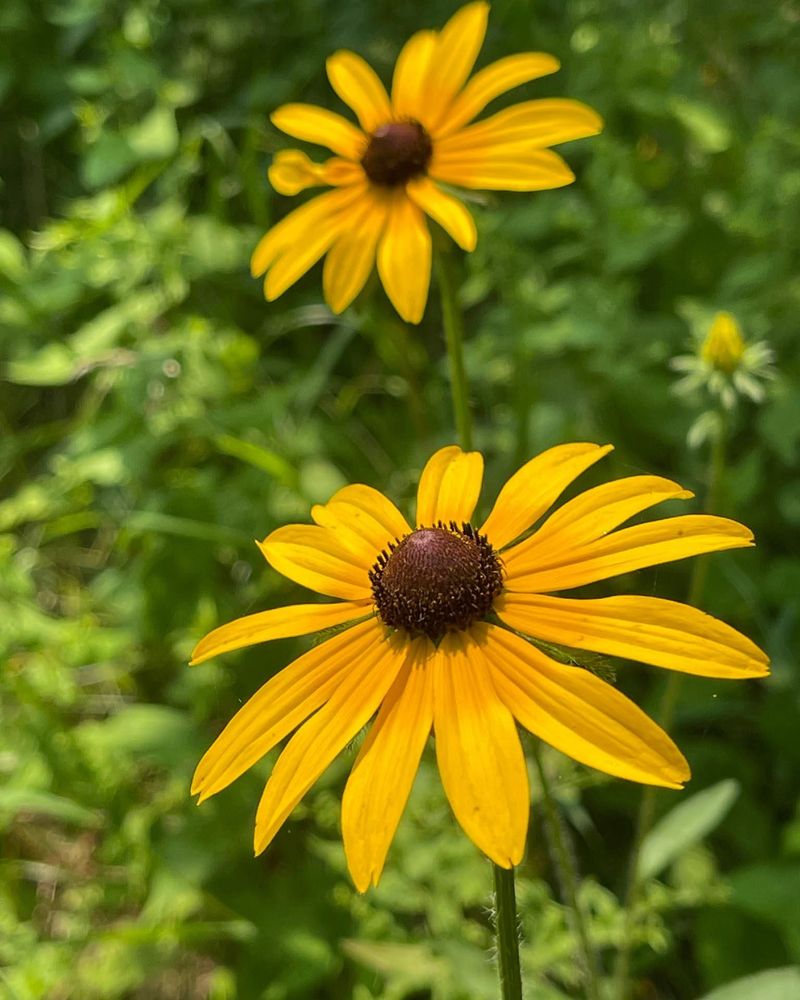
Few flowers say “summer” quite like Black-Eyed Susan. Those bold yellow petals surrounding a deep brown center are impossible to miss, and they keep putting on a show from midsummer all the way into fall.
That is a long season of color for almost zero effort. Black-Eyed Susan is a native wildflower, which means it already knows how to handle Pennsylvania weather. It grows well in clay soil, sandy soil, or anything in between.
Once it settles in after the first season, you can basically step back and let it do its thing. No fussy fertilizing or constant watering needed.
Pollinators absolutely love this plant. Bees, butterflies, and goldfinches flock to it throughout the season.
Planting a patch near a vegetable garden can actually help your vegetables produce better because of all the extra pollinator activity nearby.
Another great thing about Black-Eyed Susan is that it spreads gradually over time. You start with a few plants, and before long, you have a full, cheerful drift of yellow blooms.
If it spreads more than you want, simply pull a few seedlings in spring. Deadheading is optional.
Leaving the seed heads standing through winter gives birds a food source and adds structure to your garden when everything else has gone quiet. This plant is as generous as it is easy, making it a perfect starting point for any low-maintenance Pennsylvania garden.
It pairs beautifully with purple coneflower or ornamental grasses for a naturalistic, eye-catching look that practically takes care of itself all season long.
2. New England Aster
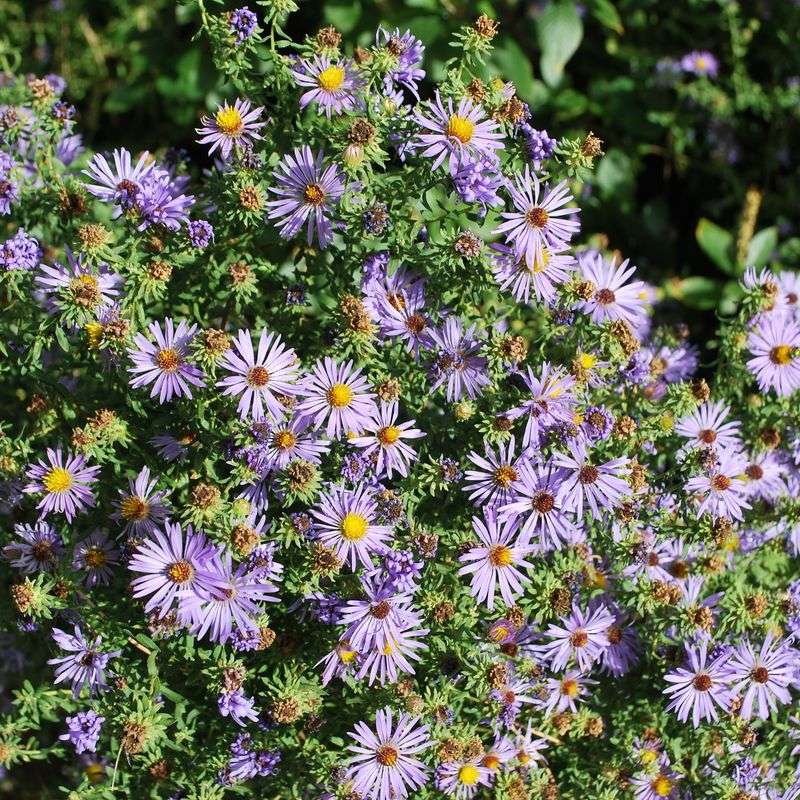
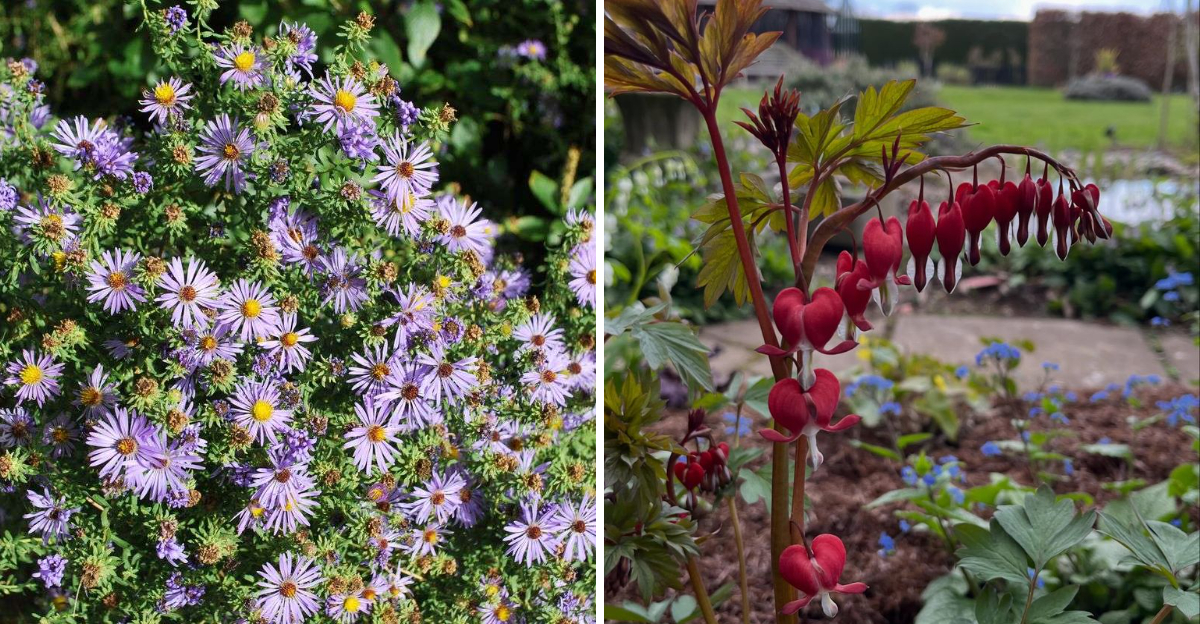
When most flowers are winding down for the year, New England Aster is just getting started. This powerhouse perennial bursts into bloom in late summer and keeps going strong right up until the first hard frost.
For Pennsylvania gardeners, that means color in September and October when the rest of the garden has faded.
The flowers are a rich purple-pink that almost glows in the lower autumn sunlight. They are small and daisy-like, but they appear in such huge numbers that the whole plant looks like a purple cloud.
Your Pennsylvania Garden Changes Every Week. Your Plan Should Too.
Gardening in Pennsylvania changes quickly throughout the season. Every Friday you’ll receive a simple weekly plan showing exactly what to plant, prune, fertilize, harvest, and protect so you never miss the right timing.
Monarch butterflies, which are migrating south in the fall, depend on New England Aster as a critical nectar source. Planting it is genuinely good for the environment.
One of the best things about this plant is how forgiving it is. It handles both moist garden beds and drier spots without complaining.
Pennsylvania soils vary a lot from region to region, and New England Aster adapts well to most of them. Full sun brings the most flowers, but it also tolerates a bit of afternoon shade.
To keep plants from getting too tall and floppy, pinch them back by about one-third in late June. That small bit of work in early summer pays off with a fuller, more upright plant in the fall.
You can also divide clumps every few years to keep them vigorous and to get more plants for free. New England Aster grows naturally along roadsides and meadows in Pennsylvania, so it is perfectly suited for life in your backyard without much fuss at all.
3. Green-And-Gold
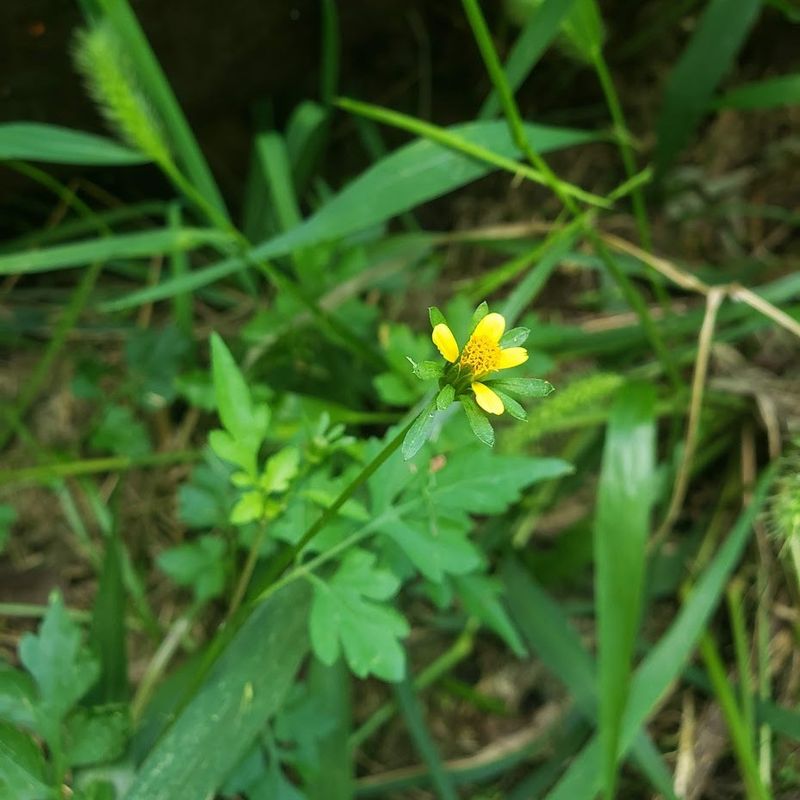
Not every garden problem involves a blank wall or an empty border. Sometimes the challenge is a bare patch of soil under a tree where nothing seems to want to grow.
Green-and-Gold was practically made for that exact situation. This low, spreading native groundcover fills in shady spots with cheerful yellow flowers and stays green through much of the year.
The blooms appear in spring and keep coming in waves through early summer, with occasional flowers popping up even later in the season. The foliage itself is attractive, with glossy, evergreen leaves that hold their color even through mild Pennsylvania winters.
That means the ground stays covered and tidy looking even when there is nothing blooming.
Green-and-Gold works in both full sun and partial shade, which makes it incredibly versatile. It spreads by underground runners, so it fills in bare soil naturally over time without becoming aggressive or hard to control.
You can simply pull back any runners that wander where you do not want them. Maintenance is genuinely minimal with this plant. No mowing, no dividing required for years, and no special soil amendments needed.
It tolerates average to dry soil once established, which is a huge plus under trees where roots tend to absorb most of the moisture. Pair it with spring bulbs like daffodils for a cheerful early-season combination.
The groundcover will hide the fading bulb foliage later in spring. For Pennsylvania gardeners looking to solve a tricky shady spot without a lot of ongoing work, Green-and-Gold is one of the smartest choices you can make.
4. Wild Bleeding Heart
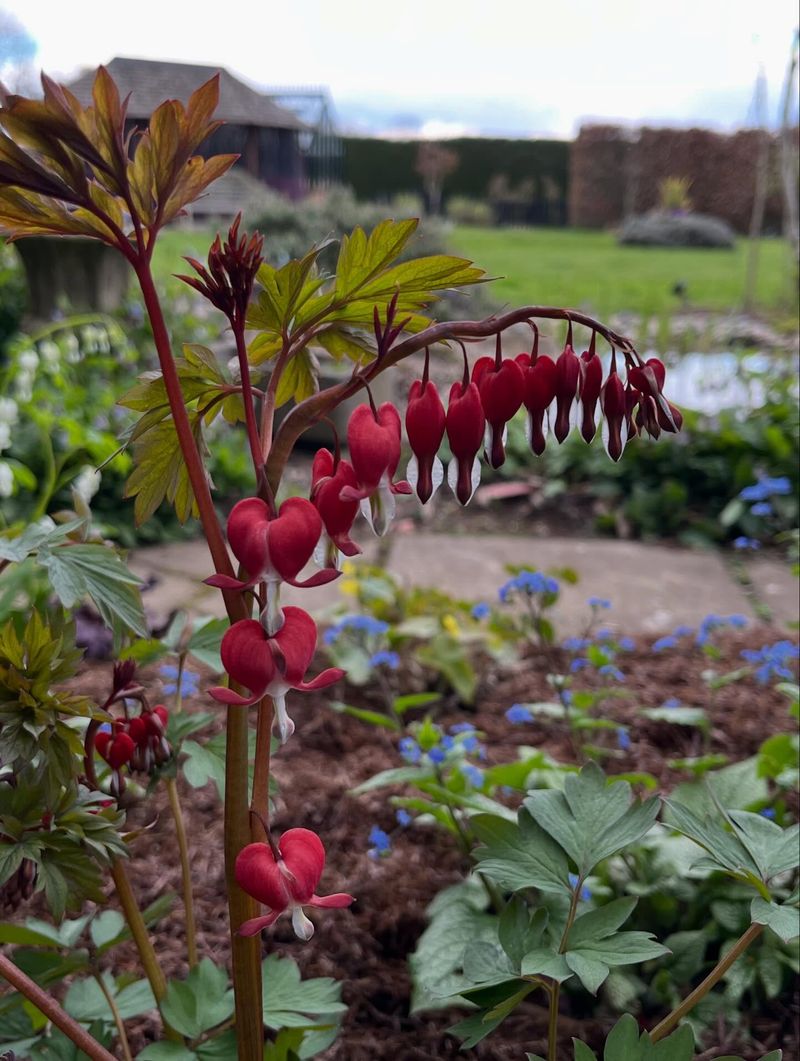
There is something almost magical about Wild Bleeding Heart. The delicate, heart-shaped pink flowers dangle from arching stems like tiny ornaments, and the lacy, blue-green foliage adds texture even when the plant is not in bloom.
It has a soft, romantic look that feels right at home in a woodland garden or a shaded border.
Unlike its showier cousin, the common Bleeding Heart, the wild version keeps blooming for a much longer stretch. Flowers appear in spring and can continue into late summer, especially in cooler or partially shaded spots.
That kind of extended bloom time is rare and valuable in any garden plan. Pennsylvania’s partly shaded areas under deciduous trees are ideal growing conditions for this plant.
The foliage does not go dormant and disappear in summer like some other bleeding hearts tend to do. It stays present and attractive, holding the garden together during the in-between weeks when other plants are transitioning.
That reliability makes it a great partner for hostas, ferns, and other shade-loving perennials.
Planting Wild Bleeding Heart is straightforward. Give it moist, well-drained soil with some organic matter mixed in, and find it a spot with morning sun and afternoon shade for the best results.
Once established, it needs very little supplemental watering and practically no fertilizer. It self-seeds gently, so you may find a few new plants popping up nearby each year, which is a pleasant bonus rather than a problem.
For shaded spots where you want something truly beautiful and dependable, Wild Bleeding Heart delivers season after season without demanding much in return.
5. Butterfly Weed
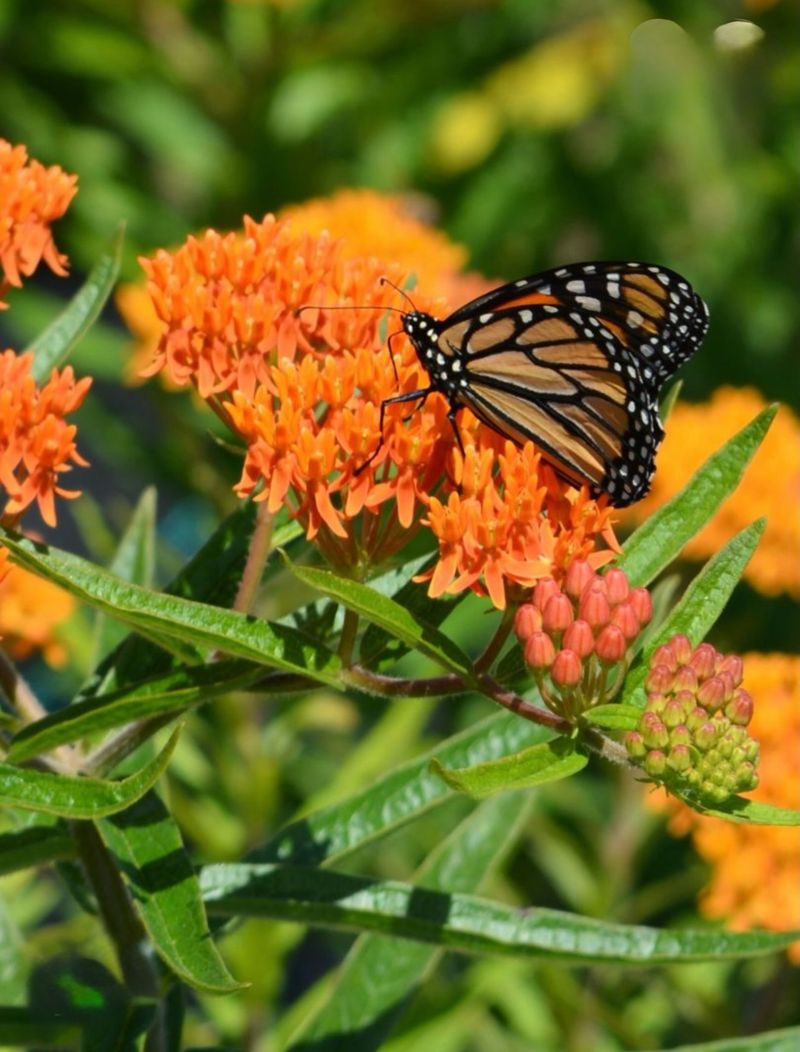
Bright orange is not a color you see often in perennial gardens, which is exactly what makes Butterfly Weed so exciting. The clusters of intense, flame-colored flowers stand out from across the yard and practically demand attention from midsummer onward.
If you want a true conversation starter in your garden, this is it. Butterfly Weed is a native milkweed, and monarch butterflies depend on it for survival. Monarchs lay their eggs on milkweed plants, and the caterpillars feed on the leaves.
Planting Butterfly Weed is one of the most direct ways a Pennsylvania gardener can support monarch populations, which have been declining in recent years. That feels pretty good on top of getting gorgeous flowers.
Here is a fun fact: Butterfly Weed was used by Native Americans for centuries as a medicinal plant, and early American settlers relied on it too. The plant has a long history of being genuinely useful, not just pretty.
Today, its main job in the garden is providing color and supporting wildlife, and it does both jobs extremely well.
Once established, Butterfly Weed handles dry soil with ease. It has a deep taproot that reaches down to find moisture, which is why it thrives in sunny, dry spots where other plants struggle.
That taproot also means you should not try to move it once it is planted. Choose its location carefully from the start.
Skip the heavy clay soils, which can cause root problems. Well-drained, average to sandy soil in full sun is the sweet spot.
After the first season, you can largely forget about it and just enjoy the show every summer.
6. Tall Coreopsis
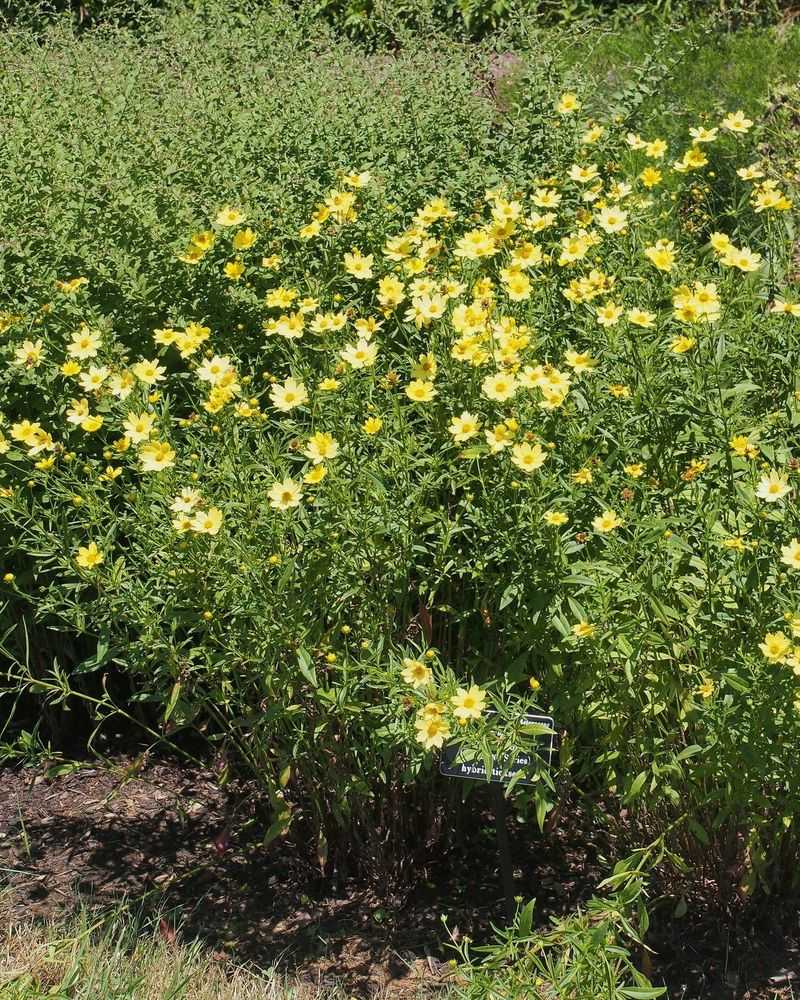
Imagine a plant that produces hundreds of cheerful yellow flowers, sways gracefully in the breeze, attracts pollinators all season, and still asks almost nothing from you. That is Tall Coreopsis in a nutshell.
It is one of those plants that makes you look like a gardening expert without requiring expert-level effort.
Blooms start showing up in midsummer and keep coming well into September. The flowers are bright yellow with a slightly darker center, and they appear on tall, airy stems that move beautifully in the wind.
The overall effect is light and meadow-like, which fits perfectly into naturalistic garden designs or mixed perennial borders. Bees and butterflies visit constantly throughout the blooming season.
Tall Coreopsis is a native Pennsylvania wildflower, which means it evolved to handle local conditions without any special help. It adapts well to both moist and relatively dry sites, making it more flexible than many other garden plants.
Full sun brings the best flowering, but it tolerates light shade without too much complaint. One practical tip: Tall Coreopsis can get a bit floppy if grown in rich soil or too much shade. Lean soil and full sun keep it upright and compact.
If plants do lean over, a simple ring support installed in spring solves the problem quickly. Dividing clumps every three to four years keeps the plants vigorous and prevents the center from becoming woody and sparse.
Leave the seed heads in place through fall and winter to feed birds and add visual interest. Tall Coreopsis earns its place in any Pennsylvania perennial garden with very little effort required from you.
7. Aromatic Aster
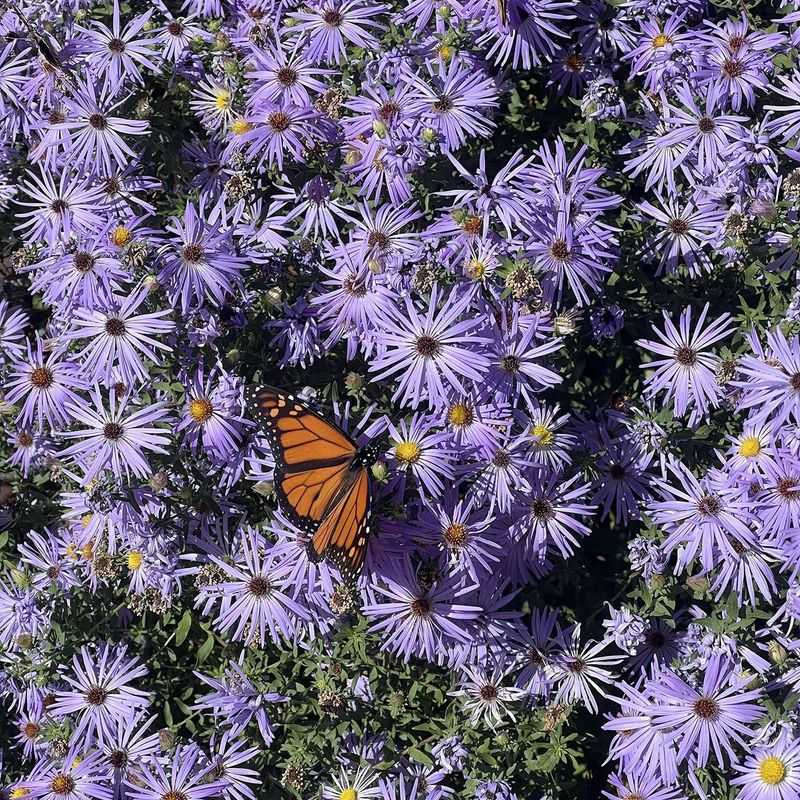
October can feel like a gardening afterthought, but Aromatic Aster completely changes that. When most of the garden has gone quiet and the growing season feels officially over, this tough native aster covers itself in a cloud of lavender-pink flowers that last for weeks.
It is the garden’s grand finale, and it does not disappoint. The flowers are small and daisy-like, but they appear in such overwhelming numbers that the whole plant looks like it has been dusted with color.
Bees and butterflies, especially late-season species making the most of the final warm days, flock to Aromatic Aster like it is the only game in town. For a gardener who cares about pollinators, this plant is essential.
Crush a leaf between your fingers and you will get a pleasant, slightly spicy scent – that is where the name comes from. It is a small but charming detail that makes working around this plant a genuinely enjoyable experience.
The aromatic foliage is also said to deter deer to some degree, which is a welcome bonus in many Pennsylvania neighborhoods where deer pressure can be a real challenge.
Aromatic Aster thrives in full sun and dry to average soil. It actually performs better in lean conditions than in rich, heavily amended garden beds.
Too much fertility causes floppy growth and fewer flowers. Like New England Aster, a light pinching in early summer helps create a fuller, sturdier plant by fall.
Once established, it needs almost no supplemental watering. It is a genuinely tough plant that rewards neglect with spectacular fall color, making it a must-have for any low-maintenance Pennsylvania garden.