9 Practical Ways To Extend Your Coneflower Bloom Season Until Fall
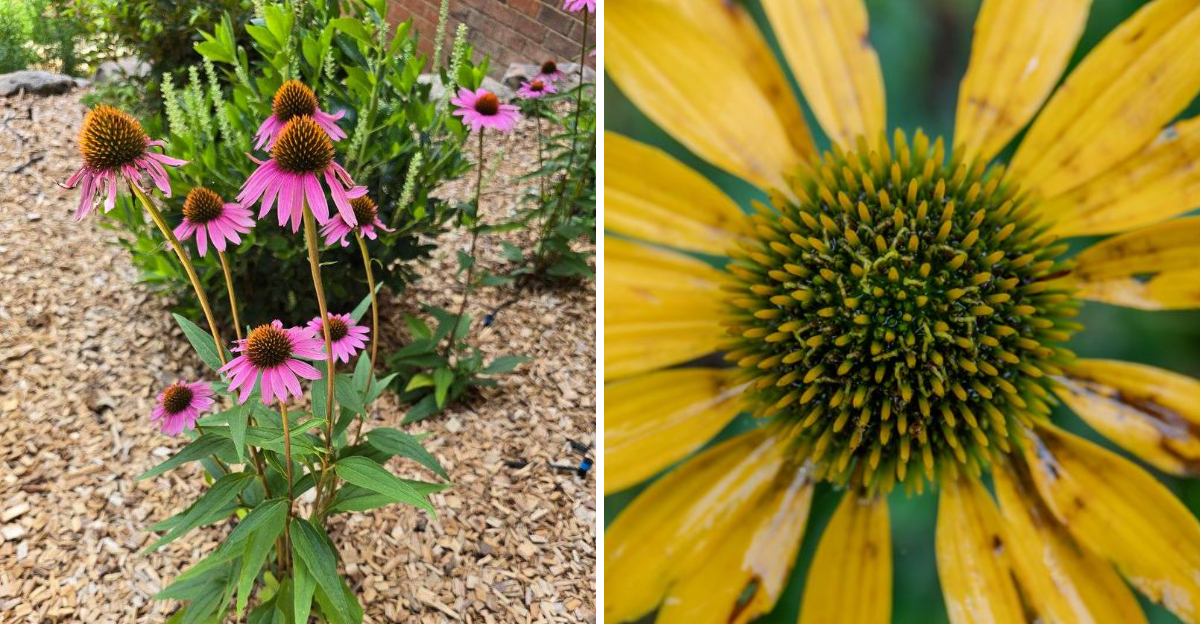
Purple fades fast when you ignore the warning signs. Gardens challenge you hardest during peak summer heat. Something invisible drains your coneflowers before you ever notice it happening.
Roots weaken quietly while your petals still pretend everything is fine. Soil turns stubborn against you, stripping nutrients your plants desperately need. Spent blooms claim energy your plants should spend on color.
Water alone cannot fix what your poor timing has already undone. Heat tests every mistake you make quickly. Nutrients matter more than you might realize until it’s already too late. Trimming isn’t optional if you want blooms past midsummer.
Confidence comes from knowing exactly what you need right now. Understanding these failures clearly separates your thriving beds from disappointing ones.
Nothing about your fading coneflowers is random or unavoidable. Every problem you face here has a precise, actionable fix. You won’t fix a single bloom until you see what’s next.
1. Trim Coneflowers Before They Sulk
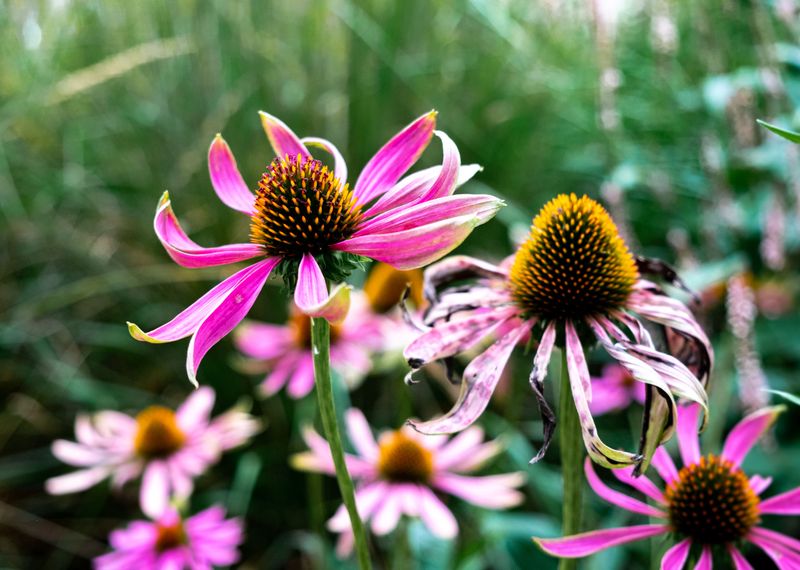
Spent blooms send a message to the plant. That message says stop flowering and start making seed.
Snip each tired flower just above the next leaf or side bud. Sharp bypass pruners or small snips work best.
Once a stem has no buds left, cut it back to the base. New shoots often push from the crown within two weeks.
Aim to trim about once a week during peak season. Waiting much longer can shorten your bloom window.
Watch for petals turning papery and cones going dark brown. Those two signs mean the flower is finished.
Leave a handful of late cones standing in fall. Goldfinches will thank you, and seeds may sprout nearby.
Some gardeners cut whole stems for bouquets instead. Vase-worthy blooms and fresh growth arrive together.
Sterilize blades with rubbing alcohol between plants. Clean cuts heal faster and spread fewer problems. Never rip blooms off by hand. Torn stems can bruise and are more prone to rot.
Sterile hybrids that don’t set seed often need less trimming than seed-producing types. Read the tag before you commit to a schedule.
Morning trimming suits the plant best. Cool air means less wilting stress afterward. Keep a bucket nearby for clippings. Tidy beds discourage insects that hide in debris.
Regular grooming tricks the plant into thinking its work is unfinished. That belief buys you weeks of extra color. Trimming takes minutes and pays back all season. Your next move happens underground.
2. Give Roots A Deep, Slow Drink
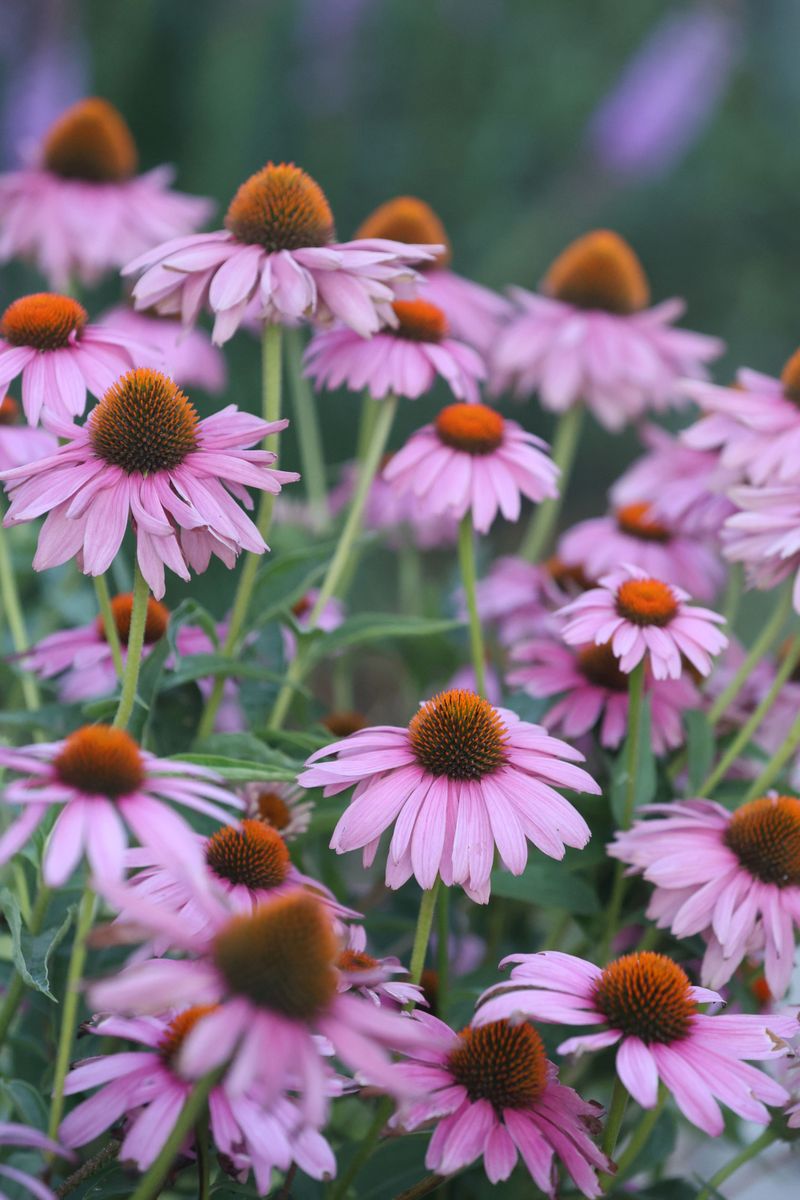
Wilted petals often mean dry roots, not old age. Coneflowers handle drought, but bloom quality slides without moisture.
Water deeply once a week rather than daily sprinkles. Shallow watering trains roots to stay near the surface.
One inch of water per week suits most beds. Set an empty tuna can under the sprinkler to measure. Soaker hoses and drip lines beat overhead spray. Wet petals fade faster and attract fungus.
Poke a finger four inches into the soil. Dry at that depth means grab the hose. Sandy ground dries out quickly and needs closer attention. Clay holds moisture longer, so ease off there. Container plants dry fastest of all.
Pots often need more frequent watering in heat, depending on size and material. Early morning beats evening for timing. Leaves dry before nightfall, which lowers disease risk.
First-year plants need steadier moisture than mature clumps. Their roots have not reached deep soil yet.
Heat waves change the rules completely. Add a second soak during extended stretches of intense summer heat.
Avoid soggy ground, though, since crowns rot in standing water. Good drainage matters as much as watering. Mulch helps hold what you apply. More on that trick shortly.
Signs of overwatering include yellow lower leaves and mushy stems. Back off immediately if you spot them. Steady moisture keeps petal color rich and stems upright. Next comes the sunlight question.
3. Chase Full Sun, Not Afternoon Shadows
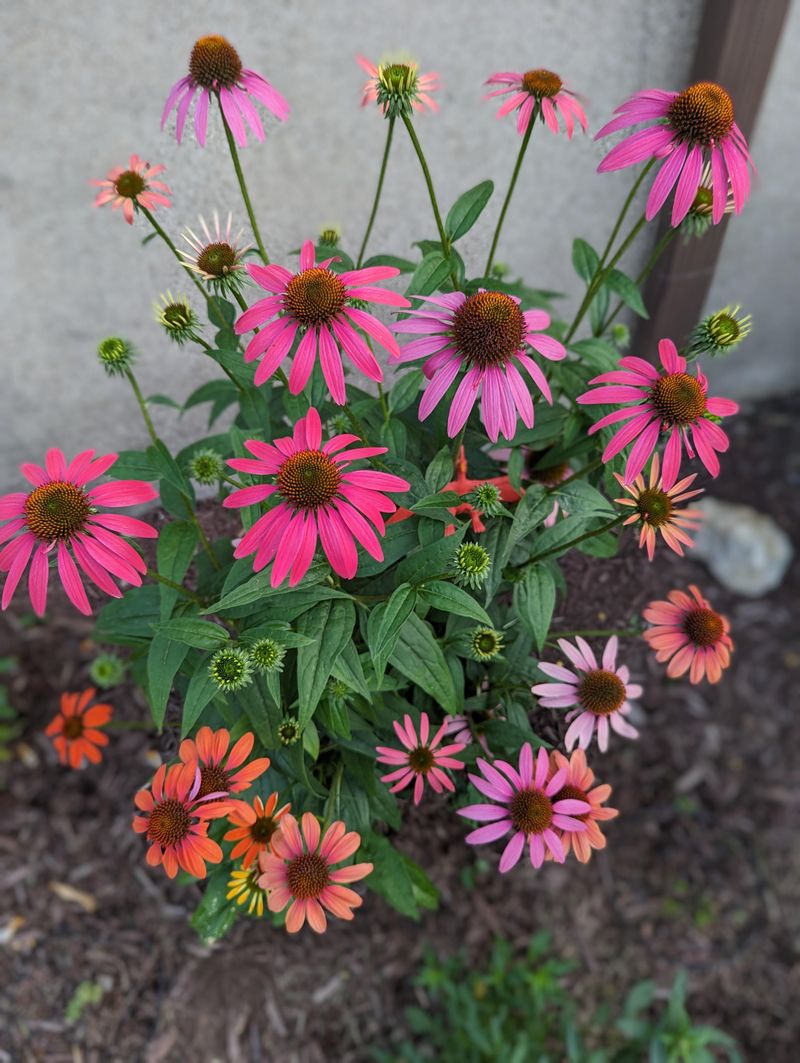
Six hours of direct light is the bare minimum. Eight hours produces the boldest petals. Shady spots create floppy stems and pale flowers. Those blooms also finish weeks early.
Track sun across your bed for a full day. Take photos every two hours to spot the gaps. Trees grow, and shade creeps in slowly. A bed that worked five years ago may fail now.
Prune low tree branches to reopen light. A single limb can change everything below it. Move struggling clumps in early spring or fall. Dig wide, keep roots intact, and water them in well.
South and west exposures usually deliver the most light. East-facing beds work in hot southern regions. Extreme desert heat is the exception here. Light afternoon shade protects petals from scorching there.
Neighboring plants can also steal sunlight. Tall phlox or shrubs may be crowding the crowns. Space clumps eighteen to twenty-four inches apart. Room means light reaches every leaf.
Reflected heat from walls intensifies conditions. Watch for crispy petal edges near brick or stone. Container growers have an advantage. Slide pots to follow the brightest patch.
Sun-grown coneflowers hold color longer and stand taller. They also shrug off fungal trouble more easily. Light fuels every bloom your plant makes. Feeding habits come next, and the answer surprises people.
4. Feed Lightly, Because Rich Soil Backfires
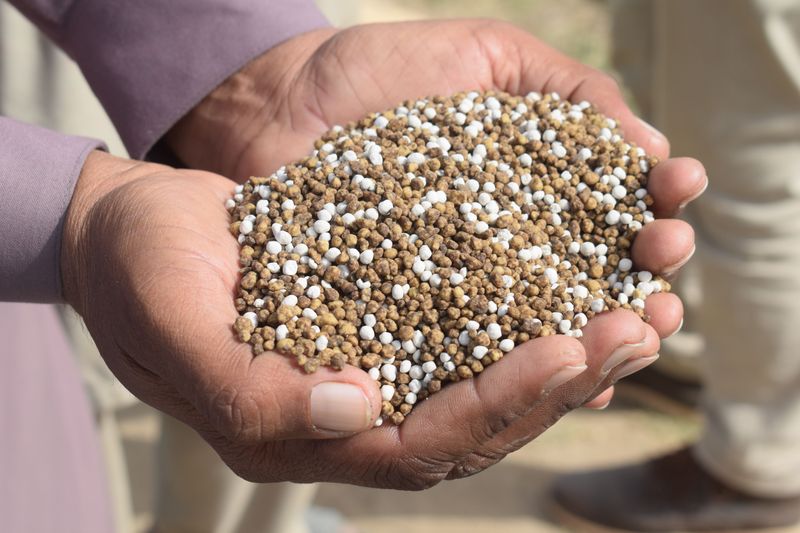
Coneflowers evolved on lean prairie ground. Heavy feeding creates leggy stems and fewer flowers. Skip high-nitrogen lawn fertilizer entirely. Green growth surges while blooms disappear.
One inch of compost each spring is plenty. Spread it around the crown, not on top of it. Choose a balanced granular feed if soil tests poor. A single spring application does the job.
Phosphorus and potassium support flowers and strong roots. Look for a middle and last number that are not tiny. Overfed plants flop and need staking. Floppy stems bend petals into the mud.
Soil tests cost little through local extension offices. Guessing wastes money and can harm plants. Container growers should feed more often than bed growers. Pots lose nutrients with every watering.
A diluted liquid feed monthly suits pots well. Use half the label strength to stay safe. Aged manure works if it is truly aged. Fresh manure burns roots and encourages weeds.
Watch leaf color for clues. Pale yellowing suggests hunger, while dark floppy growth means too much. Stop all feeding by midsummer. Late nitrogen produces tender growth that winter damages.
Lean soil sounds neglectful, but these prairie natives thrive on it. Restraint delivers more flowers than generosity. Feeding wisely sets the stage for long bloom. Mulch handles the next piece of the puzzle.
5. Mulch To Lock In Moisture And Cool Roots
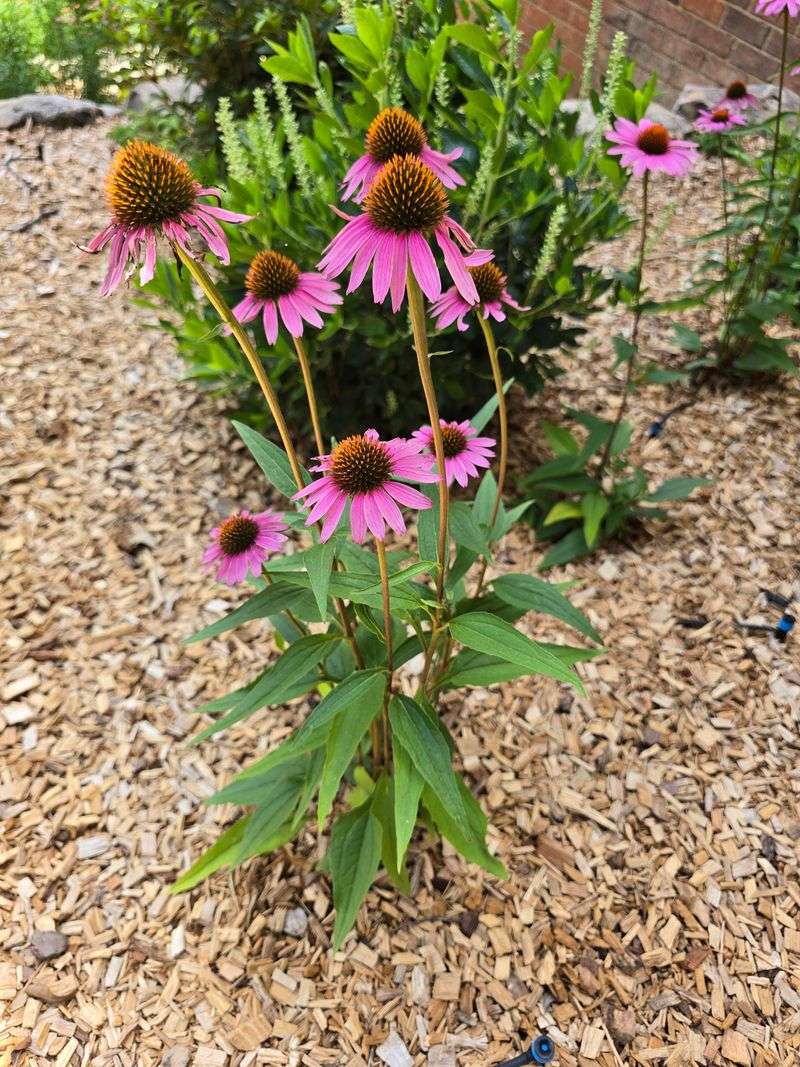
Bare soil heats up quickly in July, and roots underneath can overheat, causing blooms to fade faster. Two inches of mulch changes the whole picture.
Soil stays cooler, and moisture lingers days longer. Shredded bark, pine straw, and leaf mold all work. Pick whatever is cheap and local. Leave a two-inch gap around each crown. Mulch piled against stems traps rot.
Apply after the soil warms in late spring. Early mulching slows growth by keeping ground cold. Weeds lose their foothold under a good layer. Less competition means more water for your flowers.
Refresh the layer each spring as it breaks down. Organic mulch feeds soil while it disappears.
Avoid dyed rubber and thick landscape fabric. Neither improves soil, and both trap heat. Fine mulch can mat and shed water. Coarser textures let rain soak through.
Slugs sometimes shelter in damp mulch. Pull it back slightly if you see chewed leaves. Gravel mulch suits dry western gardens nicely. It reflects light and drains beautifully.
Winter mulch protects crowns in cold zones. Add extra after the ground freezes, then remove it in spring. Mulched beds also look finished and intentional. Neighbors notice the tidy edges.
Cool, damp roots produce petals that hold their color. Crowded clumps cause trouble next, so keep reading.
6. Divide Crowded Clumps Every Few Years
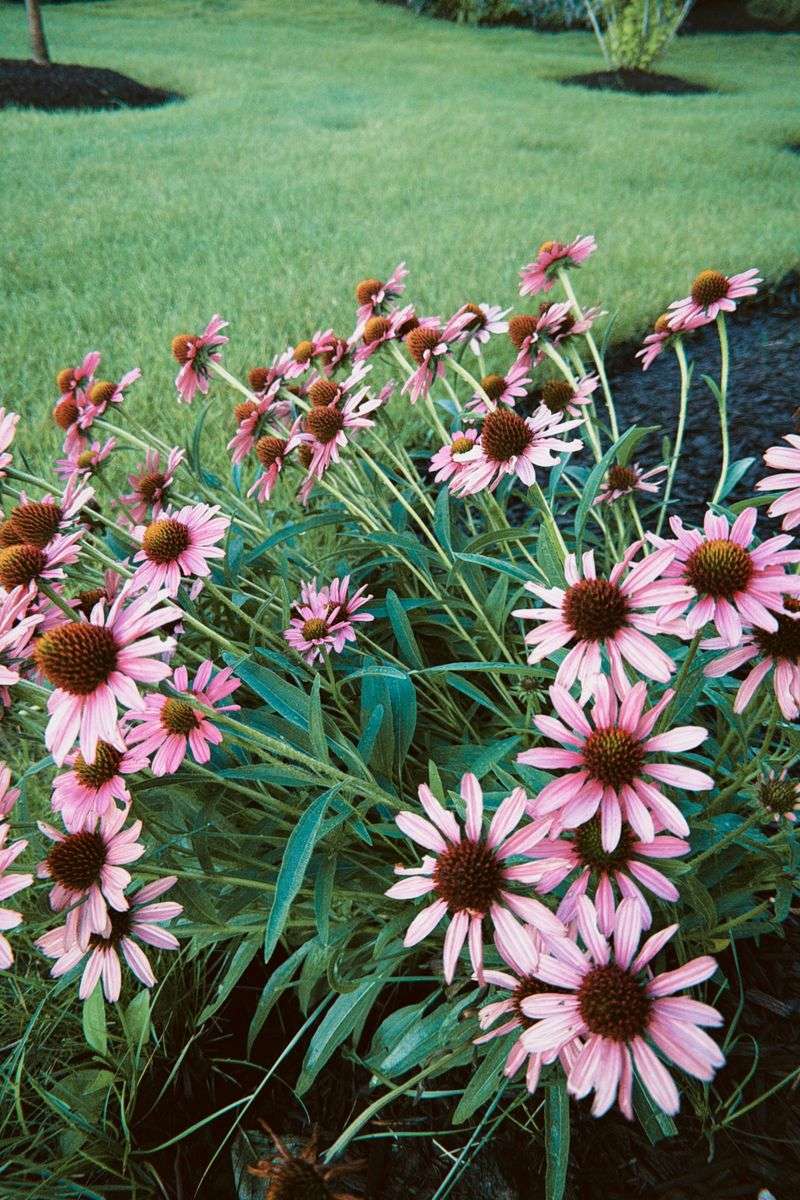
An old clump slowly declines as growth crowds the center. Center stems weaken while outer growth crowds them out.
Divide every three or four years. Spring or early fall are the safest windows. Dig the whole clump with a sturdy spade. Lift it with as many roots as possible. Split the mass into fist-sized pieces. Each piece needs roots and at least one growing point.
Discard the woody, worn-out center. That part will never bloom again. Replant divisions at the original depth. Burying crowns too deep invites rot. Water new divisions well for three weeks. Roots need help settling into fresh soil.
Expect a quieter first summer after dividing. Full flowering returns the following year. Free plants are the happy bonus. Share extras with a neighbor or fill another bed.
Signs you waited too long include a bare middle and shorter blooms. Smaller flowers also point to crowding. Cut foliage back by half before replanting. Less leaf area means less wilting stress.
Avoid dividing during summer heat. Transplant shock hits hardest when temperatures soar. Some named varieties are more sensitive to being divided or moved.
Check the tag and divide those gently, if at all. Fresh divisions bloom with real energy again. Pest damage is the next thing worth checking.
7. Catch Pests Before Petals Decline
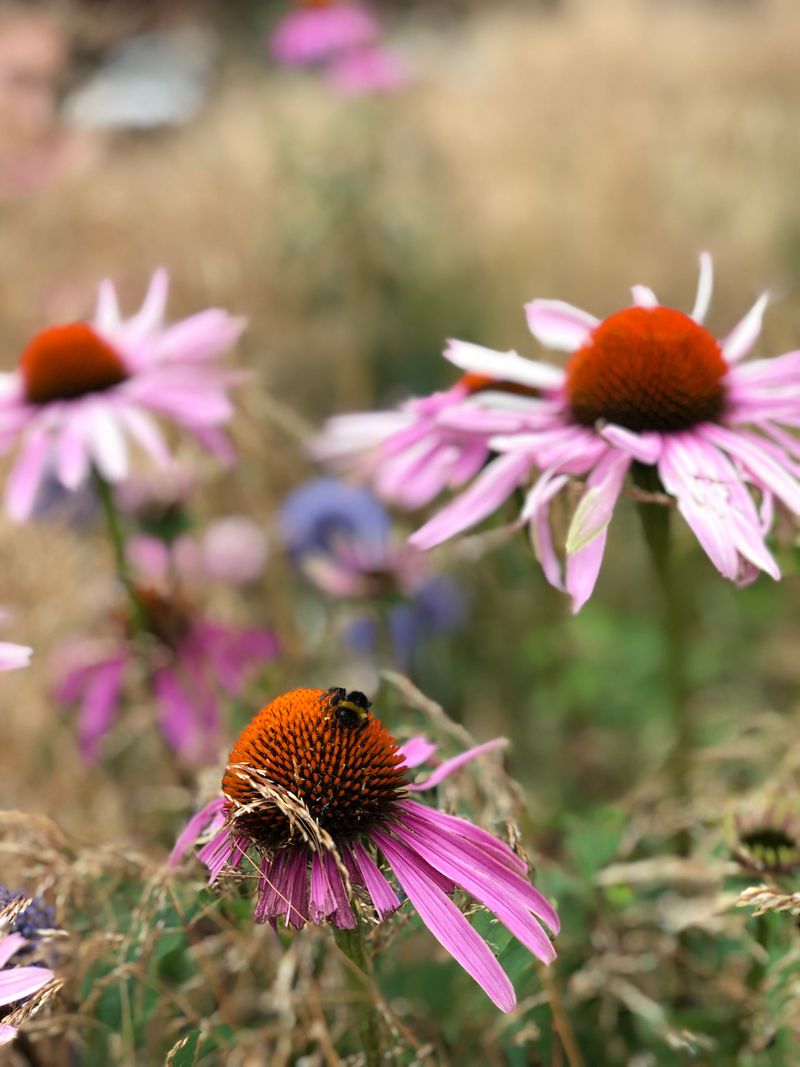
Ragged petals usually signal pest activity, such as chewing or sap-feeding insects. Japanese beetles skeletonize petals in days.
Knock them into soapy water each morning. Aphids cluster on new buds and stems. A strong hose blast removes most of them. Sunflower moth larvae bore into cones. Snip and bag affected flowers immediately.
Eriophyid mites cause weird tufted green growth. Remove and destroy distorted blooms rather than spraying. Inspect plants twice a week during summer. Early problems stay small problems.
Encourage ladybugs and lacewings with dill and yarrow. Beneficial insects handle aphids for free. Reach for insecticidal soap only when needed. Broad chemical sprays harm pollinators too.
Spray in the evening if you must. Bees are home, and leaves dry overnight. Slugs leave slime trails and holes in low leaves. Shallow beer traps sort them quickly.
Rabbits and deer nibble young shoots. Wire cages protect spring growth in hungry neighborhoods. Clean up plant debris in fall. Many pests overwinter in old stems and leaves.
Healthy plants shrug off minor damage. Stressed plants collapse under the same pressure. Watchful eyes keep petals whole and vivid. Disease deserves the same attention, as you will see.
8. Manage Fungal Disease Before It Fades Blooms
White dusty leaves signal powdery mildew. Blooms above them fade weeks early. Airflow is the cheapest medicine available. Thin crowded stems so breezes move through. Water at soil level, never over the foliage. Wet leaves invite spores to settle.
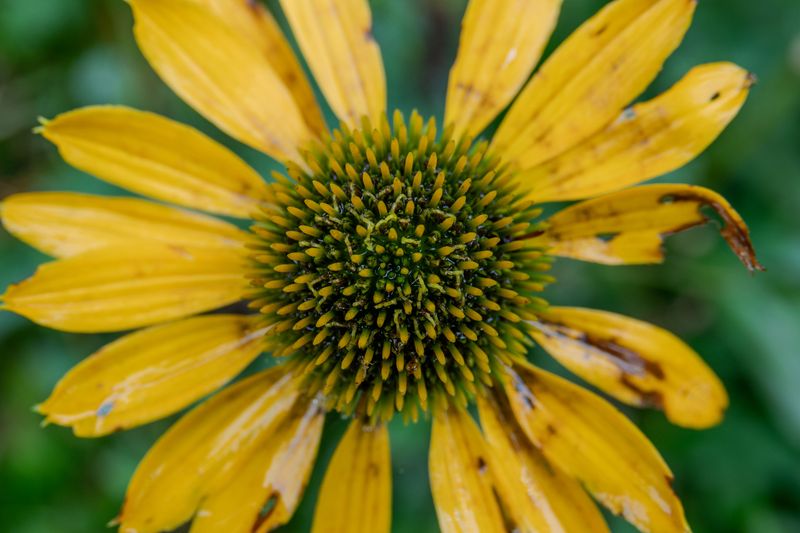
Remove spotted or moldy leaves promptly. Bag them instead of composting. Aster yellows is the more serious disease. Infected cones turn green and deformed, and no cure currently exists.
Pull those plants completely and destroy them. Leafhoppers spread the problem to healthy neighbors. Space new plantings generously from the start. Eighteen inches minimum gives roots and leaves room.
Neem oil or sulfur sprays help mild mildew. Apply on cloudy days to avoid leaf burn. Baking soda mixes offer a homemade option. Results vary, so treat early for best effect. Fall cleanup breaks disease cycles. Clear old foliage once frost knocks it down.
Choose resistant varieties when shopping. Nursery tags often mention mildew tolerance. Avoid overhead sprinklers in humid regions. Morning drip irrigation is far safer.
Rotate planting spots if disease keeps returning. Soil pathogens build up over years. Clean, breezy conditions keep petals bright and firm. Variety choice matters more than most gardeners realize.
9. Pick Tough Varieties Bred For Staying Power
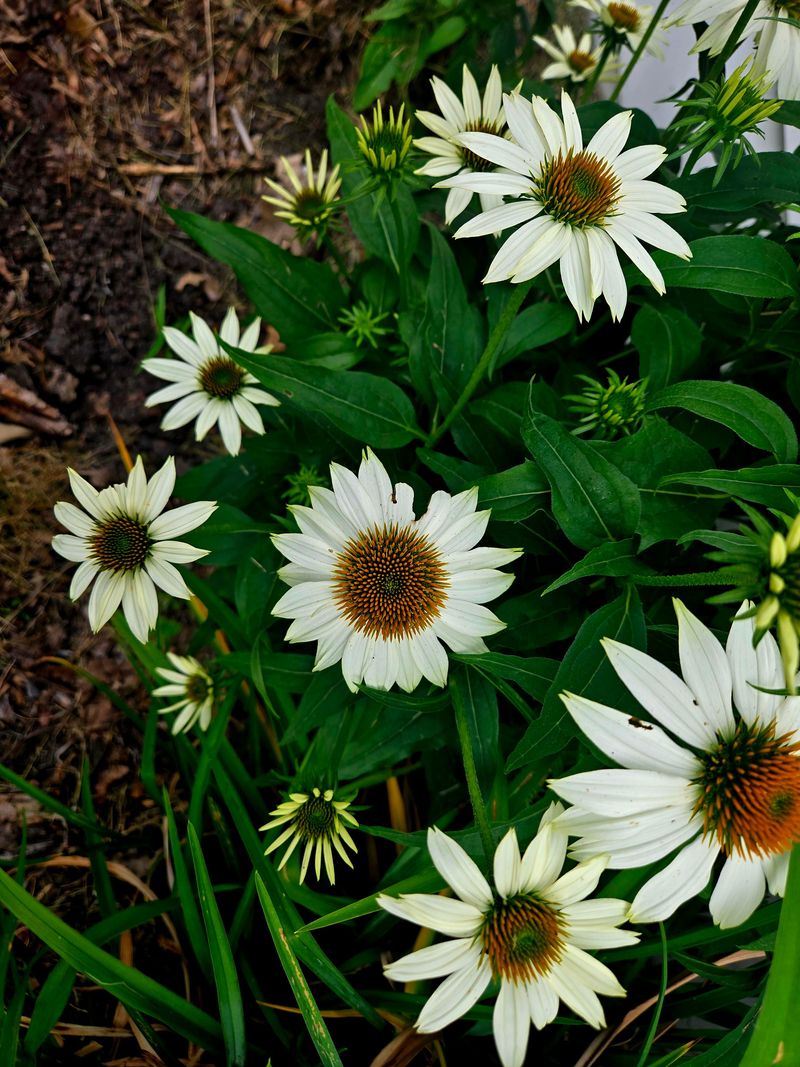
Not all coneflowers are built alike. Some fancy hybrids fizzle after one season. Straight species Echinacea purpurea is remarkably reliable. It handles heat, cold, and neglect.
Magnus and White Swan are widely grown, dependable choices. Both bloom long and return faithfully. Echinacea pallida and paradoxa suit dry ground. Their narrow petals bring unusual texture.
Double-flowered novelties often lack vigor. Pretty in photos, weak in real beds. Orange and red hybrids can be short-lived. Treat them as a fun gamble, not a backbone.
Ask local nursery staff what actually survives. Regional experience beats catalog copy. Buy plants with thick crowns and healthy roots. Skip anything root-bound or wilted.
Check the hardiness zone on every tag. Borderline choices struggle through winter. Native selections support more pollinators too. Bees prefer simple, open flower shapes.
Plant several varieties with staggered bloom times. Color continues as one type winds down. Seed-grown plants vary but adapt well. They often outlive expensive cloned hybrids.
Group three or five together for impact. Massed coneflowers read better than lonely singles. Smart variety picks solve fading before it starts. One last seasonal habit ties everything together.