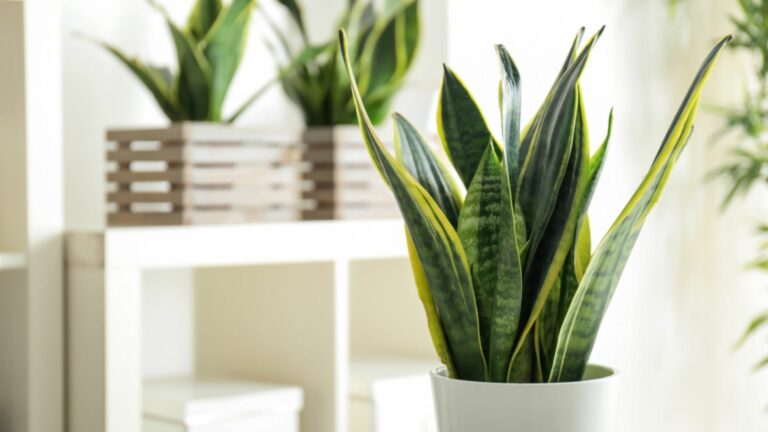
The Snake Plant Symptom That Starts In The Soil, Not The Leaves
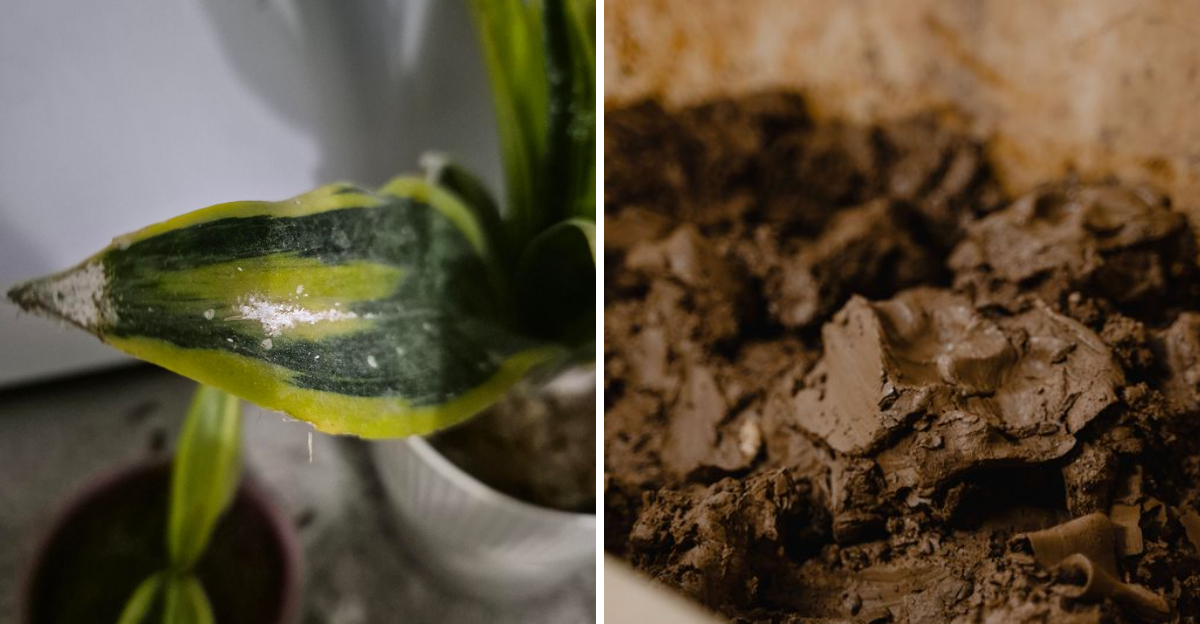
Your snake plant is hiding something right now. Something unseen shifts beneath the soil in your favorite pot. Roots struggle silently beneath ground you rarely check. Moisture lingers longer than most people realize.
Bacteria grow inside conditions that stay damp too long. Stress spreads quietly while leaves still look fine. Nobody notices until the stem turns soft. Touch reveals more than sight ever will.
Darkness inside your pot hides the real story. Cold seasons slow drying more than you expect. Confidence grows the moment you check instead of guess. Symptoms hiding underground rarely announce themselves early.
Every visible sign started long before you noticed it. Patience will not rescue roots losing oxygen underground. Waiting only lets stress spread through healthy tissue.
Checking takes less effort than replacing a struggling plant. Knowledge changes everything once you know where to look. You cannot ignore what your struggling roots are quietly telling you.
Sour Smell Rising From The Pot
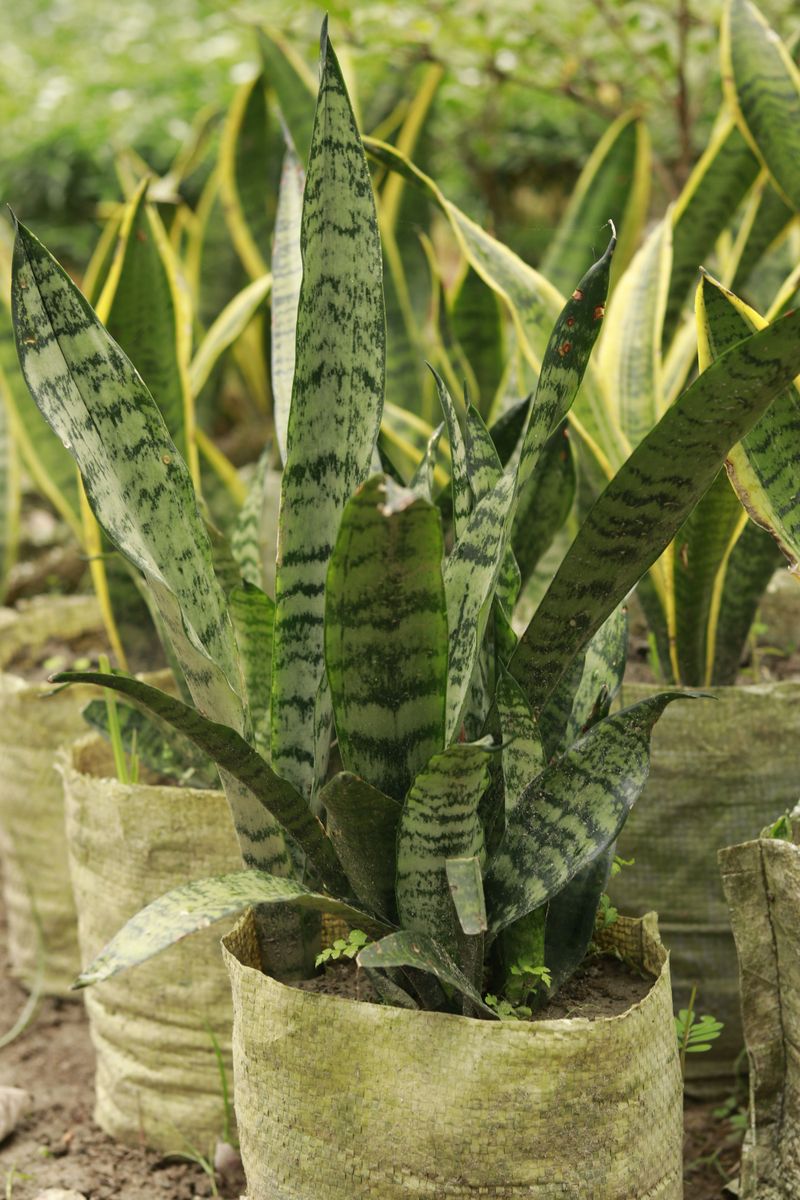
Nose down beside the pot feels like strange advice for a tidy houseplant owner. Still, your sense of smell spots trouble long before your eyes do.
Healthy potting mix carries an earthy scent, close to a forest floor after warm rain. Trouble smells sour and swampy, a bit like water from a forgotten vase.
That odor comes from bacteria feeding where oxygen has run out in the wet ground. They soften roots quickly and release sulfur gas as a byproduct.
Snake plants hoard moisture inside their thick blades, so they sip water at a slow pace. Roots then sit in soggy mix for weeks with nothing to do.
Check the scent before you water, not after the can is already tipped. Push one finger two inches deep, then pull up a small pinch.
Sniff that pinch closely and trust your first reaction. A clean mineral smell means the pot can wait several more days.
Odor shows up well before a single blade turns yellow, soft, or floppy. Noses catch these quiet problems while leaves still look picture perfect.
Move the container somewhere brighter and warmer so the mix dries at speed. Keep the watering can far away until things improve.
Should the stink hang around past ten days, tip the whole plant out. What hides under the surface will explain everything.
Potting Mix That Stays Wet For Weeks
Water poured in on Monday should not still feel damp two Sundays later. Slow drying counts as the loudest warning a potted plant can give.
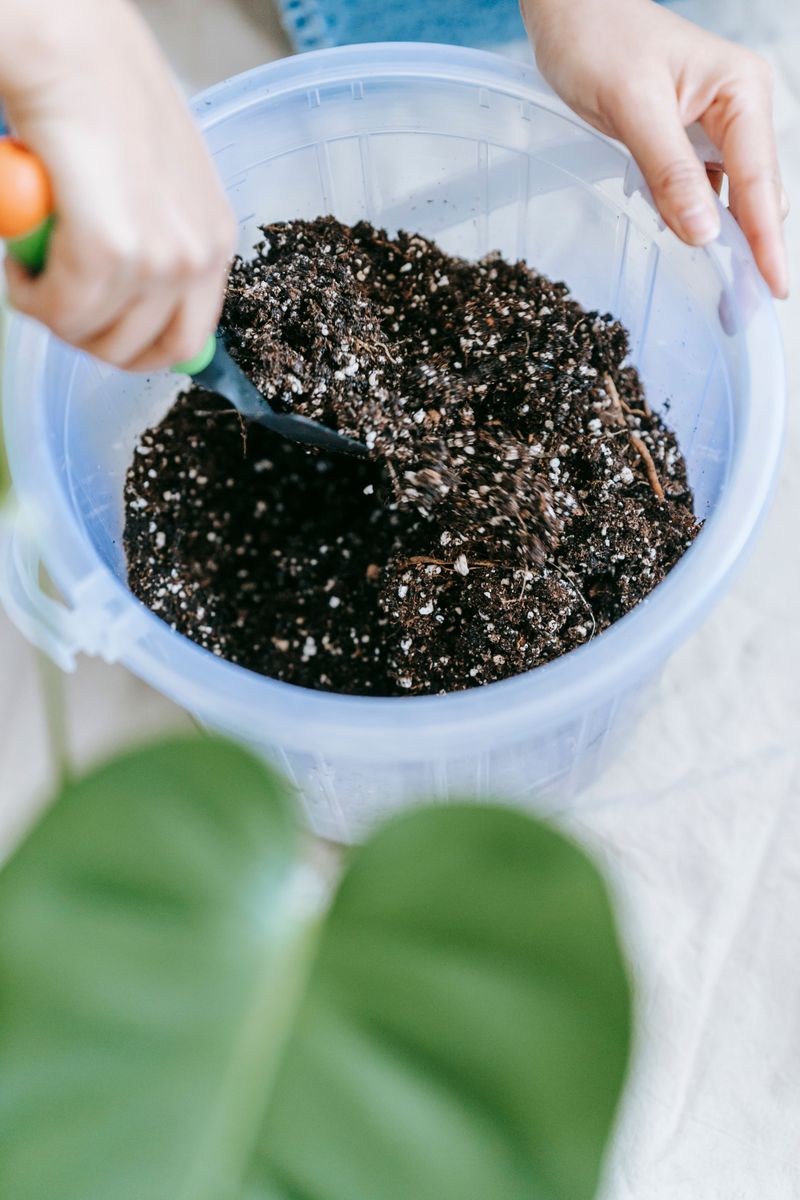
Dense peat heavy mixes behave like a kitchen sponge, gripping moisture around every root hair. Snake plants prefer the opposite, a gritty blend that drains within seconds.
Grit changes the whole picture inside a pot within a single afternoon. Coarse sand, pumice, and perlite create air pockets that roots use for breathing.
Terracotta helps as well, because unglazed clay breathes and pulls dampness outward through its walls. Glazed ceramic and plastic hold that same moisture for many extra days.
Drainage holes matter far more than a stylish pot with a sealed flat base. Water needs a clear exit, or it pools exactly where roots sit.
Test the depth using a wooden chopstick pushed gently to the bottom of the container. Dark cool wood coming back out proves moisture still lingers down there.
Drying time varies with pot size, mix, and room conditions, but many warm rooms need roughly a week in spring and summer, while cold winter spots can take much longer.
Repotting into cactus blend mixed with pumice solves the trouble in one quiet afternoon. Aim for close to half gritty material by volume.
Once the ground breathes again, blades firm up and color returns without drama. Damage already done below, though, may still be waiting quietly.
Mushy Brown Roots Hiding Beneath The Surface
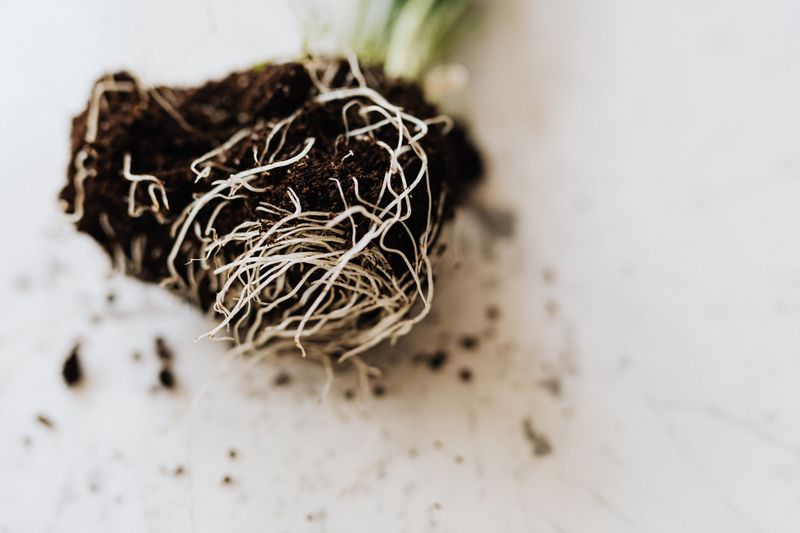
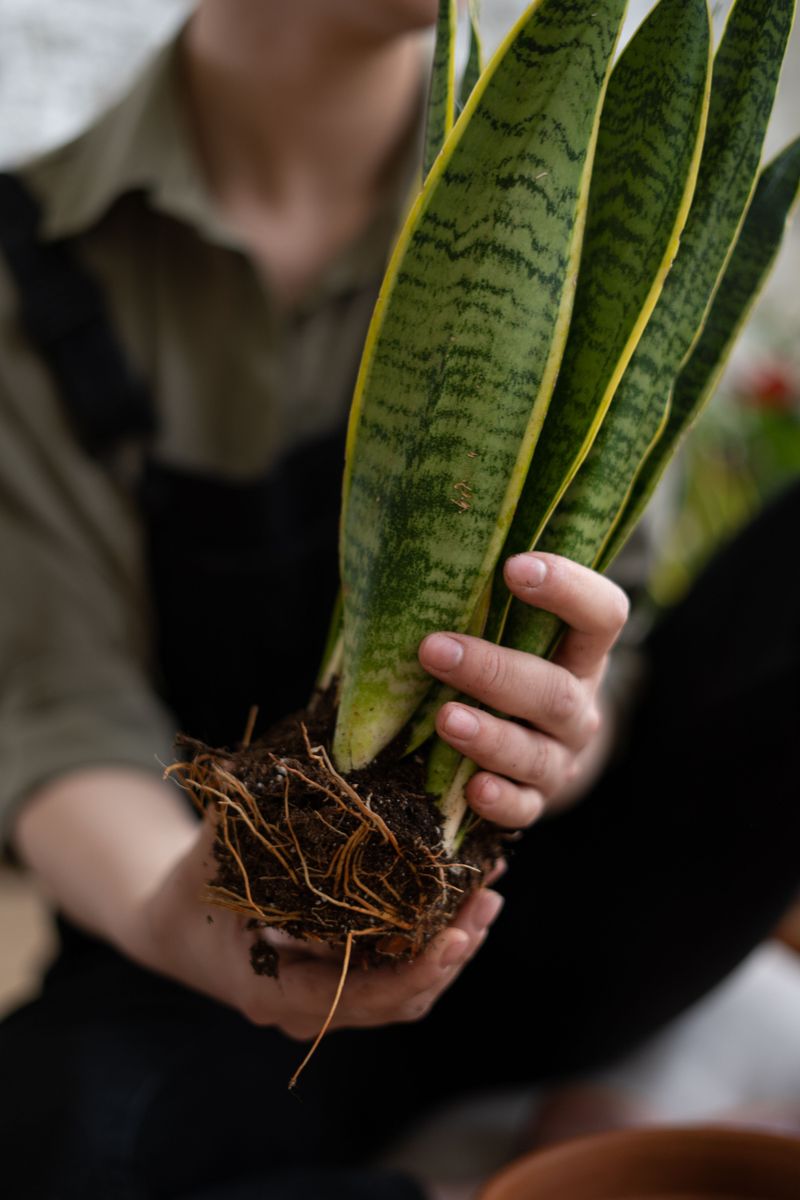
Slide the plant free of its pot and shake off loose crumbs gently. Root condition reveals the most about a struggling snake plant.
Firm roots look pale orange or creamy white and feel like cooked spaghetti strands. Healthy ones snap back when squeezed between two fingers.
Rot feels slimy, looks dark brown or black, and slips off with a light tug. A strong, unpleasant odor often accompanies it.
Scissors sterilized with rubbing alcohol should remove every soft section that you discover down there. Leaving one small mushy piece invites the same trouble back within weeks.
Trim above the damage into clean tissue, the way a chef trims bruised fruit. Cuts through firm, dry material heal much faster and resist new infection.
Rinse remaining roots under cool tap water to wash away old contaminated particles. Let them air dry on newspaper for a couple of hours.
Rhizomes, those fat underground stems, often survive when smaller feeder roots have failed. Firm rhizome tissue means your plant still has a real chance.
Leaves may keep looking fine for weeks while this quiet damage spreads below. Yellowing arrives late, often after half the root system is gone.
Patience matters next, since a trimmed plant needs dry footing and bright indirect light. Skip watering for a week and let wounds seal.
White Crust And Salt Buildup On The Surface
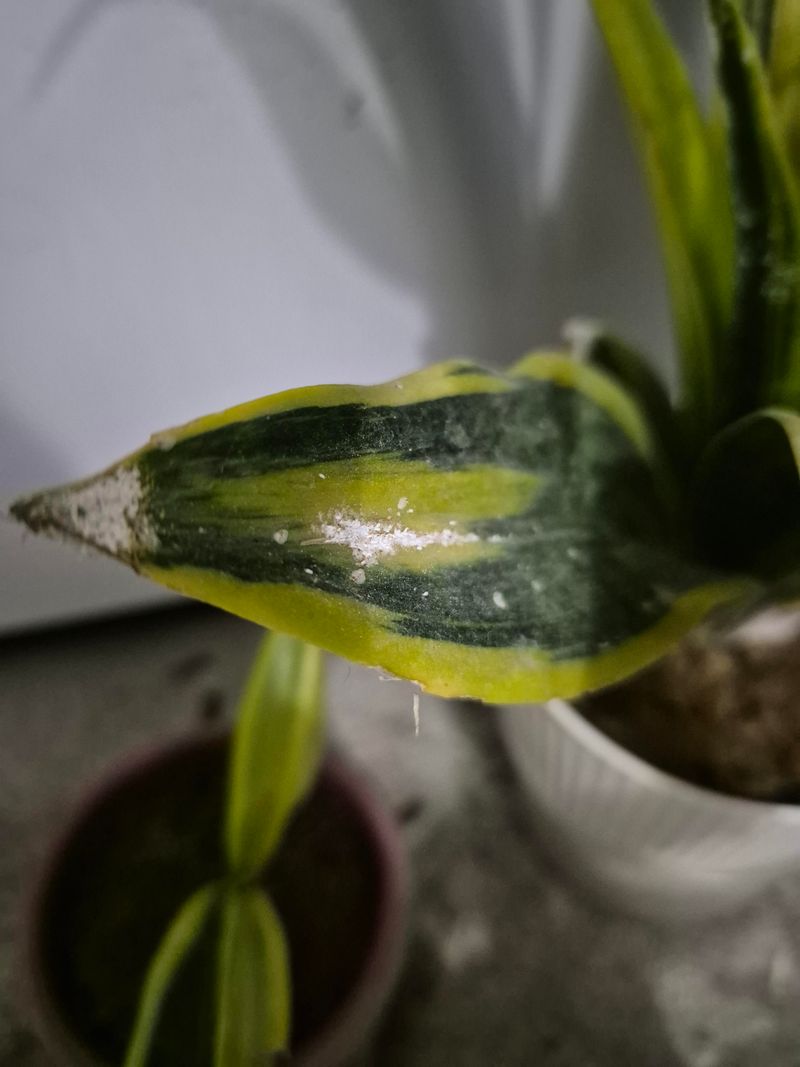
Chalky white film across the top of the mix looks harmless, almost decorative. Those crystals are mineral salts, and they burn roots over time.
Fertilizer leftovers and hard tap water leave deposits behind every time moisture evaporates away. Concentration climbs slowly until the root zone turns harsh and hostile.
Symptoms above ground show up late, with crispy brown tips and dull faded blades. Below the surface, delicate root hairs shrivel under salty conditions.
Flushing fixes most cases and costs nothing but a few minutes at the sink. Run lukewarm water through the pot for two full minutes.
Let everything drain completely, then repeat the rinse once more for good measure. Empty any saucer so the pot never sits in runoff.
Scrape away the crusty top inch and swap it for fresh, gritty potting mix. Removal carries the heaviest deposits straight out of the container.
Feeding needs stay light for these plants, typically a diluted dose once or twice during the growing season, depending on the product.
Rainwater gathered in a clean bucket, or filtered water, cuts mineral load noticeably. Hard tap water speeds crust formation on the surface.
Watch the surface monthly, the same way you might check oil in a car. Clean footing today saves ruined roots several months from now.
Fungus Gnats Circling Your Snake Plant Soil
Tiny black flies drifting near your face during dinner rarely come from fruit. They hatch in damp snake plant soil, right under the leaves.
Adults live about a week and mostly annoy people rather than damage plants. Their larvae, though, chew tender root tips and fine hairs underground.
Larvae need steady moisture and organic matter, so their presence confirms a watering habit problem. Gnats act as messengers here, not the real illness.
Yellow sticky cards standing near the pot rim catch adults before they lay new eggs. Numbers usually crash within two weeks of steady trapping.
Topping the container with a half inch of coarse sand blocks egg laying completely. Females cannot push through that gritty barrier to reach damp material.
Bottom watering helps as well, keeping the upper layer dry while roots drink below. A dry crown breaks their breeding cycle within one generation.
Mosquito bits sprinkled across the surface release a bacteria that targets larvae and nothing else. People, pets, and greenery stay completely unaffected.
Gnat outbreaks can sometimes trace back to a new bag of potting soil, though they may also arrive from nearby plants or open windows.
Clearing the flies still leaves the real assignment sitting there in front of you. Fix the moisture pattern, or the swarm returns by next month.
Compacted Mix That Pulls Away From The Rim
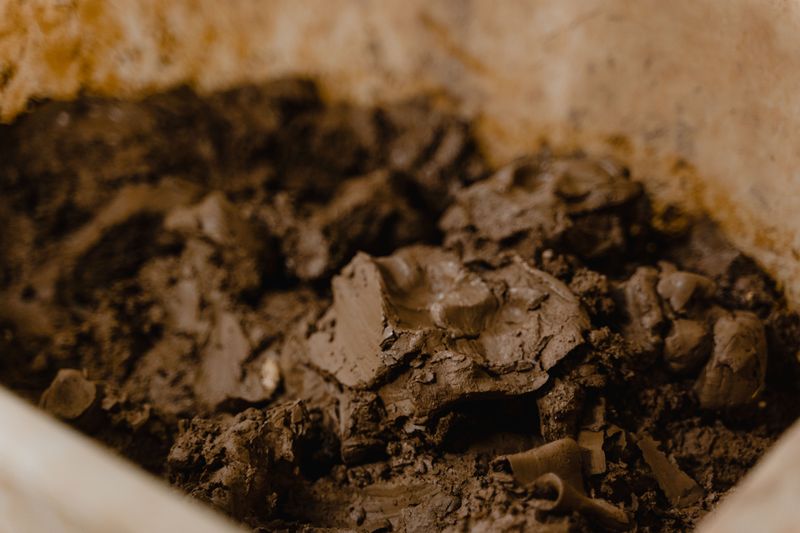
Pull back and look at the gap between the potting mix and the pot wall. That shrinking edge signals soil that has gone hard and tired.
Potting mix structure tends to break down over a couple of years, so checking and refreshing it periodically helps keep roots comfortable.
Gaps along the sides send water racing straight to the drainage hole. Roots in the center stay bone dry while you believe watering worked.
Poke the surface with a chopstick to feel for resistance in several spots. Hard, brick like ground means repotting time has arrived, ready or not.
Squeeze a handful of moist mix in your palm and open your fingers. Good material crumbles apart, while worn out material holds a tight lump.
Dust puffing upward during watering gives another clue that particles have finally broken apart. Fresh gritty blends never behave in that dusty manner.
Soaking a shrunken pot in a sink for fifteen minutes rehydrates everything evenly. Water climbs upward through the holes instead of running off.
Rescue tricks work, though they only buy time until fresh material goes in. Better structure underground means steadier growth above for years ahead.
A Gritty Home For Snake Plant Roots
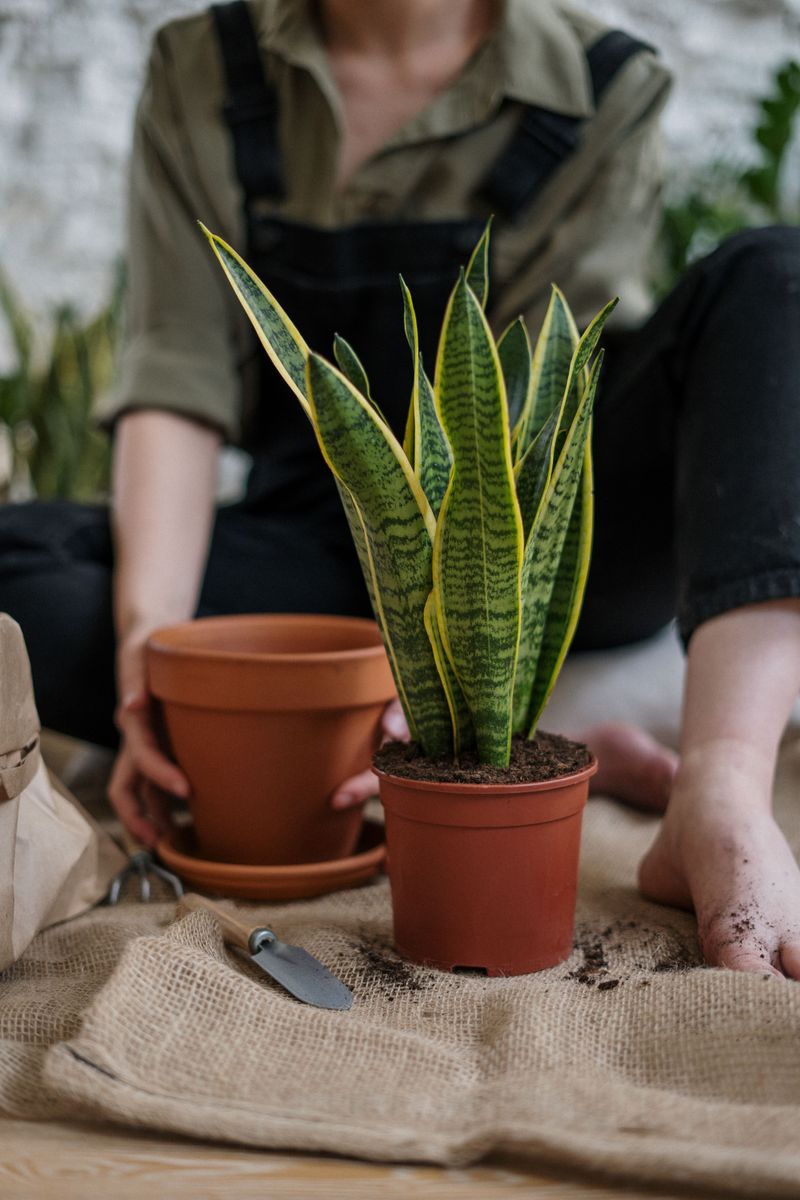
Addressing root problems directly is more effective than repeatedly trimming damaged leaves. A repot resets the whole system in about twenty minutes.
Recipe wise, blend two parts cactus mix, one part pumice, one part coarse sand. Chunky ingredients beat fluffy ingredients every single time for these thick rooted plants.
Choose a container only an inch wider than the old one, with open holes. Oversized pots hold extra moisture that roots cannot use.
Pack the blend loosely around trimmed roots, then tap the pot on a table. Firm pressure squeezes out the air pockets you worked to build.
Wait at least a week, sometimes longer, before the first drink so cut surfaces can seal properly. Dry footing during that pause prevents a fresh round of infection.
Bright indirect light near an east facing window speeds recovery more than any bottle of fertilizer. Skip feeding entirely for the next two months.
New growth from the center means roots have taken hold in their fresh home. Celebrate that small green spear whenever it finally appears.
Handling a repot every couple of years for tired specimens stops problems from stacking up quietly. Prevention costs far less than replacement, and takes less effort.
Start checking below the surface, and leaf trouble will stop catching you off guard. Consistent care supports strong, long-term growth.