Why Deer Are Getting Bolder In Michigan Yards As Fall Arrives
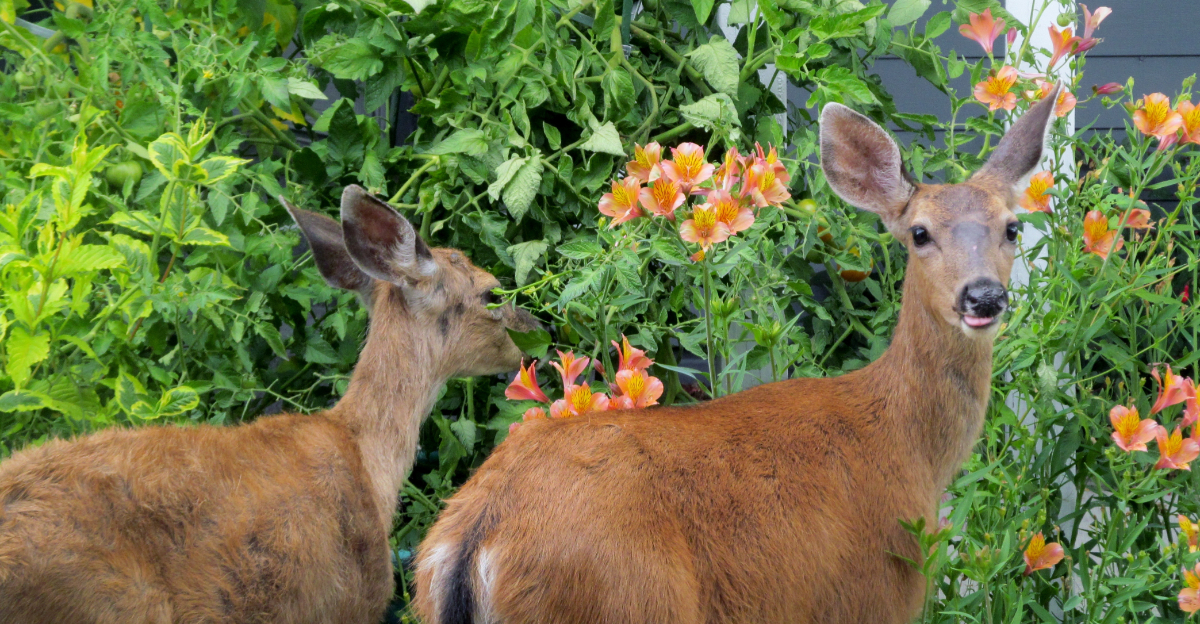
If deer in your Michigan yard seem a little less skittish than they used to be, you’re not imagining things.
As fall settles in, plenty of homeowners are noticing these animals wandering closer to porches, gardens, and driveways without much hesitation at all.
It can feel unnerving to watch an animal that once kept its distance suddenly act so comfortable so close to home. This shift in behavior isn’t random, though, and it tends to happen for reasons tied directly to the season changing around them.
Understanding what’s driving deer to act bolder can help you make sense of what you’re seeing and figure out how to respond. Some of it comes down to food, some comes down to instinct, and some of it might surprise you entirely.
Once you know what’s really going on, those close encounters start to feel a lot less confusing and a lot easier to manage around your own property.
1. The Fall Rut Changes Deer Behavior
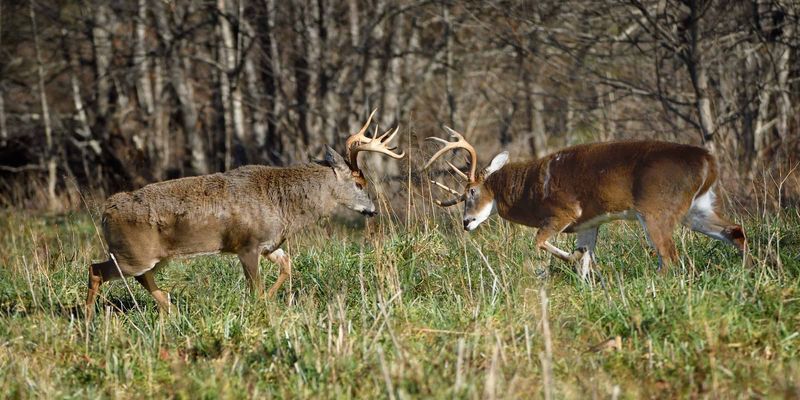
Autumn flips a switch inside deer, and the change is hard to miss. This stretch of the year is called the rut, which is the breeding season for white-tailed deer across Michigan. Bucks that stayed hidden all summer suddenly start moving far and wide.
During the rut, males chase females and follow their scent for miles. That single-minded focus makes them careless about places they once avoided, including yards, driveways, and gardens near busy roads.
A buck tracking a doe may wander straight through your flower beds without a second thought.
Does react too, moving more often and covering new ground as they try to stay ahead of pursuing bucks. All of this extra travel means deer pop up in spots where you never saw them before.
A neighborhood that seemed quiet in July can feel crowded with deer by late October.
The timing matters because Michigan’s rut usually peaks in November, so the boldest behavior lines up with cooler weather. You might spot deer in the middle of the day, standing calmly where they used to bolt at the smallest sound.
Knowing about the rut helps you stay patient and prepared. Drive carefully near wooded edges, especially at dawn and dusk when movement spikes.
If deer seem fearless in your yard right now, the season itself is a big part of the answer, and things usually settle down once breeding activity winds down for the year.
2. Food Becomes More Important Before Winter
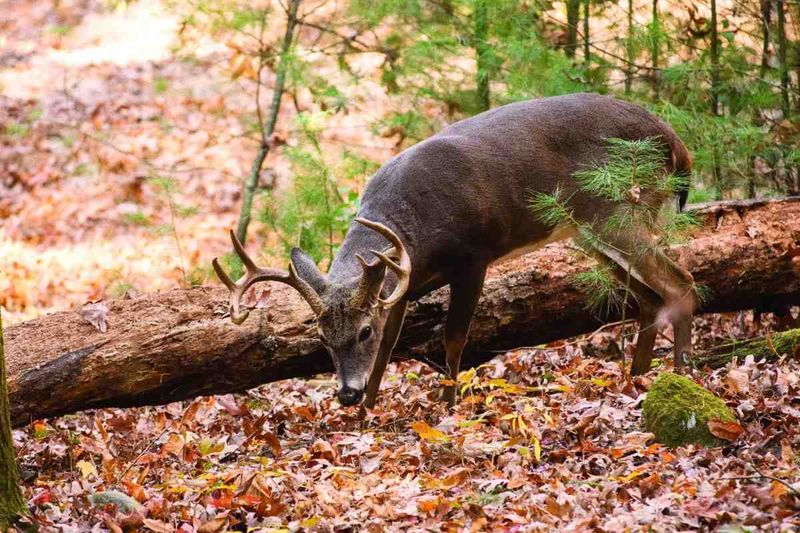
Cold months push deer to think about one thing above all: eating enough to stay strong. As fall settles into Michigan, deer switch into a serious feeding mode. Their bodies need extra fat to handle the long, chilly stretch ahead.
High energy foods become the goal. Deer hunt for acorns, corn, apples, and rich green plants that pack in calories.
The more they eat now, the better their chances of staying healthy through snow and freezing nights.
Natural food also starts to shrink around this time. Wild plants fade, crops get harvested, and the easy meals of summer disappear.
Your Michigan Garden Changes Every Week. Your Plan Should Too.
Gardening in Michigan changes quickly throughout the season. Every Friday you’ll receive a simple weekly plan showing exactly what to plant, prune, fertilize, harvest, and protect so you never miss the right timing.
That gap sends deer searching harder and farther, and your yard might sit right in their path.
Because they feel that natural pressure to bulk up, deer grow bolder about approaching homes. A tasty shrub or a patch of clover can outweigh their usual fear of people. Hunger, or really the drive to prepare, makes them braver than normal.
You can use this knowledge to your advantage. Clean up fallen fruit and store pet food indoors so you are not accidentally setting out a buffet. Removing easy calories nudges deer to look elsewhere.
Keep in mind this feeding rush is completely natural and healthy for the herd. Deer have prepared for Michigan winters for thousands of years.
Their fall appetite is not a sign of trouble, just a smart survival habit built into the season, and it explains a lot of the extra visits you notice.
3. Garden Plants Become Easy Targets
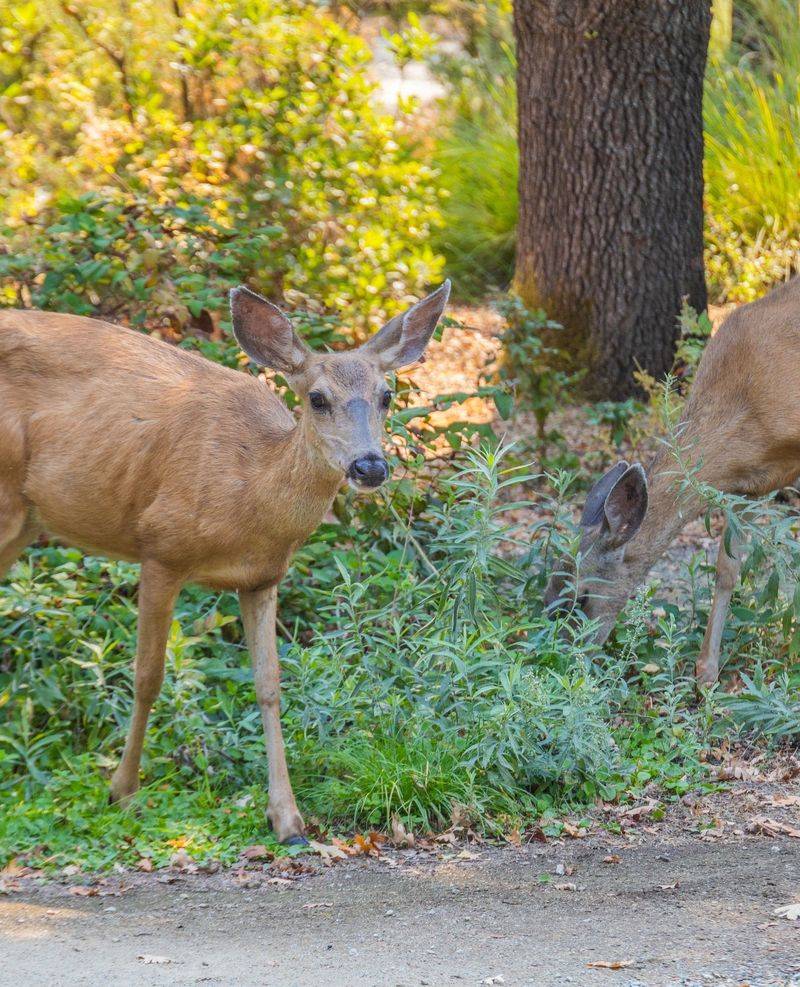
Your garden can look like a fresh salad bar to a hungry deer. When wild food fades in fall, the plants still standing in yards suddenly stand out.
Late-blooming flowers, leafy shrubs, and unharvested vegetables all catch a deer’s eye.
Fallen fruit is one of the biggest draws. Apples, pears, and other windfalls pile up under trees and give off a sweet smell that deer notice from a distance. A single loaded apple tree can turn your backyard into a nightly stop.
Tender garden favorites also tempt them. Hostas, roses, tulip greens, and many vegetables stay soft and tasty even as tougher wild plants dry out.
Deer often pick the easiest, most nutritious bites first, and your beds may fit that description perfectly.
Since these plants require no long search or effort, deer treat them like a reliable meal. The convenience matters. Why roam deep into the woods when a full plate waits a few steps from the porch?
Simple habits cut down on the temptation. Rake up dropped fruit often, harvest ripe vegetables quickly, and trim back plants that always seem to vanish overnight. The less food you leave exposed, the less reason deer have to linger.
Choosing plants deer tend to skip can help too, and we will cover that later. For now, remember that the timing of your garden’s decline lines up with the deer’s growing appetite.
That overlap is exactly why fall browsing feels so sudden and so heavy in Michigan yards.
4. Young Deer Take More Risks
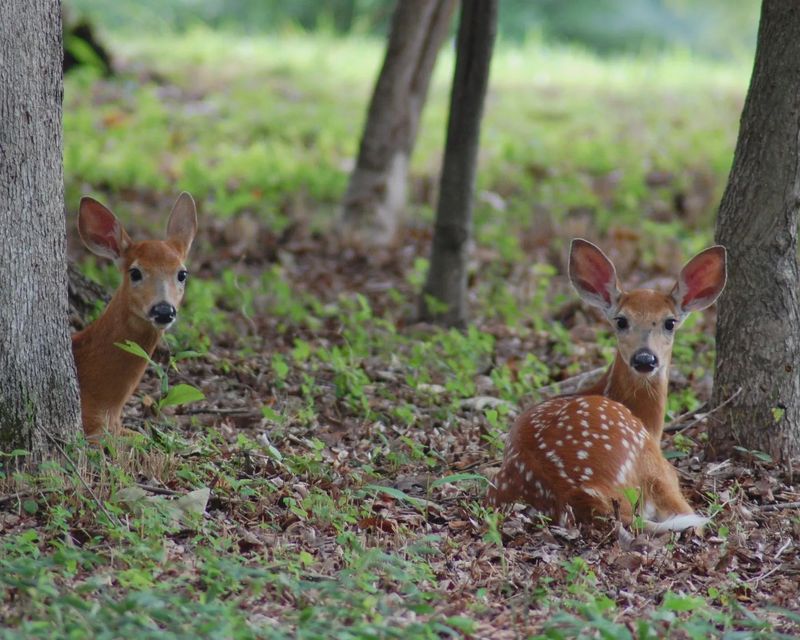
Picture a teenager exploring the world for the first time, and you have a good image of a young deer in fall. The fawns born in spring are now bigger and starting to strike out on their own. Their curiosity often outweighs their caution.
Older deer have learned which places feel risky, but young ones have not built up that experience yet. They wander into open yards, walk close to houses, and test out feeding spots that a wiser deer might skip.
Boldness comes easy when you have not learned to be careful. Fall also pushes these youngsters to find their own food and space. Some drift away from their mothers and explore new ground, including neighborhoods and gardens.
Without a grown deer guiding every step, they make choices that look fearless to us. You might notice a young deer standing still and staring instead of running off. That pause is not tameness, just inexperience.
The animal is figuring out whether you are a threat, and it often decides too slowly. Because young deer are still learning, they can also get into trouble near roads and fences.
Give them space and avoid feeding them, since easy handouts teach bad habits that stick for life.
The good news is that most young deer sharpen their instincts as winter tests them. What looks like reckless behavior now is really part of growing up.
Their bold visits are simply a season of learning, and it explains why some deer seem strangely comfortable in your yard.
5. Cooler Weather Brings More Daytime Activity
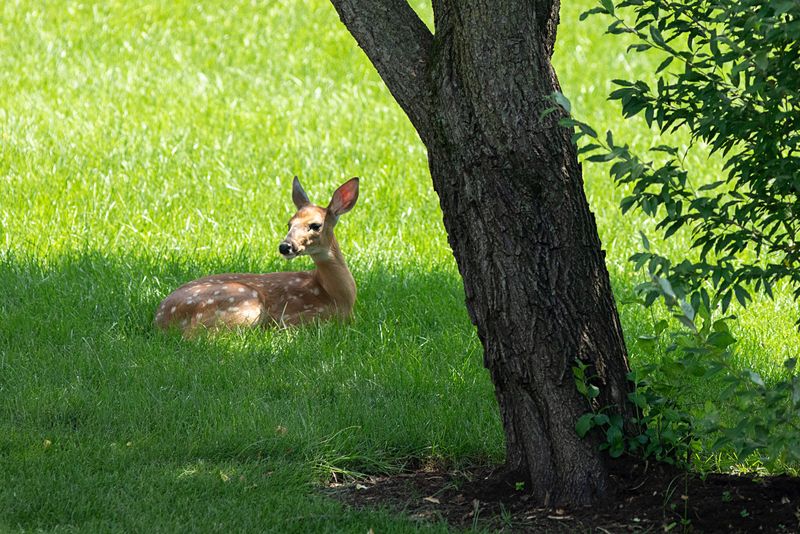
Warm summer days keep deer resting in the shade, but autumn changes their daily schedule. Once Michigan temperatures drop, deer feel far more comfortable moving around when the sun is up.
Cool air suits their thick coats much better than summer heat. In the hottest months, deer usually limit their travel to early morning and late evening. Midday feels too warm, so they bed down and wait.
Fall lifts that limit, and suddenly you might spot deer strolling through the yard at noon. The comfort of cooler weather means more chances for you to see them. What looks like bold new behavior is partly just a shift in timing.
Deer are not braver so much as more active during hours when people are also outside. Frost and crisp mornings also energize them. With less heat draining their bodies, deer can spend more time feeding and exploring.
That extra daytime movement puts them in plain view far more often than in July. For you, this means keeping an eye out during all parts of the day, not just dawn and dusk. Drivers especially should stay alert on cool afternoons near wooded areas.
Enjoy the sightings while staying respectful of their space. A deer grazing in your yard at midday is simply taking advantage of pleasant conditions.
Cooler air, longer feeding windows, and the natural rhythms of fall all combine to make deer seem everywhere at once, which explains a big piece of their bold autumn presence.
6. Deer Learn Which Yards Feel Safe
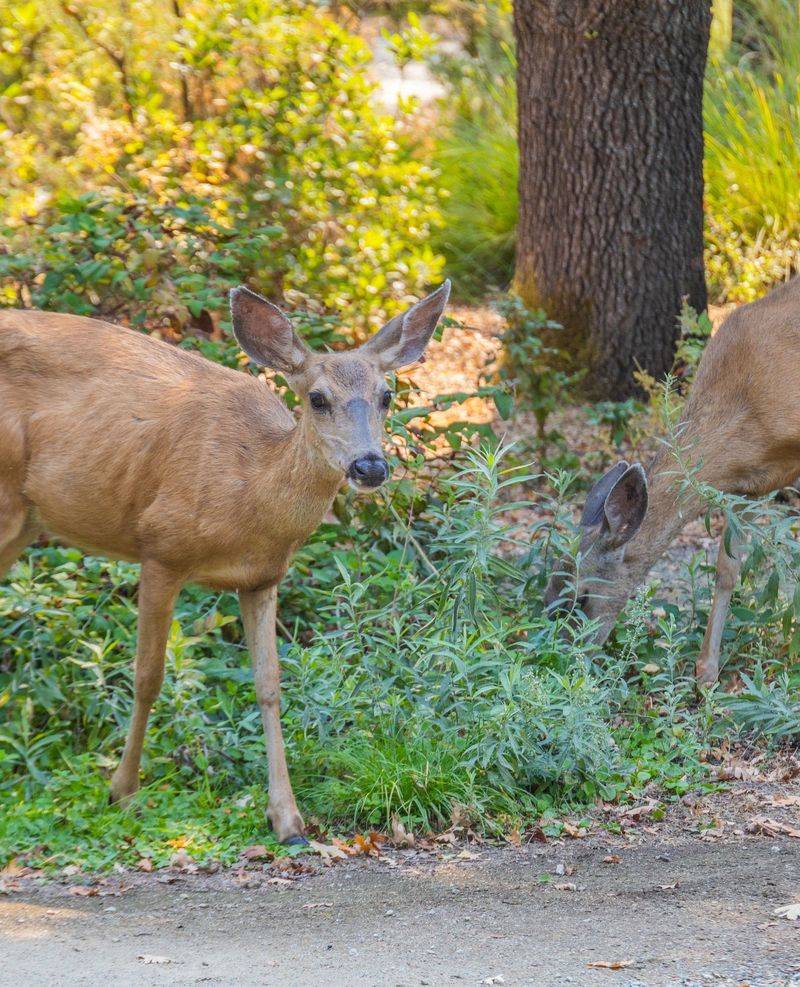
Deer are smarter than many people expect, and they remember good spots. Over time, they learn which yards offer calm surroundings, tasty plants, and a place to hide.
Once a yard earns their trust, they return again and again. Quiet neighborhoods play a big role. Where there is little noise, few dogs, and gentle people, deer relax and lower their guard.
They start treating those yards as safe zones rather than danger areas. Cover matters just as much as calm. Thick shrubs, tall grass, and wooded edges give deer a quick place to duck out of sight.
A yard with good hiding spots feels far more inviting than an open, exposed one.
Reliable food seals the deal. When deer find a steady supply of plants, fallen fruit, or birdseed spills, they build a routine around it.
Each easy meal teaches them that your yard is worth another trip. Because they learn so well, breaking the habit takes patience. Changing things up helps.
Move objects around, add motion sprinklers, or shift where you place feeders so the yard feels less predictable to them.
Understanding this learning process explains why deer seem bolder in some yards than others. It is not random. They have simply figured out where comfort and food come together.
By making your space a little less welcoming, you can gently teach deer to look elsewhere. Their memory works both ways, so a few changes now can steer their fall habits away from your garden for good.
7. Fall Does Not Mean Deer Need Help
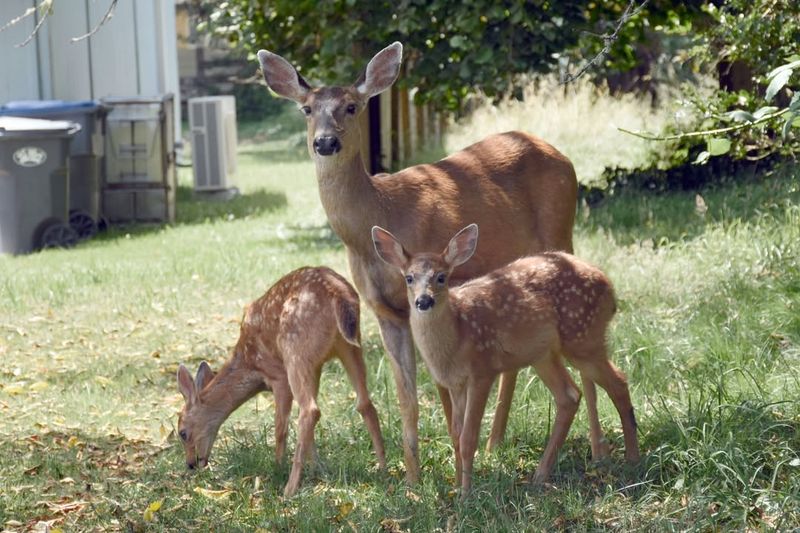
Seeing a deer stroll through your yard can tug at your heart, but it rarely means the animal is struggling. Many people assume a bold visitor must be hungry or unwell.
Most of the time, the deer is simply doing what deer do in fall. Their bold visits usually reflect normal seasonal behavior, not distress. Extra movement, heavy feeding, and daytime wandering all fit the natural pattern of autumn.
A healthy deer often looks calm and confident, not desperate. Feeding deer out of kindness can actually cause harm. Their stomachs are built to handle wild foods, and sudden human handouts like corn or bread can make them sick.
Well-meaning snacks sometimes do more damage than good. Handouts also teach deer to depend on people. Once they expect food, they crowd yards, cross roads, and lose their natural caution.
That dependence puts them at greater risk over time. Before worrying, take a moment to watch the animal. A deer with a shiny coat, steady walk, and alert eyes is almost certainly fine.
Signs of real trouble are different and less common than most folks think. Trust that Michigan’s deer are well adapted to their environment. They have handled changing seasons for countless generations without any help from backyards.
If you ever spot a deer that seems truly injured, contact a licensed wildlife expert rather than stepping in yourself. Respecting their independence keeps them wild and healthy.
In most cases, the kindest thing you can offer a visiting deer is simply space and quiet observation.
8. Protect Plants Without Harming Wildlife
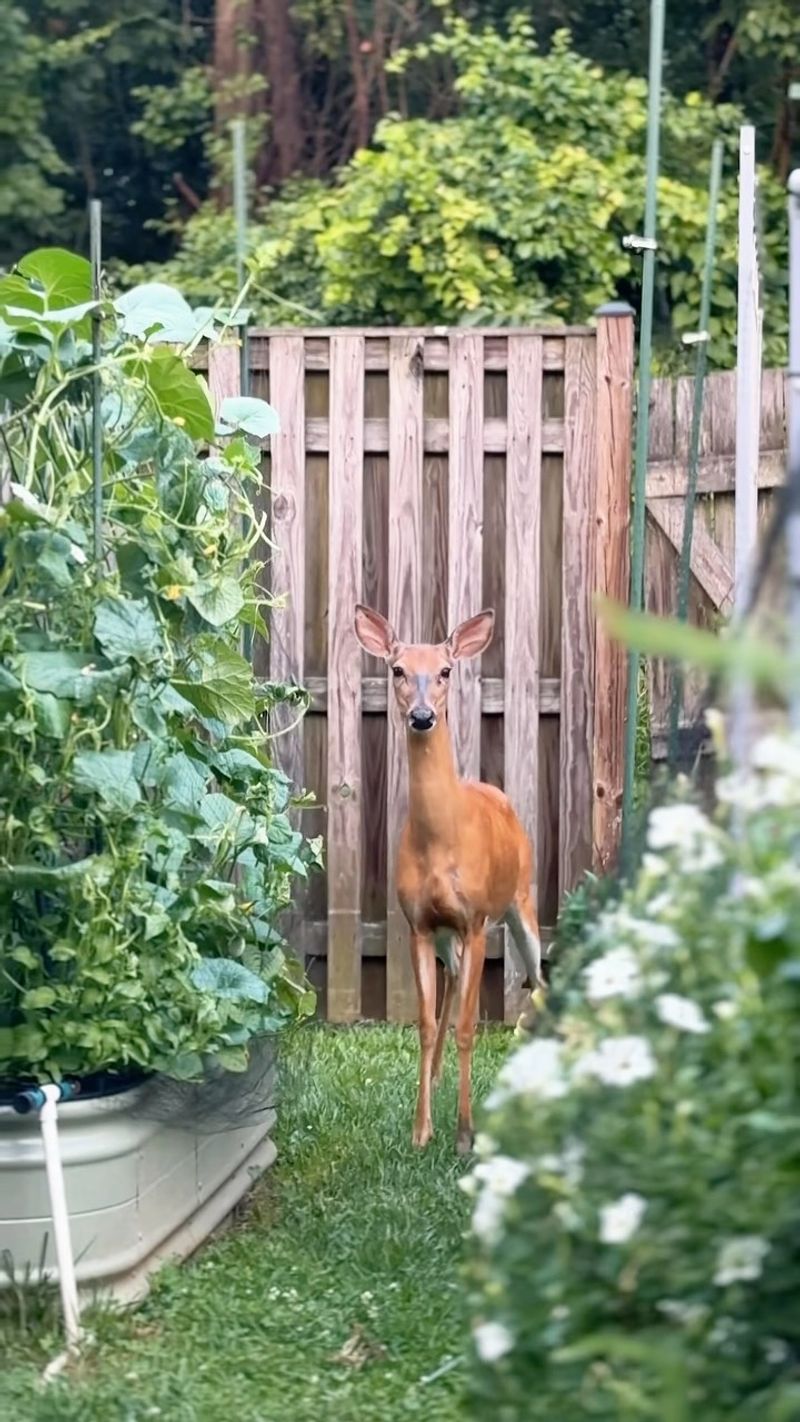
Keeping deer out of your garden does not require anything harsh. With a few smart tricks, Michigan gardeners can protect their plants and still let wildlife roam freely nearby.
Kindness and clever planning work together beautifully here. Fencing is one of the most reliable choices. A barrier around four to eight feet tall keeps most deer from reaching your favorite plants.
Even a simple mesh fence around a vegetable patch can make a huge difference. Repellents offer another easy option. Sprays that smell or taste unpleasant to deer send them looking elsewhere without causing any harm.
Reapply after rain, and rotate scents so deer do not get used to one type. Plant selection can quietly solve half the problem. Deer tend to skip strong-smelling herbs, fuzzy leaves, and certain flowers like daffodils and lavender.
Filling your beds with these choices makes your yard far less tempting. Changing the habitat around your home helps too. Trimming thick cover, moving bird feeders, and adding motion-activated sprinklers make the space feel less inviting.
Small tweaks add up fast. Combining a few of these methods works better than relying on just one. Deer are clever, so mixing fences, scents, and plant choices keeps them guessing.
The best part is that none of these approaches puts wildlife at risk. You get to enjoy a thriving garden while deer stay safe and wild where they belong.
With a little effort this fall, you can share your neighborhood peacefully and still keep your prized plants looking their best all season long.