Why Michigan Fruit Trees Need Extra Attention During This Dry October Stretch
A week of sunny skies and no rain feels like a gift to people. For fruit trees, it can be a quiet problem. Roots stay active into late fall, and trees still need moisture to prepare for winter.
Dry soil heading into a freeze leaves a tree less ready for the cold months. Young trees feel it most, though older ones are not immune. October is also the time to think about fallen fruit, which attracts pests, and about protecting bark from rabbits and voles.
Watering well before the ground freezes takes little time and costs almost nothing. A few simple jobs now keep your apples, pears, and cherries in good shape for next season’s crop.
1. Roots Keep Growing Until The Ground Freezes
Long after the last apple lands in the basket, something busy is still happening underground. Fruit tree roots don’t take a break when the leaves turn gold and fall. They keep growing in cool soil, sometimes right up until the ground freezes solid.
Apple, pear, cherry, peach, and plum trees use these fall weeks to push out fresh root tips and store energy for spring.
Cool soil is actually great for root growth, since the tree is no longer spending energy on leaves and fruit. The catch is simple: roots need moisture to grow, and dry soil slows them way down.
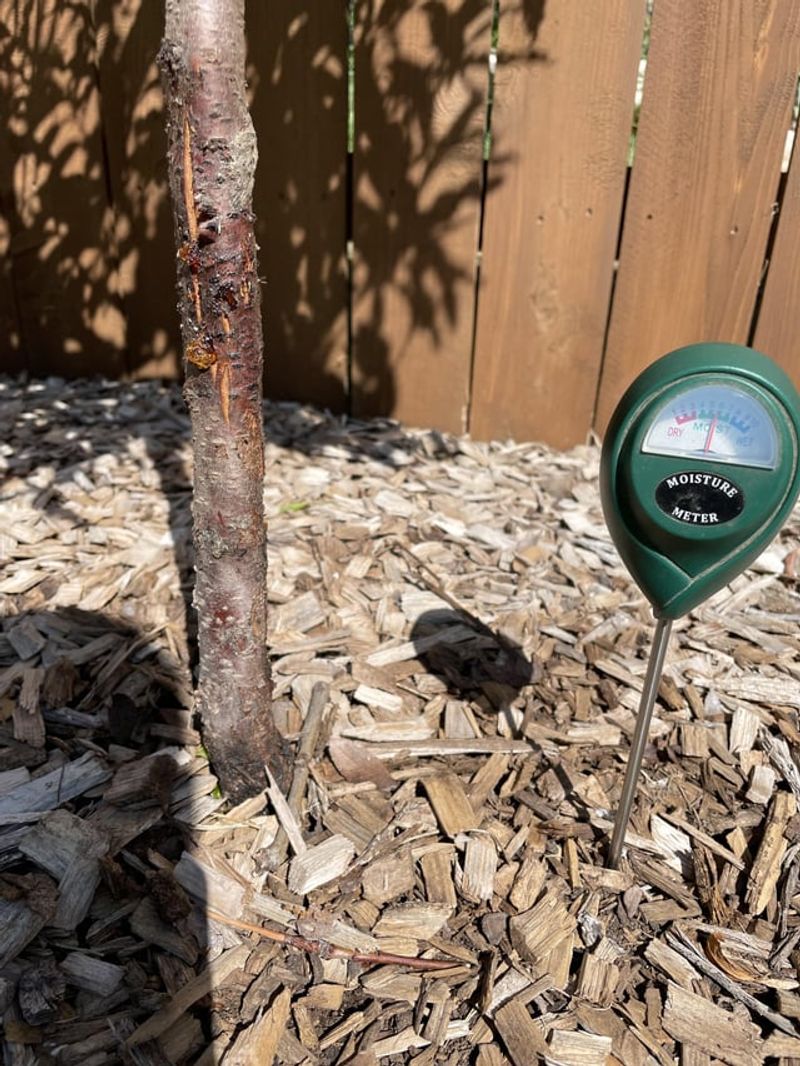
So how can you tell if your trees are thirsty? Grab a garden trowel or a long screwdriver and check the soil several inches down near the tree. If it feels dry and crumbly instead of cool and slightly damp, it is time to water.
Go slow and go deep. Set a hose on a gentle trickle near the outer edge of the canopy, called the drip line, where many feeder roots spread out. Move the hose to a few spots around the tree so the whole root zone gets a good drink.
Repeat every week or two during dry stretches, and keep going until the ground starts to freeze. A soaker hose looped around the drip line makes the job even easier.
Michigan gardeners have extra reason to pay attention this year. Parts of Lower Michigan have been abnormally dry this fall, and the western Upper Peninsula has slipped into serious drought.
Light rain often isn’t enough to soak down to where roots live, so a little help from your hose can make a big difference come spring.
2. Next Year’s Flower Buds Are Already Formed
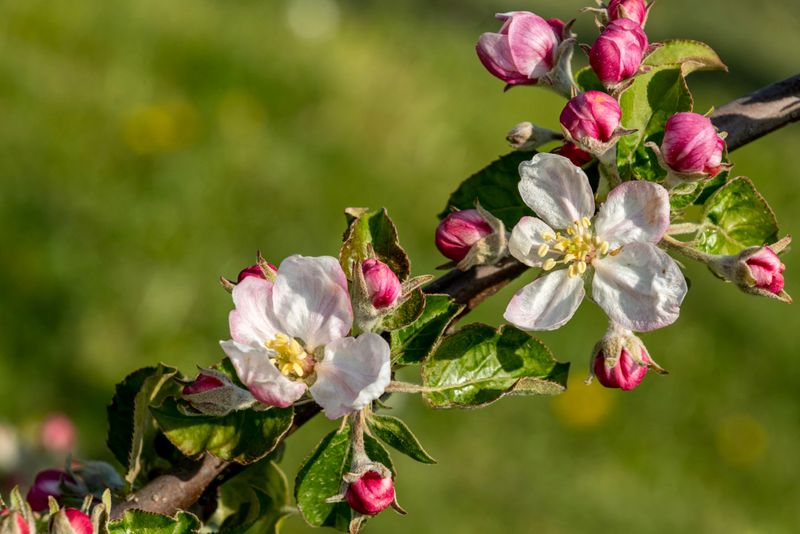
Here is a surprise for many backyard growers. The pretty pink and white blossoms you will enjoy next May are already tucked inside your trees right now. Most fruit trees form their flower buds for the following spring during summer and fall.
Take a close look at an apple or cherry branch and you will spot them. Flower buds are usually plumper and rounder than the skinny, pointed leaf buds nearby. Each one holds the start of next year’s blooms, and every bloom is a chance for fruit.
Your Michigan Garden Changes Every Week. Your Plan Should Too.
Gardening in Michigan changes quickly throughout the season. Every Friday you’ll receive a simple weekly plan showing exactly what to plant, prune, fertilize, harvest, and protect so you never miss the right timing.
Dry weather can mess with that plan. Trees under drought stress may develop weaker buds that are more likely to suffer winter injury. That can mean fewer flowers in spring and a smaller harvest by late summer.
Keeping things steady is the best fix. Water your trees evenly through dry fall weeks instead of giving them one huge soak and then forgetting about them. Even moisture helps buds finish developing and toughen up for cold weather.
Skip the fertilizer this time of year, though. Feeding trees in fall can push tender new growth that won’t harden off before winter, and that soft growth is easily damaged by frost. Save fertilizer for spring, when trees can actually use it.
Michigan buds already face a tough road. Cold winters test them for months, and surprise spring frosts can zap blossoms just as they open.
Giving buds a healthy, well-watered fall is one of the few things you can control, and it gives them a stronger start against everything the weather throws their way. Think of it as packing a good lunch before a long trip.
3. Dry Trees Handle Winter Cold Less Well
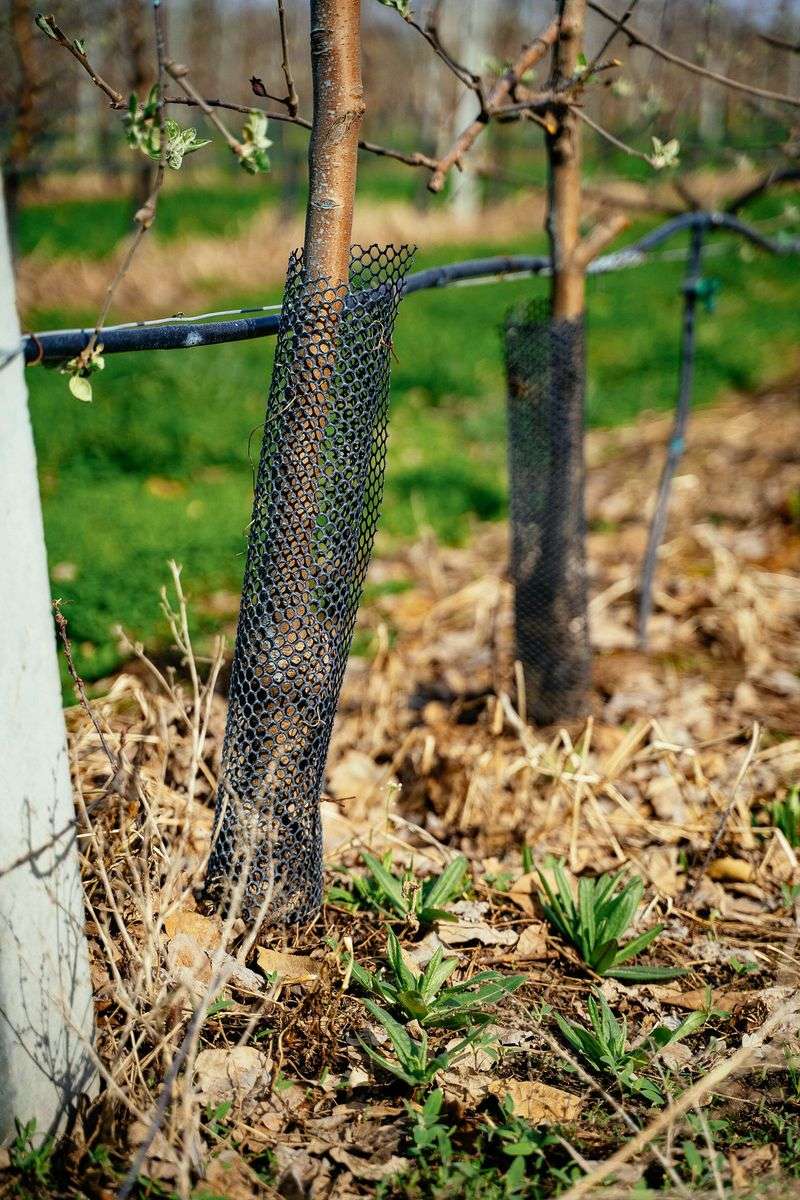
Winter hardiness isn’t only about cold. A well-watered tree is simply better at handling freezing nights than a thirsty one. Trees that head into winter short on moisture are more likely to suffer damage to their bark, branches, and buds.
Why does water matter so much when everything is frozen? Trees keep losing small amounts of moisture through their bark and buds all winter long. Dry, sunny, windy days pull even more water out, and frozen soil means roots can’t replace it.
A stressed tree that starts winter low on water has very little to spare. Branch tips can dry out, buds can fail, and bark may crack. The damage often doesn’t show up until spring, when you notice bare twigs or splits on the trunk.
Start with a deep, slow watering before the ground freezes. That final soak acts like a savings account the tree can draw from during the cold months ahead.
Young trees need one more layer of protection. Wrap their trunks with light-colored tree guards or wraps, paying special attention to the south and southwest sides.
Bright winter sun can warm the bark during the day, and then a sudden nighttime freeze can cause cracks known as sunscald.
Be sure to remove the wraps in spring once the weather warms. Leaving them on all year can trap moisture and invite insects.
Michigan winters bring the full package of cold air, strong winds, and dazzling sun bouncing off snow. That combo is rough on fruit trees. A bit of water and a simple trunk wrap now can save you from disappointing surprises when spring finally arrives.
4. Young Trees Are The Most Vulnerable
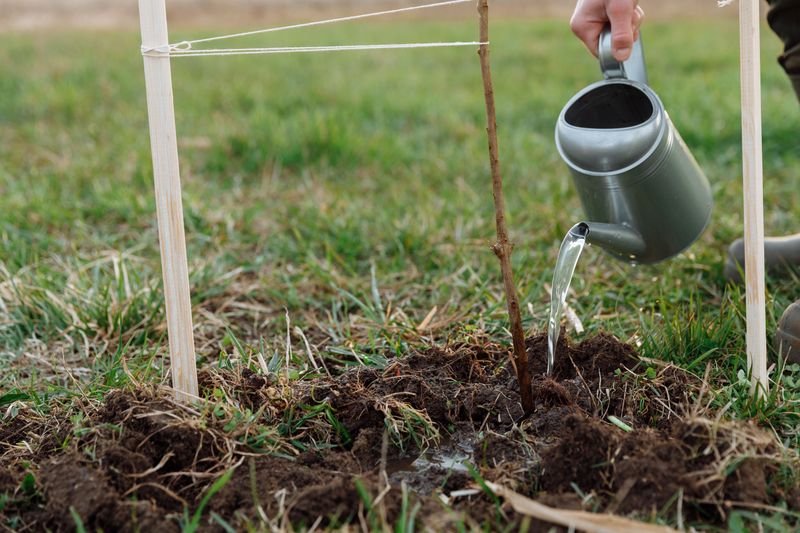
That little sapling you planted last spring is a lot like a toddler. It is full of promise, but it can’t take care of itself just yet. Recently planted fruit trees need the most attention when the weather turns dry.
The reason comes down to roots. A young tree has a small root system that can’t reach the deeper moisture an older tree can tap into. When the top layer of soil dries out, a young tree runs out of water fast.
Older trees can often ride out a dry spell with only minor stress. Young trees, on the other hand, are more likely to suffer lasting damage that slows their growth for years. A rough first few seasons can set them back a long way.
Here is a simple routine to follow. Water trees planted in the last two or three years deeply about once a week during dry spells. Aim the water right at the root zone, close to where the original root ball was planted, since that is where most young roots still live.
Before each watering, check the soil in that root ball area with your finger or a trowel. If it is still moist a few inches down, wait a few days. If it is dry, give it a long, slow soak with a hose or a five-gallon bucket with small holes in the bottom.
Patience pays off with fruit trees in Michigan. Young trees take several years to settle in before they bear well, so every season of good care counts. Protecting your investment now brings you closer to that first big basket of homegrown fruit.
5. Mulch Helps Hold Moisture In The Root Zone
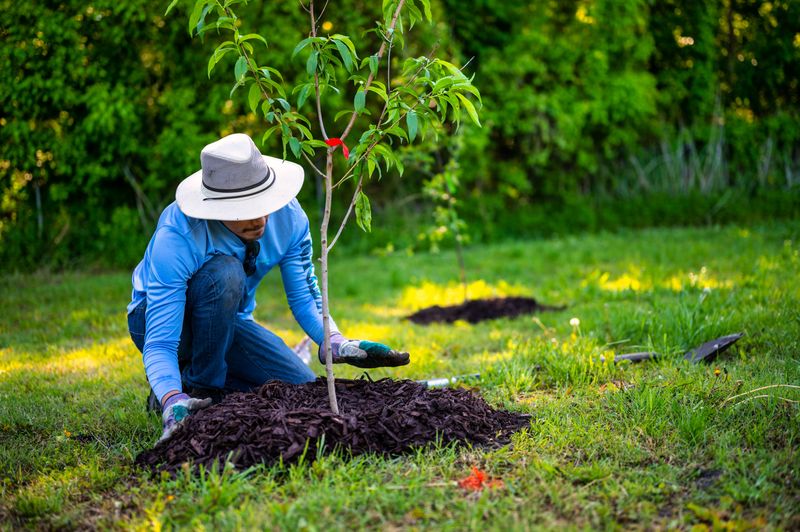
Think of mulch as a cozy blanket for your tree’s roots. A simple layer of wood chips can do a surprising amount of work, especially when rain is scarce.
First, mulch slows evaporation, so water stays in the soil longer instead of drying up in the sun and wind. It also keeps soil temperatures steadier, which roots appreciate as fall nights grow colder.
Best of all, it cuts down on grass, and grass is a thirsty neighbor that competes with your tree for every drop.
Ready to give it a try? Spread 2 to 3 inches of wood chips or shredded bark in a wide circle around the tree. Go out as far as you reasonably can, ideally toward the drip line.
Before you spread anything, pull grass and weeds away from the root zone. A clean circle means more water for the tree and less mowing near the trunk, which also protects bark from mower bumps.
Now for the most important rule. Keep mulch several inches away from the trunk, so the circle looks more like a donut than a volcano. Mulch piled against bark holds moisture right where you don’t want it and can lead to bark rot.
Michigan gardeners have one more reason to follow that rule: voles. These small, mouse-like critters love to hide under mulch and snow in winter, where they chew on tender bark.
A bare gap around the trunk makes them easier to spot and less likely to settle in. Some growers also add a hardware cloth collar around the base for extra peace of mind.
6. A Drier Winter May Be On The Way
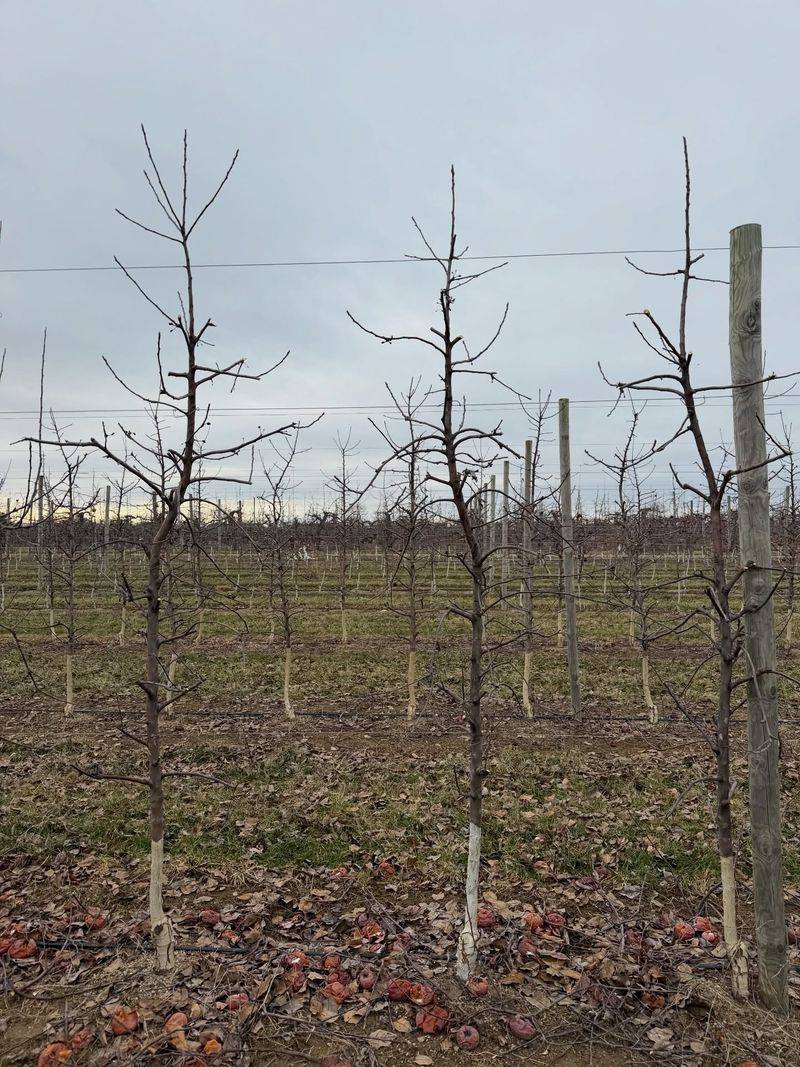
Weather forecasters are offering a hint about the months ahead, and fruit growers should listen.
NOAA’s seasonal outlook leans toward warmer than normal temperatures and drier conditions for parts of Michigan this winter, driven by large ocean patterns in the Pacific.
Why should that matter for your apple tree? In a typical year, winter snow and rain slowly refill the soil. If winter turns out drier than usual, soil moisture may not fully bounce back before spring, and trees could wake up already thirsty.
Outlooks aren’t perfect, of course. Still, planning ahead costs little and can save your trees a lot of stress.
Your first move is a thorough soaking before the ground freezes. Give each tree a long, slow drink so the soil around the roots is moist going into the cold months. It is the single most helpful step you can take right now.
Next, keep an eye on winter thaws. During a mild stretch, when the ground isn’t frozen and the temperature climbs above freezing, you may be able to water again. Do it during the warmest part of the day so the water soaks in before nightfall.
Finally, be ready to water early in spring if conditions stay dry. Once the soil thaws, check moisture a few inches down and water if it feels dry.
Michigan fruit trees depend on moisture stored in the soil over winter to leaf out, bloom, and set fruit. A strong start in April and May often shapes the entire growing season, so a little planning now pays off later.
7. Dry Weather Is A Good Time For Fall Cleanup
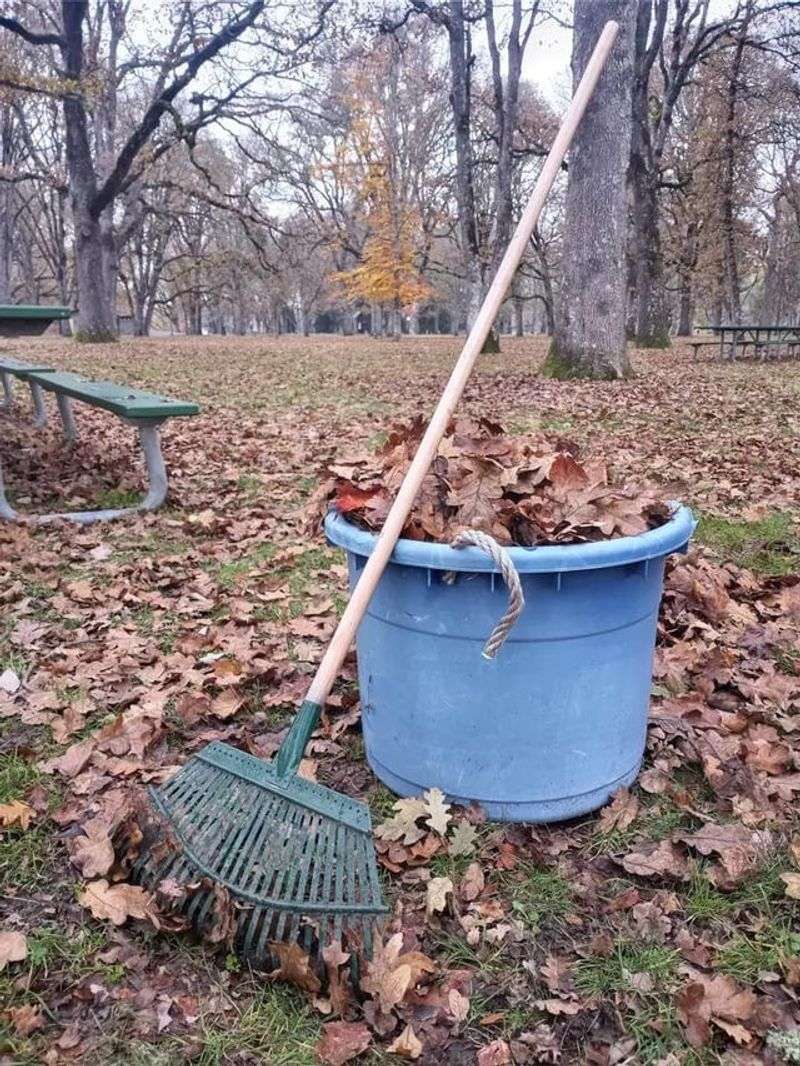
Sunny, dry days come with one big bonus. They are perfect for raking, since crunchy leaves are lighter and easier to gather than soggy ones. Fall cleanup is one of the smartest gifts you can give your fruit trees.
Fallen leaves may look harmless, but they can carry diseases like apple scab. The fungus spends the winter in old leaves on the ground, then releases spores in spring that land on fresh leaves and fruit. Fewer leaves left behind means fewer spores next year.
Shriveled fruit is another sneaky troublemaker. Those wrinkled, dried-up fruits, often called mummies, can hang on branches or hide in the grass. They can harbor diseases like brown rot, which loves to spread to next year’s cherries, peaches, and plums.
Grab a rake and clear fallen leaves from under apple and pear trees. Then walk around each tree and pick off any mummified fruit still clinging to branches. Scoop up the ones on the ground too.
Here is a key tip. Bag diseased leaves and fruit for the trash instead of tossing them in the compost pile. Home compost often doesn’t get hot enough to destroy disease organisms, so they could come right back.
While you are out there, check each trunk for cracks, chewed bark, or other damage before winter. Catching problems early gives you time to add guards or wraps.
Michigan home orchards benefit a lot from this simple chore. Good cleanup helps reduce disease pressure without heavy spraying, which is easier on you, your trees, and the bees that visit in spring.