These Bugs Are Swarming Louisiana Yards Again As Their September Flying Season Begins
Your windshield turns into a crime scene overnight, and you cannot explain it. Louisiana heat clings to your bumper long after sunset fades. Cicadas still hum, but you notice a new sound arrive. Warm asphalt suddenly breathes, and you feel it fast.
Freshly cut lawns turn into launch pads right under you. Sunny driveways become runways you cannot ignore for long. Neighbors swat at empty air while you laugh from your porch. Porch sitters abandon their chairs before you even ask why.
Drivers ease off the gas while you squint at the glass. Cars gather bugs across long stretches of Louisiana highway, and you notice fast. Hoses appear on porches near you within minutes flat.
Shrugs come easy, though you might reach for a broom. Patience runs thin once you realize the swarm just arrived. You are about to learn why these bugs pair up, and how to outlast them.
Meet The Two-Bug Traveler Behind The Windshield Mess
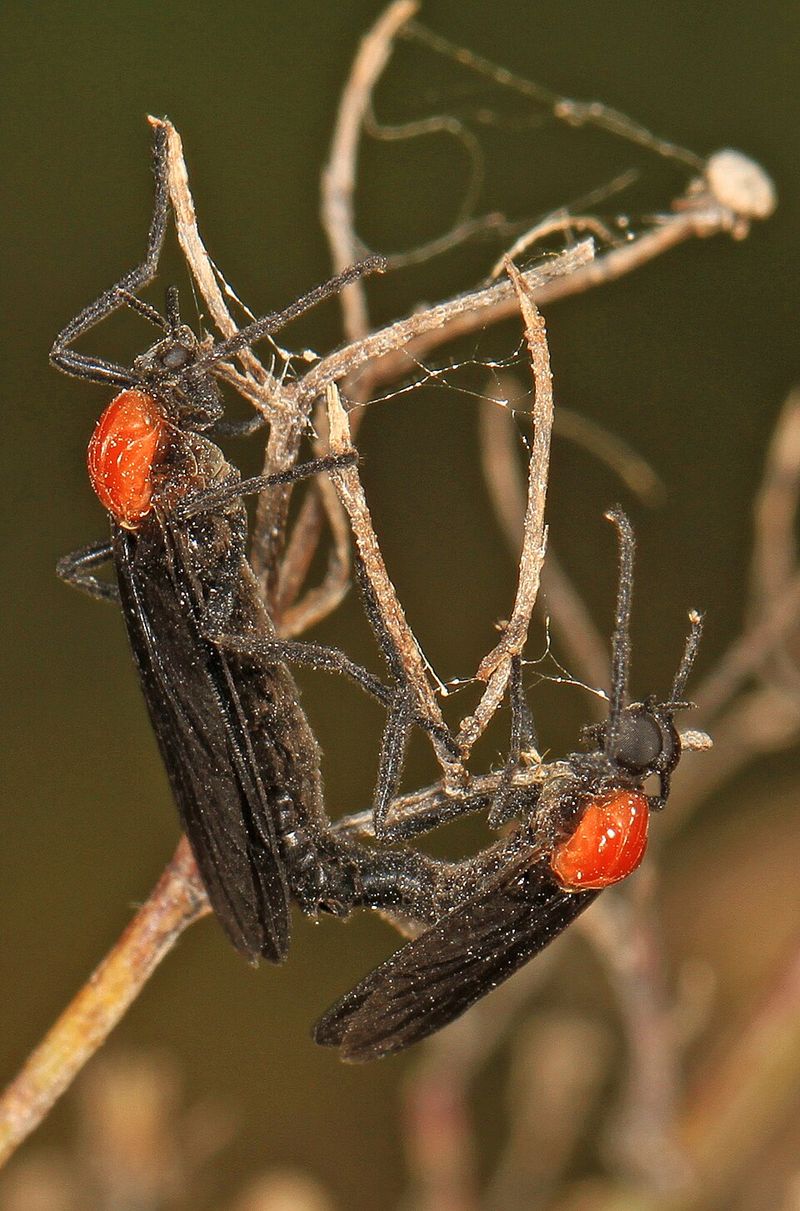
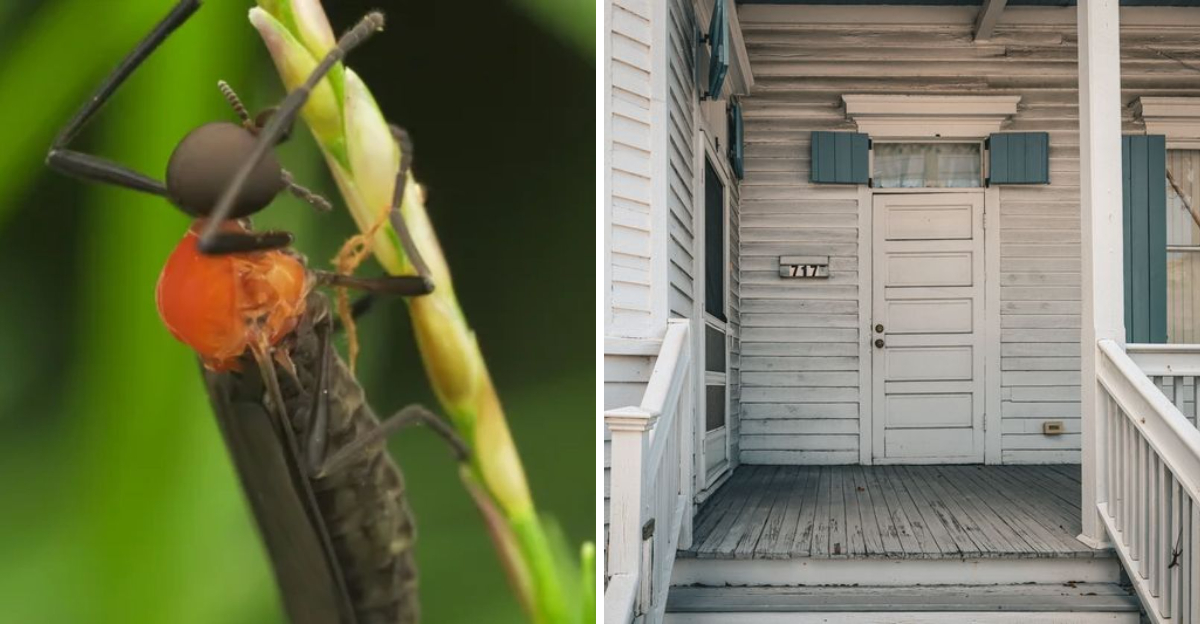
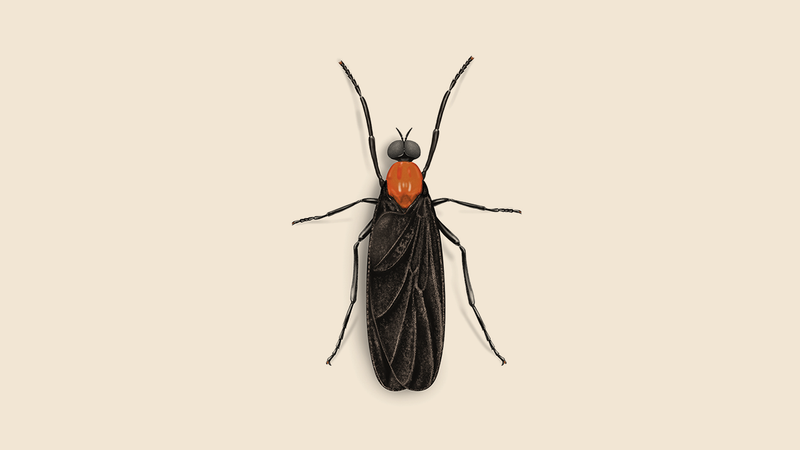
Ask ten Louisiana drivers what a love bug is, and nine will describe the windshield damage before the insect itself. The bug is actually a small black fly with a bright orange or red patch just behind its head.
Scientists call it Plecia nearctica, a member of the march fly family. It’s unrelated to biting insects like mosquitoes despite the surface resemblance. No biting, and it belongs to a different family entirely.
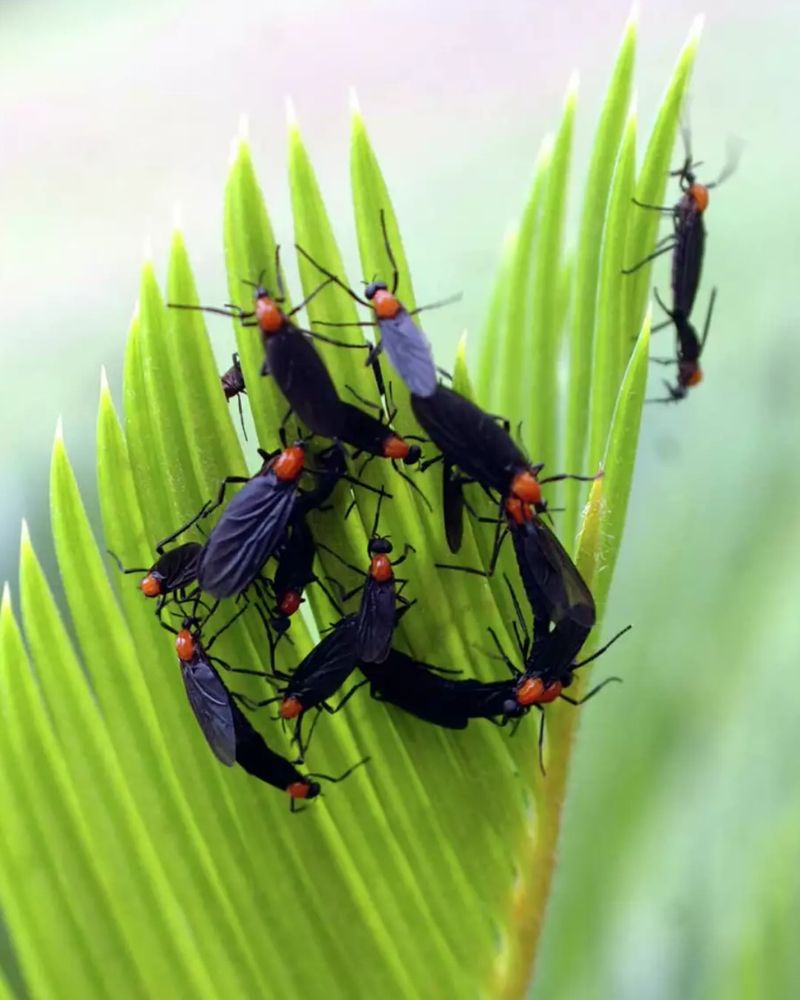
The famous part is the pairing. Males and females connect tail to tail and stay attached while they fly, feed, and drift on the breeze.
That linked flight can last for hours or even a couple of days. The male typically stops moving first, and the female continues flying while still attached to him until she’s ready to lay eggs.
Females are slightly larger with a smaller head, while males have big eyes built for spotting a mate in a crowd. Both are soft-bodied and easy to squish, which is exactly why they leave such a stubborn smear.
Here is a fun bit of local lore worth clearing up. Plenty of Gulf Coast folks swear a university lab created them for mosquito control, but the flies simply spread north and east from Central America over the last century.
They were first documented in Louisiana in the early 1900s, with wider populations establishing by the 1920s, and have been part of the September routine ever since.
Why September Sets Off The Big Flight
Timing is everything with these flies, and September is one of their two favorite months. The other big show happens in late April and May, which is why locals talk about spring and fall love bug seasons.
Warm, damp soil is the trigger. Larvae spend weeks or months feeding on decaying grass clippings, leaf litter, and thatch under the surface of lawns and ditches.
When soil temperatures and moisture line up just right, usually after a stretch of Louisiana humidity and a few good rains, the adults emerge together in huge numbers. That group timing is what turns a few flies into a visible cloud.
Your Louisiana Garden Changes Every Week. Your Plan Should Too.
Gardening in Louisiana changes quickly throughout the season. Every Friday you’ll receive a simple weekly plan showing exactly what to plant, prune, fertilize, harvest, and protect so you never miss the right timing.
Adults live roughly three to five days as flying insects, though some females stretch it to a week. Their whole job during that window is to find a partner and lay several hundred eggs.
Peak flight hours tend to run from about mid-morning to late afternoon, with activity fading as evening temperatures cool. Cool fronts and steady rain will knock the swarm down fast.
Most September flights run several weeks, though the heaviest days often cluster in a single week or two. Coastal parishes often see the thickest activity first, with inland areas typically following.
Knowing the schedule helps you plan. Early morning errands and evening drives generally mean fewer bugs on the grille and a calmer walk to the mailbox.
Your Car Paint Takes The Real Hit
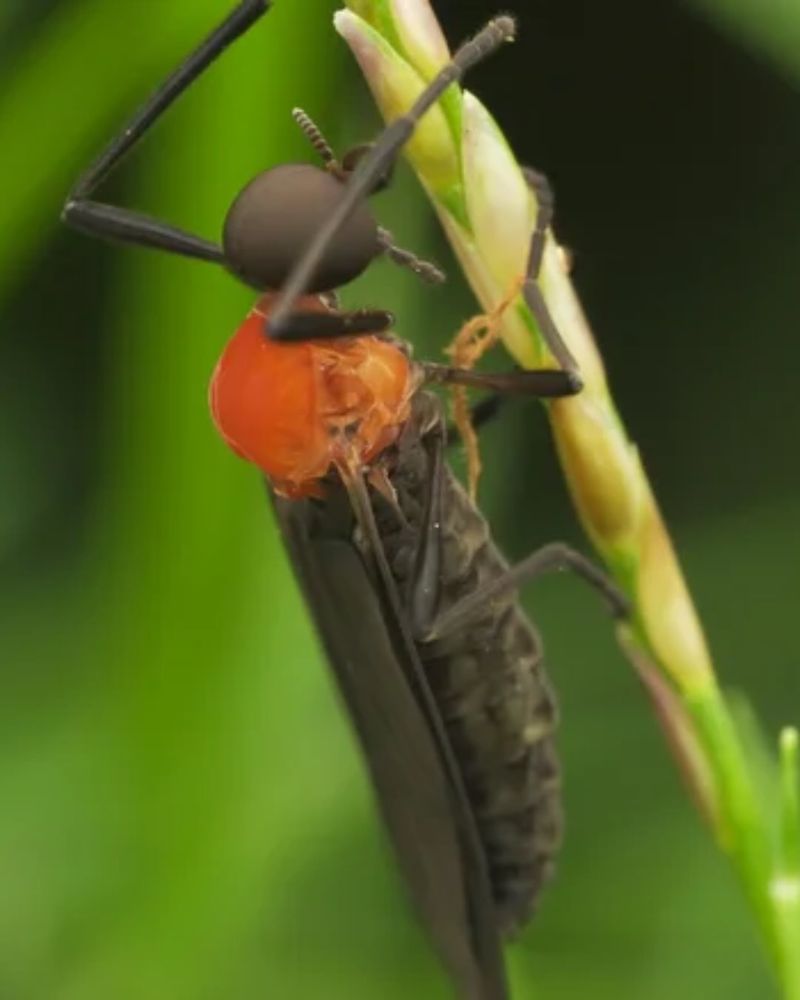
Few things test your patience on I-10 in September like the steady tick-tick-tick against the windshield. Within twenty miles, the front bumper looks like it lost a food fight.
The damage is chemical, not just cosmetic. Love bug bodies are slightly acidic, and when they bake onto hot paint in the Louisiana sun, that residue can etch clear coat if left to bake on for long enough.
Speed matters more than most people realize. Vehicles moving at higher speeds seem to attract more flies, likely because exhaust fumes mimic the smell of decaying plant matter they seek out.
Light-colored cars, especially white and silver, tend to collect more of them. Heat rising off dark asphalt pulls the swarm toward highways in the first place.
Prevention beats scrubbing. A fresh coat of wax or a spray sealant on the hood, bumper, and mirrors gives the residue something to sit on besides your paint.
Some drivers use a mesh bug screen across the grille during peak weeks. Others just plan longer trips before nine in the morning or after six in the evening.
Rinse the front end the same day if you can. Warm water, a soft microfiber cloth, and a few minutes of soaking loosen the mess without grinding grit into the finish.
Dryer sheets and rough sponges are popular internet tricks, but both can leave fine scratches. Patience and plain soapy water do a better job.
Front Porches, White Siding, And Fresh Paint Attract Crowds

Homeowners notice something odd during peak weeks. The flies pile up on the sunny side of the house and mostly ignore the shady side.
Light colors are the draw. White, cream, and pale yellow walls reflect sunlight in a way that seems to signal a good resting spot to these insects.
Freshly painted surfaces are even more appealing. Certain solvents in new paint can give off aldehyde compounds that resemble the smell of decomposing plant material, a scent these flies are known to chase.
Anyone planning to repaint a porch or fence in Louisiana might want to wait until October. Otherwise the finish can end up speckled before it fully cures.
Screens help, though the flies are small enough to squeeze through worn mesh. Checking door sweeps and window seals keeps most of them outdoors where they belong.
For the ones that do land on siding, a garden hose with moderate pressure clears them off easily. Doing it before they bake in the afternoon sun keeps stains from setting.
Skip the heavy insecticide spraying on exterior walls. The adults keep arriving on the breeze, so the treatment fades long before the flight ends, and it takes out beneficial insects along the way.
A porch fan on medium speed works surprisingly well. These are weak flyers, and moving air makes your sitting area far less inviting to them.
They Bite Nobody And Sting Nothing
Panic is optional with these flyers. They carry no stinger, they have no biting mouthparts, and they spread no illness to people or pets.
Adults sip flower nectar, which makes them modest pollinators for goldenrod, sweet clover, and other late-season blooms across the Gulf Coast. A dog that snaps one out of the air will be perfectly fine.
The larvae are quietly useful too. Down in the thatch layer, they break down old grass clippings and leaf litter, returning nutrients to the soil like tiny compost workers.
Birds and spiders will eat a few, though many predators find them unappealing because of their acidic body chemistry. That partly explains why the population gets so large without much natural control.
The annoyance is real, but it is temporary and mostly about mess rather than harm. Most Louisiana residents find the flights fade within a few weeks.
Kids often get curious about the connected pairs, and it makes a decent backyard science lesson. Let them watch with a magnifying glass instead of a flyswatter.
If someone in the house has a strong reaction to being swarmed, it is usually just startle response rather than an allergy. Long sleeves and a hat make outdoor chores easier during peak hours.
Treating them as a seasonal nuisance instead of a threat lowers the stress considerably. September passes, and so does the cloud.
Yard Habits That Cut Down Next Season’s Numbers
Here is the part most people skip. The swarm you see in September grew up in the damp organic layer sitting right in your own yard.
Thick thatch is the nursery. Grass clippings left in soggy piles, matted leaves along fence lines, and the mucky edges of drainage ditches all give larvae exactly what they need.
Raking and bagging clippings during the wet months makes a real difference over time. Dethatching a lawn every year or two removes a huge chunk of that hidden habitat.
Drainage deserves attention as well. Low spots that stay soggy for days become breeding hot spots, so leveling them or improving runoff pays off.
Compost piles are fine, but keep them turned and enclosed rather than spread thin across the yard. An open, damp mat of decaying grass is basically an invitation.
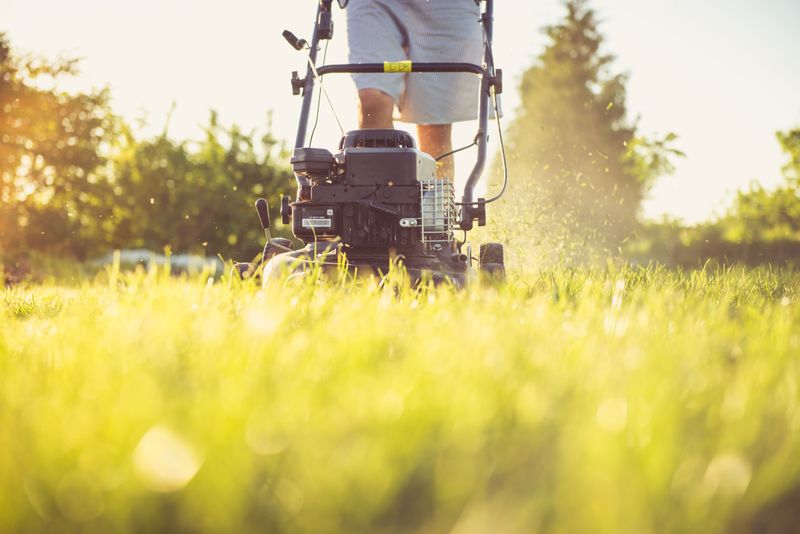
Mowing at the right height helps too. Cutting a little higher and less often reduces the volume of clippings while keeping the turf healthy.
No one can clear a whole parish, but the adults will still drift in from roadsides and pastures nearby. Reducing what breeds on your property still trims the local crowd noticeably.
Neighbors who coordinate see better results than anyone working alone. A few blocks of tidy lawns and clear ditches can mean a lighter flight when the next warm, wet stretch rolls around.