Louisiana’s Storm Season Is Bringing Trouble To Satsuma And Pecan Harvests
You scan a dark Louisiana sky while ripening pecans cling to brittle limbs. Brittle pecan wood splits under heavy gusts, and you hear each crack.
Shucks need dry air to open, but you get humid rain instead. Wet shucks invite scab fungus, and you watch leaves spot and blacken.
Mold spreads inside shells you gather too late. Gusts also strip nuts early, leaving you with light, shriveled kernels.
Squirrels haul off your fallen crop and refuse to share. Prune weak crotches in winter, so gusts find fewer split points.
Open crowded canopies in winter before weight turns branches into levers. Keep fungicide on schedule through humid weather, and you shield leaves feeding each nut.
Dry harvested nuts fast, because damp shells invite mold within days. Louisiana storms test you, yet you can still bring pecans home. Outsmart those squirrels too.
1. Hurricane Winds Drop Satsumas Early
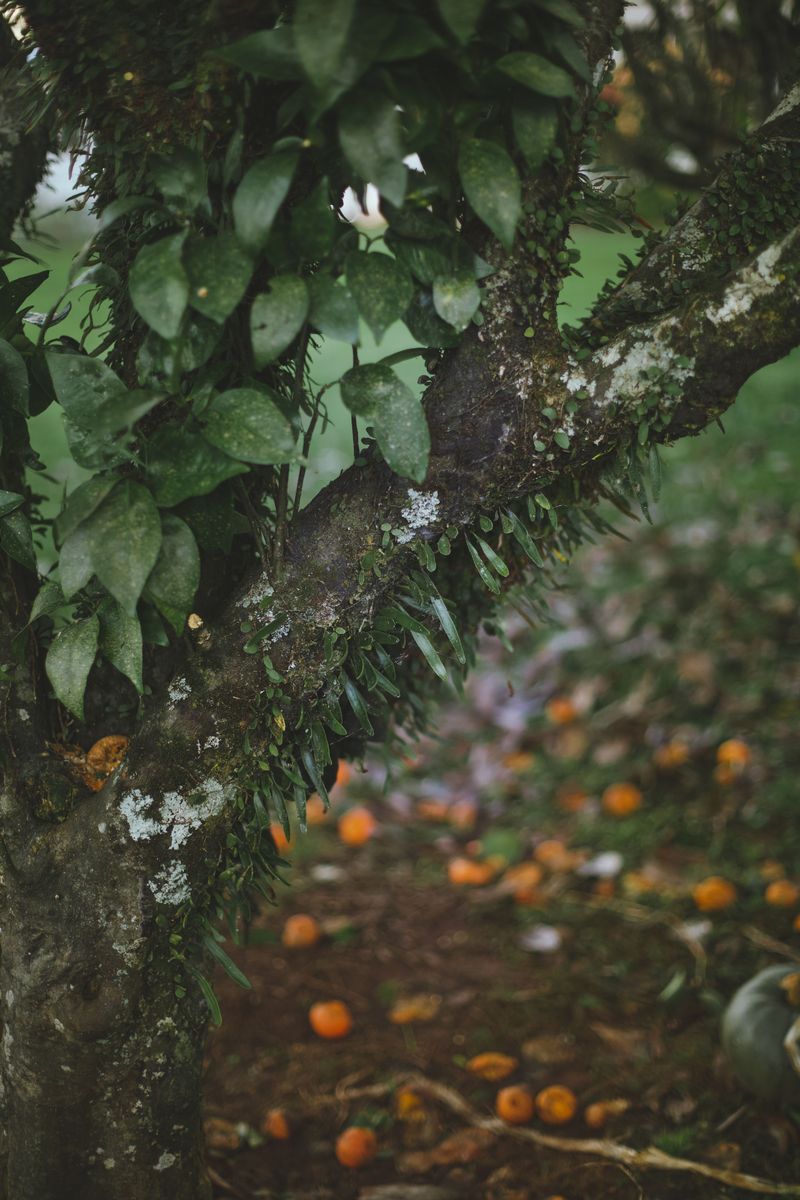
Picture a satsuma tree in Plaquemines Parish, loaded with fruit that just started turning orange. One strong gust later, a good share of that crop is rolling across the grass.
Satsumas hang on fairly short stems, but hurricane winds can twist and yank them loose. Fruit that drops in early fall is often still green and sour inside.
Growers usually start picking satsumas in October and keep going into December. A storm in September or October can arrive just before harvest income is due.
Fallen fruit bruises fast, and bruised fruit spoils within days in warm, damp weather. Many stores and markets will not buy satsumas with soft spots or broken skin.
Some families gather the dropped fruit anyway and turn it into juice or marmalade. It saves a little money, but it cannot replace a full season of fresh sales.
Wind can also scrape fruit against branches, leaving brown scars on the peel. The inside may taste fine, yet shoppers often pass over scarred fruit at the stand.
If you grow a backyard satsuma, check it the morning after a big blow. Pick up fallen fruit quickly so it does not attract bugs, rats, or mold.
Fruit that is close to ready can be picked early before a storm arrives. Satsumas do not ripen much after picking, so taste one first to judge sweetness.
Windbreaks of tall trees or fences on the windy side can soften strong gusts a bit. Many south Louisiana growers plant them for exactly that reason.
2. Heavy Rains Split The Skins Of Ripening Satsumas
Ever bitten into a grape that was so full it popped? Satsumas can do something similar on the tree after a sudden soaking rain.
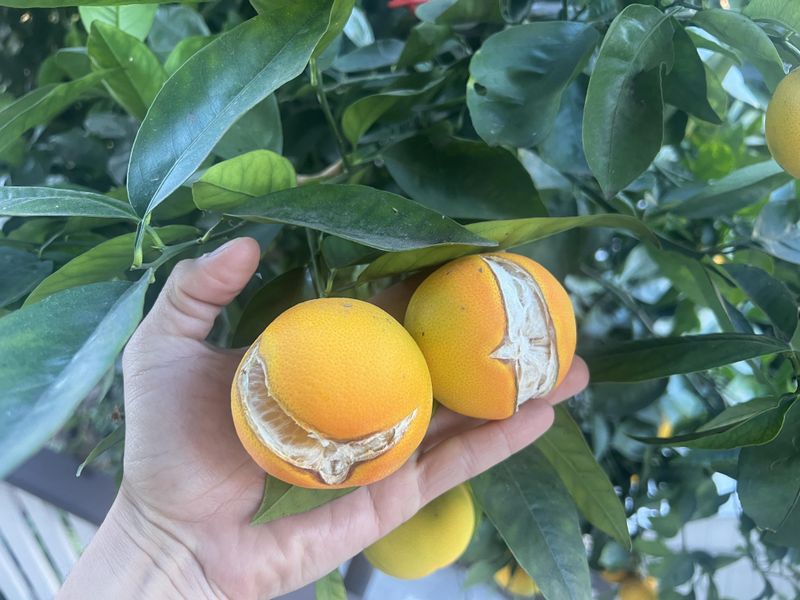
After weeks of dry weather, a tree suddenly drinks a huge amount of water from wet soil. The fruit swells faster than its thin peel can stretch, and the skin cracks open.
Satsumas have famously loose, easy-to-peel skin, which is part of why people love them. That same thin peel makes them more likely to split during storm season.
A split fruit is an open door for fungus, fruit flies, and souring. Within a few days it usually falls to the ground or rots right on the branch.
Your Louisiana Garden Changes Every Week. Your Plan Should Too.
Gardening in Louisiana changes quickly throughout the season. Every Friday you’ll receive a simple weekly plan showing exactly what to plant, prune, fertilize, harvest, and protect so you never miss the right timing.
Tropical storms often dump several inches of rain in one or two days. For a tree used to dry September weather, that is a sudden surge of water.
Steady watering during dry spells helps keep the peel flexible and the fruit growing evenly. A layer of mulch around the trunk also keeps soil moisture from swinging wildly.
Mulch should stay a few inches away from the trunk itself to avoid rot. Pine straw and shredded leaves both work well and cost very little.
Check your tree daily after heavy rain and remove any split fruit you spot. Cleaning up quickly keeps pests from moving on to the healthy fruit nearby.
Commercial growers track rainfall closely during fall for this exact reason. Even one cracked fruit in a box can make buyers question the whole batch.
3. Storm Gusts Break Weak Pecan Limb
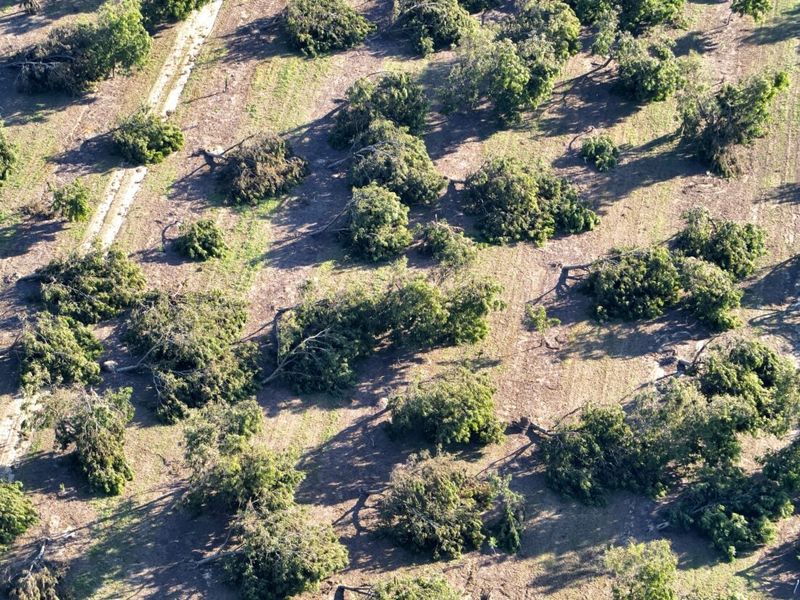
Grandparents across Louisiana love telling stories about the giant pecan tree in their childhood yard. Many of those stories end with a hurricane that removed its biggest limbs.
Pecan trees can grow over 100 feet tall, with wide, spreading crowns that catch wind like sails. In October, those branches are also heavy with nuts, which adds even more weight.
Pecan wood is hard but brittle, and it tends to break where branches form narrow, tight angles. When a big gust twists a heavy limb, that weak joint can crack like a dry pencil.
Hurricane Laura in 2020 damaged pecan orchards in parts of Louisiana. Some growers reported losing long-established trees.
A broken limb takes its nuts down with it, usually before they are fully mature. Those nuts often have shriveled kernels that buyers will not accept.
Worse, a newly planted replacement tree can take years to produce a solid crop. Replacing it means a long wait with little income from that spot.
Smart pruning while trees are young helps them grow strong branch angles. A certified arborist can spot cracked or weak limbs on older trees before storm season.
Keep cars, swing sets, and sheds out from under large pecan limbs in hurricane months. A falling branch can weigh hundreds of pounds and cause serious damage.
After a storm, wait for calm weather before cleaning up broken branches. Hanging limbs can drop without warning.
4. Flooded Orchards Leave Pecan Roots Short Of Oxygen
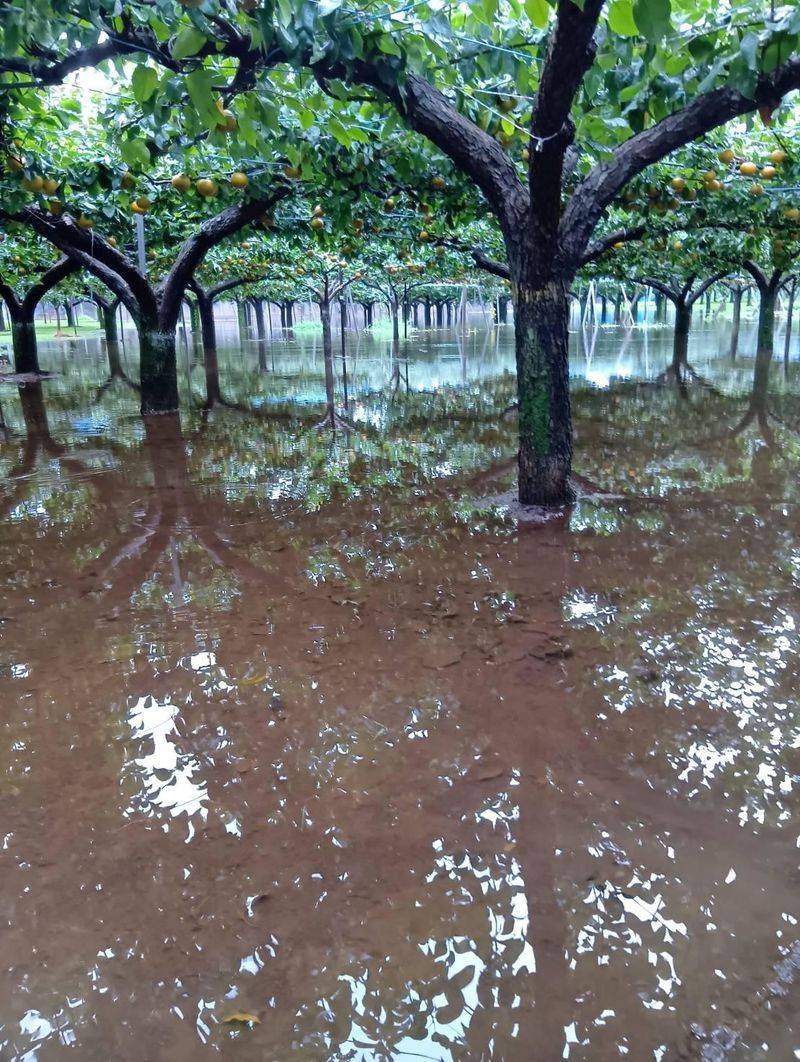
Roots need air just like we do, even though they live underground. When water fills the air spaces in the soil, pecan roots start to run low on oxygen.
Healthy soil has tiny pockets of oxygen between the grains of dirt. Floodwater pushes that air out, and roots cannot breathe or soak up nutrients properly.
Dormant pecans can handle a short flood of a few days fairly well, especially older trees. Trouble starts when standing water lingers in a growing orchard for a week or longer.
Stressed trees may drop leaves early, which weakens them heading into winter. Fewer leaves also mean less energy to fill out the nuts still on the branches.
Many Louisiana pecan orchards sit along rivers like the Red and the Mississippi. That rich bottomland soil is great for growing, but it floods easily during heavy storms.
Root problems sometimes do not show up until the following spring or summer. A tree might look fine in October, then leaf out thin and weak next year.
Growers dig drainage ditches and shape the land so water runs off faster. Even a small slope can help a grove dry out days sooner.
Home gardeners should avoid driving trucks or mowers over flooded soil around trees. Heavy wheels squeeze the wet dirt flat and make breathing even harder for roots.
Once the water drains, watch for yellow leaves, thinning crowns, or mushrooms near the trunk. Those signs can point to root rot, and an expert visit is worth the cost.
5. Soggy Weather Increases Pecan Scab Pressure In Groves
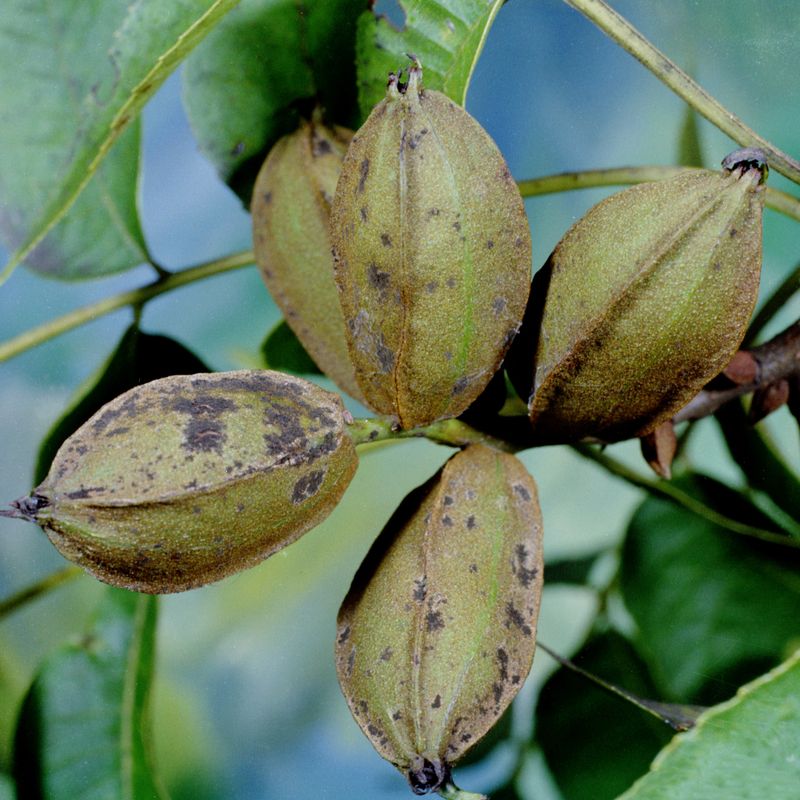
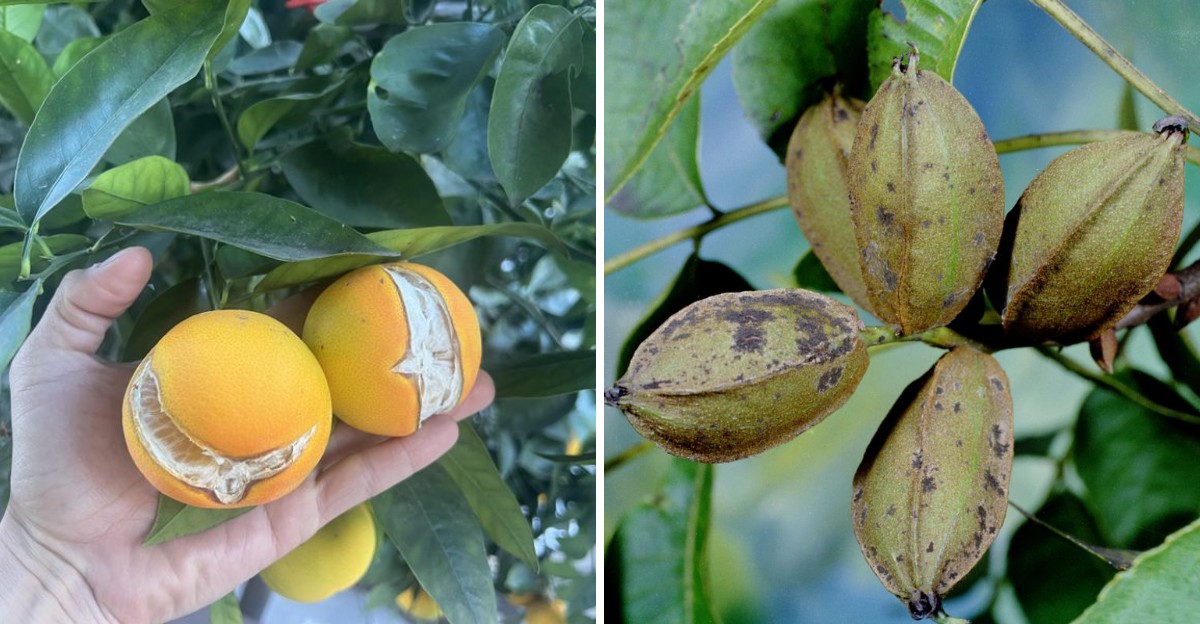
Pecan scab is a fungus that thrives in rainy Louisiana autumns. Wet, humid weather helps it spread.
Scab shows up as small black spots on leaves, twigs, and the green husks around nuts. When the spots spread and join together, the husk can turn nearly black.
Heavily infected nuts stop growing and may fall early or stay small. Kernels inside can come out thin, dark, and bitter instead of plump and golden.
Fungus spores travel on wind and splashing raindrops, so storms help them hop from tree to tree. Long stretches of damp leaves give spores plenty of time to settle in.
Louisiana’s warm, sticky climate already makes scab one of the biggest pecan problems in the South. A stormy season increases the risk further.
Commercial growers spray fungicides on a schedule, but heavy rain can wash protection away. Muddy orchards also make it hard to get spray equipment into the rows.
Picking the right variety matters a lot in scab country. Types like Elliot and Caddo resist scab better than popular varieties such as Desirable.
Backyard growers can help by raking and removing fallen leaves and husks each winter. That cleanup removes many spores before they can strike again next spring.
Thinning crowded branches lets sunlight and breezes dry leaves faster after rain. A drier canopy is a less favorable environment for this persistent fungus.
LSU AgCenter parish extension offices share scab advice for local growers. A quick phone call can point you to local guidance.
6. Salty Storm Surge Damages Leaves In Coastal Orchards
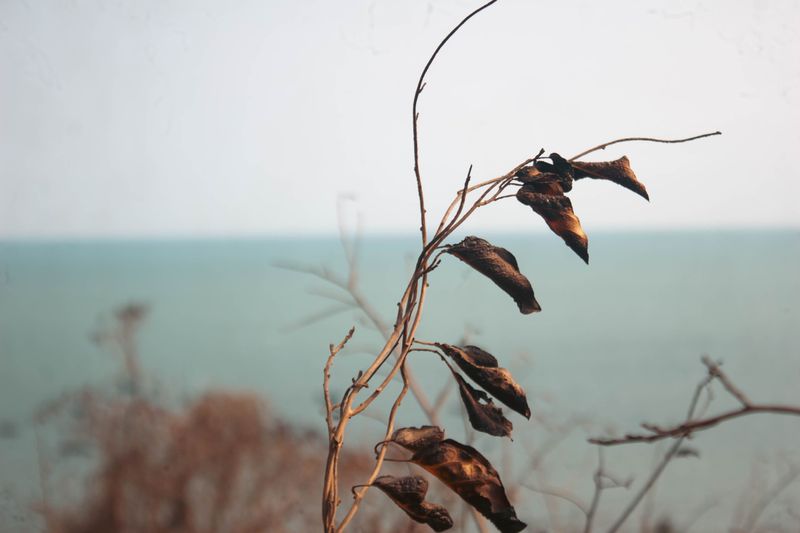
Along the coast, the water itself can be the problem. Storm surge pushes salty Gulf water miles inland, right into yards, pastures, and orchards.
Satsumas grow well in Plaquemines Parish, one of the most storm-exposed places in Louisiana. When saltwater floods those groves, the trees soak up salt along with water.
Salt pulls moisture out of roots and leaves, almost like it is drying them from the inside. Leaves turn brown at the edges, curl up, and often drop off.
Salty wind spray can burn leaves too, even in spots the surge does not reach. Growers sometimes see one scorched side of a tree facing the water.
After Hurricane Katrina in 2005 and Hurricane Ida in 2021, citrus growers in Plaquemines Parish reported tree losses from wind, flooding, and salt damage. Some replanted, while others decided the risk was too high.
Salt also lingers in the soil long after the floodwater drains away. Heavy, clean rain helps flush it deeper, but that process can take months.
Growers can request a soil salt test through the LSU AgCenter Soil Testing Lab. Results show whether the ground is safe for new trees or needs more time.
If your yard flooded with saltwater, water trees deeply with fresh water once things settle. Hold off on fertilizer, since it adds even more salts to stressed roots.
Some coastal families now grow satsumas in large pots on wheels. When a storm threatens, they simply roll the trees into a garage or barn.
7. Muddy Fields Slow Down Harvest Crews And Machines
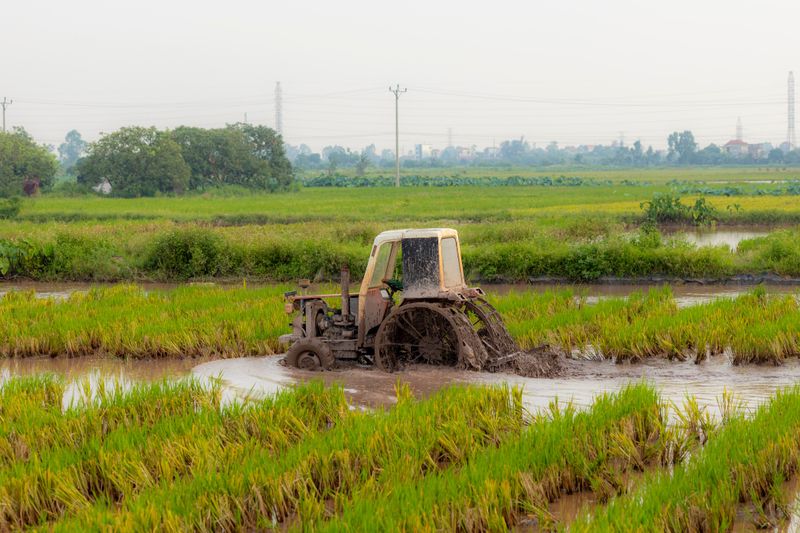
Pecan harvest machines work best on firm ground and struggle in mud. A shaker grabs the trunk, rattles the tree, and nuts rain down onto the ground.
Next, sweepers and harvesters roll through to scoop the nuts off the orchard floor. That whole system works best on firm, dry ground with short grass.
After a tropical storm, orchards can stay soggy for days or even weeks. Heavy machines sink, spin their wheels, and leave deep ruts that damage tree roots.
Nuts sitting on wet ground start to mold, sprout, or lose quality fast. Damp kernels can also darken, which drops their price at the buying station.
Satsuma growers face a similar headache, though their fruit is picked by hand. Slippery ladders and muddy rows slow crews down and raise the risk of falls.
Storms can also knock out power, block roads, and delay trucks heading to markets. Every lost day means fruit that sits longer and quality that slips.
Labor is tricky too, since many crews are hired for a short harvest window. If storms push picking back, workers may already have moved to other jobs.
Some growers keep grass mowed short and fill low spots so fields dry faster. Others invest in lighter equipment that rolls more gently over soft soil.
Backyard pecan fans have an easier job, thankfully. Pick nuts up every day or two after rain, then dry them on screens indoors for about two weeks.
A garage floor covered with old window screens works great for drying. Stir the pile now and then so every nut gets fresh air.
8. Preparing Orchards Before The Next Storm
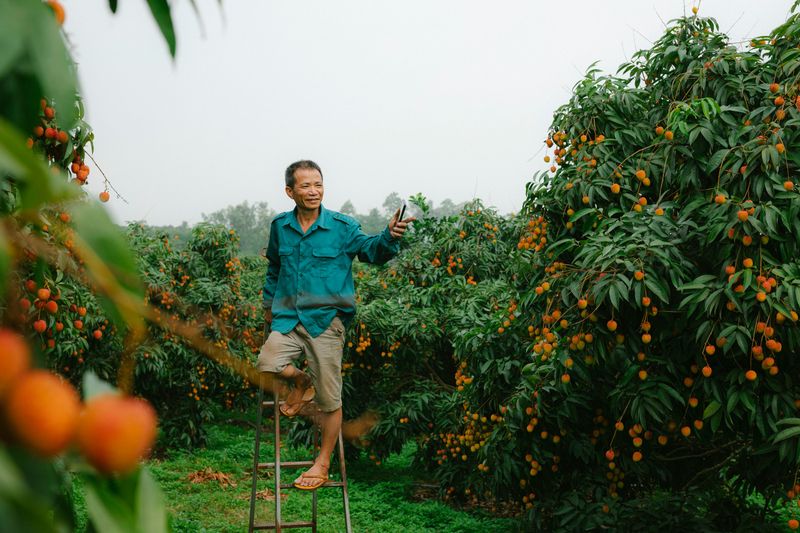
A hurricane can’t be prevented, but a little planning can reduce the damage. October is a smart time to think ahead, since storm season lasts through November.
Start by walking your property and looking up at every tree. Cracked, hanging, or hollow branches should come down before the next strong wind arrives.
Hire a licensed tree professional for big pecan limbs, since they are heavy and dangerous. Small satsuma trees are easier to manage with good loppers and gloves.
When a storm is a few days away, pick any satsumas that taste sweet enough. Fruit in a bowl on your counter beats fruit scattered across the lawn.
Clear gutters, ditches, and drains near your trees so water can escape quickly. Better drainage protects roots from sitting in soggy soil for days.
Young trees benefit from sturdy stakes, which keep them from leaning or uprooting. Use soft ties that will not cut into the bark as the tree sways.
Farmers should check their crop insurance well before storm warnings appear. Federal crop insurance and the USDA Tree Assistance Program can help cover losses, but sign-up windows matter a lot.
Take photos of your orchard or yard trees before and after big storms. Clear pictures make insurance claims and disaster aid requests much easier.
Finally, connect with your parish LSU AgCenter office for local tips and alerts. Neighbors who share tools and labor after storms can ease the recovery.
Louisiana growers have weathered rough seasons for generations with grit and teamwork. With smart preparation, the next harvest can still be a sweet one.