Native Arizona Ground Covers That Smother Weeds Better Than Mulch Ever Will
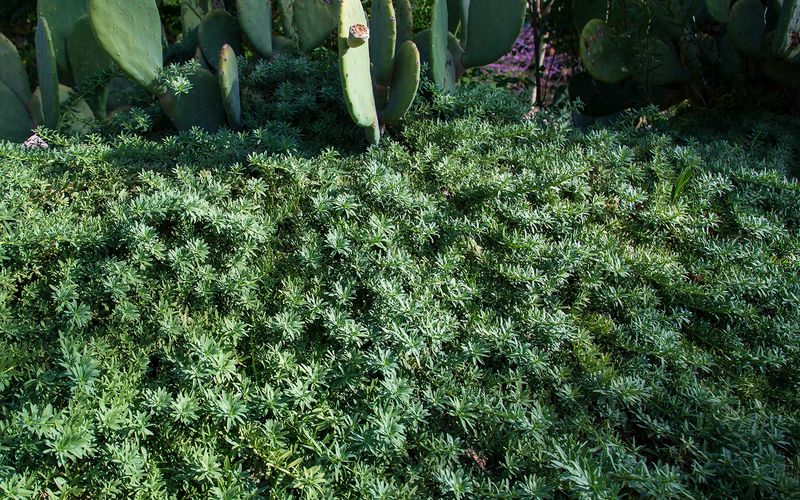
If you are tired of hauling bags of mulch every year only to watch weeds pop up anyway, there is a smarter way. Native Arizona ground covers spread into a living carpet that blocks sunlight and chokes out weeds naturally.
They also save water, cool the soil, and give bees and butterflies a place to visit. Here are seven tough desert plants that do the job better than any pile of wood chips.
1. Trailing Indigo Bush in Arizona (Dalea greggii)
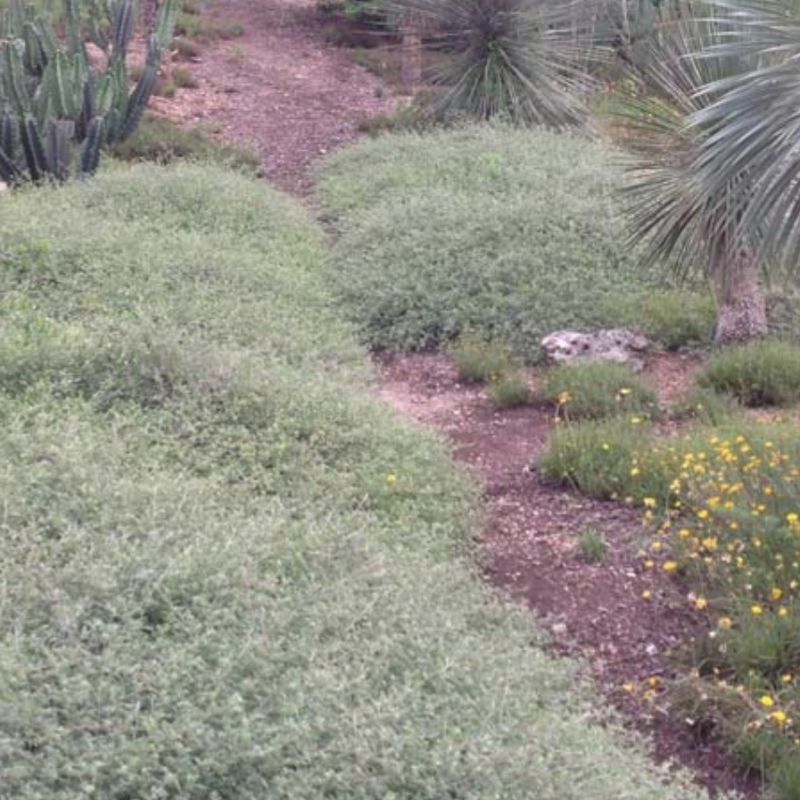
Picture a soft, silvery-gray blanket rolling down a hot, sunbaked slope, and you have Trailing Indigo Bush in Arizona doing what it does best. This tough native shrugs off full sun, intense heat, and even the reflected glare bouncing off walls and driveways.
Growing just 1 to 2 feet tall but spreading wide, it forms a thick mat that leaves weeds no room and no light to sprout. From late winter into early summer it puts on clusters of small, fuzzy purple flowers that pull in bees and butterflies across Arizona yards.
Being a member of the pea family, it fixes nitrogen, which quietly feeds the soil around it. It is rabbit resistant and hardy down to 10 degrees, so it holds up through Arizona’s chilly desert nights.
Plant it on erosion-prone slopes and let it knit the ground together into one weed-smothering sheet.
2. Damianita Thriving in Arizona Sun (Chrysactinia mexicana)
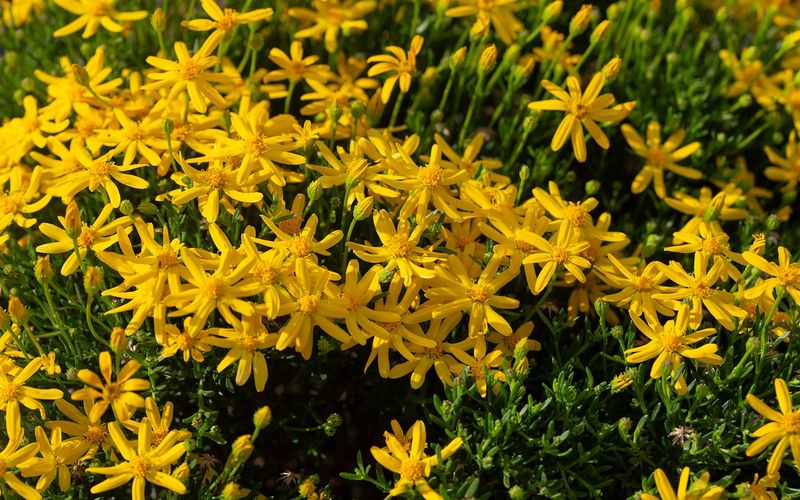
Some plants melt in Arizona’s blistering afternoons, but Damianita practically asks for more. This evergreen native loves the very sunniest, most punishing corners of the low desert and stays green through it all.
Its dark, needle-like leaves form neat little mounds about a foot across, packing tightly enough to crowd out sneaky weed seedlings. Come spring and again in fall, the whole mound erupts with cheerful yellow daisy-like blooms that keep the yard lively.
Hardy to 0 degrees, it handles winter cold without complaint, making it a dependable year-round anchor. When you group several Damianita plants close together, they merge into a fragrant, weed-blocking carpet that needs almost nothing from you once it settles in.
3. Angelita Daisy for Year-Round Arizona Color (Tetraneuris acaulis)
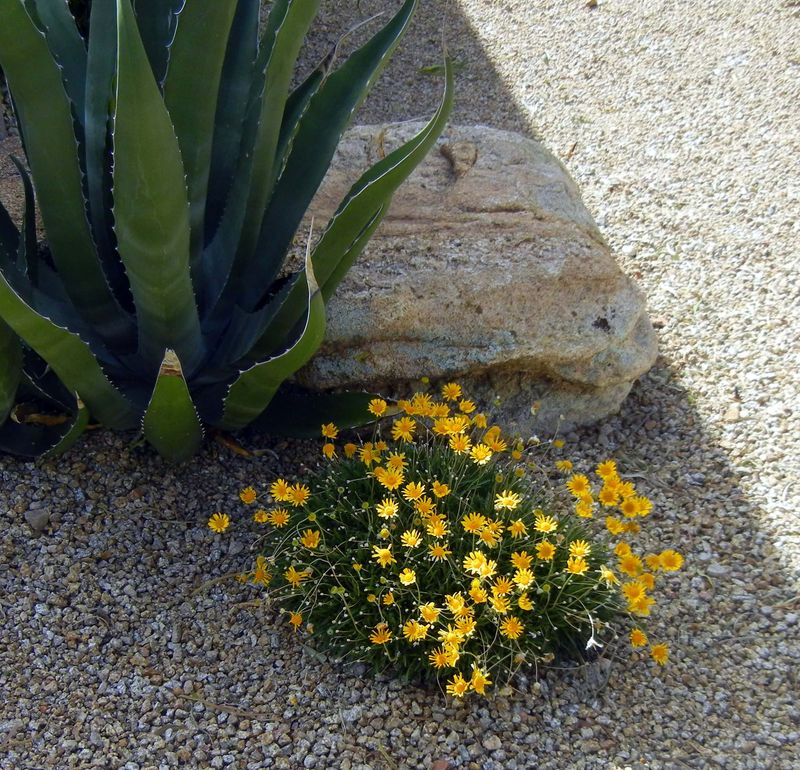
Want a splash of sunshine that basically never quits? Angelita Daisy delivers cheerful yellow, daisy-like flowers that bloom hardest in spring but keep going all year long in the low desert.
Each plant stays compact, roughly 1 foot tall and 1 to 2 feet wide, so planting them close creates one continuous flowering ground cover that leaves weeds nowhere to gain a foothold. The dense clumps do double duty, looking pretty while quietly guarding the soil.
Talk about toughness, this little Arizona native laughs off temperatures from a scorching summer down to a brutal minus 20 degrees. It thrives in full sun, sips very little water, and readily self-seeds, so it keeps refreshing its own ranks without any nagging from the gardener.
4. Southwestern Mock Vervain Across Arizona (Glandularia gooddingii)
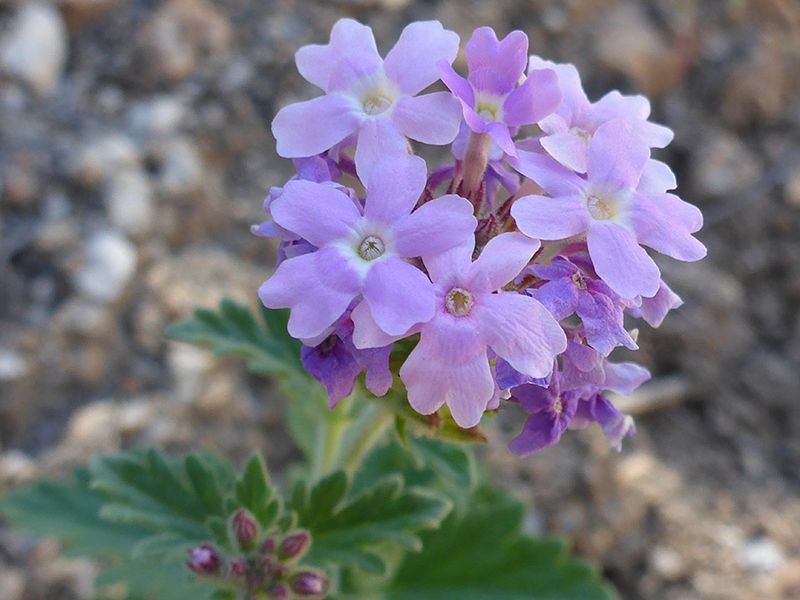
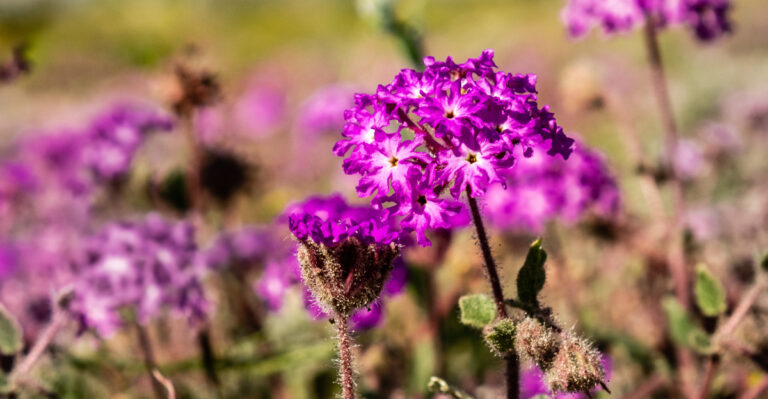
When most of the yard is snoozing through winter, Southwestern Mock Vervain wakes up and throws a party. Native to the desert Southwest, it unfurls delicate pale pink to lavender flowers that draw butterflies during Arizona’s cooler months.
Your Arizona Garden Changes Every Week. Your Plan Should Too.
Gardening in Arizona changes quickly throughout the season. Every Friday you’ll receive a simple weekly plan showing exactly what to plant, prune, fertilize, harvest, and protect so you never miss the right timing.
The gray-green leaves carry a coat of tiny white hairs, a clever trick that reflects harsh sunlight and helps the plant beat the heat. That built-in sunscreen is part of why it settles so comfortably into low-desert zones.
Here is the neat part: even though each plant is short-lived, it self-seeds so freely that fresh ones keep popping up to fill any gaps. The result is a rolling, cool-season carpet of color that shades the soil and keeps weeds from crashing the scene.
5. Blackfoot Daisy for Arizona Beds (Melampodium leucanthum)
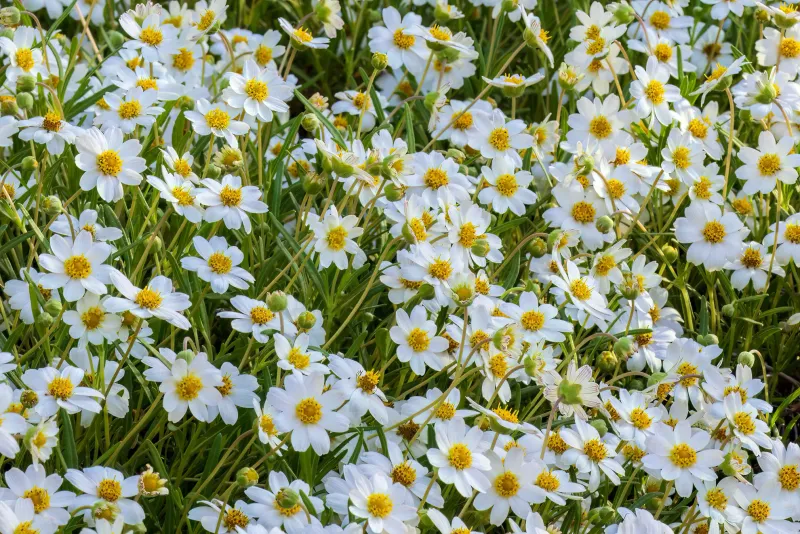
Crisp white petals wrapped around a golden button, Blackfoot Daisy brings a clean, classic look that few desert plants match. Its dark green foliage stays handsome while cheerful white blooms brighten the landscape in spring and again in fall across low-desert Arizona.
What makes it a keeper is its willingness to take both blistering summer heat and cold winter nights without missing a beat. It asks for little water and prefers full sun, though a bit of filtered shade is welcome in the hottest Arizona pockets.
The plant knits into a low, tidy cushion that shades the ground and keeps weed seeds from finding light. Tuck it along the front of beds where it can spread and quietly do its weed-blocking work.
6. Hartweg’s Sundrops Brightening Arizona Edges (Calylophus hartwegii)
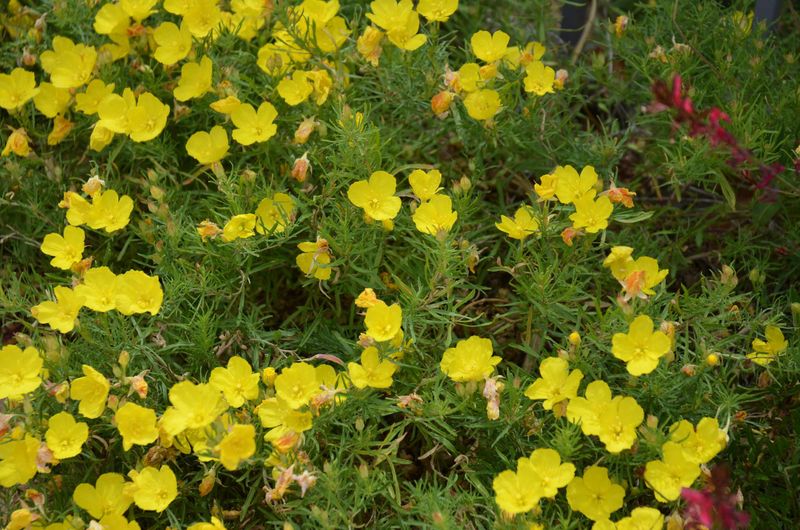
There is something charming about a flower that lives for just one day, and Hartweg’s Sundrops make each one count. Native to Arizona and nearby regions, this ground cover unfurls big yellow blooms from spring through early fall, each fading to a soft pale orange kissed with pink.
The flowers open in the cool of night and gently close by late afternoon, giving the plant a quiet, changing rhythm all season. Its narrow, bright green leaves add a pop of color and love to trail over the edges of raised beds or spill down along garden steps.
Spreading low and full, it shades the soil and keeps weeds from moving in underneath. A quick prune back to about 6 inches in early spring clears out woody growth and keeps the whole patch fresh and vigorous.
7. Tufted Evening Primrose in Arizona Shade (Oenothera caespitosa)
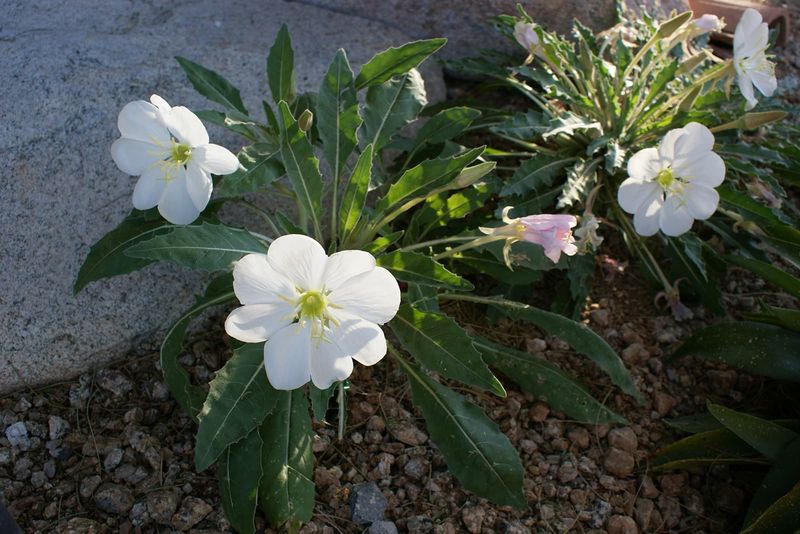
As the sun dips, Tufted Evening Primrose steals the show with large, fragrant white flowers that open at dusk. Those blooms glow through the evening and into the morning before slowly blushing to a delicate pink as they fade.
The night-opening habit makes it a favorite of moths and other after-dark pollinators, turning a quiet corner of the Arizona yard into a busy nighttime habitat. Its long bloom season stretches from spring clear through late summer, so the show keeps going.
Though it hails from higher elevations, it settles into low-desert zones when given filtered shade and a spot with good drainage. Spreading into a low cluster, it covers bare ground and holds weeds at bay while adding a soft, fragrant touch after sundown.