8 Arizona Plants That Bring Dragonflies To Your Yard And Cut Down Mosquitoes All Summer
Dragonflies are nature’s tiny mosquito hunters, and a single one can gobble up hundreds of those biting pests every day. The good news is that certain desert-adapted plants can turn your Arizona yard into a welcoming home for these helpful insects.
By picking the right natives, you get shade, color, and a natural way to keep mosquitoes in check all summer long. Here are eight tough Arizona plants that do the job while sipping very little water.
1. Desert Willow (Chilopsis linearis)
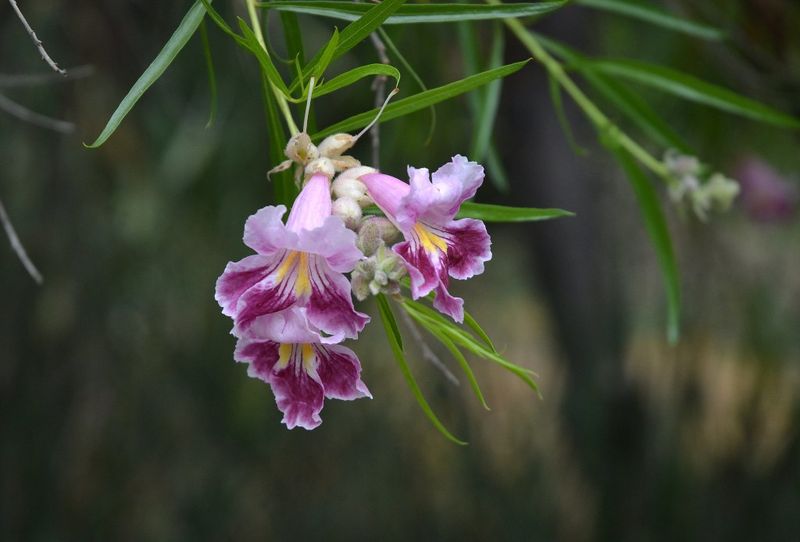
Picture a slender tree draped in pink trumpet-shaped blooms while a bright orange Flame Skimmer dragonfly rests on one of its branches. That scene plays out often across central Arizona, where the Desert Willow doubles as a perfect lookout post for hunting insects.
Dragonflies are ambush predators, and they love a good perch where they can scan the air for passing mosquitoes. The airy, open branches of this Arizona native give them exactly that vantage point, so they linger and keep hunting in your yard.
Beyond its wildlife value, the Desert Willow shrugs off triple-digit heat and needs very little water once established. It offers dappled shade, cools the ground beneath it, and rewards you with flowers from spring through fall, making it one of the most functional trees for a water-wise Arizona landscape.
2. Desert Marigold (Baileya multiradiata)
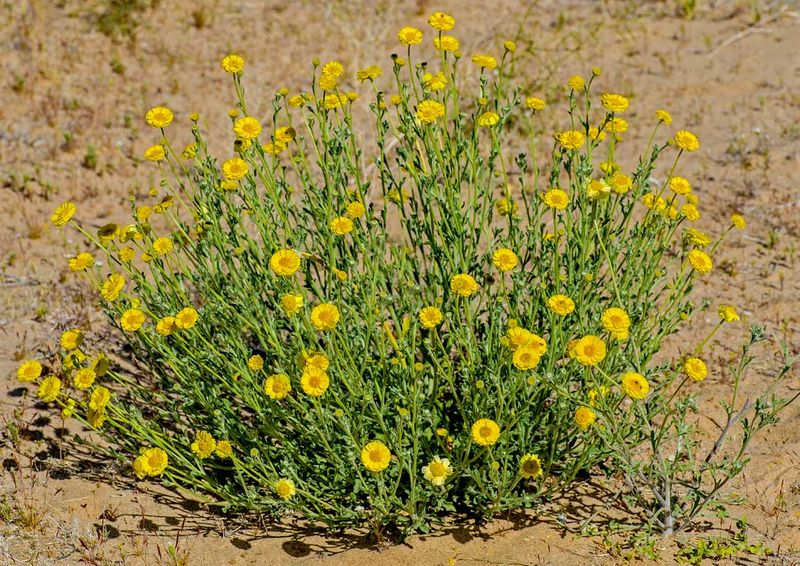
Few plants look as cheerful in brutal heat as the Desert Marigold, with its sunny yellow blooms popping against silvery foliage. It flowers for much of the year, even when the thermometer climbs past 100 degrees and the soil turns bone dry.
Those blossoms are magnets for bees and butterflies, and that constant buzz of activity is what really matters here. Dragonflies follow the food, and a garden full of small flying insects becomes a reliable hunting ground for them.
Low fuss is the name of the game with this Arizona perennial. It thrives in poor, gravelly soil, reseeds itself happily, and asks for almost no attention, giving desert homeowners both color and a quiet boost in natural pest control.
3. Gregg’s Mistflower (Conoclinium greggii)
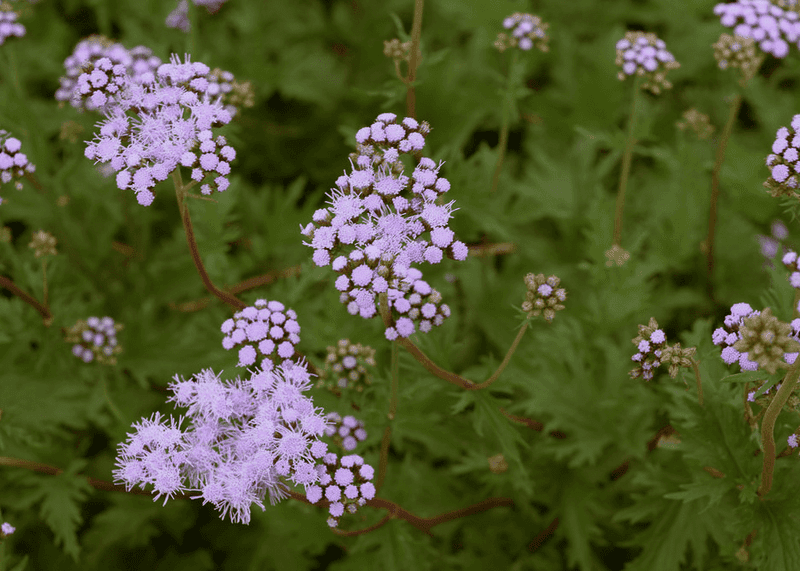
Soft, fuzzy clusters of bluish-purple blooms give Gregg’s Mistflower an almost cloud-like look in the garden. From March all the way to November, it stays covered in flowers, which is a long stretch of steady action for an Arizona plant.
Pollinators absolutely swarm it. Bees, butterflies, and all sorts of tiny beneficial insects show up throughout the season, creating a rich buffet that keeps prey-hunting dragonflies coming back.
Because it handles drought and slots right into xeriscaping, this native is an easy pick for anyone building a low-water yard. It quietly supports a whole mini ecosystem, and that balance is what helps chip away at summer mosquito numbers.
4. Meadow Sage (Salvia spp.)
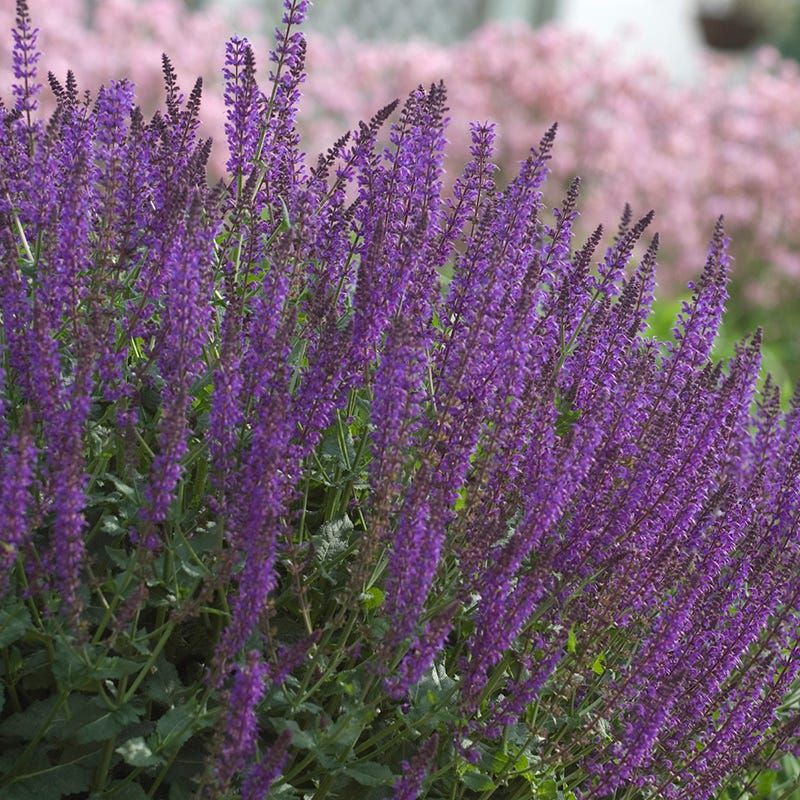
Tall flowering spikes in electric blues, purples, and reds make Meadow Sage a standout, and hummingbirds simply cannot resist it. That vertical shape happens to be a gift for dragonflies too.
Your Arizona Garden Changes Every Week. Your Plan Should Too.
Gardening in Arizona changes quickly throughout the season. Every Friday you’ll receive a simple weekly plan showing exactly what to plant, prune, fertilize, harvest, and protect so you never miss the right timing.
Those upright stalks work like natural perches, giving dragonflies a spot to sit and survey the yard for their next meal. When mosquitoes drift by, the hunters are already positioned and ready.
Salvia varieties are built for Arizona’s dry conditions, tolerating heat and lean soil with grace. The steady stream of small insects they attract keeps the whole food chain humming, so you get beauty up top and pest patrol working beneath the surface.
5. White Yarrow (Achillea millefolium)
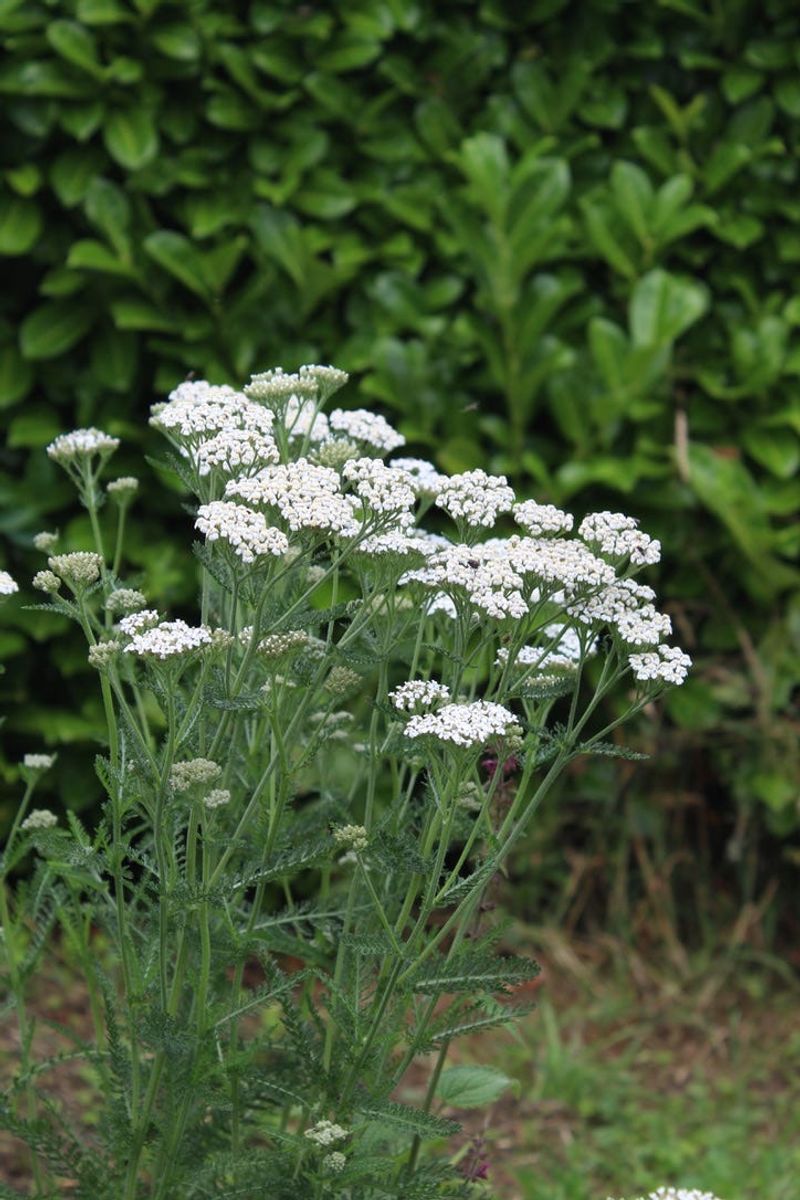
Flat-topped clusters of creamy white flowers give Yarrow a lacy, old-fashioned charm that belies just how tough it is. This perennial handles full sun and dry-to-medium soil like a champ, thriving where fussier plants would give up.
Its real superpower is drawing in the tiny stuff: parasitic wasps, small flies, and other minute insects that dragonflies feast on. That makes Yarrow an indirect but powerful magnet for these mosquito predators.
Did you know Yarrow has been used for centuries to help stop bleeding, earning nicknames like soldier’s woundwort? In the modern Arizona yard, though, its biggest job is fostering biodiversity and tilting the balance against pesky insects the natural way.
6. Desert Milkweed (Asclepias subulata)
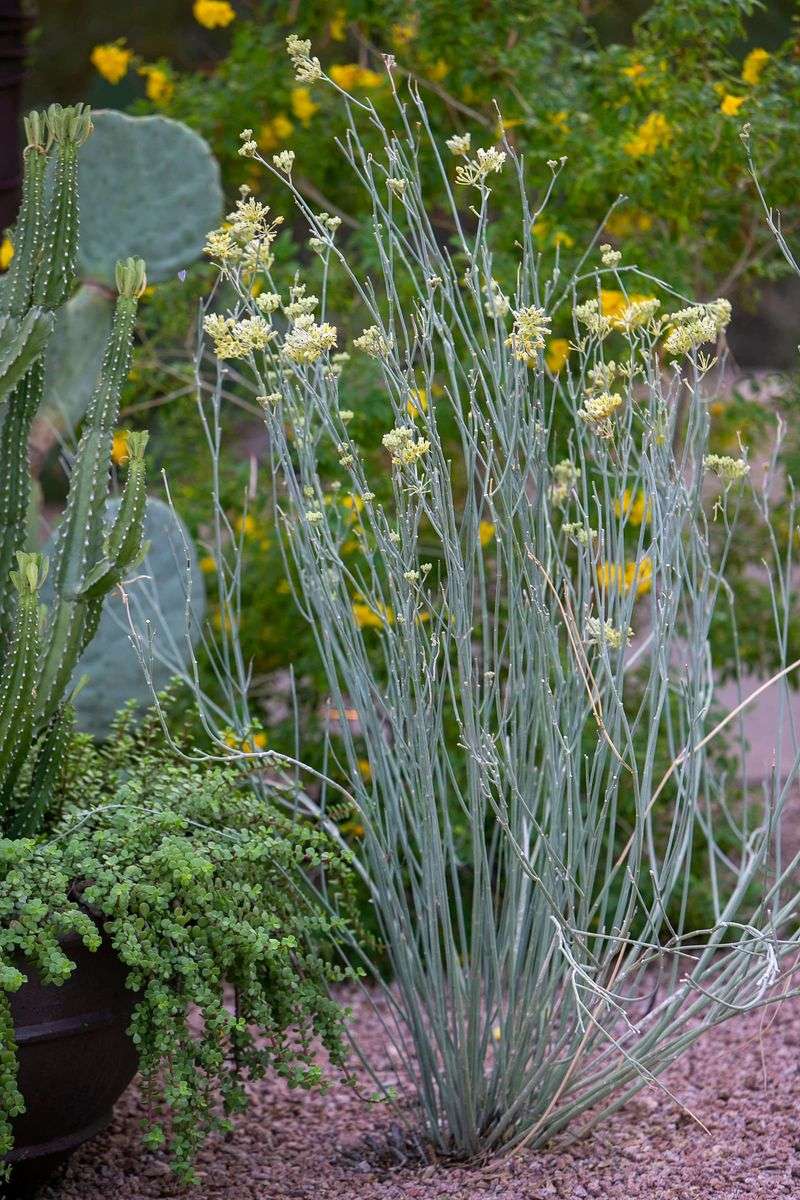
Skip the water-hungry milkweeds you see elsewhere, because Desert Milkweed is the desert-born cousin that actually belongs in Arizona. Its slender, nearly leafless green stems look sculptural and shrug off the harshest summer heat.
Blooming right through the hottest months, it draws monarch caterpillars, adult butterflies, and bees to its clustered flowers. All that insect traffic sets the table for foraging dragonflies looking for an easy catch.
Because it evolved for arid, low-desert life, this native needs almost no supplemental water once it settles in. You get a striking, sculptural plant that pulls double duty as a butterfly nursery and a dragonfly-friendly hunting spot.
7. Arroyo Lupine (Lupinus succulentus)
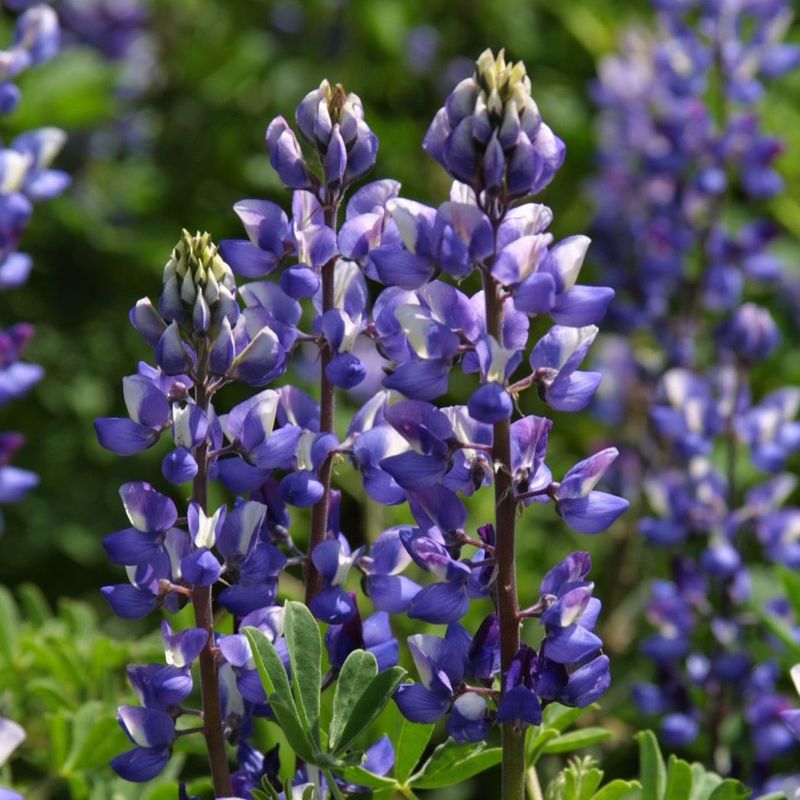
When winter and spring roll around, Arroyo Lupine erupts in tall spikes of blue-purple blossoms that light up the desert floor. This wildflower is a native annual across Arizona and California, and it puts on quite a show while the weather is still mild.
Native bees and butterflies flock to those flower spikes, and where those insects gather, dragonflies are quick to follow. Planting lupine gives your yard an early-season pulse of activity before the heat truly sets in.
As an annual, it completes its whole life cycle in one season and reseeds for a repeat performance the next year. That burst of blooms helps build a more balanced ecosystem, laying the groundwork for dragonfly activity heading into summer.
8. Rosemary (Rosmarinus officinalis)
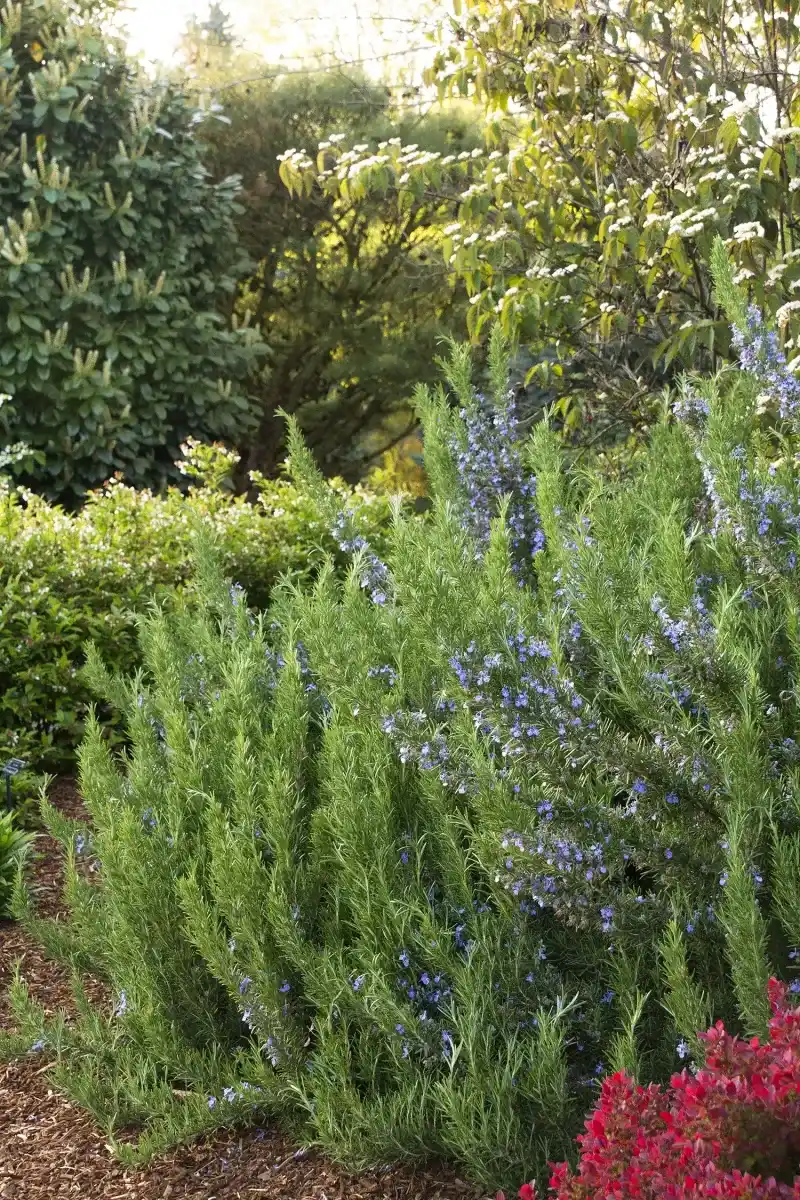
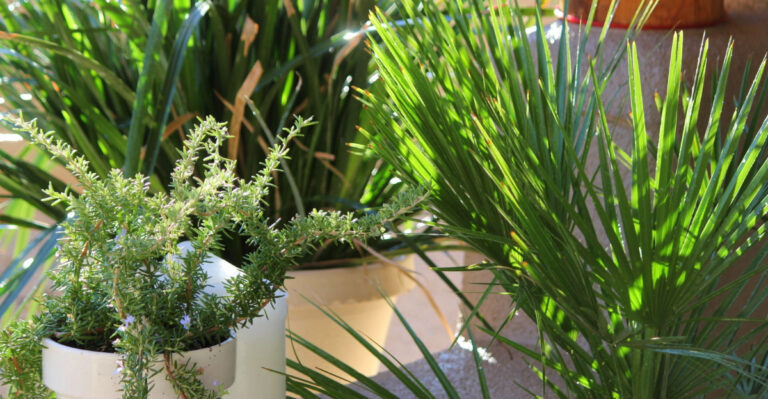
Brush your hand across a rosemary bush and that sharp, piney scent is exactly what mosquitoes want to avoid. Rosemary pulls off a rare double act in the Arizona yard, both repelling pests and welcoming helpers.
Its aromatic oils are known to discourage mosquitoes from hanging around, while its small blue flowers attract beneficial insects, including dragonflies. That combination gives you deterrence and attraction working side by side.
Tough, woody, and thoroughly drought-tolerant, rosemary handles desert conditions without complaint and even doubles as a kitchen herb. Tuck it near patios and seating areas, and you build a fragrant, summer-long line of defense against the mosquitoes that try to crash your outdoor time.