The Arizona Bat That Can Help Reduce Scorpions Around Your Yard
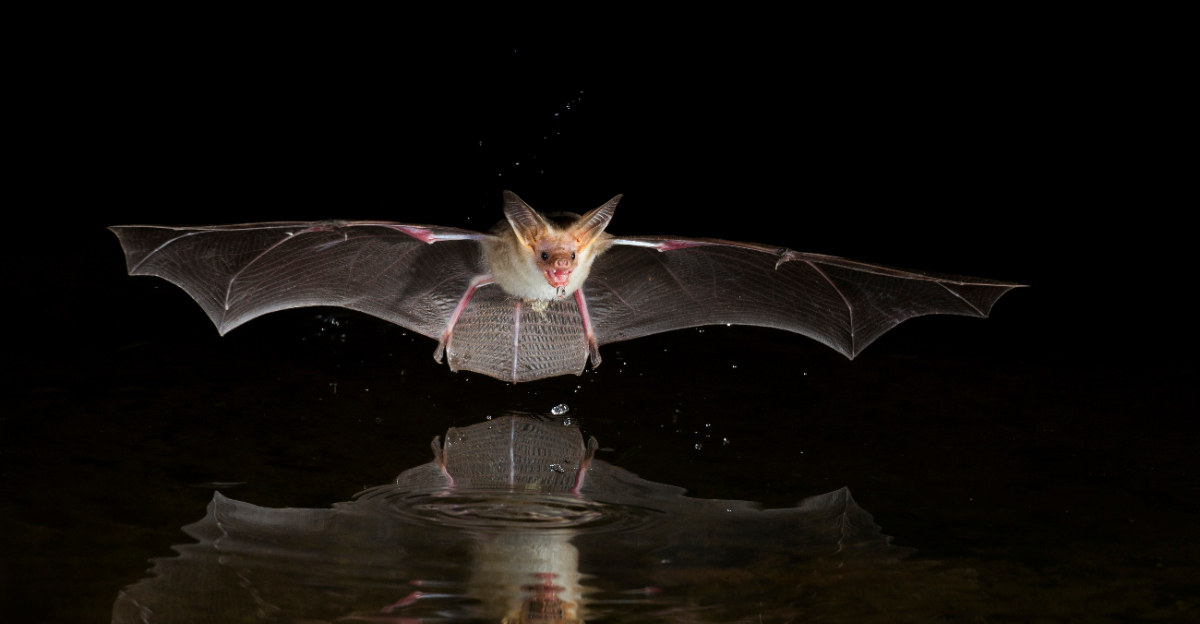
visitor may be doing more helpful work than you realize. You might already have it flying overhead.
Bats spend their nights searching for food while most of the garden is quiet. Their hunting habits can make them valuable visitors around Arizona homes.
Some species eat arthropods and may occasionally take scorpions when the opportunity appears. Still, that does not mean they should be treated as a complete control method.
Give these nighttime hunters space instead of chasing them away. A yard that supports their natural activity can benefit from everything else they eat after sunset.
There is also more to their role than scorpion hunting alone.
Once you know what local bats are doing above your yard each night, you may start seeing these quiet visitors very differently.
1. Pallid Bats Can Eat Scorpions Around Desert Yards
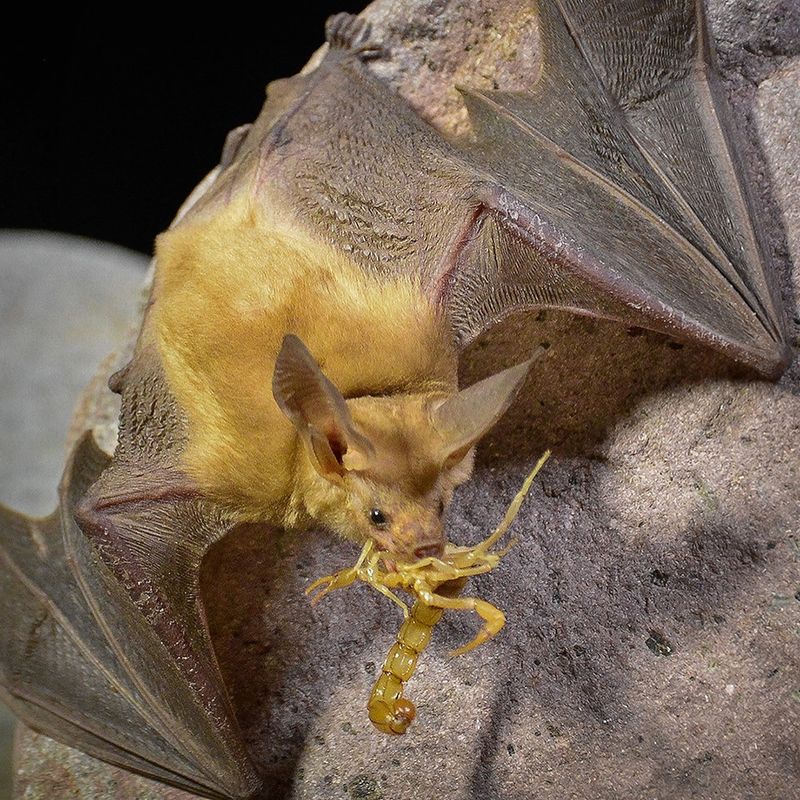
Not every bat swoops through the sky chasing moths. Pallid bats have carved out a hunting style that sets them apart from almost every other bat species in North America.
They drop down to the ground and grab prey directly, which puts scorpions squarely on the menu.
Scorpions are common in desert yards, especially in rocky or sandy areas with lots of hiding spots. Pallid bats are comfortable hunting in exactly those kinds of environments.
A single bat can consume multiple scorpions during one night of foraging, though how much they eat varies based on availability and conditions.
Homeowners in desert communities often spend money on pest control to manage scorpion populations. Having pallid bats nearby offers a natural, low-cost alternative that works without chemicals.
It is not a perfect solution, but it can make a noticeable difference over time.
Encouraging bats to stay near your property does not require much effort. Leaving rocky features in your yard, reducing unnecessary outdoor lighting, and avoiding pesticides can all help.
Pesticides can reduce the insect populations that bats depend on for most of their diet, which may push them away from your area.
2. Large Ears Let Them Hear Scorpions Moving
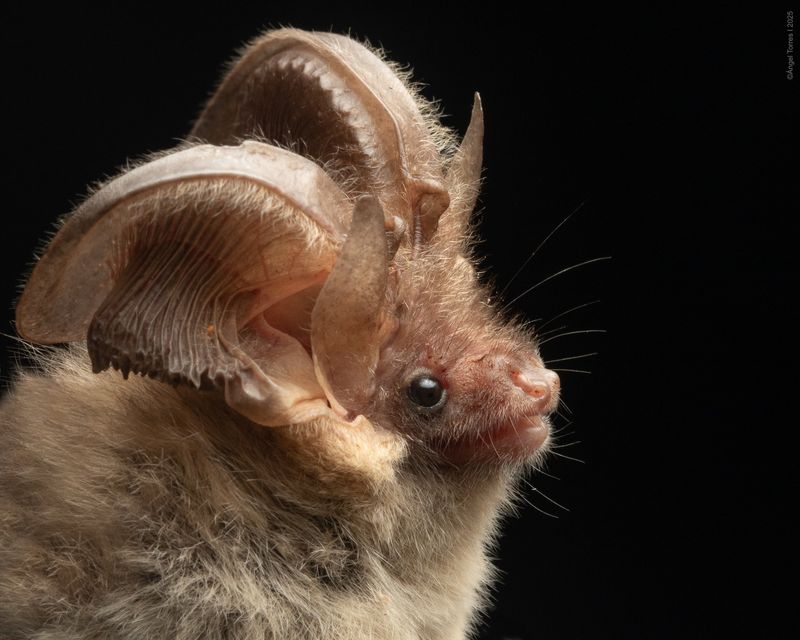
Those oversized ears are not just for looks. Pallid bats use a type of low-frequency hearing that lets them detect the faint sounds of prey moving across the ground.
A scorpion crawling over gravel or dry soil produces just enough noise for a pallid bat to zero in on its location.
Most bats rely heavily on echolocation to navigate and find prey in mid-air. Pallid bats still use echolocation, but they also depend on passive listening to locate ground-level prey.
That combination makes them surprisingly effective hunters in cluttered desert terrain.
Large ears also help them pick up beetle movements, cricket chirps, and other sounds coming from the ground below. Ground-level hunting requires different skills than aerial hunting, and pallid bats have adapted well to both approaches.
Watching a pallid bat hunt is genuinely interesting if you spot one near your yard at dusk. They fly low and slow, scanning the ground before swooping down with precision.
Their flight pattern looks very different from the fast, erratic flying of other bat species you might see overhead.
Your Arizona Garden Changes Every Week. Your Plan Should Too.
Gardening in Arizona changes quickly throughout the season. Every Friday you’ll receive a simple weekly plan showing exactly what to plant, prune, fertilize, harvest, and protect so you never miss the right timing.
Preserving quiet outdoor spaces around your yard at night can help these bats focus. Loud machinery or bright floodlights can interfere with their hunting routine, potentially reducing how much time they spend foraging near your home.
3. Scorpion Stings Do Not Stop These Bats
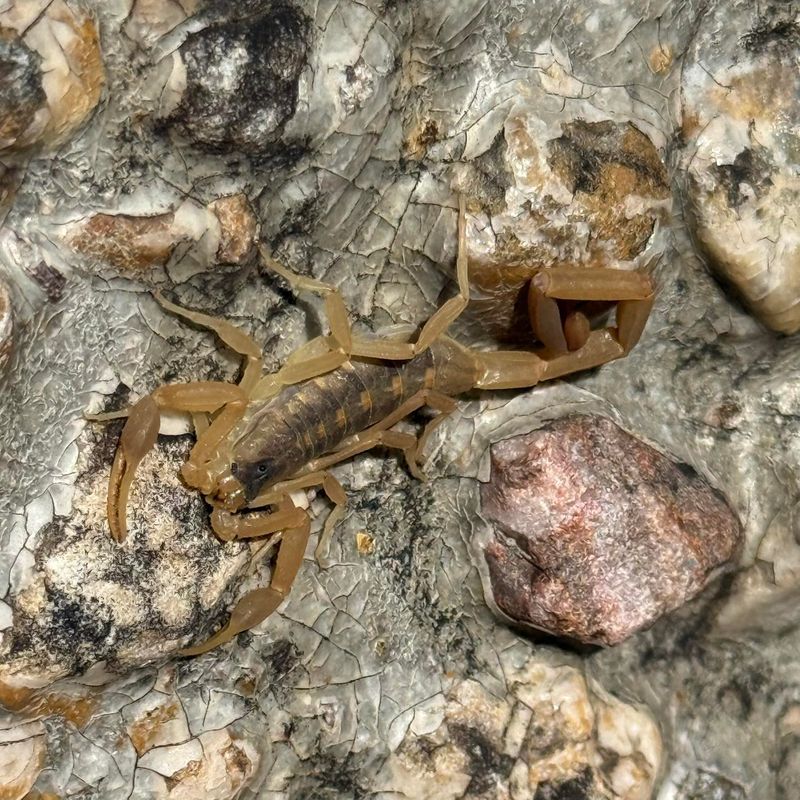
Grabbing a scorpion sounds risky, but pallid bats handle it with impressive skill. They have developed a resistance to scorpion venom that allows them to hunt these creatures without serious harm in most cases.
That resistance is a key reason they can target prey that other predators tend to avoid.
Bark scorpions, which are among the most venomous scorpions found in the Southwest, are part of the pallid bat’s diet. Other animals typically steer clear of bark scorpions because of the potency of their sting.
Pallid bats do not seem to be deterred by that risk in the way most predators are.
Their thick skin and quick movements also help minimize contact with the stinger during a catch. Speed matters a lot when grabbing a scorpion off the ground.
A bat that hesitates gives the scorpion more time to react.
This venom resistance is not unlimited or perfectly understood, but it is notable enough to set pallid bats apart from most other predators in the desert ecosystem
For yard owners dealing with bark scorpions specifically, knowing that a natural predator exists and actively targets them is genuinely reassuring. Pallid bats fill an ecological role that few other animals in the region can match.
4. They Search The Ground Instead Of Chasing Prey In The Air
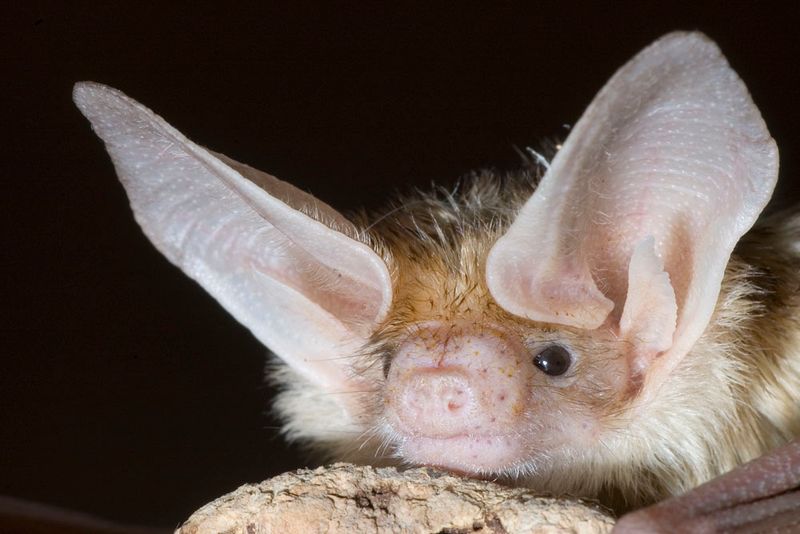
Ground hunting is unusual for a bat. Most bat species spend their entire foraging time in the air, snatching flying insects mid-flight.
Pallid bats regularly land or fly just inches above the surface to grab prey that never leaves the ground.
Scorpions, beetles, grasshoppers, and centipedes are all ground-dwelling creatures that end up on the pallid bat’s menu. These prey items would be nearly impossible for a typical aerial-hunting bat to catch.
Ground foraging opens up a completely different food source that other bats in the area are not competing for.
Flying low also means navigating around rocks, shrubs, and cacti in the dark. Pallid bats handle that kind of environment well because of their slow, controlled flight style.
Their wing shape supports low-speed maneuvering better than the wings of faster, more acrobatic bat species.
Yards with natural desert landscaping tend to attract pallid bats more than heavily manicured lawns. Gravel paths, rock piles, and native plants create the kind of habitat where ground prey is abundant.
A yard that looks a little wild to a homeowner can look like a prime hunting ground to a pallid bat.
Reducing ground clutter near entryways is still smart for scorpion safety, but keeping some natural features in the broader yard may help attract these helpful hunters over time.
5. Rocky Areas Give Them Places To Look For Food
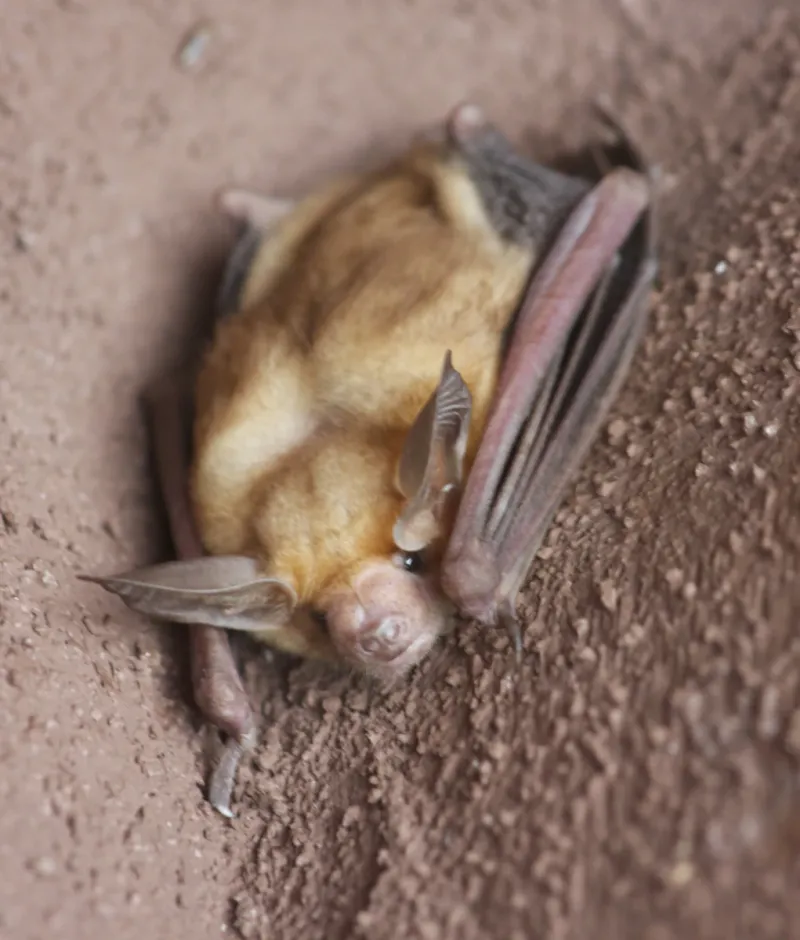
Rocks are basically a scorpion apartment complex. Scorpions hide under flat rocks during the day and emerge at night to hunt.
Pallid bats know this, and rocky terrain is exactly where they tend to focus their foraging efforts after dark.
In Arizona, rocky hillsides, canyon edges, and boulder-filled desert floors are prime pallid bat hunting zones. Yards that border natural desert or back up against rocky ridges often see more pallid bat activity than yards surrounded by pavement or grass.
Scorpions are not the only prey found in rocky areas. Beetles and other ground insects also shelter under rocks and in crevices, giving pallid bats plenty of food options.
A rocky yard essentially offers a buffet for a bat that hunts at ground level.
Adding a rock garden or leaving natural rock formations in your yard is one way to passively support local pallid bat populations. You are not training the bats or luring them directly.
You are just maintaining the kind of habitat they naturally seek out on their own.
Flat, open yards with no rocks or native plants tend to have fewer ground-dwelling insects and scorpions. That might sound appealing, but it also means fewer reasons for pallid bats to visit.
A balance of natural features and tidy spaces works better for both safety and wildlife support.
6. Rock Crevices Provide Safe Spots To Rest
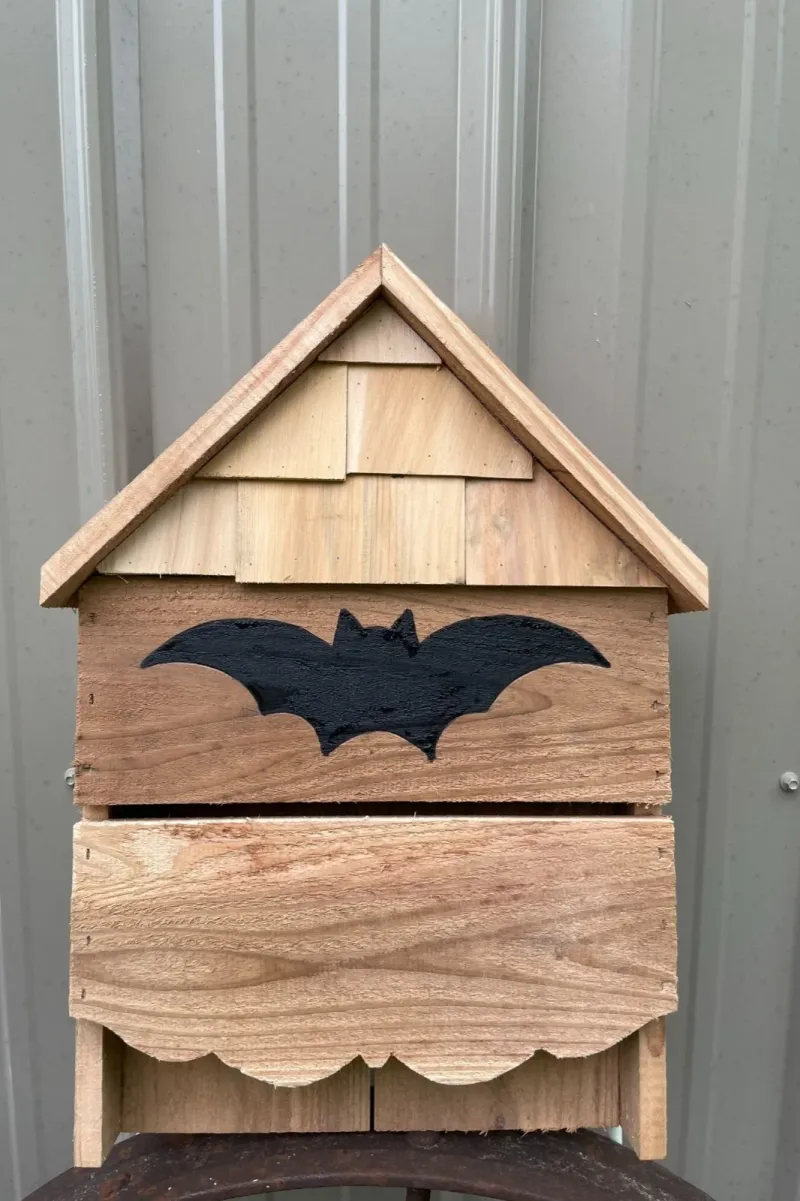
After a night of hunting, pallid bats need somewhere safe and sheltered to rest. Rock crevices are one of their preferred roost sites.
A narrow gap between boulders or a crack in a cliff face gives them protection from heat, wind, and predators during daylight hours.
Roosting spots matter a lot for bat populations. Without reliable shelter nearby, bats may not stay in an area even if food is plentiful.
Roost availability can directly affect how many pallid bats live and hunt near a particular neighborhood or yard.
Artificial bat houses can supplement natural roost sites in areas where rock crevices are scarce. Mounting a bat house on a wall or post that gets morning sun can attract pallid bats looking for a warm, sheltered spot.
Placement matters, so researching proper bat house installation before putting one up is worthwhile.
Pallid bats often roost in small groups rather than large colonies. Finding a roost site with a few dozen bats is more typical than encountering thousands in one location.
Small roost groups still contribute meaningfully to local pest management.
Avoiding disturbance near known roost sites is important for keeping bats in the area.
Repeated disruptions can cause bats to abandon a roost entirely, which removes a natural predator from your local ecosystem without any replacement benefit.
7. Other Insects Can Also Become Part Of Their Diet
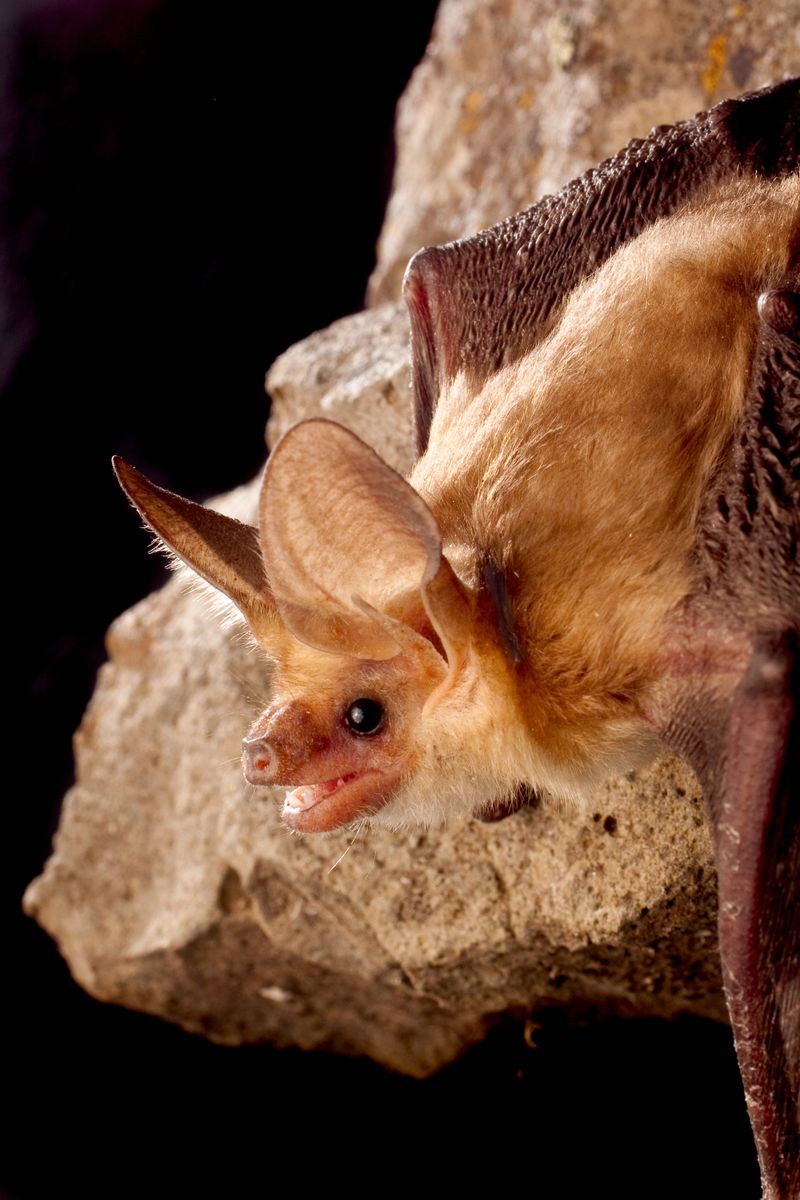
Scorpions get most of the attention, but pallid bats eat a wide variety of ground-dwelling prey. Beetles, grasshoppers, praying mantises, and Jerusalem crickets are all fair game.
A pallid bat is not a picky eater when the ground offers options.
Variety in their diet is actually a good sign for yard owners. Bats that eat multiple pest species provide broader natural pest management than a specialist that targets only one prey type.
Fewer beetles and grasshoppers in a yard can mean less plant damage over time.
Insect availability shifts with the seasons, so pallid bat diets change throughout the year. In summer, when scorpion activity peaks in desert regions, scorpions may make up a larger portion of their nightly intake.
During cooler months, other insects might dominate their foraging choices.
Pallid bats in Nevada, California, and other western states share similar diets, but desert environments like those in the Southwest tend to produce especially diverse ground prey communities. That diversity supports healthy local bat populations.
Keeping a yard pesticide-free, or at least limiting chemical use, helps maintain the insect populations that pallid bats depend on. A yard with no insects is a yard with no reason for bats to visit.
Supporting a natural food web, even a small one, encourages these helpful hunters to stick around your neighborhood.