Why Louisiana Crepe Myrtles Are Coated In A Sooty Black Residue Few Homeowners Recognize
Sticky black residue crept across your porch rail overnight, uninvited. Louisiana greets you with a stain no rain explains. Neighbors tell you it’s pollution, road dust, or mysterious mildew. Dirt doesn’t climb branches or coat your parked car roof.
Something living left that mark, working steadily against you. Insects settle silently onto stems and drain sap right under your nose. Their sugary waste drips onto everything you touch and park.
Fungus grows on that residue, forming the black film you touched. Louisiana’s humid air speeds this cycle faster than you expect. Homeowners across the state notice it each summer, yet you dismiss it as grime.
Ignoring it lets the problem spread across your leaves and porch. Understanding the source changes how you treat your own yard.
Answers exist, and they cost you little more than attention. What comes next reveals exactly why that stain keeps spreading and demands your attention.
1. The Black Film Is A Fungus Growing On Sugar, Not Soot
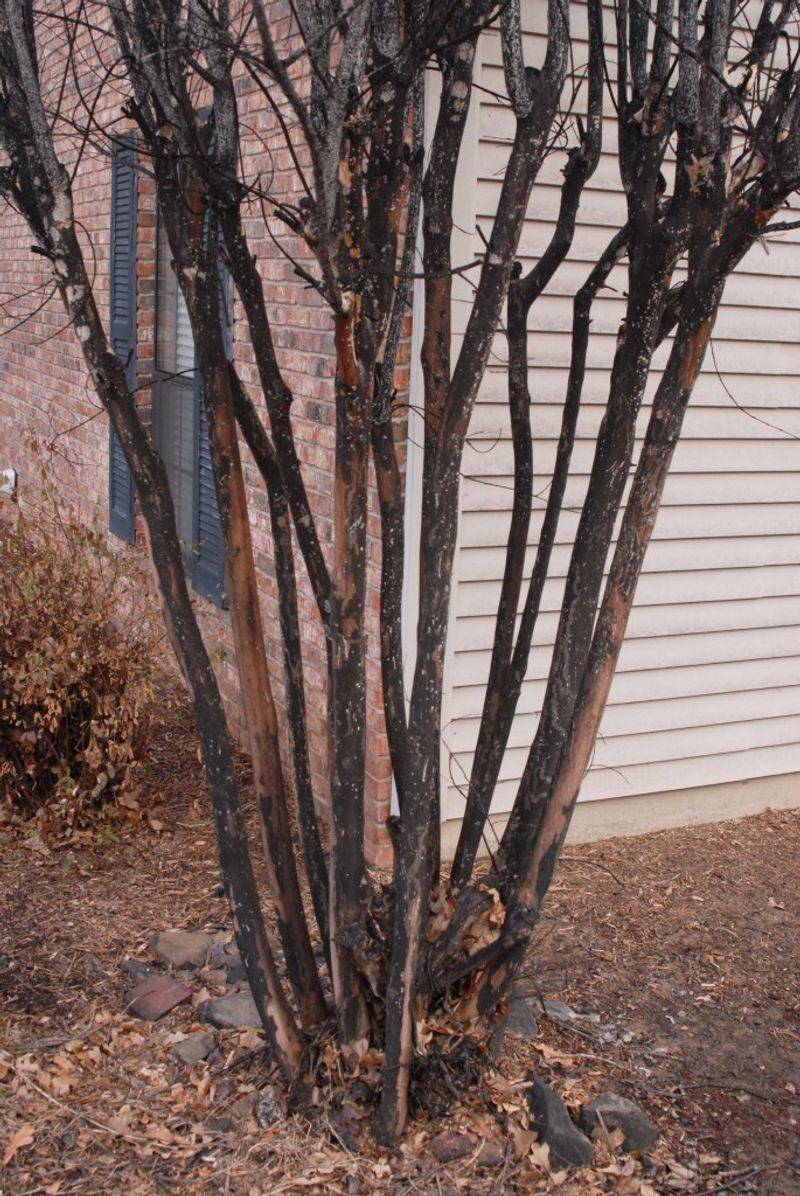
Homeowners often reach for a hose first, convinced a chimney, a grill, or a passing truck left grime behind. What is actually clinging to those leaves is a group of dark fungi collectively called sooty mold.
These fungi are not feeding on the tree itself. They cannot pierce leaf tissue or steal nutrients from the wood the way a true plant disease does.
Instead, they feed on something sweet that has landed on the leaf surface. Think of it as mold growing on a spilled soda, except the soda keeps raining down from above.
The fungus spreads across leaves, twigs, bark, and anything sitting underneath, including patio furniture and sidewalks. In Louisiana humidity, that sugary film stays damp for hours, which is exactly the environment the mold loves.
Because it sits on the surface, sooty mold can often be rubbed off with a wet cloth. That simple test is the fastest way to confirm what you are dealing with.
The trouble comes when the coating grows thick enough to shade the leaf. Sunlight struggles to reach the green tissue underneath, and photosynthesis slows down.
A lightly dusted tree usually keeps blooming fine. A heavily blackened one may push out fewer flowers and show reduced vigor by late summer.
Understanding that the mold is a symptom, not the source, changes everything. Scrubbing leaves treats appearance, while addressing the sugar supply above treats the actual cause.
2. Sticky Honeydew From Sap Feeders Sets The Whole Thing Off
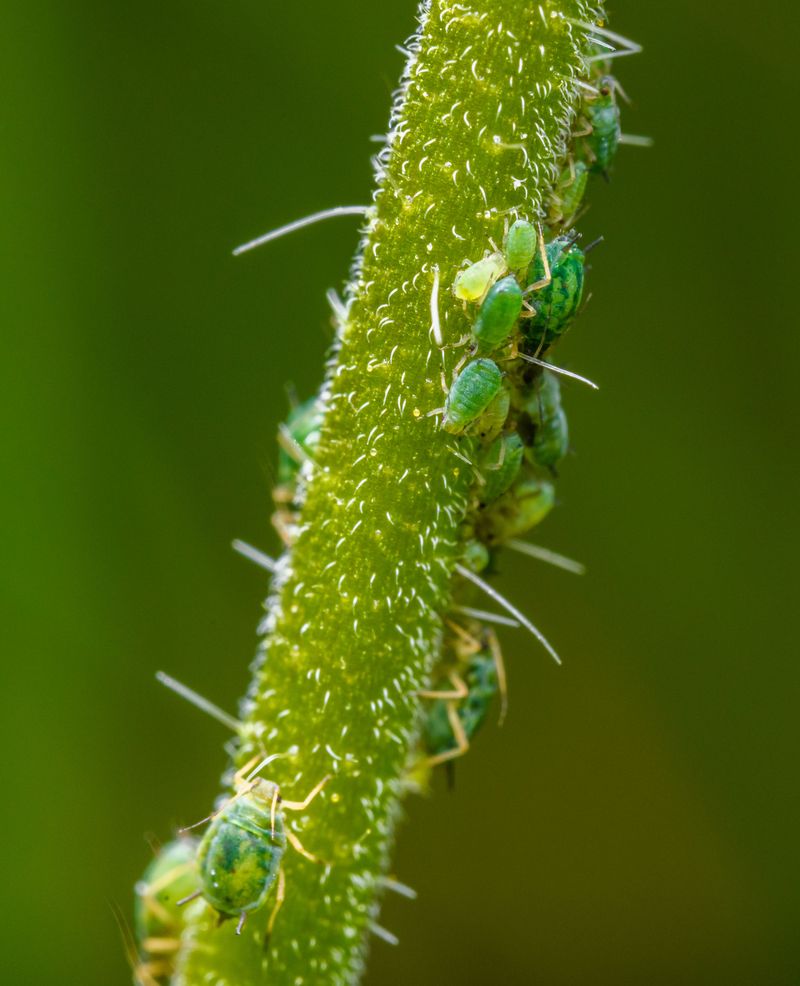
Here is the part that surprises people: the sugar comes out of insects. Tiny sap-sucking bugs settle on crepe myrtle stems and leaf undersides, then drink the tree’s sweet fluid all day.
They take in far more sugar than their bodies can use. The excess gets excreted as a clear, syrupy liquid called honeydew.
Honeydew drips downward and coats whatever sits below, including lower leaves of the same tree. Airborne fungal spores land on that sticky layer and begin feeding.
Within a week or two of heavy feeding, the sheen turns gray, then charcoal black. The timing explains why a tree can look clean in May and grimy by July.
Your Louisiana Garden Changes Every Week. Your Plan Should Too.
Gardening in Louisiana changes quickly throughout the season. Every Friday you’ll receive a simple weekly plan showing exactly what to plant, prune, fertilize, harvest, and protect so you never miss the right timing.
You can often hear or feel honeydew before you see the mold. Standing under an infested crepe myrtle on a still afternoon, some folks notice faint misty droplets on their arms.
Ants give away the secret too. They march up trunks in single file to harvest the sweet liquid, and they will defend the bugs producing it.
Cars parked under a heavily infested tree develop spotty film that wipes off with soapy water. Driveways get slick patches that attract even more ants.
Once you connect the sticky stage to the black stage, control becomes logical. Reduce the sap feeders, and the honeydew supply drops, and the fungus fades on its own over time.
3. Crepe Myrtle Bark Scale Arrived And Became Established
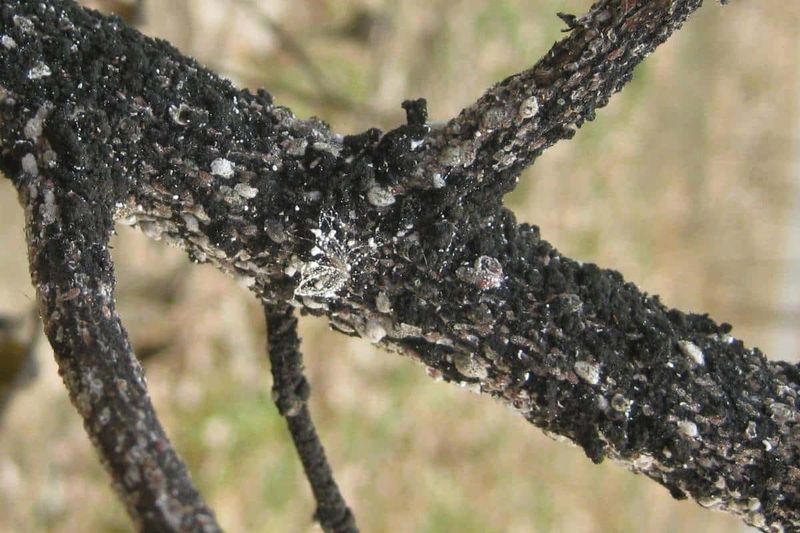
Ask a Louisiana extension agent what changed in the last decade, and one insect comes up again and again.
Crepe myrtle bark scale was first documented in the United States in the mid-2000s, with reports suggesting Texas as an early point of entry. It has been spreading across the South ever since.
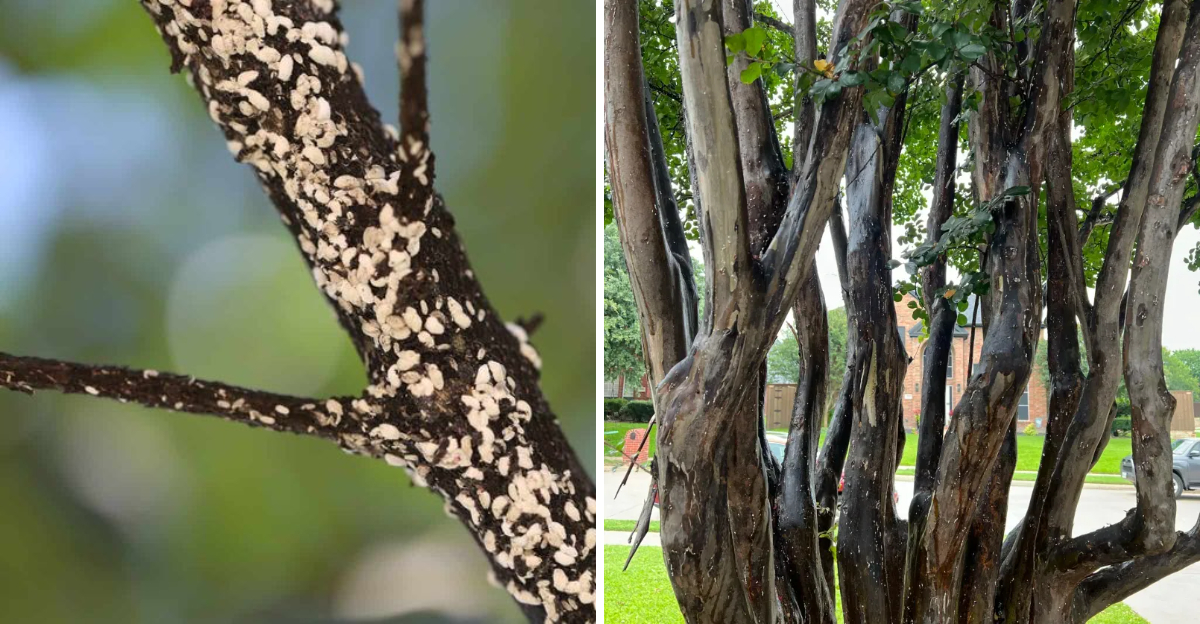
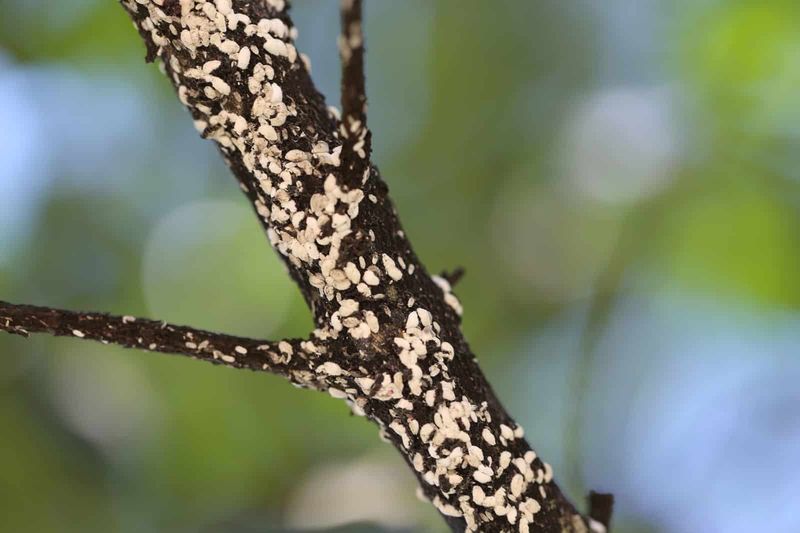
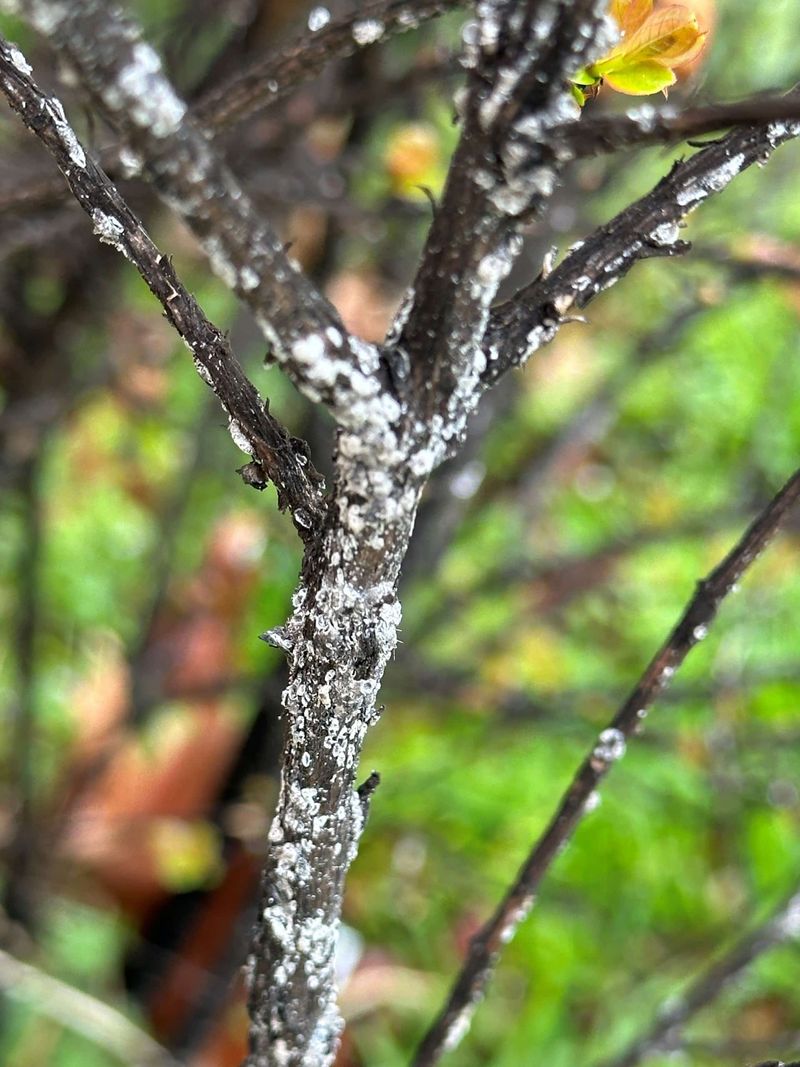
The bugs look like small white or grayish felt bumps stuck to trunks, branch crotches, and pruning scars. Press one with a fingernail and it leaks a pink fluid, which is a reliable identification trick.
Heavy populations turn smooth cinnamon-colored bark into a crusty white mess. Under that crust, the females are producing enormous amounts of honeydew.
Because they cluster in bark cracks and branch unions, they hide from casual glances. Many homeowners spot the black leaves months before they notice the white bumps.
Louisiana’s mild winters and long growing season let the scale run through multiple generations a year. Populations can build quickly on stressed or overwatered trees.
Scale infestations alone rarely cause tree loss. Growth slows, and branches can look thin and twiggy.
The good news is that this insect is well studied now. Extension services across the Gulf states have released general treatment-timing guidance. Checking trunks every spring takes about thirty seconds per tree.
4. Aphids Also Contribute To The Problem
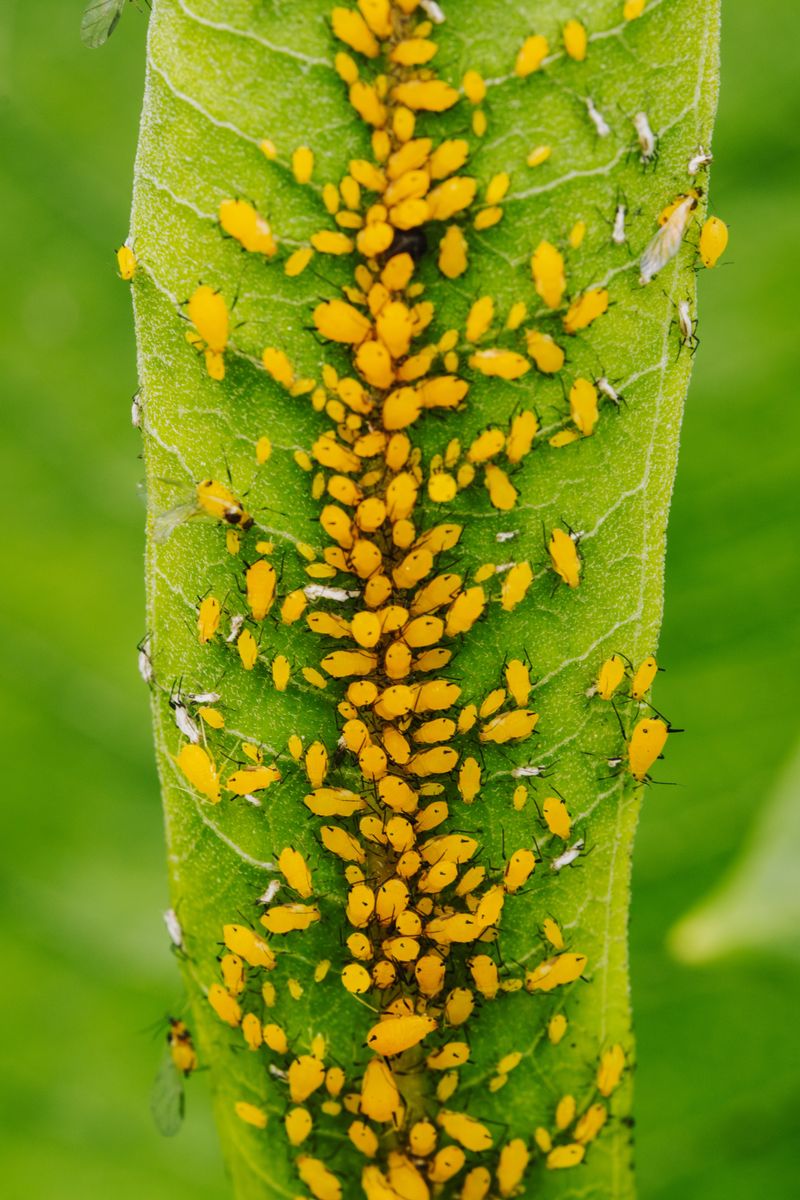
Long before bark scale arrived, Southern gardeners were already wiping black film off crepe myrtle leaves. The culprit then was a specialist insect called the crepe myrtle aphid, and it has not gone anywhere.
Roughly the size of a poppy seed, these pale yellow-green insects gather on the undersides of tender new leaves. They feed in groups, so damage shows up in patches rather than evenly.
Aphid feeding leaves behind yellow blotches and small distorted leaves at branch tips. Their honeydew output rivals the scale’s during warm, humid stretches.
Populations tend to surge in late spring when soft new growth is everywhere. Heavy nitrogen fertilizer makes that flush even more tempting.
Fortunately, aphids sit near the bottom of the food chain. Ladybug larvae, lacewings, hoverfly maggots, and tiny parasitic wasps go after them constantly.
Look for hollow tan aphid shells stuck to leaves, which mean parasitic wasps are already working. Flipping a few leaves each week tells you whether helpers are winning.
A firm spray from the garden hose knocks many aphids off, and they struggle to climb back up. Repeat every few days during a flare-up.
Since both aphids and scale can feed on the same tree at once, checking leaf undersides and trunk bark together gives a clearer picture. Two pests, one sticky outcome, and two slightly different fixes.
5. Louisiana Weather Intensifies The Problem
Sooty mold exists all over the country, yet Gulf Coast yards seem to wear it worse. Blame the climate that shapes gardening challenges across Louisiana.
Fungi need moisture to colonize a sticky surface. With summer humidity typically running high across the Gulf Coast and afternoon storms rolling through, honeydew rarely dries out fast.
Warm nights matter too. When temperatures stay in the high seventies after dark, both insects and fungi keep working around the clock.
Mild winters are the other half of the story. Freezes deep enough to knock back overwintering insect populations happen less often here than farther north.
Dense plantings add to it. Crepe myrtles lined tightly along driveways and fences trap still, damp air between their canopies.
Coastal parishes get an extra nudge from salt-laden air and heavy dew. Leaves stay wet longer, giving spores more chances to settle in.
You cannot change the weather, but you can change airflow. Thinning a few crowded interior branches helps sunlight and breeze reach the middle of the tree.
Watering the soil rather than the foliage reduces surface wetness. Drip lines or a slow hose at the base work better than overhead sprinklers.
Spacing new plantings generously pays off later. Giving each tree room to breathe means fewer sticky, shaded pockets where the black coating settles in and lingers.
6. Telling Sooty Mold Apart From Powdery Mildew And Cercospora
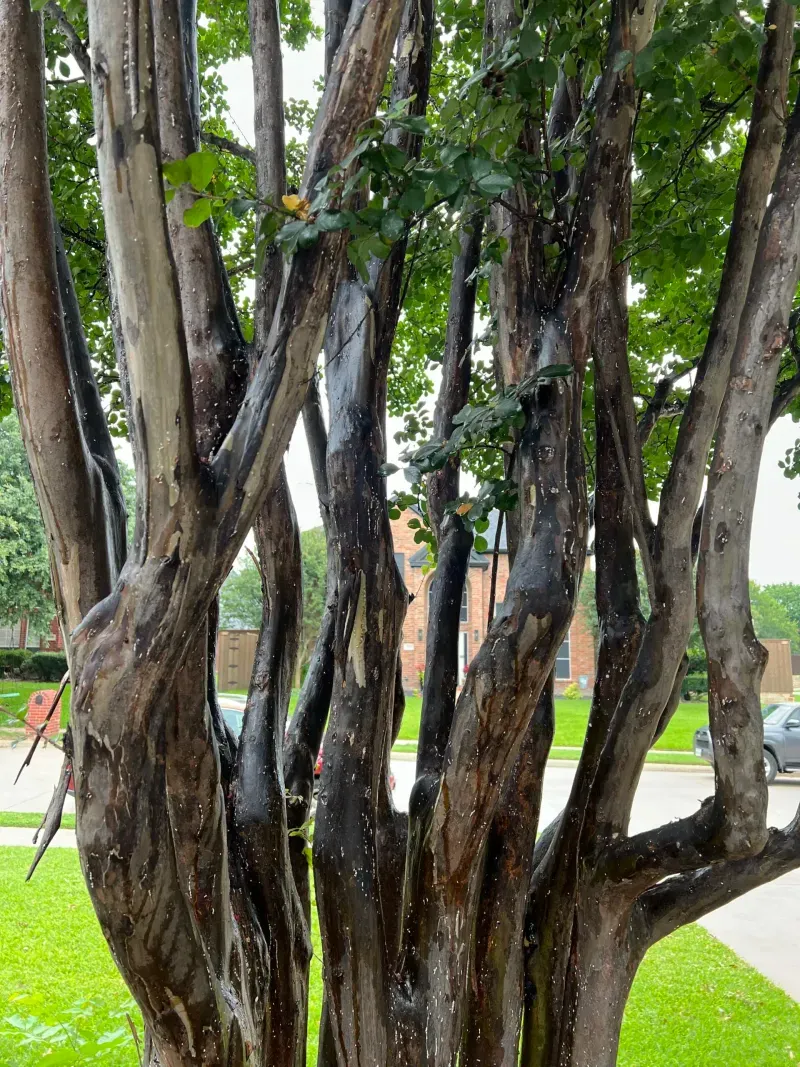
Three different problems show up on crepe myrtles, and mixing them up leads to wasted money on the wrong product. A quick side-by-side check clears things up fast.
Sooty mold is dark, sits on the surface, and smears when rubbed with a damp cloth. It appears on leaves, bark, and objects underneath the canopy.
Powdery mildew is the opposite color, showing up as chalky white patches on new leaves and flower buds. It thrives in mild spring weather and often distorts young growth.
Cercospora leaf spot produces round brown or reddish blotches with yellow halos. Affected leaves drop early, sometimes leaving trees noticeably bare by September.
Location on the tree gives another clue. Sooty mold concentrates below insect colonies, so upper branches may look cleaner than lower ones.
Bark tells you plenty too. White felty bumps point toward scale and therefore sooty mold, while clean bark with spotted leaves suggests a leaf disease instead.
Timing helps as well. Mildew shows early, sooty mold builds through midsummer, and leaf spot peaks in late summer heat.
Snapping a few clear photos and emailing your parish LSU AgCenter office is a smart free step. Trained agents identify these issues daily and can suggest local timing.
Correct identification means you treat insects when insects are the issue. That single distinction saves both effort and unnecessary spraying.
7. Washing The Coating Off Without Harming The Tree
Scrubbing does not solve the root cause, yet it makes a real difference in how a tree looks while other steps take effect. It also helps leaves capture more sunlight again.
Start with plain water and decent pressure from a hose nozzle. A surprising amount of mold and honeydew rinses away in ten minutes.
For stubborn bark crust, mix a few teaspoons of mild dish soap into a gallon of water. Apply with a soft brush and work gently along the trunk.
Rinse thoroughly afterward so no soap film remains on bark or leaves. Doing the job on a cloudy morning avoids leaf scorch in strong sun.
Skip the pressure washer at full strength. Crepe myrtle bark is thin and peels easily, and wounds invite other troubles.
Washing trunks in late winter has a bonus effect. Scrubbing removes overwintering scale, egg masses, and the protective felt covering they hide beneath.
Do not forget the surfaces below. Sidewalks, decks, and vehicles clean up with warm soapy water before the film hardens.
Fallen leaves under the tree can be raked and removed to reduce spore load. Compost them away from the trunk.
Once honeydew stops arriving, remaining mold weathers off gradually with rain and new leaf growth. Patience plus a little elbow grease usually restores that smooth, cinnamon-colored bark people love.
8. Long-Term Fixes That Keep Trunks Clean Season After Season
Real success comes from thinking a full year ahead rather than reacting each July. Gardeners who follow a simple calendar rarely fight black film twice.
Late winter is the window for a horticultural oil application on dormant bark. Oil smothers overwintering scale hiding in crevices and pruning cuts.
Spring is for scouting. Walk your trees monthly, flip leaves, and press a few bark bumps to see what is active.
Systemic soil treatments containing ingredients such as imidacloprid or dinotefuran are commonly recommended for heavy scale pressure. Apply them well after bloom to protect visiting bees, and follow label directions exactly.
Protect your allies. Ladybugs, lacewings, and parasitic wasps do steady work, so broad-spectrum sprays during bloom often backfire. Ease up on high-nitrogen fertilizer. Lush, fast growth is an open invitation to sap feeders.
Mulch a wide ring around the base, keeping it a few inches off the trunk. Consistent soil moisture keeps trees resilient during August heat.
Prune thoughtfully instead of topping. Removing crossing limbs and interior clutter improves airflow, while heavy chopping creates stubs where scale settles in.
When replacing a struggling specimen, ask nurseries about resistant selections and hybrids bred at Southern research stations. Some newer varieties show greater pest resistance in early observations.
Stick with the routine for two seasons, and those trunks stay smooth and pale while your neighbors keep wondering about the mystery grime.