The Best Fall Root Vegetables To Seed This Week For A Strong North Carolina Harvest
Late summer into early fall is prime time for North Carolina gardeners to get root vegetables in the ground.
As the heat starts to ease, the soil holds onto warmth just long enough to help seeds germinate quickly, while cooler air ahead gives roots the calm conditions they need to develop properly underground.
Timing this window right can make a noticeable difference in how a fall harvest turns out. Not every root vegetable thrives when planted this late, though.
Some varieties need more days to mature than the remaining fall calendar allows, while others are built for exactly this kind of seeding window. Knowing which ones fit best right now can save a gardener from wasted effort and disappointing yields.
1. Radishes
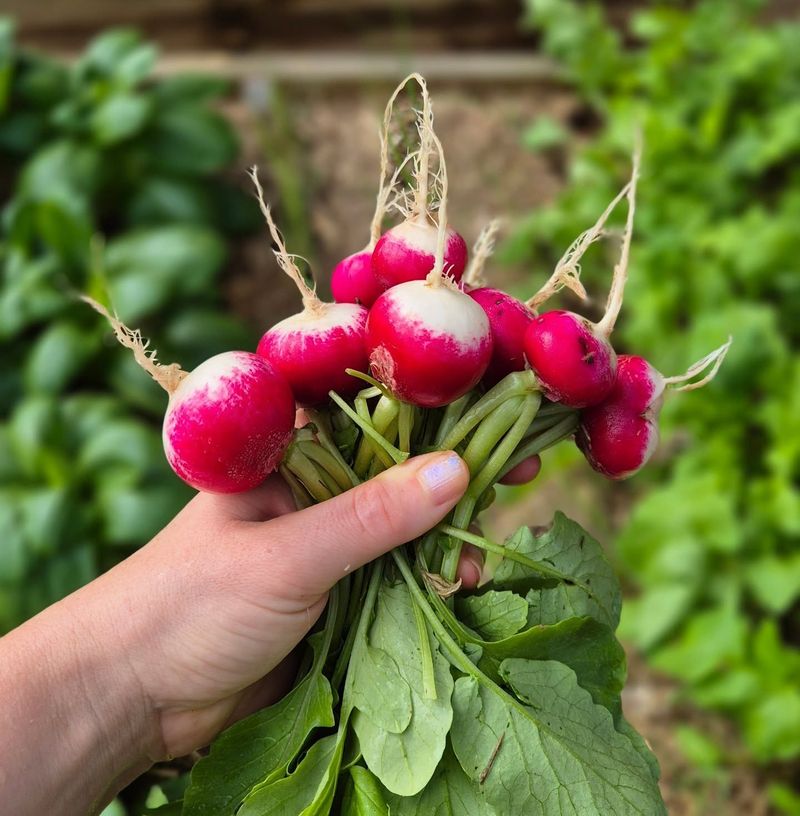
Few crops reward you as fast as radishes, and that speed makes them a smart pick for September planting in North Carolina. Many types are ready to pull in just three to four weeks, which means you can enjoy a crunchy harvest long before the first frost shows up.
Cool weather actually helps radishes taste better. Warm summer air can make them spicy and tough, but the mild days of fall keep the roots crisp and mild.
Sow the seeds about half an inch deep and give each one a little space so the bulbs can swell nicely.
Because they grow so quickly, radishes are great for beginners who want to see results right away. Kids especially love pulling them up and finding a bright red surprise under the soil.
You can even plant a new row every week to keep fresh radishes coming. Keep the soil moist but not soggy, since dry spells can cause the roots to crack or turn woody. Loose, fluffy dirt lets the round bulbs form without a struggle.
Try radishes sliced onto salads, tucked into sandwiches, or roasted until soft and sweet. Their peppery bite adds a fun kick to almost any meal.
With their short timeline and easygoing nature, radishes let you squeeze in one last quick harvest before colder weather arrives. Plant them now, and you will be munching homegrown crunch in no time flat.
2. Turnips
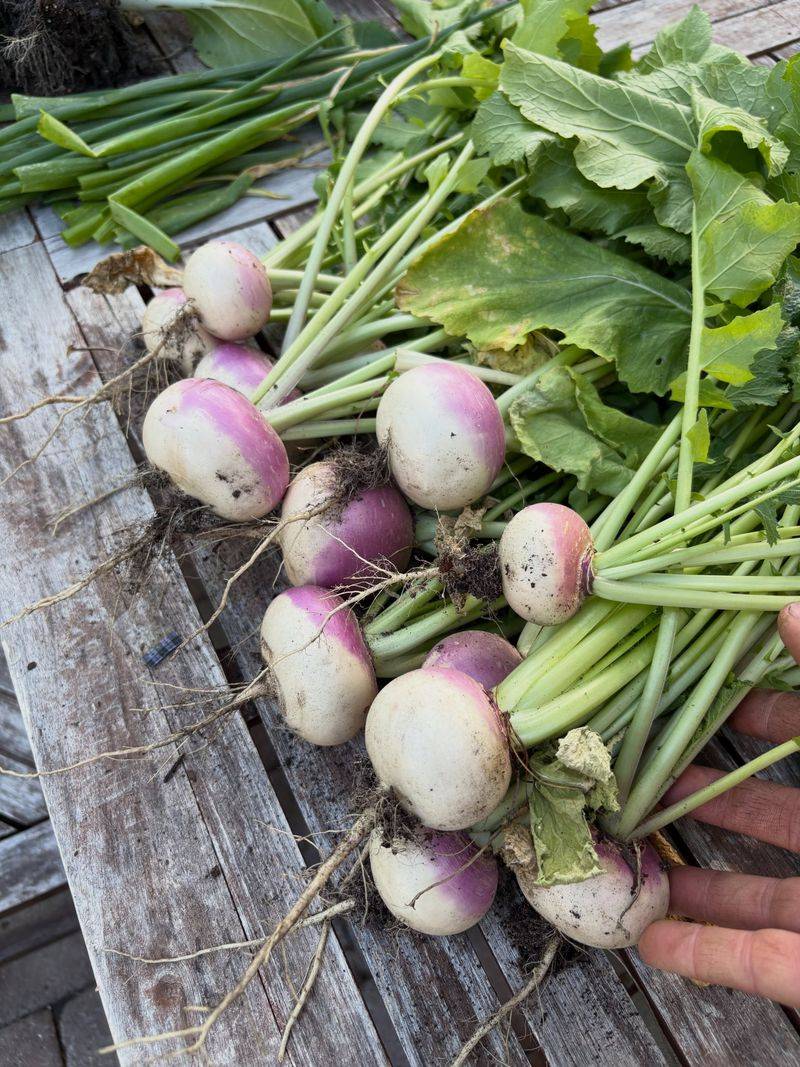
Turnips truly shine when the weather cools, making them a favorite for fall gardens across North Carolina. As temperatures drop, the roots grow sweeter and the leafy greens turn tender, giving you two harvests from a single plant.
The tops taste wonderful cooked down like collards or spinach, while the round roots can be roasted, mashed, or tossed into soups. Getting both greens and roots from one seed feels like a bonus every time you visit the garden.
Plant turnip seeds shallow, about a quarter inch deep, in soil that drains well. They come up quickly, and you can start snipping young greens within a few weeks while the roots keep growing underground.
Thinning is key here. When seedlings crowd each other, the roots stay small, so pull out the extras and enjoy those baby greens in a salad. Give the remaining plants a few inches of breathing room to bulb up.
Your North Carolina Garden Changes Every Week. Your Plan Should Too.
Gardening in North Carolina changes quickly throughout the season. Every Friday you’ll receive a simple weekly plan showing exactly what to plant, prune, fertilize, harvest, and protect so you never miss the right timing.
Cool nights bring out a milder, almost buttery flavor in turnips, which is why fall crops taste so much better than summer ones. A light frost can even make them sweeter.
Water steadily so the roots grow smooth and round instead of tough. A layer of mulch helps hold moisture and keeps weeds away.
Whether you love the greens, the roots, or both, turnips give you a generous late season payoff. Sow a patch this week and enjoy fresh flavor well into the chilly months ahead.
3. Beets
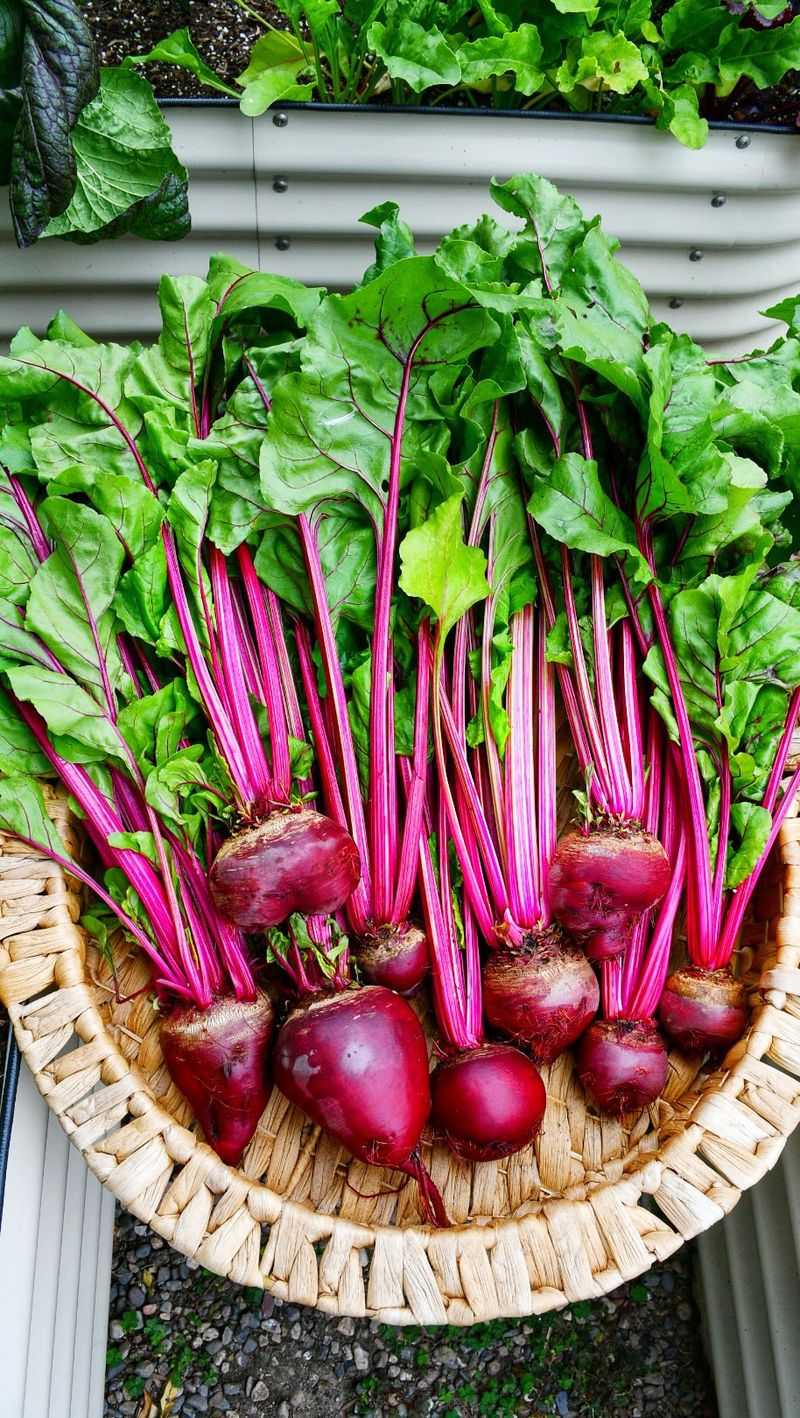
Beets bring bold color and rich flavor to the fall table, and they happen to love the cooler stretch of the growing season. When nights turn crisp, the roots store up extra sugars, giving you sweeter, more flavorful beets than summer ever could.
Each beet seed is actually a little cluster, so several sprouts often pop up together. Thin them out once they reach a couple inches tall, and enjoy those baby greens in a salad while the strongest plants keep growing.
Plant the seeds about half an inch deep in loose soil, and keep the bed evenly moist. Steady water helps the roots grow round and smooth instead of tough or cracked.
One of the best things about beets is how nothing goes to waste. The leaves cook up beautifully like chard, and the roots can be roasted, pickled, or shredded raw over dinner.
Cool temperatures also let the roots size up nicely without turning woody. Give them around eight weeks, and you will have plump beets ready to pull.
A little mulch around the plants keeps the soil temperature steady and holds in moisture during warm afternoons. This helps the roots grow at an even pace.
Rich in color and packed with earthy sweetness, beets add something special to fall cooking. Tuck a few rows into your garden this week, and you will be rewarded with vibrant roots and tasty greens as the season cools down.
4. Carrots
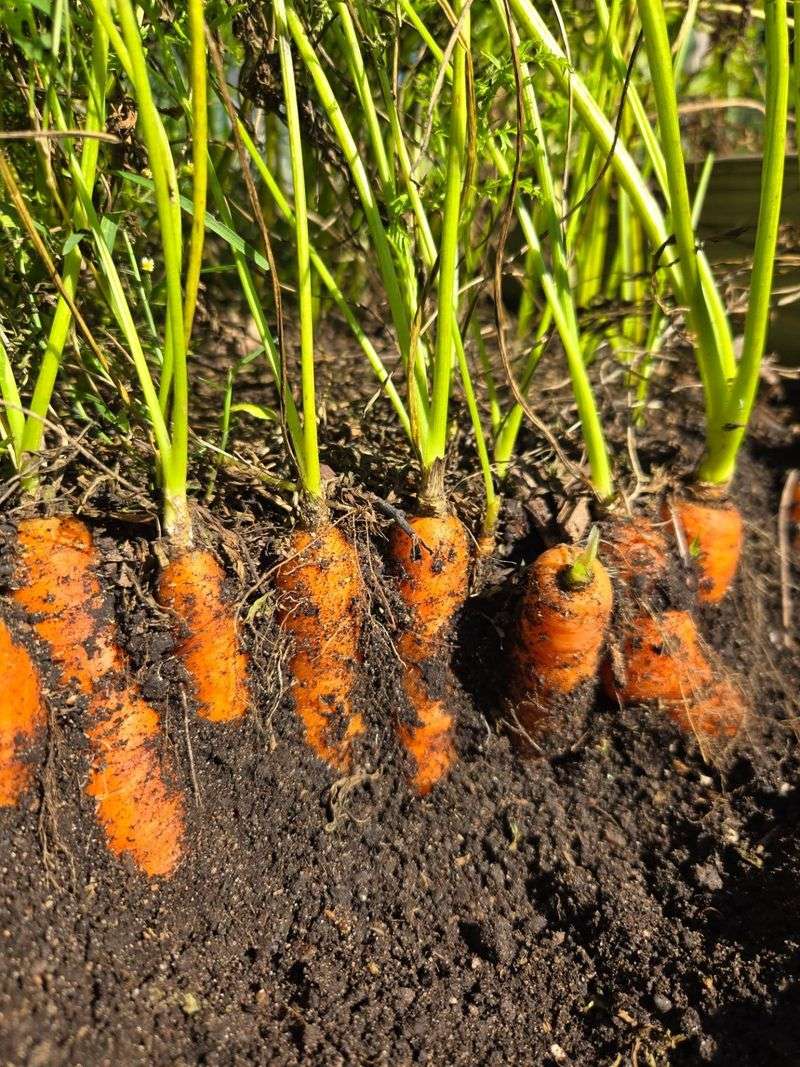
Sweet, crunchy, and cheerfully orange, fall carrots are a real treat waiting under the soil. Cooler weather works magic on them, turning the roots noticeably sweeter as the plants store sugar to handle the chill.
The secret to great carrots starts with the dirt. Loose, well drained soil free of rocks and clumps lets the roots grow long and straight instead of forked or stubby. Take time to fluff up the bed before planting.
Carrot seeds are tiny, so scatter them thinly and cover with just a light dusting of soil. Keep the surface moist until the seedlings appear, since dry soil can stop them from sprouting.
Patience pays off here. Carrots take longer than radishes or turnips, often needing two to three months, so planting this week gives them the runway they need before hard cold arrives.
Thinning matters a lot. Crowded carrots stay skinny, so pull out extras once seedlings are a few inches tall and let the keepers stretch their roots.
As frost nears, the flavor only gets better. Many gardeners say fall carrots taste like candy compared to summer ones, and a light frost sweetens them even more.
Mulch the bed to keep moisture steady and roots happy. You can even leave carrots in the ground and pull them as needed once cold weather settles in.
Plant a row now, and you will dig up sweet, homegrown carrots that beat anything from the store.
5. Daikon Radishes
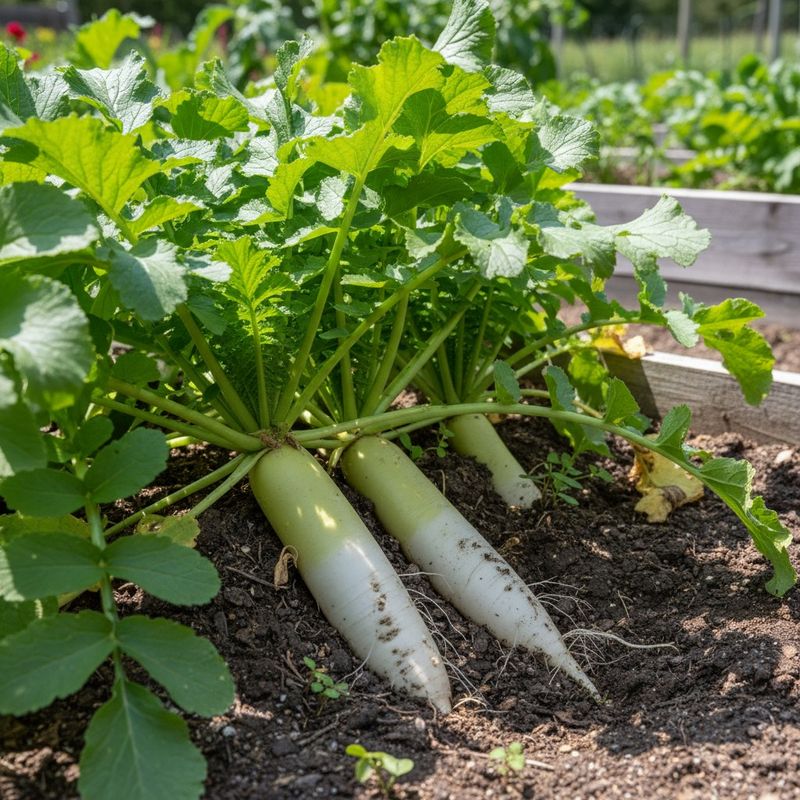
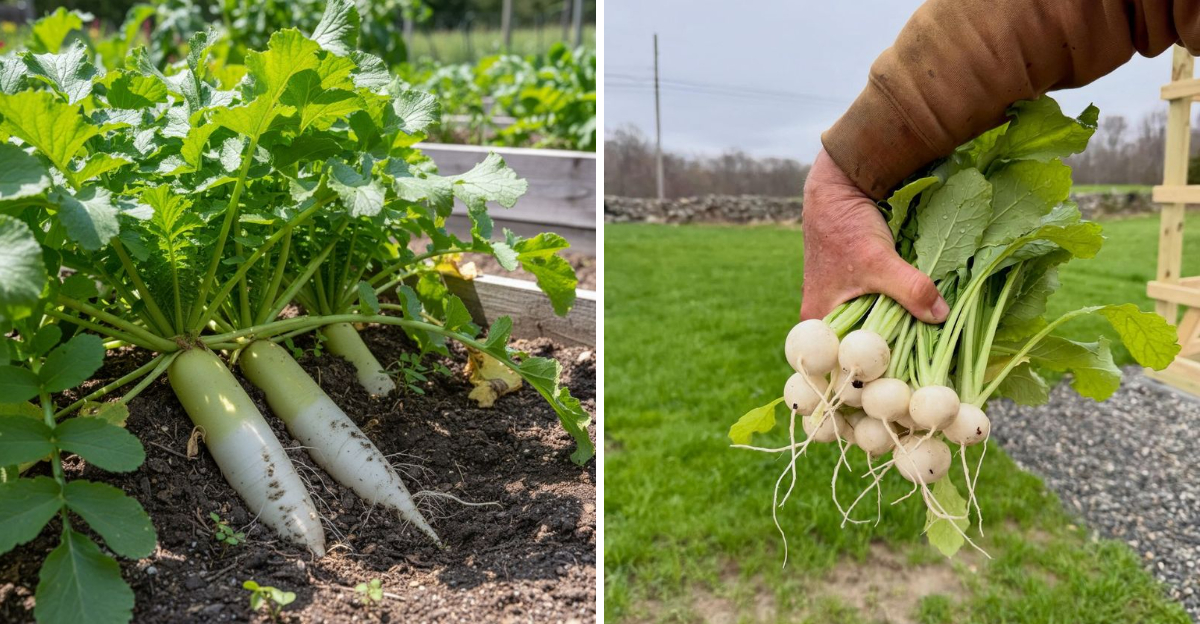
If regular radishes seem small, wait until you meet the daikon. These long white winter radishes can grow well over a foot in length, making them a fun and impressive choice for North Carolina fall gardens.
Unlike the quick little salad radishes of spring, daikons take their time and need a longer stretch of cool weather to reach full size. That extra patience rewards you with big, mild roots perfect for cooking.
The flavor is another difference worth knowing. Spring radishes bring a sharp, peppery bite, while daikons taste milder and slightly sweet, especially after cool weather sets in.
Plant the seeds about half an inch deep in loose, deep soil so the long roots can push straight down without hitting rocks or hard clay. Give them plenty of room to spread out.
Daikons work wonders in the kitchen. Slice them into stir fries, pickle them for a tangy snack, or grate them fresh over rice bowls for a crisp crunch.
Gardeners also love daikons for the soil itself. Their deep roots break up packed earth, and some folks plant them just to loosen tough ground for next season.
Keep the bed watered steadily so the roots grow smooth and tender rather than tough. Steady moisture makes all the difference in size and taste.
Sow daikon seeds this week, and you will pull up giant, satisfying roots that add something new and exciting to your fall harvest.
6. Rutabagas
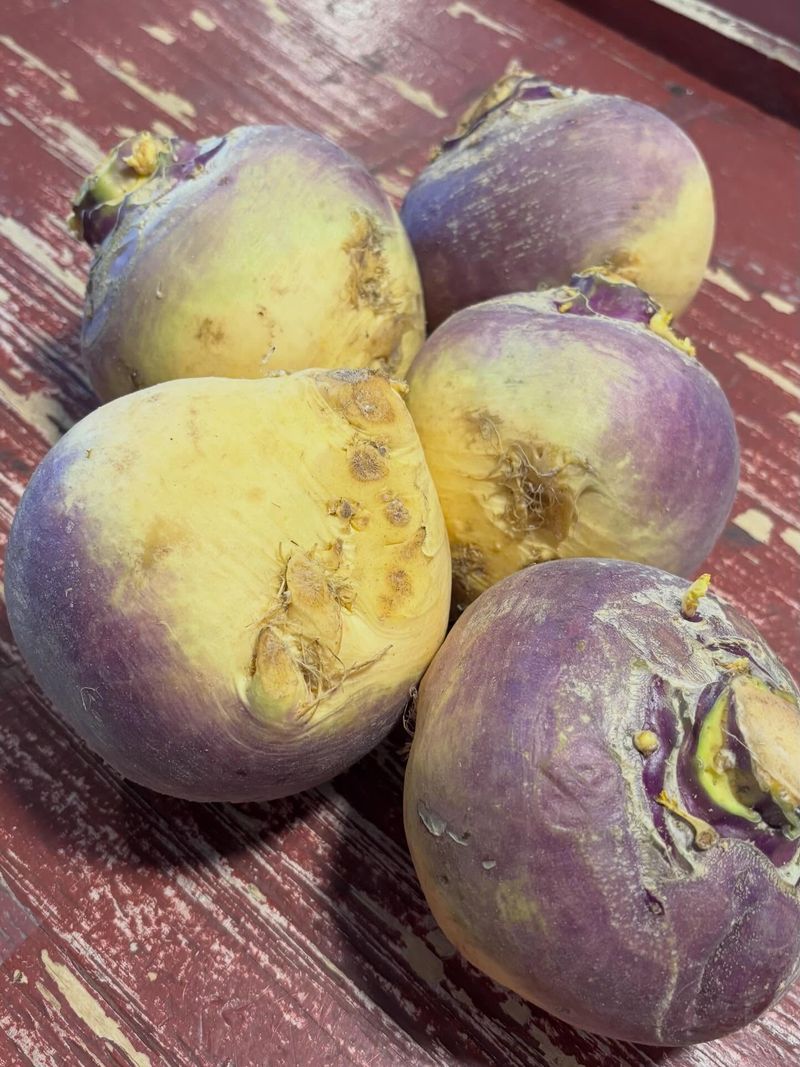
Hearty and dependable, rutabagas are built for the long cool haul of a North Carolina fall. These sturdy roots take a while to grow, so planting them early gives the bulbs enough time to reach a good size before the coldest weather rolls in.
Often mistaken for large turnips, rutabagas have a sweeter, nuttier taste and a lovely golden color inside. Cool weather deepens their flavor, turning them into a comforting addition to soups and stews.
Sow the seeds about half an inch deep in rich, well drained soil. Because these roots grow big, they need room to spread, so thin the seedlings to give each plant six inches of space.
Timing really matters with rutabagas. They usually need around three months to mature, which is longer than most fall roots, so getting them started this week helps them finish strong.
Steady watering keeps the roots smooth and prevents them from turning tough or splitting. A layer of mulch holds in moisture and keeps the soil cozy during warm afternoons.
In the kitchen, rutabagas shine when roasted, mashed, or simmered into hearty meals. Their firm texture holds up well to slow cooking, soaking in whatever flavors you add.
A touch of frost only improves the taste, making these roots even sweeter as the season cools.
Plant rutabagas now, and by the time winter settles in, you will have a stash of golden roots ready for warm, filling meals.
7. Salad Turnips
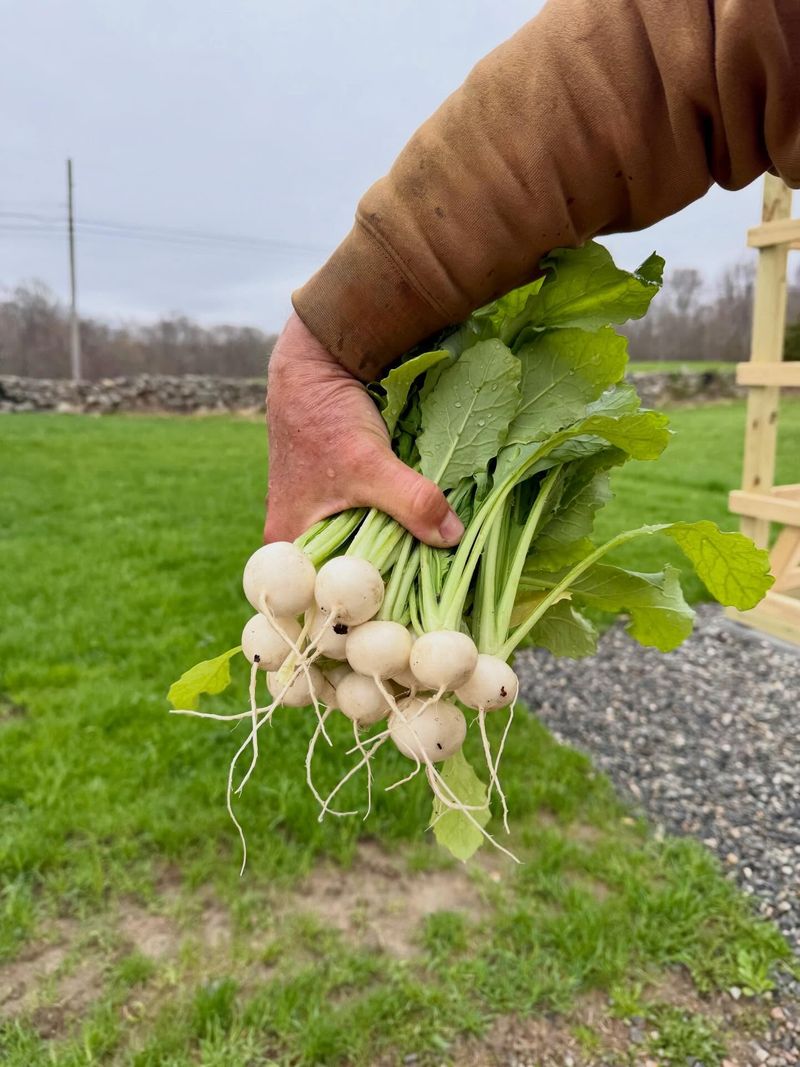
For gardeners short on time, salad turnips are a delightful little shortcut to a fresh harvest. These small, tender white roots grow much faster than their larger cousins, often ready to pull in about five to six weeks.
The taste sets them apart too. Salad turnips are mild, sweet, and crisp enough to eat raw straight from the garden, which is why many people snack on them like apples.
Their quick timeline makes them perfect for a shorter fall window. If you feel like you started planting a bit late, these roots can still finish before the cold gets serious.
Sow the seeds shallow, just a quarter inch deep, in loose soil that drains well. Keep the bed moist, and you will see sprouts pop up within days.
Thinning helps the roots grow round and smooth, so pull out crowded seedlings and enjoy the young greens in a salad. The tops are tender and tasty when cooked too.
Because they grow so fast, you can plant a fresh batch every couple of weeks for a steady supply. This keeps sweet little roots coming right up until frost.
In the kitchen, salad turnips are wonderfully flexible. Slice them raw over greens, toss them into a quick stir fry, or roast them until soft and golden.
Plant a row this week, and in barely more than a month you will be enjoying crisp, mild roots that prove good things really can come quickly.
8. Parsnips
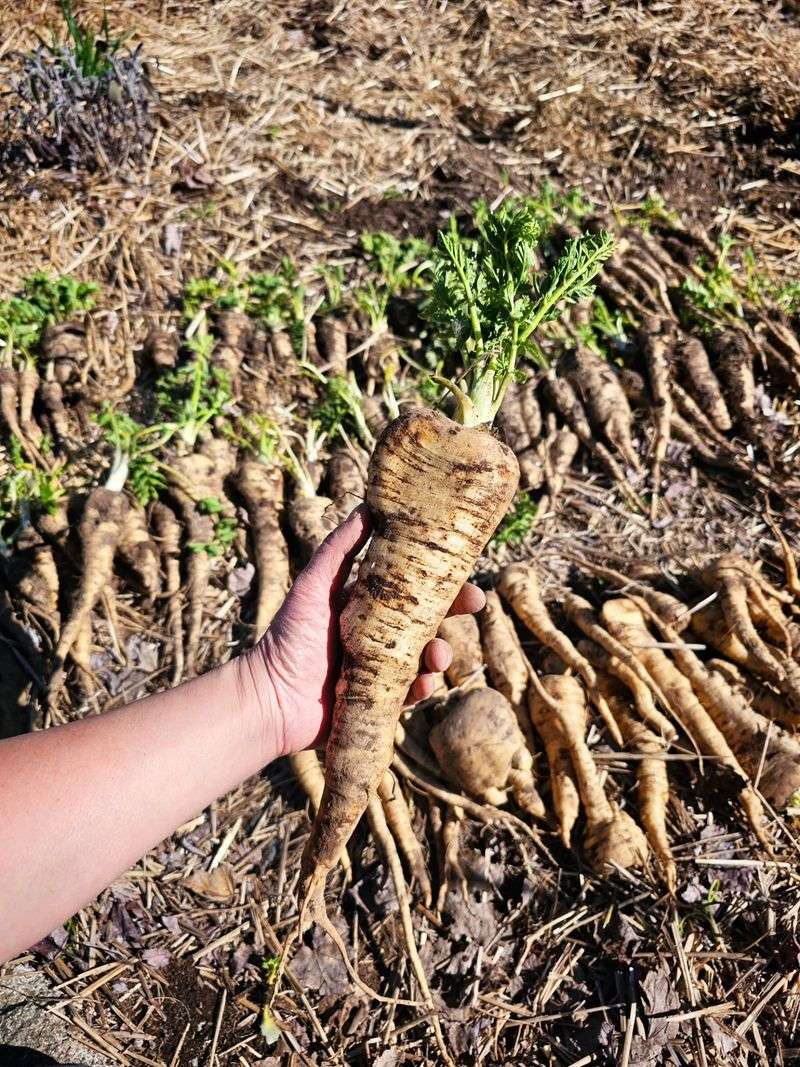
Parsnips take patience, but the payoff is one of the sweetest roots you can grow. Looking like pale carrots, these creamy white vegetables develop a rich, honey-like flavor once cold weather works its magic.
The secret ingredient here is frost. As temperatures drop, parsnips turn their starches into sugar, which makes roots harvested after a chill taste far sweeter than those pulled early.
Because they grow slowly, parsnips need a longer season than most fall roots. Plant them as early as you can so the roots have time to mature before the ground gets too cold to work.
Sow the seeds in deep, loose soil free of rocks so the long roots can grow straight down. Fresh seed matters a lot, since older parsnip seed often fails to sprout.
Be patient during sprouting, as parsnips can take two or three weeks just to appear. Keep the soil moist the whole time so the tiny seedlings can push through.
Once they are up, thin the seedlings to give each root room to swell. Steady watering keeps them smooth and tender as they grow.
Many gardeners leave parsnips in the ground through the first frosts, digging them up as needed for the best flavor. The cold acts like a natural sweetener.
Roasted parsnips turn golden and caramel-sweet, making the long wait completely worth it. Plant them now, and you will enjoy a truly special treat once winter arrives.