Stop Doing This To Hydrangeas Once Late Summer Arrives
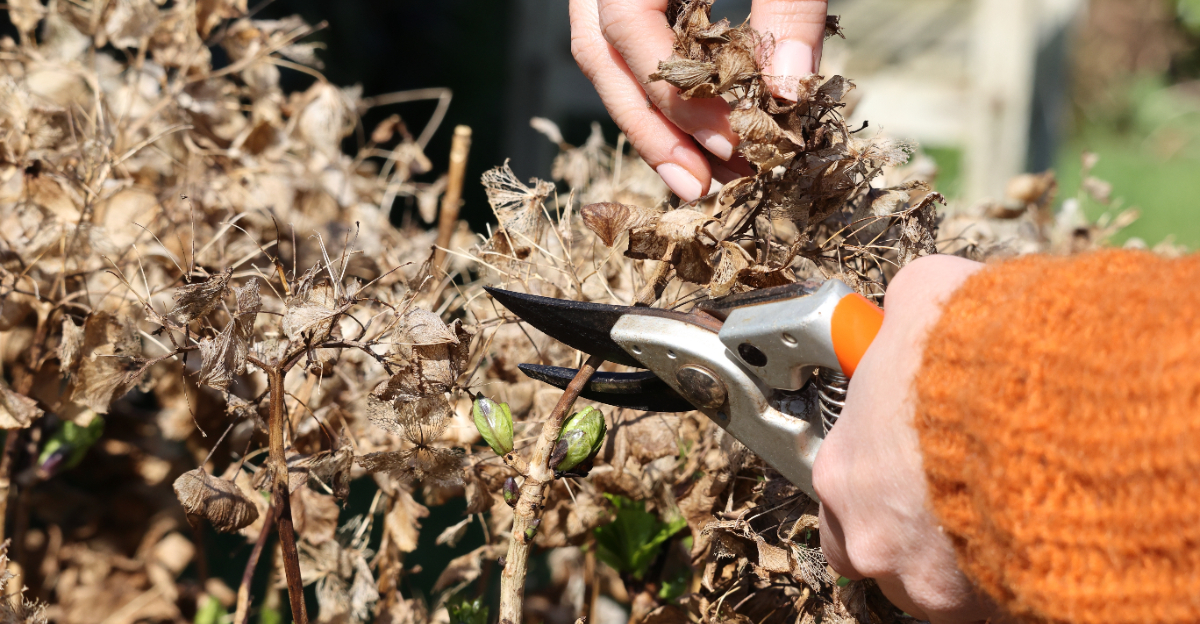
Late August arrives with warm dust in the air, drooping leaves, and a shrub out back that has gone noticeably shaggy. The urge to grab a tool and neaten everything up before company comes is almost automatic.
That helpful little cleanup is often the reason a shrub gives you leaves and nothing more next year. The damage happens quietly, in a spot you cannot even see with the foliage in the way.
While the season winds down, a decision is already being made inside those stems for the following summer. Interrupt that process now, and the loss shows up ten months later, right when you were counting on a show.
The fix asks for almost nothing in return. It mostly involves putting something down, stepping back, and letting the plant finish what it started.
The Cleanup Instinct That Costs You Blooms
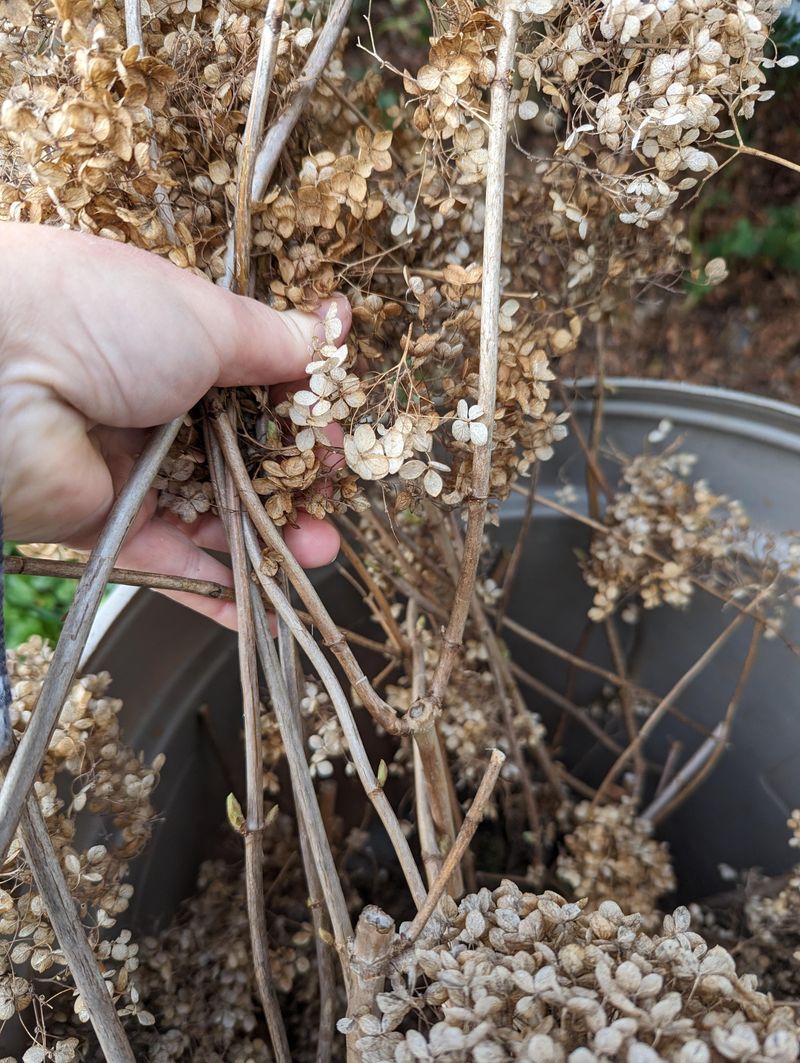
Here is the trap: the shrub looks messy, the blooms have gone papery brown, and the urge to clean it up is strong. That tidy instinct is the exact thing that costs the flowers.
Removing faded flower heads feels harmless, but the cut usually lands right on the plump buds sitting just below them. Snip a couple of inches too low and next summer’s blossoms go into the yard waste bag.
Shaping is riskier still, because rounding a shrub with hedge shears takes off every stem tip at once. Those tips hold the most developed buds, so the plant loses its best material in one sweep.
Then there is the panic prune, the one that happens before a party or after a storm flattens a few branches. A snapped stem can come out any time, but the healthy wood around it deserves a pass.
Faded blooms are not ugly to everyone either. Left in place, they catch frost, hold snow, and give winter interest that bare stems cannot match.
They also act like a little cap, sheltering the buds underneath from wind and sudden cold swings. Gardeners in chilly regions often leave them on purpose for that reason.
If the messy look truly bothers you, pluck only the crispy petals with your fingers and leave the stem alone. Your shrub keeps its buds, your beds look neater, and nobody has to know the difference. Consider it a truce between neatness and next year’s flowers.
The Hidden Bud Calendar Inside Those Stems
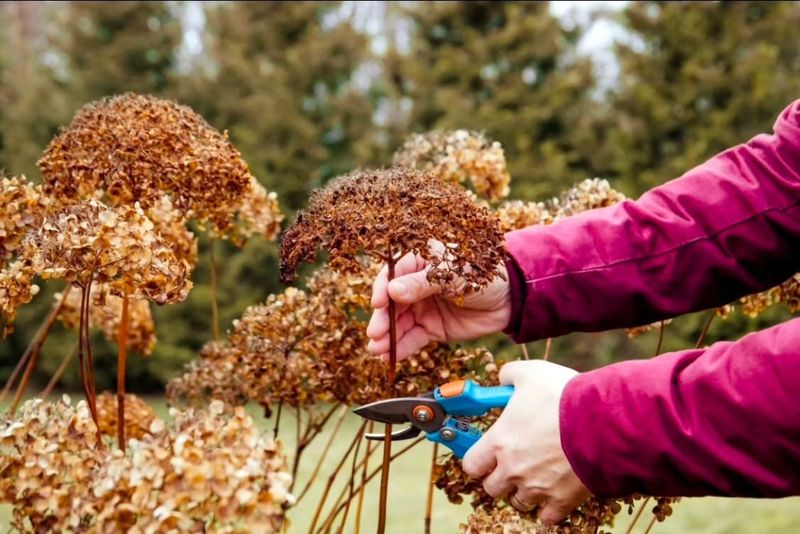
Tucked inside those leafy stems is a private calendar, and it runs earlier than most gardeners expect. Bigleaf and oakleaf hydrangeas wrap up this year’s show and quietly start forming next season’s flower buds while the air still feels like summer.
Those baby buds are tiny at first, hiding at the tips and in the leaf joints of the current year’s growth. You cannot see them, you cannot feel them, and that is exactly why they get lost.
So when shears come out in August to neaten a floppy shrub, the cuts are not just trimming leaves. They are removing the very wood that was holding a promise for June.
Panicle and smooth hydrangeas play by different rules, since they bloom on fresh spring growth. That is why some neighbors trim late and still get flowers, while your shrub sulks with green leaves and nothing else.
Knowing which shrub you own changes the whole timing question. Round mophead or lacecap blooms that shift pink or blue point to old wood bloomers, while cone-shaped white or lime flowers usually signal the newer wood group.
If the label is long gone, watch the shrub for a season and note where the flowers appear. Buds on last year’s brown stems mean hands off in late summer. That one observation saves a lot of disappointment.
Think of the plant as writing next year’s letter right now, and the shears as an eraser you did not mean to pick up.
Your Pruning Window Closes Sooner Than It Looks
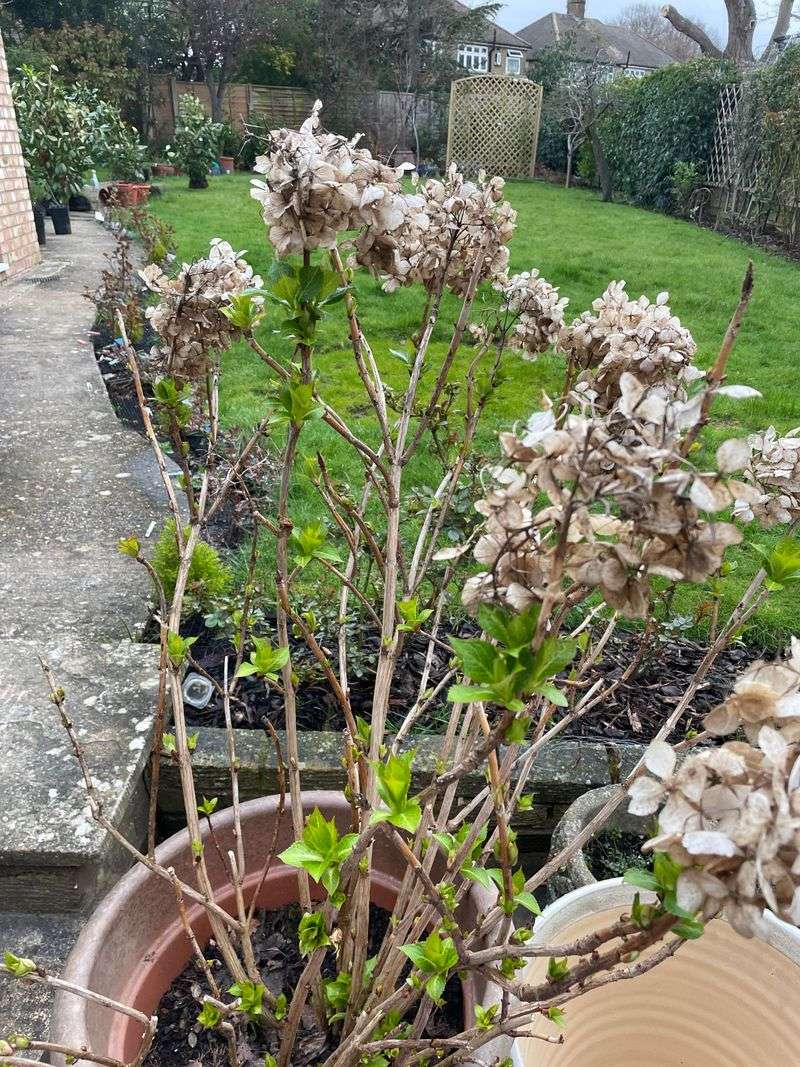
Timing is the whole ballgame here, and the window closes sooner than the weather suggests. By mid to late July in most regions, old wood hydrangeas are already setting the buds they plan to open next year.
Cut in June, right after the last faded flowers drop, and the shrub has weeks to rebuild. Cut in August or September, and there is no time left for a second round of bud building.
Northern gardeners have an even tighter schedule because cool nights arrive early and slow the plant down. In warmer zones the window stretches a little later, though the safest habit is still to stop by midsummer.
Fall trimming carries a second problem beyond lost buds. Fresh cuts push tender new shoots that have no chance to harden before frost, so those shoots turn brown and mushy.
A simple rule works for most yards: if the flowers have faded and the calendar says August, put the pruners back in the shed. Wait until the shrub wakes up in spring, then look for swelling buds and trim only the bare, brittle stems above them.
Mark your own cutoff date on a phone calendar for next year, somewhere around the middle of July. Gardening memory is short, and a reminder beats guesswork when the shrub looks shaggy in September.
One skipped haircut is a small price for a shrub loaded with blooms next June. Patience in late summer pays out in petals, and the wait is shorter than it feels.
Other Habits That Undo Your Pruning Restraint
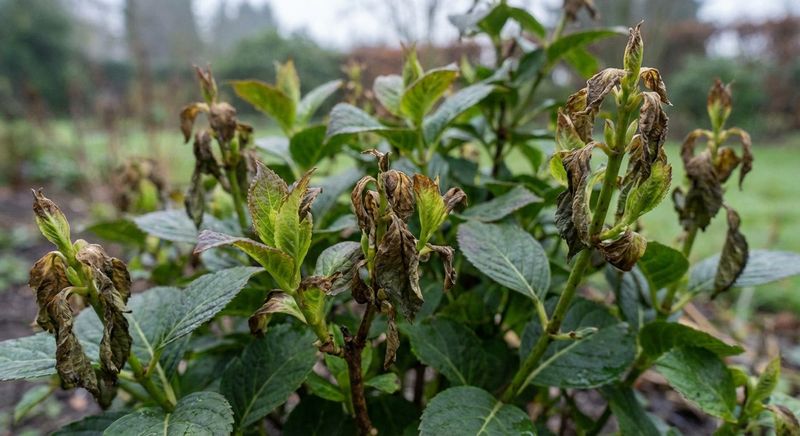
Shears are not the only tool that can undo bud set. A scoop of high nitrogen fertilizer in August pushes soft leafy growth exactly when the plant should be firming up.
That tender growth burns energy the shrub was saving for buds and root storage. It also freezes back quickly, leaving damaged stem tips where flowers were supposed to open.
Stop feeding by midsummer and let the plant coast. If the leaves look pale, a thin layer of compost in fall does the job gently without triggering a growth spurt.
Watering is a different story, since late summer thirst is real and buds form better on a shrub that is not stressed. Water deeply at the base once or twice a week rather than sprinkling the leaves every evening.
Overhead sprinkling at dusk leaves foliage damp overnight, which invites leaf spot and powdery mildew. Weak leaves mean less energy, and less energy means fewer buds by the time cold weather settles in.
Mulch helps, but keep it two or three inches deep and pull it back from the crown. A mound shoved against the stems traps moisture and softens the wood you want tough.
Late season transplanting belongs on the pause list too, at least in colder areas. Moving a shrub in August asks it to grow roots and hold buds at the same time, and something has to give.
Steady, slightly boring care beats a burst of enthusiasm right now. Boring is what fills a shrub with buds.
Tasks Worth Doing After The Blooms Fade
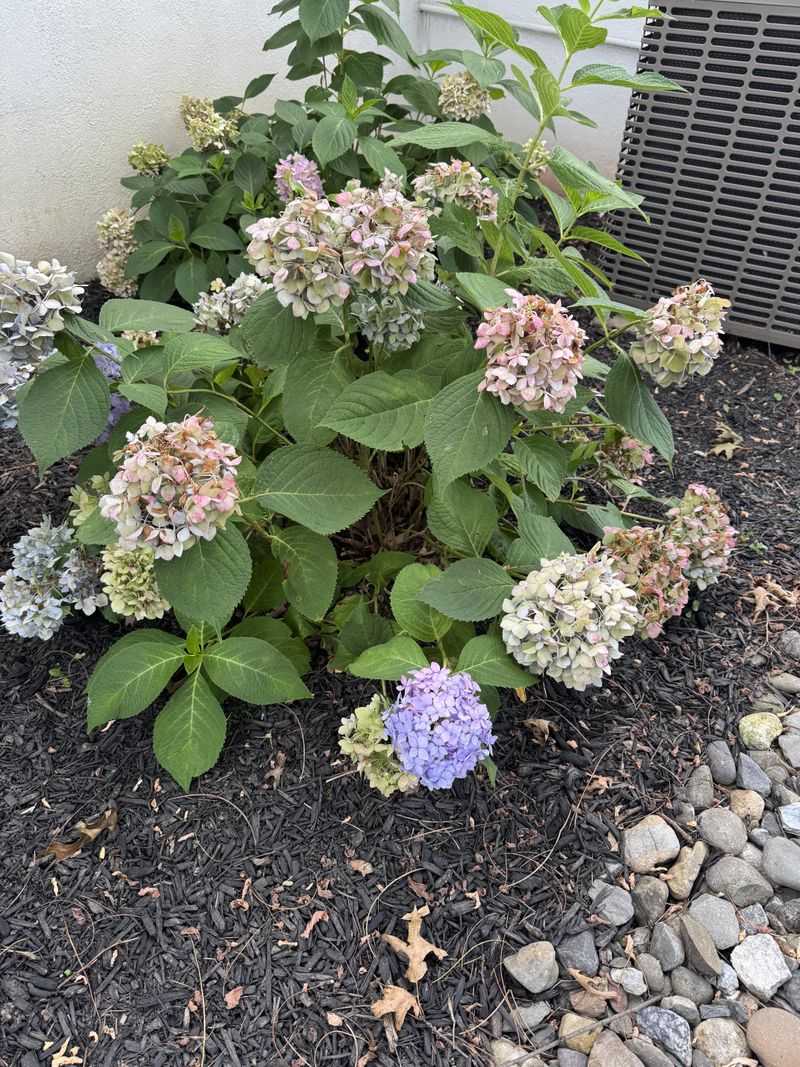
Doing less is the plan, though less does not mean ignoring the shrub. There is plenty of useful work available that has nothing to do with cutting stems.
Start with a slow soak during dry stretches, especially for shrubs sitting in afternoon sun. A hydrangea that wilts daily in September is spending energy on survival rather than bud building.
Pull weeds around the base by hand so the roots stay undisturbed. Refresh mulch, check that drip line, and clear fallen leaves that look spotted or blotchy.
Only one kind of cutting gets a green light, and that is removing broken or clearly damaged wood. Take those stems back to a healthy joint and stop there, resisting the urge to even things out.
Want flowers for a vase? Cut them in early to midsummer instead, while the stems are still fresh and buds have not formed below.
Later in the season, let the blooms dry right on the plant and enjoy the papery color shift. They hold up beautifully in a jar indoors once they have gone crisp on their own.
Save real pruning for spring, when buds swell and it becomes obvious which wood has life in it. Trim the brittle, hollow stems, thin a few of the oldest canes, and leave the rest alone.
That single change in timing turns most hydrangea disappointment around. The shrub was ready to bloom all along, it just needed you to hold the shears until spring.
The Payoff You See Next June
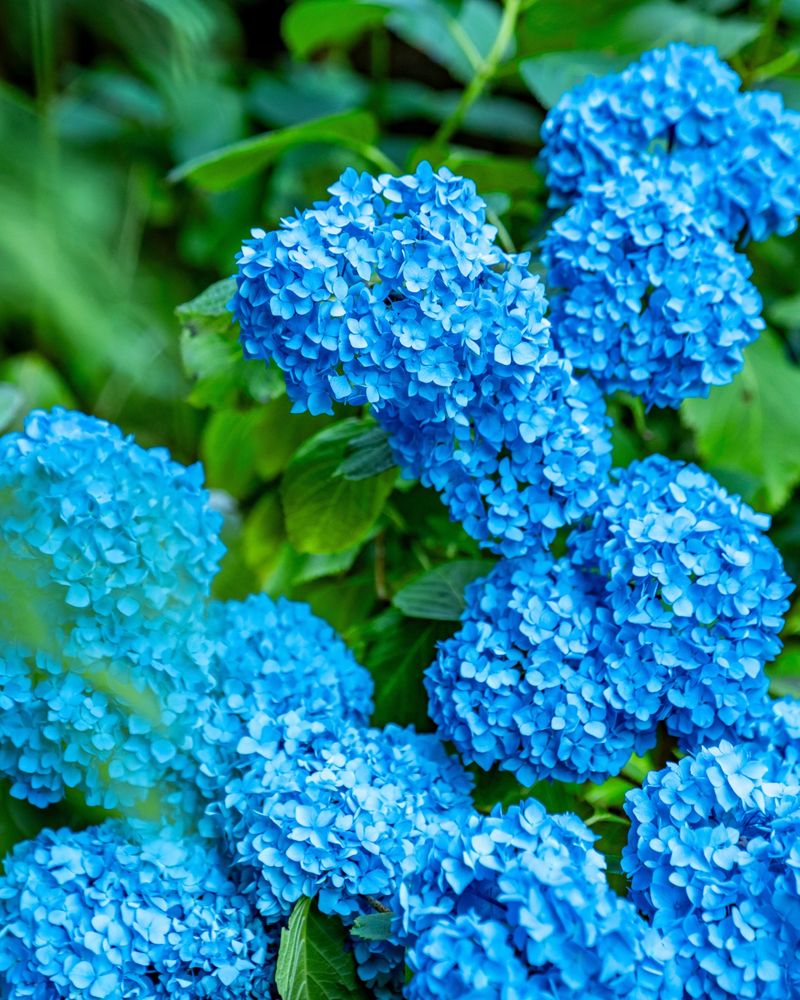
Picture next June: fat buds swelling at every stem tip, then color unrolling across the whole shrub instead of a few shy blossoms near the ground. That view is the reward for a lazy late summer.
Gardeners who stop cutting after midsummer often report their heaviest bloom the following year. Nothing changed but the calendar, which is the cheapest garden fix around.
The blooms also sit higher and spread more evenly, because the tips that carry the strongest buds stayed put. A shrub trimmed in fall tends to flower only where the cold could not reach, low and patchy.
There are quieter wins as well. Stems that harden properly handle winter wind better, and roots go into the cold season with a full tank of stored energy.
Old flower heads left standing catch frost in a way that makes a February morning worth photographing. Birds pick through them, and the papery domes hold snow like little cups.
Give it two seasons of this hands-off habit and the shrub settles into a rhythm. Bloom, rest, set buds, rest again, then bloom bigger.
The lesson is small enough to fit on a sticky note by the garden gloves: after July, admire and water, but leave the stems be. Your future self, standing in a cloud of blue and pink, will be glad you did.
Gardening rewards restraint more often than effort, and this is one of the clearest examples. Sometimes the best thing you can do for a plant is walk right past it.