10 Things To Do With Irises In Fall For Healthier Blooms Next Spring
The garden in late September smells like crisp leaves and warm soil. Everything looks a little tired, like a party guest who stayed too long.
Yet some plants are quietly plotting their big comeback under the dirt. They just need a few favors from you before the frost shows up.
Think of fall as backstage time before spring’s grand opening. A little effort now can turn a so-so show into a standing ovation.
You do not need fancy tools or a green thumb for this. A pair of gloves, a trowel, and a free afternoon will do nicely.
So grab a cup of tea and step outside. Your neighbors may think you are talking to the flower bed, and honestly, they are right.
1. Trim The Leaves Into Tidy Little Fans
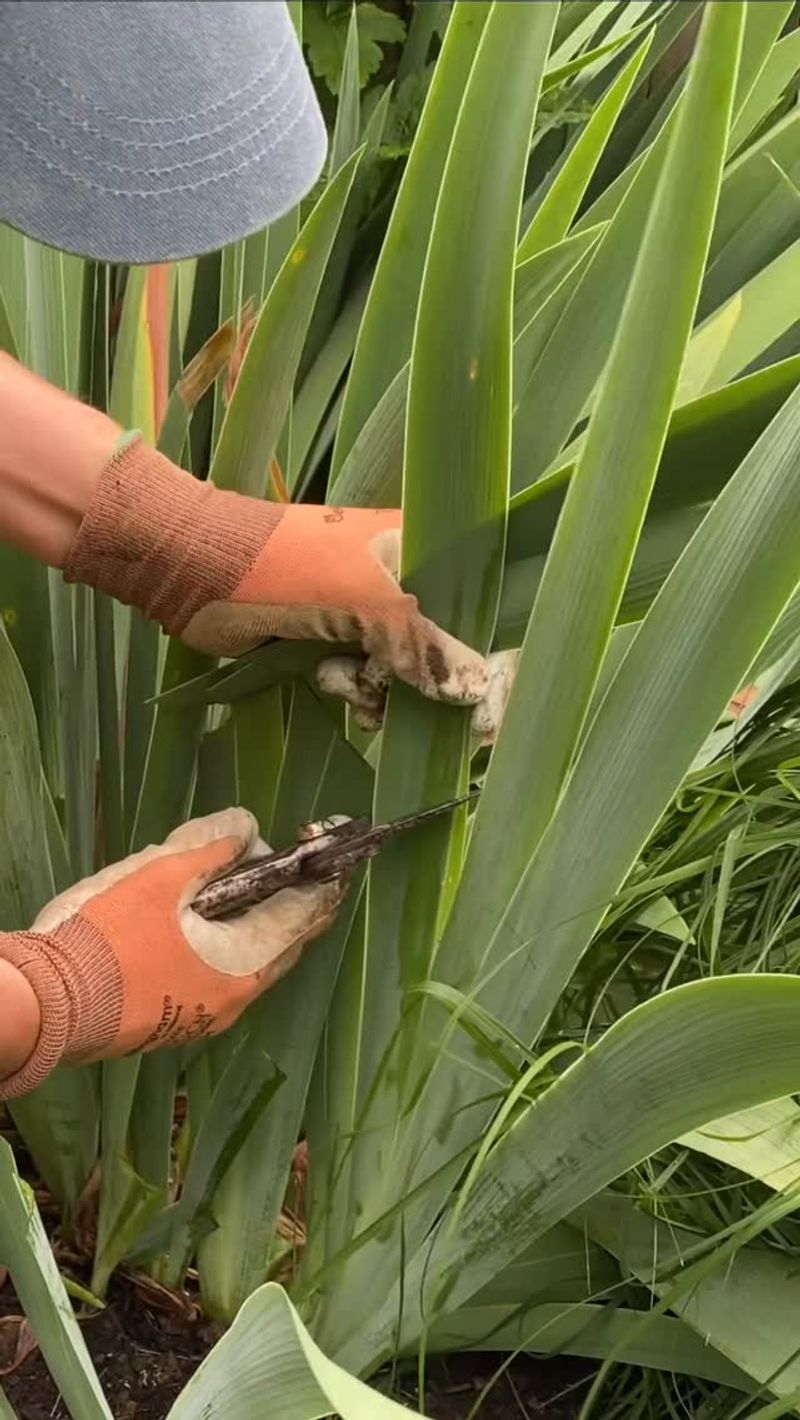
Picture a row of neat green fans lined up along your garden bed. Cutting iris leaves to about six inches creates that tidy look and helps the plant stay healthy through winter.
Long, floppy leaves can trap moisture and hide pests over the winter. Short fans let air flow freely and make it easy to spot trouble early on.
Use clean, sharp scissors or pruners for the job. Angle each cut slightly so rain slides off instead of pooling on top of the leaves.
Wait until the leaves start looking tired, usually in late September or early October. Green leaves still feed the roots, so do not rush the trim too early.
Toss the trimmings in the trash rather than the compost pile. Iris leaves can carry fungus spores and borer eggs that survive cold weather.
Wipe your blades with a clean cloth between clumps if you spot any blotchy leaves. This small habit helps keep leaf problems from traveling from one plant to the next.
Think of this step as giving your plants a fresh haircut before a big event. A clean start in fall sets the stage for sturdy stems in spring.
Many gardeners find this job oddly relaxing on a cool afternoon. Put on some music, grab a basket, and enjoy the quick transformation of your flower bed.
2. Divide The Crowded Clumps Before They Stop Blooming
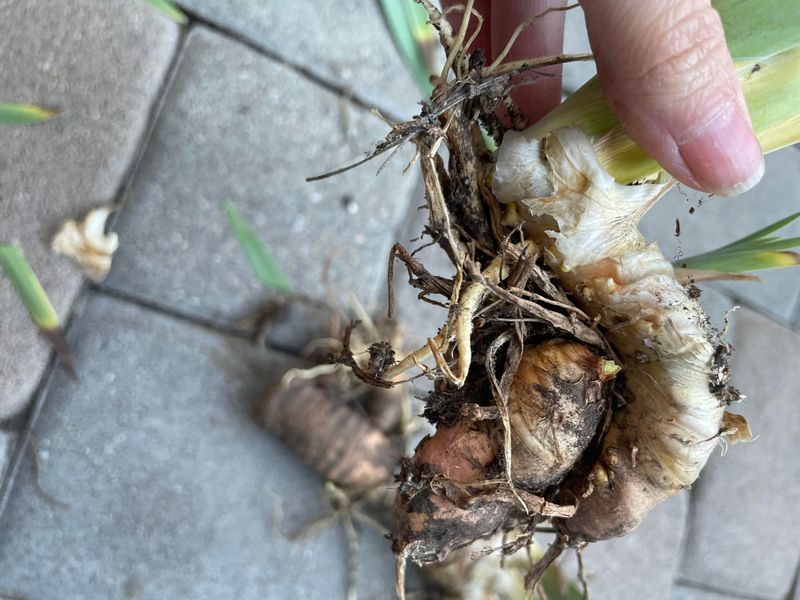
Here is a funny truth about irises. When they get too crowded, they make fewer flowers and mostly grow leaves out of pure grumpiness.
Every three to five years, your clumps need splitting. You will know it is time when the center looks bare and blooms get smaller each season.
Gently lift the whole clump with a garden fork. Shake off the soil so you can see the thick roots, called rhizomes, clearly.
Break or cut the rhizomes into pieces with a few leaves each. Each healthy piece should have one fan of leaves and a few firm roots.
Throw away any old, woody centers that look shriveled or soft. Those tired pieces rarely bloom well and can spread rot to new plantings.
Rinse the pieces gently with a hose and let them dry in a shady spot for a few hours. A short drying time helps the cut surfaces form a light seal before replanting.
Early fall is a good time because roots still have time to settle before winter. Aim to finish dividing at least six weeks before your first hard frost.
Bonus perk is that you get free plants from the extras. Share them with friends, trade with neighbors, or start a brand new flower bed somewhere sunny.
3. Replant The Rhizomes With Their Shoulders Showing
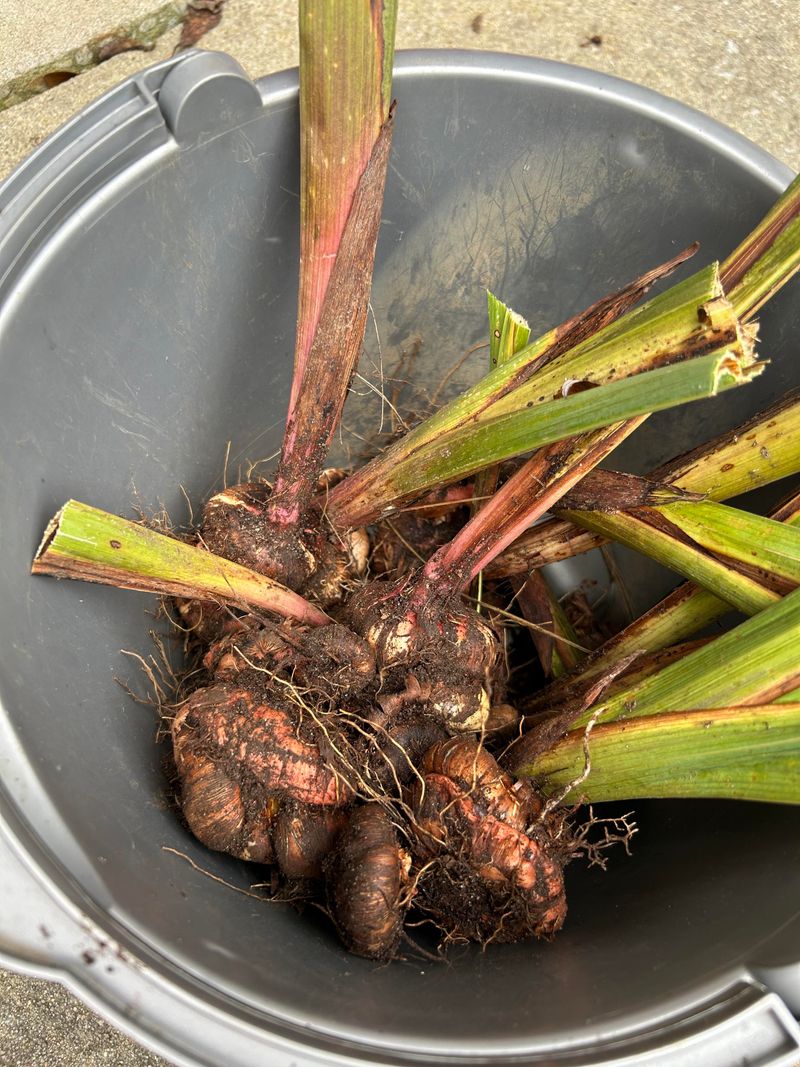
Irises love to sunbathe, which surprises many new gardeners. Planting them too deep is one of the most common reasons they refuse to bloom.
Choose a spot with full sun and well-drained soil before you start digging. Sloped ground or a raised bed works nicely if your yard tends to hold water.
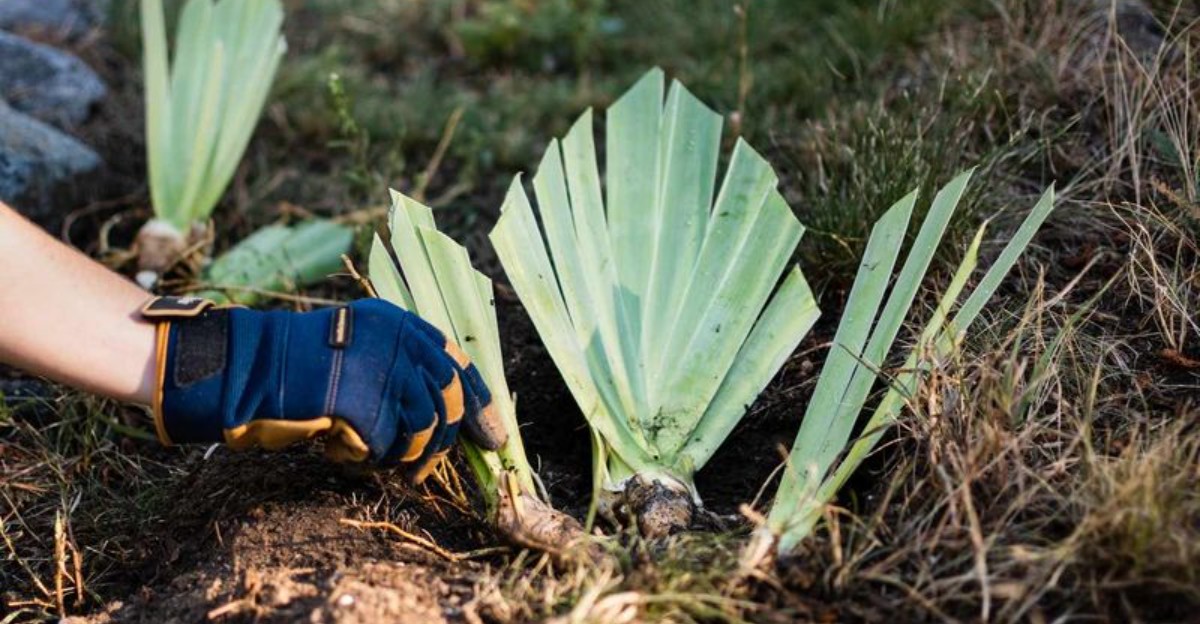
Dig a shallow hole and build a small mound of soil in the middle. Set the rhizome on top and spread the roots down the sides of the mound.
Cover the roots but leave the top of the rhizome peeking out. It should look a bit like a duck floating on a pond.
Space each piece about twelve to eighteen inches apart. That gap gives them room to spread for several years before needing division again.
Point the leafy fans in the direction you want them to grow. Facing them outward from a center makes a lovely, full clump over time.
Water lightly right after planting to settle the soil around the roots. After that, let nature take over and avoid soaking them.
In warm southern areas, a slightly deeper cover can protect from harsh sun. Colder northern gardens benefit from that exposed top, which soaks up warmth and ripens the rhizome.
4. Clear Away Debris To Chase Off Sneaky Borers
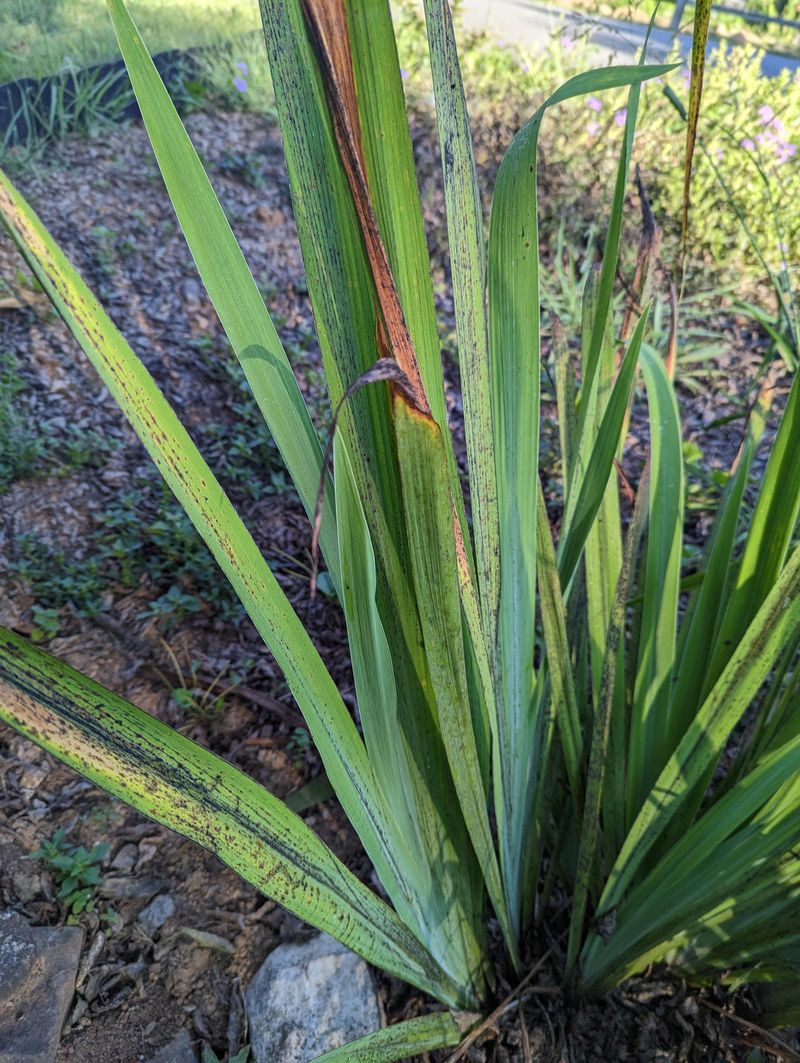
A pile of old leaves might look cozy, but it is a hotel for trouble. Iris borers lay their eggs on dry foliage in the fall.
Those eggs hatch in spring and the tiny caterpillars tunnel into the plant. They chew through rhizomes and leave behind mushy, smelly damage.
Raking the bed clean now helps break that cycle. Remove fallen leaves, old flower stalks, and any brown iris foliage you can find.
Cut any old flower stalks that are still standing down to the base. Dry stalks and leftover foliage can give moths extra places to lay eggs.
Gardeners often say that a clean bed in fall means a healthier bed in spring. It is a simple saying, and it holds up well in the garden.
Bag the debris and put it in the trash, not the compost. Home compost piles rarely get hot enough to stop the eggs from surviving.
While you are down there, check the rhizomes for small holes or soft spots. Catching problems early saves the rest of your planting.
This step takes maybe twenty minutes for a small bed. That short effort can protect years of gorgeous purple, yellow, and white blooms.
5. Give The Soil A Low Nitrogen Snack
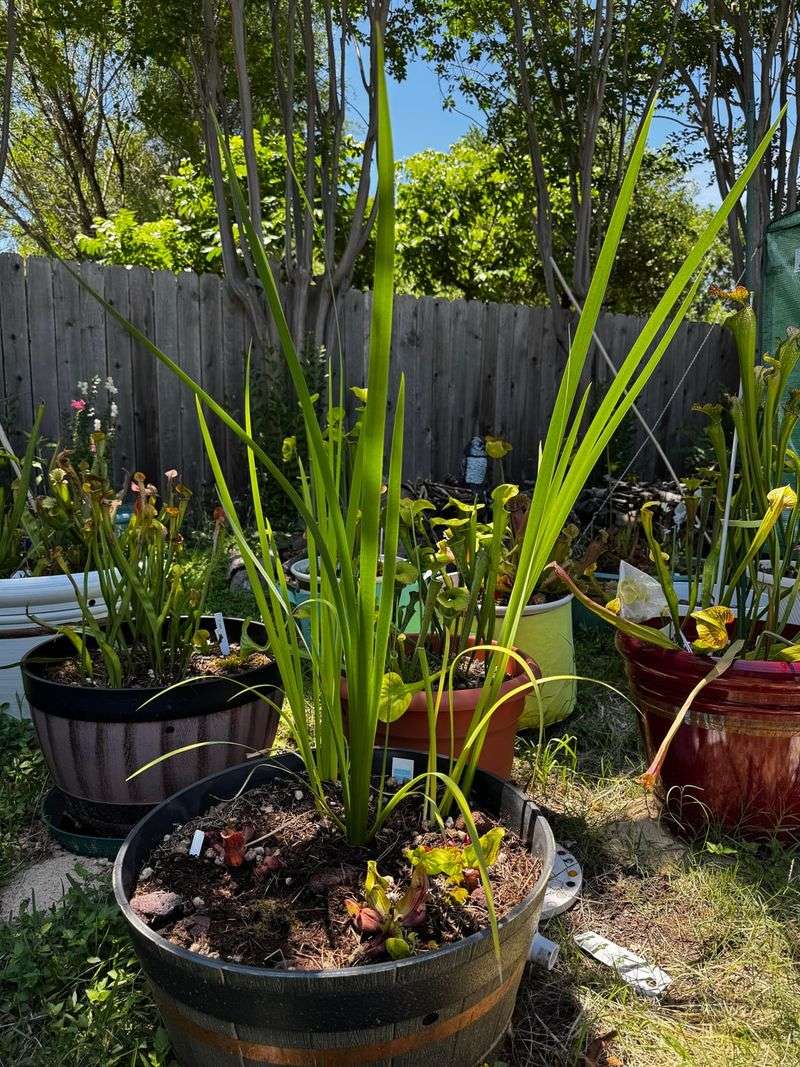
Feeding irises is a bit like feeding a picky toddler. They want the right snack, not a giant plate of whatever is handy.
Too much nitrogen makes lots of leaves but very few flowers. It can also make rhizomes soft and more likely to rot over time.
Instead, pick a fertilizer with a low first number, like 5-10-10. Bone meal or superphosphate also works well for boosting root strength and blooms.
Sprinkle a small handful around each clump, not directly on top. Scratch it lightly into the soil with your fingers or a small rake.
Water the area lightly afterward so the nutrients move toward the roots. Dry fertilizer left sitting on the surface can harm the tender bases of the leaves.
Early fall feeding helps roots store energy for the cold months ahead. That saved energy helps form plump buds when spring warms things up.
Skip heavy manure, which is packed with nitrogen. Irises prefer lean meals, so a little goes a long way.
Read the label and follow the amounts carefully. More food does not mean more flowers, and too much can cause the opposite result.
6. Test The Drainage Before Winter Rains Arrive
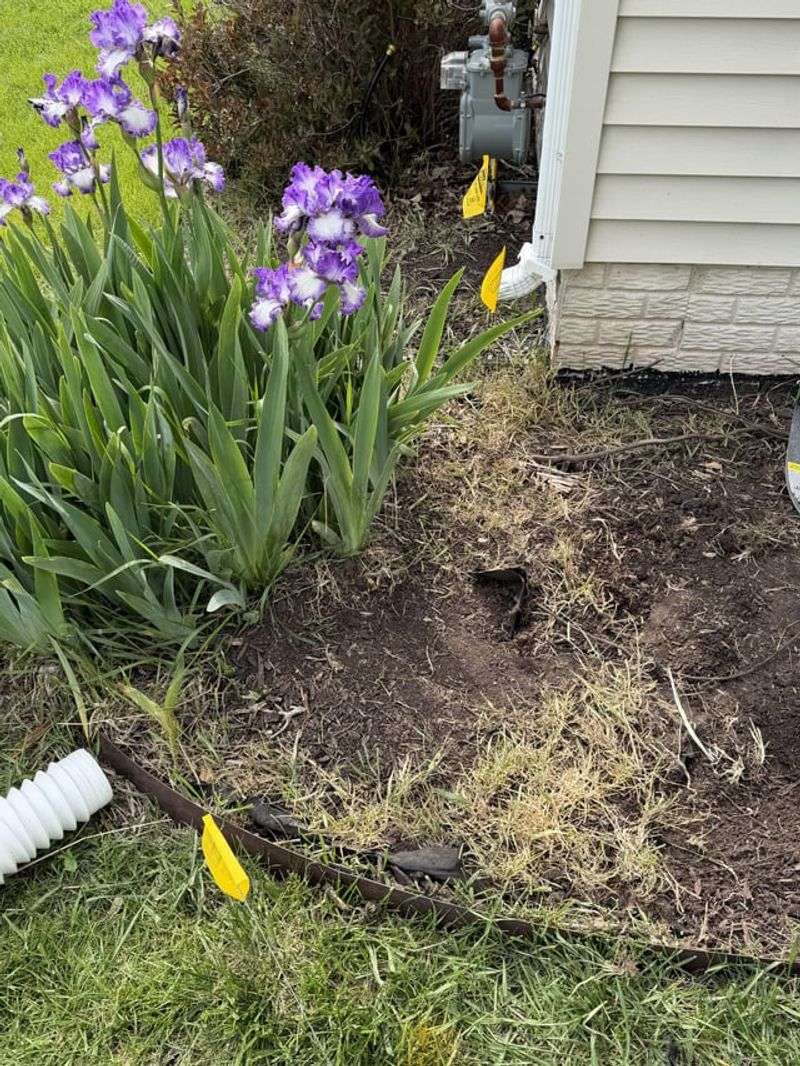
Soggy soil is a common iris problem. When water sits around the rhizomes, rot can set in quickly and blooms suffer.
Try a simple drainage test this month. Dig a hole about a foot deep, fill it with water, and time how fast it drains.
If the water drains away within a few hours, you are in good shape. Much slower drainage means your plants may struggle during wet winters.
Check the same spot again after a heavy rain to see how long puddles linger. Water that stays on the surface for a full day is a clear sign the bed needs help.
Heavy clay soil is often the culprit. Mixing in coarse sand, fine gravel, or compost helps loosen it and speed up drainage.
Raised beds are another smart fix for low spots. Even a few extra inches of height can keep rhizomes dry and happy.
Fun fact, many irises originally grew on rocky hillsides in Europe and Asia. That history explains their love of gritty, fast-draining soil.
Fixing drainage in fall gives the soil time to settle. By spring, your irises will be sitting pretty instead of sitting in puddles.
7. Skip The Thick Mulch Blanket Around The Rhizomes
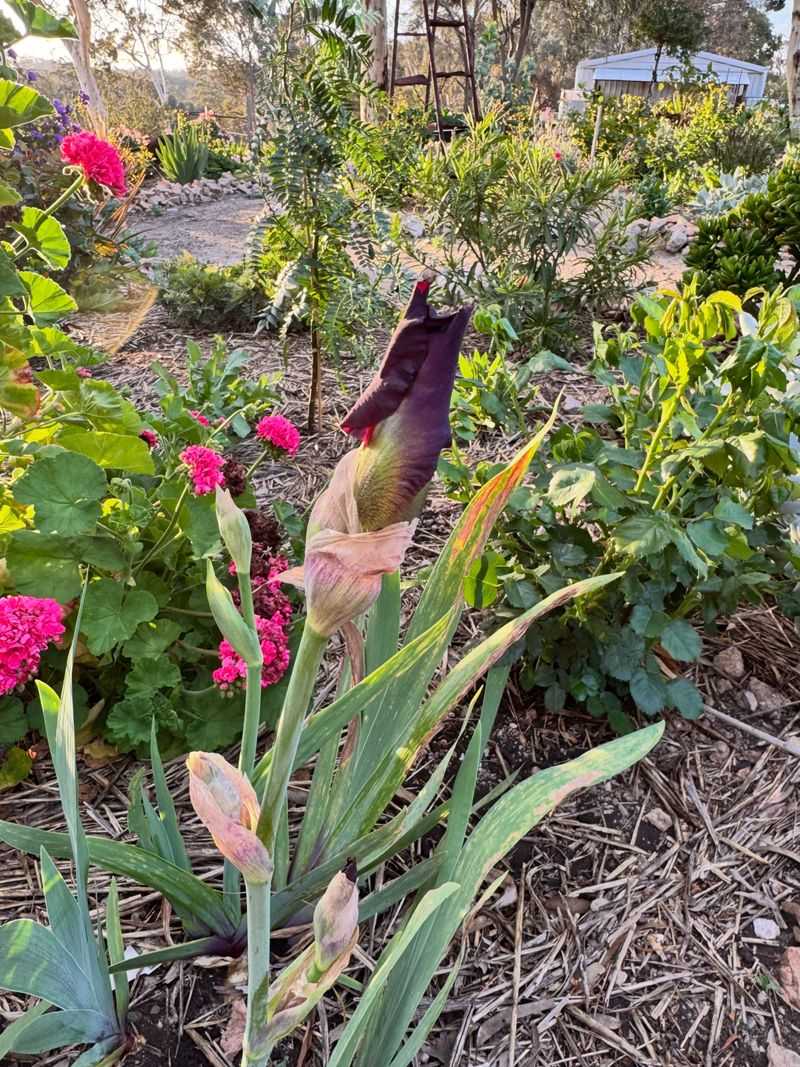
Most garden plants love a cozy mulch blanket, but irises are the rebels. Heavy mulch traps moisture right where these plants hate it most.
Wet mulch sitting on rhizomes invites soft rot and fungus. It also gives pests a warm, hidden place to spend the winter.
Keep regular mulch several inches away from the base of each plant. The rhizome tops should stay open to sun and fresh air.
Rake off any leaves that drift onto the bed every couple of weeks. Wet leaf piles act just like heavy mulch and hold moisture against the rhizomes.
Newly planted divisions in very cold areas are the exception. After the ground freezes, a light layer of pine needles or straw can help.
That loose cover stops freeze and thaw cycles from pushing roots out of the soil. Pull it away as soon as spring weather warms up.
Established clumps usually handle winter just fine on their own. They are tougher than they look, like a quiet kid who aces gym class.
Resist the urge to tuck them in too snugly. Giving irises breathing room is one of the kindest favors you can do.
8. Scout Out A Sunnier Spot For Shy Bloomers
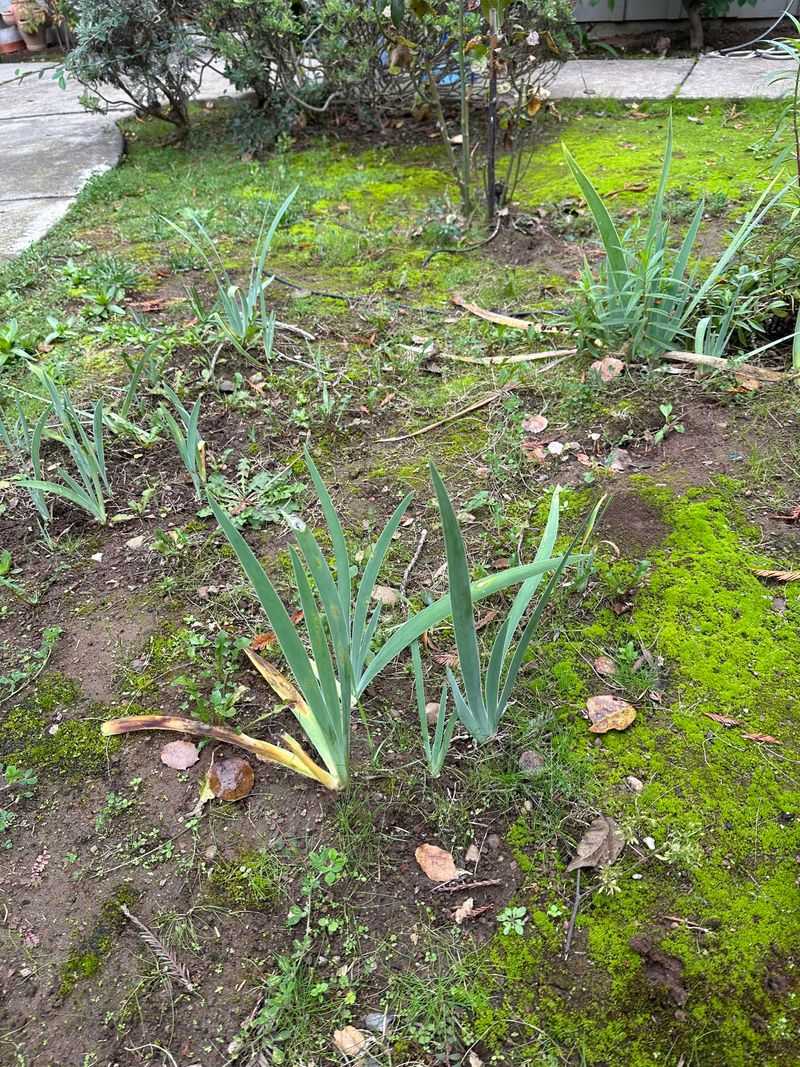
Did your irises give you plenty of leaves but hardly any flowers this year? Shade might be the sneaky reason behind the disappointing show.
Irises need at least six hours of direct sun each day to bloom well. Trees and shrubs grow over time and slowly steal that light.
Walk your garden on a sunny day and watch the shadows. Note which spots stay bright from late morning through the afternoon.
Fall is a good time to move struggling plants to a better location. Cooler temperatures reduce stress while roots settle into new soil.
Mark the new spot with a stake before you dig up anything. That way you can move the plants quickly and keep the roots from drying out in the open air.
Look for places with good air flow too. A breezy, bright spot helps leaves dry quickly after rain and keeps disease away.
Along a sunny fence or driveway edge often works beautifully. Reflected heat from pavement can even help the rhizomes ripen.
Moving plants takes a little muscle, but the payoff is huge. Next spring, those shy bloomers might become the loudest color in the yard.
9. Water Wisely As The Weather Turns Cool
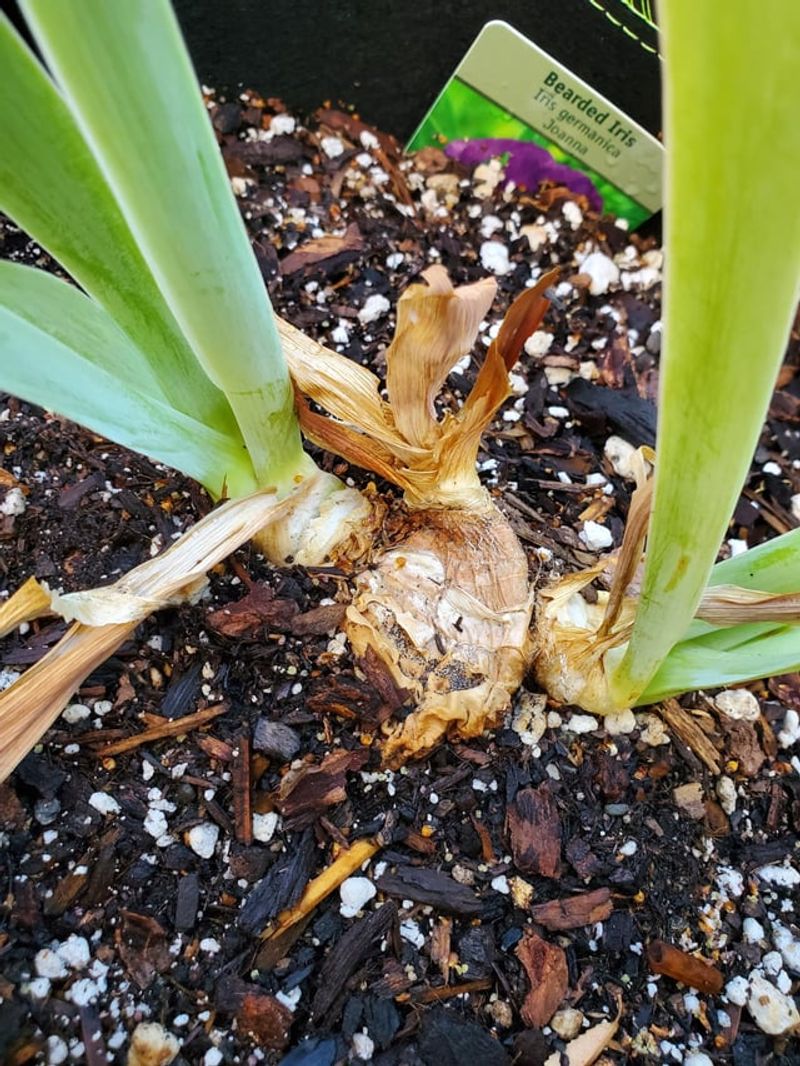
Watering in fall is a balancing act, like walking a tightrope with a watering can. Too little dries out new roots, while too much invites rot.
Freshly divided irises need a light drink every week or so. That moisture helps them grow roots before the ground gets cold.
Established clumps usually need very little help once autumn rains begin. Stick a finger in the soil and water only when it feels dry an inch down.
Morning is the best time to water. Leaves and soil dry out during the day, which lowers the chance of fungus.
Aim the water at the soil instead of splashing the leaves. A watering can with a long spout makes this simple and tidy.
Pull weeds gently as you water so young roots do not have to compete for moisture. A quick pass along the bed every week or two keeps the soil open and airy.
Stop regular watering once the ground starts to freeze. Plants go dormant and extra moisture just sits around causing problems.
Paying attention to the weather makes this job easy. Let the rain do most of the work and step in only during dry spells.
10. Label Your Colors Before Memory Fades
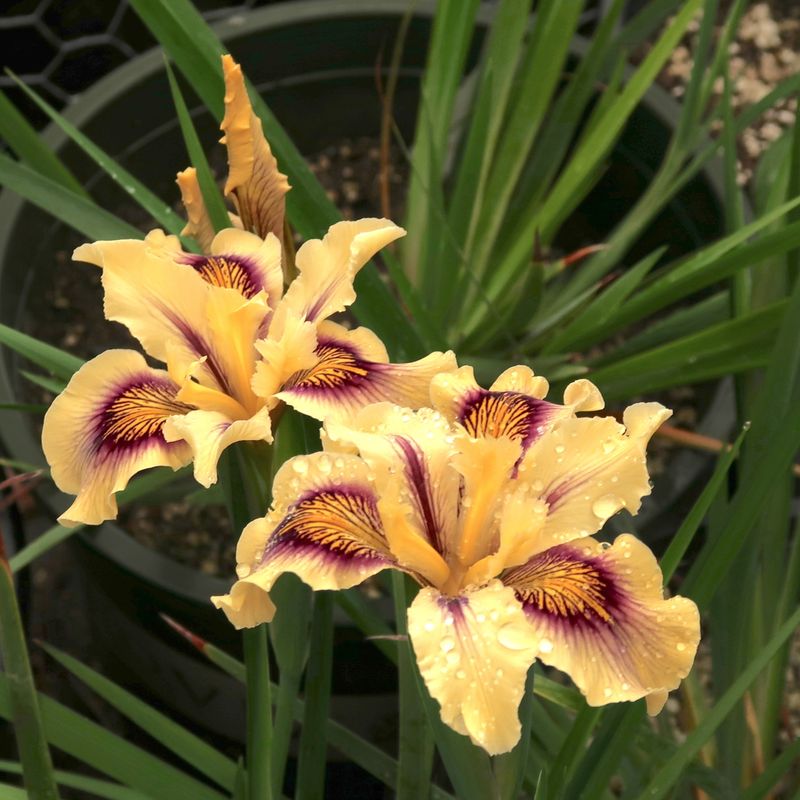
Many gardeners find themselves asking the same question each spring. Wait, which one was the ruffled purple beauty?
Many irises look very similar once the flowers fade. Labeling them now saves confusion when you plan, trade, or divide plants later.
Use sturdy metal or plastic markers that survive snow and sun. Write the variety name or color with a waterproof paint pen.
Push each marker deep so frost does not heave it out. Placing it on the same side of every clump keeps things organized.
A simple garden map is a helpful backup. Sketch your beds in a notebook and note where each color lives.
Jot down the size of each clump when you label it. Those notes come in handy when you decide which ones to divide next year.
Some gardeners snap photos during bloom season and match them to their map. That combo makes planning next year’s color scheme surprisingly fun.
Labels also make sharing easier when friends ask for a piece. Handing someone a division is easier when you know exactly what they are getting.