Why Hummingbirds Chase Each Other Away From Pennsylvania Feeders
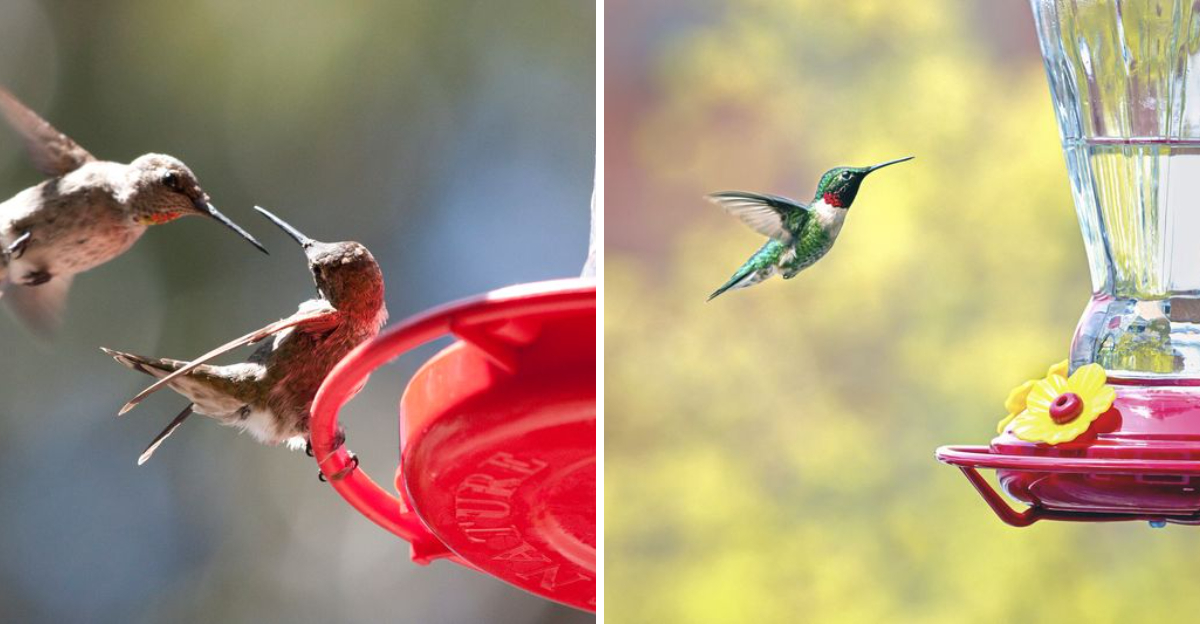
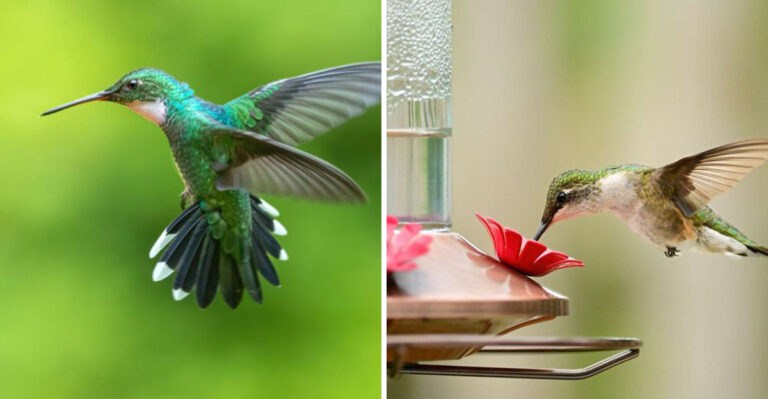
If you’ve been watching your Pennsylvania hummingbird feeder lately, you’ve probably seen the drama unfold. One bird settles in to feed and within seconds another dives in from nowhere, sending the first one off in a blur of wings and sharp protest calls.
Then a third appears and the whole thing starts over again. But there’s a real reason behind all of it.
Hummingbirds chasing each other away from feeders is not random aggression. It’s behavior driven by specific biological and seasonal pressures that become particularly intense during fall migration.
Pennsylvania sits along a busy migration corridor, and the competition at feeders reflects exactly how much is happening in the hummingbird world right now.
Understanding what’s driving the behavior changes how you interpret what you’re seeing and, more practically, what you can do to make the situation work better for the birds.
1. They’re Defending A Reliable Food Source
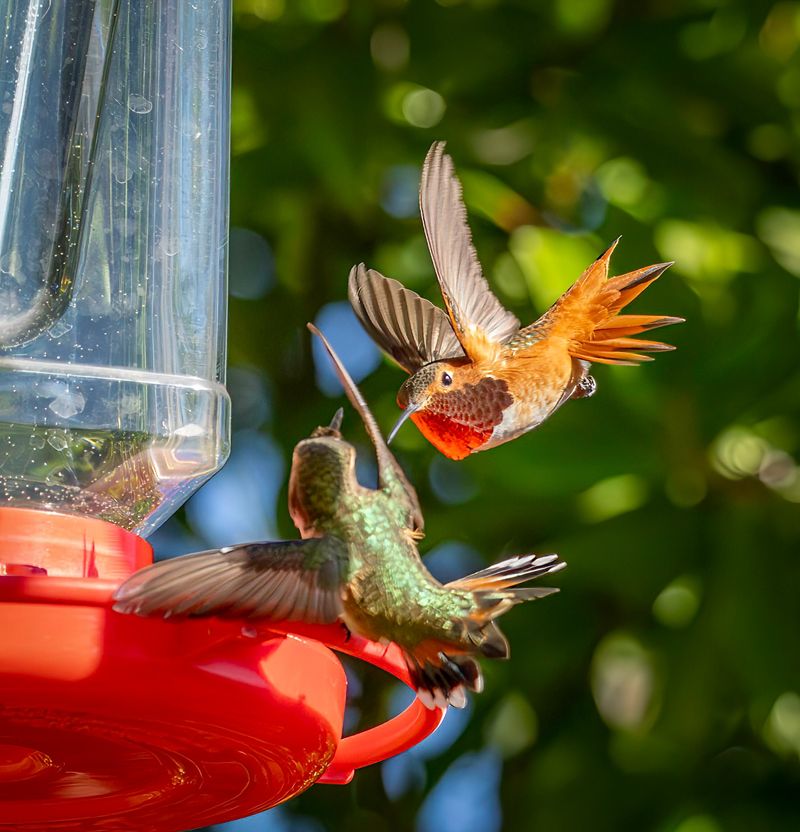
Picture a feeder as a tiny gold mine filled with sweet nectar. To a hummingbird, that steady supply of sugar water is worth fighting for.
Wild flowers only give a little nectar at a time, and they can dry up fast. A feeder, on the other hand, never seems to run out. That makes it one of the most valuable spots in the whole yard.
Because the food is so rich and easy to reach, a hummingbird will often try to claim the feeder as its own. It sees the feeder the way a shopkeeper sees a busy store. The bird wants all that energy for itself, so it guards the area closely.
You might notice one bird sitting on a nearby branch, keeping watch. The moment another hummingbird flies in, the guard rushes over to chase it off. This is not about being cruel. It is simply smart survival.
Hummingbirds burn energy at an amazing rate, so a dependable meal helps them stay strong. Protecting that meal gives them a real advantage.
If you want to ease this fighting, try placing your feeder where the guarding bird cannot see the whole thing at once. Adding leafy plants or moving the feeder near a bush can break up its line of sight.
When the guard cannot watch every visitor, it gives up trying to control the feeder.
Over time, more birds will feel welcome. You will get to enjoy a busier, more peaceful feeding station right outside your window.
2. One Hummingbird Has Established Dominance
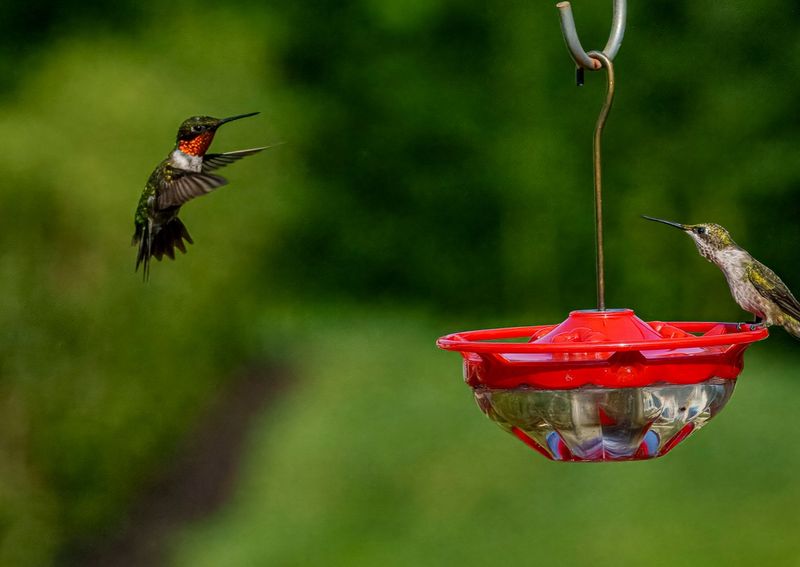
In many yards, there is one bold bird that acts like the boss. This dominant hummingbird decides who gets to eat and who gets chased away.
Hummingbirds have a clear pecking order, much like kids picking teams on a playground. The strongest or most stubborn bird takes charge, and the others learn to stay back.
Once a bird earns this top spot, it works hard to keep it. It will perch on a high branch or a wire where it can see everything. From there, it launches quick attacks on any visitor that dares to sip nectar.
Your Pennsylvania Garden Changes Every Week. Your Plan Should Too.
Gardening in Pennsylvania changes quickly throughout the season. Every Friday you’ll receive a simple weekly plan showing exactly what to plant, prune, fertilize, harvest, and protect so you never miss the right timing.
You might see the same bird doing this day after day. It often chooses the same perch and the same routine. That habit helps it feel in control of the whole feeding area.
Sometimes this boss bird gets so busy chasing others that it barely eats itself. It spends more energy guarding than feeding, which can wear it out.
To help the shy birds get a turn, you can add a second feeder far away from the first. The dominant bird cannot patrol both spots at once. While it guards one, the quieter birds enjoy the other.
Another trick is to place feeders around a corner or on different sides of your house. This breaks up the boss bird’s kingdom into pieces it cannot fully rule.
With a little planning, you take away that bird’s power to hog everything. Then every hummingbird in the neighborhood gets a fair chance at a sweet snack.
3. Natural Nectar Is Limited
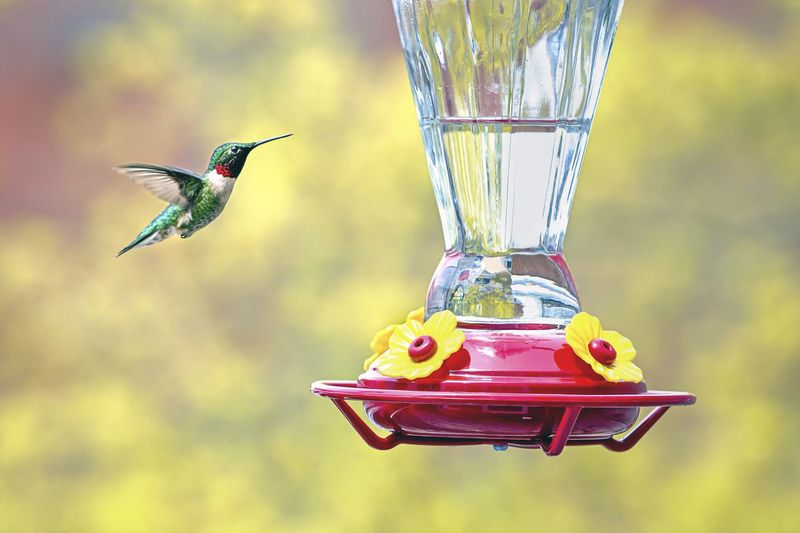
Flowers do not bloom all year long, and that changes how hummingbirds act. When natural nectar becomes scarce, your feeder suddenly becomes the star of the show.
During certain seasons in Pennsylvania, many plants stop flowering. Hot, dry weather can slow down blooms, and cooler months bring fewer flowers too. With less food in nature, birds crowd around whatever they can find.
Your feeder stays full even when the garden looks bare. That makes it the top choice for hungry hummingbirds. More birds arriving at one spot means more chances for a chase.
The competition heats up because every bird wants that reliable sugar water. When food is easy to find in flowers, hummingbirds spread out and relax. When it is hard to find, they fight harder for each sip.
You can spot this pattern by paying attention to the seasons. If chasing gets worse during a dry spell, low nectar is likely the cause.
One helpful step is to plant native Pennsylvania flowers that bloom at different times of the year. Salvia, fuchsia, and penstemon are great picks for these birds. When your garden offers more natural food, the pressure on your feeder drops.
Keeping your feeder clean and full also matters during these lean times. A fresh supply of nectar means fewer birds squabble over a half-empty feeder.
By mixing flowers with feeders, you spread the food around your whole yard. That gives hummingbirds more places to eat and fewer reasons to chase each other away.
4. The Feeder Sits Inside A Bird’s Territory
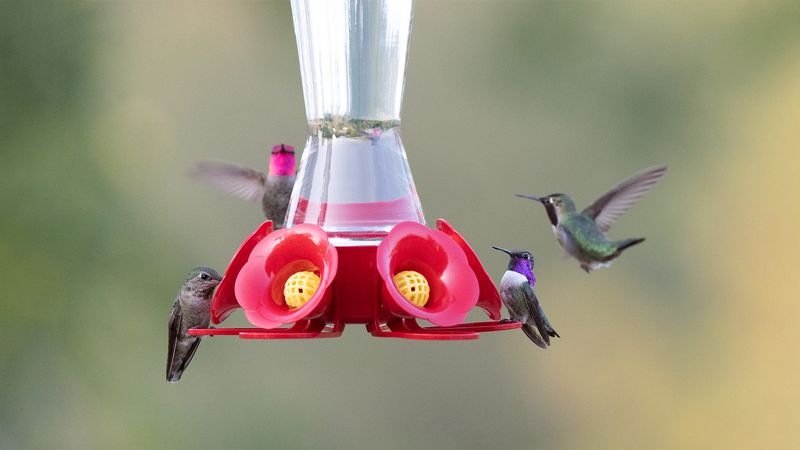
Every hummingbird likes to have its own patch of land, sort of like a home base. When your feeder lands inside that patch, it becomes part of the bird’s protected zone.
Hummingbirds mark out territories that include food, perches, and shelter. They know the borders of their space very well. Anything valuable inside those borders gets defended.
Hang a feeder in the middle of a bird’s territory, and you have just added a treasure to its kingdom. The bird will treat it like part of the family. That means it will chase off anyone who tries to visit.
The size of a territory can change based on how much food is around. A bird might guard a small area packed with flowers or a larger one with fewer blooms. Either way, a feeder inside that space becomes a prize worth protecting.
You can tell a feeder sits in a territory when the same bird keeps returning and driving others off. It acts like it owns the place because, in its mind, it does.
To lower the tension, try moving the feeder to the edge of the yard or into a spot the bird does not use as often. Sometimes a small change in location makes a big difference.
Placing feeders in open areas can also help, since some birds prefer to guard hidden corners. When the feeder feels less like a private prize, the guarding may ease.
Understanding a bird’s territory helps you place feeders in smarter spots that welcome more visitors.
5. Several Birds Are Competing For The Same Feeder
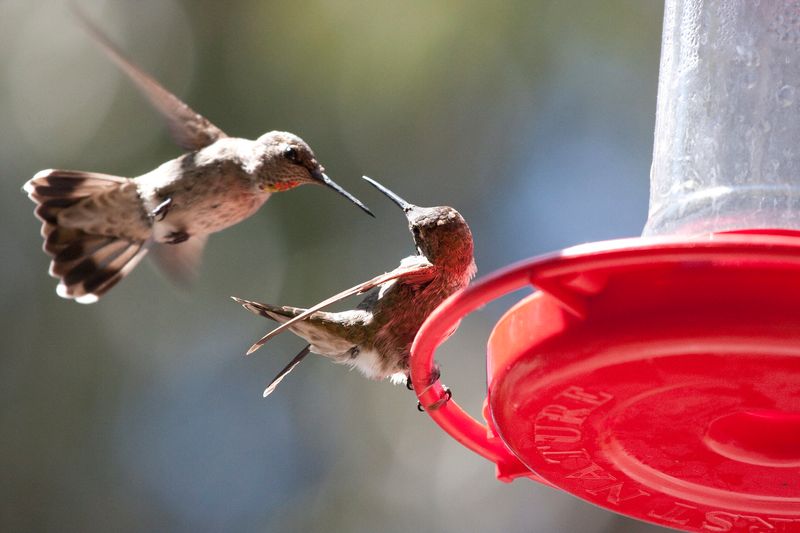
Put a bunch of hungry birds around one small feeder, and you get a busy, buzzing scene. The more birds that show up, the more chasing you are likely to see.
A single feeder can only hold so many ports for drinking. When too many hummingbirds want a turn, they bump into each other and start scrapping. It is like a crowded water fountain at recess.
Each bird wants the best spot, and none want to wait in line. That creates lots of quick chases as they jockey for position. The action can look wild, with birds zipping in every direction.
In Pennsylvania, Ruby-throated Hummingbirds are the species most commonly seen at feeders. Rufous Hummingbirds and other western species occasionally appear, especially during fall migration.
With so many visitors, the odds of a chase go way up. Crowding also stresses the birds out. They spend energy fighting instead of feeding, which is not good for anyone.
The easiest fix is to give them more room to eat. A feeder with several ports spread far apart lets more birds drink at once. Some feeders are even designed to block birds from seeing each other while they sip.
You can also refill feeders often so there is always plenty to go around. When food feels endless, birds have less reason to squabble.
Watching a crowded feeder can be a blast, but a calmer setup lets you enjoy the birds even more. A little extra space turns chaos into a peaceful parade of tiny visitors.
6. Multiple Feeders Can Reduce Competition
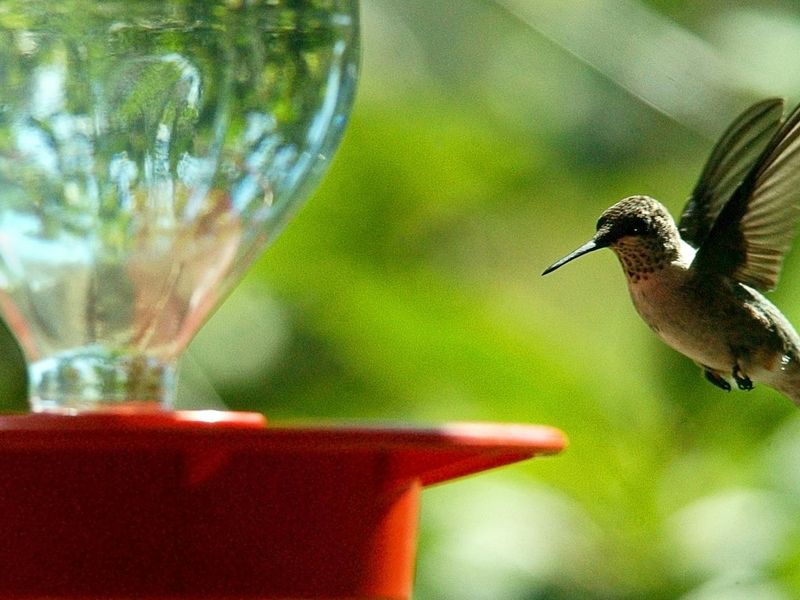
Here is some good news for anyone tired of watching endless chases. Adding more feeders around your yard can bring a lot more peace.
When there is only one feeder, a single bird can guard it easily. But spread several feeders far apart, and no bird can watch them all.
This simple trick spreads out the crowd. The key is distance. Feeders placed close together are easy for one bird to patrol.
Feeders on opposite sides of the house, or hidden around corners, are much harder to control.
Think of it like sharing snacks at a party. If all the food sits on one table, people cluster and bump elbows. Spread the food across several tables, and everyone finds room.
With more feeding spots, shy birds finally get a chance to eat in peace. The bossy bird can only be in one place at a time. While it guards one feeder, others sip happily somewhere else.
You do not need fancy equipment to make this work. Even a few simple feeders placed thoughtfully can change the whole mood of your yard.
Try hanging one feeder near a window and another by a tree across the yard. Keep them out of sight from each other for the best results.
You will likely notice more birds visiting overall, since the fighting drops. That means more colorful action for you to enjoy from every angle.
Spreading out feeders is one of the kindest and easiest ways to help Pennsylvania’s hummingbirds share the wealth all season long.