How Michigan Gardeners Can Keep Newly Sown Fall Seeds Moist In Sunny Weather
Keeping newly sown seeds moist is one of the trickiest parts of fall planting when Michigan weather turns sunny and warm.
Newly sown seeds depend on adequate moisture around the seed to begin germination and establish their first roots. Sunny, dry stretches can pull moisture out of the top layer of soil surprisingly fast, sometimes within just a few hours.
If the seedbed dries out during germination, some seeds may stop developing, emerge unevenly, or fail to establish. This makes moisture management especially important right after seeding, before deeper roots can take over the job of finding water.
Here’s how Michigan gardeners can keep newly sown fall seeds consistently moist, even when sunny weather makes that harder than usual.
1. Keep The Seed Zone Consistently Moist
Right below the surface of your garden bed is where the real magic happens. Seeds soak up water to wake up and begin growing, and that first sip of moisture kicks off the whole process. When the soil around them stays damp, sprouting moves along smoothly.
Trouble shows up when the seedbed dries out over and over. Repeated wetting and drying during germination can interfere with successful germination and establishment. Sometimes a seed that dries out at the wrong moment simply stops growing altogether.
Think of the top inch of soil as a nursery that needs to stay soft and moist. Sunny Michigan afternoons pull water out of that layer quickly, so checking it often matters more than you might guess. A quick touch tells you a lot.
Aim for soil that feels like a wrung-out sponge, damp but not soggy. Too much water can cause other problems, so you want steady moisture, not a swamp. Light, frequent watering usually works better than one heavy soak during this early stage.
Once seeds sprout and push out roots, they become a little tougher and can handle small dry spells. Until then, they depend on you to keep that surface layer just right. Watching it closely during the first week or two makes the biggest difference.
Steady moisture gives every seed a fair chance to grow, and that early care pays off with a fuller, healthier fall garden.
2. Check The Soil Instead Of Following A Rigid Schedule
Watering by the clock sounds easy, but nature rarely follows a calendar. One day might be cool and cloudy, and the next could turn hot and breezy. A fixed schedule ignores all those changes and can leave your seeds too dry or too wet.
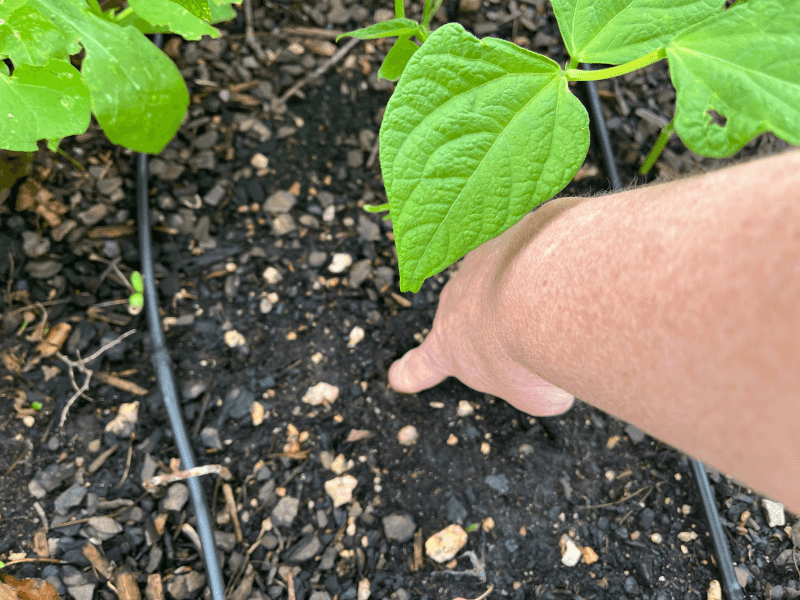
A smarter move is to check the soil itself before you reach for the hose. Press a finger about an inch into the bed and notice how it feels. If it comes up dry and crumbly, it is time to water.
If it feels cool and damp, you can wait. Michigan weather likes to keep gardeners guessing. Sunlight, temperature, wind, and rainfall all change how fast your seedbed dries. A sunny, windy afternoon can pull moisture out much faster than a calm, gray morning.
Your Michigan Garden Changes Every Week. Your Plan Should Too.
Gardening in Michigan changes quickly throughout the season. Every Friday you’ll receive a simple weekly plan showing exactly what to plant, prune, fertilize, harvest, and protect so you never miss the right timing.
Rain adds another twist. After a good soaking storm, your bed may stay damp for a day or two, which means you can skip watering and save yourself the trouble. Watering wet soil just wastes water and can harm tender seeds.
Soil type plays a part too. Sandy soil drains quickly and dries fast, while soil with more clay or compost holds water longer. Knowing your own garden helps you make better calls.
Letting the soil guide you keeps your seeds in that sweet spot of steady moisture. It takes only a few seconds to check, and those seconds help you avoid overwatering and underwatering. Paying attention beats guessing every single time.
3. Water Gently So Seeds Stay In Place
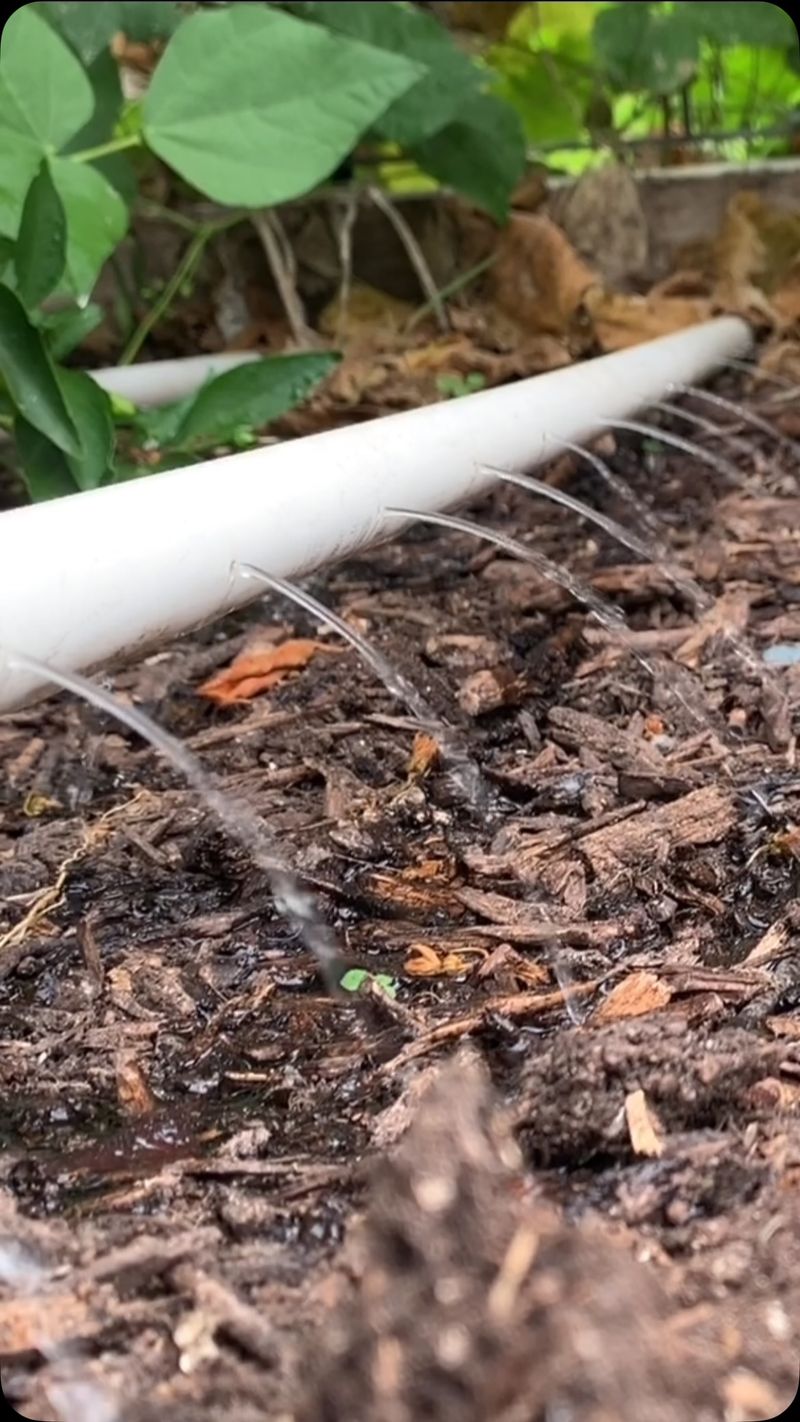
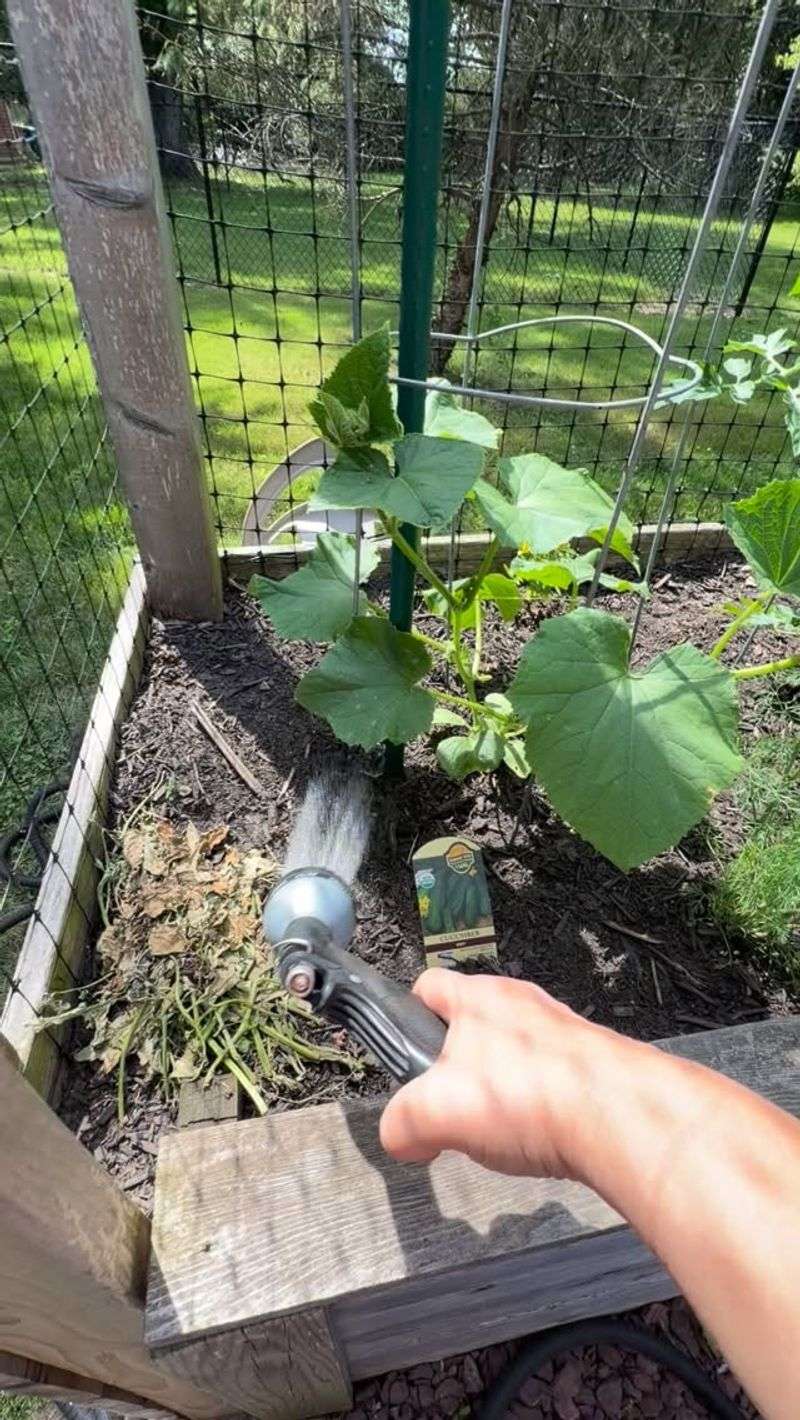
A strong blast from a hose can undo all your careful planting in seconds. Seeds sit near the surface, so a heavy stream can push them around, bury some too deep, and wash others right out of the bed. Gentle watering keeps everything where it belongs.
The best tools give you a soft, misty flow. A watering can with a fine rose head or a hose nozzle set to a light shower works wonderfully. You want the water to fall like a gentle rain, not a pounding storm.
Picture how a slow drizzle soaks into the ground without making puddles or carving little channels. That is the effect you are after. The soil drinks the water evenly, and your seeds stay snug in their spots.
Move slowly as you water and cover the whole bed a few times with light passes. Several soft sweeps beat one heavy dump. This lets the moisture sink in without pooling on top or running off the sides.
If you notice tiny seeds showing on the surface after watering, that is a sign the flow was too strong. Ease up and gently cover them again with a thin bit of soil. Then switch to a softer spray next time.
Early mornings are a great time for this gentle routine, since the water has all day to soak in before the sun climbs high. Treat your seedbed with a light touch, and you will help every seed settle in and sprout without getting knocked out of place.
4. Use A Thin Mulch To Hold Moisture
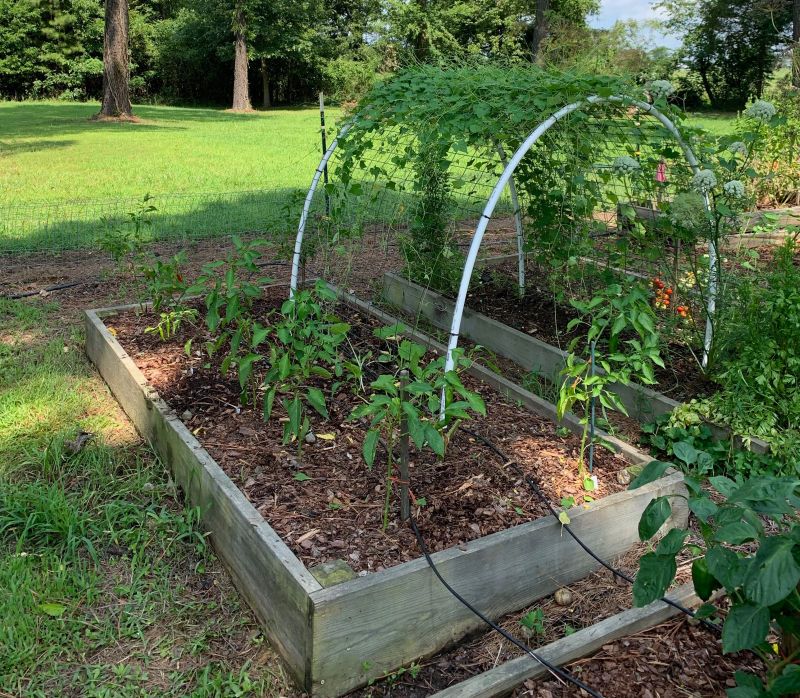
A light blanket of mulch can be your seedbed’s best friend during sunny stretches. Spread thinly across the surface, it shields the soil from the sun and slows down how fast water disappears into the air. That means your bed stays moist longer between waterings.
Michigan State University Extension points out that mulch helps steady the seedbed and cut down on evaporation. Good choices include a light layer of straw, grass clippings, or fine compost. Each one lets air and water pass through while keeping the soil cooler.
Beyond holding water, mulch also protects your seeds during heavy rain or watering. Without a cover, big drops can splash soil around and expose shallow seeds. A thin mulch softens that impact and keeps everything in place.
Spread it just enough to lightly shade the ground, so you can still see bits of soil peeking through. The goal is a gentle cover, not a thick pile. Too much can cause its own problems, which the next tip explains.
Mulch also helps keep the surface from forming a hard crust after it dries. A crust can make it tough for tiny sprouts to push through. With a soft mulch layer, the soil stays loose and welcoming.
As a bonus, materials like compost slowly feed the soil as they break down, giving your young plants a little boost. Adding a thin, thoughtful layer is one of the easiest ways to keep fall seeds moist and comfortable while the sun does its thing.
5. Do Not Bury Small Seeds Under Heavy Mulch
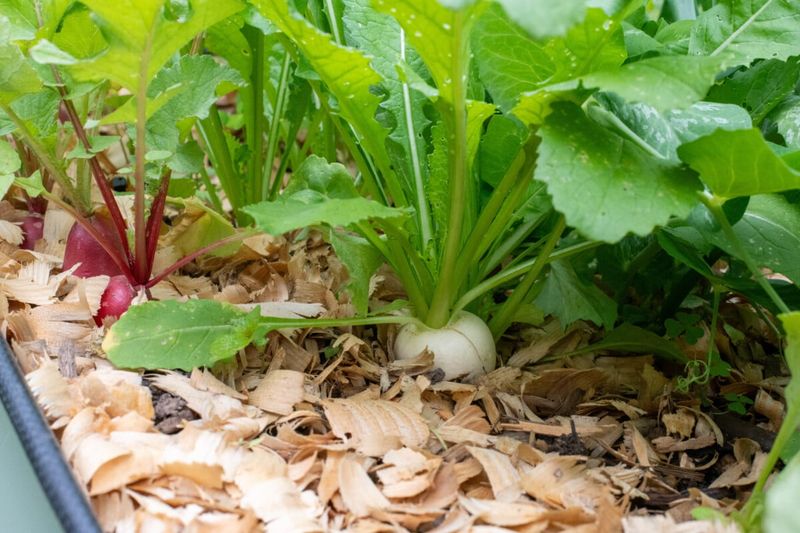
Mulch is helpful, but piling it on too thick can cause the opposite of what you want. Small seeds need to reach the surface soon after sprouting, and a heavy layer can block their path. The lighter the mulch, the easier their journey.
Imagine a tiny sprout the size of a thread trying to push up through a deep pile of straw. It runs out of energy before it ever sees the sun. Keeping the cover thin gives those little shoots a fair shot at reaching daylight.
Fine seeds are especially sensitive to this. Big seeds like beans have more stored energy and can shove their way through more material. Small seeds like lettuce or carrots have only a little fuel, so they need an easy exit.
A good rule is to spread mulch so light and air still reach the soil. You should see patches of ground through the layer. If the surface looks completely hidden, you have probably added too much.
Depth matters just as much for the seeds themselves. Planting small seeds too deep, then topping them with heavy mulch, doubles the barrier. Follow the seed packet for planting depth and keep mulch feather-light on top.
Once your seedlings pop up and look sturdy, you can add a bit more mulch around them if you like. At the sprouting stage, though, less is truly more. A gentle, airy cover keeps moisture in without trapping your seeds beneath a load they cannot escape.
6. Give Exposed Seedbeds Temporary Shade
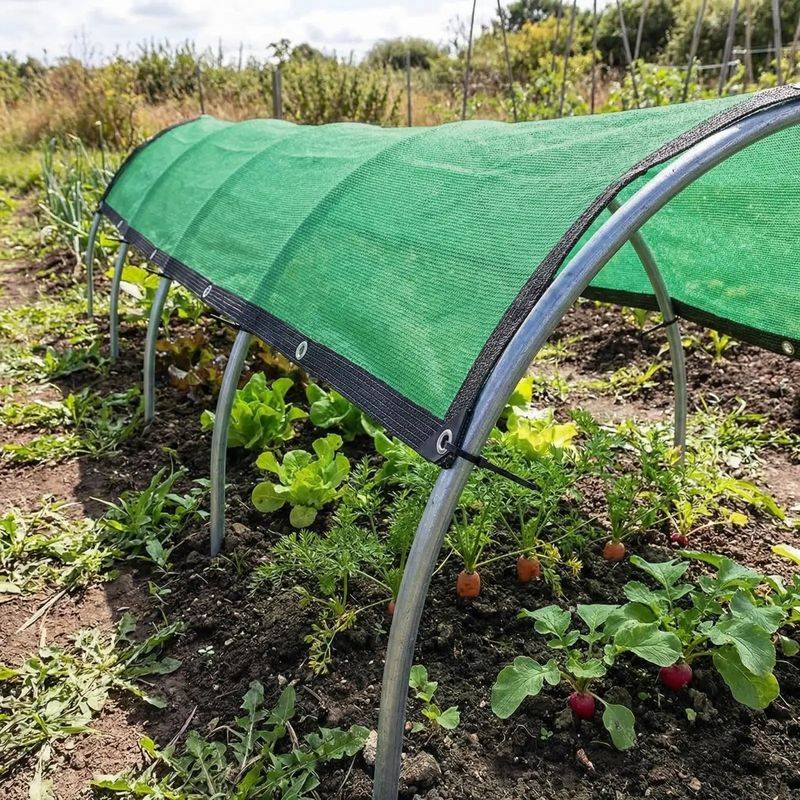
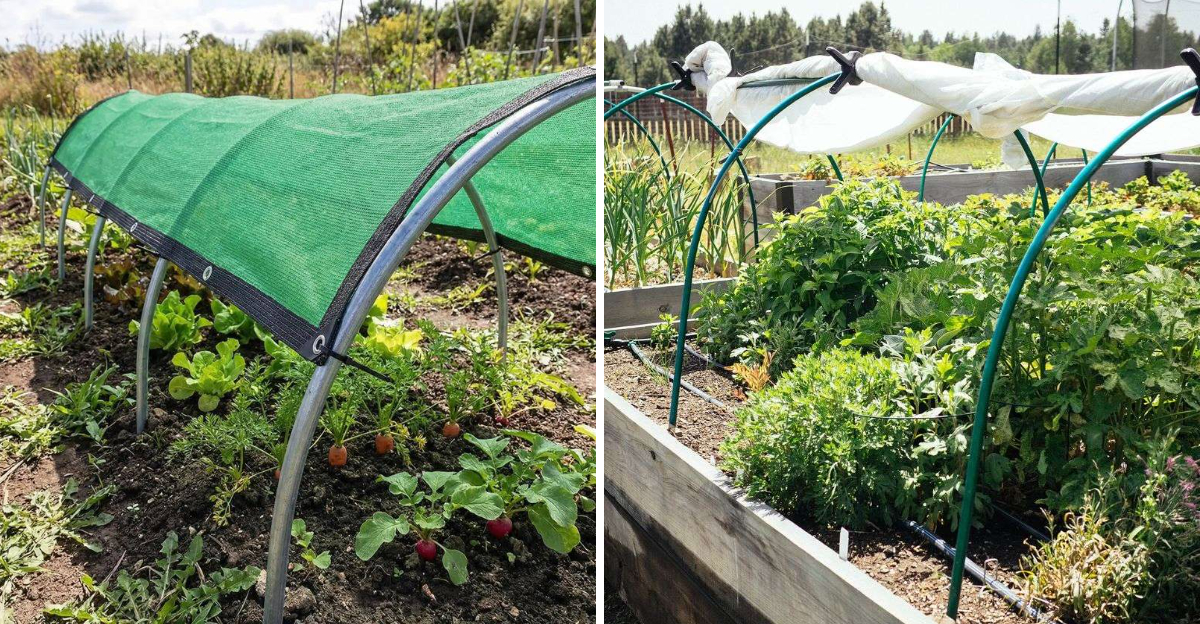
When the fall sun turns surprisingly strong, a little shade can save your seedbed a lot of stress. Direct sunlight heats the surface and speeds up evaporation, so the soil dries out before you know it. A temporary cover helps slow that down.
You do not need anything fancy. A piece of light shade cloth, a row cover, or even an old bedsheet propped on stakes works well. The idea is to soften the harsh midday rays while still letting plenty of light through.
Shade also keeps the soil cooler, which tender seeds and young sprouts appreciate. Cooler ground holds moisture longer, giving your seeds a calmer place to grow during a heat spell.
Set the cover a little above the bed so air can still move underneath. Good airflow prevents things from getting too stuffy and damp in a bad way. Prop it on short stakes or hoops for the best results.
Keep in mind that sprouting seeds still need light once they break through. This is why you want a light shade, not a heavy blackout. A thin cover blocks the fiercest heat while letting in enough brightness for growth.
Temporary is the key word here. As soon as the weather cools or your seedlings settle in, take the shade away so they can soak up full sun.
Using it only during the hottest, sunniest days gives your fall garden the best of both worlds, cool moisture now and strong light later.
7. Watch Sunny, Windy Beds More Closely
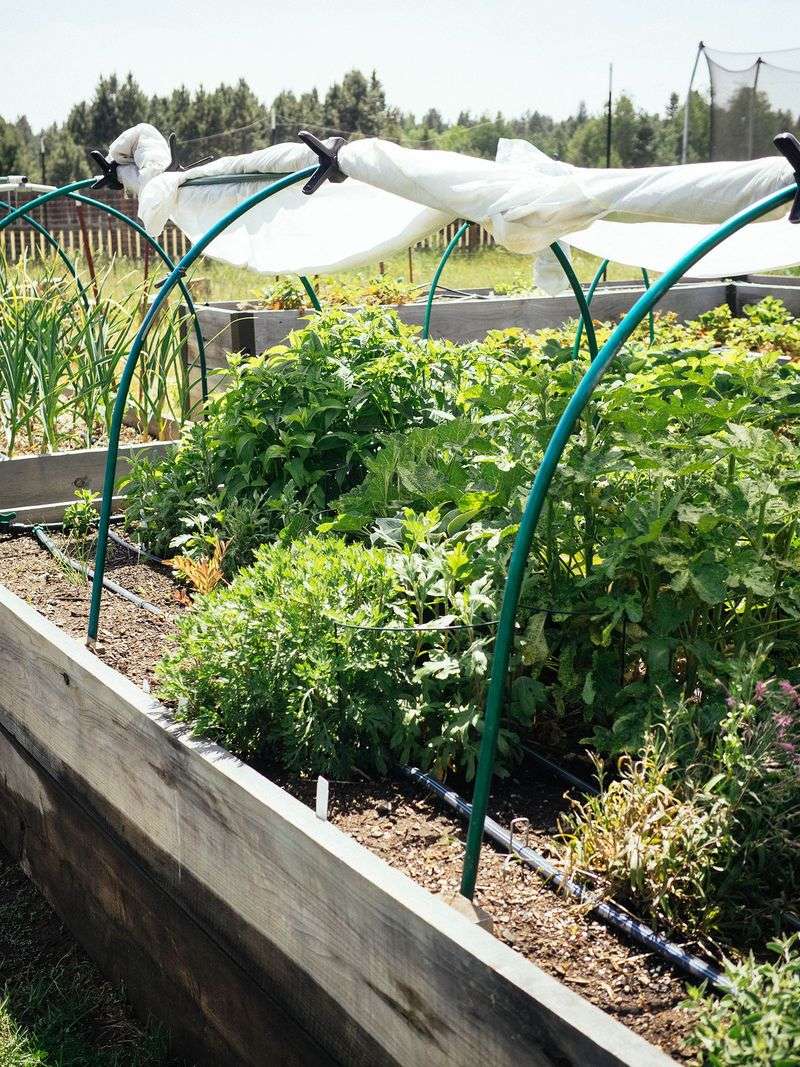
Some spots in your garden dry out much faster than others, and the sunny, breezy ones top the list. Wind pulls moisture right off the surface, and when you add strong sun, the top layer can turn dry in no time. Those beds need extra attention.
Think about how laundry dries quicker on a windy day. The same thing happens to your soil. A steady breeze whisks away the moisture near the surface, leaving your shallow seeds thirsty faster than you might expect.
Beds tucked near a fence, wall, or taller plants stay protected and hold water longer. Wide-open beds catch the full force of both sun and wind. Knowing which of your beds is exposed helps you plan your watering.
For those breezy, sunny areas, check the soil more often, maybe twice a day during a warm stretch. A quick finger test tells you if the surface has dried out since the last time you looked.
You can also help by blocking some of the wind. A simple barrier like a low fence, a row cover, or nearby taller plants can calm the breeze around your seedbed. Less wind means slower drying.
Mulch and light shade, mentioned earlier, work extra hard on these tough spots too. Combining them gives exposed beds a fighting chance during dry, windy days.
Paying closer attention to your sunniest, windiest beds keeps their seeds from drying out while your sheltered beds coast along with less fuss. A few extra checks make a real difference.
8. Reduce Watering Once Seedlings Establish
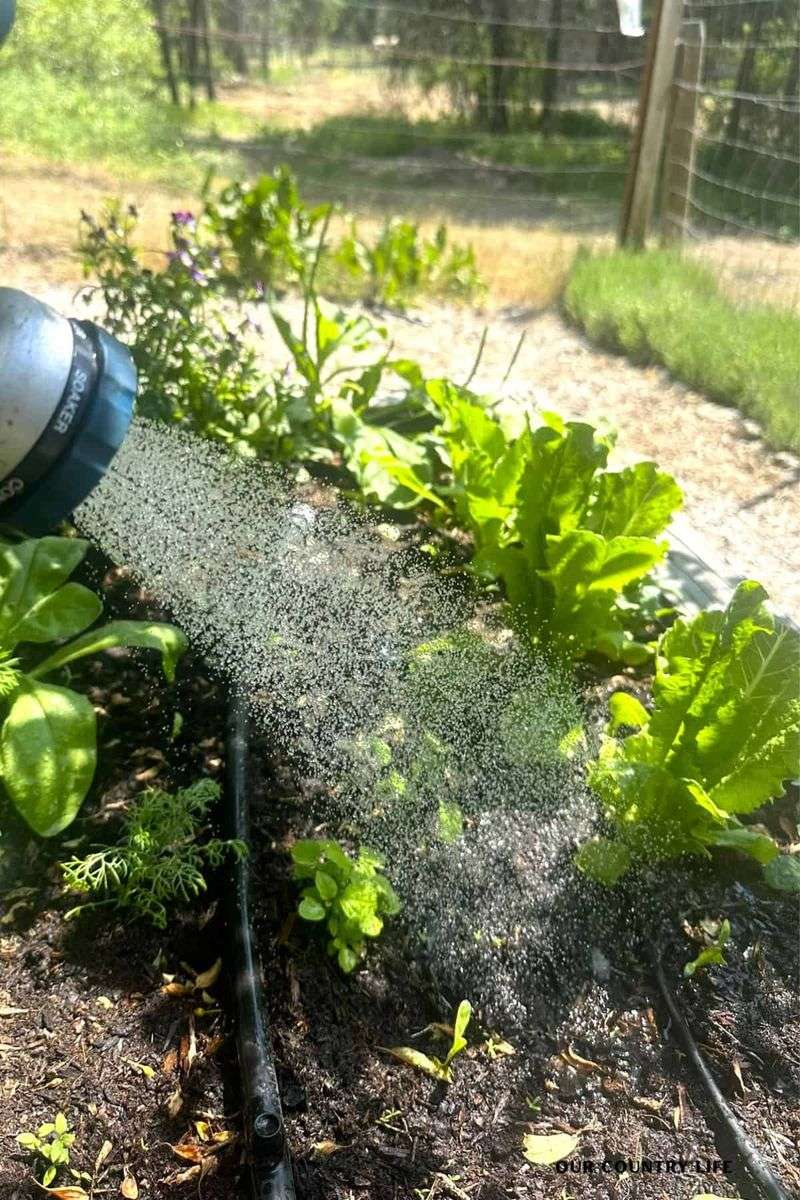
Once your seeds sprout and settle in, the whole watering game changes. In the beginning, you focused on keeping the surface damp for tiny seeds. As roots grow deeper, your plants start reaching down for water instead of depending on the top layer.
This is great news, because it means you can water less often. Those frequent, light sprinkles helped seeds sprout, but growing plants prefer a different approach that matches their new roots.
Deeper, less frequent watering encourages roots to stretch further into the soil. When you soak the bed well and then wait a bit longer between waterings, roots follow the moisture downward and grow strong and long.
Strong, deep roots make your plants tougher during dry spells. Instead of clinging to the surface, they can pull water from below, so a hot afternoon does not stress them as much. This sets them up for a healthier season.
Watch your seedlings for cues. Once they have a few true leaves and look sturdy, you can start easing off the constant surface watering. Shift toward giving the bed a good, thorough drink and letting the top dry a little between times.
Every crop has its own needs, so check what your plants like as they mature. Some want more water, others less, but almost all benefit from deeper roots.
Making this shift at the right moment helps your fall garden grow strong and steady. You started with gentle care for seeds, and now you are raising confident, well-rooted plants ready to thrive.