Why California Nurseries Sell Out Of The Same 3 Plants Every September
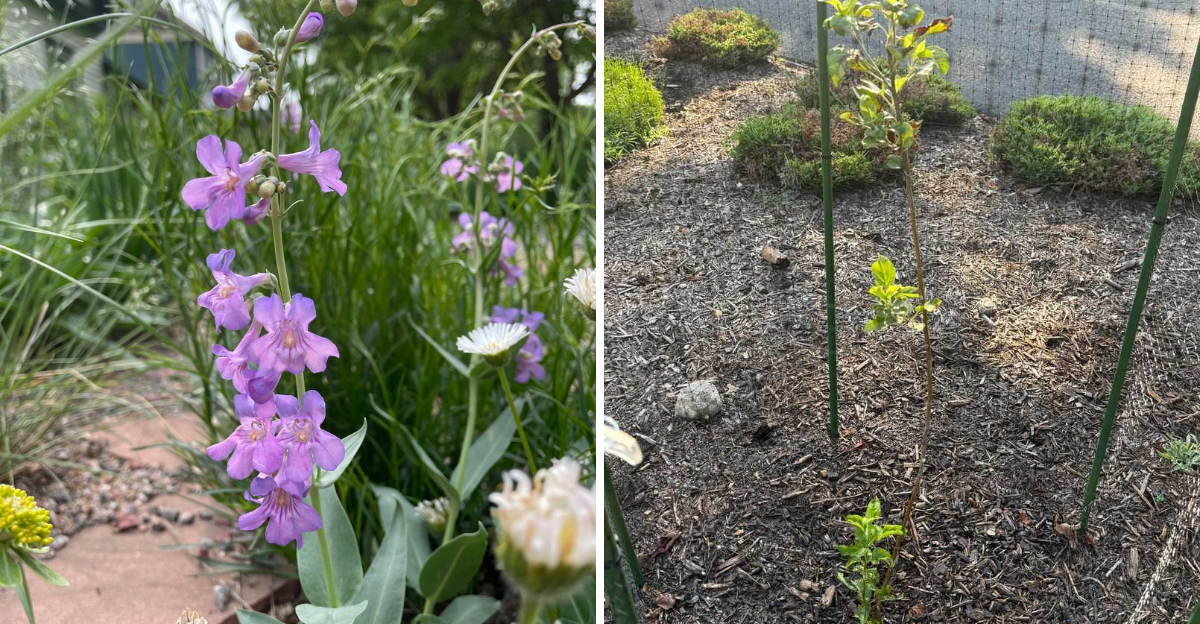
A gardener calls three California nurseries in one afternoon looking for ceanothus.
Sold out. Sold out. Maybe next week.
That conversation happens across the state every September, and the same handful of plants keeps disappearing from benches within days of arriving.
Here’s why it isn’t a marketing gimmick.
California runs a Mediterranean climate, which flips the usual planting calendar. Cool wet months arrive in fall and winter, giving roots months to establish before summer heat shows up.
Spring planting means a young plant faces its first drought season with almost no root system.
Fall planting means the opposite. So experienced gardeners treat September as the real planting season, and they shop accordingly. Nursery staff see it coming every year.
Curious what’s flying off the shelves, and what else deserves a spot in the cart? Keep reading.
1. Native Shrubs Fly Off The Shelves
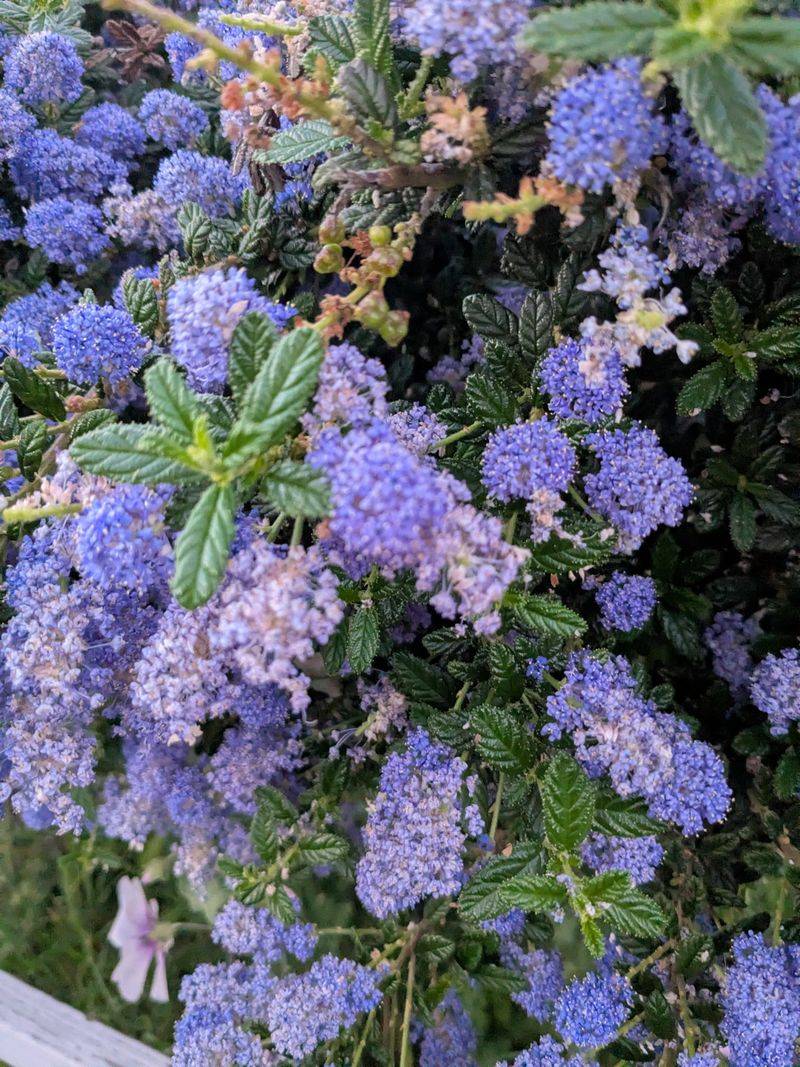
A lot changes at a California nursery after Labor Day. Shoppers who walked past native shrubs in July start asking for manzanita and ceanothus by name.
Staff recognize the pattern immediately, since it repeats every year on roughly the same schedule.
The reason comes down to climate. Much of California has cool wetter months arriving in fall and winter, which gives shrubs time to develop roots before summer heat arrives.
That timing matters more than any particular plant’s popularity. Fall consistently ranks as the prime planting season here, and nurseries stock accordingly.
Manzanita and ceanothus lead the rush because they suit local conditions so well. Evergreen structure, flowers for pollinators, and a look that belongs in California rather than borrowed from a wetter region.
Both also demand fast drainage and resent summer water once established, which makes fall planting genuinely important rather than merely convenient.
Shopping early in September improves your odds considerably. Ask when fresh deliveries land and plant soon after buying rather than letting pots sit.
Set each shrub in well-draining soil and skip the summer-style attention. Deep occasional watering while roots settle beats frequent shallow application.
Gardeners waiting until late October often find thin selection, particularly for sturdy varieties in one and five gallon sizes.
The sellout story reflects climate more than hype. California hands fall-planted shrubs a real head start.
2. Cool Season Vegetable Starts Move Fast
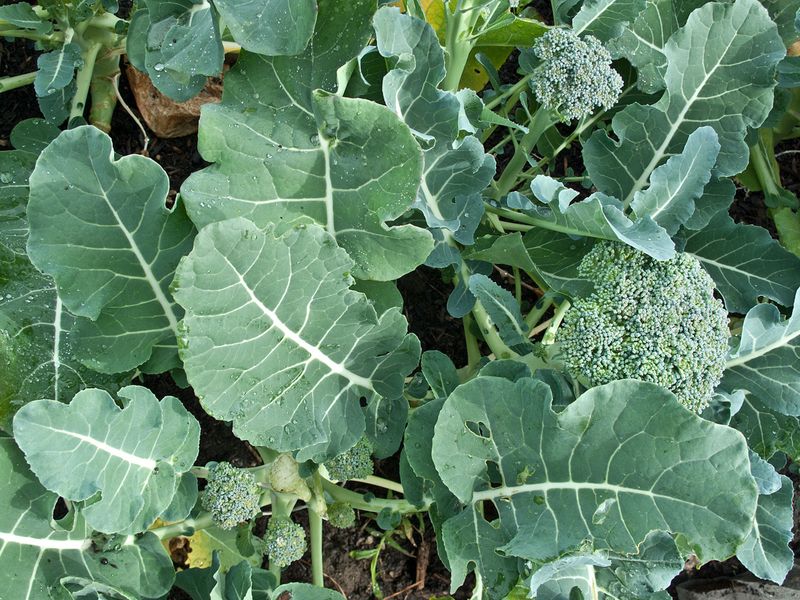
One warm weekend convinces people summer gardening still applies. Then September nights cool off and nurseries fill with shoppers hunting lettuce, broccoli, kale, and cabbage starts.
Fall functions as a key planting window across much of California because winter is the gentler growing season here.
Instead of fighting blazing afternoons, young vegetables settle in, size up, and keep producing through cooler months in many regions.
That creates a short intense shopping burst. Gardeners know good transplants look strong only briefly, and popular trays disappear once weekend projects resume.
Coastal and inland areas run different schedules, so local timing matters more than any statewide date. Nursery staff can tell you which crops suit your area now.
Buying more starts than you can plant the same day is the common mistake. Transplants sitting in flats decline fast in early fall heat.
Your California Garden Changes Every Week. Your Plan Should Too.
Gardening in California changes quickly throughout the season. Every Friday you’ll receive a simple weekly plan showing exactly what to plant, prune, fertilize, harvest, and protect so you never miss the right timing.
Bed preparation before shopping helps enormously. Water the soil first, then plant into moist ground rather than dry.
Shade cloth saves young greens during a surprise heat wave, which September in California delivers regularly.
Root crops like carrots and beets do better direct seeded than transplanted, so those come as seed rather than starts.
If the flats you wanted are gone, another delivery usually follows. The pattern holds regardless, since California’s fall vegetable rush happens when growing conditions finally cooperate.
3. Spring Blooming Bulbs Sell Out Early
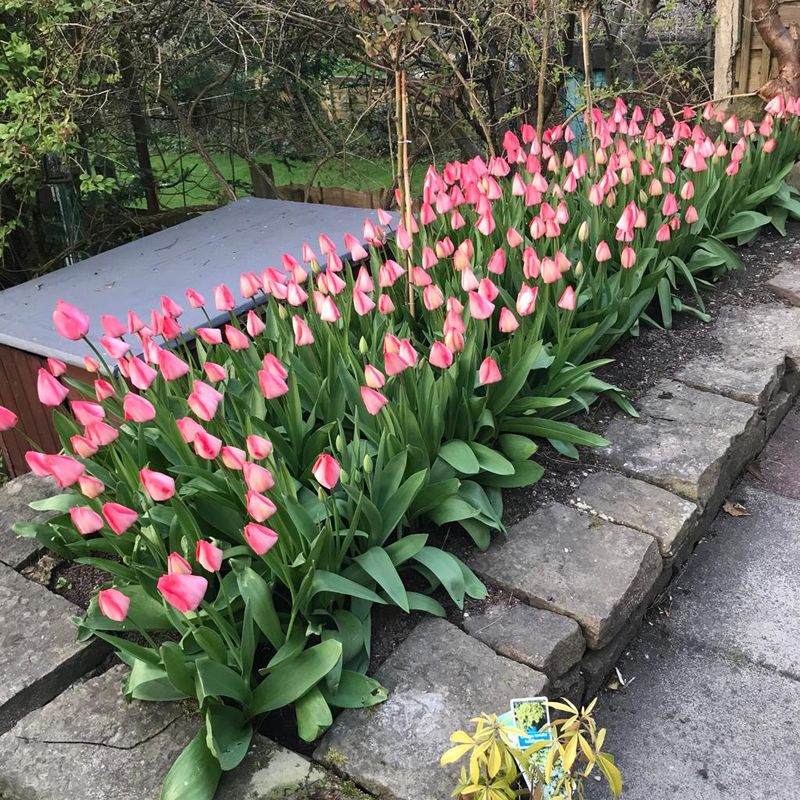
Nothing looks less impressive at purchase than a paper bag of bulbs. Daffodil, tulip, allium, and freesia all arrive looking like dried onions.
California gardeners know those unremarkable bags produce some of spring’s better displays.
September matters because bulbs need planting in fall, well ahead of bloom season. Nursery supply feels limited partly because stores receive certain varieties for a short seasonal run only.
Unlike a houseplant that waits patiently, bulbs run on an internal calendar. Roots form in cool soil, winter conditions trigger the next stage, and late planting costs you either the display or the specific variety you wanted.
Chill requirements complicate things in warmer parts of the state. Tulips and hyacinths often perform as one-season plants in Southern California unless pre-chilled, while daffodils, freesia, and South African bulbs handle mild winters far better.
Shopping early also buys planning time. Choose containers or well-drained beds, keep bulbs away from consistently soggy ground, and label planting areas so you remember where things are.
Planting depth varies by type, and the packaging usually specifies it. Deeper than you’d guess is the general pattern.
Bulbs, native shrubs, and cool season vegetables all follow the same California logic. Plant when roots can work through mild rainy months.
That shared reason explains why benches empty so quickly.
4. Perennials And Ornamental Grasses Disappear Next
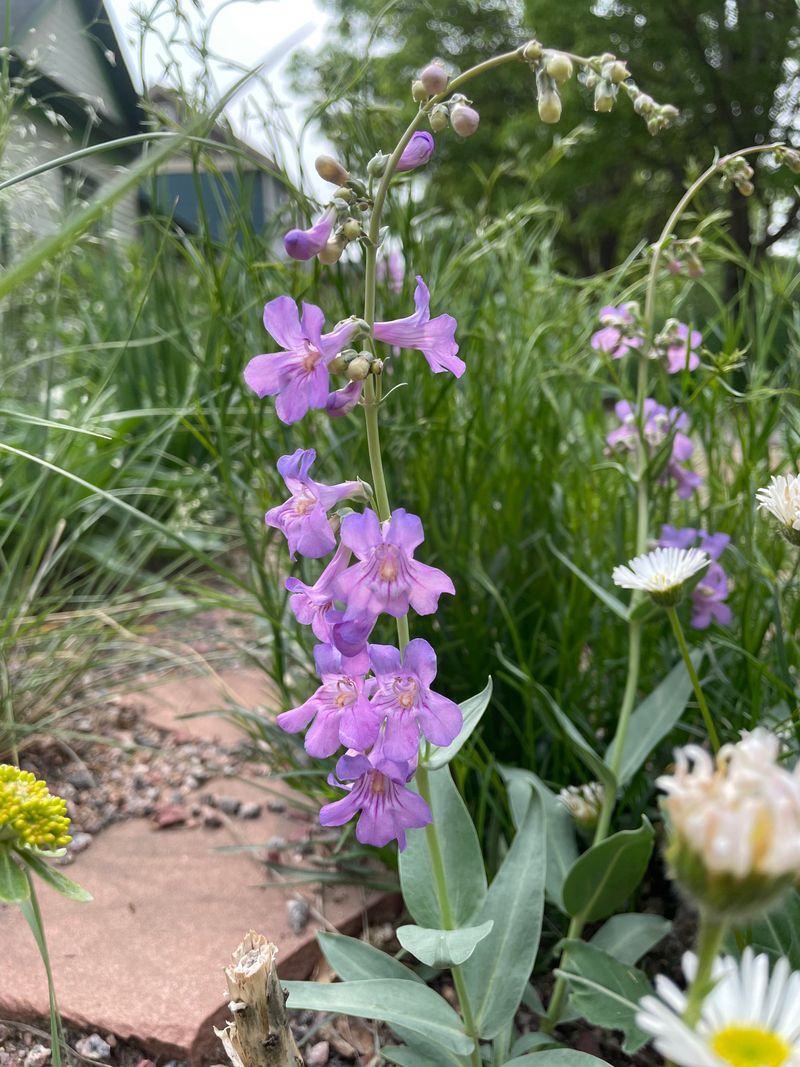
Native and Mediterranean perennials follow the shrubs out the door, and for identical reasons.
Salvia, yarrow, penstemon, buckwheat, and monkeyflower all establish considerably better with fall planting than spring.
Roots grow through winter while top growth stays quiet, which means the plant enters its first summer with something to draw on.
Spring-planted perennials face the opposite situation. Limited roots plus arriving heat produces the struggling plants people blame on the nursery.
Ornamental grasses move fast too. Deer grass, muhly grass, and California fescue all appear on fall shopping lists.
Grasses contribute structure through winter when perennials have gone dormant, which adds to the appeal beyond just establishment timing.
Selection tends to be best in September, before the season’s stock thins out.
Container size affects your decision. One gallon plants establish faster and cost less than larger sizes, which matters when buying several.
Smaller plants often outperform bigger ones within two seasons, since root systems adapt to native soil more readily.
Plant promptly after purchase rather than holding pots through October. Roots in containers dry fast and gain nothing from waiting.
Space plants for mature size rather than immediate appearance. Crowded perennials require dividing sooner and compete for the water each needs.
Group by water requirements while you’re planning, since mixing drought-adapted natives with thirstier plants satisfies neither.
5. Garlic And Onion Sets Vanish Quietly
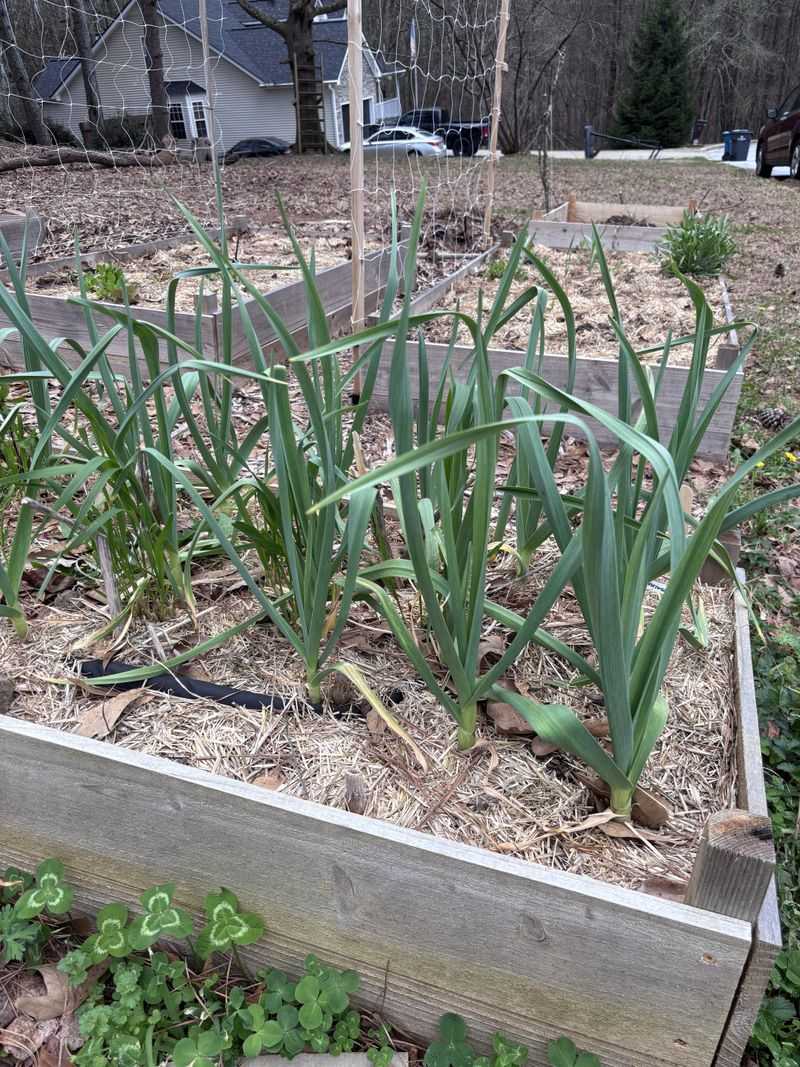
The alliums draw less attention and sell out just as reliably.
Garlic goes in during fall across California, and the reason isn’t preference. Bulbs need a cold period to divide properly, which fall planting supplies.
Miss that window and you get a single round bulb rather than a head of cloves.
Softneck varieties suit most of California better than hardnecks, since they need less winter chill and store considerably longer.
Onion sets and shallots follow similar timing. Both establish roots through winter and size up as days lengthen in spring.
Supply runs limited because nurseries stock these for a narrow season. Popular varieties disappear within a couple weeks of arrival.
Seed garlic differs from grocery store garlic in an important way. Certified planting stock avoids the diseases that travel with produce, and grocery garlic is sometimes treated to prevent sprouting.
Buying early gives you better variety selection and time to prepare beds properly.
Loose well-drained soil with compost worked in suits garlic well. Heavy clay produces small misshapen bulbs.
Plant cloves pointed end up, roughly two inches deep, four to six inches apart.
Mulch after planting to moderate soil temperature and suppress the weeds garlic competes with poorly.
Harvest comes in early summer, which means one fall decision produces a crop eight months later.
6. Bare Root Fruit Trees Get Reserved Early
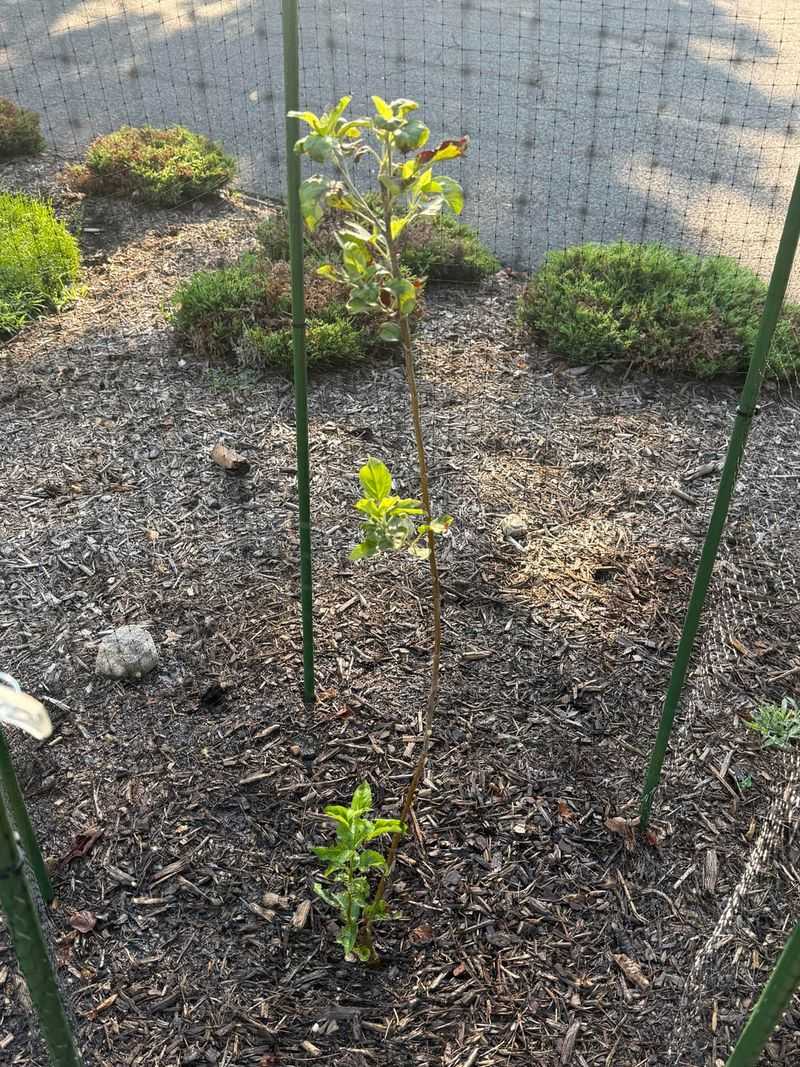
Fruit trees arrive as bare root stock in winter, and the reservation process starts considerably earlier.
Many California nurseries take orders in fall for January and February delivery, which is why September shoppers ask about trees that won’t arrive for months.
Popular varieties sell out during that ordering window rather than on the sales floor.
Chill hours drive the selection process. Different varieties require different amounts of winter cold to break dormancy and set fruit properly.
Low-chill varieties suit Southern California and coastal areas while higher-chill types perform in the Central Valley and foothills.
Buying a high-chill apple for a mild coastal garden produces a healthy tree that fruits poorly, which nobody wants to discover in year four.
Pollination requirements matter too. Some varieties need a compatible partner nearby while others are self-fruiting.
Nursery staff can sort both questions quickly, which is another argument for asking in September rather than guessing in January.
Bare root planting works well in California because trees go in dormant, then leaf out with roots already in native soil.
Container trees cost more and can be planted year-round, though bare root generally establishes faster.
Semi-dwarf and dwarf rootstocks suit smaller yards and make harvesting realistic without a ladder.
Ordering early costs nothing and secures what you actually want.
7. Cover Crop Seed Runs Out Before People Think To Buy It
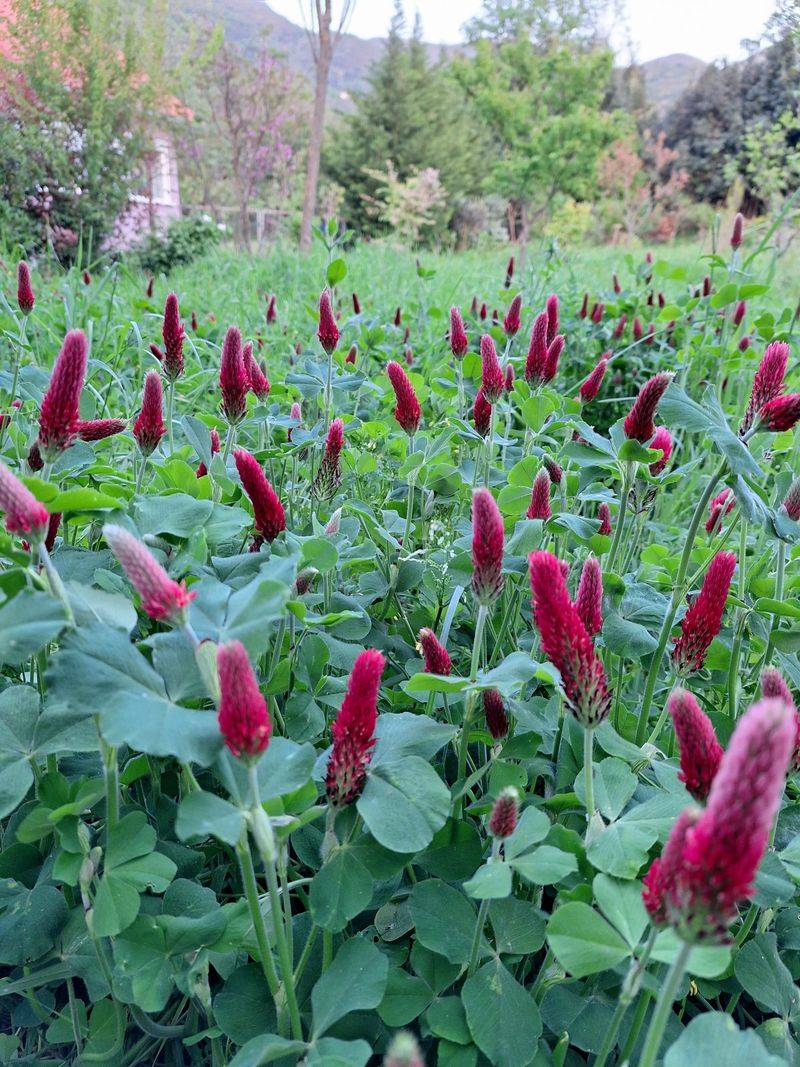
Cover crop seed is the item experienced gardeners buy in September while everyone else forgets it exists.
Fava beans, crimson clover, vetch, and cereal rye all go into empty beds during fall, growing through winter rain without irrigation.
The payoff shows up in spring. Legume cover crops fix nitrogen, and all of them add organic matter when turned under.
Bare winter beds lose soil to rain and grow weeds instead. Cover crops solve both problems while improving what’s underneath.
California’s rainy season makes this genuinely easy. Sow seed in fall, let winter storms handle watering, and cut the growth down in early spring.
Timing the termination matters more than the planting. Cutting before seed set prevents the cover crop from becoming next year’s weed.
Two or three weeks between turning under and planting gives material time to break down.
Fava beans deserve specific mention since they produce an edible crop alongside the soil benefit.
Seed supply runs limited because demand concentrates in a short window and nurseries stock modest quantities.
Mixes combining legumes with grasses give you nitrogen fixation plus substantial biomass, which suits most home garden situations.
Broadcasting seed and raking it in lightly works fine for a home bed. No special equipment required.
One bag covers a surprising amount of ground, which makes this among the cheapest soil improvements available.
8. Why Fall Planting Works Better Here
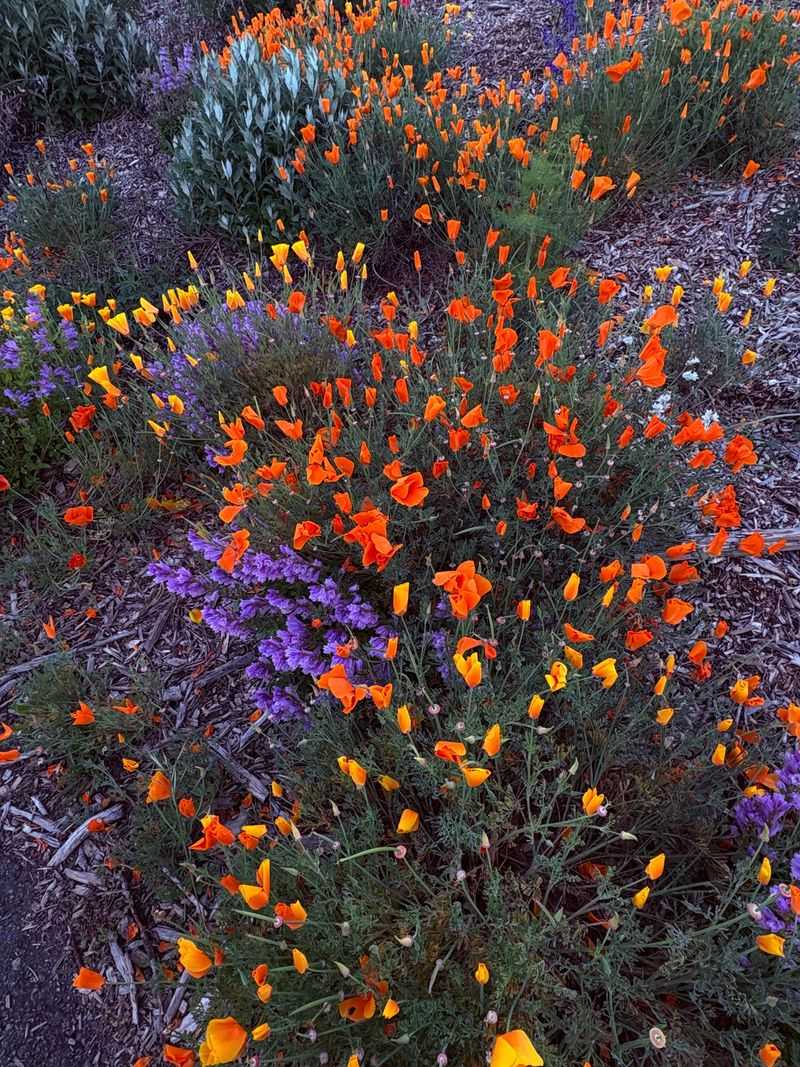
The pattern behind all of this deserves stating directly.
California’s Mediterranean climate delivers rain in winter and drought in summer, which reverses the assumptions behind most gardening advice.
Fall-planted material spends months developing roots while cool temperatures keep top growth minimal. Water arrives free from the sky.
By the time summer heat and drought return, that plant has a root system capable of finding moisture at depth.
Spring planting reverses the sequence. A young plant with minimal roots faces immediate heat and months without natural rainfall.
Survival becomes possible with careful irrigation and establishment takes considerably longer.
That difference explains why native plant nurseries often sell primarily in fall, and why guidance consistently points to October through January as the planting window.
Soil temperature contributes as well. Roots grow actively in soil that’s still warm from summer, which continues for weeks after air temperatures drop.
Weed pressure runs lower in fall too, since summer annuals have finished and winter annuals haven’t germinated yet.
Practical advice follows from all of it. Shop early, plant promptly, water through establishment, then let winter rain take over.
The plants that struggle in California gardens are frequently the ones planted in April with the best intentions.
Getting the timing right does more than any amendment, product, or watering schedule can accomplish afterward.