Why Your Yard Suddenly Has More Wasps In September
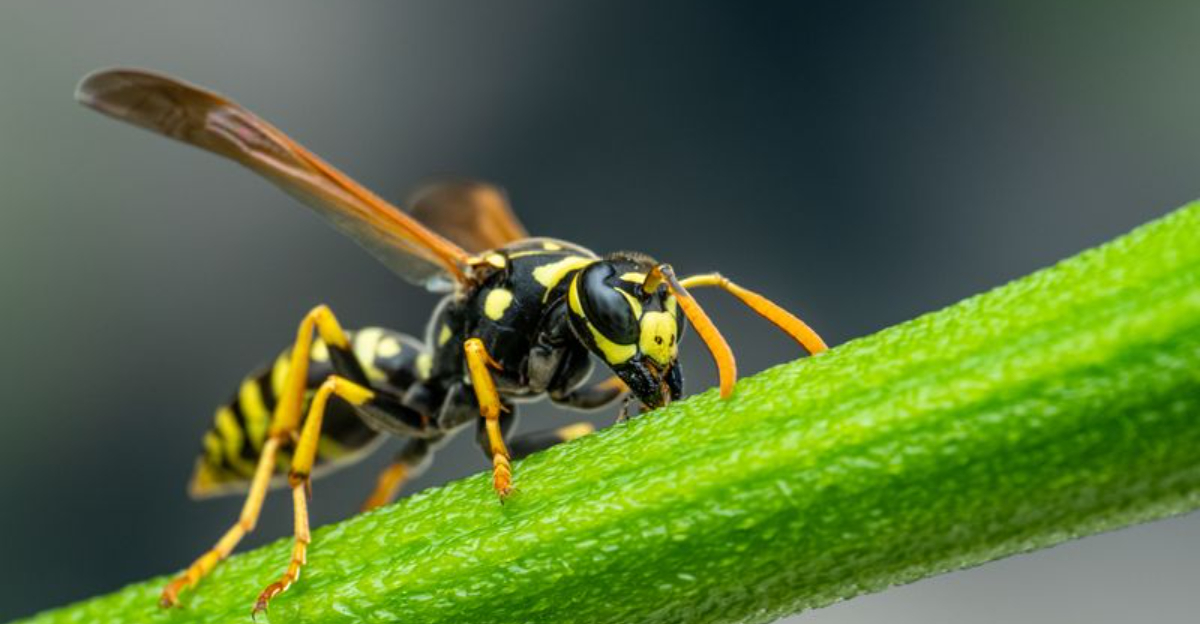
Something shifts in the backyard as the calendar leans toward fall. The air smells like ripe fruit and warm cut grass, and suddenly your picnic table has a few uninvited guests that were not there in July.
You set down a cold can of soda and hear a low hum near the rim. A minute later, more tiny gate crashers drift in to inspect your burger, your napkin, and the edge of your glass.
It feels sudden, almost like the whole crowd showed up overnight. The real story started weeks earlier in a quiet corner of your own property, and it has been building since spring.
A simple rhythm drives the timing, and it explains this whole late season rush. Track what changed inside a single nest nearby, and those last warm evenings outdoors get much easier to enjoy.
Peak Colony Size Explains The September Surge
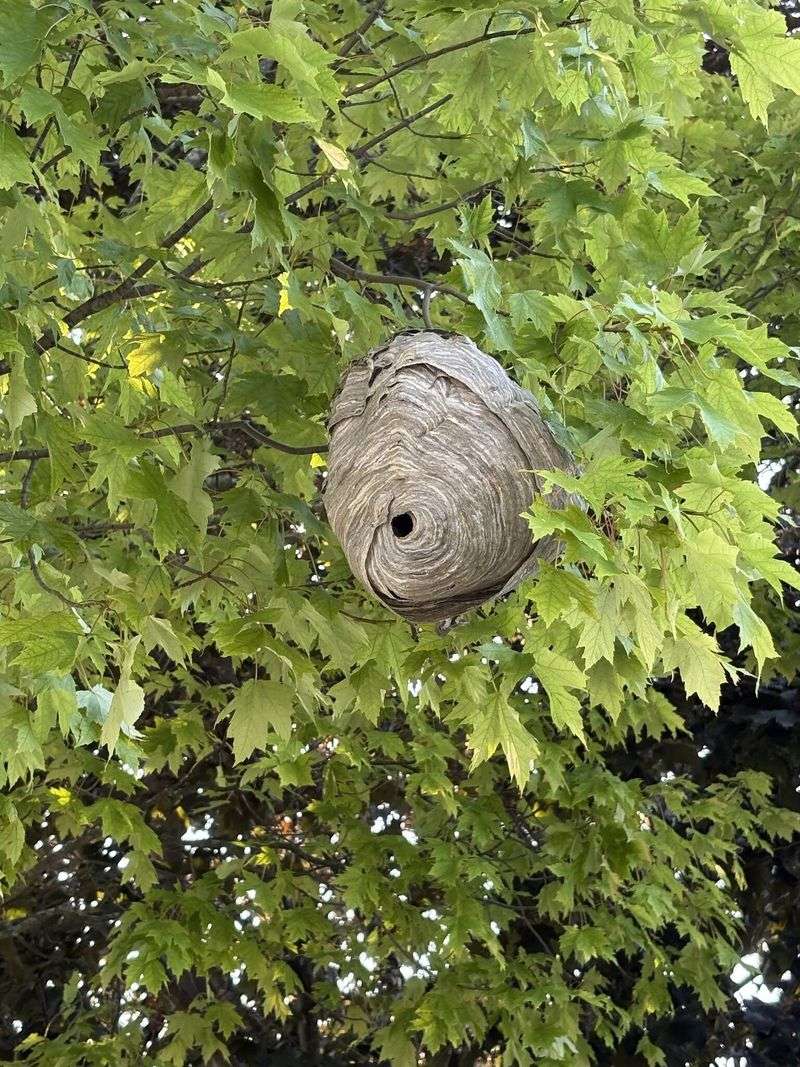
Back in spring, a single queen started this operation alone, building a nest the size of a golf ball. By Labor Day, a yellowjacket nest may hold hundreds or a few thousand workers, while a paper wasp nest stays in the dozens.
Nothing new moved in overnight. The population simply grew all summer while you were busy mowing and watering.
Yellowjackets and paper wasps follow a steady schedule. Spring is for building, early summer is for raising young, and late summer is when the colony hits its highest headcount.
More residents means more foragers out each morning. A colony that sent a handful of scouts in June can have many times that number searching by September.
That is why your patio feels crowded though the nest has been there for months. They were around the whole time, just fewer and quieter.
Numbers also mean bolder behavior. With so many mouths to feed, workers travel farther and take more chances near people, grills, and soda cans.
Here is a detail worth remembering. Most workers you see now emerged within the past few weeks, so the crowd is new even when the address is old.
A quick walk around your property helps locate the source. Check eaves, deck rails, shrubs, wall gaps, and old rodent burrows, since ground nests are easy to mow over.
Mark anything you find and give it a wide berth. Pinpointing where the traffic starts lets you plan mowing and meals away from the flight path.
Colony Timing Shifts Once The Queen Slows Down
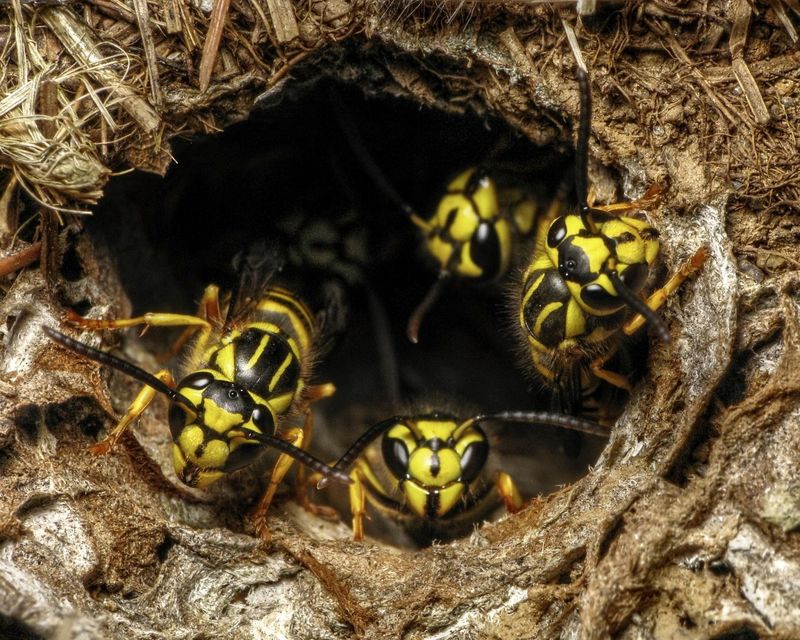
Something shifts inside the nest by late summer. The queen tapers off worker eggs and shifts to the next generation of queens and males.
With far less brood to feed, the workers lose the job that filled their summer. Think of a busy kitchen crew suddenly finding the dining room empty.
New queens leave the nest to mate, then search for a sheltered spot to overwinter, often under bark or siding. The rest of the colony carries on with little nursery work left.
Those workers still have energy and appetite, so they wander. Instead of hunting caterpillars for the nursery, they roam for anything sweet they can find.
Timing lines up with backyard season. Football watch parties, apple picking, and last-minute cookouts all land in the same few weeks.
The shift also changes how they behave around you. Summer foragers move with purpose, while September foragers hover, linger, and investigate every cup on the table.
Weather nudges them along too. Cooler nights slow them down in the morning, then warm afternoons send them out in a rush, which is when encounters are most likely.
Plan around that rhythm. Early morning and dusk are the calmest windows for garden chores, trash runs, and grilling.
Rain matters as well. A wet stretch keeps foragers home, and the first sunny day afterward often brings a noticeable wave of activity.
Knowing the calendar takes the mystery out of it. Your yard did not turn into a magnet, the schedule inside the nest simply flipped.
Backyard Food Sources That Pull Them Closer
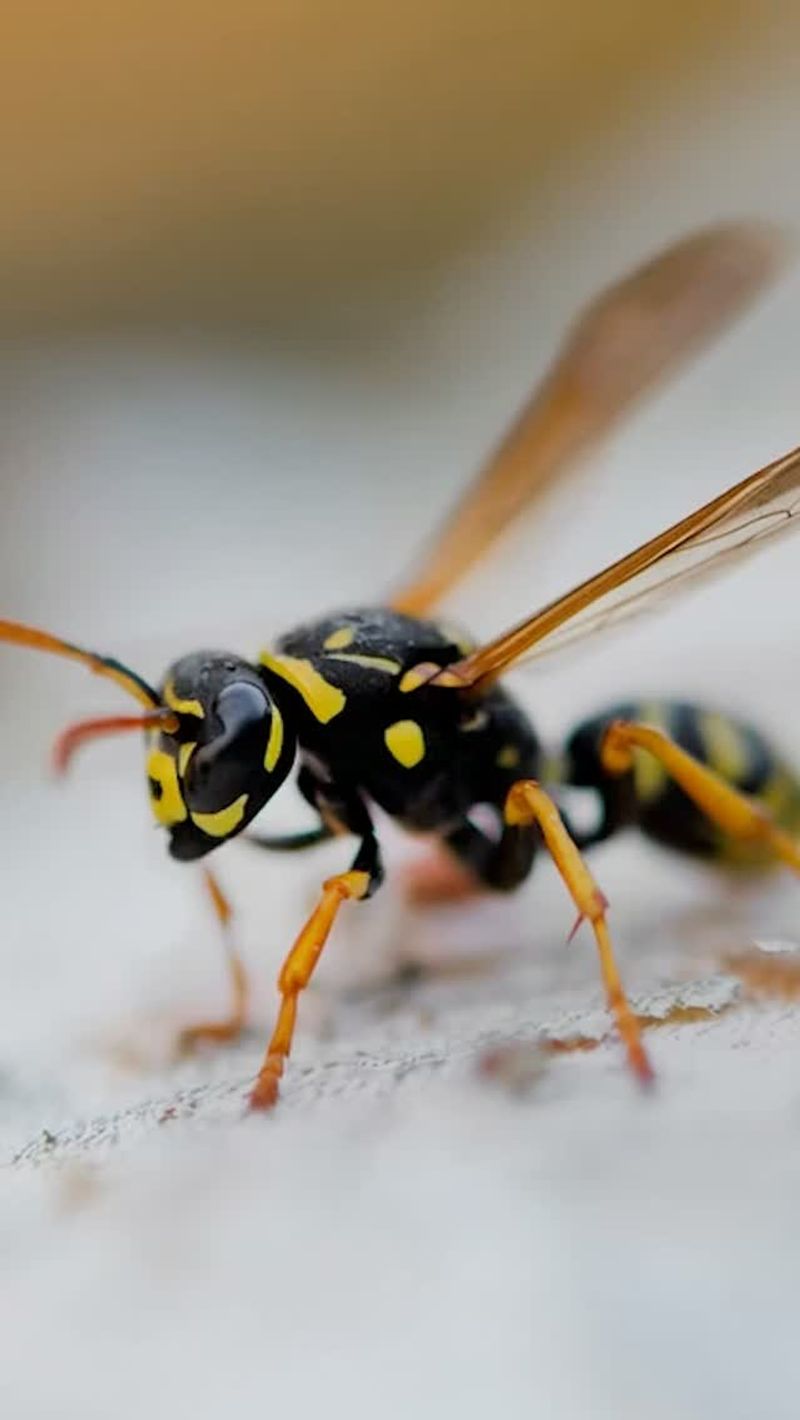
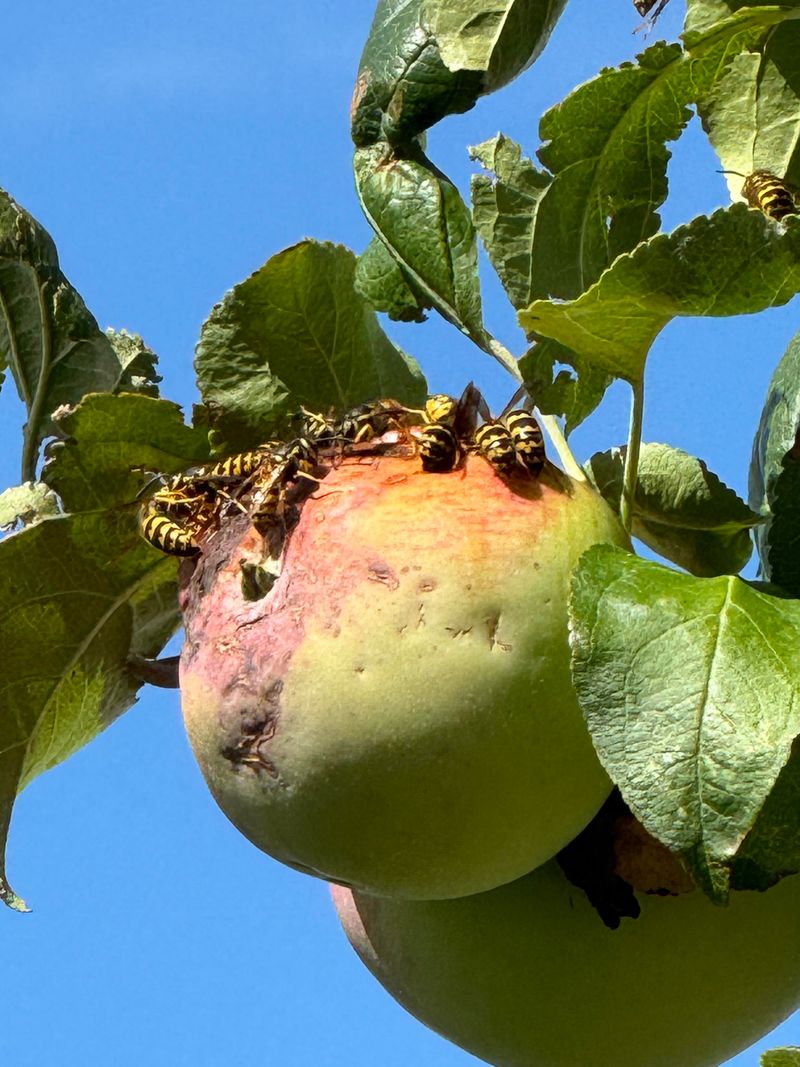
Fallen apples under a tree can smell like a bakery to a hungry forager. Add a warm garbage bin and an open can of lemonade, and your yard becomes the neighborhood hot spot.
Sugar is the main draw this time of year. Rotting fruit sours in the grass, and that sweet, tangy smell travels surprisingly far on a breeze.
Protein still gets attention. Grilled chicken, pet food bowls, and greasy grill grates all bring visitors circling.
Sticky spots count more than people expect. A splash of juice on the deck boards or a sweet residue on a recycling bin keeps foragers coming back for days.
Small habits shrink the buffet fast. Rake fruit drops every couple of days, rinse cans and bottles, and hose down the picnic table after meals.
Trash cans deserve special attention. Tight lids, a liner without tears, and a quick rinse with soapy water make a real difference.
Drinks are the classic problem outdoors. Use cups with lids or straws, since an open can lets a forager crawl inside where nobody can see it.
Hummingbird feeders and sugary sap can also gather a crowd. Choose feeders with built-in guards and wipe drips off the outside.
Pet bowls belong indoors between meals. Leftover kibble and wet food are easy protein for a colony working overtime.
Compost piles are worth a second look. Bury fruit scraps under leaves or brown material, and keep the lid closed on a tumbler so the sweet smell stays put.
Common Homeowner Mistakes That Make Things Worse
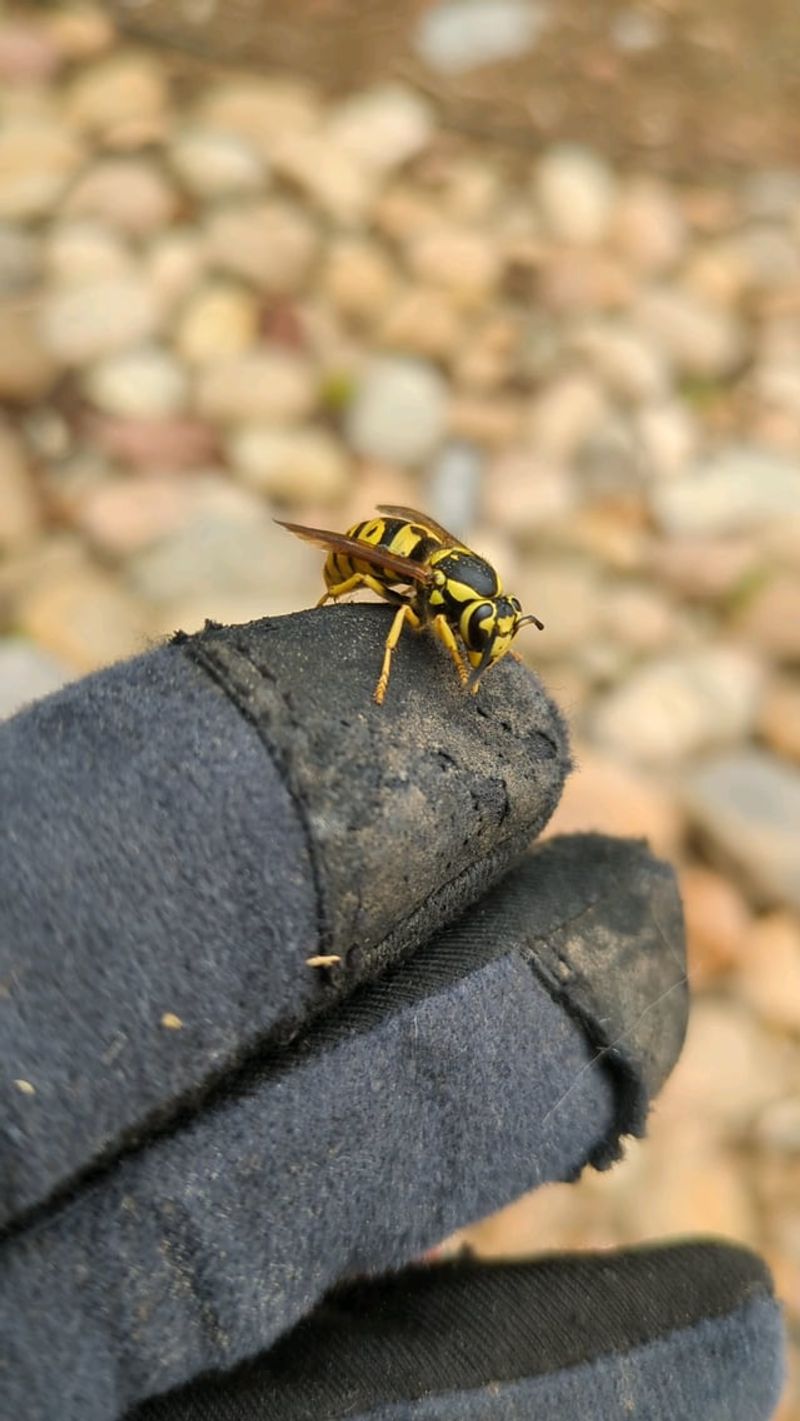
Swatting feels natural, and it is the fastest way to turn a curious visitor into a defensive one. Crushed insects release an alarm scent that calls in nearby workers.
Panic is understandable, but slow beats fast. Stepping calmly away from the table beats flailing arms.
Spraying a nest opening at noon ranks high on the regret list. Most foragers are outside then, and they return to find trouble at the front door.
Plugging a wall entrance is another common misstep. Blocked insects often chew a new path, and sometimes that path leads into a bedroom.
Scented shampoo, perfume, and bright floral prints draw extra attention during yard work. Unscented products and plain colors keep things calmer.
Cheap sugar traps hung on the patio can backfire. Placed near seating, they pull traffic straight into the area you wanted to protect.
Mowing without a quick scan invites surprises. Ground nests sit in old burrows, and a loud mower rolling overhead is enough to trigger a defensive response.
Barefoot walks across clover-filled lawns lead to stings more often than people realize. Shoes solve that in one step.
Ladder work near a nest risks a fall as much as a sting. Save eave and soffit projects for a calmer season or hire help.
One more habit to skip is assuming every buzzing insect is the same. Honey bees and bumble bees pollinate your garden and deserve a pass.
Waiting also costs you, since a nest tucked in siding gets harder to handle each week.
Smart Steps To Reduce Traffic Around Your Yard
A few weekend chores can cut backyard encounters by a lot. None of them involve chasing anything with a rolled-up magazine.
Start with the food supply, since that is the strongest magnet. Pick up fruit, seal the trash, and keep drinks covered during meals.
Traps have a place when used correctly. Hang them along the property line, about twenty feet from the deck, so traffic moves away from people.
Water attracts foragers on hot afternoons. Move birdbaths and leaky hose bibs away from seating areas, or keep them filled on the far side of the lawn.
Inspect the house for openings before the season winds down. Gaps around soffits, vents, and utility lines are favorite entry points for next spring.
Handle a nest with respect. Ground and wall nests near doorways or play areas are best left to a licensed pest professional, especially if anyone at home reacts strongly to stings.
Timing helps if you treat a nest yourself. Late evening, protective clothing, and a clear exit path make the job safer.
Decoy nests and mint-based sprays get mixed reviews. They may nudge a scouting queen elsewhere in spring, though they do little once a colony is established.
Fans on the patio are worth a try. Steady moving air makes hovering harder, which can keep the table more peaceful during dinner.
Keep a simple routine through October. A five-minute sweep of the yard before guests arrive catches spills, fruit drops, and open lids while they are still easy to fix.
First Frost And The Quiet Close Of The Season
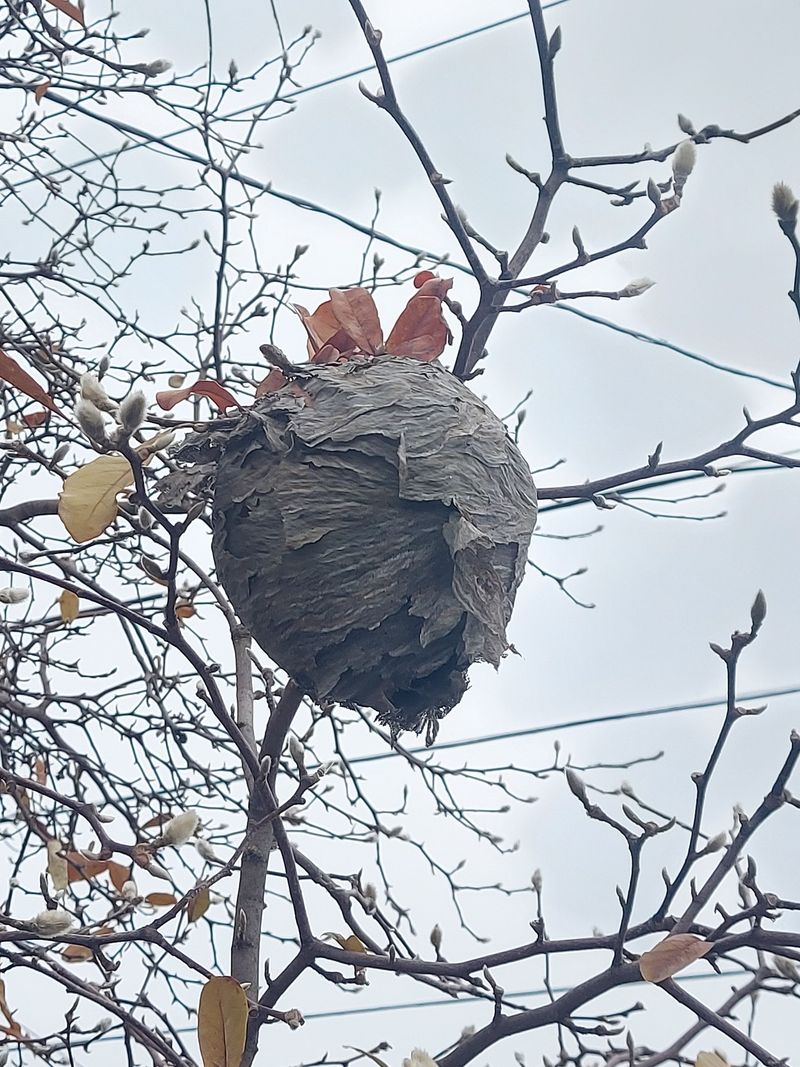
Here is the part that surprises people most. In most of the country, the whole crowd fades on its own as nights turn cold.
After the first hard frost, the colony winds down and the nest goes quiet. Foraging stops, and the papery structure is abandoned for good.
Frost timing varies by region, arriving in September up north and later in the south. Where hard frost is rare, activity tapers slowly and can stretch into winter.
Only the new queens carry the line forward. They tuck into leaf litter, bark cracks, or a sheltered wall void for a long winter rest.
Old nests are rarely reused. Come spring, each surviving queen starts fresh somewhere new, usually a spot with shelter and an easy entrance.
That means an empty paper nest in a shrub can be removed safely in winter. Cold weather makes the job simple, with nothing inside to worry about.
Wall and ground nests deserve an extra step. Sealing the entry point during the cold months keeps a future queen from choosing the same address.
Late fall is also the ideal time for prevention chores. Caulk gaps, screen vents, and trim shrubs back from the siding, then watch for walnut-sized starter nests in spring.
Keep the season in perspective. These insects hunt caterpillars, flies, and garden pests all summer, doing real work in your yard.
By Halloween in most regions, the patio belongs to you again. A little patience and a few chores carry you through the busiest weeks.