What Florida Zoysia Grass Needs In September Before Fall Arrives
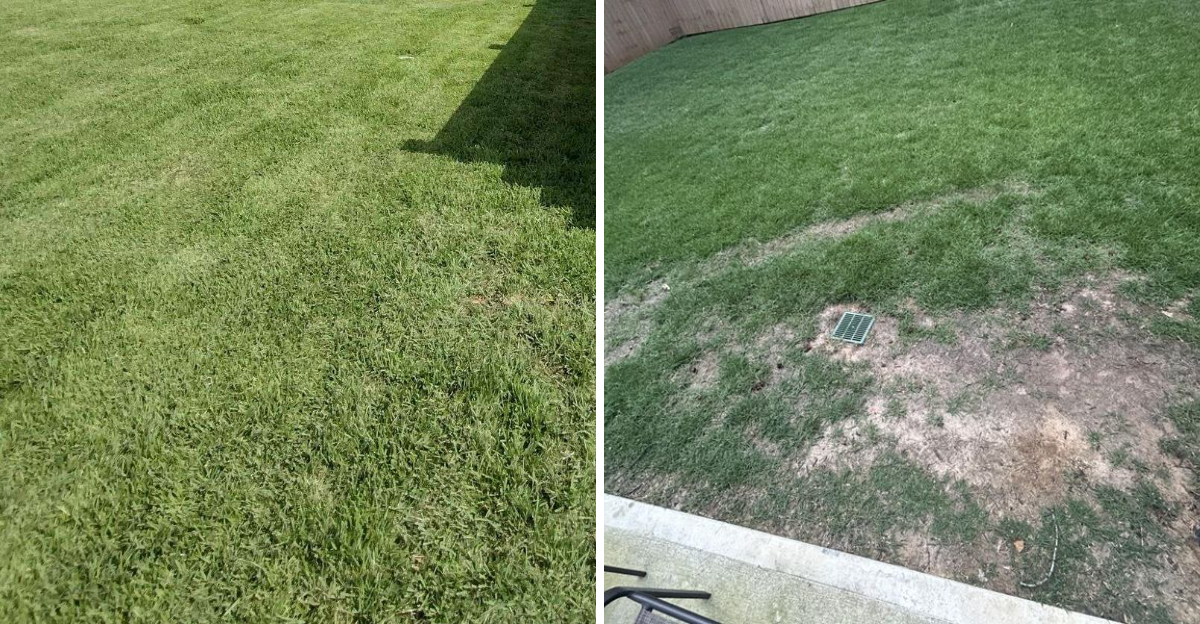
Your zoysia looks great right now, and that’s precisely the problem.
Thick. Green. Growing like it’s still the middle of July, which in Florida sometimes it basically is.
So many homeowners keep doing exactly what they did in June. Same fertilizer, same sprinkler schedule, same weekly mow.
Meanwhile something has quietly shifted below the surface.
Days are shortening. Nights are cooling by degrees you barely notice. The grass has started making different decisions than it made two months ago.
Here’s what makes September tricky in a Florida lawn. The care that produced that thick green growth all summer can actively work against the lawn now.
One of these adjustments involves feeding less. Another involves watering less. A third involves mowing less.
Almost the whole list is about backing off, which runs against every instinct a proud lawn owner has.
Curious what your grass is asking for this month?
1. Cut Back Nitrogen Before Growth Slows
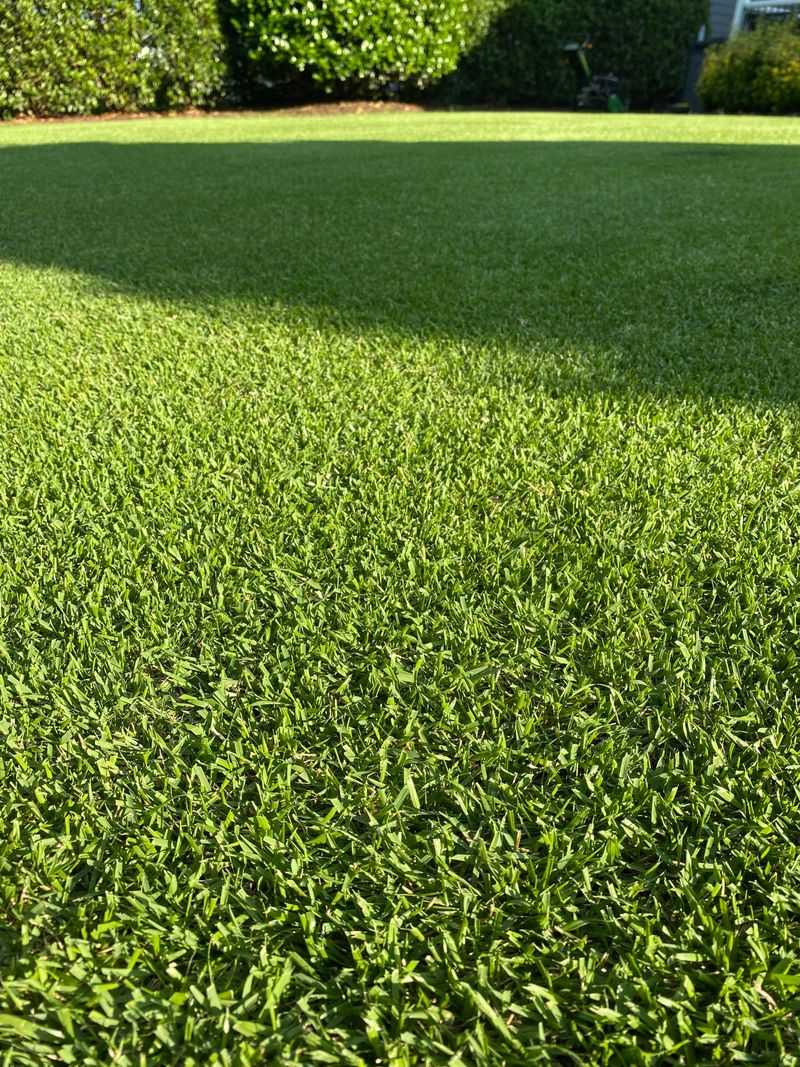
September fools people because a Florida zoysia lawn often still looks busy and bright.
Below the surface, growth typically begins slowing as days shorten and nights gradually cool, which means heavy nitrogen is no longer doing useful work.
Extra nitrogen late in the season pushes tender new blades when the lawn should be settling into a steadier pace.
That soft flush stresses more easily and can encourage disease once cooler damp weather arrives.
Tapering nitrogen as fall approaches makes sense, though exact timing shifts considerably across the state.
South Florida lawns often stay active longer than lawns farther north, so local weather and the grass itself matter more than any date.
A simple yard check helps. Slower mowing, lighter clippings, and reduced water use all suggest reducing feeding rather than forcing summer-level growth.
Fertilizer ordinances add another consideration. Many Florida counties and municipalities restrict nitrogen application during specific months, so checking local rules before spreading anything is worth the minute it takes.
Caution beats speed here. A lawn entering fall with balanced growth handles seasonal change better than one pushed hard in September.
Think of it as letting the grass downshift rather than accelerating into a turn.
2. Switch To Potassium For Winter Strength
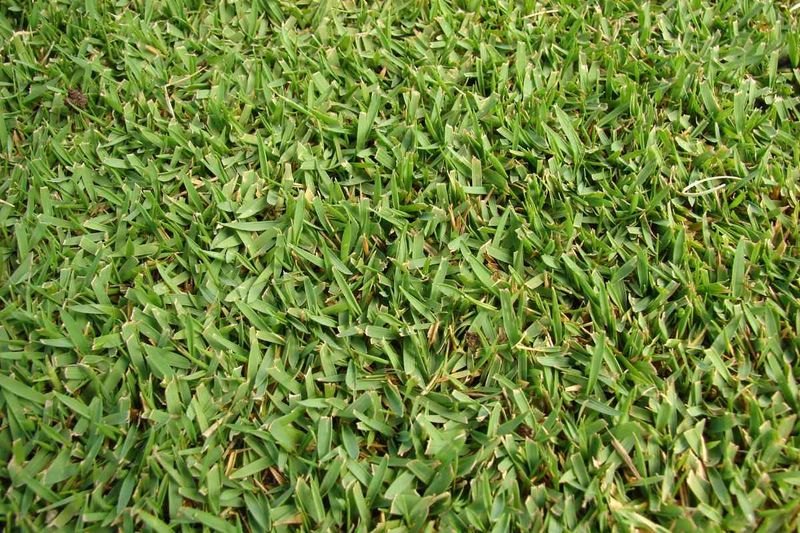
Late summer feeding should change direction before fall gets closer.
Rather than chasing top growth with more nitrogen, September is when potassium becomes the more useful nutrient for zoysia.
Potassium gets associated with toughness for reasonable reasons. It supports water movement inside the plant, contributes to overall vigor, and is generally linked with better cold tolerance.
In practical terms, it’s less about growth speed and more about resilience.
That distinction matters in Florida because fall arrives unevenly. A Panhandle lawn feels the shift weeks before a Miami lawn does, and both benefit from entering cooler weather sturdy rather than lush and needy.
Read the fertilizer label carefully before spreading. A product with lower nitrogen and meaningful potassium suits this point in the year better than a high-first-number summer formulation.
Sandy Florida soils lose potassium readily to leaching, which is part of why it comes up so often in state lawn guidance.
Your Florida Garden Changes Every Week. Your Plan Should Too.
Gardening in Florida changes quickly throughout the season. Every Friday you’ll receive a simple weekly plan showing exactly what to plant, prune, fertilize, harvest, and protect so you never miss the right timing.
Soil testing still decides the actual answer, since lawns differ. Extension offices handle residential samples for a modest fee.
The general September move stays clear regardless. Ease off the push and build strength instead.
3. Watch For Large Patch In Cool Wet Spells
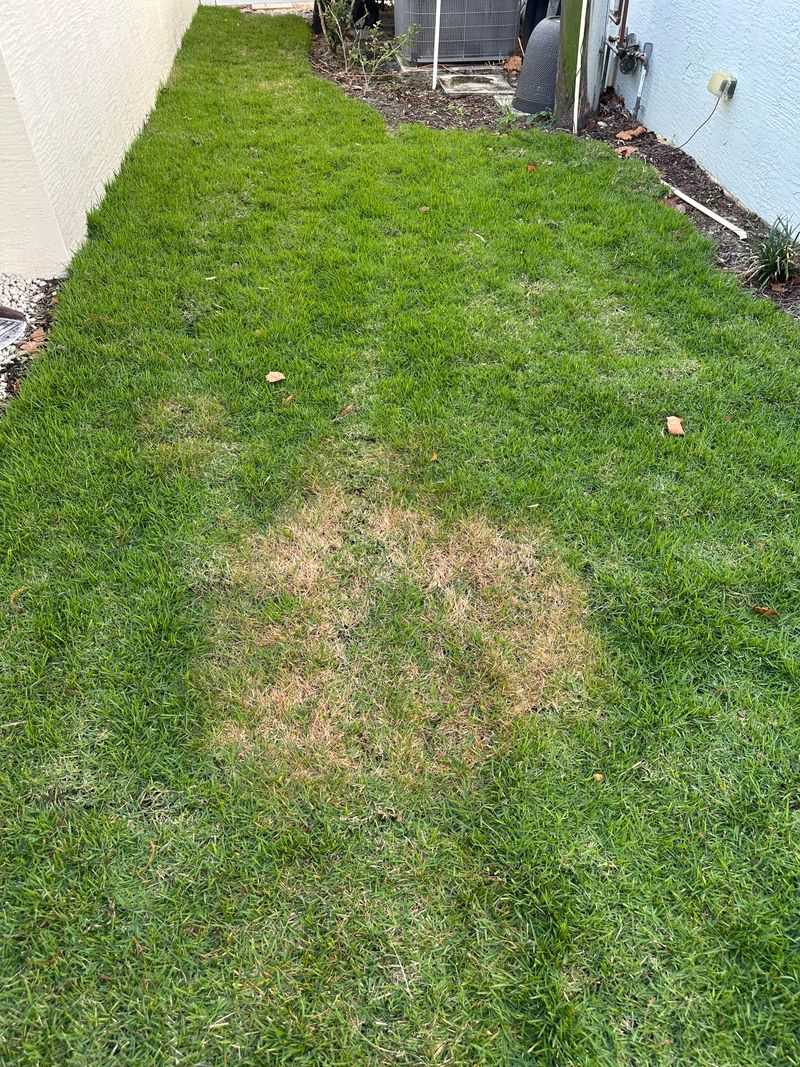
A lawn can look fine one week and oddly blotchy the next once cooler wet weather settles in.
Large patch is among the main diseases Florida zoysia owners face in fall, particularly after rainy stretches and heavy dew.
The fungus becomes more active as temperatures drop below roughly 80 degrees and moisture lingers.
Look for orange, tan, or brown patches spreading outward, sometimes with a darker border. Grass in the center may thin while nearby turf stays green.
September matters as a lookout month because conditions begin shifting, though timing depends on region and weather.
North and Central Florida usually see the change sooner while South Florida stays warmer longer.
The same pathogen causes brown patch in other grasses, and it survives in soil and thatch year-round waiting for the right conditions.
Good habits make substantial difference. Avoid overwatering, skip late nitrogen, and water early morning so blades dry faster.
Sharp mower blades help too, since ragged cuts create wounds the fungus can exploit.
Keep notes on recurring problem spots, since large patch returns to the same areas year after year.
Fungicides work preventively rather than curatively, so timing matters and Extension guidance covers current recommendations.
4. Water Less As Temperatures Drop
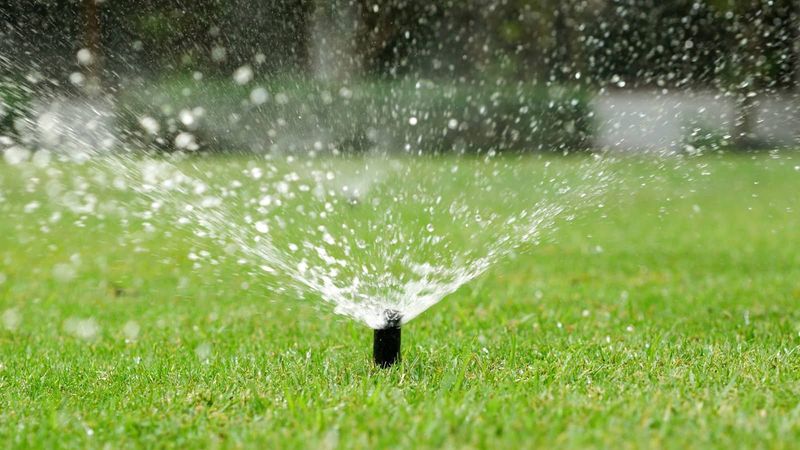
September rain and slightly cooler air change your lawn’s water needs faster than most people expect.
Zoysia rarely needs the same schedule it required during peak summer, and keeping that routine creates problems.
As temperatures ease, grass loses water more slowly. Soil also stays damp longer after storms, particularly in shade or heavier ground.
Running sprinklers too frequently during this transition leaves roots in moisture the lawn isn’t using.
Wet turf costs more than water. Damp conditions raise disease risk, including large patch, which specifically favors cool moist weather.
Overwatering also produces softer less resilient growth right when the lawn is naturally slowing.
Water based on need rather than habit. Folded blades, a bluish-gray cast, and footprints that linger all indicate genuine thirst.
Deep infrequent watering generally beats daily light applications that only wet the surface.
Check your irrigation timer after rainy weeks, since many systems keep running as though nothing changed.
Rain sensors and soil moisture sensors are required on Florida irrigation systems, and a failed sensor is a common reason systems overwater.
Local watering restrictions also apply across much of the state, which often align reasonably well with what the grass actually needs.
5. Mow Less To Build Deeper Roots
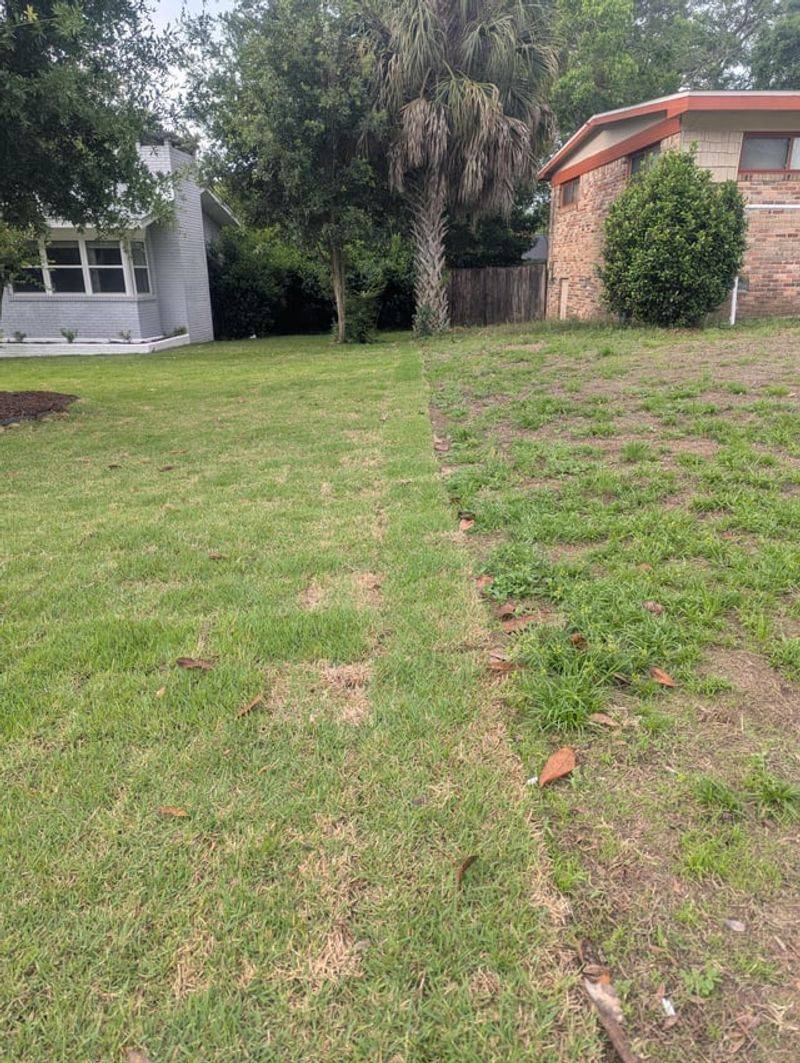
Backing off the mowing schedule is among the easiest September adjustments available.
Zoysia usually grows more slowly as fall approaches, so maintaining summer pace adds stress and can leave the lawn looking scalped rather than tidy.
Less frequent mowing lets the grass direct more energy below ground.
Stronger roots matter heading into cooler weather, since they help the lawn handle shifting moisture and the general slowdown.
That doesn’t mean letting the yard go shaggy.
Keep mowing at the recommended height for your variety, which varies considerably. Fine-textured zoysias generally want lower heights than coarser types, and getting this wrong causes real problems.
Never remove more than about a third of the leaf blade in a single pass.
Sharp blades matter especially this time of year. Clean cuts recover faster while dull blades tear grass and leave brownish tips.
Watch the grass rather than the calendar. Some Florida lawns still need weekly mowing in early September while others slow noticeably by month’s end.
Clipping volume is your clearest signal.
Thatch buildup is worth mentioning too, since zoysia accumulates it readily and heavy thatch holds moisture that favors disease.
6. Skip Fertilizer After Late September
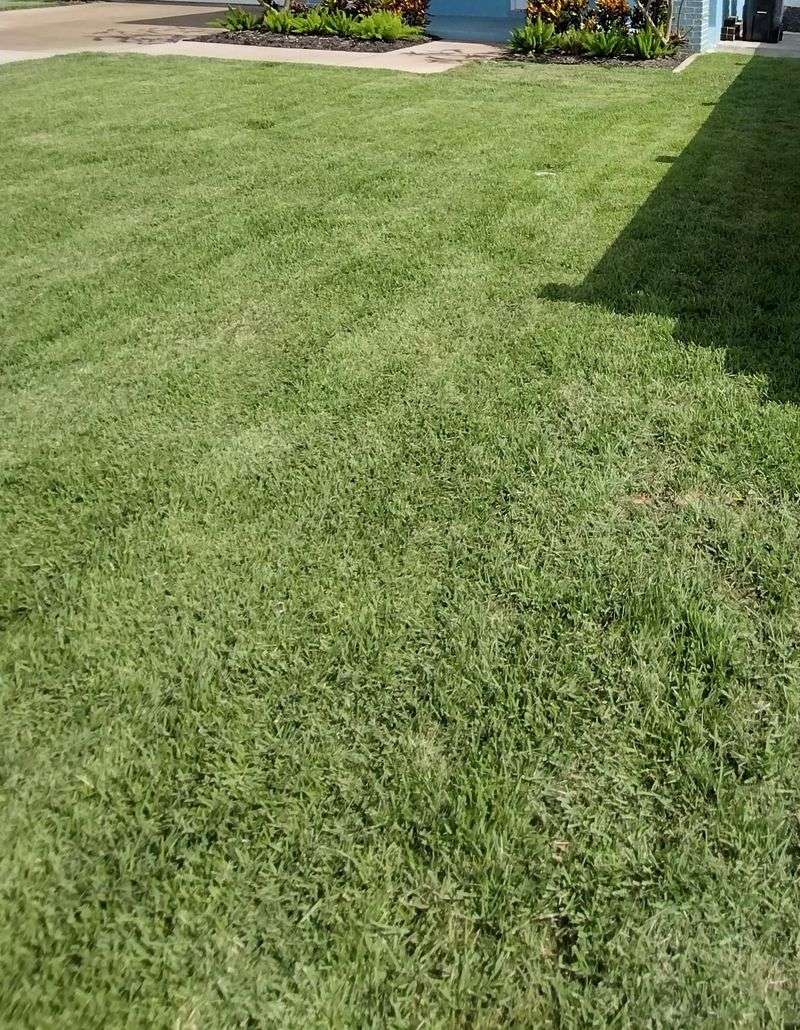
Calendar dates matter somewhat, and lawn signals plus location matter considerably more.
Across Florida, late September is often when broad fertilizer plans should wind down, particularly products designed to push fresh top growth.
State guidance doesn’t treat Florida as one uniform yard.
Growth slows earlier in North Florida and later in the south, so a single date for everyone misses the mark in one direction or the other.
Late feeding encourages soft new growth at the wrong moment.
That leaves zoysia more vulnerable to seasonal stress and disease while delivering less benefit than the same application would in June.
Look for clues before spreading. Reduced mowing, cooler nights, and slower recovery after cutting all indicate the grass is shifting gears.
Once that slowdown is clear, continuing a summer routine usually causes more harm than good.
North Florida lawns should generally stop earlier while South Florida lawns can sometimes stay active longer.
Local fertilizer ordinances may settle the question for you, since many jurisdictions prohibit nitrogen application during defined periods.
When uncertain, err toward restraint. September is about helping zoysia settle rather than rev up.
7. Address Weeds Before Cool Season Types Germinate
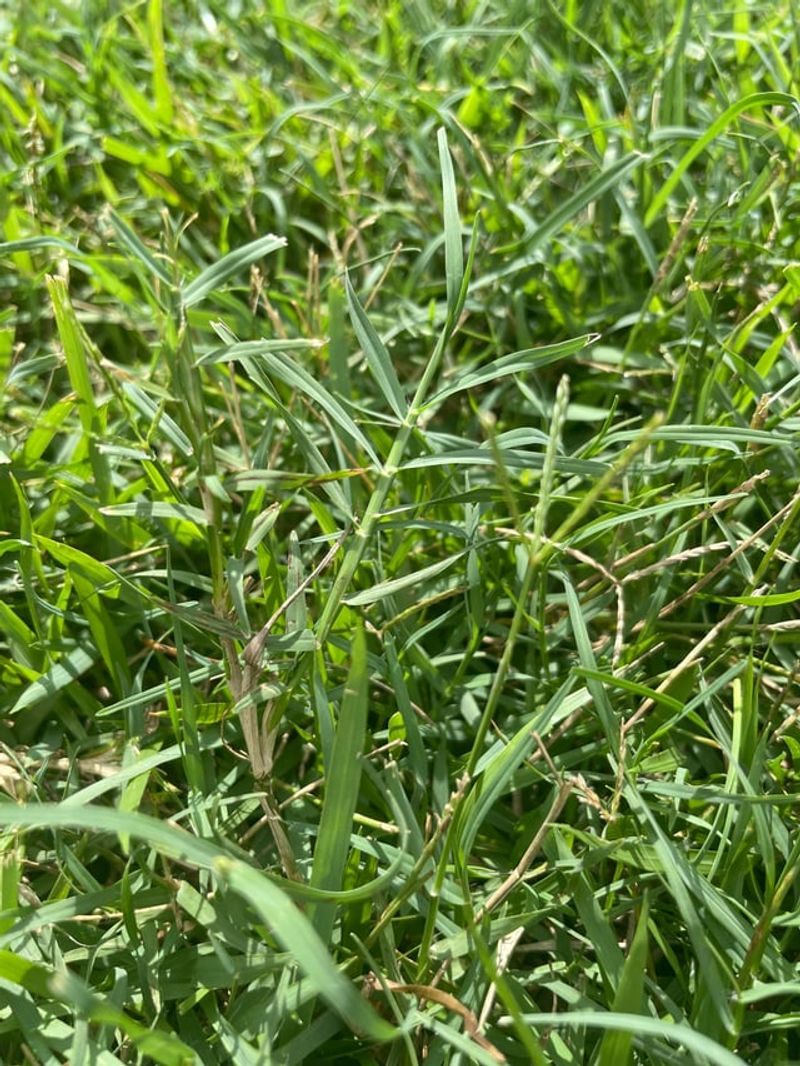
Fall brings a different weed problem than summer did.
Cool season annuals germinate as soil temperatures drop, which means annual bluegrass, chickweed, and henbit start showing up in Florida lawns during fall and winter.
Timing is what makes this worth attention now rather than in December.
Pre-emergent products work by preventing germination, so applying before seeds sprout is the only way they help.
Early fall, as soil begins cooling, is generally the window for that application.
Once weeds have emerged, pre-emergents accomplish nothing and post-emergent products become the option.
Zoysia tolerates many herbicides reasonably well, though product labels list which ones suit it specifically. Reading that label prevents damage to the lawn you’re trying to protect.
Temperature limits on labels matter in Florida, since applications during heat can injure turf.
A dense healthy lawn remains the best weed control available, which loops back to everything above.
Thin areas invite weeds, so addressing bare patches and compaction reduces future problems more than any spray does.
Hand pulling handles small infestations fine and costs nothing but a few minutes.
8. Handle Fall Traffic And Wear
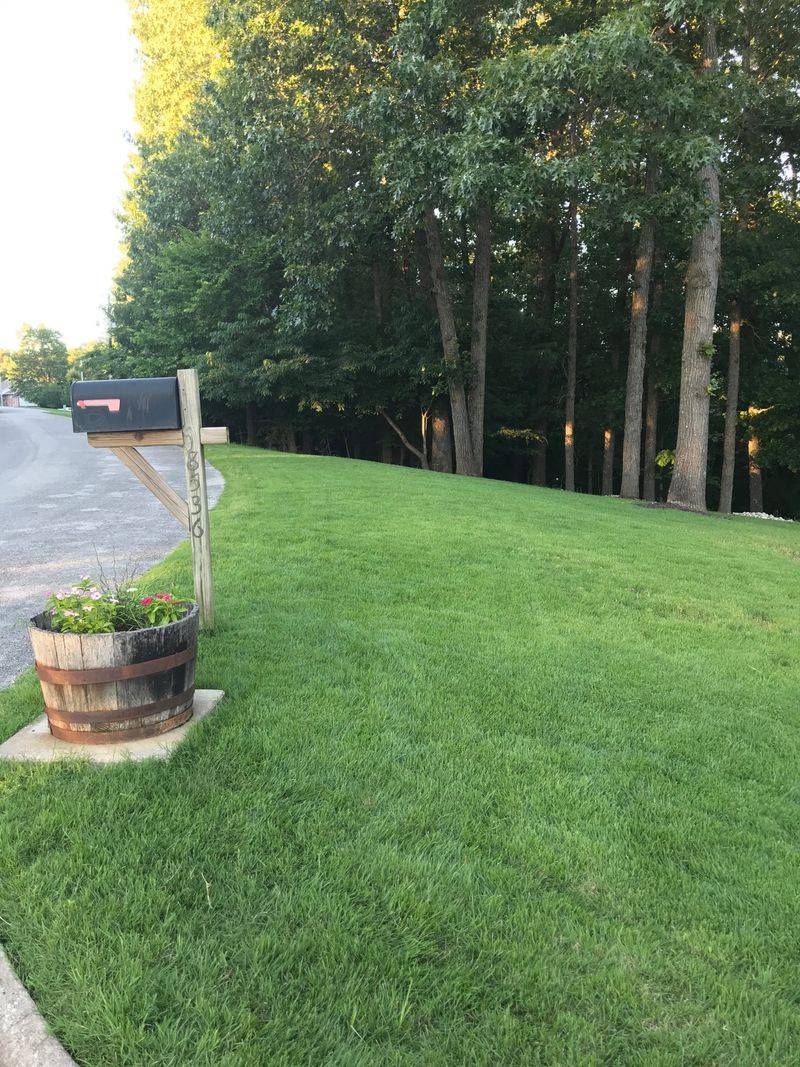
September starts a season of foot traffic that summer heat mostly discouraged.
Cooler weather brings people back outside, and zoysia recovers from wear more slowly as growth slows.
That combination means damage in October lingers considerably longer than the same damage in June would.
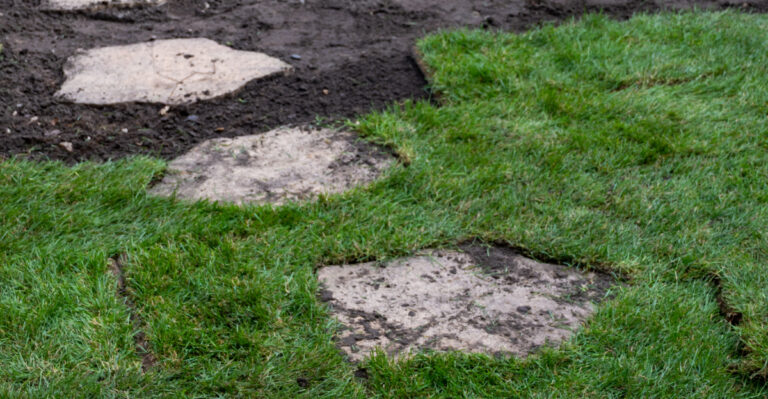
Spread traffic where possible. Repeated paths across the same line compact soil and wear the turf down to bare ground.
Stepping stones or a defined walkway solve chronic path problems permanently.
Compaction is worth checking directly. A screwdriver that resists pushing into moist soil indicates a problem restricting roots and water movement.
Core aeration addresses that, though timing matters. Aerating during active growth allows recovery, so late summer generally works better than deep fall in Florida.
Furniture, planters, and equipment left sitting on turf create spots within a week or two. Moving them periodically prevents that.
Pet damage concentrates in the same areas, and rinsing those spots helps dilute what causes the browning.
Watch for cinch bugs and sod webworms too, since both stay active into fall in Florida and their damage looks like drought stress.
Distinguishing pest damage from thirst saves you from watering a problem that water won’t fix.
9. Fix Bare Spots While Growth Continues
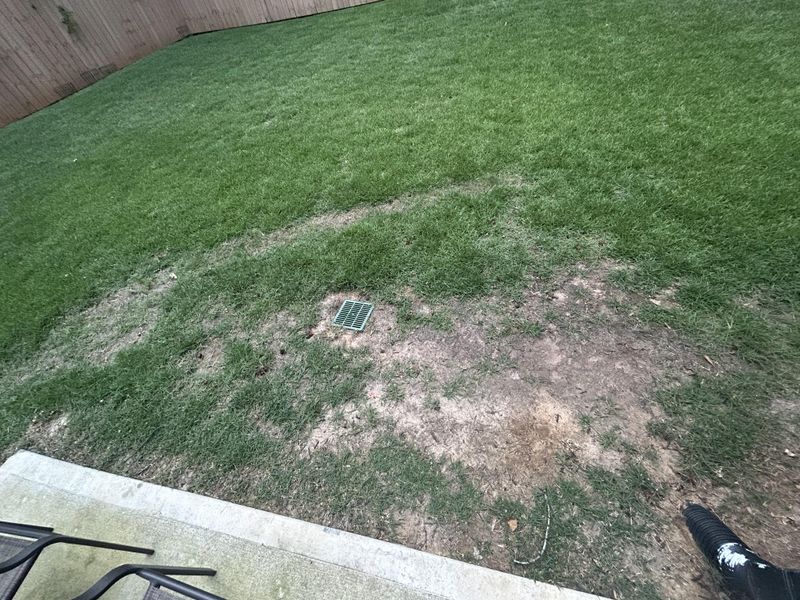
Thin patches and bare ground repair best while the lawn still has some growing season left.
Zoysia spreads by stolons and rhizomes rather than seed, which changes how repair works.
Seeding is not a realistic option here. Most zoysia varieties produce poor seed, and named cultivars are propagated vegetatively.
That leaves plugs or sod for anything larger than a few inches.
Small gaps often close on their own. Zoysia fills in from the edges given warmth, water, and a few weeks of active growth.
September still offers that window across most of Florida, particularly in central and southern parts of the state.
Timing matters though. New sod or plugs need root establishment before growth slows, so acting early in the month beats waiting.
Prepare the spot properly. Loosen compacted soil, level the area, and match the new material to the existing grade.
Water new sod or plugs more frequently than the surrounding lawn for the first two or three weeks, then taper toward the normal schedule.
Variety matching is worth checking. Zoysia cultivars differ noticeably in texture and color, and a mismatched patch stays visible for years.
Identify the cause before repairing, since a spot that thinned from shade, drainage, or insect damage will simply thin again.
North Florida gardeners running late are usually better off waiting until spring.