Georgia Homeowners May See More Armadillo Digging Around Yards This Fall
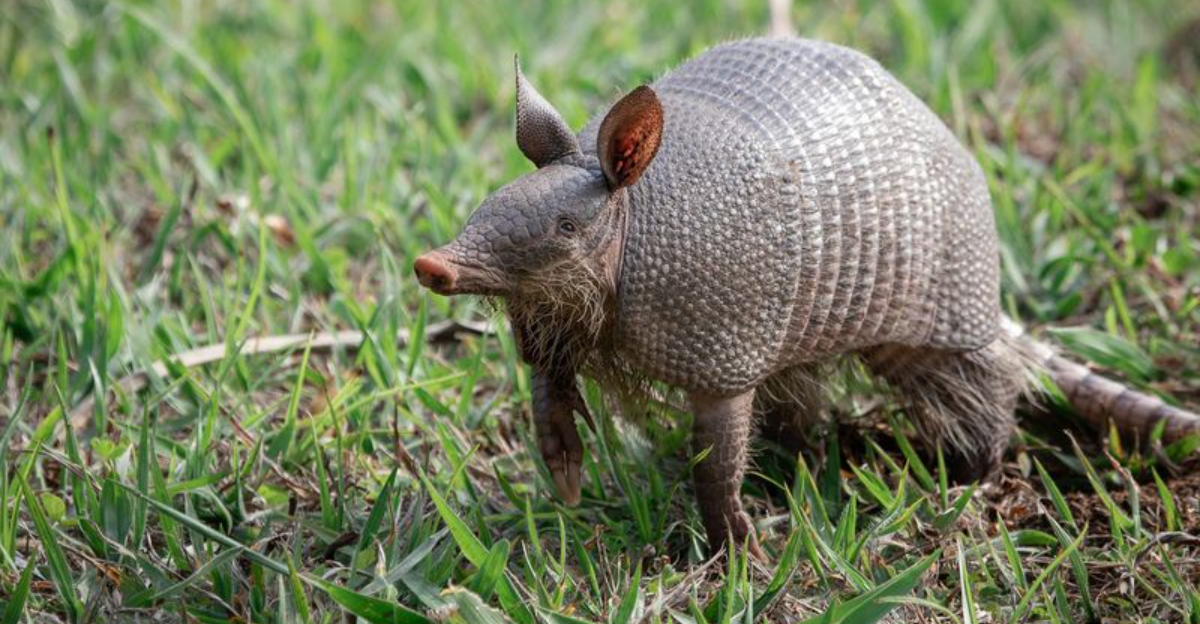
Fresh holes scattered through the lawn can be frustrating, especially when the yard looked perfectly normal the evening before. In fall, one nighttime visitor may deserve a closer look.
Armadillos spend plenty of time searching through soil for the small creatures they eat.
That search can bring them into Georgia yards, where soft ground makes digging easier. When conditions suit them, the signs they leave behind can suddenly become much easier to notice.
Knowing what caused those shallow holes helps you decide what should happen next.
Instead of repairing every spot and hoping the digging stops, look for patterns that point toward the visitor responsible. Once you recognize those clues, the yard starts telling a clearer story.
Those messy patches may reveal exactly what has been wandering through after dark.
1. Those New Holes In The Yard May Have A Clear Cause
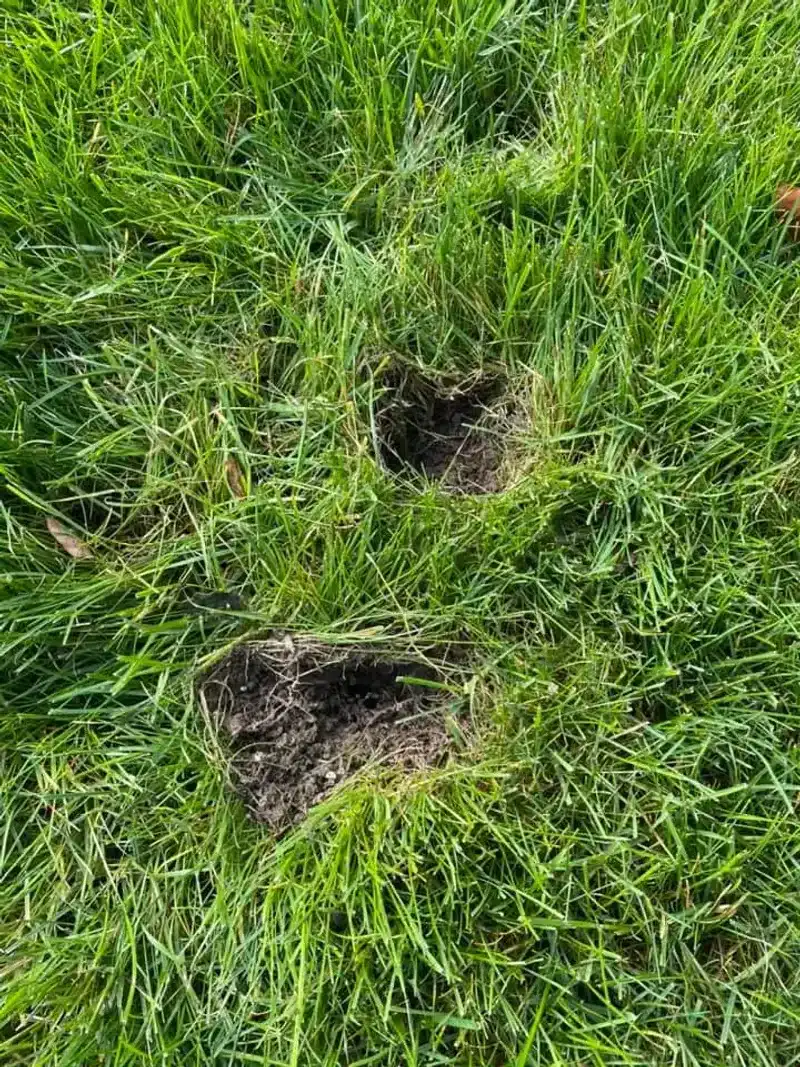
Overnight damage with no footprints in the grass usually points to wildlife, not vandalism.
Armadillos work after dark. Most homeowners never see the animal, only the aftermath spread across the lawn by sunrise.
The holes tend to be shallow and scattered. You may find ten or fifteen across a single section of turf, with fresh soil sitting on top of the grass blades.
Mulch beds often look worse than the lawn itself.
Georgia has a steady nine-banded armadillo population, and sightings have spread across much of the state over the past few decades. Suburban yards with irrigated soil sit right in their comfort zone.
Skunks and raccoons dig too, so the cause is not automatic.
Raccoons often roll back sod in flaps. Armadillos leave rougher, punched-in spots with loose dirt kicked backward behind them.
Check the timing before you assume anything.
Damage that appears in the same general area night after night usually means the animal found a food source it likes. Random single holes may just be a passing visitor.
Take a photo the first morning you notice it.
Comparing pictures across a week tells you whether the digging is spreading or slowing down. That simple habit saves a lot of guessing later when you decide how to respond.
2. Armadillos Dig Through Soil While Searching For Food
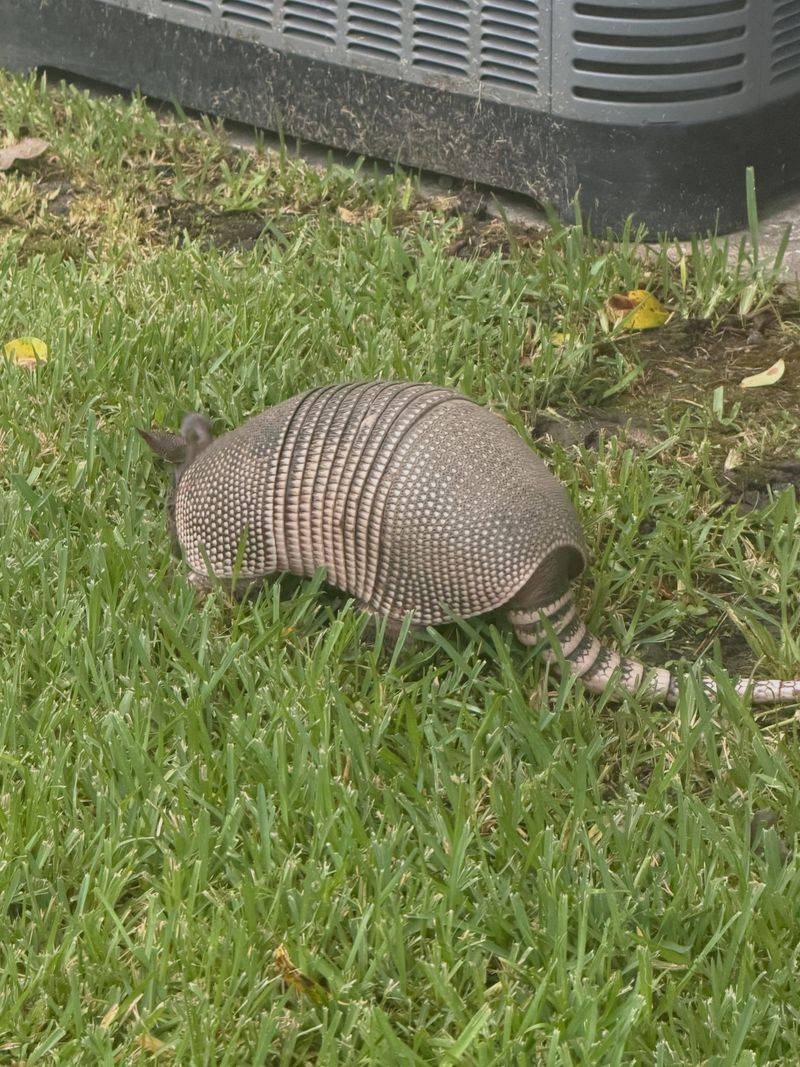
Food drives almost everything an armadillo does at night.
Their diet leans heavily on insects, larvae, worms, and other small soil life. Plants are rarely the target, even when your flower bed ends up wrecked.
Armadillos have poor eyesight but a strong sense of smell.
They move slowly across the ground with the snout down, sniffing for movement below the surface. Once something registers, the front claws go to work.
The digging itself is quick and shallow.
A few seconds of scratching, a nose pushed into the hole, then the animal moves on. That is why you find many small pits instead of one big excavation.
Yards with rich, moist soil naturally hold more insects.
Heavy mulch, compost piles, and irrigated turf all support the kind of bug life armadillos hunt. Better soil often means more visits.
Cutting back on watering can reduce the appeal in some cases.
Your Georgia Garden Changes Every Week. Your Plan Should Too.
Gardening in Georgia changes quickly throughout the season. Every Friday you’ll receive a simple weekly plan showing exactly what to plant, prune, fertilize, harvest, and protect so you never miss the right timing.
Results vary by soil type and rainfall, so treat it as one adjustment among several rather than a fix. Sandy ground behaves differently than the red clay common in parts of North Georgia.
Pay attention to where the holes cluster.
Those spots usually mark the areas holding the most food, which tells you where the underlying insect activity sits.
3. Fall Brings White Grubs Closer To The Soil Surface
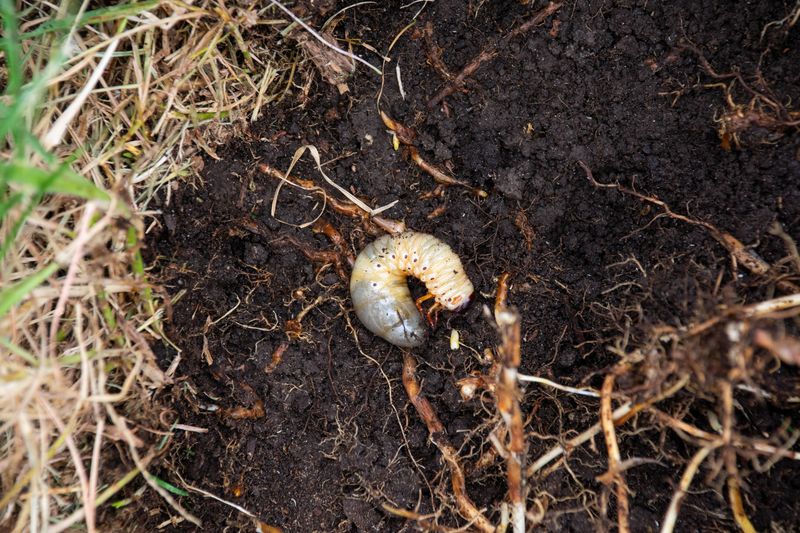
Grubs are the main prize, and fall puts them within easy reach.
White grubs are the larvae of beetles such as Japanese beetles and June beetles. They feed on grass roots in the upper few inches of soil.
Late summer eggs hatch into small larvae.
Through early and mid fall, those larvae feed actively near the root zone, which is exactly where an armadillo can reach them with a couple of claw swipes.
Warm soil keeps them shallow.
Once temperatures drop enough, grubs generally move deeper to wait out winter. The window when they sit high is the window when digging picks up.
Thin, patchy turf can be a hint.
Grass that pulls up easily with few roots attached sometimes signals grub feeding underneath, though drought stress and disease look similar.
Turn over a square foot of sod in a damaged spot to check.
Finding several C-shaped white larvae suggests the food source is real. Finding none means something else is drawing the animal in.
Grub treatments exist, but timing matters and results are not certain.
Local extension offices across the state publish seasonal guidance, and checking with them beats guessing at products. Soil moisture, application date, and grass type all affect the outcome.
4. Soft Ground Can Make Digging Easier For Armadillos
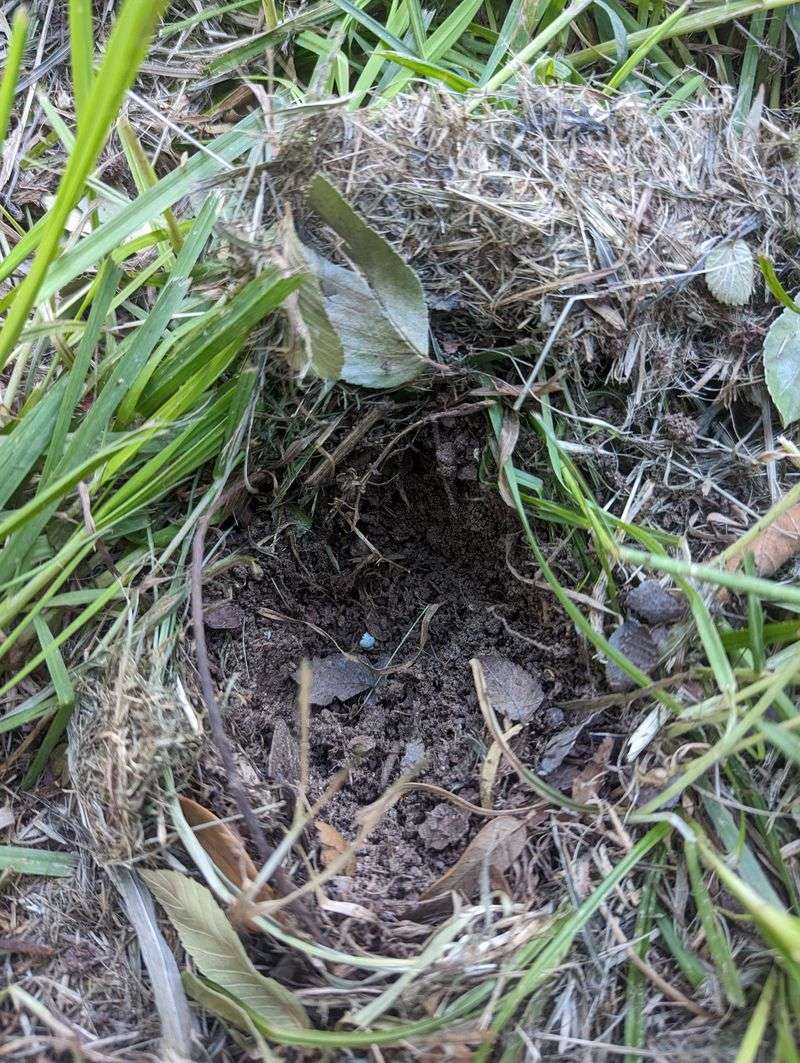
Wet soil is an open invitation.
After a good rain, ground that felt like concrete in August turns loose and workable. Armadillo claws move through it with far less effort.
Fall rainfall across much of Georgia softens lawns that spent the summer baked hard.
You will often notice a jump in fresh holes within a day or two of a soaking rain.
Irrigated areas behave the same way.
Sprinkler zones, low spots that hold water, and the edges of flower beds usually take damage before the drier parts of the yard do.
Mulch adds another soft layer on top.
Pine straw and shredded bark stay damp underneath, and the insects living there are simple to reach without much digging at all.
Compacted clay slows them down somewhat.
Heavily compacted ground is harder to work, though it rarely stops the activity entirely when food sits close to the surface.
Adjusting sprinkler run times may help a little in some yards.
Less standing moisture can mean fewer insects near the top layer, but weather still controls most of this. A rainy stretch will undo careful watering choices quickly.
Watch the pattern after storms.
If digging spikes every time the ground gets wet, moisture is clearly part of what is happening in your yard.
5. Small Cone Shaped Holes Are A Common Clue
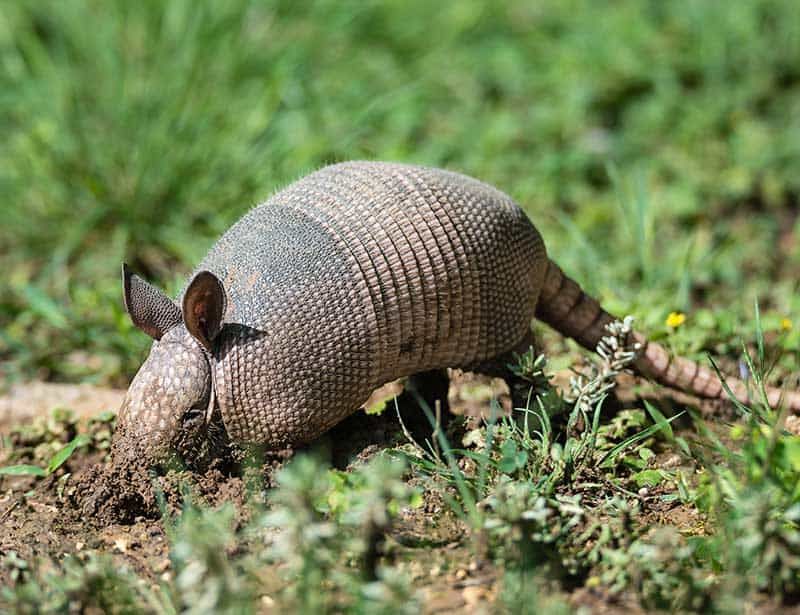
Shape tells you a lot more than size does.
Armadillo holes often look like small cones or shallow funnels. They are typically one to three inches across and a few inches deep.
The snout creates that taper.
Claws break the surface, then the nose pushes down into the opening, which rounds out the sides into a cone.
Loose dirt usually sits behind the hole.
Armadillos kick soil backward as they dig, leaving a small fan of dirt rather than a neat pile ringing the edge.
Skunk damage looks different.
Skunks tend to leave tighter, more conical divots too, so telling them apart takes a closer look at other signs like tracks or scat.
Armadillo tracks show three prominent toe marks on soft ground.
Muddy edges near beds or downspouts are the best places to look for them after rain.
Larger burrow entrances are a separate matter.
Armadillos also dig burrows around seven to ten inches wide, often near foundations, sheds, brush piles, or thick shrubs. Those are shelter, not feeding holes.
Counting holes over a few days helps.
Homeowners in Georgia neighborhoods with wooded edges often see the heaviest activity along fence lines, where cover meets open lawn and the animal feels less exposed.
6. Lawns And Garden Beds Can Both Show Damage
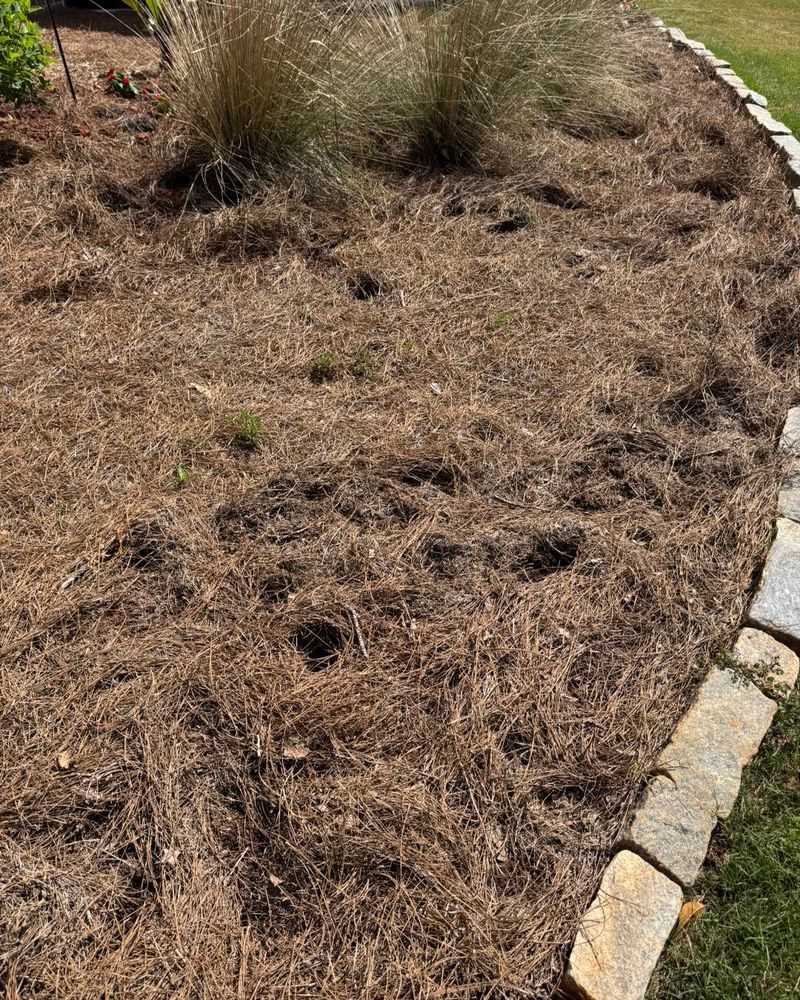
Turf takes the visible hit, but beds often take the worse one.
Grass recovers from shallow holes fairly well once the digging stops. Roots stay mostly intact when the damage is only an inch or two deep.
Flower beds are a different story.
Loose soil and thick mulch make easy hunting, and shallow-rooted annuals can get pushed aside or uprooted in the process.
Newly planted areas are especially vulnerable.
Fresh transplants sit in soft, disturbed ground, which is exactly the texture an armadillo prefers to work through.
Vegetable gardens see occasional visits too.
The animal is chasing worms and larvae, not produce, though root disturbance can still stress young plants.
Physical barriers offer the most reliable protection.
Fencing buried several inches deep and angled outward at the bottom can help around specific beds. Full-yard fencing is rarely practical for most homeowners.
Repairing turf is usually simple.
Tamp the soil back down, water lightly, and overseed thin spots if your grass type allows fall seeding. Warm-season lawns common across the state often do better with spring repair instead.
Keep expectations realistic on repellents.
Results are inconsistent, and heavy rain washes most products away. Reducing food and cover tends to matter more than anything sprayed on the surface.
7. Colder Weather Can Eventually Slow Their Activity
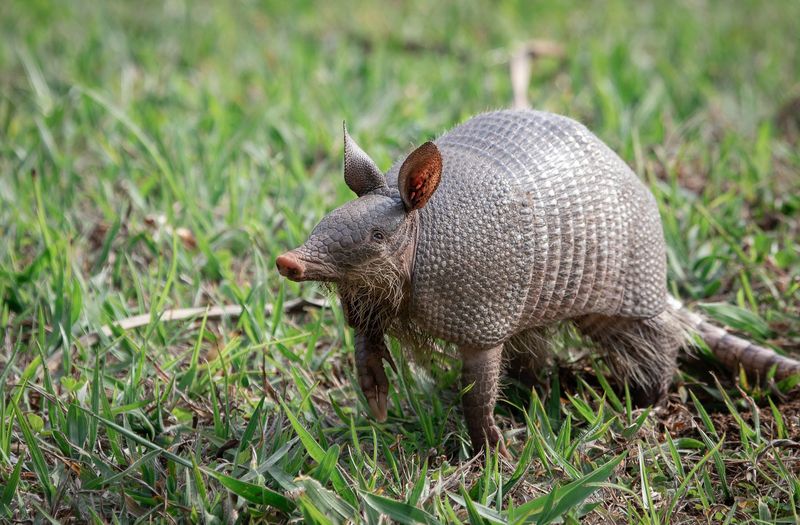
Cold changes the whole picture.
Armadillos handle low temperatures poorly. They carry little body fat and lack a thick coat, so hard cold snaps push them into burrows for longer stretches.
Their food supply shifts as well.
Grubs and other soil insects move deeper as the ground cools, which makes shallow digging far less rewarding.
Activity does not stop on a set date.
Winters in Georgia swing between freezing nights and mild afternoons, so you may see quiet weeks followed by fresh holes during a warm stretch.
Armadillos sometimes forage during daylight in cold months.
Warmer midday hours are easier on them, which is why winter sightings happen more often in the open than summer ones do.
Late winter and spring usually bring a return.
Once soil warms and insects rise again, the same yards tend to see the same pattern repeat.
Use the slow season to prepare.
Clear brush piles, close gaps under decks and sheds, and thin dense shrubs near the foundation. Removing shelter near the house helps more than reacting after holes appear.
Check local rules before taking any action involving the animals.
Wildlife regulations differ by state and situation, and a licensed removal professional can explain what is allowed where you live.