8 Yard Problems That Become Easier To Notice In Early Fall
Your yard is showing signs you may not have noticed yet. Summer conceals trouble that your lawn can’t mask forever. Patches and thin spots slowly start showing across your yard.
Cooler air slows growth and exposes hidden flaws. Soil beneath your feet still holds real warmth. Roots under your lawn stay hungry for nutrients. Nutrients reach your grass deeper now than earlier this year.
Sunlight angles differently, revealing weak spots in your yard. Shadows quietly expose zones your mower usually hides. You face a narrow repair window this season.
Waiting only lets small problems grow larger in your yard. Minor issues in your lawn become costly fast. Attention now saves you real money before problems spread further.
Timing matters more than effort in your yard. Understanding your lawn’s signals now protects it later. Ignore this window, and fixing it will cost you more come spring.
1. Bare And Thinning Patches In The Lawn
Summer traffic hides a lot. Once the grass slows its growth in September, those worn strips near the gate or under the swing set stop filling themselves in.
Thin spots usually come from three things: heavy foot traffic, compacted soil, or shade that grew thicker as trees filled out. Press a screwdriver into the ground; if it fights you, compaction is likely part of the story.
Early fall happens to be the best window for repair. Soil stays warm from summer, nights turn cool, and new seedlings get weeks to root before frost arrives.
Start by raking the patch to loosen the top half inch. Scatter seed that matches the rest of your lawn, then press it down with your foot or a roller so it makes real contact with soil.
A thin layer of compost or seeding soil on top helps hold moisture. Water lightly once or twice a day until the new blades reach mowing height, then taper off.
Fun bit of history: overseeding in autumn became common practice on golf courses long before homeowners caught on, mostly because greenskeepers noticed fall seedlings outperformed spring ones.
Keep the repaired area off-limits for a few weeks if you can. A simple stake and string reminder works better than hoping the dog remembers.
By late October, those patches should blend in. Skip the fix and you will likely be looking at the same bare spot, only wider, come April.
2. Grubs Chewing Beneath The Surface
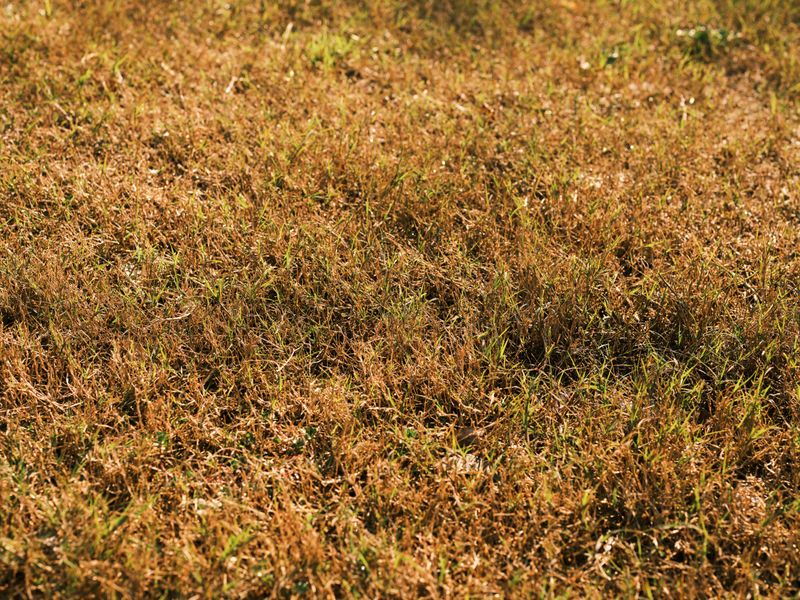
Here is a strange test: grab a handful of yellowing turf and tug. If it peels back like a piece of loose carpet, something has been snacking on the roots underneath.
White, C-shaped larvae are the usual suspects, and September is when their damage becomes obvious. They fed all summer, and now the weakened roots cannot keep the grass green.
Another clue shows up overnight. Skunks, raccoons, and birds dig little cone-shaped holes across the lawn because they know exactly what is down there.
To check, cut a one-foot square of sod about two inches deep and fold it back. Finding a handful or more in that small area suggests treatment is worth considering.
Beneficial nematodes and milky spore are gentler options that many gardeners lean on. Timing matters, since these work best while larvae are still small and feeding near the surface.
Watering deeply and less often builds stronger roots, which helps turf shrug off light feeding. Lawns kept slightly stressed tend to show damage sooner.
Repair the affected zones the same way you would any bare patch: rake, seed, top-dress, and keep moisture steady.
Mark the trouble spots on your phone with a quick photo. Next June, when the beetles return to lay eggs, you will know exactly where to watch first. Catching this in early fall gives you a full season of advantage.
3. Moss Creeping Into Shady Corners
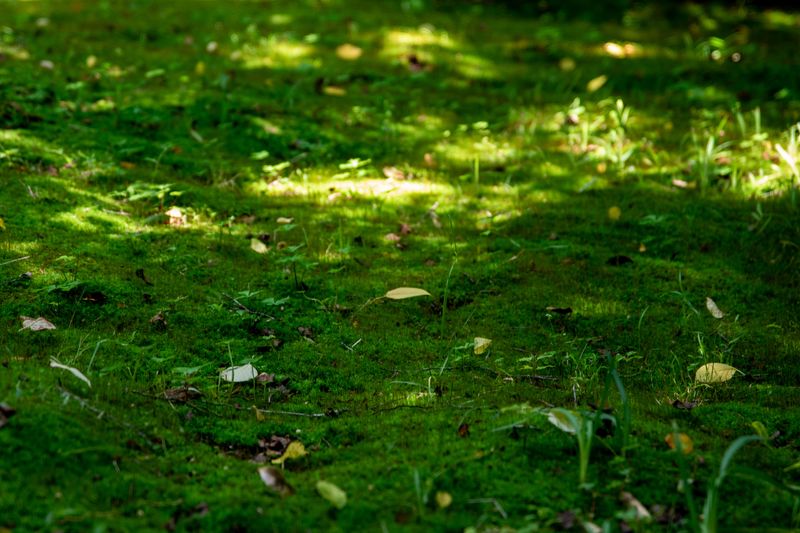
Moss is honest. It shows up exactly where grass has given up, and September rain makes it puff out and turn brilliant green almost overnight.
Shade, soggy soil, low fertility, and acidic ground all invite it in. Scraping moss away without changing those conditions is like mopping around a leaky pipe.
Start with a soil test, which most county extension offices handle for a few dollars. Results tell you whether lime or a fertilizer adjustment would help the grass compete.
Look up while you are down there. Thinning a few low tree branches can add hours of light to that corner and change everything.
Drainage deserves attention too. If water sits after a storm, consider a shallow swale, a French drain, or simply regrading a low spot with topsoil.
Some folks make peace with it instead. Moss gardens have been treasured in Japan for centuries, and a shady patch of soft green needs no mowing at all.
If you want turf back, rake the moss out on a dry day, amend the soil, and seed with a shade-tolerant blend of fine fescue.
Raise your mower height in shady zones. Longer blades capture more light, which gives grass a fighting chance against its velvety competitor.
Either way, September is the month to decide. Waiting until spring means moss will have claimed even more ground while you were not looking.
4. Compacted Soil That Fights The Shovel
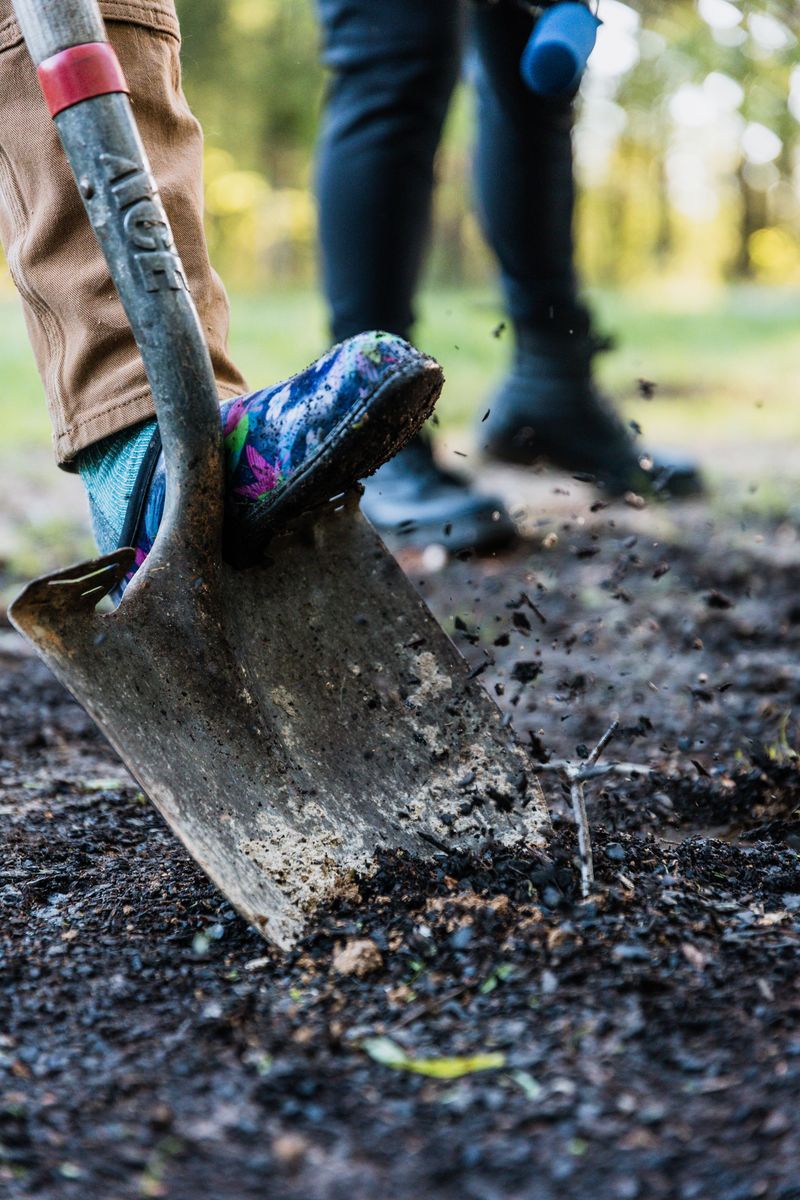
Ever notice how rain runs across parts of your yard instead of soaking in? That is compaction announcing itself, and fall rains make it easy to spot.
Foot traffic, mowers, kids, and clay soil press air pockets out of the ground. Roots then struggle to spread, and water skates off the surface toward the sidewalk.
The screwdriver test remains the simplest check. Push a six-inch screwdriver into moist soil; if it stops after an inch or two, the ground is tight.
Core aeration is the classic answer, and early-to-mid fall is prime time for cool-season lawns (timing shifts for warm-season grasses). A machine pulls small plugs of soil, leaving channels for air, water, and roots.
Leave the plugs on the lawn. They break down within a couple of weeks and return nutrients while helping topdressing settle in.
Pair aeration with overseeding and a light compost topdressing. Seed drops right into those holes, which is about the best contact with soil you can offer.
Renting an aerator for a morning costs less than you might expect, and neighbors often split the fee. Handheld versions work fine for small areas.
Afterward, water regularly for two or three weeks so new roots follow the open channels downward.
Yards treated this way in fall usually green up faster in spring and handle summer heat with less fuss. Skipping it means starting next year on hard ground again.
5. Drainage Trouble And Standing Water
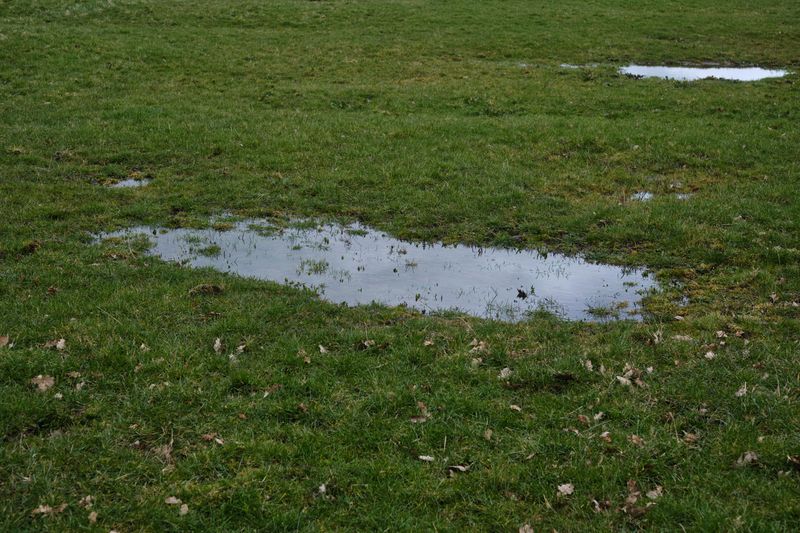
Autumn storms are excellent detectives. Give your yard twenty minutes after a good soaking and walk it, because puddles reveal problems that summer sun erased in an hour.
Low spots, clogged downspout extensions, and grading that slopes toward the house all show up clearly now. Take photos while the water is still sitting there.
Water pooling near a foundation deserves quick attention. Ground should fall away from the house about six inches over the first ten feet.
Downspouts are often the easy fix. Adding a four-foot extension moves roof runoff away from the wall and costs less than a pizza.
For persistent low areas, topdressing with a blend of topsoil and compost works well. Add half an inch at a time and let grass grow through between applications.
Bigger issues may call for a dry creek bed, a rain garden, or a French drain. Rain gardens are especially handy because they soak up runoff and support pollinators.
Gutters matter too. Leaves start piling up in September, and an overflowing gutter dumps concentrated water right where you least want it.
Check the splash zone after the next rain. Eroded mulch or splattered siding tells you water is landing hard and fast.
Handling drainage now, while the ground is still workable, beats wrestling with frozen or muddy soil later. Your basement will thank you in February.
6. Weeds Making Their Autumn Move
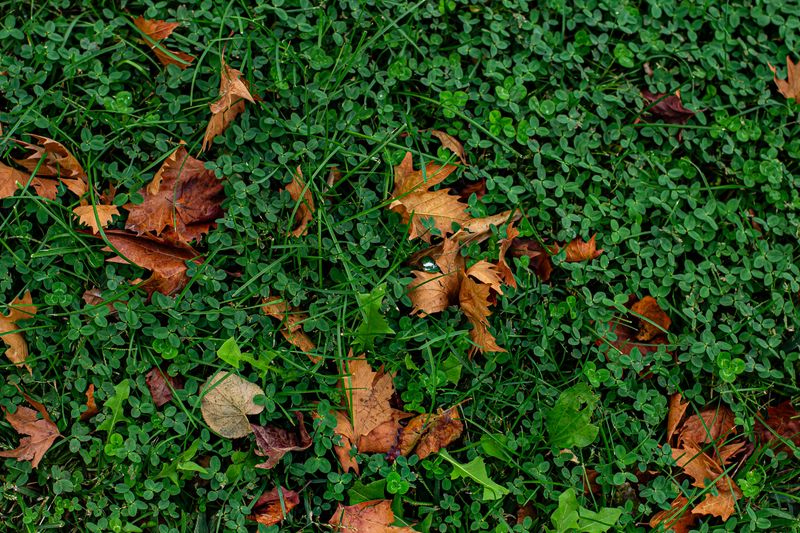
Weeds become easier to identify in fall. While the lawn slows down, perennial weeds pull energy into their roots for winter, which makes them stand out against thinning turf.
Dandelion, clover, plantain, and creeping charlie all become easier to spot once summer growth eases. Their rosettes sit flat and green while grass fades.
That downward flow of energy is actually your advantage. Treatments applied now travel straight to the roots instead of just burning the leaves.
Hand pulling works beautifully in September because moist soil releases taproots without snapping them. A narrow weeding fork does the job neatly.
For crabgrass, note where it appeared and mark those areas. It fades with frost, but its seeds wait for spring, so a pre-emergent in early spring pays off there (exact timing depends on your climate zone).
Thick turf remains the best defense. Overseeding, feeding, and mowing high crowd out seedlings before they get established.
Mowing at three inches or so shades the soil surface. Weed seeds need light to sprout, and taller grass simply refuses to give it to them.
If you prefer organic methods, corn gluten meal and vinegar-based sprays exist, though results vary and timing is fussy.
Quirky detail: dandelions were brought to North America on purpose by settlers who valued the greens and roots. What was once a garden crop now stars in most weed complaints. Handle them now and spring looks a lot tidier.
7. Fungal Spots And Rings In The Grass
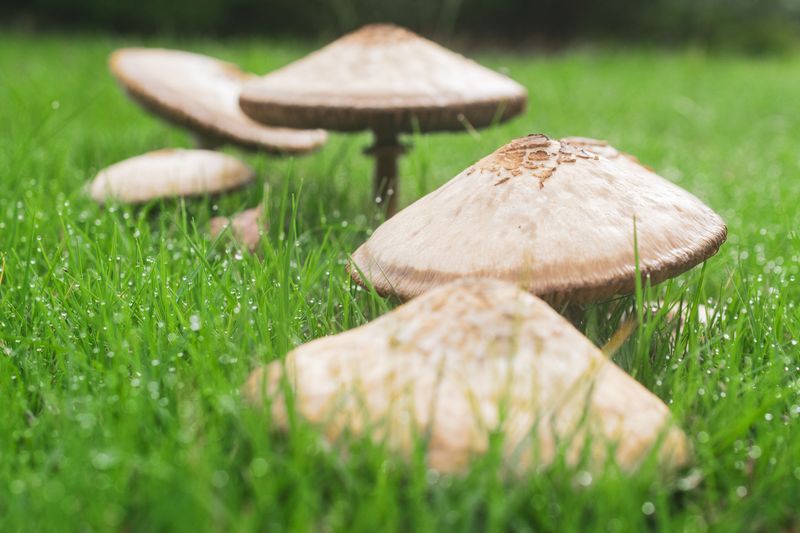
Cool nights, warm days, and heavy dew create ideal conditions for fungal growth. September delivers all three, which is why odd patches suddenly appear across lawns.
Brown patch shows up as circular tan areas. Dollar spot leaves small bleached circles about the size of a coin, often with tiny cobweb-like threads at dawn.
Fairy rings are the showiest of the bunch, forming arcs of dark green grass or mushrooms in a curve. Folklore blamed dancing fairies; soil scientists blame fungi breaking down buried wood.
Watering habits often set the stage. Evening sprinkler runs leave blades wet all night, which is exactly what these fungi enjoy.
Shift watering to early morning so grass dries within a few hours. Deep, infrequent soaking beats daily sprinkles. Sharpen your mower blade too. Torn grass tips heal slowly and give spores an easy entry point.
Go easy on high-nitrogen fertilizer right now. Lush, fast growth in cool weather tends to invite more trouble than it solves.
Rake up clippings in affected areas rather than leaving them, and clean the mower deck afterward so you are not spreading spores around.
Most turf fungi fade once weather shifts, and the grass recovers on its own with decent care. Persistent large patches may need a targeted fungicide, ideally chosen after identifying the specific culprit.
Photograph the pattern for your records. Recurring spots often trace back to shade or drainage.
8. Stressed Trees And Shrubs Showing Early Color
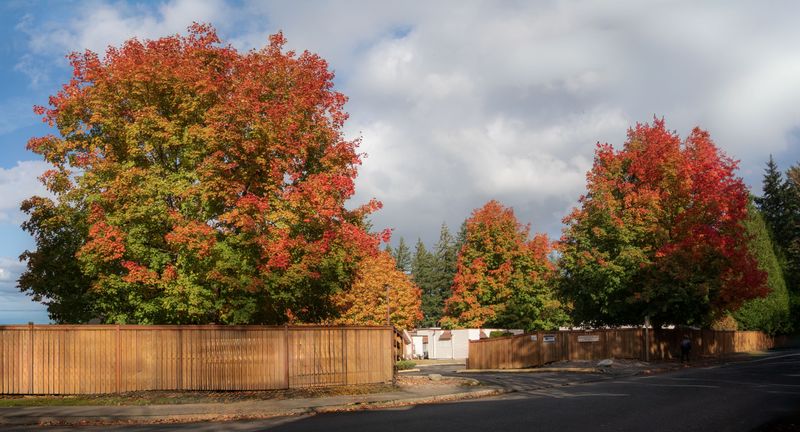
A tree that turns brilliant red in the first week of September is often signaling stress, not celebrating the season. It stands out because neighboring trees are still green.
Look for one branch coloring ahead of the others, thinning canopy, or leaves smaller than usual. Those are early signs of stress.
Common causes include drought stress from summer, girdling roots, mulch piled against the trunk, or damage from a mower or string trimmer.
Check the base first. You want to see a flare where the trunk widens into roots; if it looks like a telephone pole entering the ground, it may be planted or mulched too deep.
Pull mulch back a few inches from the bark and spread it in a wide, shallow ring instead of a mound. Roots need air to breathe, not a thick pile of mulch.
Give trees a deep soak now if rainfall has been light. Autumn watering builds reserves that carry them through winter winds.
Inspect shrubs for scale insects, borer holes, or oozing sap on bark. Fall light makes these details easier to catch.
Hold off on heavy pruning until the plant is fully dormant, though broken or rubbing branches can come off anytime.
Worth knowing: trees can carry stress for years before showing it clearly. Noticing the signal in September gives you time to respond before real trouble sets in.