9 low-light houseplants that thrive through a dim Wisconsin winter without extra grow lights
Winter in Wisconsin can feel long, gray, and short on sunshine, which makes keeping houseplants alive a real challenge. The good news is that some plants don’t mind dim rooms at all, and they can bring green life into your home without any fancy grow lights.
Below you will find easygoing plants that shrug off low light, dry heat, and forgetful watering. Pick a few and watch your space stay cheerful even when the sky outside stays cloudy for days.
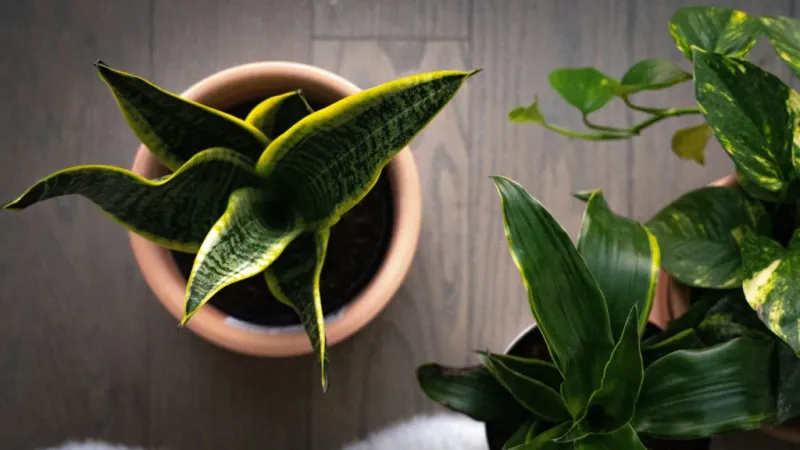
1. Snake Plant (Sansevieria trifasciata)
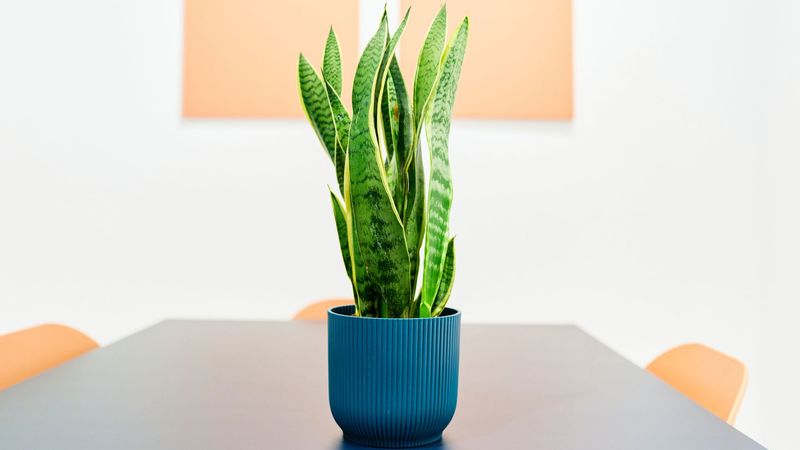
Nearly impossible to kill, the snake plant might be the toughest roommate you ever bring home. Its stiff, sword-like leaves stand straight up like little green soldiers, adding an architectural look to any Wisconsin living room during the darkest weeks of winter.
What sets it apart from the rest of this list is how little it asks of you. It shrugs off low light, forgives you when you forget to water, and handles the swinging indoor temperatures that come with Wisconsin furnaces kicking on and off.
Fun fact: snake plants keep releasing oxygen at night, which is unusual for houseplants. That makes it a handy pick for a bedroom in a chilly Wisconsin farmhouse where fresh air feels scarce in January.
Water it maybe once every two or three weeks and let the soil dry out between drinks.
2. ZZ Plant (Zamioculcas zamiifolia)
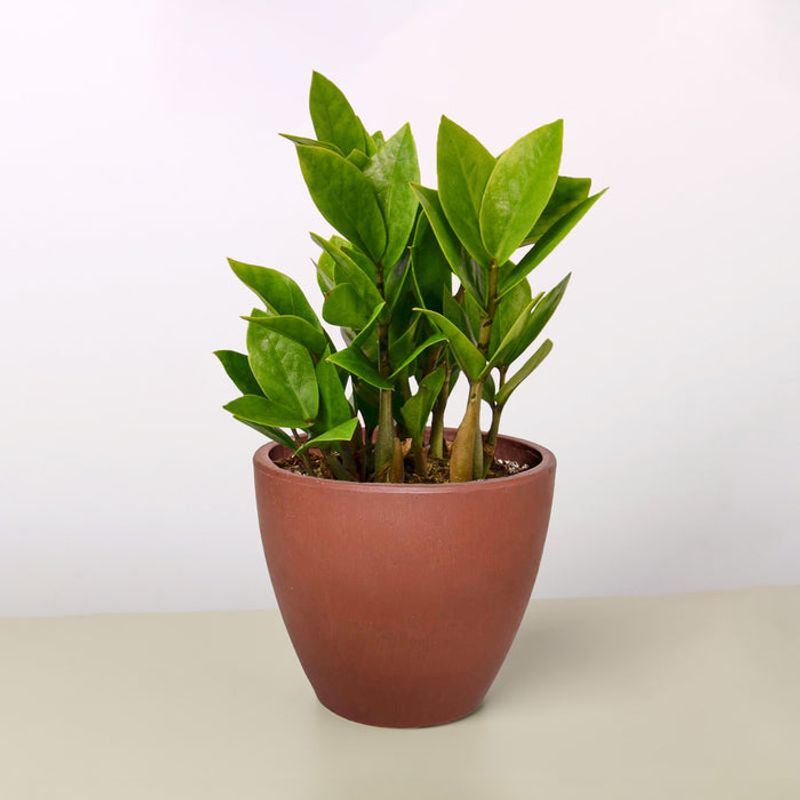
If you travel a lot or simply forget about your plants, the ZZ plant was practically made for you. Its waxy, mirror-shiny leaves stay glossy and green even when a Wisconsin winter drops the light levels to almost nothing.
The secret lives underground. Thick rhizomes tucked in the soil store water like little tanks, so the plant coasts along for weeks without a drink.
That makes it a forgiving companion for busy Wisconsin residents juggling work, school, and shoveling snow.
Unlike fussier greenery, the ZZ plant grows slowly and steadily, never demanding attention or dropping leaves in a huff. Set it in a shadowy corner of your Wisconsin home, water it sparingly, and it will quietly reward you with lush, tropical looks all season long.
3. Pothos (Epipremnum aureum)
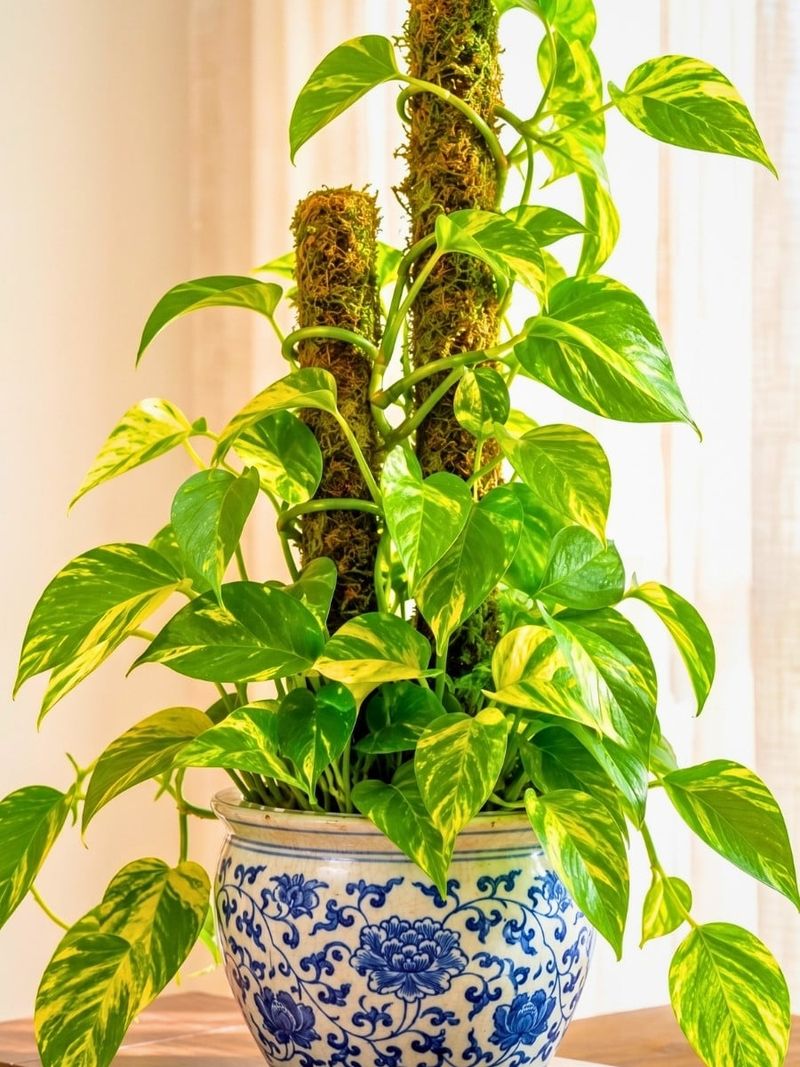
Draped over a bookshelf like a leafy waterfall, pothos brings instant softness to a room. Its heart-shaped leaves trail and tumble happily, making it one of the easiest ways to add greenery to a dim Wisconsin dwelling in the middle of winter.
Adaptability is its superpower. Pothos flourishes in indirect or low light, so it does not sulk when the short Wisconsin days leave your windows gray for hours on end.
You can grow it in a hanging basket, let it climb a small trellis, or even root a cutting in a jar of water on the kitchen counter. Snip a vine and share it with a friend, because pothos roots so easily that one plant can green up several Wisconsin homes.
4. Chinese Evergreen (Aglaonema)
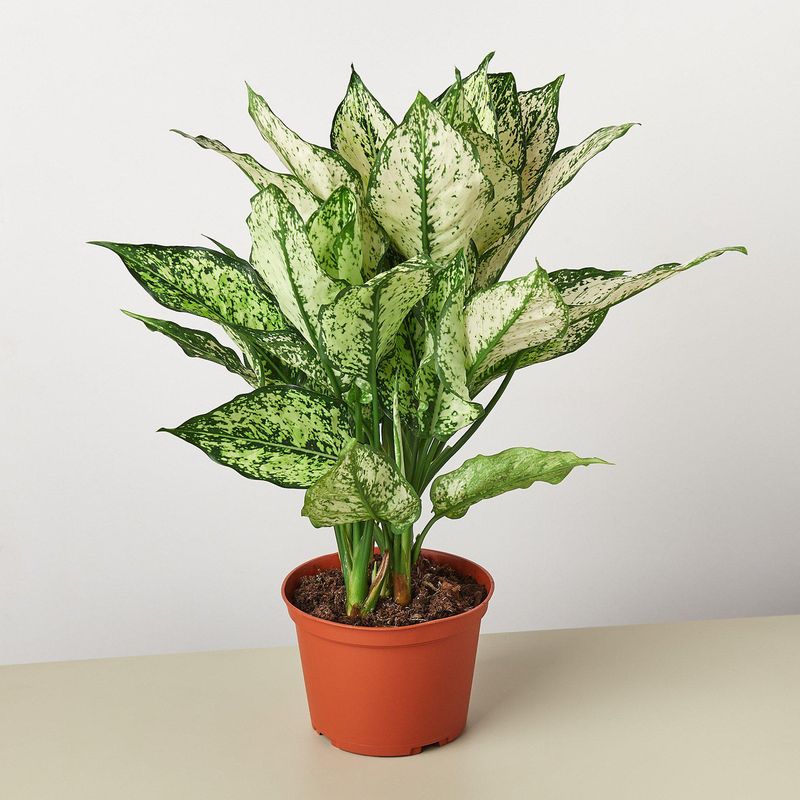
Patterned like a painter’s brush strokes, the Chinese evergreen shows off leaves splashed with silver, cream, and sometimes pink. That built-in color is a treat when everything outside your Wisconsin window has faded to white and gray.
Your Wisconsin Garden Changes Every Week. Your Plan Should Too.
Gardening in Wisconsin changes quickly throughout the season. Every Friday you’ll receive a simple weekly plan showing exactly what to plant, prune, fertilize, harvest, and protect so you never miss the right timing.
Medium to low indirect light suits it just fine, which is exactly what most rooms offer during the shorter days of a Wisconsin winter. It grows slowly and forgives the occasional missed watering without complaint.
Because it stays compact and tidy, aglaonema fits nicely on a side table, desk, or entry console. Keep it away from cold drafts near your Wisconsin doors, and this good-natured plant will hold its handsome foliage right through the coldest stretch of the year.
5. Peace Lily (Spathiphyllum)
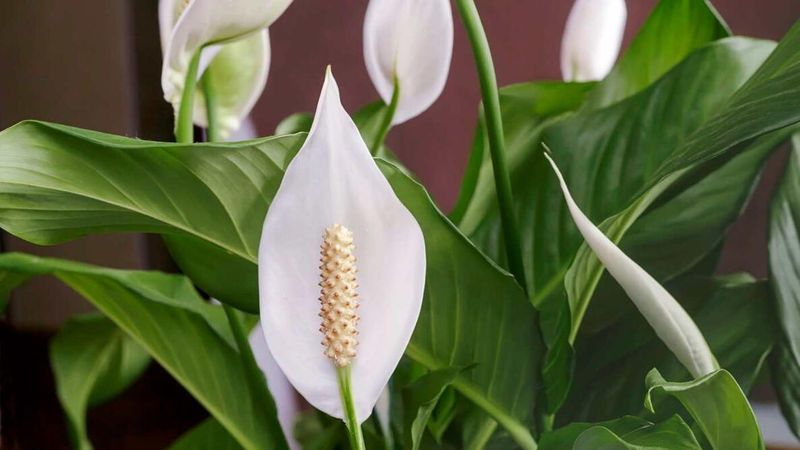
Just when you think nothing could bloom in the dead of a Wisconsin winter, a peace lily surprises you with a graceful white flower. Its glossy dark leaves and elegant blooms bring a quiet touch of class to indoor spaces when daylight is in short supply.
Filtered light and cooler indoor temperatures are exactly what this plant prefers, so it feels right at home in the calmer, dimmer rooms of a Wisconsin house. It even droops dramatically when thirsty, giving you a clear signal that it needs a drink.
One more bonus: the peace lily is known for helping freshen indoor air. During a long stretch of sealed-up windows in a Wisconsin January, that little bit of natural cleaning is a welcome perk.
6. Cast Iron Plant (Aspidistra elatior)
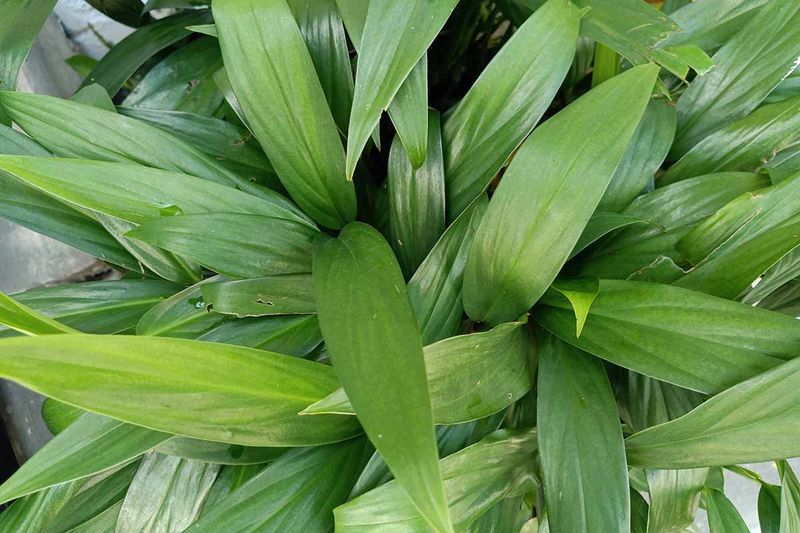
Some plants earn tough-guy reputations, but the cast iron plant actually lives up to its name. It handles low light, dry indoor air, and inconsistent watering like a champ, which makes it a dream for anyone battling a harsh Wisconsin winter.
Its broad, arching leaves stay a deep, steady green no matter how gloomy the weather gets outside. You can tuck it into the darkest corner of your Wisconsin home, the spot where nothing else seems to survive, and it will simply carry on.
Victorians grew these in dim, coal-smoke-filled parlors precisely because they refused to die. If a plant can outlast a smoky old drawing room, it can certainly handle the cozy shadows of a modern Wisconsin house.
7. Spider Plant (Chlorophytum comosum)
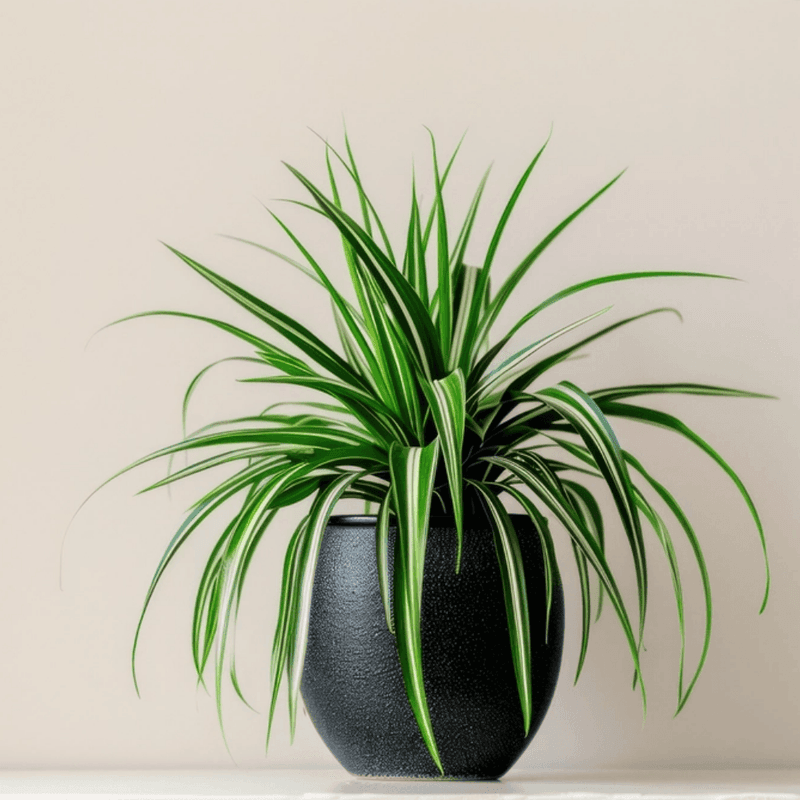
Playful and a little wild, the spider plant sends out arching leaves striped in green and white, plus tiny baby plants that dangle like ornaments. That cheerful, dangling look adds instant personality to shelves and hanging baskets across a Wisconsin home.
While it can enjoy brighter spots, this easygoing plant adapts to a range of light levels, so it manages fine through the dim stretches of a Wisconsin winter. It grows fast, bounces back from mistakes, and rarely holds a grudge.
The best part is the free plants. Those little plantlets, sometimes called spiderettes, can be snipped off and rooted to fill more corners of your Wisconsin house, or given away to friends who need a bit of winter greenery too.