Should You Trim Texas Crepe Myrtle Flowers For One More Fall Bloom
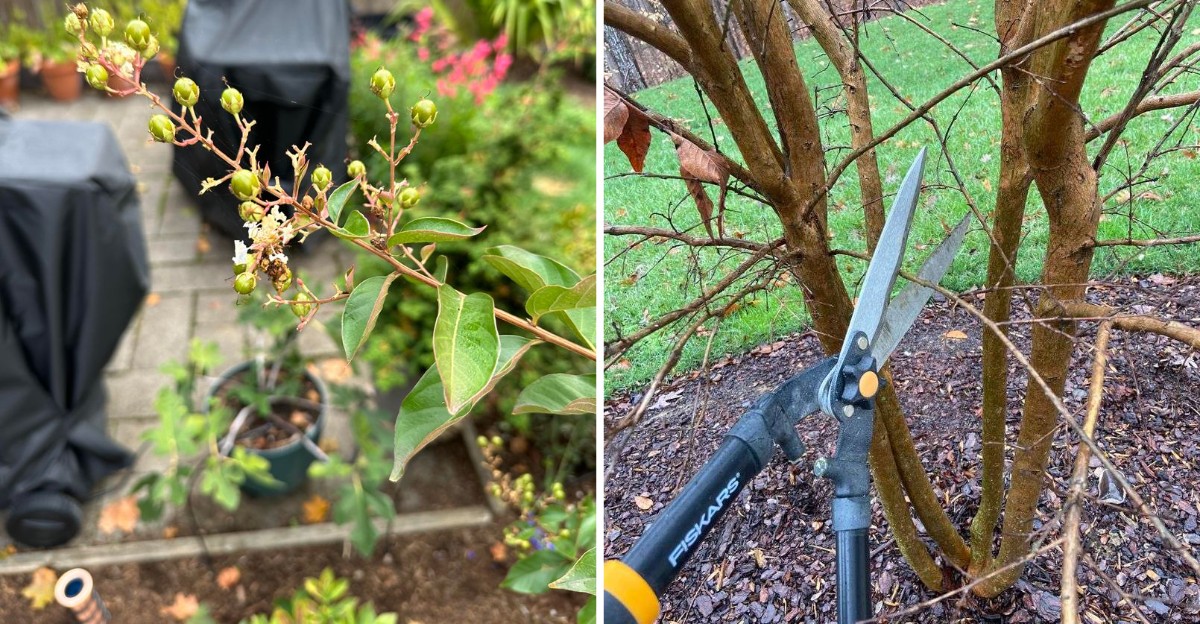
August in Texas has a way of wearing everything down, including the showy blooms out by the driveway. The color fades to tan, the petals drift onto the sidewalk, and small green knobs take their place.
Then a question sneaks up on you while standing there with the hose at sunset. Could a few quick snips talk that tree into putting on one more show before fall?
Plenty of neighbors swear by the trick in late summer, and plenty of others say leave the branches alone. Both camps have a point, and the difference usually comes down to timing and a light hand.
Here is what the calendar, the lingering heat, and the tree itself have to say about it. Grab the pruners and something cold to drink, and let’s sort out the smart move.
A Second Flush Is Possible In Texas Heat
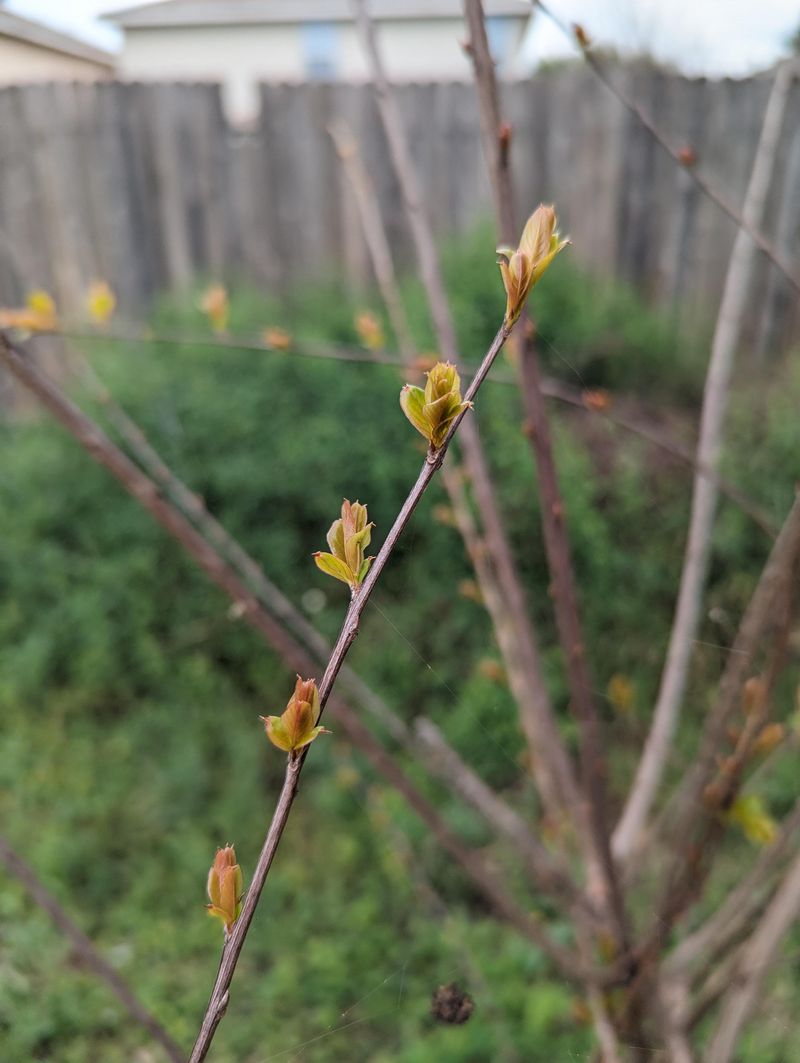
Texas summers run long enough to hand gardeners a bonus round of color, and crepe myrtles are happy to play along. As the first wave of blossoms fades into seed capsules, the tree can be nudged into producing another set of buds.
Snipping off those spent clusters, a practice many folks call removing spent blooms, signals the plant that its seed making job isn’t finished. That energy gets redirected into fresh shoot tips, where new flower buds form.
Gardeners in Houston, San Antonio, and the Rio Grande Valley often see two or even three rounds of bloom because the warm season runs into October. Around Amarillo or Lubbock, the window is tighter, so the payoff shrinks the farther north you go.
Not every tree responds the same way. Younger, well watered specimens in decent soil bounce back quickly, while stressed or shaded trees may push out leaves and skip the flowers entirely.
Variety matters too. Reblooming favorites such as Natchez, Tuscarora, and Muskogee tend to repeat generously, while some dwarf types put on a shorter encore.
One caution is worth keeping in mind: the goal is removing the finished flower cluster, not carving into thick limbs. A light touch keeps the canopy shapely and the tree ready for the next round of buds.
So yes, trimming spent flowers is worth trying in most of the state. Treat it as a small experiment rather than a chore, watch how your tree answers, and take notes for next season.
The Science Behind Seed Pods And Repeat Flowering
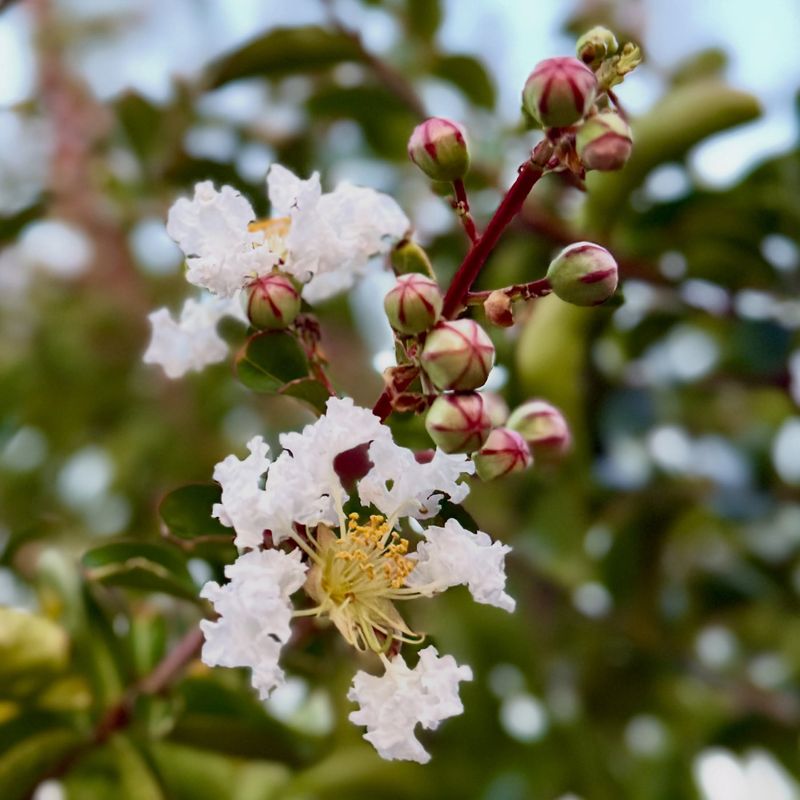
Here is the quiet deal every flowering tree makes with itself: bloom, get pollinated, set seed, then rest. Crepe myrtles follow that script, and the round green capsules left behind after petals drop mark the finish line.
As seeds begin filling those capsules, plant hormones shift and the tree slows its push for new flowering shoots. Sugars and minerals travel toward the developing pods instead of the branch tips.
Removing the capsules interrupts that handoff. The tree reads the missing seed load as unfinished business and sends growth signals back out to the tips, where fresh shoots stretch and set buds.
Your Texas Garden Changes Every Week. Your Plan Should Too.
Gardening in Texas changes quickly throughout the season. Every Friday you’ll receive a simple weekly plan showing exactly what to plant, prune, fertilize, harvest, and protect so you never miss the right timing.
Crepe myrtles bloom on new wood, which is the detail that makes the whole trick work. Any shoot that grows this season carries the potential for a flower panicle, so encouraging new twigs means encouraging flowers.
Fun bit of history: Lagerstroemia indica reached the American South in the late 1700s and earned the nickname lilac of the South. Southern gardeners figured out the seed pod trick generations before anyone explained the chemistry behind it.
Heat gives the process a shove. Texas soil stays warm through September, keeping roots active, so new shoots often appear within two weeks of a clean trim when moisture stays steady.
Grasping the cause makes every timing decision easier later on. You are not forcing anything on the tree, just redirecting energy it had already planned to spend somewhere else.
Timing The Cut Before The Calendar Runs Out
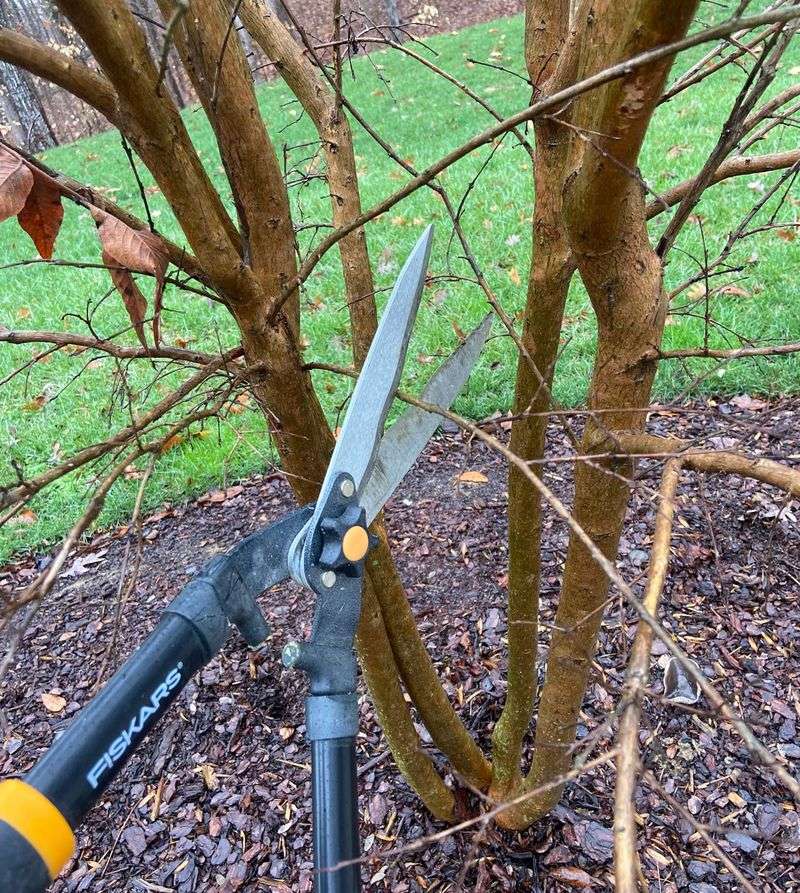
Mark late August on the calendar and you have found the sweet spot for most of Texas. A trim made between the middle of July and the end of August gives new shoots roughly six to eight weeks to grow, set buds, and open.
South Texas gardeners get more slack than the rest of the state. Along the coast and near the border, a cut in early September still has a fair shot at color before cool nights settle in.
Out on the plains near Amarillo and Lubbock, first frost often arrives in late October, while Dallas typically holds off until closer to Thanksgiving. Trimming past Labor Day up there mostly buys leaves rather than blossoms.
Watch the tree instead of relying on the date alone. Once about two thirds of a panicle has turned brown and pods have formed, that cluster has finished its work and can go.
Morning trimming beats afternoon trimming in August by a mile. Cutting during the cooler hours eases stress on the plant and on the person holding the pruners.
Late trims carry a real cost. Tender growth pushed in October can be nipped by an early cold snap, leaving damaged twig tips that need cleanup come spring.
If the season slipped away from you, relax and let the pods stay put. Birds pick at them through winter, the seed heads add texture to bare branches, and the big structural pruning still waits for February.
The Cutting Mistake That Sets Trees Back
Picture a hedge trimmer buzzing across a canopy, leveling every branch at the same height. That approach, called topping or hat racking, trades a graceful tree for a knuckled coat rack in almost no time.
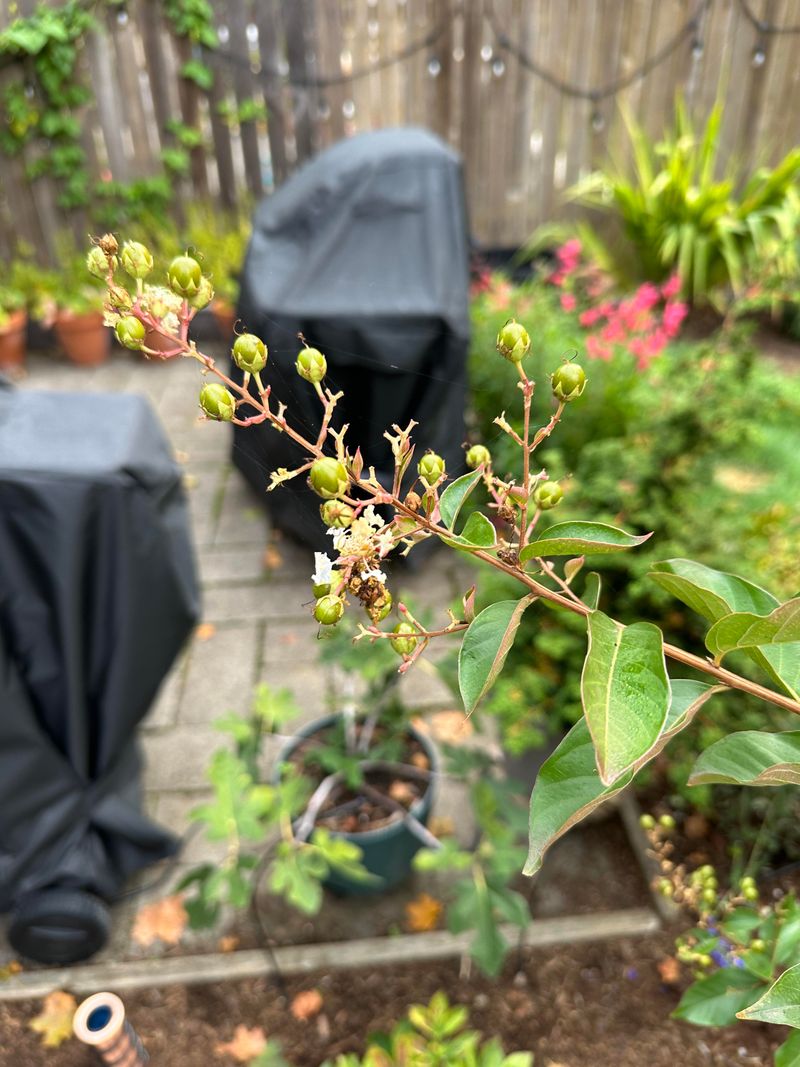
Removing spent flowers is a far smaller job. The cut belongs just below the finished cluster and above the first pair of healthy leaves, which usually means taking four to eight inches of soft stem.
Cutting into wood thicker than a pencil sends the wrong message. The tree answers with a crowd of weak, whippy shoots from a swollen knob, and those shoots flop under the weight of the next bloom.
Another common slip is shearing the whole canopy to save time. Shearing chops leaves in half, leaves ragged wounds, and strips away foliage the tree needs to fuel new buds.
Dull blades cause their own trouble. A crushed stem heals slowly and invites fungus, so sharpen bypass pruners before starting and set aside anvil style tools for dry wood.
Overdoing the amount removed is easy in the excitement of tidying up. Taking more than a quarter of the canopy in late summer strains roots already working hard through heat and drought.
Go slow, step back every few minutes, and study the tree from the sidewalk. A crepe myrtle that keeps its natural vase shape will reward you far longer than one shaped by a hedge trimmer.
Water, Feeding, And Support After The Snip
A freshly trimmed tree is a hungry tree, and August in Texas is a rough month to be hungry. New shoots need steady moisture, so plan on one deep soak each week instead of a daily sprinkle.
Running slow water at the base for twenty or thirty minutes pushes moisture down where roots actually live. Shallow watering trains roots upward, which leaves the tree wobbly during a dry September.
A three inch ring of mulch, pulled back a few inches from the trunk, holds that moisture and keeps soil temperatures steadier. Skip the cone shaped mound piled against the bark.
Feeding gets tricky this time of year. A light application of balanced fertilizer right after trimming supports the new flush, though heavy nitrogen after early September encourages soft growth that struggles once nights cool.
Sunlight does more work than anything sold in a bottle. Six hours of direct sun is the minimum for reliable reblooming and eight is better, so thin any nearby limbs shading the canopy.
Keep an eye on the foliage while new growth stretches. Aphids, sooty mold, and the white fuzz of bark scale show up quickly on tender shoots, and a strong water spray followed by horticultural oil usually settles things down.
Clean tools round out the routine. Wipe blades with an isopropyl solution between trees so you are not carrying trouble from one yard to the next.
The Payoff And The Case For Leaving Some Pods Alone
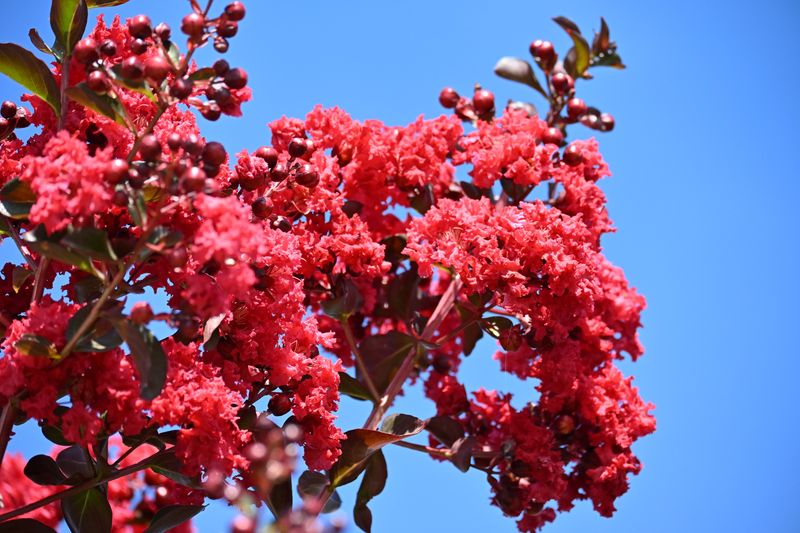
Reward first: a well timed trim in Central or South Texas can bring a second round of panicles by late September, smaller than the June show but bright against tired late summer foliage.
Flowers from a second flush usually run noticeably smaller than the first round. Color holds up well, though, and a row of trees blooming in October turns heads on any street.
There is a quieter argument for restraint. Seed capsules feed finches and chickadees through winter, and the dried clusters catch frost in a way photographers love.
Older trees with cramped root space sometimes do better spending late summer energy on storage rather than another bloom. A tree that stores well leafs out stronger the following April.
Consider your own schedule too. Trimming a fifteen foot tree means a ladder, a pole pruner, and an hour of arm work, which may or may not fit into the weekend.
A middle path works nicely for many yards. Trim the lower branches you can reach comfortably and let the upper canopy keep its pods, giving you fresh color at eye level and food for birds up high.
Whatever you decide, save the structural work for February when the tree is bare and its shape is easy to read. Late summer belongs to light snips, a shady chair, and a glass of lemonade on the porch.