Why California Is Quarantining Backyard Citrus Trees In Some Neighborhoods
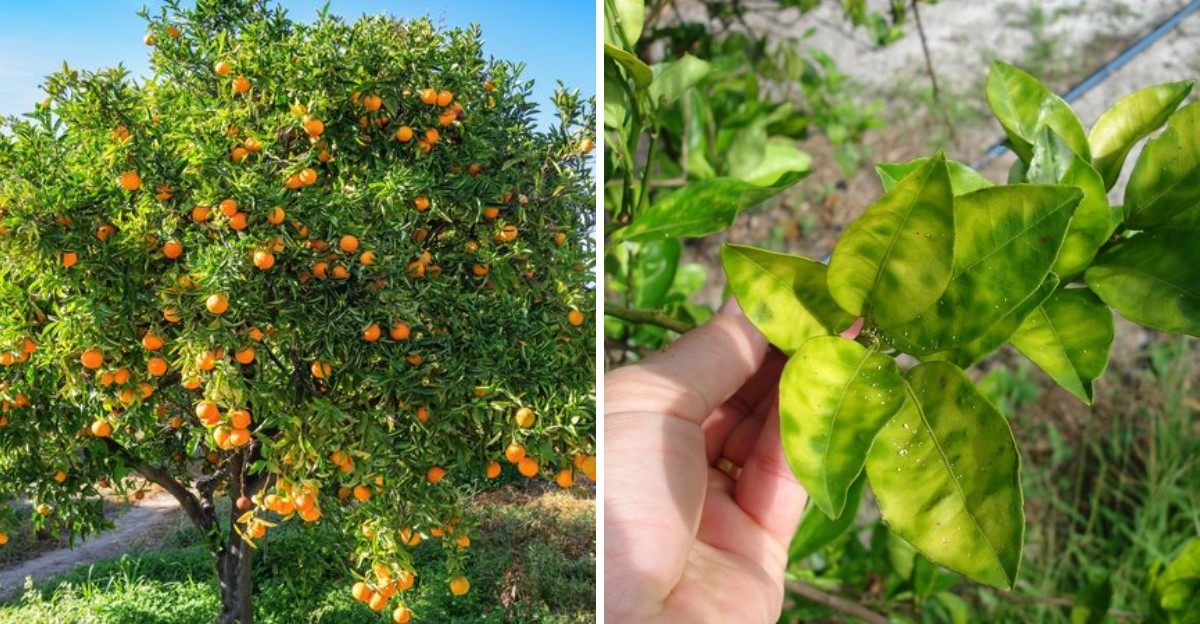
You are out back picking a fresh orange from your own tree, life is good, and then you find a notice on your door about a citrus quarantine in your neighborhood. Not exactly the morning you planned.
For a growing number of California homeowners, that scenario is not hypothetical anymore.
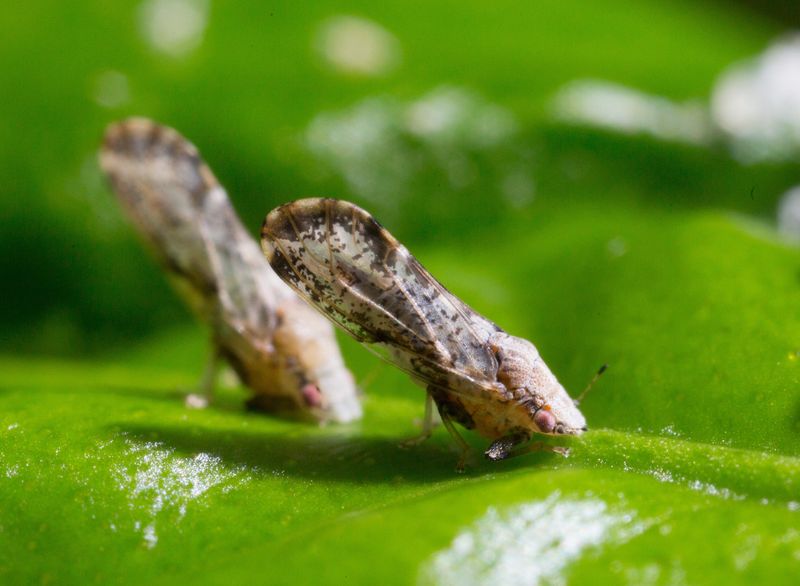
A tiny insect called the Asian citrus psyllid has been detected across parts of the state, and its ability to spread a serious disease called huanglongbing, or HLB, has prompted state officials to establish quarantine zones in certain areas.
The important thing to understand is that a quarantine does not mean every backyard citrus tree in the area is infected.
It means that controlling how citrus plants and materials move between locations is one of the most practical tools available for slowing the spread of both the insect and the disease.
1. A Tiny Psyllid Behind A Major Citrus Concern
You are out back picking a fresh orange from your own tree, life is good, and then you find a notice on your door about a citrus quarantine in your neighborhood. Not exactly the morning you planned.
For a growing number of homeowners across California, that scenario is not hypothetical anymore.
A tiny insect called the Asian citrus psyllid has been detected across parts of the state, and its ability to spread a serious disease called huanglongbing, or HLB, has prompted state officials to establish quarantine zones in certain areas.
The important thing to understand is that a quarantine does not mean every backyard citrus tree in the area is infected.
It means that controlling how citrus plants and materials move between locations is one of the most practical tools California has available for slowing the spread of both the insect and the disease.
Quarantine boundaries are established and managed by the California Department of Food and Agriculture, which continues to monitor and update affected areas as detections are confirmed.
2. HLB Changes The Future Of Backyard Citrus
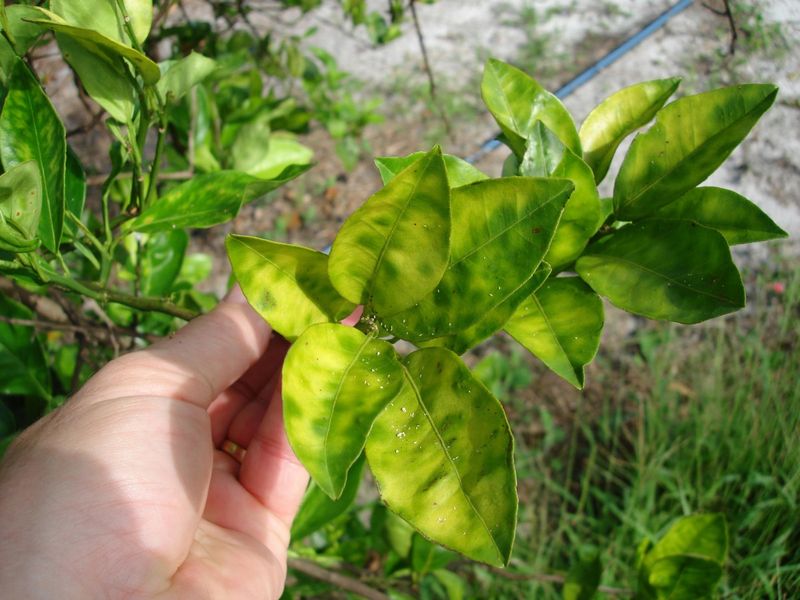
Few plant diseases have reshaped citrus growing as significantly as huanglongbing, commonly called HLB or citrus greening disease.
Caused by the bacterium Candidatus Liberibacter asiaticus, HLB affects the way a citrus tree moves nutrients through its system.
Over time, a tree with HLB may struggle to produce healthy fruit and maintain normal leaf color and growth patterns.
One of the most troubling aspects of HLB is that, according to UC IPM guidance, there is currently no cure for an infected tree.
Management strategies can help slow symptom progression in some cases, but no treatment has been shown to fully eliminate the bacterium once it is established inside a tree.
This reality makes prevention and early monitoring especially valuable for California homeowners who grow citrus in their yards.
Symptoms associated with HLB can include blotchy, uneven yellowing of leaves that does not follow a neat pattern, as well as fruit that may be small, lopsided, or bitter rather than sweet.
However, these same symptoms can appear due to nutrient deficiencies, irrigation problems, or other common citrus conditions.
Your California Garden Changes Every Week. Your Plan Should Too.
Gardening in California changes quickly throughout the season. Every Friday you’ll receive a simple weekly plan showing exactly what to plant, prune, fertilize, harvest, and protect so you never miss the right timing.
A tree showing yellow leaves or odd fruit is not automatically infected with HLB.
Proper evaluation by a trained professional is needed before drawing any conclusions, and homeowners are encouraged to report concerns rather than attempt self-diagnosis on their own.
3. Why Some Neighborhoods Enter Citrus Quarantine Areas
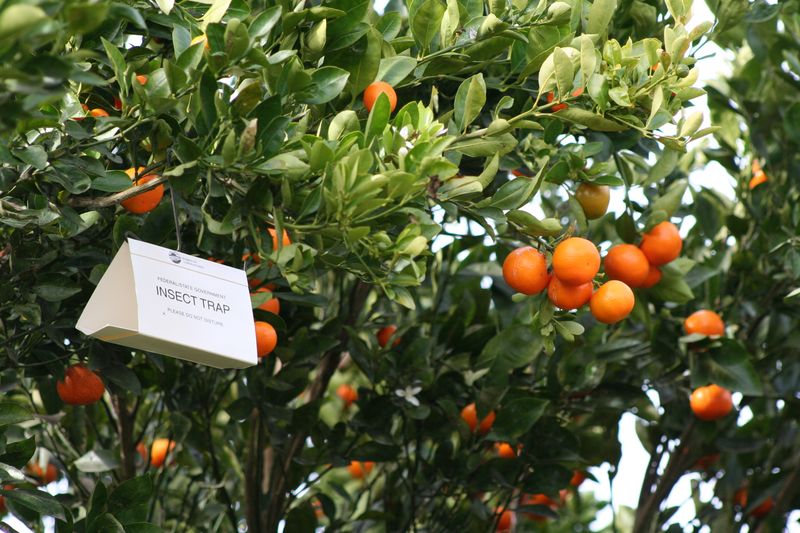
Getting a quarantine notice in the mail can feel alarming, especially when it references your backyard fruit trees. California establishes citrus quarantine areas in response to confirmed detections of ACP, HLB, or other regulated citrus pests and diseases.
These boundaries are drawn around geographic zones rather than targeting individual trees or specific homeowners.
A quarantine area means that certain rules about moving citrus plants and plant material apply within that zone.
The goal is to reduce the chance that infested or potentially infected material travels to areas where ACP has not yet been detected or where HLB has not been confirmed.
Quarantine boundaries can shift as monitoring data is updated, and the rules that apply may differ depending on whether the area involves ACP presence, confirmed HLB, or another regulatory designation from the California Department of Food and Agriculture.
Living inside a quarantine area does not mean a homeowner must remove their citrus trees or that every tree on the block is infected. Many properties within a quarantine boundary have healthy trees that show no signs of disease.
The quarantine primarily addresses movement and management practices rather than requiring removal of all citrus in the area.
Homeowners should check directly with CDFA or their local county agricultural commissioner to understand exactly what rules apply to their specific location, since requirements can vary and are subject to change as conditions evolve.
4. The Rules That Apply To Backyard Citrus Owners
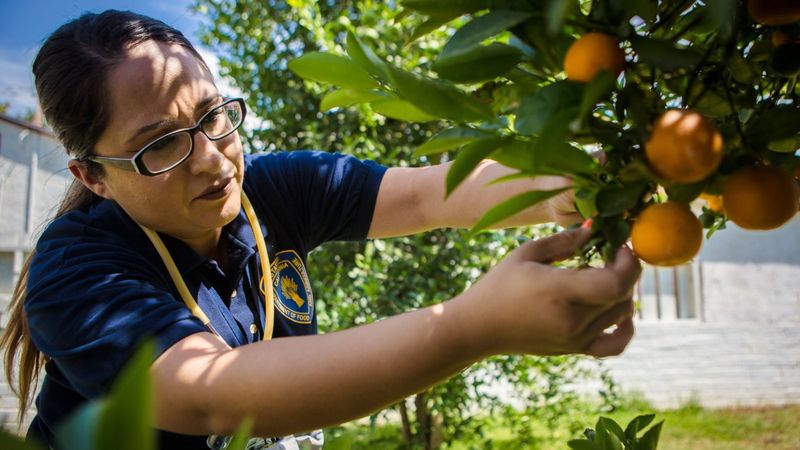
Once a neighborhood falls within a designated quarantine area, certain responsibilities shift for anyone who grows citrus on their property.
California quarantine regulations may restrict the movement of citrus plants, cuttings, budwood, leaves, branches, and other regulated plant material outside the quarantine zone.
These rules exist because moving plant material, even when it looks healthy, can unintentionally transport ACP or material that carries the HLB-associated bacterium.
The specific rules that apply depend on the current CDFA designation for that particular area. Some quarantine zones involve restrictions tied to ACP presence, while others may have additional requirements related to confirmed HLB detections.
Homeowners should not assume that the rules in one county or neighborhood are identical to those in another part of California, since quarantine designations and their associated requirements can be updated as monitoring and research continue.
Living in a quarantine area does not prevent a homeowner from growing, tending, watering, fertilizing, or enjoying their backyard citrus. The primary concern involves what leaves the property.
Fruit that has been cleaned and processed may be handled differently than cuttings or whole plants, but homeowners should verify current guidelines rather than relying on general assumptions.
Contacting the local county agricultural commissioner or visiting the CDFA website provides the most accurate and up-to-date information.
Staying informed is one of the simplest and most effective things a California citrus grower can do.
5. Fresh Growth Can Attract The Psyllid
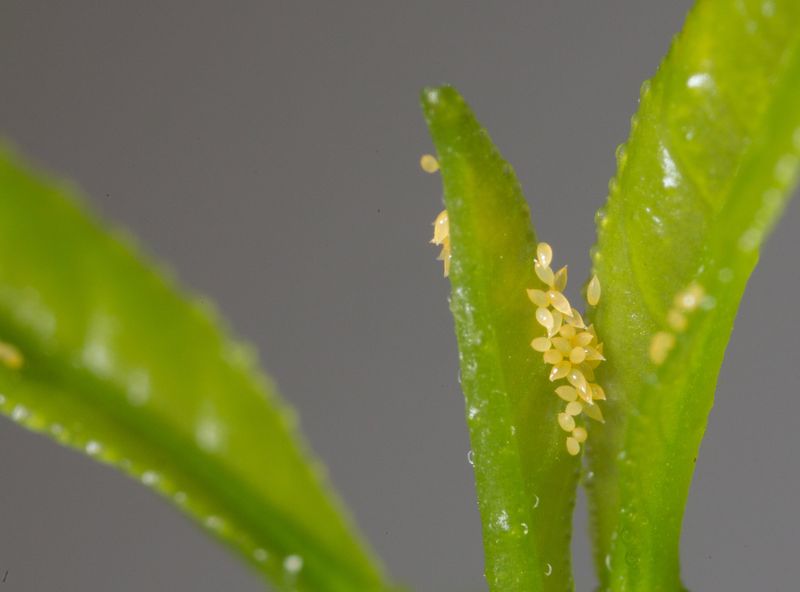
Spring and summer bring something many citrus lovers look forward to: those bright flushes of soft, tender new growth that signal a healthy, active tree. But that same new growth, often called flush, is exactly what the Asian citrus psyllid is drawn to.
ACP prefers to feed and reproduce on young, pliable shoots rather than older, tougher leaves.
Female psyllids lay their eggs on the tips of new citrus growth, and the developing nymphs feed on those same tender tissues as they mature.
This connection between ACP reproduction and new flush means that the periods when citrus trees are actively pushing out new growth are also the times when monitoring is most useful.
Catching ACP activity early gives homeowners a better opportunity to report findings and seek guidance before populations increase.
Checking citrus trees regularly during active growth periods does not require any special equipment.
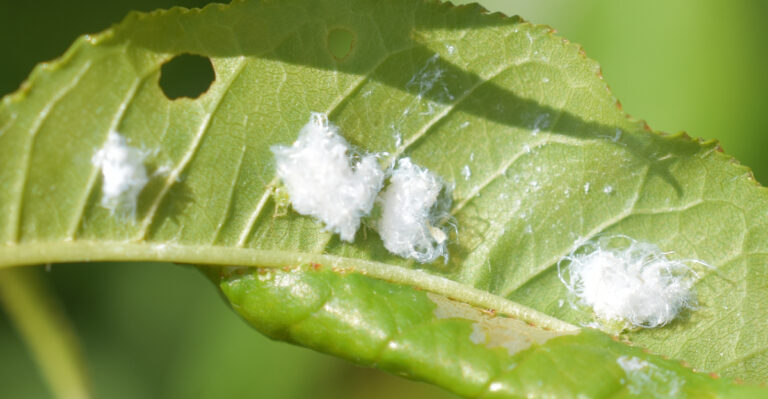
A careful look at the tips of new shoots, especially the undersides of young leaves, can reveal the presence of waxy, tubular deposits left by ACP nymphs, which are a distinctive sign of infestation.
New growth itself does not cause disease, and there is no reason to discourage healthy tree development. The goal is simply to stay observant.
California gardeners who make routine checks part of their citrus care routine are better positioned to notice changes and respond appropriately when something looks unusual on their trees.
6. The Signs That May Point To HLB Problems
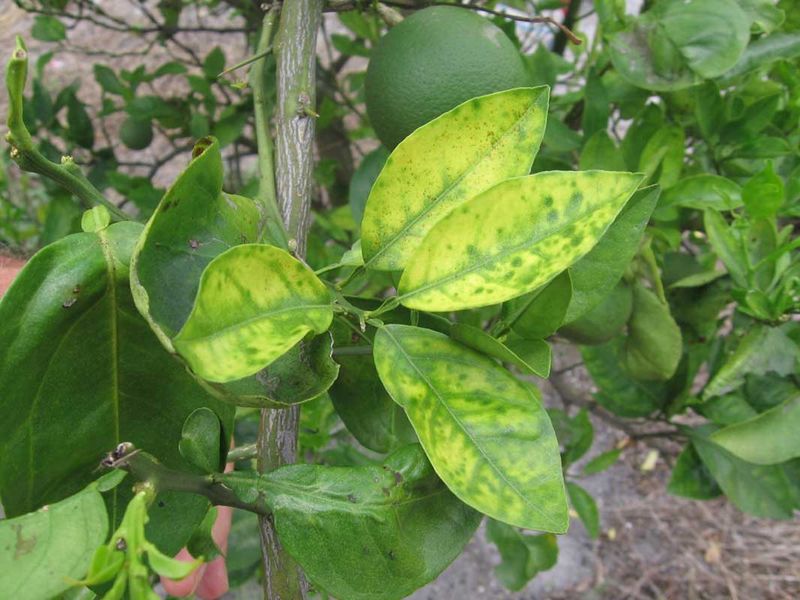
Noticing something off about a backyard citrus tree can prompt a lot of questions, especially in areas of California where HLB has been in the news.
Certain visual changes can be associated with HLB, but recognizing them accurately requires some care because citrus trees can show similar symptoms for a variety of unrelated reasons.
One of the more recognized signs linked to HLB is a blotchy, asymmetrical yellowing of leaves where one side of the leaf may look different from the other.
This uneven pattern, sometimes called blotchy mottle, differs from the more uniform yellowing that often results from nutrient deficiencies.
Fruit from a tree affected by HLB may develop abnormally, appearing small, lopsided, or with unusual interior characteristics, though again these traits alone cannot confirm the disease.
A citrus tree with yellow leaves, slow growth, or odd-looking fruit should not be assumed to have HLB without proper evaluation. Overwatering, underwatering, iron chlorosis, and other common issues can all produce similar-looking symptoms.
The responsible step for a homeowner who suspects a problem is to contact the local county agricultural commissioner or report the concern through CDFA. Trained professionals can arrange for proper testing and evaluation.
Acting on suspicion alone, such as removing a tree that may simply need better care, is not the recommended approach and could result in losing a healthy tree unnecessarily.
7. Why Moving Citrus Can Create More Risk
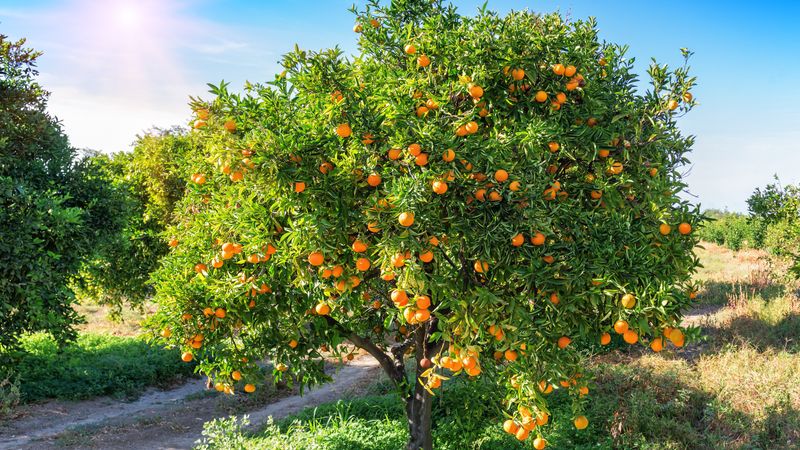
Sharing a cutting from a favorite lemon tree with a neighbor or bringing home a citrus seedling from a swap meet might seem like a perfectly harmless gardening tradition.
In parts of the state where ACP has been detected, however, moving citrus plants and plant material between locations carries a real risk of spreading the insect or the conditions that allow HLB to reach new areas.
ACP can be present on a plant without obvious signs. The insect is small and easy to miss, and eggs or nymphs tucked into new growth may not be visible during a casual inspection.
When infested plant material travels from a quarantine area to a location where ACP has not yet been established, it can introduce the pest to a new community.
If that insect population later encounters an HLB-infected plant, the cycle of potential transmission can begin in a place that was previously unaffected.
California quarantine rules limiting the movement of citrus plants, cuttings, budwood, and other regulated material are designed specifically to reduce this kind of unintentional spread.
Purchasing citrus from licensed nurseries that source from certified, pest-free programs is a safer alternative to obtaining plants through informal exchanges.
Homeowners who want to add citrus to their yard or share plant material with others should check current CDFA guidelines first.
Small decisions about plant movement can have a broader effect on the health of citrus across California neighborhoods and growing regions.
8. Steps California Gardeners Can Take Now
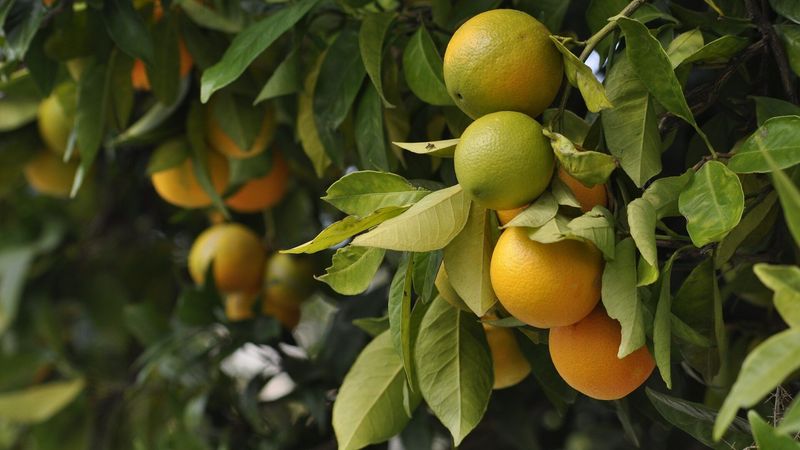
Tending backyard citrus today means staying a little more informed than in years past, but that does not mean the experience has to feel overwhelming.
There are practical, straightforward steps that any homeowner can take to care for their trees responsibly while contributing to broader efforts to manage ACP and reduce HLB risk in their community.
Monitoring is one of the most accessible starting points. During periods of active new growth, check the tips of young shoots for the small, waxy deposits that ACP nymphs leave behind.
If something looks unusual, report it to the local county agricultural commissioner or use the CDFA’s online reporting tools rather than attempting to treat the problem independently.
Purchasing citrus trees and plant material from licensed nurseries that participate in certified, pest-free programs reduces the chance of introducing ACP onto a property in the first place.
Following current quarantine rules that apply to a specific location, even when the restrictions feel inconvenient, supports the collective effort to protect citrus across California’s many growing regions.
Maintaining healthy trees through proper watering, fertilization, and general care also helps citrus stay in better condition overall.
Healthy trees are not immune to ACP or HLB, but well-maintained plants are generally more resilient.
Staying connected with local UC Cooperative Extension resources and CDFA updates keeps homeowners informed as quarantine boundaries and regulations change over time across different parts of California.